Retail News CRM

Tag: fees

  • Shein’s IPO Dreams Tumble as EU E-commerce Fees Threaten $50 Billion Valuation Goal

    Shein’s IPO Dreams Tumble as EU E-commerce Fees Threaten $50 Billion Valuation Goal

    Shein, the fast-fashion retailer, is looking at a tough road ahead as it aims for a valuation of up to US$50 billion in its highly anticipated IPO in Hong Kong. This is mainly due to new fees imposed on e-commerce parcels in Europe, which are expected to negatively affect sales growth and profits. The proposed valuation is a significant drop from the $100 billion valuation that the company held in 2022, during a funding round when it initially considered a New York listing.

    The company generated global revenue exceeding $40 billion last year, alongside a net profit of nearly $2 billion, according to undisclosed sources. In comparison, the company’s 2024 filings in Singapore show $37 billion in revenue and a profit of $1.29 billion.

    Challenges Presented by New EU Fees

    The company’s growth trajectory this year is likely to face setbacks, following the European Union’s introduction of a €3 fee on low-value e-commerce imports. This measure is aimed at curbing what the EU believes to be unfair competition from China. Shein’s CEO, Sky Xu, will need to reassure investors that this is a temporary setback, with growth expected to rebound in 2027. A significant portion of Shein’s products are manufactured in China, and Europe accounts for a third of the company’s revenue.

    Eddie Tam, Chief Investment Officer at Central Asset Investments in Hong Kong, voiced his concerns about the company’s valuation, stating, “If its valuation is $40 billion, I think that’s still a bit expensive. But if it’s closer to $30 billion, maybe it looks more attractive,” He further added that the new European fees will significantly impact the company’s performance.

    Effects of Increased Fees on European Demand

    Before the imposition of the new fees, e-commerce parcels worth less than €150 (US$171.96) entered the European Union duty-free. Now, each parcel is subject to €3 fees per customs code, which means a parcel with five different items could be charged €15 in duties.

    One e-commerce industry analyst, Juozas Kaziukenas, noted the significant impact of the fee increase by stating, “If you’re used to buying €3 T-shirts on Shein, those are now double the price which is quite significant, even if they’re still cheaper than local alternatives.”

    To better navigate the new fee structure, Shein has been expanding warehouse space in Wroclaw, Poland, and shipping popular products to the EU in bulk. However, like its competitor Temu, the company has cut back advertising spending in Europe as it monitors consumer reactions to the price increases.

    Questions & Answers

    What is the primary challenge facing Shein’s upcoming IPO?
    The main challenge is the new fee imposed by the European Union on e-commerce imports, which is likely to affect the company’s sales growth and profits.

    How has Shein been preparing for the change in the European Union’s e-commerce fee structure?
    Shein has been expanding its warehouse space in Wroclaw, Poland, and shipping popular products to the EU in bulk. It has also reduced advertising spending in Europe.

    What was the valuation of Shein during its 2022 funding round, and how does it compare to the expected valuation in the upcoming IPO?
    During the 2022 funding round, Shein was valued at $100 billion. However, the company is seeking a valuation of $40 to $50 billion in the upcoming IPO, indicating a significant drop.
  • Vietjet and Bamboo Airways Hike Checked Baggage Fees Prior to Peak Summer Travel Rush

    Vietjet and Bamboo Airways Hike Checked Baggage Fees Prior to Peak Summer Travel Rush

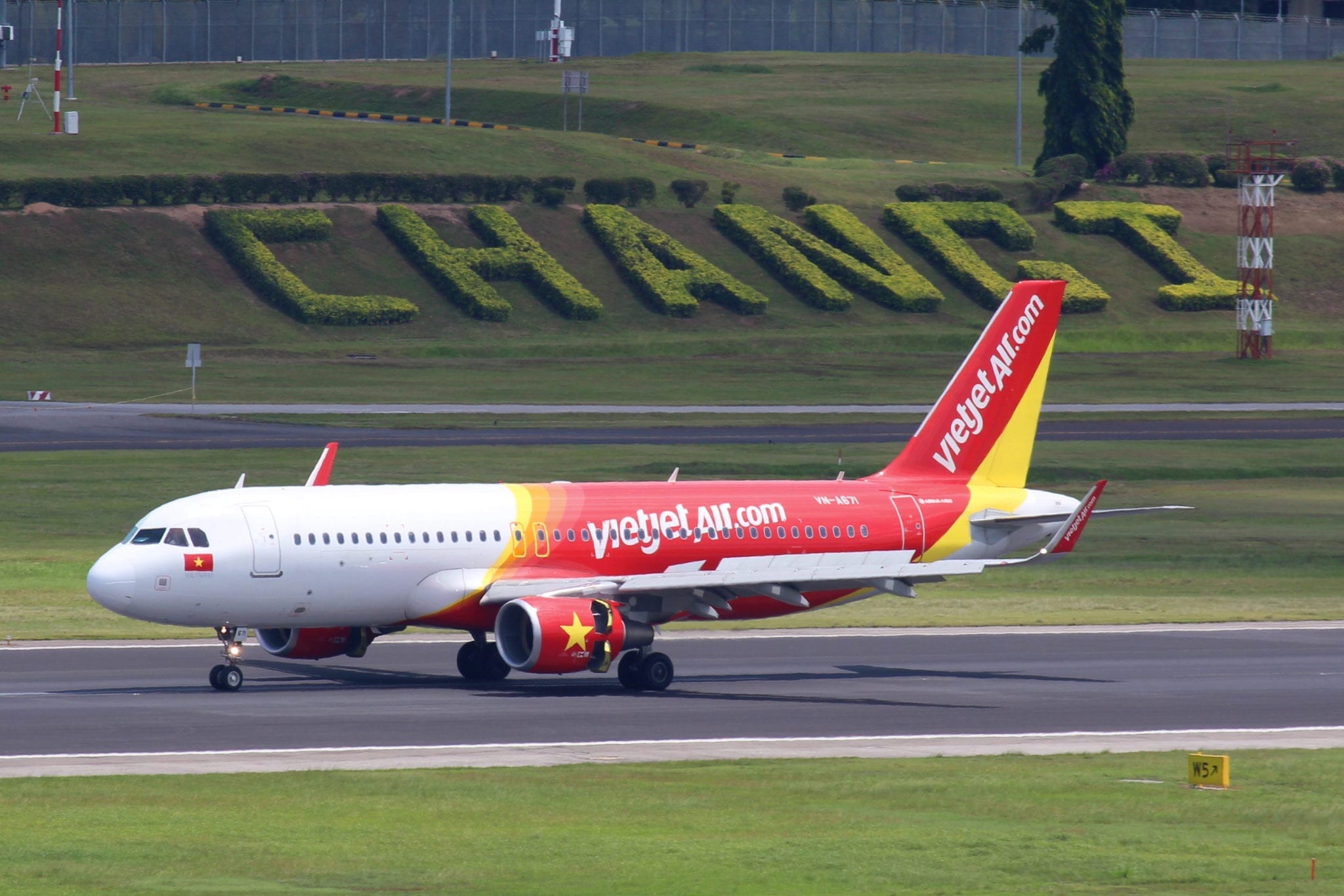
    Vietjet Air and Bamboo Airways, two leading airline companies, have recently increased their rates for checked luggage by 15-25%. This price surge has come into effect just before the beginning of the high-demand summer travel season.

    Revised Baggage Prices

    According to a recently released pricing schedule, checking in 20 kg on Vietjet’s domestic flights has become 25% more expensive, now costing VND250,000 (equivalent to US$9.5) plus tax. For 30 and 40 kg luggage, the prices have risen by 20%, costing VND360,000 and VND480,000 respectively. Furthermore, the pricing for oversized bags and extra carry-on allowance has also seen an increase of approximately 20%.

    The price adjustments also apply to various international routes. For instance, the price for checked baggage weighing 20 kg on Southeast Asia flights has increased by 21%, amounting to VND580,000. Meanwhile, on flights to Hong Kong, Taiwan, and mainland China, the rate has similarly increased to VND700,000.

    Bamboo Airways has also implemented an approximate 15% increase on their domestic flights during peak seasons such as Tet (the Lunar New Year) and summer. The summer fees are set to be applicable from May 20 to August 15 as well as from August 27 to September 2.

    Implications of Rising Costs

    A flight booking agency in Ho Chi Minh City noted that several airlines have been increasing fares and other prices, such as checked baggage, seat selection, and in-flight meals, in response to the escalating fuel costs. It has been observed that customers, who previously focused solely on ticket prices, are now showing heightened awareness of baggage fees when planning their travel expenses, particularly families and long-term travelers who may end up adding millions of dong to each trip due to these charges.

    According to a report by the Civil Aviation Authority of Vietnam, the prices of Jet A1 aviation fuel have consistently remained high in Asia, occasionally reaching US$214-216, as a result of Middle East tensions. This fluctuation in fuel prices has significantly impacted airlines’ operating costs and airfares in recent years.

    Questions & Answers

    What is the percentage increase in Vietjet Air and Bamboo Airways’ checked baggage prices?
    Answer: Their checked baggage prices have increased by 15-25%.

    How is the increase in baggage prices affecting customers’ travel planning?
    Answer: Customers are now more conscious of baggage fees when planning their travel expenses.

    What has contributed to the increasing operating costs for airlines in recent years?
    Answer: Fluctuating fuel prices, particularly of Jet A1 aviation fuel, have significantly impacted airlines’ operating costs and airfares in recent years.

  • OCBC Posts 5% Surge in Q1 Profits, Bolstered by Wealth Management and High Fees

    OCBC Posts 5% Surge in Q1 Profits, Bolstered by Wealth Management and High Fees

    In the first quarter, the Oversea-Chinese Banking Corporation Limited (OCBC) experienced a decline in its net interest income. However, this was counterbalanced by increases in wealth-led gains and higher fees, resulting in an overall rise in total income.

    Financial Performance Overview

    OCBC reported a 5% increase in net profit for Q1, largely attributed to robust performance in its wealth management and insurance sectors. This helped offset the impact of falling interest rates. The bank, based in Singapore, saw its net profit increase to S$1.97 billion in the three months leading up to March 31, marking 13% growth from the previous quarter and up from S$1.88 billion in the equivalent period a year earlier. The total income also experienced an upward trend, reaching an all-time high of S$3.83 billion, a 5% annual increase.

    Non-interest income, a key driver of these results, also saw record figures. It witnessed a 23% surge, amounting to S$1.61 billion, and made up over 40% of the total income. This growth was spread across various operations including fees, trading, and insurance.

    Revenue Streams: Wealth Management and Lending

    Wealth management was a significant contributor to OCBC’s revenue. Income from this sector grew by 11% to S$1.48 billion, and assets under management in banking wealth management rose by 12%, reaching S$342 billion. This growth was facilitated by net new money inflows across all customer segments.

    Net fee income also saw considerable growth, up 24% to S$675 million. This was stimulated by a 34% increase in wealth management fees, fueled by a rise in customer investment activity across private banking, premier banking, and other wealth channels. Other areas that showed improvement were investment banking, trade-related, and loan-related fees. Trading income saw a rise of 10% to S$434 million, spurred on by strong customer flow income amid sustained wealth-related activity and heightened hedging demand from corporate clients.

    However, the bank also faced challenges in the form of pressure on its lending margins due to falling interest rates. Net interest income fell by 5% to S$2.22 billion, and net interest margin contracted to 1.76% from 2.04% in the previous year.

    Despite these challenges and a 6% increase in operating expenses to S$1.50 billion, mainly due to higher staff costs and continuous investment in technology infrastructure, OCBC managed to maintain a cost-to-income ratio below 40%, at 39.3%.

    Questions & Answers

    What were the major contributors to OCBC’s growth in the first quarter?
    Wealth management was a key factor, with an 11% income increase. There were also broad-based increases in non-interest income, which rose 23%.

    What challenges did OCBC face in the first quarter?
    The bank experienced pressure on its lending margins due to declining interest rates, which caused a 5% fall in net interest income.

    Did OCBC manage to maintain financial stability despite these challenges?
    Yes, although it faced some challenges, OCBC maintained a stable asset quality and a prudent approach to provisioning. The bank’s strong capital, funding, and liquidity position has left it well-equipped to pursue growth opportunities amidst ongoing economic uncertainties.

  • Apple Slashes App Store Commission Fees in China: A Big Win for Developers and Consumers

    Apple Slashes App Store Commission Fees in China: A Big Win for Developers and Consumers

    Apple will decrease the commission fees it collects from App Store transactions in mainland China, marking a substantial victory for Chinese developers. This decision comes in response to the perceived pressure from regulators in the U.S. technology behemoth’s second-largest market.

    Lowered Commission Fees

    Beginning Sunday, the California-based company will reduce fees for in-app purchases and paid transactions to 25%, down from the present 30%, according to a statement on the company’s website. For developers in Apple’s small business and mini apps partner programmes, in-app purchase transaction fees will be decreased to 12% from the current rate of 15%.

    The term ‘mini apps’ denotes smaller applications that function within a larger parent application, such as Tencent’s WeChat.

    Significant Impact for Chinese Developers

    This change is a significant advancement for Chinese app developers, including operators of ‘super apps’ such as Tencent and ByteDance, the owner of TikTok. These platforms offer numerous smaller apps developed by third-party creators.

    The reduction could potentially save Chinese developers more than 6 billion yuan (US$873 million) in annual operating costs. The measure has been presented as a win for Chinese digital consumers.

    Improved Consumer Choices

    The adjustment will enhance consumer choices and information transparency. The premium for digital goods and services within iOS will gradually decrease, and prices for membership subscriptions, game charges, live broadcast tips, mini programs, and other scenarios are predicted to drop, potentially saving consumers up to nearly 1 billion yuan per year.

    Global Scrutiny of Apple Tax

    The 30% ‘Apple Tax’ continues to be a significant target of regulatory scrutiny worldwide. In the U.S., Apple permits users to pay in-app fees using alternative payment methods, while the EU implemented new legislation in 2024 that mandated Apple to reduce commission fees to a range of 10% to 17% for developers.

    In China, Apple has been in discussion with the IT ministry and other departments about reducing their fees.

    World Consumer Rights Day

    The reduced commission fees will take effect on World Consumer Rights Day, a day often marked by Chinese state media spotlighting domestic and foreign companies accused of consumer rights violations. Apple was targeted by this campaign in 2013, when its after-sales service was criticized, compelling the company to issue a public apology.

    Going forward, the Chinese government may require Apple to collect App Store revenues within China, rather than overseas, and increase regulatory oversight of foreign apps published in China.

    Previously, Apple has removed apps such as virtual private networks (VPNs) from its China App Store at the Chinese internet regulators’ request.

    International Developers Also Benefit

    Apple’s fee reduction also extends to international developers whose apps are available on the China App Store. As an example, Duolingo, the highest-grossing education app in China, stands to save a substantial amount of money given its annual revenue from the Chinese market is around US$50 million.

    Questions & Answers

    What is the new commission fee rate for in-app purchases and paid transactions in mainland China?
    The new commission fee rate in mainland China is being reduced to 25% from the previous 30%.

    Who stands to benefit from these reduced commission fees?
    Chinese developers and operators of ‘super apps’ such as Tencent and ByteDance, along with international developers with apps available in the China App Store, will benefit from these reduced commission fees.

    When will the fee reduction take effect?
    The fee reduction will take effect on World Consumer Rights Day, which falls on Sunday.

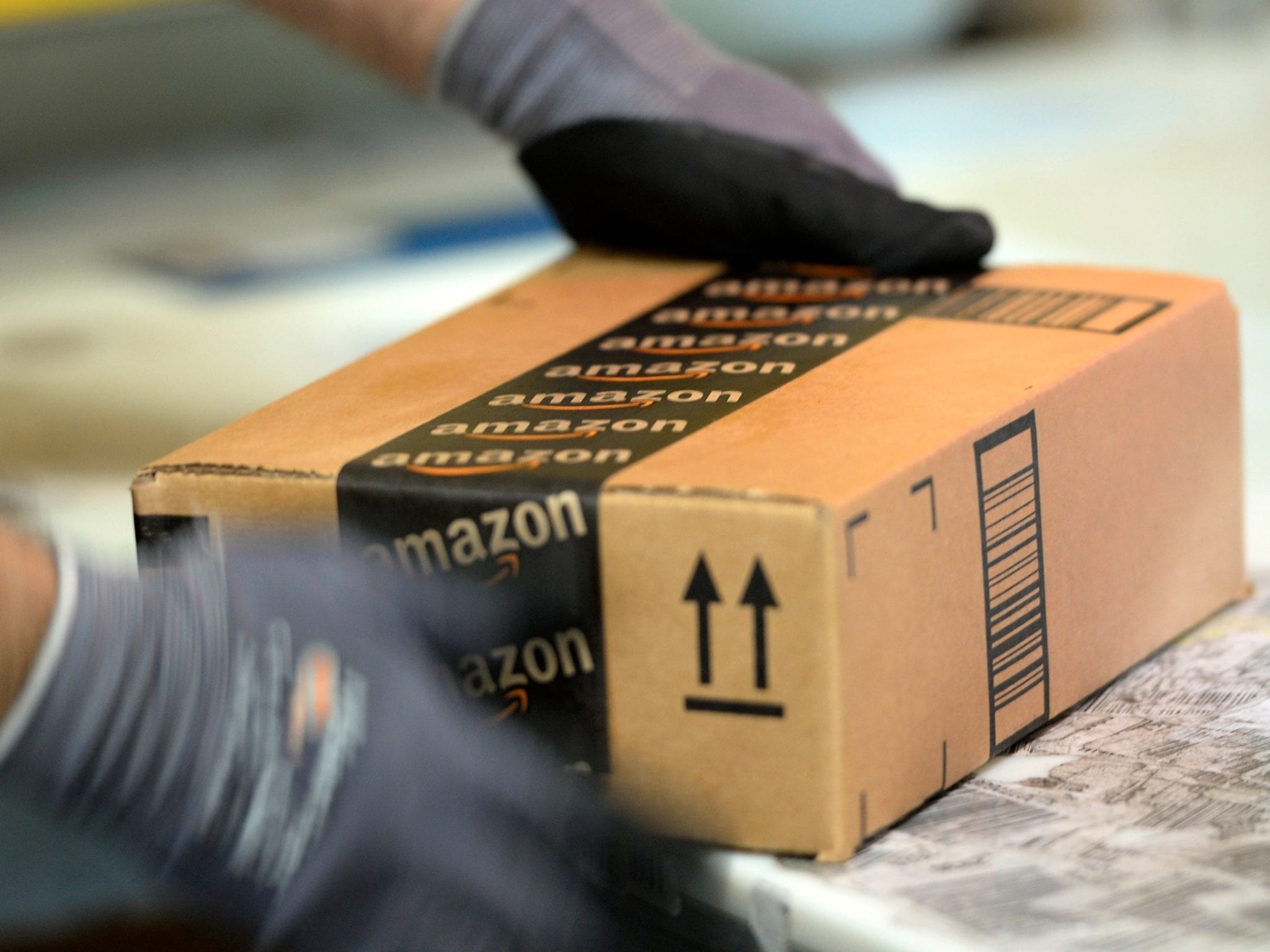
  • Amazon India Drops Referral Fees to Accelerate Seller Growth Amidst Fierce E-commerce Competition

    Amazon India Drops Referral Fees to Accelerate Seller Growth Amidst Fierce E-commerce Competition

    Amazon has announced that it will abolish the referral fee for sellers in India on items priced under 1000 rupees (approximately US$10.98). This decision aims to encourage more retailers to use their platform and gain a stronger hold on India’s competitive e-commerce market.

    Expanding ‘Zero-Referral Fee’ Policy

    Amazon’s initiative builds upon its ‘zero-referral fee’ policy, introduced last year, which encompassed about 12 million items priced below 300 rupees. This program played a significant role in a 50% increase in new sellers joining Amazon’s Indian platform. The referral fee is a commission that sellers pay Amazon for each item sold.

    Starting March 16, this new policy now covers more than 125 million items. In addition to scrapping the referral fee, Amazon has decided to reduce some shipping costs.

    Targeting Small Businesses and Entrepreneurs

    “This step is intended to make selling on Amazon more profitable and simpler, particularly for small businesses and entrepreneurs in tier-2 and tier-3 cities,” said Amit Nanda, Director of Selling Partner Services for Amazon India.

    India is a vital market for Amazon, given the rapid growth of the internet user base in the world’s second-most populous country, driving e-commerce growth.

    However, Amazon is up against stiff competition from Walmart-backed Flipkart and Reliance Industries’ retail arm, owned by billionaire Mukesh Ambani. Quick-commerce entities such as Eternal’s Blinkit and Swiggy’s Instamart are also making significant inroads into market share.

    In December, Amazon announced plans to invest over $35 billion in India by 2030. While this investment will help expand its AI infrastructure, the focus will primarily be on growing retail logistics and stimulating small-business growth.

    Questions & Answers

    What is Amazon’s new initiative regarding referral fees in India?

    Amazon has decided to eliminate the referral fee for products under 1000 rupees, aiming to attract more retailers to their platform.

    How will this affect small businesses and entrepreneurs in India?

    By removing the referral fee and reducing some shipping costs, Amazon is making selling on its platform more lucrative and easier, particularly for small businesses and entrepreneurs in smaller cities in India.

    What are Amazon’s future investment plans for India?

    Amazon plans to invest over $35 billion in India by 2030, with a focus on expanding its AI infrastructure, enhancing retail logistics, and promoting small-business growth.

  • International Students in Australia Grapple with Skyrocketing Living Costs and Tuition Fees

    International Students in Australia Grapple with Skyrocketing Living Costs and Tuition Fees

    Many international students in Australia are facing considerable financial strain, as they attempt to balance their academic commitments with part-time work to afford their living expenses. A key concern among these students is the high cost of food and other essentials.

    A Chinese student at the Australian National University, unwilling to be named, shared her experiences of eating instant noodles or fast food until she was able to find work. Although conscious of the need to study, she found herself working as many as 48 hours a fortnight, the maximum allowed under Australian student visas. This, however, led to immense stress and anxiety, affecting her sleep and overall wellbeing.

    Struggling to Afford Basic Necessities

    This student’s situation is far from unique. The 2024 State of Student Healthcare Report, issued by Allianz Partners Australia, indicated that nearly a third of international students regularly missed meals due to the high cost of groceries. Roughly one in four stated they could not afford fresh fruits and vegetables.

    Housing security has also become a major issue. Sean Stimson, a senior solicitor at the Redfern Legal Centre’s International Student Legal Service, highlighted an increase in homelessness among international students over the past 18 months, largely due to significant rent hikes.

    Erin Longbottom, nurse unit manager of the homeless health service at St. Vincent’s Hospital in Sydney, referred to international students as the emerging “hidden face of homelessness.”

    Overcoming Barriers in the Rental Market

    The 2024 Student Accommodation Council report found that international students faced particular challenges in the private rental market. Without a rental history in Australia and often lacking employment or income statements when applying for leases, they are at a significant disadvantage.

    While students are required to show access to A$30,000 (US$20,700) to obtain a visa, Stimson cautioned that these funds could be quickly depleted due to skyrocketing living costs.

    Rising Tuition Fees

    In addition to escalating expenses for housing and food, tuition costs have also surged. Immigration expert Dr. Abul Rizvi pointed out that fees for international students have grown significantly faster than inflation.

    More than 583 courses charge international students over $250,000, with 445 of those offered by the country’s top research universities. In some instances, the total cost of a degree can exceed A$850,000.

    Financial Stress Taking Its Toll

    The Allianz report further revealed that over 61% of international students surveyed said daily expenses were substantially higher than anticipated. Only 18.2% felt financially secure, while 40.2% were experiencing financial stress or hardship. Worryingly, 28.1% considered leaving their studies due to these pressures.

    Alan Morris, a professor focusing on urban and housing studies at the University of Technology Sydney, noted that many international students suffer enormous stress and anxiety as they try to juggle their academics and finances. This often results in academic performance suffering as students focus on making ends meet.

    The Need for Innovative Solutions

    Although Australia’s student visa work rules are generally quite generous, experts caution that simply increasing work hours may not alleviate the financial pressures faced by international students.

    Rather, innovative solutions may be of value. Morris suggested Australia might benefit from adopting a Canadian housing model that pairs international students with older residents for reduced rent in exchange for assistance with household tasks.

    In the meantime, many international students are finding their own ways to adapt to these financial challenges, developing practical skills such as cooking or driving to save money.

    Despite the difficulties, many students still consider studying in Australia to be a valuable experience.

    Questions & Answers

    What challenges are international students in Australia facing?
    They are dealing with rising living costs, high tuition fees, and restrictions on work hours, which are leading to financial stress and, in some cases, homelessness.

    What issues are they encountering with housing and food?
    Many international students are struggling to afford groceries and fresh food. Additionally, steep rent increases have led to issues with housing security, with homelessness on the rise among this group.

    What solutions are being suggested to alleviate these pressures?
    One suggestion is to adopt a Canadian housing model that pairs international students with older residents. The students would help with household tasks in exchange for reduced rent. This would help alleviate some financial stress and provide more secure housing.

  • Casino Operators Battle Proposed Doubling of Monthly Entry Fees to $1,900: A Game Changer?

    Casino Operators Battle Proposed Doubling of Monthly Entry Fees to $1,900: A Game Changer?

    Casino operators are voicing their concerns over a proposed plan by regulatory bodies to increase the monthly casino entry fee to VND50 million ($1,900). Some operators suggest this amount should instead be set as the annual entry fee.

    Increased Entry Prices

    The Ministry of Finance is currently inviting feedback on an initiative to raise the entry fees for casinos. The proposal also includes an increase in the price of a one-day ticket by 2.5 times to VND2.5 million. At the moment, there is no option to purchase annual tickets.

    The Ho Tram Project Company, the entity operating the Ho Tram Casino in Ho Chi Minh City, has put forward a suggestion for the introduction of an annual ticket at a cost of VND50 million, with no changes to the existing rates. This initiative would equate to approximately VND4.2 million per month, or 16.8% of the present VND25 million. The company states that this pricing structure aligns with that of Singapore, where visitors pay VND3 million for a 24-hour pass and VND60 million for an annual pass.

    The Corona Casino, located on Phu Quoc Island, has proposed fixing the one-day ticket price at VND1.5 million, with a VND35 million monthly pass. These prices are 30-40% lower than the new proposed rates.

    Opposition to the Proposal

    The ministry, however, has dismissed both proposals, arguing that increased pricing is necessary to dissuade individuals with insufficient funds from engaging in gambling activities. The Ministry of Justice previously stated that using entry prices as a measure of a player’s finances is not an effective approach.

    At present, Vietnamese citizens are permitted to enter three casinos, the third being the Van Don Casino in Quang Ninh province near the Chinese border. Vietnam has six other casinos; however, these are exclusively open to foreign visitors, as the government continues to maintain strict control over the gambling industry.

    The Phu Quoc casino, which is operated by a subsidiary of Vingroup, was the pioneer in allowing local entry through a pilot program initiated in 2016. The venue houses 1,470 slot machines and 147 gaming tables. Over the past five years, Vietnamese patrons have made up 52% of the casino’s clientele and contributed to 88% of its revenue. However, these figures have seen a downward trend following the Covid-19 pandemic, with local patronage dwindling to a mere 12% last year.

    Questions & Answers

    Why have casino operators objected to the proposed increase in entry prices?
    Casino operators argue that the suggested price hikes could deter visitors, leading to a decrease in revenue. They propose that these increased fees should instead be applied to annual tickets.

    Why does the Ministry of Finance believe higher entry prices are necessary?
    The Ministry of Finance maintains that increased entry prices are a means to discourage individuals who may not have sufficient financial resources from indulging in gambling activities.

    Why have the numbers of Vietnamese patrons at the Phu Quoc casino decreased since the onset of the Covid-19 pandemic?
    The reduction in local patronage may be due to factors such as economic hardship caused by the pandemic, increased health concerns, and the implementation of social distancing measures.

  • Recycling fees in Vietnam higher than in Europe

    Recycling fees in Vietnam higher than in Europe

    Fourteen business associations have petitioned nine ministers to complain about Vietnam’s unusually high recycling fees, which are several times higher than that in Europe.

    The associations, which include American Chamber of Commerce in Vietnam, Vietnam Association of Seafood Exporters and Producers, and Vietnam Textile and Apparel Association, said that a recent draft bill on recycling required fees higher than in developed countries.

    Vietnam’s recycling fee for aluminum packaging is 1.26 times higher than the average of 14 countries in Western Europe, they said.

    The fee for recycling glass is 2.12 times.

    The ideal cost should be 30-50% of that in European countries as workers’ salary in Vietnam is only 10% of their counterparts in European countries.

    The associations estimate that their combined recycling fee for paper, plastic and metal is at VND6.13 trillion ($257.35 million) annually.

    This is unusually high as it does not take into account the profit that recycling companies get from the materials they receive.

    Recyclers of aluminum cans, for example, post profits between VND700 billion and 1.29 trillion annually.

    It is unreasonable that manufacturers and consumers are paying trillions of dong every year to support recyclers, the associations said.Recycling

  • Government may halve registration fees for locally produced automobiles

    Government may halve registration fees for locally produced automobiles

    The government has instructed the Ministry of Finance to assess the impact of a 50-percent cut in registration fees for locally produced automobiles.

    Thanh Cong Motor Vietnam Joint Stock Company had called on the government to cut the fee to support an industry affected by Covid-19.

    The ministry has been told to complete the task this month.

    In June, the Vietnam Automobile Manufacturers Association (VAMA) had proposed a similar 50-percent cut in registration fees, but the ministry had rejected it.

    Last year too the government had cut the fee by half, and it cost VND6 trillion ($260.9 million).

    In the first six months of this year VAMA members, who account for more than 95 percent of the market, saw sales fall 30 percent year-on-year to 102,720 vehicles.

    Car manufacturers fear the global effects of Covid would have a long-term impact on people’s incomes and auto demand.

    VAMA expects sales to decline by more than 15 percent this year. Last year, they had risen by 11.7 percent to 322,322 units.

  • E-Vehicles Exempted From Registration Certificate Fees

    E-Vehicles Exempted From Registration Certificate Fees

    The Ministry of Road Transport and Highways on Tuesday said it has issued a notification to exempt battery-operated vehicles from the payment of fees for issue or renewal of registration certificate.

    In a statement, the ministry said it has also exempted battery-operated vehicles from the payment of fees for the assignment of new registration marks.

    This has been notified to encourage e-mobility, it added.

  • AirAsia offers flight change fee waiver

    AirAsia offers flight change fee waiver

    AirAsia has announced that it would waive flight change fees for any new bookings made between June 3 and October 31, 2020.

    In a statement today, it said the option is applicable for online bookings on airasia.com for domestic flights within Malaysia, Indonesia, Thailand, the Philippines and India.

    “Guests may make an unlimited number of flight date changes via the ‘My Bookings’ tab on airasia.com or the AirAsia mobile app, and may rebook their flights for travel up to December 31, 2020, subject to seat availability and fare difference,” it said.

    Meanwhile AirAsia Group president (Airlines), Bo Lingam said due to the unprecedented circumstances relating to the current public health situation and the associated travel restrictions, travel plans may be fluid throughout this year.

    The airline said the flight date and time change is only applicable up to 48 hours before the original departure time and up to four hours for AirAsia India.

    For further information, guests can visit this link.

  • Apple sues Qualcomm in China over technology fees

    Apple sues Qualcomm in China over technology fees

    Apple has filed suit in China challenging Qualcomm’s fees for technology used in smartphones two years after Chinese regulators fined the chipmaker for its licensing practices.

    Two lawsuits filed by the iPhone maker accuse Qualcomm of abusing its control over essential technology to charge excessive licensing fees, a Beijing court said on its microblog. It said Apple reports suffering 1 billion yuan ($145 million) in “economic losses” and asks for 2.5 million yuan ($360,000).

    Most of Apple’s iPhones and other products are assembled in China by contractors.

    Apple filed a similar complaint on Jan. 21 in U.S. federal court in San Diego, California, accusing Qualcomm of demanding royalties for innovations on iPhones that have nothing to do with Qualcomm’s technology. The U.S. lawsuit seeks $1 billion in damages.

    The U.S. Federal Trade Commission also has filed a lawsuit accusing Qualcomm of imposing unfair licensing terms on manufacturers.

    Qualcomm, headquartered in San Diego, said in a statement it had not seen Apple’s complaint to the Chinese court but defended its fees. The company said Apple rejected terms consistent with those accepted by more than 100 Chinese manufacturers.

    Qualcomm agreed to change its licensing after Chinese regulators fined the company 6 billion yuan ($975 million) in 2015 on charges it abused its control over technology to charge excessive fees.

    In a separate statement, Apple complained Qualcomm demands royalties for phone features that nothing to do with its technology.

    “For many years Qualcomm has unfairly insisted on charging royalties for technologies they have nothing to do with,” said the Apple statement.

    It also accused Qualcomm of withholding nearly $1 billion in payments due to Apple, headquartered in Cupertino, California, in retaliation for cooperating with investigations by regulators in the United States, Europe, South Korea and Taiwan.

    Qualcomm said its fees were consistent with changes worked out with Chinese regulators.

    “These filings by Apple’s Chinese subsidiary are just part of Apple’s efforts to find ways to pay less for Qualcomm’s technology,” said Don Rosenberg, executive vice president and general counsel of Qualcomm, in the statement.

    South Korean regulators last month fined Qualcomm $853 million for violating antitrust laws, a decision Qualcomm is fighting.