Retail News CRM

Tag: five

  • Five Guys Burgers Set for Beijing Expansion Amid Uptick in US Fast-Food Foothold in China

    Five Guys Burgers Set for Beijing Expansion Amid Uptick in US Fast-Food Foothold in China

    Next month, the renowned American burger establishment, Five Guys, is all set to launch in Beijing. This event signifies the continued expansion of U.S. restaurant brands in China, undeterred by the escalating competition in the market.

    Five Guys plans to establish three eateries in Beijing’s shopping centers, strategically located in areas favored by the younger demographics. The brand’s entry into Mainland China came about in 2021, facilitated through a collaboration with local franchise operator, JumboFive. The inaugural restaurant, located at Shanghai’s Printemps Mall on Huaihai Middle Road, attracted considerable consumer attention. The brand reported that customers started lining up from as early as 2 am, enduring waits of over three hours on the opening day.

    The rapid expansion of Five Guys in China aligns with a larger trend noticed among American fast-food companies. These organizations are seeking growth opportunities in China as the prospects in the U.S. become more saturated. Domino’s Pizza China serves as a representative example, recently extending its franchise network to encompass 1550 stores. The pizza chain added a net of 235 new outlets in the first half of the year, concurrently reporting a surge in sales during the second quarter.

    In an akin move, Yum China recently decided to purchase the Pizza Hut business in mainland China from U.S.-based Yum Brands. The deal, worth US$1.2 billion in cash, aims to tap into the potential of Pizza Hut as the country’s largest casual dining restaurant brand. Last year, Pizza Hut generated a substantial revenue of $2.3 billion and an operating profit of $183 million.

    Questions & Answers

    What is Five Guys’ plan for expansion in Beijing?
    Five Guys plans to open three restaurants in Beijing, targeting shopping malls frequented by young consumers.

    How was Five Guys’ entry into Mainland China facilitated?
    Five Guys entered Mainland China in 2021 through a collaboration with the local franchise operator, JumboFive.

    What are some other examples of American fast-food chains expanding in China?
    Additional examples include Domino’s Pizza China, which expanded its network to 1550 stores recently, and Yum China, which acquired the Pizza Hut business in mainland China.


  • Five Guys Joins US Fast-Food Frenzy in China with First Beijing Outlet Opening

    Five Guys Joins US Fast-Food Frenzy in China with First Beijing Outlet Opening

    Five Guys, an American burger chain, is set to open its first outlet in Beijing in the coming month, joining a surge of American fast-food brands either entering or rapidly expanding within China. This comes on the heels of the establishment of the brand’s first Chinese outlet in Shanghai in 2021. According to a statement made by the company last week, it is aiming to open three outlets in Beijing’s prime shopping centers, primarily targeting younger consumers. Construction activities are already underway, indicating that the openings are not far off.

    American chains like Wendy’s, Chili’s, Texas Chicken, and Popeyes are all vying for a piece of the world’s second-largest consumer market as they face oversaturation in their domestic markets, according to industry analysts. Sandy Lim, a China consumer analyst at S&P Global Ratings, stated that some smaller American chains are exploring possibilities in China to counterbalance the oversaturation in their domestic markets.

    Lim elaborated, “Despite fierce competition, there are still pockets of demand within China’s large catering market.” She explained that unlike previous foreign brands that depended on direct operations overseen by overseas headquarters, exposing them to profits, losses, and market volatility, many American brands nowadays prefer franchising models.

    Wendy’s, listed on Nasdaq, announced in May its plans to open up to 1,000 stores across China in the next decade. As per its first-quarter earnings report, the company has entered into a new franchise agreement with an experienced local restaurant operator, who remains unnamed.

    In the first quarter, the burger chain’s sales, in the same stores, fell by 7.8% year on year, while its system-wide sales in international markets rose by 6% from the previous year.

    Texas Chicken, another American fast-food chain, plans to open its first Chinese outlet in Shanghai this summer. In an April statement, the company announced its partnership with Deke Shengtang, a well-established local operator with several quick-service restaurant brands, to develop a minimum of 600 restaurants across the country over the coming years.

    Chili’s, yet another American chain, opened its second store in Beijing in May. Meanwhile, the Louisiana-based fried chicken brand, Popeyes, made a comeback to Beijing in April, nearly twenty years after it left China in 2003. This chain currently has over 80 outlets in Shanghai.

    Adapting to the Chinese Market

    Fu Yifu, a special research fellow at Su Merchants Bank, noted that inflation continues to affect household spending in the U.S., while the presence of Western fast-food brands in China continues to grow.

    Early market entrants like KFC, McDonald’s, and Starbucks have developed localized franchising models to mitigate risks. Five Guys is positioning itself to appeal to quality-conscious consumers in first-tier cities. Fu emphasized that Chinese consumers are not automatically attracted to foreign brands anymore. To succeed, these brands must offer differentiated products and adopt localized operations.

    Questions & Answers

    What is Five Guys’ expansion plan in China?
    Five Guys plans to open three stores in Beijing’s popular shopping centers, targeting younger consumers. This follows the opening of its first China outlet in Shanghai in 2021.

    What strategy are American fast-food chains employing in China?
    Many American fast-food chains are opting for franchising models in China, partnering with experienced local operators. This model reduces their exposure to market volatility compared to direct operations managed by overseas headquarters.

    What approach is Five Guys taking to appeal to Chinese consumers?
    Five Guys is targeting quality-focused consumers in first-tier cities. As Chinese consumers are not automatically attracted to foreign brands, the company is focusing on offering differentiated products and adopting localized operations.

  • Vietnam’s Pepper Exports Heat Up with 21.7% Rise in Five Months, US Leading the Demand

    Vietnam’s Pepper Exports Heat Up with 21.7% Rise in Five Months, US Leading the Demand

    In the first five months of 2026, Vietnam saw a significant increase in its pepper exports, with 122,600 tonnes exported, marking a rise of 21.7% from the previous year. The collective value of these shipments was US$789.2 million, representing a 13.9% surge year-on-year, as reported by the Vietnam Pepper and Spice Association.

    Primary Markets and Export Performance

    The United States emerged as the leading market, accounting for nearly 24.5% of the total exports, or 30,000 tonnes, marking a growth of 30.2% from the previous year. China followed closely with a staggering 145.4% rise, importing 14,636 tonnes.

    In terms of regional consumption, Asia led as the largest consumer, importing 56,570 tonnes, or 46% of the total product, marking a 24% rise year-on-year. Europe also saw a rise in imports by 5.1%, totalling 25,176 tonnes. Remarkably, the Netherlands boosted their imports by 51.6%, but Germany saw a 30.7% drop.

    The increase in exports can be attributed to a strong performance in the first and early second quarters, coupled with increased demand from major markets amid a tightening global supply. However, in May, pepper export volume experienced a decline of 18.9% from April and 4.8% year-on-year, totalling 25,180 tonnes worth $166.2 million.

    Import Trends and Other Exports

    On the import side, Vietnam purchased 38,086 tonnes of pepper valued at $217.8 million, marking a 69% rise year-on-year in volume and 60% in value. Cambodia emerged as the primary supplier, accounting for 54.6% of imports, followed by Brazil with a 29.1% share.

    In addition to pepper, Vietnam’s cinnamon exports also witnessed growth. The country exported 48,686 tonnes of the spice, totalling $124.3 million in the first five months, marking a 2% increase in volume and a 1% increase in value from the previous year. Asia accounted for 67.8% of these exports, while the Americas constituted 22.4%.

    Questions & Answers

    What was the total volume and value of pepper exported from Vietnam in the first five months of 2026?
    122,600 tonnes of pepper were exported, with a value of US$789.2 million.

    Which countries were the main buyers of Vietnamese pepper?
    The United States and China were the main buyers, importing 30,000 tonnes and 14,636 tonnes respectively.

    What trends were observed in Vietnam’s cinnamon exports?
    Vietnam’s cinnamon exports also saw a rise, with 48,686 tonnes exported, valued at $124.3 million. Asia and the Americas were the main markets for Vietnamese cinnamon.

  • 2026 Health Sector Boom: Five Key Drivers Powering a Robust Year in Healthcare

    2026 Health Sector Boom: Five Key Drivers Powering a Robust Year in Healthcare

    The healthcare industry is entering the new year with a strong momentum, backed by increased transparency surrounding government healthcare policies and a surge of investor interest. The sector’s future earnings prospects are on the rise, spurred by a robust innovation pipeline and the emergence of new market segments. Despite this, healthcare stocks continue to trade at a discount relative to the global market, creating a re-evaluation underway that is accelerating. At present levels, there are still appealing opportunities for increasing exposure to the healthcare sector.

    Five Key Developments Driving the Sector’s Momentum

    The sector’s momentum is being bolstered by five key developments:

    Firstly, policy clarity is attracting investors back to the sector. The pricing agreement reached between the US administration and Pfizer in September, and subsequent agreements with Eli Lilly and Novo Nordisk in November, marked a significant turning point. These developments have resulted in a predictable framework for drug pricing and reimbursement policies, thereby reducing uncertainty and improving planning visibility. Reaction from investors was swift, with healthcare emerging as one of the strongest global stock market performers this quarter, attracting an additional $8 billion in capital to healthcare ETFs worldwide in just three months.

    Secondly, a re-evaluation process has begun, with further potential for catch-up. Healthcare valuations are moving back towards historical averages, but the sector is still valued approximately 13% lower than global stocks. The future looks bright for healthcare companies, with average profit growth predictions for biopharmaceuticals and life science tools between 2024 and 2027 standing at approximately 15%, more than double the historical growth rate of about 7% per year.

    Thirdly, the biopharma sector is set to benefit from formidable growth drivers and high M&A capacity. Looking ahead to 2026, this sector stands to gain from various structural trends such as new oncology treatment classifications, advances in obesity and diabetes treatments, and therapeutic innovations in cardiovascular care.

    Fourthly, the medical technology sector continues to be a key growth driver, spurred by high demand in established markets and the emergence of new billion-dollar niches. Markets such as robot-assisted surgical systems, glucose monitoring devices, and structural heart disease treatment continue to register double-digit growth rates.

    Lastly, emerging markets are boosting their innovation capabilities and market clout. These markets are steadily transforming into innovation powerhouses in their own right. China, for instance, is transitioning from an out-licensing partner to a global pharmaceutical player, while India’s rapidly growing middle class and substantial government healthcare infrastructure spending stand out as growth engines.

    Conclusion

    Entering 2026, the healthcare sector is backed by strong structural growth drivers and improved earnings visibility. Innovation continues to be key, supported by robust pipelines, new therapy platforms, and tech-enhanced solutions. However, the sector’s performance disparity, as measured by the MSCI World Healthcare Index, is also noteworthy, with a performance gap of +72% and -38% between the best and worst-performing stocks in the first half of 2025.

    After a recent period of policy uncertainty, the healthcare sector is back in its historical position of innovation, growth, and high operational visibility, a position from which it has consistently delivered tangible value.

    Questions & Answers

    What has attracted investors back to the healthcare sector?
    Investors are being drawn back to the healthcare sector due to increased policy clarity, including agreements on drug pricing and reimbursement policies between the US administration and pharmaceutical companies.

    What are some key growth drivers for the biopharma sector looking ahead to 2026?
    Key growth drivers for the biopharma sector include new classifications of oncology treatments, advancements in obesity and diabetes treatments, and therapeutic innovations in cardiovascular care.

    How are emerging markets contributing to the growth of the healthcare sector?
    Emerging markets like China and India are increasingly becoming innovation powerhouses in their own right. China is transitioning from an out-licensing partner to a global pharmaceutical player, while India’s growing middle class and substantial government spending on healthcare infrastructure are key growth drivers.

  • Chinese Giants Alibaba, Jd Extend Singles’ Day Sales Amid Economic Challenges

    Chinese Giants Alibaba, Jd Extend Singles’ Day Sales Amid Economic Challenges

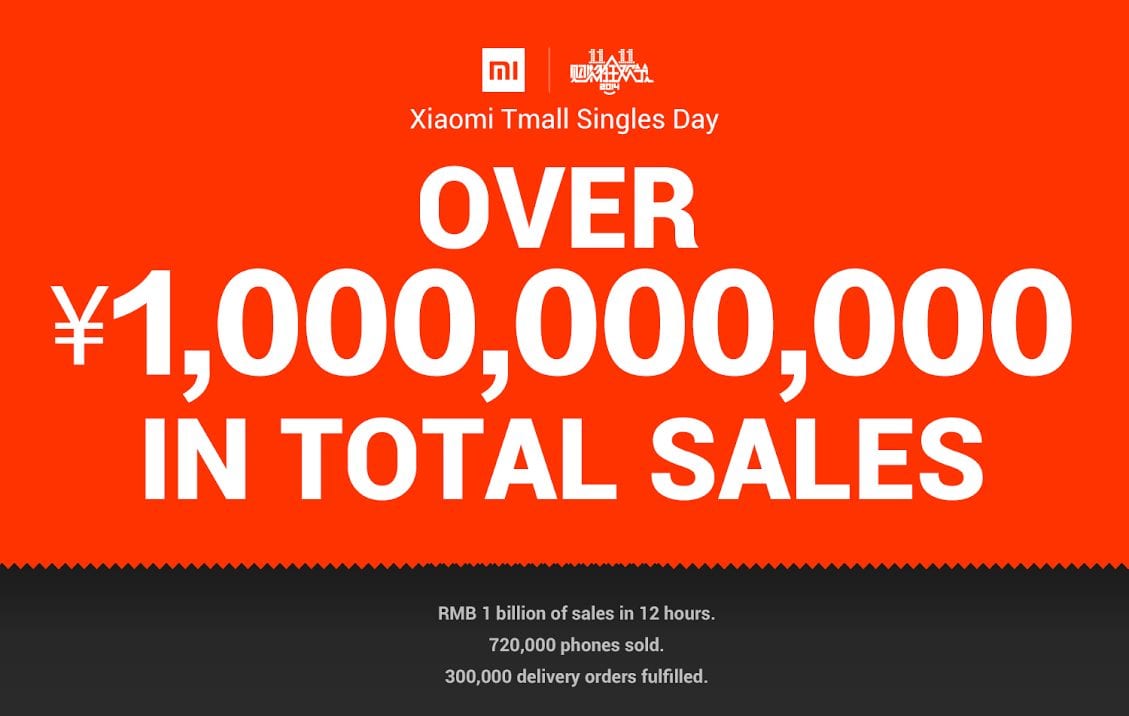
    Chinese retailers are capitalizing on the annual ‘Singles’ Day’ phenomenon by extending the sales event for up to five weeks. The sustained retail strategy is being deployed by industry giants Alibaba and JD as they strive to stimulate consumer interest amidst economic challenges.

    The Chinese economy, which is the second largest in the world, has suffered from weak consumer spending this year. Various factors, including negotiations over trade policies with the US, fierce domestic rivalry, inclement weather, and an ongoing property crisis have worked against the economic growth.

    Alibaba recently unveiled an exceptional investment into the biggest annual sales event during a launch event in Shanghai. The e-commerce behemoth has committed 50 billion yuan (US$7 billion) in subsidies for its highest spending 88VIP members. The extensive sales period began recently and will continue until November 11, which is the traditional Singles’ Day, named after the numerical representation of the date.

    Leveraging AI and Instant Retail

    Alibaba reported that 35 brands, which include globally renowned names like Nike and L’Oreal, as well as local companies Anta and Proya, sold over 100 million yuan worth of products in the first hour of the sale.

    To further stimulate sales, Alibaba has integrated artificial intelligence (AI) into its search and recommendation functions. This AI-enhanced system is predicted to boost click-through rates by approximately 10%.

    Instant retail, defined by the delivery of online orders within an hour, is another focal point for this year’s sales strategy. Both Alibaba and JD have invested billions into subsidies to entice customers towards their rapid delivery channels, which have been growing at a faster rate than e-commerce as a whole.

    Changing Shopping Patterns as Consumers Grow Choosier

    JD initiated its campaign on October 9, aligning with China’s return to work post the eight-day Golden Week holiday. However, consumer spending during Golden Week hit a three-year low, even with growth in holiday travel, which raised some concerns regarding the forthcoming Singles’ Day promotions. Additionally, extended promotions this year may not necessarily encourage consumers to splurge more.

    JD announced during a recent press briefing that it would offer over 100,000 popular products at the lowest prices of the year. Included in the sale are 50,000 pairs of thermal long johns, priced at 2 yuan ($0.30) each which includes the cost of shipping.

    Jacob Cooke, co-founder and CEO of WPIC Marketing + Technologies, posits that products that enhance consumers’ perception of themselves, such as beauty brands, outerwear, and packaged food and drink, are likely to perform well this year. However, home appliances, which enjoyed a sales boom in 2024 due to government subsidies, are projected to see a decline. Analysts from Nomura predict a 20% drop in home appliance sales in the last quarter of the year.

    Questions & Answers

    What is Singles’ Day in China and when is it?
    Singles’ Day is an annual sales event in China that takes place on November 11. It was named after the numerical representation of the date, and it is considered the biggest sales event of the year.

    What strategies are Chinese retailers employing this year to boost sales during Singles’ Day?
    Chinese retailers such as Alibaba and JD are extending the sales period up to five weeks, investing in subsidies, leveraging artificial intelligence for search and recommendation functions, and focusing on instant retail or one-hour delivery of online orders.

    What types of products are expected to be popular during this year’s Singles’ Day sales event?
    Products that help consumers feel good or enhance their perception of themselves like beauty brands, outerwear, and packaged food and drinks are expected to be popular. However, home appliances, which saw high sales in the past due to government subsidies, are expected to decline this year.

  • Hanwha Group Mulls Sale Of Fg Korea, Operator Of Five Guys Franchise In South Korea

    Hanwha Group Mulls Sale Of Fg Korea, Operator Of Five Guys Franchise In South Korea

    The South Korea-based conglomerate, Hanwha Group, is reported to be contemplating the sale of FG Korea, the operator of the American burger franchise Five Guys in South Korea.

    FG Korea and Hanwha Group

    FG Korea functions as a fully-owned subsidiary of Hanwha Galleria, which is the retail division of Hanwha Group. The company recently disseminated documents to private equity firms via a local accounting firm, Samil PwC. This action is seen as an indicator of a possible sale. It is anticipated that if a sale does occur, it would likely result in the complete transfer of ownership of the company.

    FG Korea’s Expansion

    FG Korea was instrumental in introducing Five Guys to the South Korean market in 2023, with the inaugural restaurant opening in the Gangnam district of Seoul. Since then, the chain has grown to include seven branches, with plans for an eighth location to open later this month in Yongsan, central Seoul.

    In the previous year, FG Korea had entered into an agreement with Five Guys International to spearhead the brand’s expansion into Japan, with an ambitious goal of establishing more than 20 outlets within the span of seven years.

    FG Korea’s Financial Performance

    In the past fiscal year, FG Korea reported significant sales of 46.5 billion won (approximately US$33.4 million) and a net income of 2 billion won.

    This potential sale is understood to be part of Hanwha Galleria’s attempts to optimize its portfolio and reduce expenses.

    Questions & Answers

    What is the relationship between FG Korea and Hanwha Group?
    FG Korea is a wholly-owned subsidiary of Hanwha Galleria, which is the retail branch of Hanwha Group.

    What has been FG Korea’s role in the expansion of Five Guys?
    FG Korea brought Five Guys to South Korea in 2023 and has since helped the brand grow to seven locations. Furthermore, they have also signed a memorandum of understanding with Five Guys International to lead the brand’s expansion into Japan.

    What is the financial performance of FG Korea in the past fiscal year?
    FG Korea reported 46.5 billion won (approximately US$33.4 million) in sales and a net income of 2 billion won in the last fiscal year.