Retail News CRM

Tag: footprint

  • Miu Miu Expands Luxury Fashion Footprint with New Boutique at K11 Musea, Hong Kong

    Miu Miu Expands Luxury Fashion Footprint with New Boutique at K11 Musea, Hong Kong

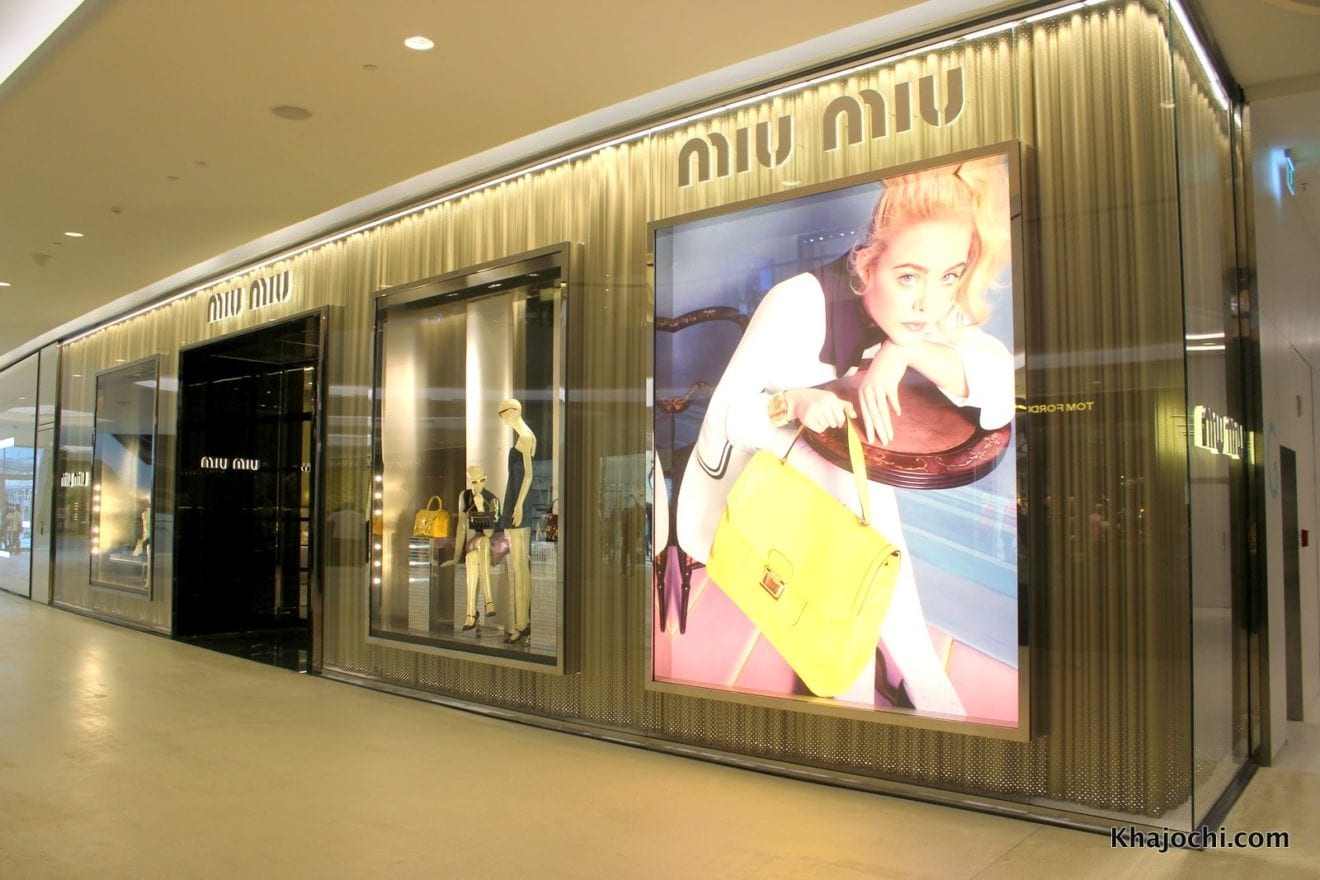
    High-end fashion house Miu Miu has inaugurated a new boutique in Hong Kong’s K11 Musea, further enhancing the luxury retail location’s high-grade fashion repertoire.

    The 161 square metre boutique showcases ready-to-wear collections, handbags, footwear and accessories, alongside Miu Miu’s L’Eté and Upcycled lines. The boutique also features a range of K11 Musea-exclusive styles, presented in a minimalist interior that boasts blue canvas walls, oak wood and limestone finishes.

    This new opening is part of the ongoing multi-stage refurbishment of K11 Musea that was announced earlier this year. This large-scale renovation has introduced over 60 luxury and premium brands while revamping more than 30 per cent of the mall’s retail space.

    Horace Lam, CEO of K11 Hong Kong, highlighted that Miu Miu’s addition aligns perfectly with the mall’s strategy of boosting its appeal to luxury shoppers through carefully curated brand experiences.

    “Miu Miu’s new boutique offers a sophisticated, design-oriented environment that resonates with our culturally discerning, luxury clientele who are in pursuit of immersive retail experiences,” said Lam.

    Additionally, Lam indicated that this latest opening is a testament to K11’s dual-mall strategy. K11 Musea is primarily focused on luxury retail, while the adjoining K11 Art Mall targets a younger demographic and recently welcomed Saucony’s first flagship in Hong Kong.

    “Collectively, these new additions underscore the complementary positioning of our portfolio in the vibrant Tsim Sha Tsui district: Two malls, two unique identities, both operating at close to full capacity with sustained growth in traffic and sales,” Lam further remarked.

    Questions & Answers

    What does the new Miu Miu boutique add to K11 Musea?
    The boutique enhances the mall’s luxury fashion offerings with its curated selection of ready-to-wear collections, handbags, footwear, and accessories, as well as exclusive styles only available at K11 Musea.

    How does the new Miu Miu store align with K11 Hong Kong’s strategy?
    The addition of Miu Miu aligns with K11’s strategy of attracting luxury shoppers through carefully curated brand experiences, thereby strengthening its appeal.

    What is K11’s dual-mall strategy?
    K11 operates two malls with distinct identities. K11 Musea focuses on luxury retail, while the neighbouring K11 Art Mall caters to younger consumers. Both malls are operating at near-full occupancy with continuous growth in traffic and sales.
  • Calvin Klein Amplifies Fashion Footprint in South Korea with New Seongsu Lifestyle Boutique

    Calvin Klein Amplifies Fashion Footprint in South Korea with New Seongsu Lifestyle Boutique

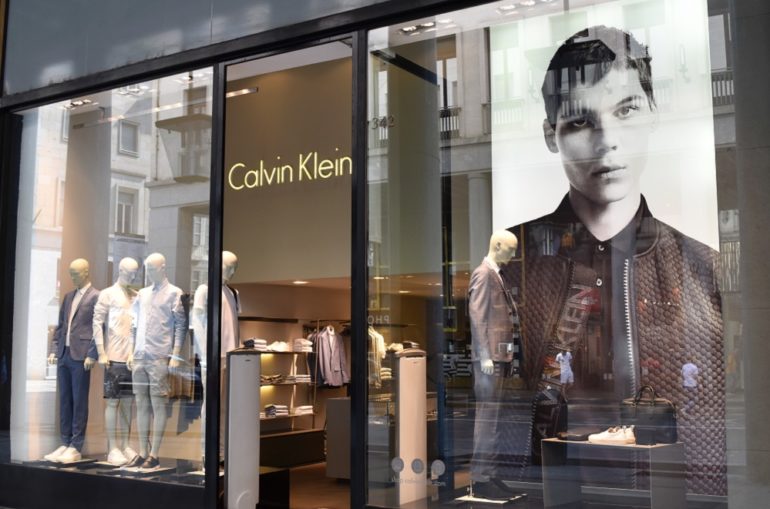
    Calvin Klein continues to solidify its footprint in South Korea with the recent opening of a chic lifestyle boutique in the stylish district of Seongsu, Seoul. The new outlet marries the sleek minimalism that is synonymous with Calvin Klein, with the industrial charm of the Seongsu neighborhood.

    The boutique, nestled in Seongdong-gu, gracefully spans three floors and cleverly integrates elements of the building’s original blueprint. An atrium breathes life into the space, which also boasts customized fixtures contributing to its unique aesthetic.

    A Shopping Experience Across Three Levels

    The boutique’s ground floor is a homage to Calvin Klein’s renowned denim collection. Here, shoppers can explore a variety of fits, fabrics, and the brand’s seasonal styles, promising something to suit every fashion-forward client.

    Moving to the second floor, Calvin Klein’s array of lingerie and underwear take the spotlight. This level also showcases the brand’s outerwear, knitwear, and accessory lines, as well as other seasonal collections, offering a comprehensive shopping experience for the discerning buyer.

    The boutique reserves its third floor for personal styling appointments, ensuring that customers receive a dedicated and personalized service to help them put together their perfect Calvin Klein ensemble.

    “We are thrilled to strengthen our brand’s presence in what is arguably one of Asia’s leading fashion and cultural hubs,” stated representatives from Calvin Klein.

    Questions & Answers

    What is unique about the new Calvin Klein boutique in Seongsu, Seoul?
    The new boutique blends Calvin Klein’s minimalist aesthetic with the industrial character of Seongsu. It spans three levels, each dedicated to different collections, and features an atrium and custom fixtures.

    What collections does the new boutique feature?
    The boutique showcases Calvin Klein’s popular denim and underwear collections. It also offers outerwear, knitwear, accessories, and other seasonal collections.

    What services does the boutique offer?
    In addition to showcasing Calvin Klein’s wide range of collections, the boutique offers personal styling appointments on the third floor. This service allows customers to receive personalized advice on creating their perfect Calvin Klein look.

  • Danone Boosts Australian Footprint with Profitable Made Group Takeover

    Danone Boosts Australian Footprint with Profitable Made Group Takeover

    Global food corporation Danone is extending its foothold in Australia by acquiring Made Group, the parent company of Cocobella and Rokeby. This transaction is an element of a two-part acquisition designed to increase Danone’s influence in the Asia Pacific region. In addition to this, Danone has also announced the full ownership of its fresh dairy joint venture with Saputo Dairy Australia by acquiring the remaining 49% stake.

    Made Group’s consistent performance with “appealing profit margins”, backed by its sales of $490.7 million in the last fiscal year, was a driving factor behind the acquisition. Made’s portfolio includes popular brands such as The Collective, Nutrient Water, and Impressed.

    Mutual Values and Profitable Growth

    According to Antoine de Saint-Affrique, CEO of Danone SA, Made Group has had a remarkable history of fast and profitable growth, thanks to its robust brand portfolio and health-focused nutritional products. He notes that both companies share a belief in promoting health through food and expressed excitement about welcoming Made into the Danone family.

    Made Group was sold by US-based TPG Capital in a transaction that earned TPG approximately $2 billion, a mere five years after it had purchased the beverage business.

    Shared Commitment to Health and Innovation

    Amanda Butler, CEO of Made, views this as an exciting new phase for the company. She acknowledged Danone’s shared commitment to health and enthusiasm for innovation, expressing optimism about future prospects. Butler anticipates that their joint efforts will unlock new infrastructure, capabilities, and research and development expertise, spurring growth across the region.

    Questions & Answers

    What companies has Danone recently acquired in Australia?
    Danone has recently acquired Made Group, the parent company of Cocobella and Rokeby.

    What motivated Danone’s acquisition of Made Group?
    Made Group’s consistent “attractive profit margins” and sales performance, coupled with its strong brand portfolio and focus on health-focused nutritional products, influenced Danone’s decision to acquire the company.

    What are the anticipated benefits of this acquisition for Made Group?
    Following the acquisition, Made Group expects to access new infrastructure, capabilities, and research and development expertise to accelerate growth in the region.

  • DKNY Debuts First Chinese Flagship Store, Boosting Fashion Footprint in Shanghai

    DKNY Debuts First Chinese Flagship Store, Boosting Fashion Footprint in Shanghai

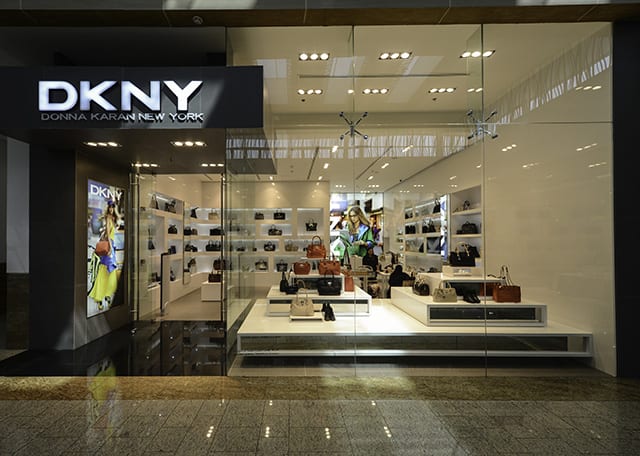
    DKNY, the renowned fashion label, has marked its first significant stride in China, with the inauguration of its flagship store. The store is situated along Huaihai Middle Road, thus fortifying the brand’s foothold in the country.

    The expansive store, spread across 245 square meters, finds its place on the ground floor of Lady Huaihai. Here, DKNY’s presence amplifies the area’s retail diversity that already includes eminent brands like Gentle Monster and Songmont.

    The shop’s unique design mirrors New York City’s dynamic spirit and attitude. It boasts polished aluminium finishes, intricate wood detailing, and upholstery inspired by the city’s iconic yellow cabs.

    The DKNY store is a one-stop-shop for fashion enthusiasts as it offers the brand’s latest ready-to-wear collections, footwear, handbags, and accessories. The retail space also highlights images from DKNY’s Spring 2026 campaign featuring popular model Hailey Bieber.

    Jeff Goldfarb, the executive vice president of G-III Apparel Group, DKNY’s parent company, shared his enthusiasm about the store’s location. Goldfarb believes Shanghai, one of the world’s most influential fashion markets, is the perfect place for DKNY’s next expansion in China.

    He also expressed his anticipation for DKNY’s future growth in China. He emphasized the brand’s effort to create a deeper connection with the Chinese consumers through elevated retail experiences and collections that evoke the energy of urban life.

    DKNY made its initial foray into the Chinese market through the online platform Tmall in 2017.

    Questions & Answers

    What is the significance of DKNY’s new store in China?
    The new flagship store marks DKNY’s first major step in expanding its physical presence in China.

    What distinguishes the store’s design?
    The store’s design reflects the energy and attitude of New York City, featuring polished aluminium finishes, wood detailing, and yellow cab-inspired upholstery.

    When did DKNY first enter the Chinese market?
    DKNY first entered the Chinese market in 2017 through the online marketplace Tmall.

  • Human Made Expands Asian Footprint with Tokyo Mega-Store and Exciting Bangkok Debut

    Human Made Expands Asian Footprint with Tokyo Mega-Store and Exciting Bangkok Debut

    Japanese fashion label Human Made is increasing its presence in Asia with the impending launch of its most spacious flagship store in Tokyo, as well as its debut store in Thailand.

    Branching Out into Thailand

    Human Made is slated to introduce its first Thailand-based store in Bangkok on March 28, located in Central Embassy. This move marks the brand’s premiere entry into the Thai market.

    The Bangkok store will provide a fusion of fundamental merchandise and location-specific releases. Among the exclusive offerings include a collection embellished with an elephant graphic, a nod to the country’s national symbol, complemented by Muay Thai shorts and limited-edition items adorned with the brand’s iconic heart design.

    In addition to the retail aspect, the brand will also be extending its culinary venture by opening a new branch of Curry Up, a curry restaurant under the Human Made banner, adjacent to the store.

    Establishing a Larger Presence in Japan

    Simultaneously, back in its home country, Japan, Human Made is preparing to unveil Human Made Tokyo. This will be the brand’s most expansive flagship store, boasting a floor area of 59 square meters. The launch is set to take place in the Harajuku district around August to September of the current year.

    Questions & Answers

    Where will the largest Human Made flagship store be located?
    The largest Human Made flagship store will be located in Tokyo, specifically in the Harajuku district.

    What are some of the exclusive offerings that will be available at the Bangkok store?
    The Bangkok store will offer a collection featuring an elephant graphic, Muay Thai shorts, and limited-edition pieces incorporating the brand’s signature heart motif.

    What additional venture will Human Made be introducing in Bangkok alongside its retail store?
    Alongside its retail store in Bangkok, Human Made will be introducing a new branch of Curry Up, a curry restaurant operated by the brand.

  • Shein Defies French Regulatory Resistance, Expands Fashion Footprint in Five More Cities

    Shein Defies French Regulatory Resistance, Expands Fashion Footprint in Five More Cities

    Despite facing opposition from the French government, low-cost fashion brand Shein is extending its footprint to five additional cities in France. This expansion is being carried out through a collaboration with department store chain BHV.

    Continued Expansion

    The Chinese fast-fashion retailer is now marking its presence in Angers, Dijon, Grenoble, Limoges, and Reims. This move comes on the heels of comments from Serge Papin, France’s Minister for Small and Medium-sized Businesses, who criticized Shein’s business practices. Papin has publicly deemed Shein a “disturbance to public order,” citing the brand’s low pricing as a form of “unfair competition.”

    Shein first set foot on French soil last November, when it opened a flagship store in Paris, located within BHV. The expansion into the additional five cities was initially slated for December.

    Postponed Plans Amid Media Pressure

    However, SGM, the operator of BHV, decided to delay the regional store openings. This decision came just ten days after the opening of the Paris flagship store, amidst mounting pressure from the media.

    Despite the controversy and delays, BHV is continuing its partnership with Shein. As part of this arrangement, Shein will independently operate its business within the BHV stores, while the department store will retain a commission on the sales made by the brand.

    Questions & Answers

    What is Shein’s latest expansion move in France?
    Shein is expanding its presence to five more French cities – Angers, Dijon, Grenoble, Limoges, and Reims, through a partnership with department store chain BHV.

    Why did Shein face criticism from the French Government?
    Shein faced criticism from Serge Papin, France’s minister for small and medium-sized businesses, who described the company’s low-cost strategy as a form of “unfair competition” and a “disturbance to public order.”

    How will Shein operate its business within the BHV stores?
    Shein will independently operate its business within the BHV stores, and the department store will earn a commission on the sales made by the brand.

  • Jollibee Amplifies Asian Footprint with Hot Pot Acquisition and Compose Coffee Expansion

    Jollibee Amplifies Asian Footprint with Hot Pot Acquisition and Compose Coffee Expansion

    Jollibee Foods Corporation (JFC) is accelerating its expansion across Asia with the purchase of a South Korean hot pot buffet chain and the impending introduction of a rapidly expanding Korean coffee brand into the Philippines.

    Acquisition of Shabu All Day

    JFC has secured a 70% majority stake in All Day Fresh Co, the company that operates Shabu All Day, through its subsidiary Jolli-K Co. Shabu All Day, established in 2014, has since blossomed into a chain of 169 stores throughout South Korea, acquired for an approximate total of $87 million.

    Growth in Beverage and Dining Segments

    Already part of JFC’s Korean platform is the coffee chain Compose Coffee. This diversifies the corporation’s portfolio, enabling it to have a presence in both beverage-led and full-service dining sectors.

    Introduction of Compose Coffee to the Philippines

    JFC is set to bring Compose Coffee to Philippine consumers under a master franchise agreement via its subsidiary Fresh N’ Famous Foods. Initial stores are expected to commence operations later in the year. Compose Coffee, founded in Busan in 2014, has undergone rapid growth to almost 3000 stores, establishing itself as one of Korea’s top value-oriented coffee chains. In 2024, JFC obtained a 70% stake in the coffee chain. This move is part of JFC’s ongoing efforts to make inroads into the rapidly growing coffee and tea segment, where it already operates brands such as Highlands Coffee, The Coffee Bean & Tea Leaf, and Milksha.

    Company Growth Amid Record Sales

    JFC has reported record preliminary systemwide sales of ₱122.3 billion (approximately $2.1 billion) in the fourth quarter of 2025, a 12% year-on-year increase. Throughout the year, the company’s total network of stores grew by 5.9% to 10,341 outlets, the highest number of new store openings in JFC’s history. This includes 3504 stores in the Philippines and 6837 international locations, demonstrating ongoing expansion in key markets.

    Globally, JFC operates 576 stores in China, 348 in North America, and 437 across Europe, the Middle East, Asia, and Australia. The company’s portfolio includes 985 Highlands Coffee outlets, 1079 The Coffee Bean & Tea Leaf stores, 357 Milksha locations, 2972 Compose Coffee stores, and 83 Tim Ho Wan branches.

    Questions & Answers

    What is JFC’s strategy for expansion in Asia?
    JFC is expanding its presence in Asia through acquisitions, such as the recent purchase of the South Korean hot pot buffet chain Shabu All Day, and launching new brands, like the upcoming introduction of Compose Coffee in the Philippines.

    What are some notable brands under JFC?
    JFC operates several well-known brands, including Highlands Coffee, The Coffee Bean & Tea Leaf, Milksha, Compose Coffee, and Tim Ho Wan.

    What has been the growth of JFC in recent years?
    JFC has experienced significant growth, with record systemwide sales in the fourth quarter of 2025 and a 5.9% increase in its total store network. This growth is reflected in its ongoing expansion in both domestic and international markets.

  • Foodpanda Expands Footprint in Singapore with New Pandamart XL Stores: Bigger Selection, Better Value!

    Foodpanda Expands Footprint in Singapore with New Pandamart XL Stores: Bigger Selection, Better Value!

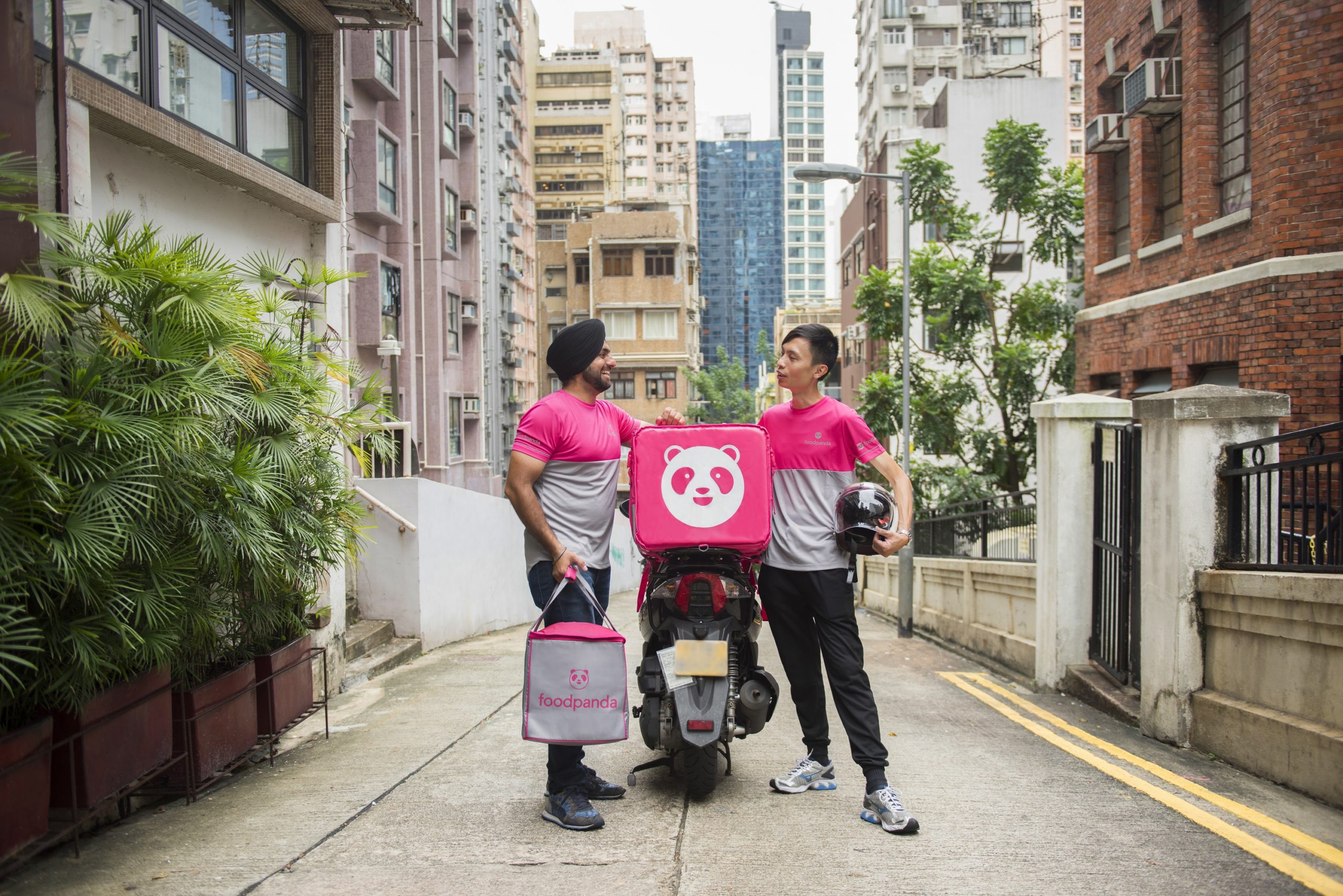
    Foodpanda, a popular food delivery service, has recently expanded its presence in Singapore with the opening of two additional Pandamart XL stores. These new locations, situated in Kallang and Yio Chu Kang, have been established to meet the increasing consumer demand and will provide a wider variety of products.

    Understanding the Change in Consumer Behaviour

    Bhavani Mishra, the Managing Director of Foodpanda Singapore, shared that they have noticed a shift in how their customers in Singapore are shopping. Shoppers are becoming more intentional, planning their purchases meticulously, spending wisely, and doing bulk shopping in one go. The new Pandamart XL stores have been specifically designed to cater to these changing needs.

    Expanded Product Range

    Pandamart XL stores are characterized by a larger product range, around 30 per cent more than their regular stores. This increased product assortment includes not just everyday items, but also specialty imported goods and locally popular items. This is designed to offer customers more options and better value while retaining the convenience they have come to expect from Foodpanda.

    Quick-commerce and Its Evolution

    Axelle Guibert, the Director of Quick-commerce at Foodpanda Singapore, elaborates that quick-commerce has moved beyond just being about convenience. It has become a part of the daily shopping rhythm in Singapore. With their new Pandamart XL stores, Foodpanda aims to deliver both scale and speed, offering customers a wider selection and better value, all in proximity to their homes.

    Foodpanda currently operates three Pandamart XL stores. The company utilizes hyperlocal demand trends for effective stock planning. This ensures that each store’s inventory is tailored to meet the specific needs of its surrounding neighbourhood.

    Questions & Answers

    What is Foodpanda’s recent development in Singapore?
    Foodpanda has recently opened two more Pandamart XL stores in Kallang and Yio Chu Kang, Singapore.

    What distinguishes Pandamart XL stores from regular stores?
    Pandamart XL stores offer 30 per cent more products than regular stores, including specialty imported goods and locally popular items, providing customers with more choices and better value.

    How does Foodpanda plan its inventory for the Pandamart XL stores?
    Foodpanda utilizes hyperlocal demand trends for stock planning, ensuring that each store is tailored to meet the specific needs of its surrounding neighbourhood.

  • CTG Duty Free Acquires DFS Retail Business, Expanding Luxury Travel Retail Footprint in Greater China

    CTG Duty Free Acquires DFS Retail Business, Expanding Luxury Travel Retail Footprint in Greater China

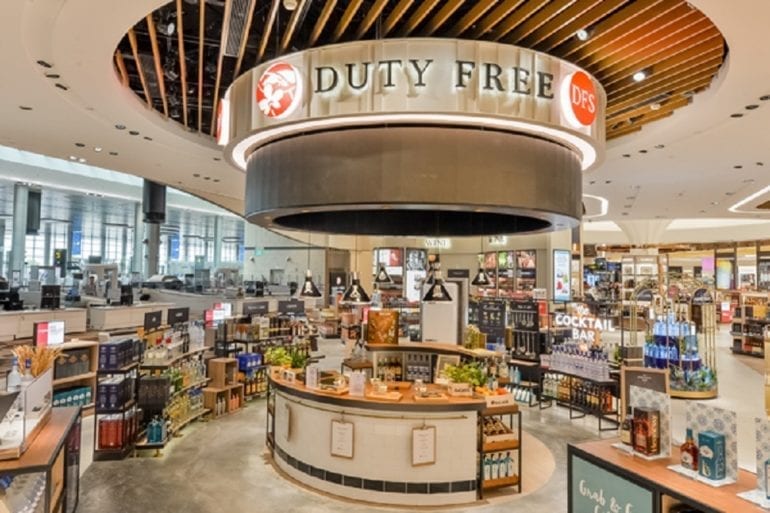
    DFS, the global luxury travel retailer owned by LVMH and co-founder Robert Miller, has announced that it will sell its retail business across Greater China to the China Tourism Group (CTG) Duty Free. The deal includes the acquisition of DFS’ businesses in Hong Kong, Macau, and Greater China.

    Acquisition of DFS Brands

    In addition to the business transactions, CTG Duty Free will also acquire a series of DFS brands and intellectual property rights for exclusive use within Greater China. The proceeds from this transaction will be paid in cash. Following this deal, DFS will continue its luxury travel retail operations worldwide.

    The Impact of the Deal on CTG Duty Free

    Luke Chang, executive director and president of CTG Duty Free, has expressed his belief that this move will extend CTG Duty Free’s service network across the Greater Bay Area. The aim is to construct a platform for promoting Chinese brands globally and establish an international business mid-platform. Chang added that CTG Duty Free is committed to providing superior travel retail experiences for both domestic and international tourists, and supporting the high-quality development of the retail economy in Hong Kong and Macau.

    DFS’ Statements on the Sale

    DFS views the sale as a significant move for the company. Chairman and CEO Ed Brennan stated that DFS is immensely proud of their established presence and operational excellence in Hong Kong and Macau. He expressed confidence that the DFS shopping experience will be enhanced by the new skills and perspectives that CTG Duty Free will bring to the table. Michael Schriver, president of LVMH for North Asia, said the move demonstrates LVMH’s faith in the long-term potential of the Chinese market.

    The deal is predicted to be finalized in approximately two months.

    Questions & Answers

    What businesses are included in the DFS and CTG Duty Free deal?
    DFS’ businesses in Hong Kong, Macau, and Greater China are included in the deal.

    What will happen to the DFS brands under the deal?
    CTG Duty Free will acquire a series of DFS brands and intellectual property rights for exclusive use in Greater China.

    What does this transaction mean for DFS?
    DFS views the sale as a crucial step for the company, expressing confidence that CTG Duty Free will bring new skills and perspectives that will enhance the DFS shopping experience.

  • Tradeweb Bolsters Asian Division With Veteran Investment Specialist Appointment

    Tradeweb Bolsters Asian Division With Veteran Investment Specialist Appointment

    An Investment Expert Takes Charge at Tradeweb Asia

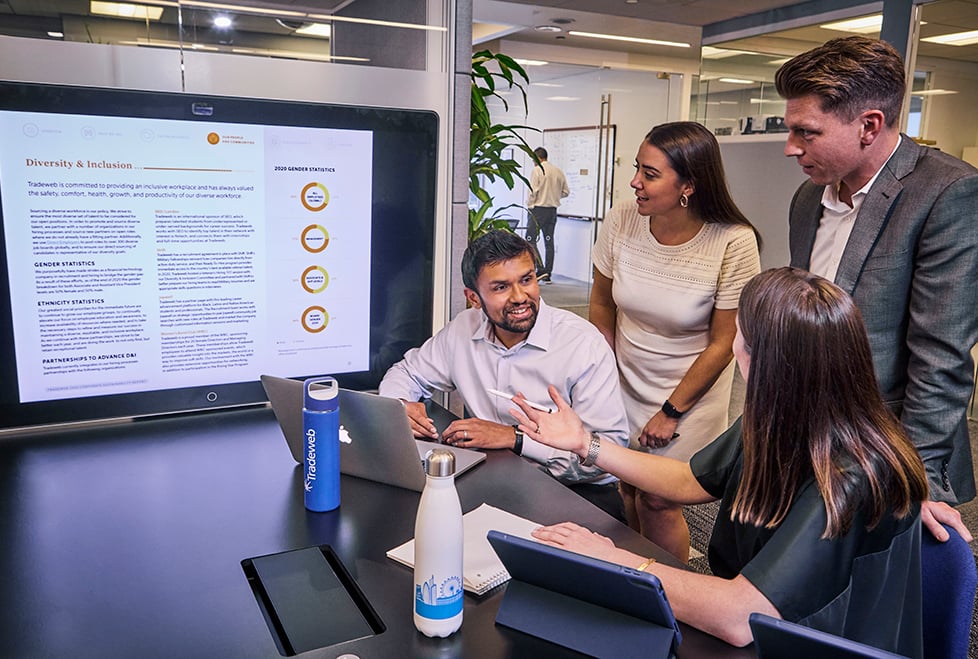
    Tradeweb, a global provider of electronic marketplaces for an array of financial services, has bolstered its Asian division with the appointment of a veteran investment specialist. The company is experiencing a phase of substantial growth, and the new recruit will be responsible for supervising business operations and client engagement across the Asian region.

    A Strategic Merger

    Rich Chun, the recently appointed Head of Tradeweb Asia, will be based in Hong Kong. His role will involve reporting to co-heads of global markets, Enrico Bruni and Troy Dixon, and directing regional strategy, business development, and client relationships.

    Tradeweb’s international business has seen a significant boost, registering a year-on-year revenue growth of 41 percent in the second quarter of 2025. This consistent expansion in Asia mirrors the region’s escalating importance as a hub for worldwide fixed income and electronic trading activities.

    A Wealth of Experience

    Chun brings with him a wealth of experience in trading and portfolio management, having held senior positions in various financial corporations for over three decades. His expertise in institutional risk transfer is expected to be a valuable asset for Tradeweb. Among his numerous roles, Chun has served as a Managing Director and Portfolio Manager at HPS Investment Partners, where he established the company’s Hong Kong outpost. He also held significant trading positions at Citigroup.

    Amplifying Customer Relations

    Bruni, one of the co-heads of global markets at Tradeweb, expressed his confidence in Chun’s appointment, highlighting Chun’s abundant industry knowledge as a substantial benefit to cultivating stronger relations with their clients and providing enhanced value to the local investment community. Chun reciprocated the sentiment, expressing pride in joining Tradeweb at a period of dynamic change in Asian financial services. He is eager to contribute to the development of new technologies that would enhance efficiency and opportunity for clients.

    Well-established in the Asia Pacific

    Tradeweb already holds a strong regional presence, with offices in Hong Kong, Shanghai, Singapore, Sydney, and Tokyo. The company has a history of introducing pioneering initiatives, such as becoming the first platform to provide electronic access to China’s bond market through various ventures.

    Pillar of Japanese Markets

    Tradeweb has also played a significant role in the advancement of the Japanese markets, by making Japanese Government Bonds (JGBs) and Yen interest rate swaps available on its trading platform. This strategy has resulted in significant growth in the total traded volume of both Yen IRS and JGBs.

    Recruiting Top Talent

    Chun’s appointment is a testament to Tradeweb’s ambition to solidify its position in the rapidly evolving Asian financial market. The company is making strategic moves to stay ahead in a landscape where technology, liquidity, and market access are increasingly intertwined.

    Questions & Answers

    What role will Rich Chun play at Tradeweb?
    As Head of Tradeweb Asia, Rich Chun will oversee regional strategy, business development, and client relationships.

    What has been the recent growth rate of Tradeweb?
    Tradeweb has recently experienced a 41 percent year-on-year revenue increase in the second quarter of 2025.

    What initiatives has Tradeweb introduced in Asia Pacific?
    Tradeweb was the first to offer electronic access to China’s bond market and significantly contributed to the electronification of Japan’s markets.

  • Aeon expands Vietnam footprint with first Mekong Delta shopping centre

    Aeon expands Vietnam footprint with first Mekong Delta shopping centre

    Japanese retail conglomerate, Aeon, is set to boost its footprint in Vietnam by launching its eighth shopping complex, Aeon Tan An, marking its first entry into the Mekong Delta region.

    Operational Launch and Location

    The center is slated to commence operations on September 23, before officially launching on October 4. The mall is strategically positioned in the administrative region of Tay Ninh province, located on the bustling Hung Vuong artery, in close proximity to the National Highway 1A and a mere 1km from the significant Ho Chi Minh City-Trung Luong Expressway.

    Community-Oriented Design

    The project embodies Aeon’s “Daily Community Park” concept, blending contemporary aesthetics with green spaces and a community-focused layout. To augment the natural ambience of the center, around 11,000 plants have been integrated throughout the complex, paired with spacious seating areas and an alfresco terrace.

    Tenant Profile and Facilities

    The new center will accommodate approximately 30 retailers, a significant 80% of which are making their debut in the Mekong Delta. The retail mix will be anchored by the Aeon General Merchandise Store and will feature a diverse range of outlets including fashion and sports stores, cafes, eateries, bookstores, a cinema, and various entertainment facilities.

    The company statement emphasized the vision of Aeon Tan An as more than just a shopping and entertainment hub, but as a place where people can naturally come together and connect on a daily basis. It further highlighted the opportunities for every family member to explore unique experiences, savor enjoyable moments in a contemporary shopping environment, and benefit from high-quality services and varied entertainment amenities.

    Aeon’s current portfolio includes shopping centers in major Vietnamese cities such as Ho Chi Minh City, Hanoi, Hai Phong, and Binh Duong.

    Questions & Answers

    What is Aeon’s new project in Vietnam?
    Aeon’s latest project in Vietnam is the Aeon Tan An shopping mall, which will be their eighth shopping center in the country and their first in the Mekong Delta region.

    What is the concept behind the design of Aeon Tan An?
    The design of Aeon Tan An embodies Aeon’s “Daily Community Park” concept, which combines modern design with green spaces and a layout focused on community engagement.

    What kind of facilities and stores can visitors expect at the new Aeon Tan An shopping mall?
    Visitors to the new Aeon Tan An shopping mall can expect a variety of outlets including fashion and sports stores, cafes, eateries, bookstores, a cinema, and various entertainment facilities.

  • Vuori Plans Asian Expansion: New Stores In Seoul And Beijing, E-commerce Platform Reaching 11 More Countries

    Vuori Plans Asian Expansion: New Stores In Seoul And Beijing, E-commerce Platform Reaching 11 More Countries

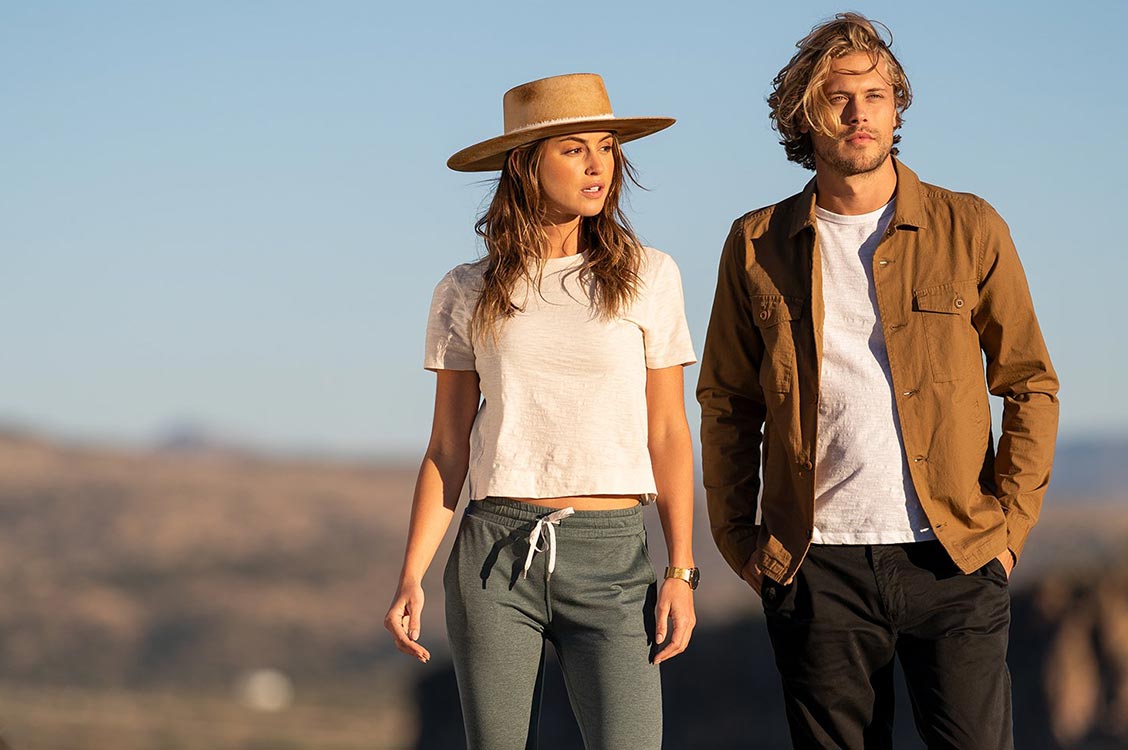
    Performance and lifestyle brand Vuori has announced plans to extend its reach in Asia, with new retail locations set to open in Seoul, South Korea, and Beijing, China, later this year.

    Vuori’s expansion plans include the launch of a store in Seoul through a franchise partner in September, followed by the opening of its inaugural store in Beijing in October. This move is part of the company’s broader aim to strengthen its international presence and increase brand recognition in key Asian markets.

    E-commerce Growth

    In addition to its physical store expansion, Vuori will extend its e-commerce platform to 11 more countries. These include Japan, Sweden, Norway, Denmark, Finland, Switzerland, Spain, Italy, Belgium, Austria, and Portugal. This online growth strategy will allow the retailer to explore and adapt to these new markets in a responsive and efficient manner.

    Previous Successes

    These expansion plans come on the heels of successful store openings in London and Shanghai, as well as a robust start to wholesale operations in Japan and Europe. Senior Vice President of International, Andy Lawrence, commented on the company’s strategic, patient, and long-term approach to international growth, emphasizing their commitment to building brand equity across all key channels where their customers shop.

    Upcoming Milestones

    Vuori has set ambitious goals for the near future. The brand aims to surpass the milestone of 100 stores globally by the end of the year, and plans to operate 15 stores outside the US by next year. Vuori’s products are already available in more than 18 countries worldwide.

    Questions & Answers

    What are Vuori’s plans for international expansion?
    Vuori plans to open new stores in Seoul, South Korea, and Beijing, China, later this year. In addition, the company will launch its e-commerce platform in 11 additional countries.

    What is Vuori’s approach to international growth?
    Vuori adopts a strategic, patient, and long-term approach to international growth. It aims to build brand equity across all key channels where its customers shop.

    What are Vuori’s goals for the near future?
    Vuori aims to surpass the milestone of 100 stores globally by the end of this year, and plans to operate 15 stores outside the US by next year.

  • Hey! Kafe ramps up local expansion plan

    Hey! Kafe ramps up local expansion plan

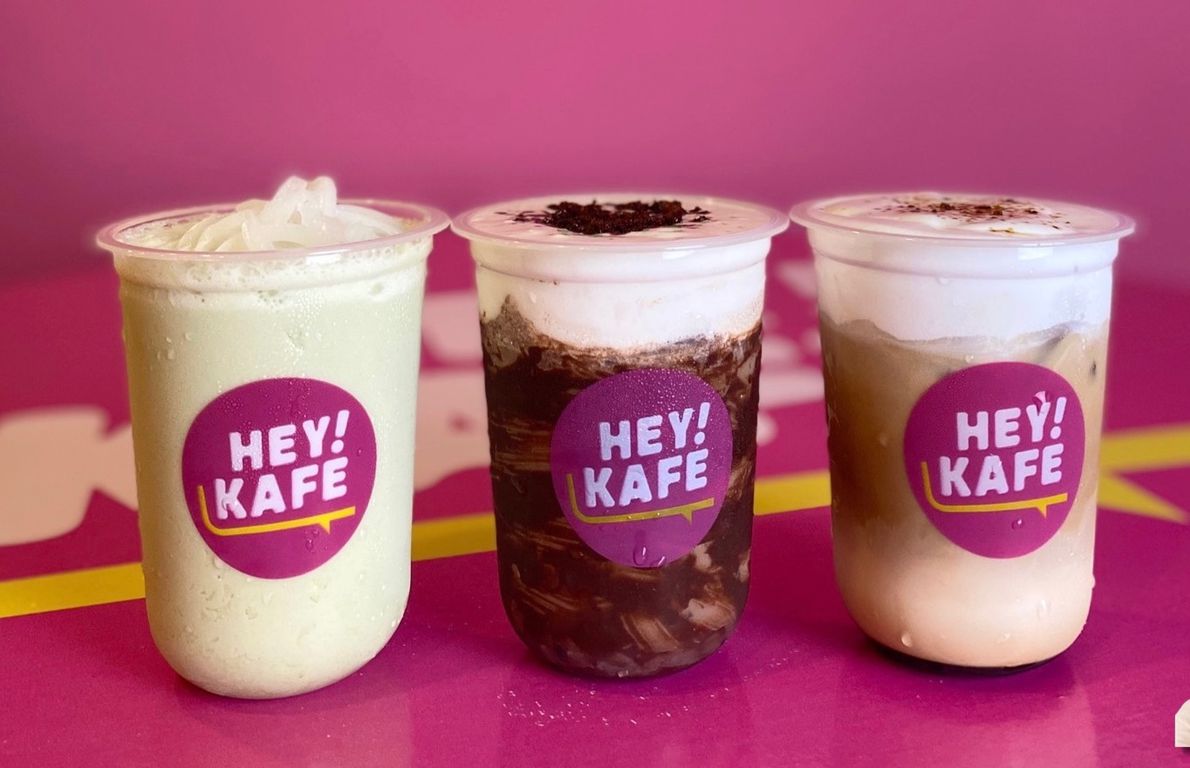
    Indonesia-based digitally-native beverage startup, Hey! Kafe, is expanding its local footprint with 300 stores by the end of next year.

    According to the company, the brand’s expansion plan will be supported by an asset-light model backed by technology. That means a majority of its outlets will be compact booths that minimize capital expenditure and facilitate Grab & Go delivery service.

    Online delivery orders are projected to account for 70 percent of the brand’s sales.

    Founded by Edward Djaja, who is also the founder of Seven Retail, Hey! Kafe has opened 60 stores across the country since its launch in June last year.

    Focusing on the product development process, Hey! Kafe tests more than 20 product concepts each month, targeting the young customer segment with more than 12,000 cups of beverages sold daily.

    “Here in Hey! Kafe, our north star metric is same-store sales growth, which enables the brand to achieve stellar unit economics,” said Djaja. “We are proud to say that our strategy has resulted in a payback period of under 12 months, which is a key milestone for us to scale rapidly in a sustainable manner in the coming years.”

    The beverage retailer is supported by several investors, including Trihill Capital, which backed the company in the seed round. Besides its expansion plan, Hey! Kafe also plans to launch an in-house mobile application next year.

  • Accenture acquires Australia Electro 80 to expand digital OT footprint

    Accenture acquires Australia Electro 80 to expand digital OT footprint

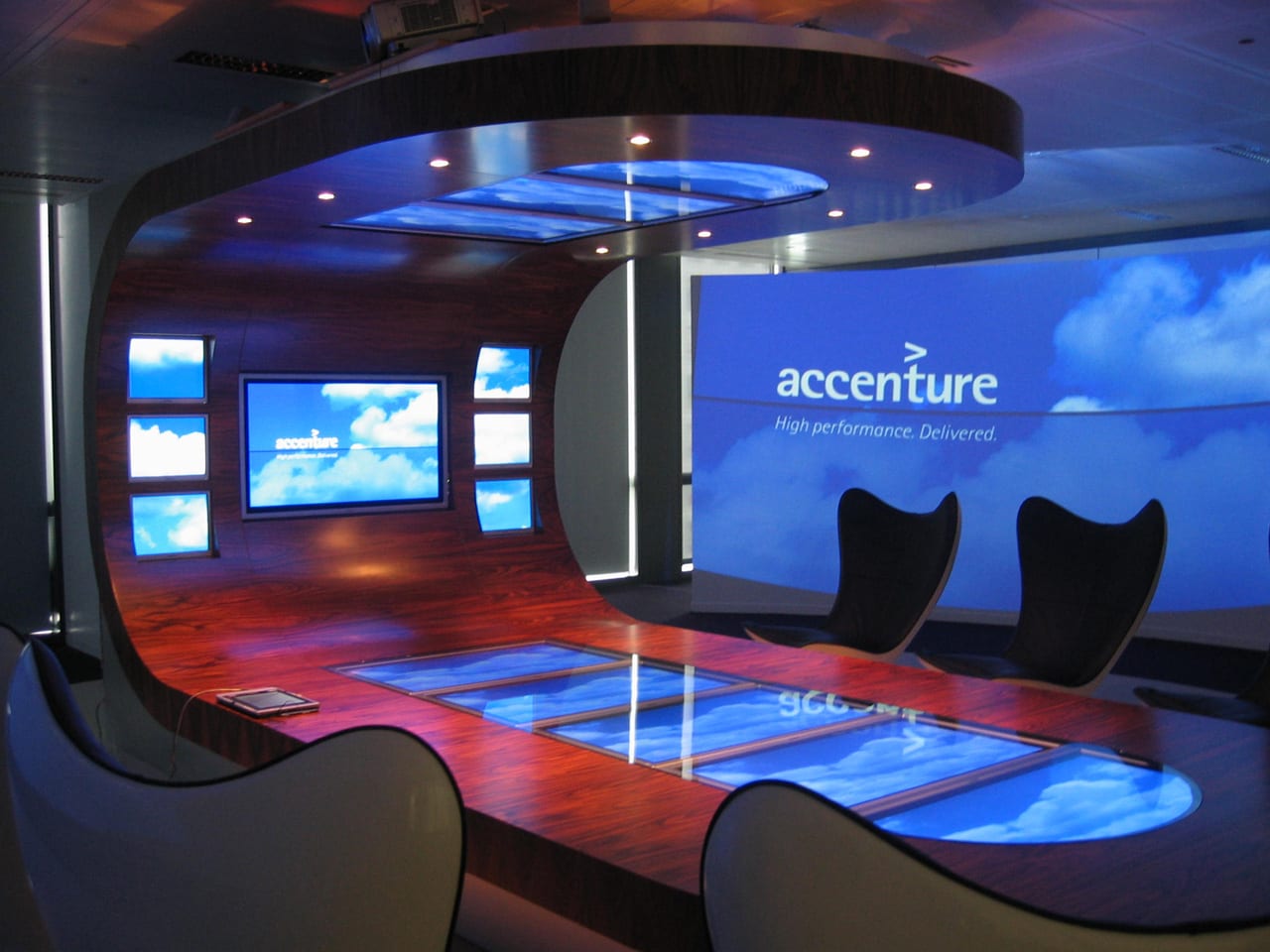
    Accenture has acquired Electro 80, a leading provider of operational technology (OT) for resource clients in Australia, including mining, energy, engineering, construction, and utility companies. The acquisition expands Accenture’s local digital OT capabilities, which help asset-intensive companies make manufacturing and production operations safer and more efficient. The acquisition also strengthens Accenture’s local capabilities for Industry X, which helps clients digitize their manufacturing, operations, and engineering.

    The acquisition comes at a time when Australia’s resources industries are looking to undertake significant transformation following the operational disruption caused by the pandemic.

    Founded in 1987, and headquartered in Perth, with offices in Brisbane and Melbourne, Electro 80 provides automation, electrical, instrumentation, safety, networking, and industrial IT services, as well as turnkey solutions encompassing the design and support of equipment, installation, and commissioning, through to operations support and client training. Electro 80 brings more than 100 employees with longstanding OT experience to Accenture.

    “Resources and asset-intensive companies are increasingly looking for ways to deliver more with less and, at the same time, in a more sustainable way,” said Tara Brady, market unit lead for Accenture in Australia and New Zealand. “Digital and automation technologies will be fundamental in delivering these outcomes and we are delighted to have Electro 80 on board.”

    Sergej Divkovi, Electro 80’s managing director said, “Combining our team’s deep digital and OT expertise with Accenture’s end-to-end capabilities presents immense opportunities for our employees and clients. As part of Accenture, we will bring integrated solutions at scale that transform the way capital projects are planned, managed and executed. These can help new and existing clients drive new revenue and growth.”

    “We are thrilled to welcome the Electro 80 team into our resources practice, which helps clients digitize and optimize their operations at scale,” said Glenn Heppell, Accenture’s resources lead for Australia and New Zealand. “Electro 80 brings to Accenture a strong industry footprint with clients in priority industries. By working together with Electro 80, we can ensure our resource clients can better detect and address quality issues, more accurately prevent machine failure in their operations, and most importantly, innovate for the future.”

    Accenture’s acquisition of Electro 80 follows other investments across Australia and New Zealand in the past 18 months, including supply chain and logistics consulting firm GRA, cloud-native solutions provider Olikka, SAP and cloud solutions technology firm Zag, data analytics and supply chain management company Icon Integration, business strategy and econometrics firm AlphaBeta and specialist government consultancy Apis Group.

  • Reliance Jio increases spectrum footprint by 55% in India

    Reliance Jio increases spectrum footprint by 55% in India

    Through this acquisition, RJIL’s total owned spectrum footprint has increased significantly, by 55%, to 1,717 MHz (uplink+ downlink). RJIL has the highest amount of sub-GHz spectrum with 2X10 MHz contiguous spectrum in most circles. It also has at least 2X10 MHz in 1800 MHz band and 40 MHz in 2300 MHz band in each of the 22 circles. RJIL has achieved complete spectrum derisking, with an average life of owned spectrum of 15.5 years. RJIL’s spectrum has been acquired in the most cost-efficient manner with an effective cost of Rs 60.8 crore per MHz.

    With the enhanced spectrum footprint, especially contiguous spectrum, and pan-India infrastructure deployed, RJIL has enhanced network capacity to service its existing users as well as hundreds of millions of more subscribers on its network.

    The acquired spectrum can be utilized for the transition to 5G services at the appropriate time, where Jio has developed its own 5G stack.

    Sh. Mukesh D Ambani, Chairman, Reliance Industries, said, “Jio has revolutionized the digital landscape of India with the country becoming the fastest adopter of Digital Life. We want to ensure that we keep on enhancing experiences, not only for our existing customers, but also for the next 300 million users that will move to digital services. With our increased spectrum footprint, we are ready to further expand the digital footprint in India as well as get ourselves ready for the imminent 5G rollout.”