Retail News CRM

Tag: giants

  • HSBC’s $2B Singapore Insurance Unit Sale to Allianz: A Strategic Boost for Both Giants

    HSBC’s $2B Singapore Insurance Unit Sale to Allianz: A Strategic Boost for Both Giants

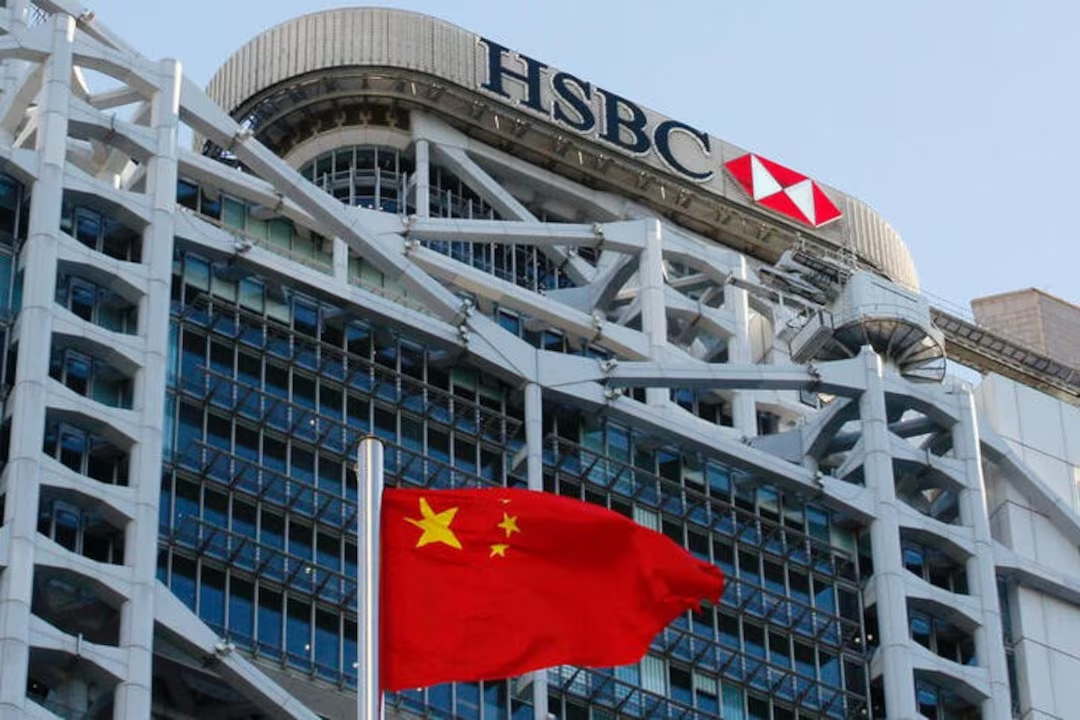
    HSBC has announced that it will sell its life and health insurance division in Singapore to Germany’s Allianz. The deal, which values the unit at SGD2.7 billion (US$2.09 billion), is expected to produce a pre-tax gain of US$1.8 billion for HSBC and potentially enhance the HSBC Group’s common equity tier 1 ratio by up to 15 basis points.

    Simplifying Operations and Boosting Capital Returns

    This sale signifies another move in HSBC CEO Georges Elhedery’s strategy to streamline operations at Europe’s largest bank and reinvest capital into sectors and markets that promise better yields. Simultaneously, he aims to maintain Singapore’s position as a vital hub for wealth and wholesale banking.

    The deal presents Allianz with a unique chance to expand in Singapore, a wealthy, strictly regulated market where distribution networks and bank-insurance partnerships carry high value. Anusha Thavarajah, Allianz’s Asia Pacific Regional CEO, states that the transaction underscores her company’s confidence in Singapore and recognizes HSBC Life Singapore’s fast-growing business, local expertise, and solid reputation among customers and partners.

    The planned divestment, set to occur in early 2027, will lead HSBC to enter a 15-year bank-insurance distribution agreement with Allianz. This agreement involves selling insurance products in Singapore, supported by an upfront payment of SGD200 million.

    Expanding Insurance Business

    The deal arrives in the wake of HSBC’s broader expansion in the insurance sector. Despite the bank’s ongoing effort to reshape its global footprint and focus on core Asian wealth and corporate banking markets, insurance income has seen a 16% year-on-year rise in the first quarter. This trend has contributed to an 18% boost in quarterly wealth revenue.

    Past investment interests include HSBC Holdings’ acquisition of French insurer Axa’s Singapore assets for US$529 million in 2022. However, the bank is also known for trimming smaller or less scalable retail and insurance operations in parts of Asia, while fiercely vying for affluent clients in the region.

    This sale follows Singapore’s Overseas-Chinese Banking Corp’s announcement in May of its Indonesian unit’s acquisition of certain HSBC wealth and premier banking portfolio assets and liabilities. HSBC is currently also reviewing its retail operations in Turkey, Australia, and Egypt.

    Questions & Answers

    What is the value of the deal between HSBC and Allianz?
    The deal values HSBC’s Singapore life and health insurance unit at SGD2.7 billion (US$2.09 billion).

    What will be HSBC’s strategy after the planned divestment in 2027?
    HSBC plans to enter into a 15-year bancassurance distribution agreement with Allianz to sell insurance products in Singapore.

    What has been the trend in HSBC’s insurance income?
    HSBC’s insurance income has seen a 16% year-on-year rise in the first quarter.
  • EU Imposes New €3 Duty on Chinese E-commerce Imports, Shaking up Online Retail Giants

    EU Imposes New €3 Duty on Chinese E-commerce Imports, Shaking up Online Retail Giants

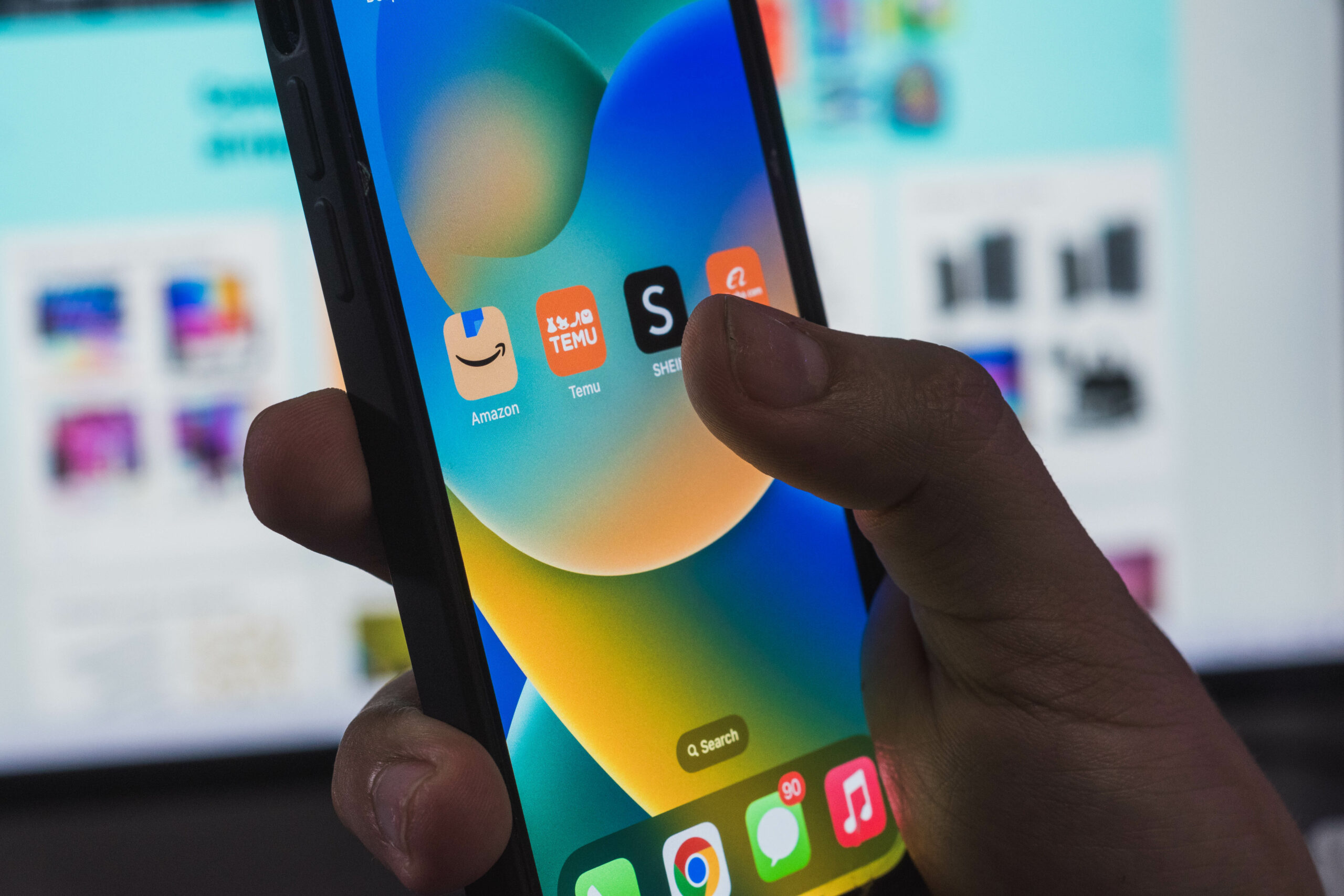
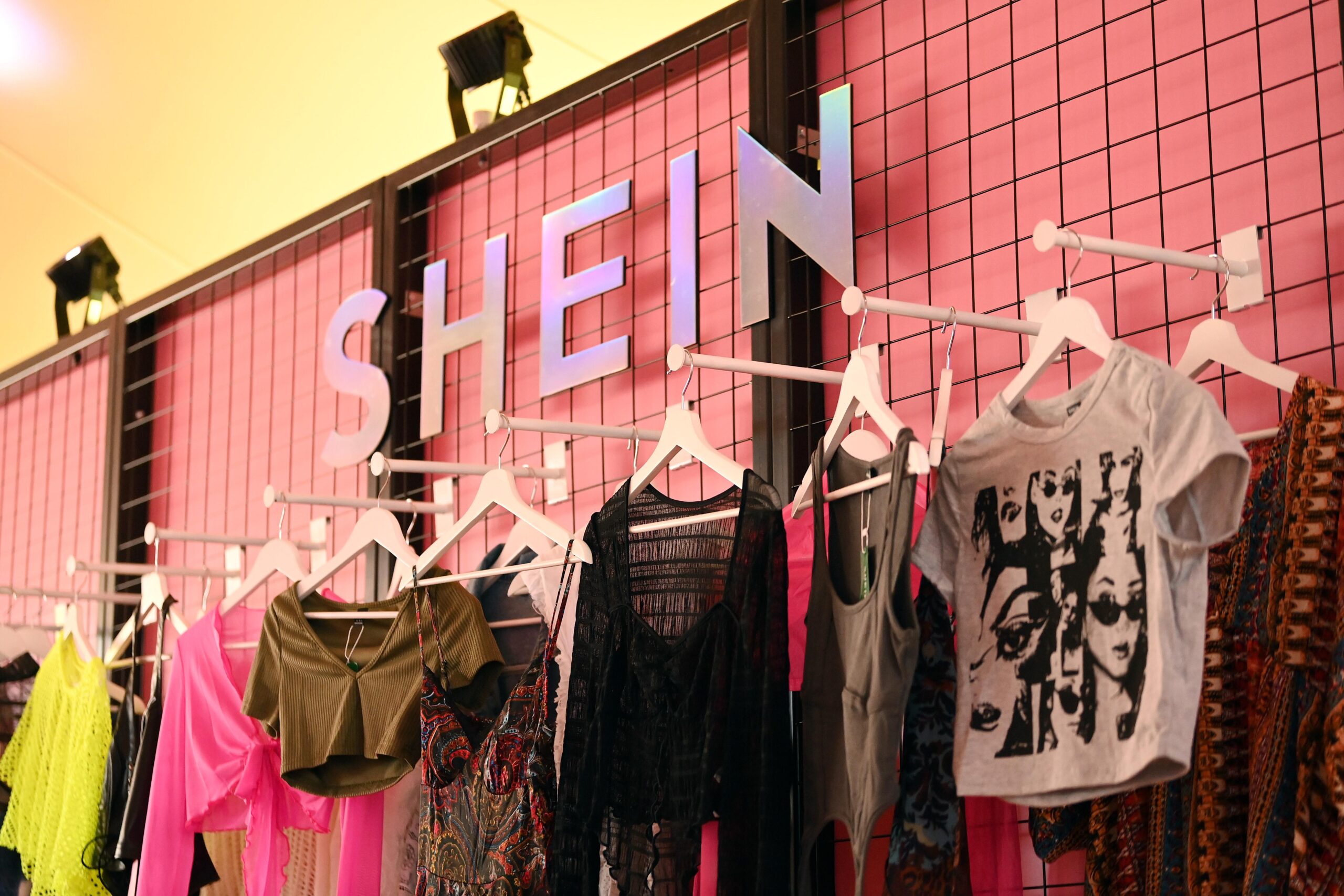
    As part of its agenda to curb perceived unfair competition from online retailers like Shein, Temu, and AliExpress, Europe has initiated a €3 charge on low-value e-commerce imports from China that were previously duty-free. This move constitutes a significant challenge for platforms which leveraged customs exemptions in order to offer goods at extremely competitive rates, driving fast-paced growth. The new charges, effective since Wednesday, apply to each customs classification within a shipment. For instance, the total fee for a shipment with three different item categories would be €9, while a single-category shipment, such as multiple dresses or toys, will cost €3.

    Duty Exemptions and e-Commerce

    Duty exemptions for low-value imports have been a norm for many years, with the current threshold of €150 introduced in 2008. However, the surge in the number of e-commerce parcels entering the European Union under exemption rules has led to a rethink. The number of such parcels increased from 1.4 billion in 2022 to 5.8 billion by 2025. Dirk Gotink, an EU lawmaker spearheading customs reform in the European Parliament, argued that these exemptions were manipulated on an industrial scale to secure a competitive edge at the expense of EU businesses. He stated that the old trading world, which justified these exemptions, has been upended by the rise of e-commerce, particularly from China.

    Impact on Air Cargo and Consumer Prices

    In the aftermath of this decision, experts predict that e-commerce air cargo volumes to the EU could decrease by 10% to 35%. This could have wider repercussions on global air cargo volumes. Online platforms may also pressurize suppliers to offset some of the additional costs to avoid significant price hikes for consumers and maintain profitability.

    The €3 charge is a temporary measure, slated to be replaced by category-specific duties from July 1, 2028, in accordance with the new EU Customs Authority’s operational timeline. Consumer prices are likely to increase as platforms pass on some of the additional costs to buyers. Amazon, after its rival platforms Temu and Shein’s rapid growth, has argued that 97% of its EU shipments last year were delivered from warehouses within the bloc.

    Questions & Answers

    What is the new charge imposed by Europe on low-value e-commerce imports from China?
    A €3 fee has been imposed on each customs classification within a shipment of low-value e-commerce imports from China.

    What was the reason behind the implementation of this new charge?
    The charge is designed to curb what Europe perceives as unfair competition from online retailers who leveraged customs exemptions to offer goods at extremely low prices.

    How might this charge impact consumers?
    With the imposition of this charge, consumer prices are likely to increase as platforms pass on some or all of the additional costs to buyers.

  • Chagees Expansion Spree Boosts Revenue but Dents Profits: Inside the Chinese Tea Giants Strategy

    Chagees Expansion Spree Boosts Revenue but Dents Profits: Inside the Chinese Tea Giants Strategy

    Chagee, the acclaimed Chinese tea chain, has experienced yet another boost in revenues, despite the ongoing expansion of its stores seeming to take a toll on its profit margins.

    Currently, Chagee owns a staggering 7531 teahouses, located primarily in Greater China, but also expanding internationally. Ending its first fiscal quarter of the year on a high note, Chagee reported revenues of RMB3.54 billion (US$514.1 million), indicating a rise from RMB3.39 billion during the same quarter in the previous year. Nonetheless, despite the hike in revenues, the company faced a 33.9 per cent dip in profits during the same period.

    Teahouse Business Dynamics

    Franchise-owned teahouses form the core of Chagee’s business model, contributing to a significant 77.4 per cent of the total revenue, while the remaining revenue comes from teahouses directly owned by the company.

    Although the Greater China region constitutes a whopping 95 per cent of Chagee’s business operations, by the end of the quarter, Chagee had marked its presence in seven additional countries. The most recent expansions saw Chagee breaking into markets in the United States, Vietnam, and the Philippines.

    Chagee’s Vision for the Future

    Founder and CEO of Chagee, Zhang Junjie, shared his view for the company’s future with investors. He expressed his commitment to focus on operational details, emphasizing that these granular aspects hold significant value to their consumers. He noted that the company’s ability to weather various business cycles is directly tied to genuine consumer recognition, and this forms the cornerstone of their objective for the current year – to perfect every single consumer touchpoint.

    Zhang Junjie expressed his confidence that Chagee is entering a phase of mature, steady, and sustainable growth. He ended his remarks by stating his assurance in every step the company is undertaking towards the future.

    Questions & Answers

    What is the revenue of Chagee for the first fiscal quarter of the year?
    Chagee reported revenues of RMB3.54 billion (US$514.1 million) for the first fiscal quarter of the year.

    What percentage of Chagee’s total revenue comes from franchised teahouses?
    Franchise-owned teahouses contribute to 77.4 per cent of Chagee’s total revenue.

    What is the major goal of Chagee for the current year?
    Chagee’s major goal for the current year is to perfect every single consumer touchpoint, according to founder and CEO Zhang Junjie.

  • Chinese Regulator Slaps Billion-Dollar Fines on Food Delivery Giants over Safety Violations

    Chinese Regulator Slaps Billion-Dollar Fines on Food Delivery Giants over Safety Violations

    China’s market regulator recently imposed fines and seizures on seven e-commerce platforms, totaling 3.6 billion yuan (US$527.32 million), for failing to adhere to food delivery safety guidelines. The offenders include prominent companies such as Pinduoduo, Meituan, JD, ByteDance’s Douyin, and Alibaba’s Taobao Shangou.

    Violation of Safety Protocols

    Investigations revealed that these companies did not implement necessary measures to protect consumers. They were also found to be negligent in verifying the licenses and qualifications of online food vendors. The regulator has expressed concern over this lax approach towards consumer safety and vendor credibility.

    Pinduoduo responded to the penalties by stating that the company “sincerely accepts and will resolutely comply” with the regulator’s decision. It also pledged to learn from this episode, standardize its business procedures, and make necessary improvements. However, Meituan, ByteDance, and Alibaba did not respond immediately to requests for comments.

    Intense Competition in China’s Food Delivery Market

    In the past year, food delivery in China has witnessed escalating competition, with e-commerce giants like Alibaba and JD actively trying to gain market share. These companies have been offering attractive discounts and coupons on a wide range of products, including ice cream and takeaway coffees.

    This battle to establish dominance in the ‘instant retail’ domain, where goods are delivered within an hour, has affected profits and attracted regulatory attention. Chinese regulators have repeatedly cautioned against the unhealthy “race-to-the-bottom competition” prevalent among food delivery firms.

    Questions & Answers

    What prompted the fines on the e-commerce platforms?
    The companies violated food delivery safety protocols and failed to verify the qualifications and licenses of online food vendors.

    How have the companies reacted to the fines?
    While Pinduoduo has openly accepted and pledged to comply with the regulator’s decision, Meituan, ByteDance, and Alibaba have not responded immediately to the penalties.

    Has the increased competition in food delivery affected the companies?
    Yes, the escalated competition, epitomized by discounts and coupons, has not only squeezed profits but also attracted regulatory scrutiny due to a “race-to-the-bottom competition” mentality.

  • France’s ‘Year of Resistance’: Shein and Other Online Retail Giants Battle Unfair Competition Claims

    France’s ‘Year of Resistance’: Shein and Other Online Retail Giants Battle Unfair Competition Claims

    In the coming year, France is set to present a significant challenge to online retailers, such as Shein, according to the country’s Minister for Small and Medium-Sized Businesses, Serge Papin. He spoke out on the issue last Thursday, explaining that these online platforms are presenting an undeniable threat to French retailers.

    Concerns About Fair Competition

    Papin voiced concerns that the competition between physical stores and online platforms is far from even. He highlighted that brick-and-mortar stores are held accountable for the products they sell, whereas their online competitors are not. This discrepancy is causing concern among those in the French retail industry.

    A high-profile case is set to be heard in a Paris court involving Shein, an online marketplace that recently came under fire when child-like sex dolls were found for sale on its platform. Despite this controversy and a partial reopening of its marketplace, Shein chose not to comment on the situation.

    Calling for Regulatory Change

    The Minister claimed that such violations are not isolated incidents but are instead a systemic issue. He expressed confidence that the court will be sympathetic to his case that Shein is causing “disturbance to public order”.

    In order to address this issue, two French lawmakers are reported to be drafting a bill that would give the government the power to suspend online platforms without requiring court approval. Papin expressed a hope that this proposed legislation will lead to a decrease in Shein’s sales in France.

    International Reaction

    The rapid expansion of Shein has not been without its detractors. The company, which sells inexpensive clothing and accessories shipped directly from factories in China, has faced criticism in numerous European countries where traditional retailers are feeling the pressure.

    “We need to protect ourselves, of course, there is unfair competition, they must respect the consumer rules,” Papin stated regarding the situation.

    The French government responded by implementing a 2 euro tax due to come into effect on March 1. Similarly, the European Union plans to introduce a 3 euro tax in the summer on small parcels that were previously exempt from tariffs. This is all part of a broader strategy to curb sales by Shein and similar platforms.

    Questions & Answers

    Why are online retailers posing a threat to French chains?
    Online retailers can often bypass regulations that physical stores must adhere to, offering customers vast choice and lower prices. This has led to intense competition, perceived as unfair by traditional retailers.

    What is the proposed solution to this issue?
    The French government is considering legislation that would give them the power to suspend online platforms without court approval. They have also implemented a tax on small parcels from these platforms.

    How has the international community reacted to the rise of online retailers like Shein?
    The rise of Shein has been met with backlash in several European countries. Both France and the European Union plan to introduce taxes on small packages, which were previously exempt from tariffs, in an attempt to curb the influence of these online platforms.

  • Indian Telecom Giants Challenge New Spectrum Plan, Push for Greater 5G and 6G Allocation

    Indian Telecom Giants Challenge New Spectrum Plan, Push for Greater 5G and 6G Allocation

    The Department of Telecommunications (DoT) in India has formally introduced its National Frequency Allocation Plan 2025 (NFAP-2025), though it has encountered opposition from mobile operators who opine it does not sufficiently address the nation’s future connectivity requirements.

    The NFAP-2025 Policy

    The NFAP-2025, operational since December 30, 2025, outlines the management and allocation of the radio frequency spectrum throughout India. The DoT states that the policy’s objective is to synchronize the national spectrum policy with international standards, while also fostering emerging technologies and next-generation connectivity.

    In line with this plan, the spectrum ranging from 8.3 kHz to 3000 GHz is designated for assorted radio communication services. The government asserts this will facilitate the deployment of 5G, 5G-Advanced, prospective 6G networks, satellite broadband services, and vehicle-to-everything (V2X) communications.

    Contention Around the Upper 6 GHz Band

    Dissent, however, has surfaced over the earmarking of the upper 6 GHz band, particularly the 6425–7125 MHz range for International Mobile Telecommunications (IMT). While increasing the mid-band spectrum availability for mobile services, the Cellular Operators Association of India (COAI) contends it’s insufficient. The COAI has reasserted its established demand that the entire 6 GHz band, spanning 5925-7125 MHz, should be allocated for IMT usage.

    This disagreement partly arises from the government’s previous decision, declared in May 2025, to deregulate 500 MHz of spectrum in the lower 6 GHz band for indoor Wi-Fi use with low power. While expected to hasten the launch of Wi-Fi 6E and Wi-Fi 7, operators maintain it diminishes the spectrum available for wide-area mobile networks.

    Future Data Demand & Spectrum Allocation

    COAI’s Director-General, Dr. SP Kochhar, has cautioned that catering to future data demand will necessitate considerably larger, continuous blocks of mid-band spectrum. He projected that every operator will require a minimum of 400 MHz of such spectrum to provide affordable, high-quality 5G and future 6G services.

    In Dr. Kochhar’s view, next-generation networks will increasingly depend on large, uninterrupted spectrum blocks to support ultra-high data throughput, low latency, immersive digital services, applications driven by artificial intelligence, smart manufacturing, and intelligent mobility.

    As India propels its digital transformation, the debate on the optimal way to balance spectrum allocation between mobile networks, Wi-Fi services, and emerging technologies in the 6 GHz band is projected to escalate.

    Questions & Answers

    What is the main aim of India’s National Frequency Allocation Plan 2025 (NFAP-2025)?
    The primary objective of NFAP-2025 is to align national spectrum policy with global standards while supporting emerging technologies and next-generation connectivity across India.

    What is the contention within the Cellular Operators Association of India (COAI) regarding the NFAP-2025?
    The COAI argues that the allocation of the upper 6 GHz band for International Mobile Telecommunications (IMT) is insufficient. They demand that the entire 6 GHz band should be allocated for IMT usage.

    What future requirements of mobile operators does Dr. SP Kochhar highlight?
    Dr. Kochhar emphasizes the need for considerably large, uninterrupted blocks of mid-band spectrum to cater to future data demand, projecting a minimum requirement of 400 MHz per operator to deliver high-quality 5G and future 6G services.

  • Singapore’s Electronics Giants, Courts and Prism+, Face Legal Action for Misleading Consumers: Unfair Trading Exposed

    Singapore’s Electronics Giants, Courts and Prism+, Face Legal Action for Misleading Consumers: Unfair Trading Exposed

    Two Singapore-based electronics and home appliance retailers, Courts and Prism+, are currently facing legal action. This action is being brought by the country’s consumer protection agency, the Competition and Consumer Commission of Singapore (CCS), due to allegations of misleading online customers.

    Alleged Misleading Practices

    The CCS has determined that both Courts and Prism+ have violated trading laws. The retailers are accused of either charging consumers for items they did not select or implementing website features that falsely encourage immediate purchasing decisions.

    In particular, Courts’ website was reported to automatically add certain items to consumers’ carts during promotional periods, without the shoppers’ approval. This practice risks consumers unintentionally paying for additional, unwanted items. An instance of this was when a consumer chose an Apple iPad for purchase, and an Acer vacuum cleaner was subsequently added to their cart without their knowledge.

    Despite receiving customer complaints about these issues early last year, Courts did not amend their practices until the CCS intervened in June.

    Generating False Urgency

    In a separate investigation, the CCS discovered numerous design features on Prism+’s website that pressured customers into making rushed buying decisions.

    The features identified included unauthentic countdown timers for product discounts, which would reset once they reached zero. Additionally, deceptive stock indicators were used, falsely stating that certain products were ‘running low’. Overstated discounts were also observed.

    According to the CCS, these practices by Courts and Prism+ are considered to be unfair trade practices under Singapore’s fair trading laws.

    Corrective Measures

    Courts has pledged to immediately halt these deceptive practices, make adjustments to its website, and provide refunds to affected customers. Similarly, Prism+ has rectified its website’s issues and has promised not to engage in any unfair trade practices in the future.

    “COURTS confirms that it had been contacted by the Competition and Consumer Commission of Singapore (“CCS”) regarding design features on its website that may have misled consumers.

    The issue resulted from legacy marketing practices, which are aligned with COURTS’ promotions in its physical stores, where consumers were offered the option to purchase an additional item at a discounted rate after their purchase of an item.

    After being made aware of the issue, COURTS had given an undertaking to CCS to cease this practice immediately. Following which, we have made changes to our website to rectify the issue and processed refunds to all affected customers.

    COURTS had been working closely with CCS since June 2025 to resolve the issue. Since September 2025, the issue had been fully rectified, and we have not received any recent customer complaints. We have also reviewed our website thoroughly to ensure all information are accurately displayed, so as to deliver a transparent shopping experience for customers and to minimise confusion.

    We regret the impact this incident may have had on our customers and are fully committed to enhancing our consumer protection policies to prevent similar occurrences in the future.”

    Questions & Answers

    What actions are Singapore-based retailers Courts and Prism+ facing?
    They are facing legal action from the country’s consumer watchdog, the Competition and Consumer Commission of Singapore (CCS), for allegedly misleading online customers.

    What practices led to these legal actions?
    Courts is accused of automatically adding items to consumers’ shopping carts without their consent, and Prism+ is alleged to have used various website features to pressure consumers into hasty purchases.

    What measures are Courts and Prism+ taking in response to these allegations?
    Courts has pledged to halt these practices, update its website, and refund affected customers. Prism+ has also committed to making necessary changes to its website and not engaging in any unfair trade practices in the future.

  • South Korea’s Retail Industry Expands Private Label Business Beyond Food And Household Items

    South Korea’s Retail Industry Expands Private Label Business Beyond Food And Household Items

    South Korea’s retail industry is swiftly growing its private label (PB) business by extending beyond food and household items to include clothing, innovative digital platforms, and even international markets. This expansion comes as firms ranging from convenience stores and hypermarkets to e-commerce businesses vie to fortify their brand identities and profitability.

    Private Label Sales on the Rise

    BGF Retail, the parent company of the CU convenience store chain, reported noteworthy growth in PB sales. The years 2023 and 2024 saw increases of 17.6 percent and 21.8 percent, respectively, followed by an additional 19.1 percent surge during the first nine months of 2025.

    GS25, another retail chain, offers around 800 PB items via the YouUs line, which now make up nearly 30 percent of total sales. Their affordable Real Price range saw a significant year-on-year increase of 125 percent.

    Leading supermarkets are also jumping on the bandwagon. Approximately 8 percent of Emart’s sales and 10 percent of Lotte Mart’s sales come from private-label goods. Emart boasts well-known PB labels such as No Brand, Peacock, 5K Price, and Days, while Lotte Mart promotes Today’s Good and Cookit.

    Online retailers aren’t left behind either. Kurly, for example, reported a year-on-year increase of over 10 percent in sales of its flagship PB lines, echoing the growing consumer demand for retailer-exclusive products.

    Expanding Across Platforms and Borders

    The once rigid boundaries between retailers are now blurring as PB products start to appear across rival platforms. Even Coupang, an e-commerce platform, sells Lotte Mart’s Today’s Good and Homeplus’s Simplus brands, while Emart’s Peacock products can be found on Kurly’s online marketplace.

    Convenience chains are also making their mark on the global stage. GS25 exports PB products to 33 countries, including the United States, Australia, Japan, and China. CU also sells its own-label items in more than 20 countries, through outlets such as Japan’s Don Quijote stores.

    Earlier this year, BGF Retail forged a partnership with China’s Ningxing Youbei, a prominent importer and distributor. The partnership’s goal is to introduce CU-branded sections on Chinese e-commerce platforms and operate pop-up stores that showcase its products.

    In addition, 7-Eleven Korea ventured into the clothing sector in April, launching its own line of socks, underwear, and T-shirts, and recently, knitwear.

    A spokesperson from the retail industry emphasizes that selling robust PB products via external channels provides both marketing and revenue advantages. The more positive experiences that customers have with a retailer’s PB products, the more likely they are to become loyal to that retailer’s own platform.

    The Challenges and Risks of Brand Identity

    Despite the success of the PB trend, it has stirred concerns about potential conflict with national brands. For instance, Coupang was previously accused of allegedly manipulating search rankings to favor its own PB products.

    Experts also caution that expanding PB lines too broadly across platforms could blur brand identity and complicate logistics and inventory management, thereby undermining the very benefits that PB lines are intended to provide.

    Kurly, which previously sold select CU PB products, reverted to an in-house-only model. A spokesperson stated that the company is more interested in preserving brand integrity than achieving broader exposure, and has no plans to offer its PB products on external platforms.

    Questions & Answers

    What is the trend of private label sales growth in South Korea’s retail industry?
    The trend shows consistent growth, with companies like BGF Retail reporting significant year-on-year increases in private label sales.

    How is the expansion of private labels affecting the retail industry?
    The expansion is blurring boundaries between retailers, causing them to compete on multiple platforms. It’s also leading retailers to venture into new markets like clothing and international sales.

    What are the potential risks associated with the expansion of private label lines?
    Potential risks include conflicts with national brands, the blurring of brand identity, and complications with logistics and inventory management.

  • Chinese E-commerce Giants Disrupt South Africa’s Retail Sector, Claiming 3.6% Market Share

    Chinese E-commerce Giants Disrupt South Africa’s Retail Sector, Claiming 3.6% Market Share

    The South African retail market has witnessed significant disruption with the entry of Chinese e-commerce firms, Shein and Temu. Together, they constitute 3.6% of the nation’s retail sector, specifically the clothing, textile, footwear, and leather (CTFL) market. This translated to 7.3 billion rand (US$405 million) in sales in 2024.

    Disrupting the Retail Landscape

    Shein made its debut in the South African market in 2020, with Temu following in 2024. Both companies have effectively shaken up the local retail scene with competitive pricing, strategic marketing, and tax loopholes that initially provided them with an advantage over domestic retailers.

    The allure of these platforms for cost-conscious shoppers has had significant effects on local retailers. In response, these retailers appealed to regulatory bodies last year to address the tax loophole, which was subsequently closed.

    Impact on Market Shares

    The Localisation Support Fund (LSF) report indicates that the market share of domestic CTFL retailers has gradually dwindled from 75.3% in 2011 to 74% in 2024. In comparison, international physical store brands such as H&M, Zara, and Cotton On hold a combined market share of 3.4%.

    Shein and Temu together now hold a 3.6% share of the CTFL market, and a commanding 37.1% of South Africa’s e-commerce CTFL market. In particular, Shein has cornered 28% of the online women’s CTFL sales.

    Sean Mercer, a principal consultant at consulting firm BMA, observed that international retailers had spent 13 years building their market share. In contrast, Shein and Temu have managed to equal and even surpass this in a mere five years.

    Questions & Answers

    What market share do Shein and Temu hold in South Africa’s retail sector?
    Shein and Temu together hold a 3.6% share in South Africa’s retail sector, specifically in the clothing, textile, footwear, and leather market.

    What strategy did Shein and Temu use to disrupt the South African retail market?
    Shein and Temu disrupted the South African retail market with competitive pricing, strategic marketing, and by leveraging tax loopholes that initially provided them with an advantage over domestic retailers.

    How has the entry of Shein and Temu affected local retailers?
    The entry of Shein and Temu has significantly impacted local retailers, leading to a decline in their market share. The cost-effective offerings of these e-commerce platforms have drawn cost-conscious shoppers, affecting the sales of local retailers.

  • Indonesia Tech Giants Complete Merger

    Indonesia Tech Giants Complete Merger

    Indonesia headquartered on-demand multi-service platform and digital payment technology group Gojek and e-commerce platform Tokopedia have completed Indonesia’s largest-ever deal to create GoTo, Southeast Asia’s largest privately held technology firm.

    Amid growing competition among e-commerce platforms and super-apps, Gojek and Tokopedia giants have merged to form a multi-billion dollar company that will span e-commerce, e-payments, courier services, ride-hailing, food delivery, and other services.

    The merger will increase financial inclusion in an emerging region with untapped growth potential, Gojek co-CEO Andre Soelistyo, who will become CEO of GoTo, said in an announcement on Monday.

    The deal was backed by investors including Alibaba, SoftBank, Singapore sovereign wealth fund GIC, Alphabet’s Google, and Tencent. Gojek’s shareholders will own 58 percent of the holding company with the balance held by Tokopedia’s investors, Reuters reported, citing sources.

    Gojek and Tokopedia plan to remain separate but work together on payments, logistics, and food deliveries, they said in the announcement. Tokopedia president Patrick Cao will become GoTo’s president, while Kevin Aluwi will continue as CEO of Gojek, and William Tanuwijaya will remain CEO of Tokopedia.

    The two sides have considered a potential merger since 2018, but talks accelerated after plans for Gojek to merge with regional rival Grab fell through. The group, which is estimated to have a combined worth of $40 billion, plans to list in Indonesia and the United States later this year.

    The group’s payments arm currently owns 22 percent of Indonesia’s Bank Jago, and acquired mobile payments startup Moka in 2020. The group also has partnership deals with more than 20 banks and financial institutions.

    Indonesia’s digital economy expected to grow to $124 billion by 2025, according to a study by Google, Bain, and Temasek. About half its population of 270 million are currently unbanked.

    However, competition remains the form of Grab, which has also set its sights on the digital economy of the world’s fourth most populous nation.

  • Tech giants all-out to secure more data for AI leadership

    Tech giants all-out to secure more data for AI leadership

    Big data is all the rage as the key building block to prop up the emerging artificial intelligence (AI) industry. For this reason, tech giants here and abroad have gone all-out to become more data-rich to embrace the next AI era.

    This is true for almost all the tech industries including smartphones, internet and e-commerce as shown in the latest steps taken by leaders of these tech platforms.

    Apple and Samsung, for example, are turning their eyes to the autonomous vehicles market as their next growth area, which requires massive datasets for full-fledged services. Google and its Korean counterpart, Naver, are intensifying their rivalry for language translation service. This is also cited as a war of data, as those with enough datasets can offer more accurate and natural translation outcomes.

    One thing they have in common is that they have their own voice recognition platforms combined with big data. The smartphone leaders are equipping their flagship devices with voice assistant services, while Naver and Google are seeking leadership in the AI speaker industry.

    The AI home speaker is particularly drawing keen attention from the global tech sector, with industry-leading IT giants such as Google, Amazon and even Alibaba tapping into the data-driven hardware market.

    Observers point out that the AI speaker is not serving as a key revenue generator for those leading tech titans, but plays an important role in collecting datasets.

    Amazon and Google are two leading players in the industry, with the former launching its wireless speaker, Echo, in 2015. The latter followed suit with Google Home in 2016.

    Amazon’s Chinese e-commerce counterpart, Alibaba, is also set to unveil its own AI speaker this week.

    In Korea, Naver is cited as the most influential AI player, backed by its unmatched amount of datasets from its internet search portal that has more than a 70 percent market share here.

    The internet giant is boosting its AI presence in Asia where Google and Amazon have yet to achieve notable success.

    Naver plans to launch its AI speaker called Wave this year. Its AI voice assistant app, Clova, will operate the device.

    “Wave is targeting Japan at the initial stage, as no AI speaker competes in the market seriously as of now,” a Naver spokesman said. “After securing a sizable market there, we are going to expand the business into other Asian countries.”

    The company said it is seeking to take advantage of its AI expertise and massive language-related datasets.

    “The language-learning process may come as a hurdle for overseas AI firms like Amazon and Google in tapping into Asian markets,” he said. “But we have strong footholds in both brand value and language datasets in major Asian markets.”

    The company, teaming up with its Tokyo-based subsidiary LINE, is also planning to launch its Champ portable AI speaker in Japan and other Asian nations. It vies to take advantage of its presence as a dominant messaging app player especially in Southeast Asia.

  • Telecom giants must develop equitisation plans

    Telecom giants must develop equitisation plans

    The three telecommunication groups under direct management of the Information and Communications Ministry (MIC) will have to develop their equitisation plans in 2017, according to the Minister of Information and Communications, Trương Minh Tuấn.

    The three groups are the Việt Nam Post and Telecommunications Group (VNPT), Việt Nam Multimedia Corporation (VTC) and MobiFone Telecommunications Corporation (MobiFone).

    The equitisation of the three telecom giants has to be speeded up in accordance with a December 2016 decision by the Prime Minister on criteria to differentiate State-owned enterprises (SOEs) and State-invested companies, he added, speaking at a meeting on January 23.

    Along with the decision, the PM also published the list of 240 SOEs that have to be equitised by 2020. On the list of 240 SOEs to be equitised, VNPT and MobiFone are the two among 27 firms in which the Government will hold 50-65 per cent ownership. VTC is among 106 SOEs in which the State’s stake will be reduced to below 50 per cent.

    Among the rest of the 240 SOEs, the State’s ownership will remain 100 per cent in 103 SOEs while its stake will stay over 65 per cent in four others.

    VNPT in 2016 recorded revenues of VNĐ135 trillion (US$6.09 billion), up 7 per cent from 2015, whereas income rose by 20 per cent to VNĐ4.16 trillion.

    MobiFone reported revenues of VNĐ38.4 trillion, up 14.5 per cent from 2015 with 19 million subscriptions. VTC surpassed their goal for 2016, with total revenues reaching VNĐ5.2 trillion, up 39 per cent compared to 2015.

    The Government has enhanced divestment from SOEs, ranging from breweries to dairy producers. Those deals have attracted intense attention from foreign investors given that Việt Nam is one of the fastest growing economies due to its young population and rapidly increasing export turnover, the Wall Street Journal reported last week.

    In the past 15 years the number of SOEs has fallen from around 6,000 to over 700. Between 2011 and 2015 almost 600 SOEs were equitised, 96 per cent of the targeted number.
    Read more at https://vietnamnews.vn/economy/350276/telecom-giants-must-develop-equitisation-plans-mic.html#0TOutqLCIzMYb4Ew.99

  • Gucci owner meets Korea’s retail giants

    Gucci owner meets Korea’s retail giants

    Kering CEO Francois-Henri Pinault came to Korea, Wednesday, to meet owners and CEOs of retail giants here, according to industry sources. Kering, which changed its name from PPR in 2013, is the French luxury goods holding company owner of more than 20 luxury sport and lifestyle brands including Gucci, Bottega Veneta, Saint Laurent Paris, Balenciaga, Brioni and Puma, which are sold worldwide,.

    Pinault reportedly visited Hyundai Department Store in Apgujeong, southeastern Seoul, Wednesday, and was shown around by CEO Park Dong-woon. Chairman Chung Ji-sun did not meet Pinault, due to a scheduling conflict.

    The sources said Pinault also met Shinsegae Department Store President Chung Yoo-kyung and Lotte Group Chairman Shin Dong-bin on Thursday.

    Pinault is also reportedly scheduled to meet Hotel Shilla President Lee Bu-jin. In 2012, Pinault visited Korea as PPR chairman and met Shin and Lee. At that time, he looked around Lotte Department Store, Lotte Duty Free, Hanwha Galleria Department Store, Shinsegae Department Store and Shilla Duty Free over three days.

    Observers are paying attention to Pinault’s visit, which is only a week before new duty-free store operators are named, Dec. 17. Some sources anticipate Pinault and Korean retailers will discuss offering Kering’s luxury brands at the stores.

    However, candidates for duty free store cannot name what was not included in their business proposals submitted in October, during their final presentations. Other observers therefore believe Pinault’s visit is not related to duty free stores.

    Those observers say Pinault was here to talk with Korean retailers, so Kering’s brands can expand their presence here and in other Asian countries, especially China.

    With rapid sales growth, Asia has recently been in the limelight among global luxury brand retailers.

    In April, Moet Hennessy Louis Vuitton SE (LVMH) Chairman Bernard Arnault visited Korea and met Hotel Shilla’s Lee and Shinsegae’s Chung.

    Arnault also came to Korea last year for the opening celebration of The House of Dior, a flagship store in Apgujeong.

  • DBS, POSB customers can withdraw more cash at more retail outlets

    DBS, POSB customers can withdraw more cash at more retail outlets

    DBS Bank and POSB customers will be able to withdraw up to S$200 with any purchase at all Cold Storage, Market Place, Jasons and Giant stores in Singapore, the local bank announced on Thursday (Nov 5).

    Customers can use the complimentary service with a DBS or POSB debit or credit card linked to a savings account. With the latest expansion, there are now around 800 Cash-Point locations islandwide, making it close to 2,000 places to withdraw money for DBS and POSB customers across the country.

    Thursday’s announcement follows last year’s expansion, where customers were able to withdraw S$100 with any purchase at all Guardian Health and Beauty and Sheng Siong stores. The S$100 limit remains for these stores.

    The service was introduced in partnership with 7-Eleven in July 2013, where there is also a S$100 withdrawal limit. The bank said that the average number of Cash-Point transactions every month has risen by 115 per cent since 2014, with the average customer withdrawing S$50 per transaction.

    “As we ramp up our digital banking capabilities, we also recognise that our customers value having a ready withdrawal touchpoint nearby when they need cash,” said Mr Jeremy Soo, Managing Director and Head of Consumer Banking Group Singapore.

    “We have chosen to partner with places frequently visited by our customers so the act of withdrawing cash is integrated with part of their daily journey.”