Retail News CRM

Tag: ground

  • Lululemon Breaks Ground in India: First Store to Launch in New Delhis DLF Promenade

    Lululemon Breaks Ground in India: First Store to Launch in New Delhis DLF Promenade

    Canadian sportswear label, Lululemon, has announced plans to open its first shop in India during the forthcoming fall season. The inaugural store is slated to be located in DLF Promenade. This move falls under the company’s franchise agreement with Tata CLiQ, which will also facilitate the introduction of Lululemon products to consumers all across India via its Tata CLiQ Luxury and Tata CLiQ Fashion platforms, coinciding with the store’s launch.

    First Store Stock and Community Building

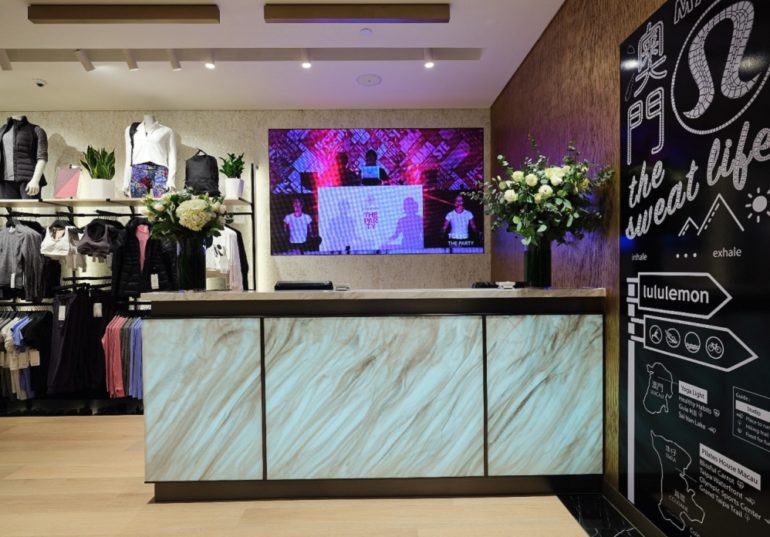
    Lululemon’s premier store in New Delhi will carry the company’s technical athletic clothing and accessories for both men and women. The product range will encompass various categories such as yoga, pilates, running, training, tennis, golf, and everyday movement. In addition to retailing products, the store is intended to function as a community hub for events, fostering connections between customers, brand ambassadors, and local fitness communities.

    Sarah Clark, Lululemon’s Senior VP, EMEA, expressed pride in the company’s venture into India. She conveyed that the company’s teams have been collaborating with Tata CLiQ to engage with the New Delhi community. The vibrant and active consumer base in the city is reportedly eager for high-quality performance products that merge technical innovation with superior style.

    Lululemon’s International Expansion

    The brand’s launch in India forms an integral part of its wider global expansion strategy. Lululemon currently operates in over 30 global markets. Earlier this year, it extended its reach to Poland, Greece, Hungary, and Romania, utilizing its franchise model.

    Questions & Answers

    What is Lululemon’s main product range?
    Lululemon primarily sells technical athletic apparel and accessories for men and women.

    Where will Lululemon’s first store in India be located?
    Lululemon’s inaugural store in India is planned to open in DLF Promenade, New Delhi.

    How is Lululemon expanding its brand internationally?
    Lululemon is growing its global presence primarily through a franchise model, which has recently led to its expansion into countries like India, Poland, Greece, Hungary, and Romania.

  • Babor Breaks Ground in China: Opens First Flagship Store in Shanghai, Revolutionizing Skincare Retail

    Babor Breaks Ground in China: Opens First Flagship Store in Shanghai, Revolutionizing Skincare Retail

    Germany’s renowned skincare brand, Babor, recently launched its first flagship store in mainland China, specifically in Shanghai, as part of its bid to augment its foothold in one of the world’s major beauty markets.

    An Experiential Retail Concept

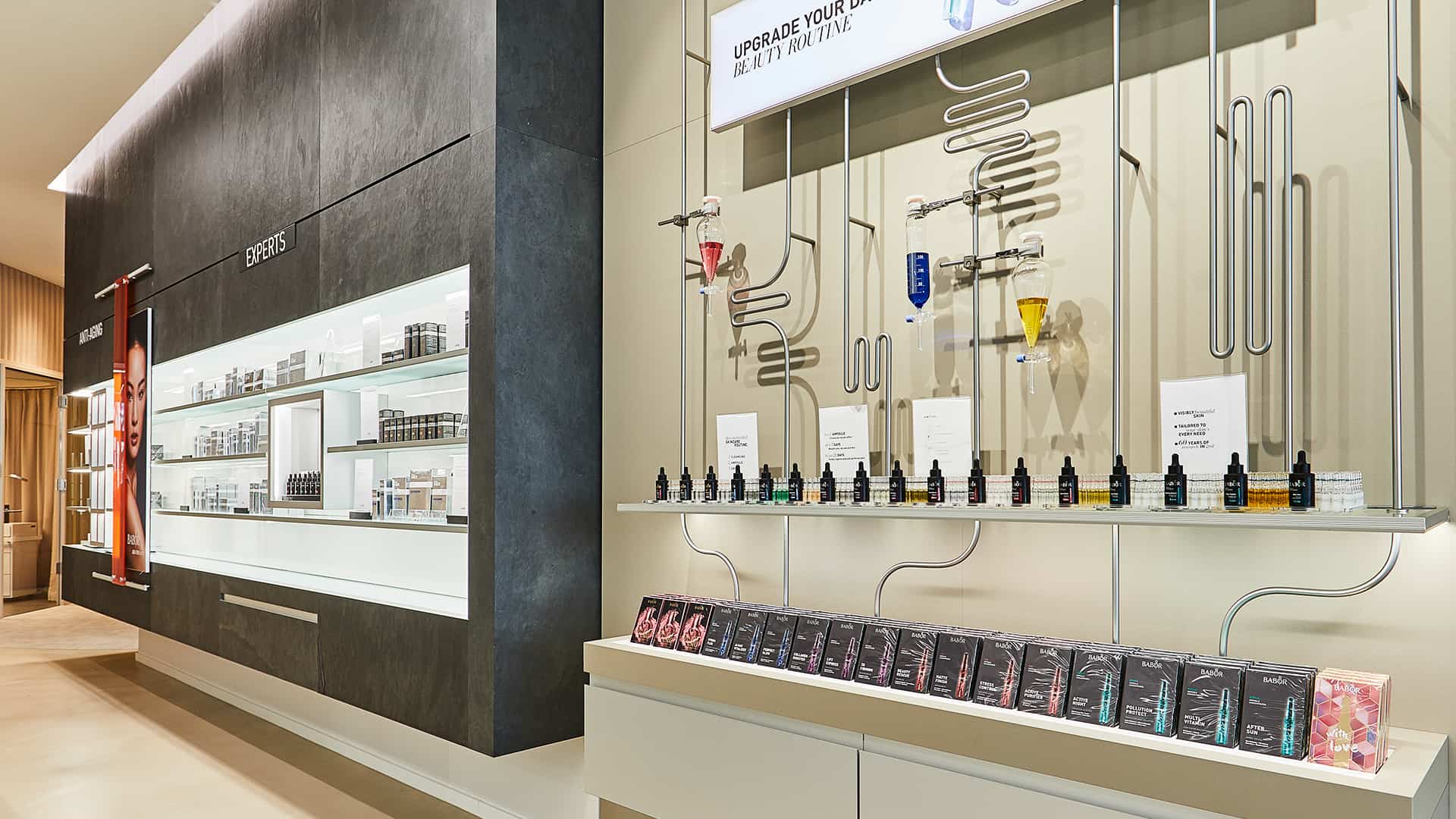
    Situated in Shanghai’s Xintiandi Dongtaili district, the flagship store is fashioned as a “specialist skincare atelier.” This unique concept effortlessly fuses Babor’s German roots and professional know-how with an innovative, experience-driven retail framework.

    The store is partitioned into two main sections. The Retail Gallery proudly features Babor’s signature Ampoule Bar, as well as its primary skincare assortments. Conversely, a separate Treatment Atelier is available for customers seeking facial treatments and bespoke skincare services.

    The brand explains that this novel approach aims to foster “deeper connections with consumers” by harmonizing product exploration with tailored skincare treatments and services.

    Milestone in China Expansion Strategy

    Established in 1956, Babor has earned a reputation for its expert skincare products and treatments. The inauguration of this new store signifies a notable achievement in the brand’s China expansion strategy, mirroring the growing demand for high-end skincare experiences among local shoppers.

    Eternal Group, Babor’s regional partner, voiced their confidence in the sustainable future of China’s professional skincare sector, emphasizing the increasing relevance of experiential retail in forging robust consumer relationships.

    This event follows a larger retail expansion by Eternal. The beauty distributor, listed in Hong Kong, announced the opening of four new stores in Beijing, Shanghai, and Shenzhen recently. This is part of their plan to reinforce their directly managed retail network across China’s premier cities.

    Questions & Answers

    What is the concept behind Babor’s flagship store in Shanghai?
    The concept is designed as a “specialist skincare atelier”. It combines Babor’s German heritage and expertise with an experiential retail format to create deeper connections with consumers.

    What does the new store mean for Babor’s expansion strategy?
    The opening of the new store marks a significant milestone in Babor’s expansion strategy in China. It demonstrates the growing demand for premium skincare experiences among local consumers.

    How does Babor’s partner, Eternal Group, view the future of China’s professional skincare sector?
    Eternal Group expresses confidence in the long-term prospects of China’s professional skincare sector. They believe in the increasing importance of experiential retail in building stronger consumer relationships.

  • HSBC Breaks New Ground with Hong Kong’s First Bank-Issued Stablecoin

    HSBC Breaks New Ground with Hong Kong’s First Bank-Issued Stablecoin

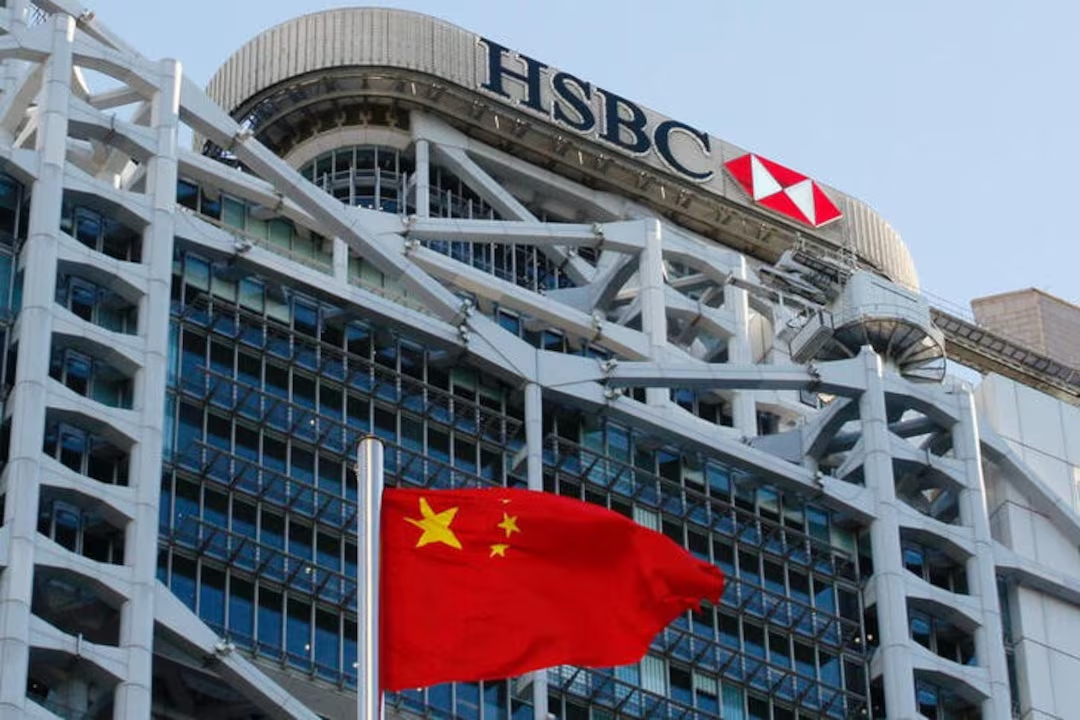
    The Hongkong and Shanghai Banking Corporation Limited, a subsidiary of HSBC, has been granted a license to issue stablecoins by the Hong Kong Monetary Authority (HKMA), marking a significant foray into the regulated digital asset space. The bank intends to introduce a Hong Kong dollar-denominated stablecoin by the latter half of 2026, becoming one of the first major global lenders to issue a regulated digital currency for retail use within the city.

    Fully Backed, Regulated Digital Currency

    HSBC has revealed that each unit of the upcoming stablecoin will be fully backed by high-quality liquid assets stored in segregated accounts. This structure is designed to preserve price stability and guarantee redemption at par value. Notably, the bank has emphasized its commitment to rigorous financial crime compliance standards, in line with regulators’ increased focus on security and transparency in digital assets. This development comes amidst Hong Kong’s efforts to fast-track its position as a premier hub for digital finance. This is apparent in the HKMA’s regulatory framework, geared towards legitimizing stablecoins while simultaneously mitigating systemic risks.

    Integration Into Everyday Banking

    HSBC’s stablecoin will be directly incorporated into two of their most popular platforms: PayMe, the bank’s widely-used peer-to-peer payment application, and the HSBC Hong Kong mobile banking application. This move indicates a strategic push towards integrating digital assets into mainstream financial activities, opposed to treating them as niche investment products. PayMe currently boasts over 3.3 million users, while active users on the HSBC HK App have risen by 20% year-on-year, following a recent redesign.

    Questions & Answers

    What is the purpose of the stablecoin that HSBC plans to issue?
    The objective of the stablecoin is to integrate digital assets into mainstream financial activities. This will be achieved by incorporating the stablecoin into HSBC’s most popular platforms, PayMe and the HSBC Hong Kong mobile banking application.

    How will the HSBC stablecoin maintain its value?
    Each unit of the stablecoin will be fully backed by high-quality liquid assets held in segregated accounts. This structure is designed to maintain price stability and ensure redemption at par value.

    How is HSBC’s move to issue a stablecoin significant?
    HSBC’s move to issue a stablecoin marks a significant step into the regulated digital asset space. It positions the bank as one of the first major global lenders to issue a regulated digital currency for retail use, signifying a strategic shift in the financial industry towards digital finance.

  • Thailand’s DIY Titans Losing Ground Amid Sluggish Economy and Rising Costs: A Deep Dive into the Struggles and Strategies

    Thailand’s DIY Titans Losing Ground Amid Sluggish Economy and Rising Costs: A Deep Dive into the Struggles and Strategies

    Home improvement retail is a sector known for its cyclical nature and susceptibility to shifts in consumer confidence. This is evident in Thailand’s DIY market, Southeast Asia’s largest, which is currently grappling with low consumer confidence, escalating household debt, rising energy costs, and general macroeconomic instability. Retailers are finding their large warehouses less productive, but they continue to add stores. This results in consistent drops in same-store sales and increasingly fierce competition. Profit margins are further threatened by increasing material costs, placing a squeeze on both revenue and net income.

    Home Pro: A Silver Lining Amid Stagnation

    Home Pro and Thai Watsadu are the largest players in this market based on revenue. Home Pro operates 126 stores in Thailand and seven in Malaysia. Despite reporting a decrease of 2.8% in 2025’s annual revenue compared to the previous year, the company is persistently expanding its network of warehouses. The firm’s same-store sales fell by 6.4% and showed weakened momentum during the fourth quarter.

    Interestingly, Home Pro asserts its sales growth is sustainable even though it has witnessed successive years of revenue decline. The company’s home services business, however, shows promise, with a growth rate of over 9% in 2025 as customers shift from DIY to DIFY services, which include installation, renovation, maintenance, and repair.

    Home Pro also earns rent from its Market Village shopping malls, particularly in popular tourist destinations like Hua Hin, Rayong, and the region adjacent to Suvarnabhumi Airport. However, the current geopolitical instability could impact the influx of tourists, predominantly from Europe, further dampening the outlook for 2026.

    Thai Watsadu: Parallel Trajectories

    Thai Watsadu, a subsidiary of Central Retail Corporation, closely competes with Home Pro. Despite experiencing a similar decline in same-store sales, it is on an expansion spree. The company’s total sales in 2025 matched Home Pro’s at about 70.6 billion baht (US$2.2 billion). Apart from DIY warehouses, the company’s portfolio includes electronics and white goods, office supplies, stationery, and home furniture chains.

    At the end of 2025, the Thai Watsadu chain comprised 88 stores, with plans to open an additional three to five locations this year.

    Siam Global House: Amid Pressure

    Siam Global House operates from the small northeastern provincial capital of Roi Et and is a fierce contender for Home Pro and Thai Watsadu. Despite its vast network of 96 warehouses in Thailand, the company’s revenue decreased by 1.9% in 2025 from the previous year, and its net profit fell by 20%.

    Mr DIY: A Potential Winner in the Short Term

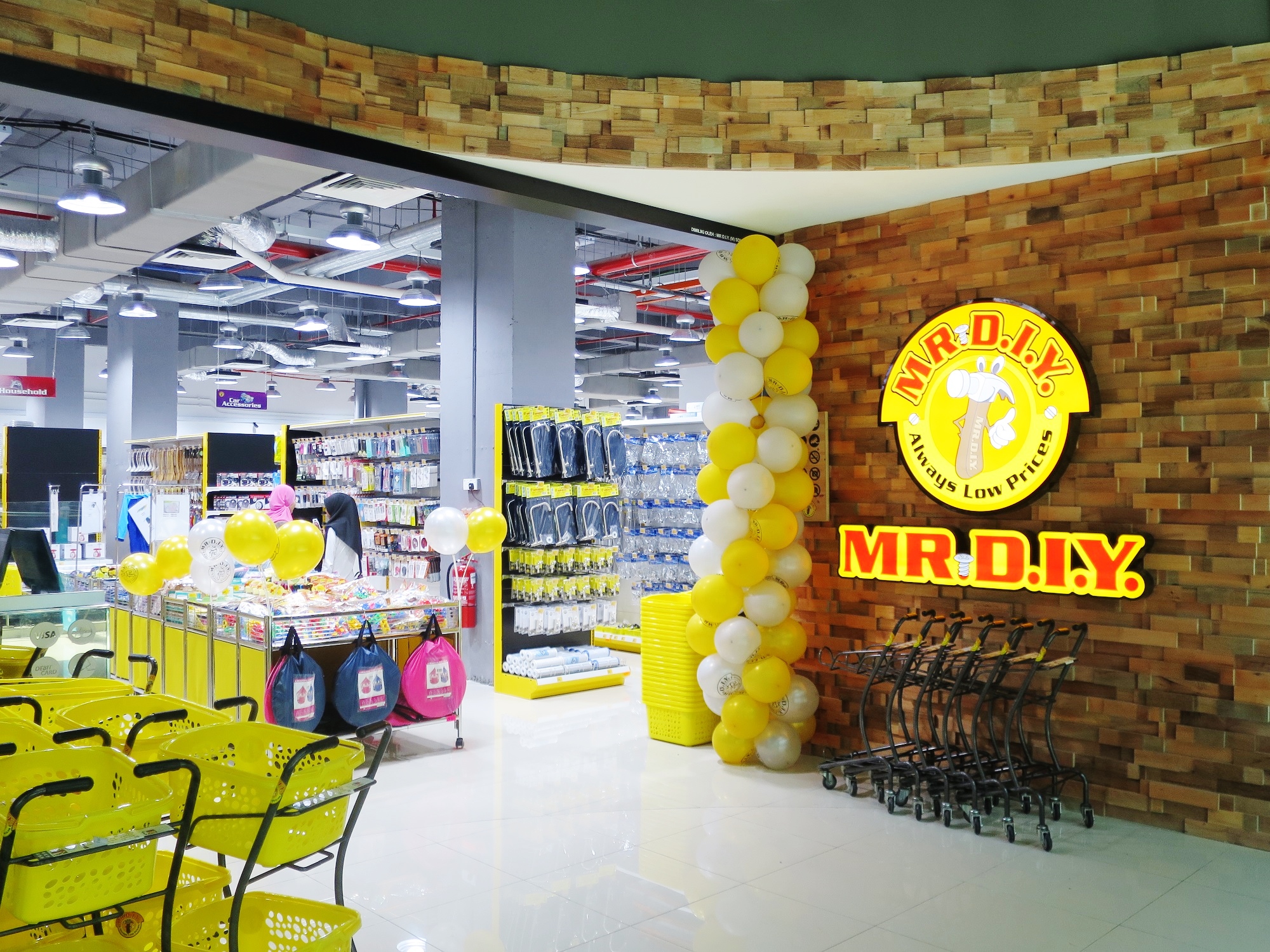
    Malaysia-based Mr DIY, with its smaller store formats, appears better equipped to navigate Thailand’s challenging retail landscape in the short term. With more than 2,000 stores across 10 countries, including approximately 900 in Thailand, Mr DIY offers a limited range of DIY goods that can be easily accommodated in conventional malls and high-traffic shopping areas. This strategy provides the chain with a short-term advantage while the weakening economy and geopolitical tensions continue to impact larger home improvement warehouses.

    The Future: An Uphill Battle

    The general outlook for the sector suggests a slower recovery, with rising materials and operating costs on the horizon. Home improvement retailers, who have already weathered the storm of the Covid-19 pandemic and various geopolitical conflicts, will likely have to delay their expected recovery until beyond 2026.

    Questions & Answers

    What is the current state of the home improvement retail industry in Thailand?
    A: The industry is experiencing a downturn due to weak consumer confidence, rising household debt, and increasing material costs.

    What are the business strategies of major players like Home Pro and Thai Watsadu in response to the challenging market conditions?
    A: Both companies continue to expand their store networks despite declining same-store sales, with Home Pro also focusing on its profitable home services and mall rental businesses.

    Why is Mr DIY potentially better positioned than its competitors in the short term?
    A: Mr DIY’s smaller store formats and limited range of goods make it a flexible fit in conventional malls and busy shopping areas, providing an advantage in the current economic climate.
  • United Overseas Bank Breaks Ground: First Foreign Institution to Headquarter at Vietnam’s International Financial Center

    United Overseas Bank Breaks Ground: First Foreign Institution to Headquarter at Vietnam’s International Financial Center

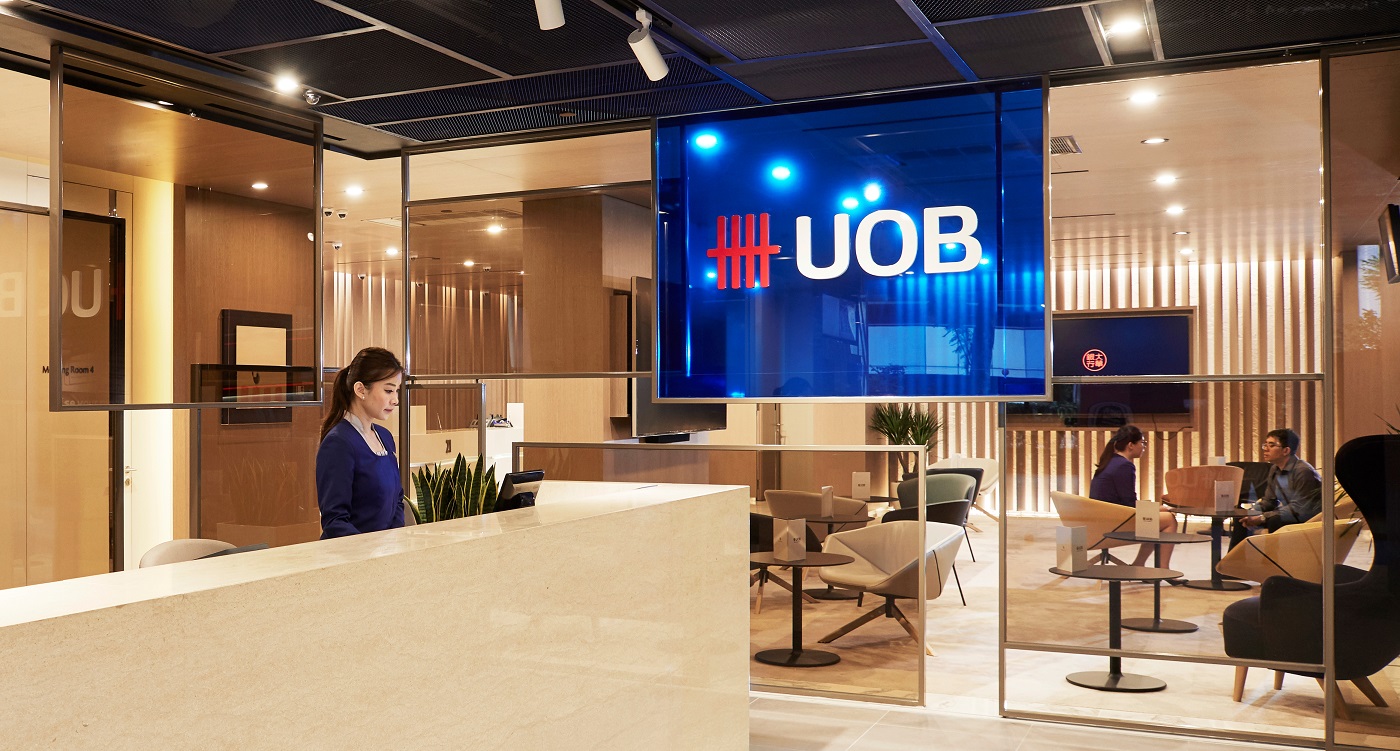
    United Overseas Bank (UOB), based in Singapore, is poised to become the inaugural foreign banking institution to establish its headquarters at the International Financial Center (IFC) in Ho Chi Minh City. This information surfaced during a meeting between Singapore’s Deputy Prime Minister Gan Kim Yong and his Vietnamese counterpart, Standing Deputy Prime Minister Nguyen Hoa Binh.

    UOB holds the distinction of being the first Singaporean bank to set up a representative office in Vietnam, a move that dates back to 1992. Following this, in 1995, the bank launched a wholly foreign-owned branch in Ho Chi Minh City.

    Expansion Plans

    Wee Ee Cheong, UOB’s Deputy Chairman and CEO, who previously met with Binh, disclosed that the bank is contemplating a 20% increase in the capital of its Vietnamese subsidiary to VND10 trillion (US$380 million). This move is intended to facilitate the expansion of the bank’s operations in Vietnam, a Southeast Asian market that UOB regards as strategically significant.

    The IFC, which received approval from the National Assembly last June, is set to be established in two locations, with Da Nang City being the second. Several domestic lenders and financial institutions, including MB Bank, Vietcombank, and VietinBank, have shown interest in establishing offices at the Ho Chi Minh City location of the center. Singaporean enterprises, banks, and funds have been invited by the government to establish bases at the financial center.

    Support from Singapore

    Yong expressed his support for Vietnam’s decision to establish an international financial center, deeming it a timely and appropriate policy move. He also affirmed Singapore’s commitment to share operational experiences and promote financial connectivity between financial centers in both nations.

    During Binh’s meeting with executives from approximately 20 esteemed Singaporean enterprises and investment funds, the consensus was that Vietnam should ensure policy stability and expedite the development of the legal framework for digital assets and financial technology.

    Singapore is the second largest investor in Vietnam, behind South Korea, out of 153 investing countries and territories. To date, Singapore has invested more than US$90 billion in over 4,400 active projects in Vietnam. The Vietnam-Singapore Industrial Park (VSIP) now comprises 21 parks within 14 provinces and cities. The two nations are enhancing their economic and investment cooperation efforts, in both new and promising sectors such as carbon credits, digital technology, agriculture, energy, and the upcoming VSIP 2.0.

    Questions & Answers

    What is the significance of UOB’s decision to set up its headquarters at the International Financial Center in Ho Chi Minh City?

    UOB’s decision marks a significant milestone as it becomes the first foreign bank to establish its headquarters at the newly approved International Financial Center.

    What is the proposed increase in UOB’s Vietnamese subsidiary’s capital and why?

    UOB plans to increase its Vietnamese subsidiary’s capital by 20% to VND10 trillion (US$380 million) to facilitate the expansion of the bank’s operations in Vietnam.

    What is the current status of investment between Singapore and Vietnam?

    Singapore is the second-largest investor in Vietnam, with investments exceeding US$90 billion in more than 4,400 active projects. The two nations are also enhancing economic and investment cooperation in various sectors.

  • Airport ground service firm reports $1.4 mln loss

    Airport ground service firm reports $1.4 mln loss

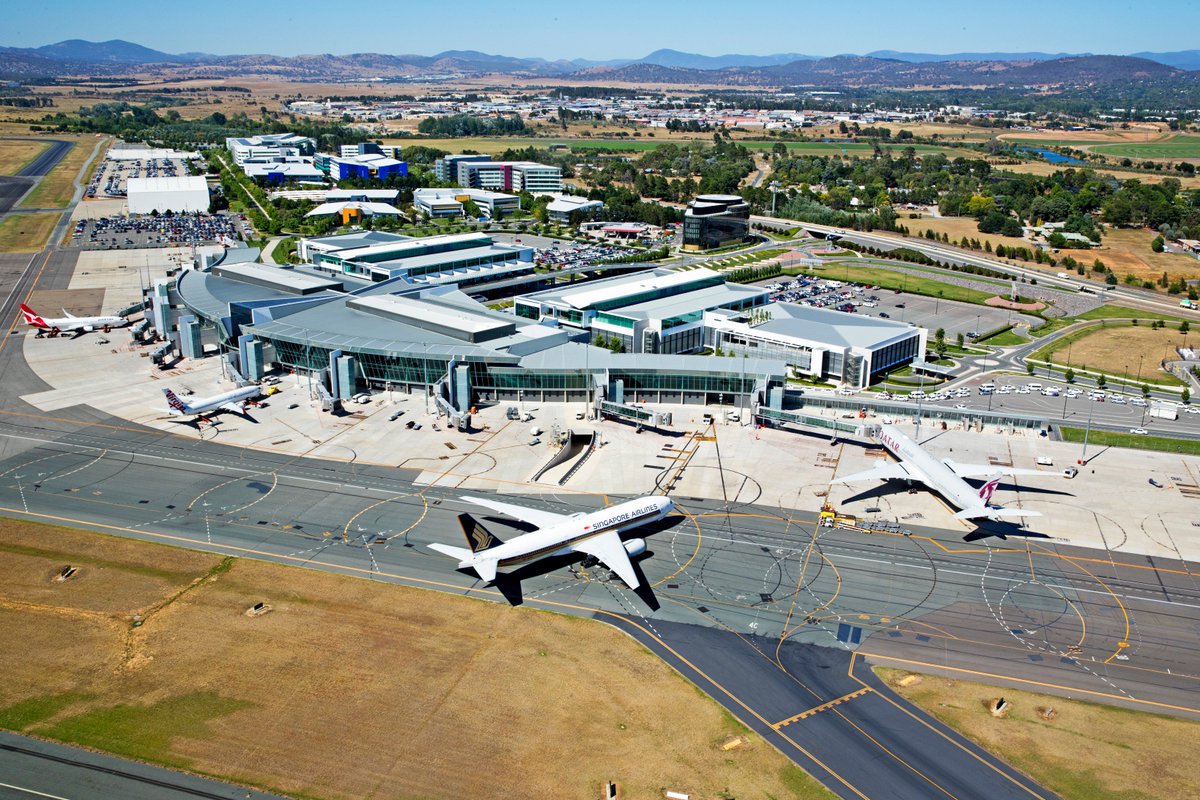
    Taseco Air Service JSC, owner of restaurants, duty-free shops, and advertising contractor at several airports across Vietnam, has posted a VND31.8 billion ($1.4 million) loss in Q1.

    This is the fourth consecutive quarter that the firm has reported a loss as it goes through one of the most challenging times for the aviation industry. International flights remain restricted after more than a year and the Covid-19 outbreak triggered late January hampered domestic travel recovery.

    The firm’s revenue fell 70 percent year on year to VND58.3 billion.

    It currently operates over 100 restaurants and souvenir shops at seven international airports nationwide.

    The firm has targeted VND317 billion in revenues this year, down 12 percent from last year. It expects to suffer a VND83.87 billion loss this year.

  • Vietnam in gradual shift to exporting more roast and ground coffee

    Vietnam in gradual shift to exporting more roast and ground coffee

    A decade ago most of the country’s coffee exports were semi-processed beans. The TNI King Coffee Factory that recently opened in Vietnam’s southern province of Binh Duong is the latest player to join the race to ship more finished coffee products from the world’s second-biggest producer.

    With an investment of $15 million, the factory aims to produce 9,000 tons of roast and ground coffee and nearly 20,000 tons of instant coffee annually for export, according to Le Hoang Diep Thao, director of TNI Corporation and the co-founder of Trung Nguyen Coffee. She has also helped build five plants for Trung Nguyen, one of Vietnam’s biggest coffee makers.

    TNI Corporation, which has recently gained a foothold in China’s online market for instant coffee and plans to start distribution through a supermarket chain there, did not give the size of its annual green bean demand for the new factory.

    But to reach the targeted annual output, the Binh Duong-based facility will need at least 13,000 tons of green beans for roast and ground coffee and another 50,000 tons for the instant variety, according to a Vietnamese coffee expert at a European firm based in Ho Chi Minh City.

    TNI’s factory will have to compete with 200 plants already in operation or which will be going into operation this year and the next, before the government puts a stop to new coffee processing plants in 2020 to ensure quality.

    In December 2016, India’s Tata Coffee said it will set up a freeze dried coffee plant in Vietnam to expand its market. In mid-January 2017, Tin Nghia Coffee Co began construction of a $28 million instant coffee plant in the southern province of Dong Nai, which is slated to open in early 2018.

    Demand for raw materials from the new plants will eat into exportable green bean stocks in Vietnam, the world’s largest exporter of semi-processed robusta beans, which has seen a smaller harvest this season due to adverse weather.

    “Demand is rising about 10 percent a year, and with a higher ratio of bad-quality beans from the last harvest due to bad weather, Vietnam may face shortages in the third quarter,” said the expert, who declined to be identified by name, referring to the three-month period starting this July.

    Top exporter Intimex expects the supply crunch to emerge in May or June, citing Vietnam’s fast export pace in the first months of 2017.

    Smaller harvest

    Vietnam’s 2016/2017 output has dropped 8 percent to an estimated 26.7 million bags (1.6 million tons) due to high temperatures and dry conditions brought by El Nino, the U.S. Department of Agriculture (USDA) said in its December 2016 report. One bag contains 60 kilograms of beans.

    Green coffee bean shipments are forecast to drop 13 percent from the previous 2015/2016 season to 23.5 million bags due to smaller output and more beans being used for domestic consumption or processed for export, the USDA said in its latest report.

    As such, green beans accounted for 90 percent of Vietnam’s total export volume, while roast and ground beans and instant coffee – or finished products – made up the rest. Vietnam’s crop year lasts from October through September.

    The forecasts mark a slow change to the country’s coffee export structure. Five years ago, finished products made up only 2 percent of Vietnam’s coffee shipments, the government said.

    Exports of roast and ground beans in the current 2016/2017 season are projected at 550,000 bags, unchanged from 2015/2016, but above the 457,000 bags shipped in the 2014/2015 season, based on the USDA report. The forecast volume represents 2 percent of Vietnam’s total projected shipments.

    The USDA also forecasts instant coffee exports to remain steady at 2 million bags, which shows a surge of 56 percent from the 2014/2015 season, while it said domestic consumption of roast and ground coffee would rise nearly 10 percent from the previous season to 2.5 million bags.

    Consumption of green beans in Vietnam is estimated at 2.87 million bags, up 9 percent from a year earlier, the USDA said.

    Vietnam does not publish breakdowns for its coffee exports.

    The Vietnamese government has plans to raise the output of roast, ground coffee and instant coffee to 25 percent of total output by 2020, while the output of instant coffee alone will increase to 5.83 million bags by 2030 from the 255,000 tons targeted for 2020.