Retail News CRM

Tag: hamburgers

  • Five Guys confirms Singapore Restaurant Opening

    Five Guys confirms Singapore Restaurant Opening

    American burger chain Five Guys is set to open in Singapore within six months.

    Local franchisee Zouk Group says the first outlet will open somewhere “central”.

    “There will definitely be more than one outlet here, depending on how many the market can sustain,” Andrew Li, Zouk Group CEO said.

    Five Guys is known for its customisable beef burgers, hotdogs, milkshakes and sandwiches.  Singapore outlets have the same menu as the US and Hong Kong.

    Prices have yet to be confirmed, but the outlet will serve alcohol including craft beer.

    Founded in Virginia in 1986, the brand now has more than 1600 restaurants worldwide across the US, Europe, Middle East and Asia.

  • In-N-Out Burger opens pop-up Restaurant in Seoul

    In-N-Out Burger opens pop-up Restaurant in Seoul

    In-N-Out Burger, a popular American hamburger franchise, opened a pop-up store on Wednesday in Gangnam, Seoul, drawing hundreds of visitors.

    People began lining up at the store from 6am to try out what can otherwise be tasted only in America. The 250 burgers prepared for the day sold out in just 30 minutes.

    South Korea’s craze for American food brands, including Shake Shack in 2016, and recently Blue Bottle Coffee, is drawing attention from brands.

    The pop-up event, originally scheduled to start at 11am, had to open early at 9.30am due to the massive number of people queuing. All 250 wristbands, needed to purchase a burger, were given out before the clock struck 10.

    This is In-N-Out Burger’s third pop-up store since the last one in 2012. The burger franchise, however, currently has no plans to enter the South Korean market.

    Some argue that the pop-up store is In-N-Out Burger’s strategy to maintain trademark rights in South Korea.

    Experts say that South Korea’s craze over American food chains reflects the people’s need for ‘small but definite happiness’ in the age of social networks.

    When the first Shake Shake opened in South Korea in July 2016, for more than a month, customers had to line up for at least two or three hours to get a burger.

    People also lined up at Blue Bottle’s first store in Seoul’s Seongdong District, which opened early this month.

    “In the age of social networks, people’s need for a ‘small but definite happiness,’ which can be easily shared with other consumers, seems to coincide with these food chains,” said one expert.

    “That is why people seem to become more willing to wait in line for hours, just like how they did at Shake Shack or Blue Bottle.”

  • Taco Bell India eyes 600 store Openings

    Taco Bell India eyes 600 store Openings

    Taco Bell India plans to expand to more than 600 stores before sub-licensing to local operators.

    The US-headquartered QSR chain has appointed its existing local partner since 2015 Burman Hospitality,  as master franchise holder for the country.

    Following nine years in the territory, the brand now seeks to open 600 locations in India within 10 years, a target that if achieved will make India Taco’s largest foreign market, reflecting the popularity of its menu in the region extending beyond its parent company’s core offerings of its sister brands’ chicken, burgers and pizzas.

    The appointment makes Burman the largest Taco Bell franchise globally in terms of store count. “If you look at chicken and pizza, they are two very familiar categories to the consumer and that helped both KFC and Pizza Hut with their explosive growth, not only in India, but all over the world,” said Taco Bell International president Liz Williams. “The Mexican category is a relatively new category for consumers and I think the Indian consumer has shown us they are ready for it.”

    Research conducted last year showed that the vast majority of food ordered in the Indian territory is North Indian, followed by Chinese and South Indian. The market for other cuisines is shown to be expanding.

    Burman is currently seeking to keep tight control over store launches before seeking sub-franchisees and then expanding into new formats such as food court kiosks.

  • Shake Shack opens first store in Philippines

    Shake Shack opens first store in Philippines

    The new QSR restaurant has opened at Bonifacio Global City (BGC) as the brand’s 225th location, although only its second in Southeast Asia after Singapore.

    “It is known for quality and consistency in taste,” said the president of the exclusive franchise holder SSI Group Anton Huang. “As far as SSI is concerned, we want to be the purveyor of lifestyle choices to the Filipino consumer. In keeping with that goal, we identified Shake Shack as a brand or concept that would really resonate well with the Filipino consumer.”

    “Filipinos are already clamoring for it to begin with and it would be a must do part of their pilgrimage to the US,” he added.

    The restaurant’s Instagram announcing the Manila launch achieved 16,000 likes, the highest-ranking post on its account.

    Huang expressed confidence that the new store will meet revenue and sales targets, and is keeping a tight focus on the performance of the first outlet before making expansion plans.

    “We’re concentrated on doing well to serve our customers and meet their expectations,” he said. “Once we’ve done that, and I’m pretty sure we are going to get that right from the beginning or the get-go, then, we will look at expansion. As I am sure you can sense, with the kind of demand there is for Shake Shack in the Philippines, I think the expansion opportunities are in fact endless. You really just have to select properly where we will expand.”

  • McDonald’s Philippines Planning 50 Restaurant Openings

    McDonald’s Philippines Planning 50 Restaurant Openings

    McDonald’s Philippines is expanding, with new stores and branch upgrades unfolding this year along with menu additions.

    There are currently around 650 McDonald’s restaurants in the territory, 61 of which opened last year.

    “We’re continuing our aggressive expansion,” said McDonald’s MD Margot Torres. “In terms of new stores, we’re looking at about 50.”

    The firm’s outlets will be upgraded to the McDonald’s Nxtgen system, featuring a touch-screen service allowing customers to place orders without interacting with a cashier. The Nxtgen kiosks also allow customers to customize their orders and access additional offerings.

    An estimated 70 per cent of stores are expected to receive the upgrade by 2021

  • American burger chain Five Guys to open Restaurants in Singapore

    American burger chain Five Guys to open Restaurants in Singapore

    American burger chain Five Guys is to open in Singapore later this year.

    According to an unidentified F&B industry source, the chain also plans to open in Malaysia.

    The Singapore branch will be Five Guys’ second outlet in Asia, following the one which opened in Hong Kong last November.

    Founded in 1986, Five Guys runs more than 1500 outlets in America, Europe, and the Middle East. It also plans to expand into the UK.

  • McDonald’s Malaysia Opens 20 More Restaurants

    McDonald’s Malaysia Opens 20 More Restaurants

    McDonald’s Malaysia will launch 20 new McDonald’s Drive-Thru restaurants before the end of the year.

    “Drive-Thru window sales have contributed almost 50 per cent of total sales at 167 restaurants,” said regional MD and local operating partner Azmir Jaafar. “On top of this, we’ve seen an average 10 per cent year-on-year growth in drive-thru sales in the first quarter of 2019.”

    McDonald’s Malaysia opened its first Drive-Thru in Titiwangsa in 1988. The franchise now plans to include a drive-through facility in nearly three quarters of its restaurants by 2021, anticipating a 10–15 per cent increase in vehicle count.

    A Drive-Thru Weekend Challenge held from April 26–28 saw 473,860 cars stopping at a McDonald’s Drive-Thru nationwide for a meal, earning the franchise a spot in the Malaysia Book of Records.

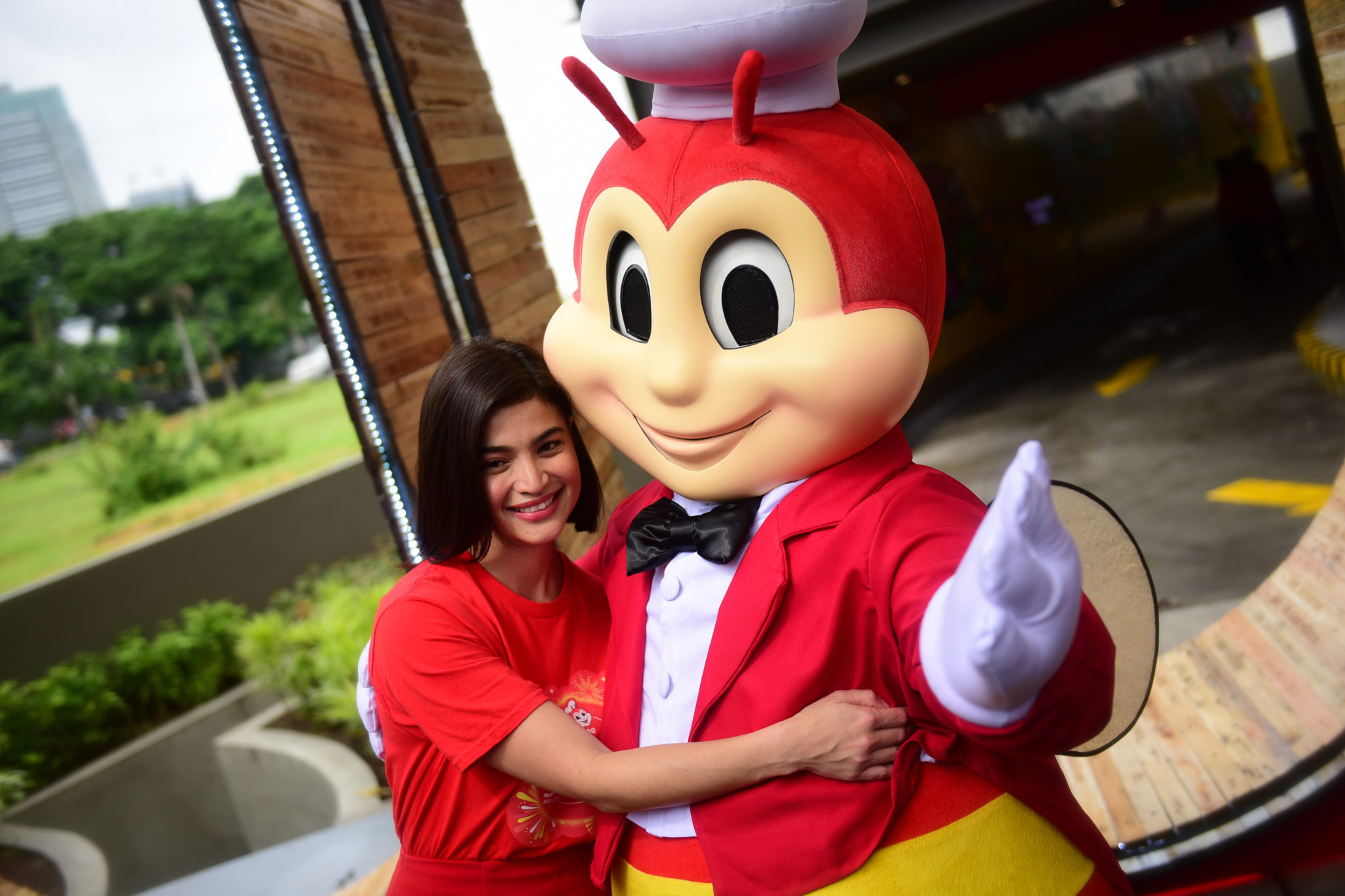
  • Fast-food chain Jollibee Plans China Rollout

    Fast-food chain Jollibee Plans China Rollout

    Filipino fast food chain Jollibee may open its first location in China within the next five years.

    The firm already has a presence in the territory, where it operates the Dunkin’ Donuts franchise. It also operates eight stores in Hong Kong.

    JFC president and CEO Ernesto Tanmantiong told that the firm is currently looking for a location where there is a high Filipino population, with a view to attracting the local market afterwards.

    “We build the base and slowly cross over to the mainstream market, which is the local market,” said Tanmantiong. “We have done that successfully in Hong Kong and in Singapore.”

    The firm took legal action against a copycat restaurant in China, JoyRulBee, earlier this year.

    Jollibee will open its first store in Rome and Spain shortly while exploring other markets.

  • A&W Singapore makes a Huge Comeback

    A&W Singapore makes a Huge Comeback

    American fast food chain A&W Singapore is making a comeback this week at Jewel Changi.

    The chain made its original debut in the city back in 1966 with an outlet at Dunearn Road, burt closed all five outlets in 2003, exiting the market.

    After the Jewel Changi return, a second outlet will be opened by June, and a third next year, however the locations have yet to be revealed.

    “After opening here, we wanted to be able to scale [at] such a speed it would ease the crowd at the first outlet,” said Kelvin Tan, A&W International’s director of marketing and communication.

    A&W Singapore also intends to apply for halal certification to cater to the big Muslim market in Singapore.

    “The Muslim community formed a very big chunk of our business (in the past) and I think right now we will continue to respect and recognise that this particular market is very important to us,” Tan said.

    And directly by A&W Restaurants, A&W Singapore’s menu also incorporates regional favourites such as the “golden aroma chicken” from A&W’s Malaysian and Indonesian outlets, and the “waffle sundae” from A&W outlets in Thailand.

  • Wendy’s Malaysia Closing Down

    Wendy’s Malaysia Closing Down

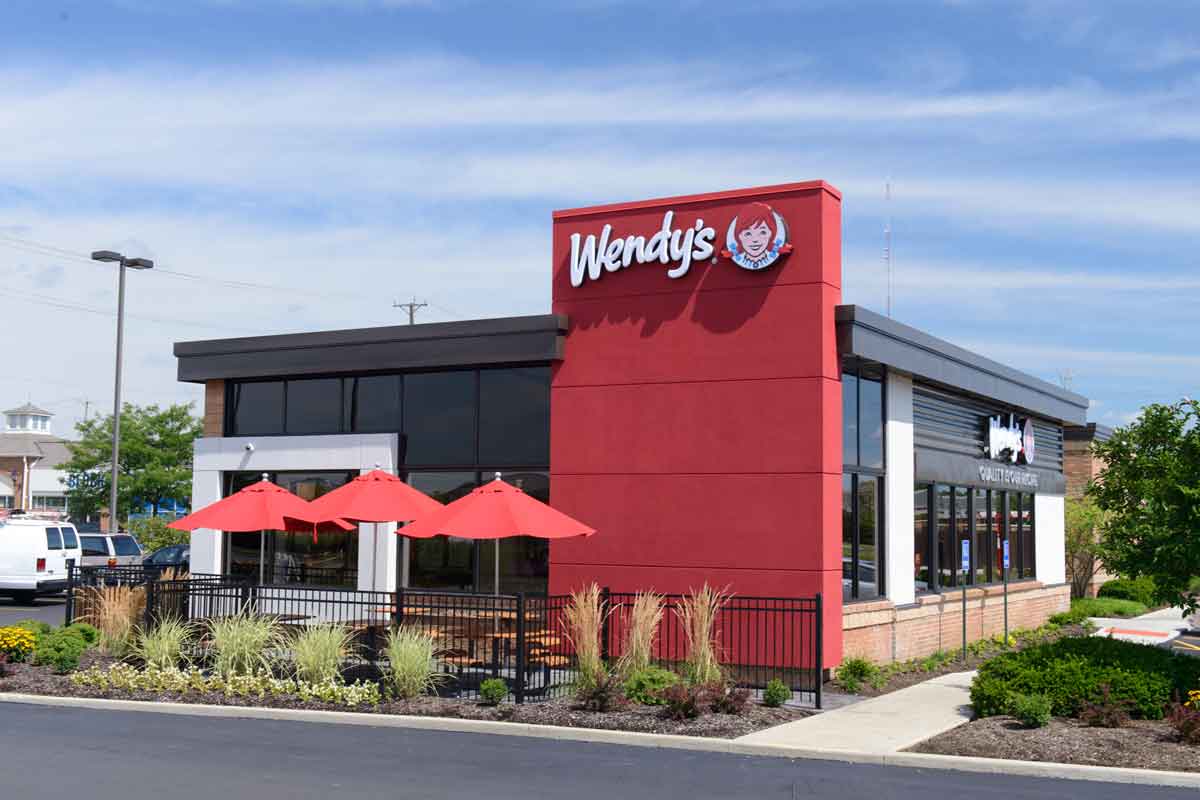
    A series of Wendy’s restaurant closures have prompted rumours that the brand is shutting down in Malaysia for good.

    While no formal announcement has been made of the brand’s apparent withdrawal from the territory, social media posts documenting vacated Wendy’s Malaysia premises have been circulating since venues began disappearing last year.

    Online users have speculated that Wendy’s Malaysia franchisor Berjaya Burger has decided not to renew its agreement with the international fast food chain. The Wendy’s Malaysia Instagram account has also been shut down, and the firm’s last Facebook post was in early January this year.

    A 2016 article announcing the planned expansion of Wendy’s in Malaysia has been held up as a relic of better times for the global brand.

    At last count, just one branch in Kuala Lumpur – at Berjaya Times Square – and two in Penang were still operating.

  • Jollibee Guam flagship Restaurant Opening Early April

    Jollibee Guam flagship Restaurant Opening Early April

    Filipino fast food chain Jollibee, the largest and fastest-growing Asian restaurant company in the world, is soon to open its flagship brand in Guam.

    The first Jollibee Guam outlet will launch at Micronesia Mall on Saturday, April 6.

    “We’ve seen people queue even in extreme weather to enjoy our unique and tasty food,” said Jollibee Foods Corporation’s president and head of international business Dennis Flores. “We invite everyone – Chamorus, Micronesians, mainland Americans in Guam; everyone here in Guam – to come taste and see for themselves why people are willing to wait and line up for our food.”

    With Jollibee operating in Guam – where America’s day begins – the company says it can claim that it is serving food to more diners on American soil at any given moment of the day or night. Jollibee has 37 stores in the US.

    Jollibee, from its humble beginnings as an ice cream house in 1975, quickly grew into a fast-food giant with more than 1300 stores worldwide. Its openings have drawn queues with people lining up to 20 hours for a taste of their Jollibee favourites.

  • Burger King eyes expansion in Africa

    Burger King eyes expansion in Africa

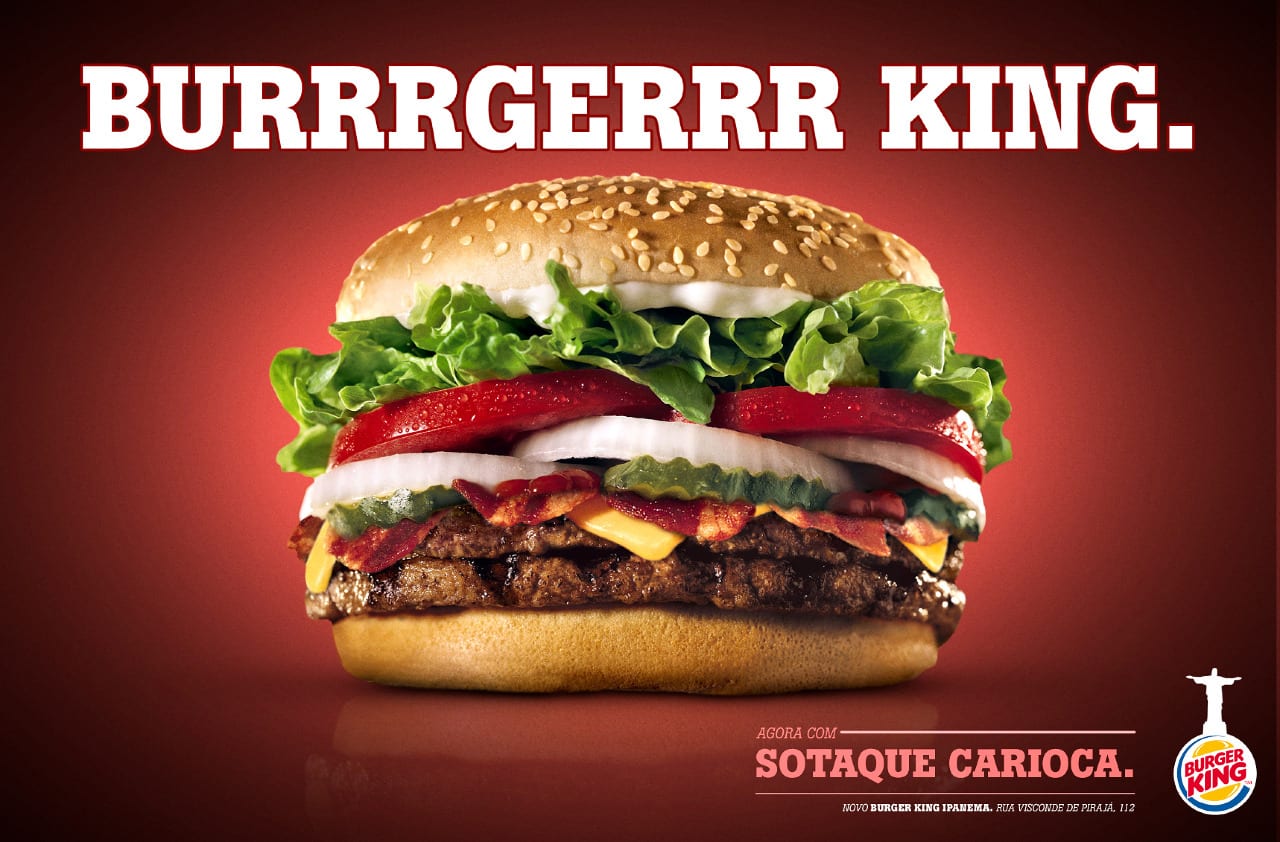
    Burger King, the world’s second-biggest burger chain, is set to launch a string of restaurants in sub-Saharan Africa, including Nigeria, according to a senior executive.

    Daniel Schwartz, chief executive of Burger King’s parent company, Restaurant Brands International, told that the region was seen as a “huge opportunity”.

    Africa has mouth-watering demographics for any fast-food chain, with the United Nations forecasting that it will have ten of the world’s fastest-growing cities between now and 2035.

    And the continent’s population is young, with a median age of just 19. The population is expected to top two billion by 2050, doubling again by the end of the century.

    Burger King is currently undergoing rapid expansion internationally, adding two or three restaurants each day to its global network. But with 17,000 outlets worldwide, it remains far behind rival McDonald’s which claims more than 37,000.

    Asia and Europe are the main focus for Burger King, but, said Schwartz, the brand is “significantly under-penetrated” in Africa.

    “We are so under-penetrated around the world relative to our peers – and ourselves in the US,” he added. “We’re just scratching the surface.”

    José Cil, president of Burger King, told the FT that fast-food restaurants “aren’t really well penetrated yet” in sub-Saharan Africa. “We think Nigeria is an amazing opportunity, we think East Africa as well.”

    Besides Nigeria, Africa’s largest economy, Burger King is reported to be eyeing Kenya and Ivory Coast among other countries in the region.

    But, said Cil, Burger King had “a lot of work to do” in Nigeria “in terms of infrastructure and supply chain”.

    “We want to do it right — and we want to do it in a big way,” he said. “We want to scale quickly. So, we’re excited about the potential.”

    News of Burger King’s latest expansion comes as Nigeria inches its way out of a recession caused by the dramatic fall in oil prices. With a population of 194 million, the country is the continent’s most populous.

  • Jollibee expanding in Hong Kong

    Jollibee expanding in Hong Kong

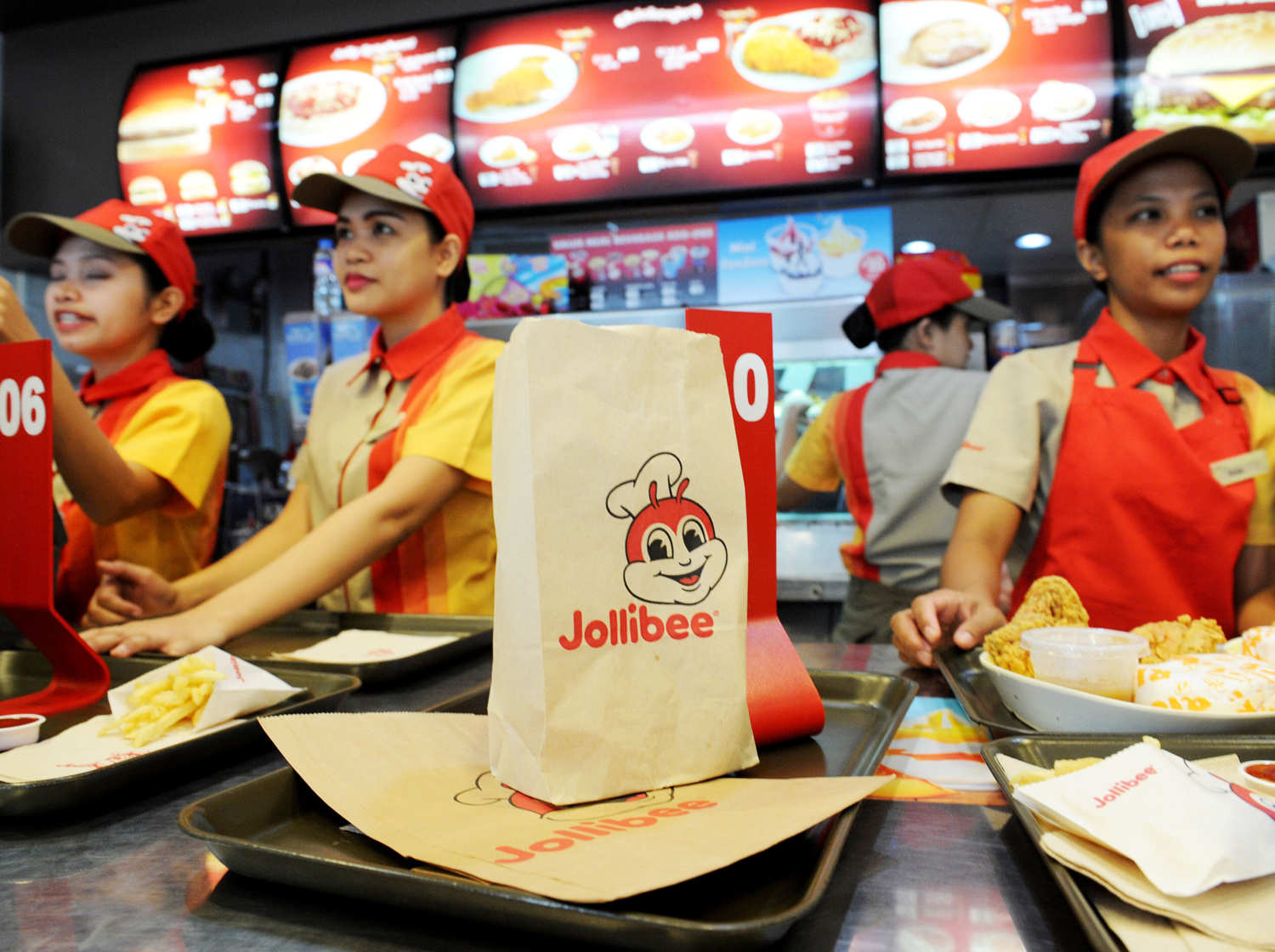
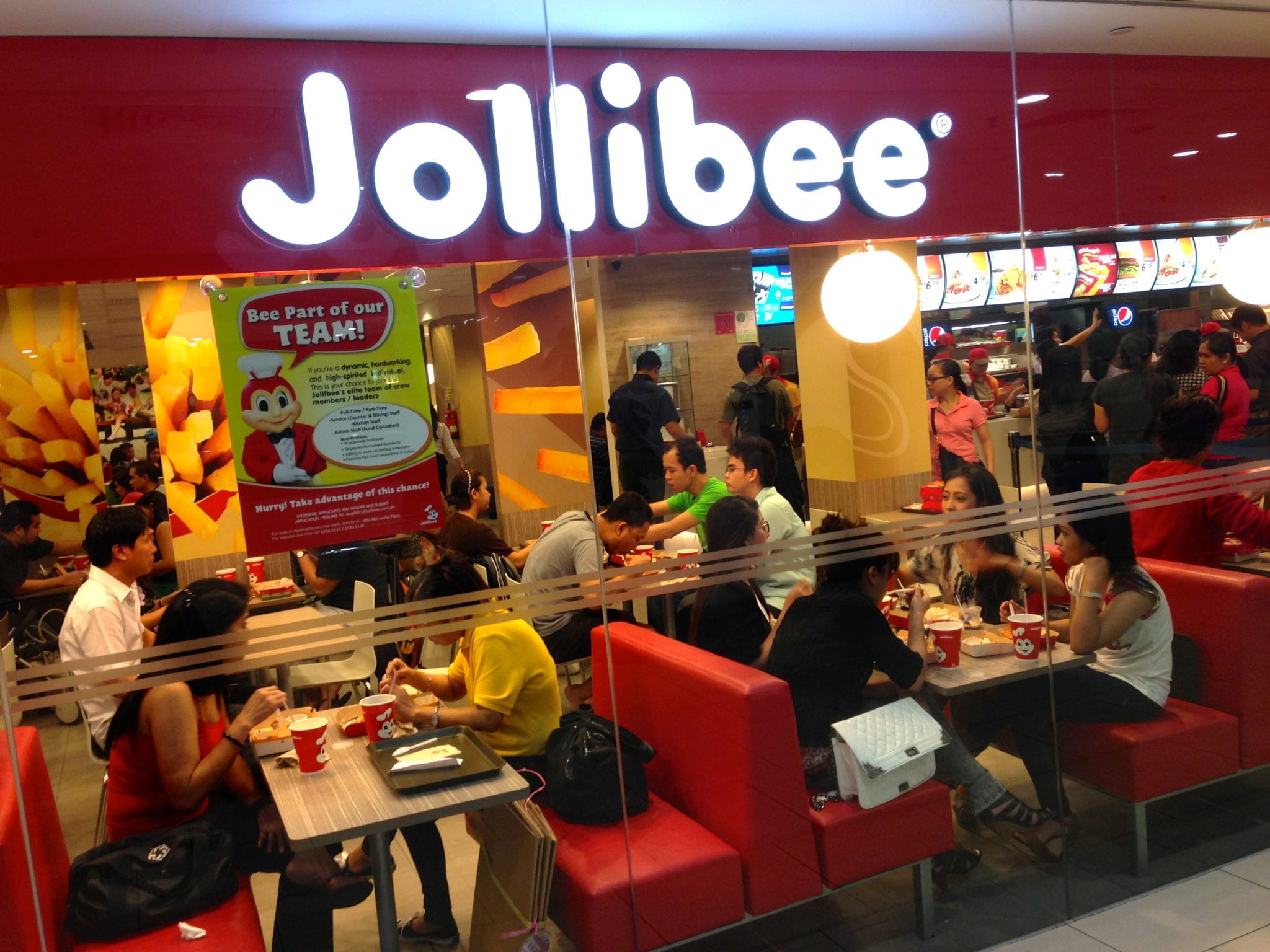
    “It feels like you’re back home,” said Filipino Joanna Galabay, a long-time foreign domestic worker in Hong Kong, as she munched on a drumstick at a Jollibee’s branch on Connaught Road.

    Singaporean bags-and-shoes chain Charles & Keith opened its first branch in the upscale New Town Plaza in Sha Tin last month, and will open its second outlet – at Parker House in Central – in November. It has committed to opening another store in the city, and told it plans to “expand cautiously to 10 locations in the next five years.” It has branches in the Philippines and Indonesia so is well known to the city’s domestic helpers

    Potato Corner, which now has four outlets in Hong Kong, said a branch in Central is in the pipeline. The restaurant chain started in the Philippines but, as part of its international expansion, took off as well in Indonesia.

    “For Southeast Asian brands in particular, Hong Kong has a unique advantage for having a long-established Southeast Asian population,” said retail analyst Lawrence Wan of CBRE Hong Kong. “ … You can see their restaurants opening in prime areas. The lifestyle and trendy fast fashion brands from Southeast Asia are also gaining steam.”

    The number of Southeast Asian companies in Hong Kong rose 17 per cent between 2013 and 2017, with the city now having 586 such businesses, according to the government’s Census & Statistics Department. In addition to players like J. CO Donuts & Coffee of Indonesia, and Bread Talk and Irvins Salted Egg, both from Singapore, they include big multinationals, such as the Development Bank of Singapore and the United Overseas Bank, also from the Southeast Asian city state.

    Hundreds of thousands of maids fan out on their Sunday day off in this city of 7.4 million people. Filipino maids often meet their friends at Jollibee, for example, chatting, eating, snapping selfies and calling family back home. In April, visiting Philippine President Rodrigo Duterte created quite a stir when he sat down at the Hung Hom outlet of Jollibee and chatted with a Filipino maid. Indonesian helpers are also fans of Jollibee.

    The women have expanded the customer base of the brands by bringing home drumsticks, doughnuts and other treats with them when they return to their employers’ homes on Sunday nights. The Southeast Asian businesses have also simply grown by word of mouth.

    “We initially entered Hong Kong because of the large Filipino population in the market,” Jollibee’s media office said. “However, we are now seeing that our new stores have majority local customers, with more Hong Kong locals loving our Chickenjoy [chicken meals].”

    Potato Corner, which markets itself as the maker of the “world’s best flavoured fries”, said its Hong Kong stores achieved the “all-time record for highest single day sales” in the brand’s 25 years of operation. It didn’t give specifics.

    “Potato Corner is popular among Filipinos, and some of our most loyal regulars are Filipinos. Indonesians [are our loyal customers], too, as Potato Corner has a strong presence in Indonesia,” said Ryan Asis Maniago, managing director of UpFive Corporation Ltd., the master franchisee in Hong Kong.

    As Hong Kong’s population ages, its need for foreign domestic helpers will grow, with the number of helpers expected to jump to 600,000 over the next three decades, the government says. While their wages are modest – HK$4,520 (US$577) a month, plus living space in their employer’s home and food – their sheer number makes them a serious consumer base. They spend about a quarter of their wages in Hong Kong, according to a study by NGO Mission for Migrant Workers released in August. That would mean they are dropping about HK$5 billion (US$640 million) a year in the city.

    The number of Southeast Asian businesses is expected to grow under two free trade agreement between Hong Kong and the Association of Southeast Asian Nations, which represents the 10 countries of the region: Indonesia, Thailand, Vietnam, Singapore, Malaysia, Philippines, Myanmar (also known as Burma), Cambodia, Laos and Brunei. The agreements go into effect next year.

    Consulate officials from the Philippines, Singapore and Thailand also noted that Hong Kong serves as a strategic gateway to China’s huge number of consumers, elevating its importance to businesses of the Asean member countries.

    However, businesses said in interviews that expansion is hampered by the city’s high rents. Also, some complained that it is difficult for them to set up bank accounts for their operations.

    “The cost of doing business in Hong Kong is more expensive compared with other countries, especially in rent,” Irvins Salted Egg said.

    The snack company said it is negotiating with a few landlords for some prime retail spaces in popular shopping malls.

    In 2017, Hong Kong’s Causeway Bay, home to one of Potato Corner’s branches, had the most expensive retail space in Asia, and second in the world behind New York.

    Property consultant Cushman & Wakefield said annual retail rentals in the trendy and popular shopping district on Hong Kong Island reached HK$21,255 (US$2,712) per square foot, just behind Upper 5th Avenue’s HK$23,400 (US$2,986) per square foot.

    While rents are high, the Thai Consulate applauded the city’s business-friendly tax system.

    “The simple tax system with no VAT and importing tax is also a selling point to Thai exporters,” the Thai Consulate-General said.

    There were 154 existing trademark registrations from Thailand in Hong Kong as of last year, a 77-per cent increase compared to 2016. Leading Thai brands in Hong Kong include Bangkok Bank, spa and spa products retailer Thann, and restaurant Blue Elephant.

    Thais have opened many small business in the city, including massage parlours and beauty and nail salons.

    The city’s attractiveness has grown to Southeast Asian businesses, some of which were quick to thank Filipino and Indonesian domestic helpers for getting them off to a solid start.

    Noemi Morgado, a Filipino maid working in Pok Fu Lam, is one such helpful ambassador. “Ever since I brought my employer’s family a bucket of Jollibee fried chicken on New Year’s, they have regularly asked me to bring some home after my day off,” said Morgado, holding three buckets of the chain’s fried chicken.
  • Fast Food Giant Jollibee To Acquire Tim Ho Wan Franchises In APAC

    Fast Food Giant Jollibee To Acquire Tim Ho Wan Franchises In APAC

    Jollibee Foods (JFC) announced yesterday that it would invest US$33.4 million (S$45 million or Php 1.74 billion) in a private equity fund that is set to acquire the master franchise of Tim Ho Wan in the Asia Pacific.

    In a disclosure to the Philippine Stock Exchange, Jollibee said that it would account for 45 per cent of the total committed investments in Titan Dining LP, which is worth S$100 million.

    According to Jollibee, Titan has a binding agreement to acquire 100 per cent of the Asia Pacific master franchise holder of the Tim Ho Wan brand, Tim Ho Wan Pte Ltd (THWPL) and its affiliate Dim Sum Pte Ltd, which owns and operates Tim Ho Wan stores in Singapore.

    “Titan may eventually add other brands in the food service sector to its portfolio, with the objective to grow strong Asia-Pacific food service brands across multiple geographies and markets, and to bring strong global food service brands to Asia Pacific,” according to JFC.

    JFC chairman Tony Tan Caktiong trusts that this investment will bring “very healthy financial returns” to Jollibee.

    “Our long-term investment in Tim Ho Wan is in line with JFC’s mission to serve great-tasting food and spread the joy of eating to everyone,” he said.

    The deal will combine Tim Ho Wan’s Michellin-starred barbecue pork buns with Jollibee’s stable of Chinese restaurants: Chowking in the Philippines, and Yonghe King and Hong Zhuang Yuan in China.

    The trio of Chinese restaurants accounted for 23 percent of system-wide sales last year, said Jollibee.

    Jollibee, the largest fast food company in the Philippines, has been on an acquisition and expansion spree overseas.

    It recently secured US government’s approval for its acquisition of more shares in Colorado-based burger joint Smashburger.

    It also opened its first European store in March, and a third outlet in Canada in April.

    Due to aggressive store openings, Jollibee said that its net income rose 17.3% to 1.8 billion pesos (US$3.47 million) in the first quarter from a year ago as total sales rose 19.3% to 46 billion pesos.

    Now, Jollibee has the option to acquire “substantial ownership” of the Tim Ho Wan master franchise in the Asia Pacific after the term of Titan Dining ends in 7 years.

    It also said that it would operate as a Tim Ho Wan franchisee in Shanghai to prepare for that possibility.

    Tim Ho Wan currently has franchisee in Cambodia, Indonesia, Japan, Macau, Taiwan, Thailand, Vietnam, Australia, and the Philippines; with an expansion development in the works in the Asia Pacific region.

    Together, Tim Ho Wan and Dim Sum operate 40 restaurants in total, both company-owned and franchised stores.

  • Shake Shack opens next week in Hong Kong

    Shake Shack opens next week in Hong Kong

    Shake Shack Hong Kong makes its debut on Tuesday at IFC mall in Central. With panoramic views of Victoria Harbour, the eatery will be able to seat more than 46 guests. As a modern “roadside” burger stand that began as a hot-dog cart in New York’s Madison Square Park, Shake Shack has gained a global following for its Flat-top Dogs with all-natural beef and no hormones and antibiotics, served on a non-GMO Martin’s Potato Roll.

    As well as the New York City brand’s classics of burgers, hot dogs and fries, Hong Kong Shack will serve localised menu items like milk tea shake (vanilla custard blended with black tea), French toast (with vanilla custard, peanut-butter sauce and banana, topped with maple sugar), the Heart & Tart of Central (vanilla custard, egg tart and strawberry puree) and That’s My Jam (vanilla custard, mango/passion fruit jam, raspberries and crumbled shortbread).

    Its crinkle-cut fries can be served plain or with a special blend of American and cheddar cheese sauce.

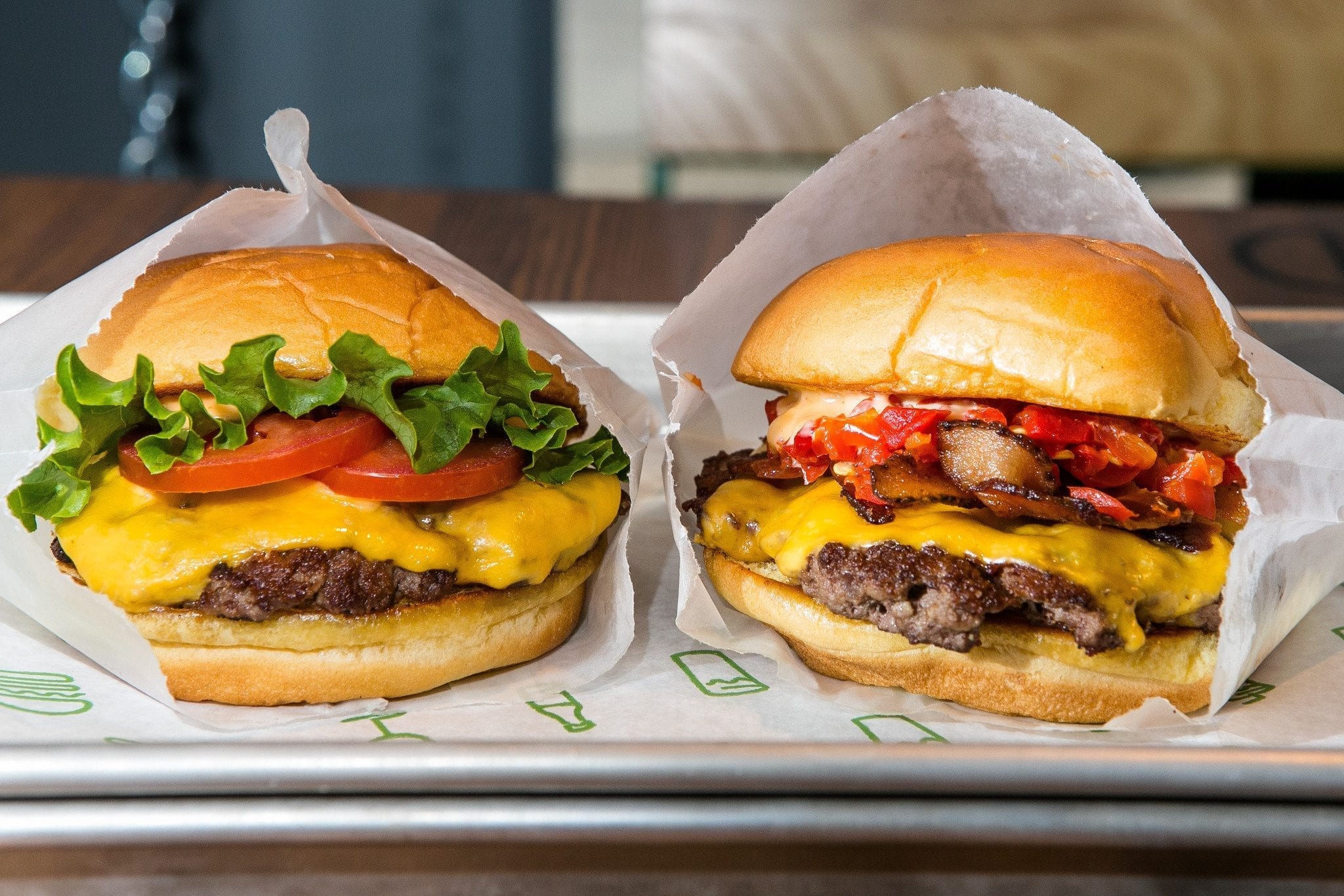
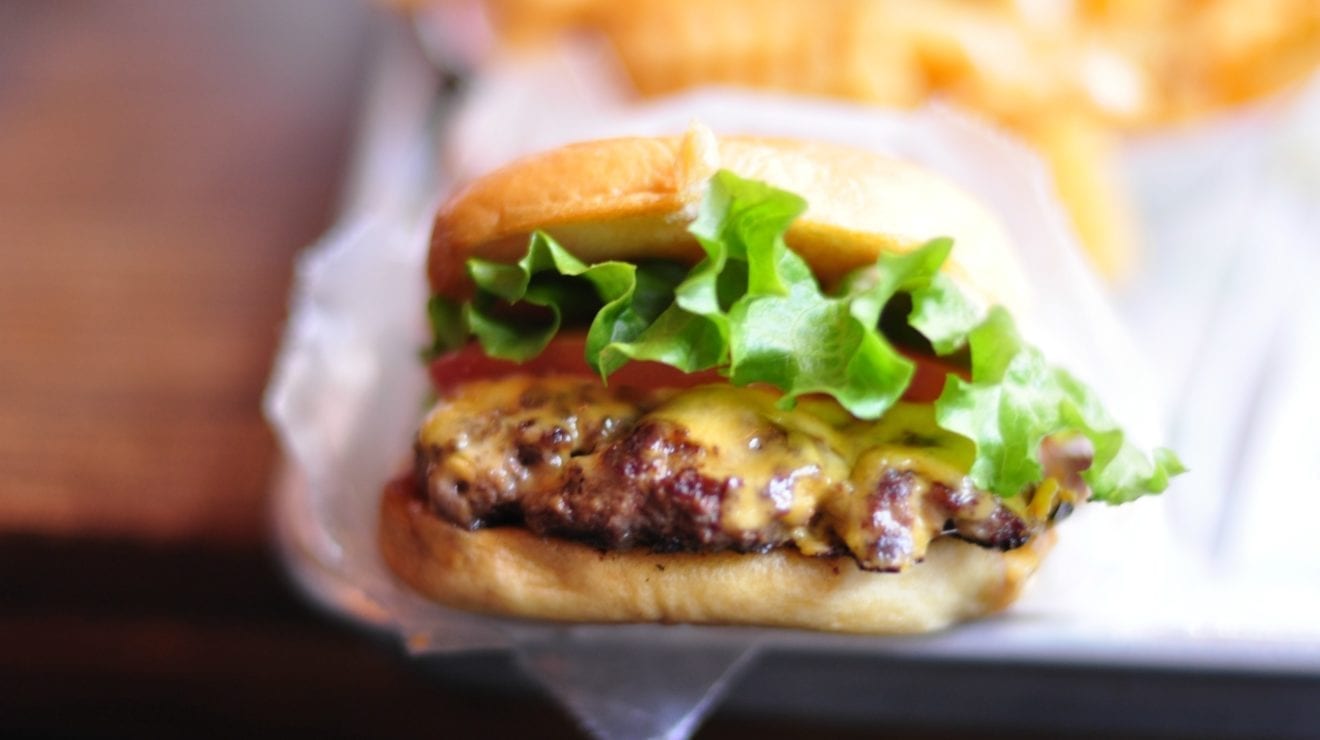
    Hong Kong Shack customers will also be offered the classic ShackBurger, a cheeseburger made from premium whole-muscle cuts of Angus beef, topped with lettuce, tomato and house-made ShackSauce. A meat-free option is the ’Shroom Burger, a crisp-fried portobello mushroom filled with melted muenster and cheddar cheese, topped with lettuce, tomato and ShackSauce.

    Brooklyn Brewery makes an exclusive ShackMeister Ale for Shake Shack, and as well as this the Hong Kong outlet will include beers by Gweilo, Heroes, HK Yau, Moonzen and Young Master. Wine is served by the glass, including Shack Red and Shack White from Gotham Project Winery in the US.

    To mark the eatery’s opening in Hong Kong, the first 100 people in line when doors open on Tuesday will be given a pair of Shake Shack sunglasses. And as part of Shake Shack’s mission to Stand for Something Good, the outlet will donate 5 per cent of sales to ChickenSoup Foundation, a non-profit that seeks to empower at-risk children in Hong Kong.

    Shake Shack has more than 90 locations in 19 US states and more than 50 international locations including Dubai, Istanbul, London, Moscow, Seoul and Tokyo.