Retail News CRM

Tag: harbour

  • Maison Francis Kurkdjian Expands Hong Kong Presence With New Flagship Store In Harbour City

    Maison Francis Kurkdjian Expands Hong Kong Presence With New Flagship Store In Harbour City

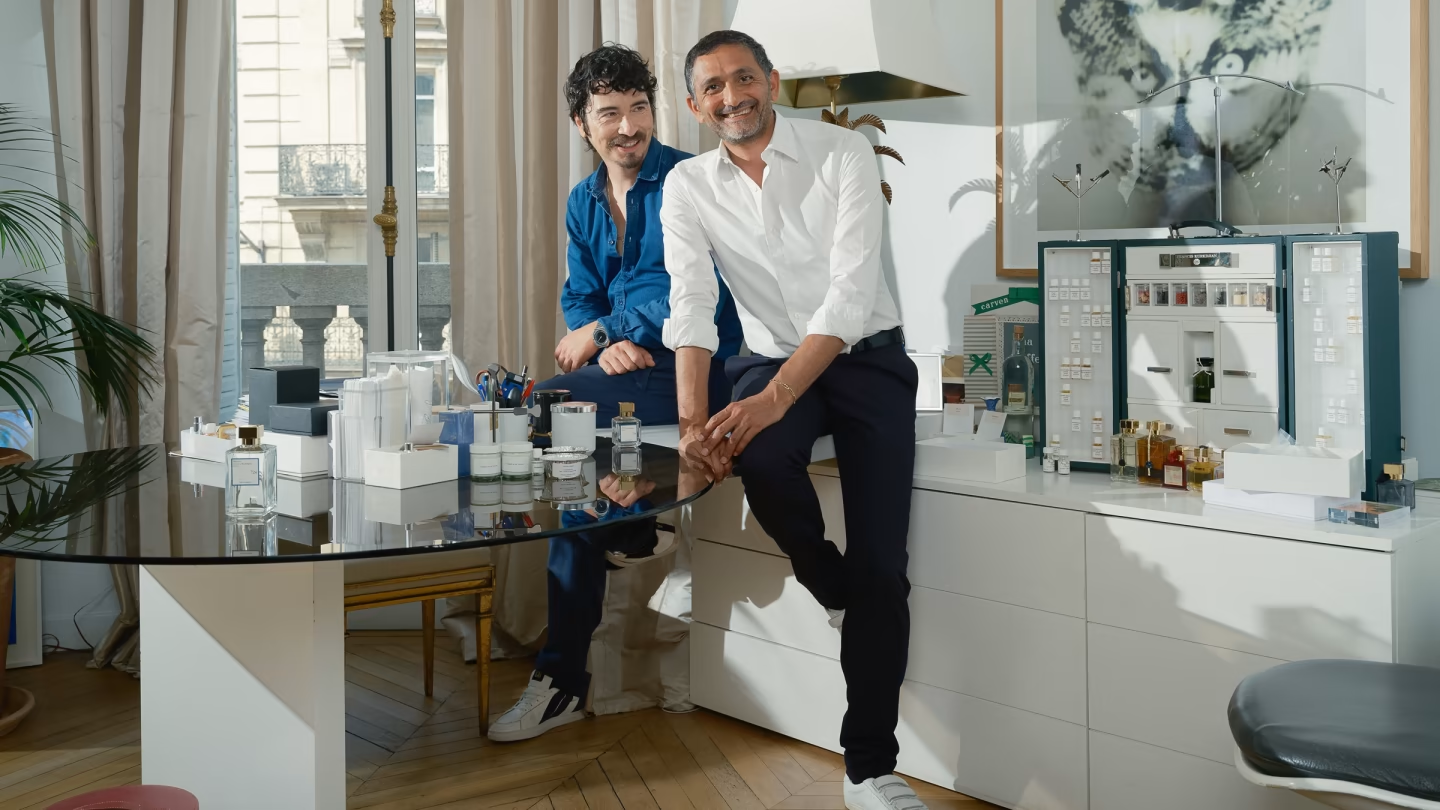
    Luxury perfume brand Maison Francis Kurkdjian, a part of the LVMH group, has recently expanded its retail presence in Hong Kong by inaugurating a new boutique in Harbour City. This store stands as a regional flagship for the brand, supplementing its existing retail outlet located at K11 Musea.

    Boutique Design Inspired by Paris Flagship

    The design of the new Hong Kong outlet echoes the aesthetic of the brand’s principal store at 24, Rue Francois 1er in Paris. A key feature of the Parisian boutique – a private room dedicated to providing premium client experiences – has been incorporated into the design. Furthermore, the Hong Kong store includes unique aspects tailored for the local market, including a hand experience that is exclusive to this location.

    The interior of the store showcases a balanced blend of materials, incorporating Lutetian limestone, marble, patterned concrete, and warm wood tones. In keeping with the brand’s identity, the design includes subtle details like recurring K-shaped motifs and a stone engraving that marks the brand’s establishment in 2009.

    Full Product Range and Customisation

    The Harbour City boutique stocks the complete range of Maison Francis Kurkdjian’s fragrance and body care products. A unique feature of the store is its provision of an engraving service, allowing customers to customise their purchases.

    To celebrate the boutique’s opening, the brand has reintroduced four previously discontinued fragrances under the ‘My Very Intimate Perfumes’ collection. These exclusive scents are available only at the Harbour City store and through the brand’s online platform.

    Increasing Global Presence

    This latest opening, managed directly by the brand, takes the total number of Maison Francis Kurkdjian boutiques around the world to 22. The move is part of a wider strategy to bolster the brand’s international footprint.

    Questions & Answers

    What unique features does the new Maison Francis Kurkdjian store in Hong Kong offer?
    The store offers a unique hand experience and an engraving service for product customisation. These features are specific to the brand’s new Harbour City location.

    What design elements does the Hong Kong store share with the Paris flagship?
    The design of the Hong Kong store is inspired by the brand’s Paris flagship, incorporating a blend of materials such as Lutetian limestone, marble, patterned concrete, and warm wood tones. Recurring K-shaped motifs and a stone engraving marking the brand’s founding in 2009 are also part of the design.

    What products are available in the new store?
    The Harbour City boutique houses the complete range of Maison Francis Kurkdjian’s fragrance and body care products and has reintroduced four previously discontinued fragrances from the ‘My Very Intimate Perfumes’ collection.

  • Lego store opens with giant figurines in Sydney

    Lego store opens with giant figurines in Sydney

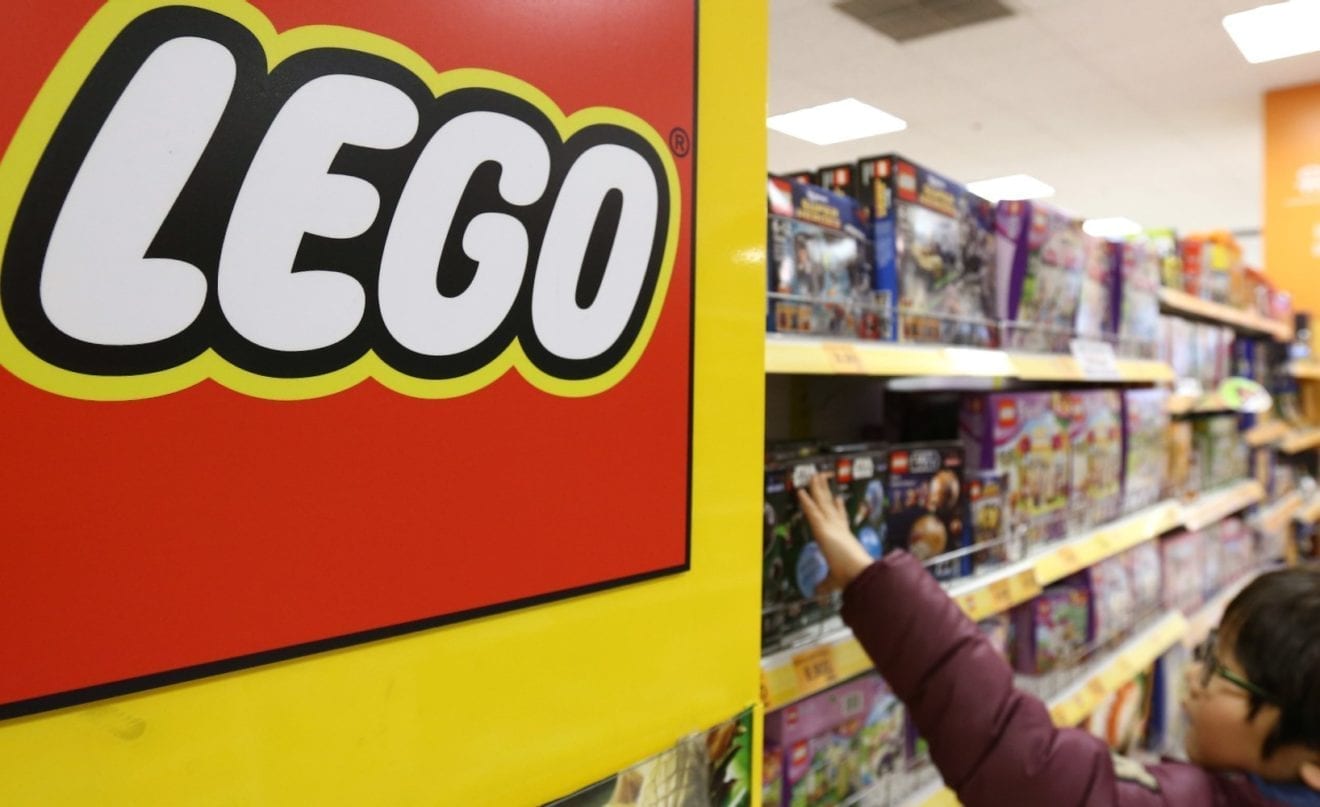
    Lego Group unveiled the first Lego store in Sydney at Westfield Bondi Junction on Tuesday evening, ahead of the official opening on March 21.

    The store includes several features aimed at enabling creativity, including a room with play tables called The Brick Room where kids can build their own creations, the Pick-A-Brick wall, where customers can get exact brick they need and Build-Your-Own Minifigure stations.

    Lego Group vice president and general manager Australia and New Zealand Claus Kristensen said the group was excited about a fantastic year to come.

    “There’s going to be a lot of exciting offerings to all kids and adults,” Kristensen said.

    “It’s fantastic to have a place like this where we can showcase the brand and give everyone that great experience as we continue to inspire the builders of tomorrow.”

    The store features several bespoke creations, including a number of large-scale Lego figurines, some displays of the larger sets that can be purchased, and – as with all Lego stores – a mural showcasing the city the store is located in.

    The Bondi Junction store features a 62,300-brick mural of a Sydney Harbour sunset, which took 282 hours (more than seven standard working weeks) to build.

    “Lego stores around the world are renowned for drawing from local landmarks for a bit of inspiration,” Alceon Group executive director Richard Facioni said.

    The store is the result of a partnership with Alceon Group, which acquired the rights to Lego certified stores in Australia and New Zealand. Kristensen explained that Alceon “understood the importance of the brand”, and noted he believed the group had made the right choice.

    “I’m sure it’s going to be very exciting to see the opening on Thursday,” Kristensen said.

    “I think it’s going to be a bit crazy, we all hope so.”

  • Giant ships begin to make a call at Jakarta’s Tanjung Priok

    Giant ships begin to make a call at Jakarta’s Tanjung Priok

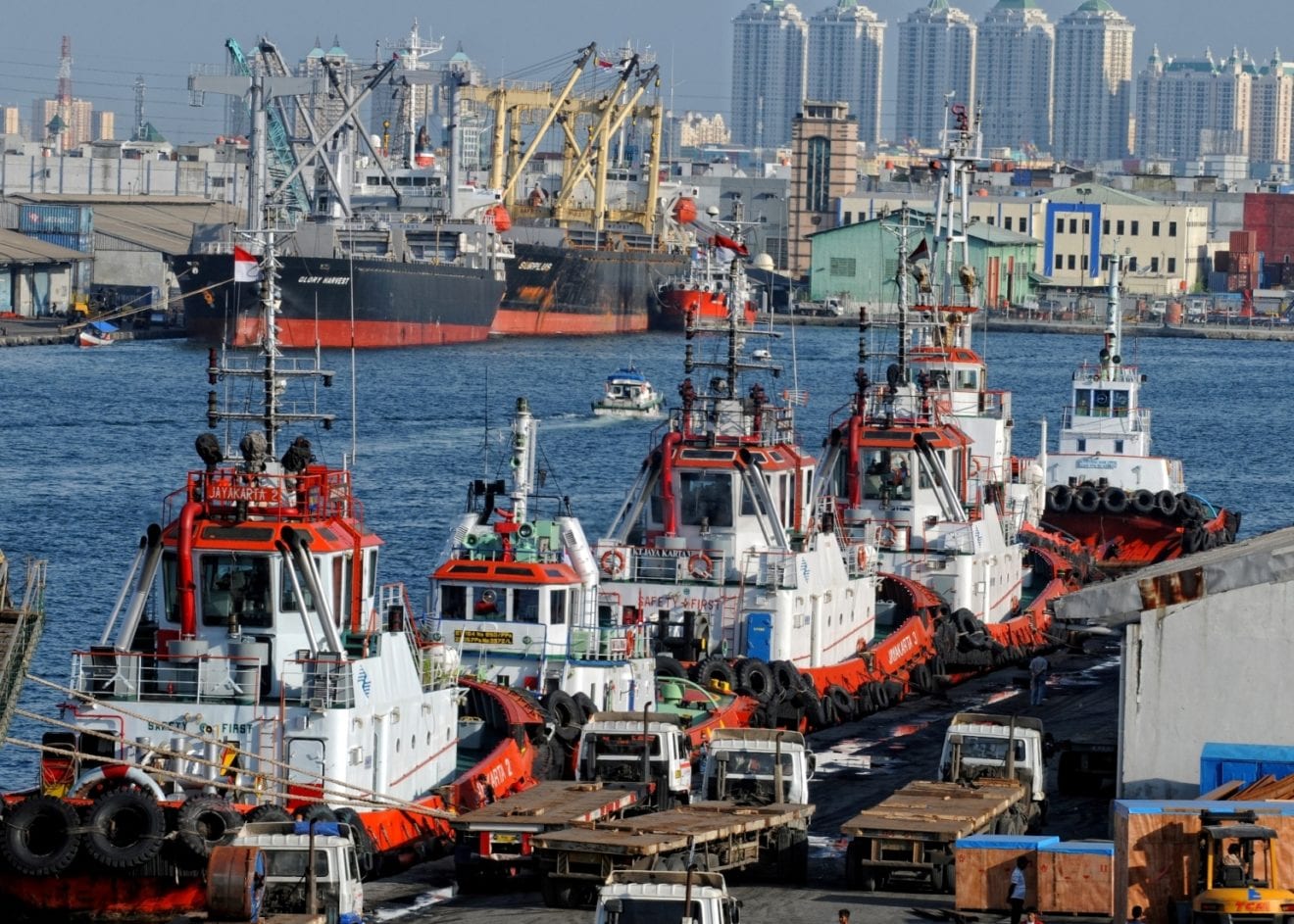
    PT Jakarta International Container Terminal (JICT) in Tanjung Priok said it has entered a new era when it succeeded in serving a giant ship, the Otello of Frances Compagnie Maritime dAffretement – Compagnie Generali Maritime (CMA-CGM).

    “The ships of CMA-CGM are the largest ever making a call at Tanjung Priok,” Chief Executive of JICT, Gunta Prabawa, said here on Monday.

    Earlier, JICT was similarly successful in providing fast services for 2 other giant ships of CMA CGM – the Titus and Tancredi – with port productivity at the JICT of 27-30 Mph.

    Gunta described the visits by the giant ships as a new era of the appearance of more giant ships at the Jakarta port indicating that JICT has been ready to provide world class port services.

    “Global shipping companies have allowed their ships to berth at Tanjung Priok as they have confidence in our services,” Gunta said.

    The 334 meter long Otello had unloaded 1,551 TEUs of container goods at Tanjung Priok, he said.

    He said CMA-CGM has reached an agreement with PT JICT by opening new shipping service called the Java South East Asia Express Services/ Java SEA Express Services/ JAX Services.

    The weekly service will take the route of Tanjung Priok – West Coast (Los Angeles & Oakland) of the United States.

    “The first service of JAX Services began on 9 April, 2017 by the Titus of CMA-CGM. Indonesian exporters and importers are expected to utilize the service,” Gunta said.

    Earlier this month, President Joko Widodo said large ships would began to berth at Jakartas Tanjung Priok port after continued improvements in services by the port operator.

    “Soon or next week there will be a ship measuring 10,000 TEUS to call at Tanjung Priok,” Jokowi said when officially commissioning an access toll road to the countrys largest port.

    The president attributed the success in attracting large ships to Tanjung Priok to improved service including a significant cut in dwelling time.

    The dwelling time, needed for unloading, has been cut short to 3.5 days now from earlier up to six days. Long dwelling time had discouraged ships from making a visit to Tanjung Priok as it would mean losing time and an increase in berthing fee.

    The president himself stepped in to improve services, cut the red tape and simplify all procedures that reduce illegal levies earlier rampant at the port.

    The president said he hoped improvement in the port service would make Indonesia more competitive and the seas transport cost would be cheaper to and from Indonesia as large cargo ships could sail directly to and berth at Tanjung Priok.

    “The flows of goods could be much faster via Tajung Priok. Transit is no longer needed for imported container cargoes in Singapore,” he said, adding large container ships could be berthed at Tanjung Priok.

    Previously large ships carrying container goods for Indonesia have to make a transit in Singapore to unload the cargo to be loaded gain on smaller ships as Tanjung Priok could not yet accommodate large container vessels.

    The new access road would contribute to improving services at the port , Jokowi said, adding “This also helps improve the countrys competitiveness.”

    He said an estimated 3,600 containers would be transported via the 11.4 kilometer access road everyday.

  • Germany To Help Iran’s Port Infrastructure

    Germany To Help Iran’s Port Infrastructure

    Germany, which has been aggressively pushing for closer economic ties with Iran following the lifting of international sanctions against the latter, wants to play a pivotal role in the modernizing and upgrading of Iran’s dilapidated infrastructure and transport system. Germany signed six memoranda of understanding (MoUs) aimed at boosting transport cooperation following a late October meeting between Abbas Akhoundi, Iran’s minister of roads and urban development, and Alexander Dobrindt, Germany’s minister of transport and digital infrastructure, who led a delegation of major German shipping, port and marine companies.

    Iranian and German sources said that a German company is participating in a tender for completing two terminals at Chabahar Port in southeastern Iran, which was recently in the news because India is keen to develop it for strategic and trade reasons. German multinational Siemens is holding talks with Iran for developing suburb transport in Tehran and Tabriz, as well as the rail lines between Tehran and Tabriz.

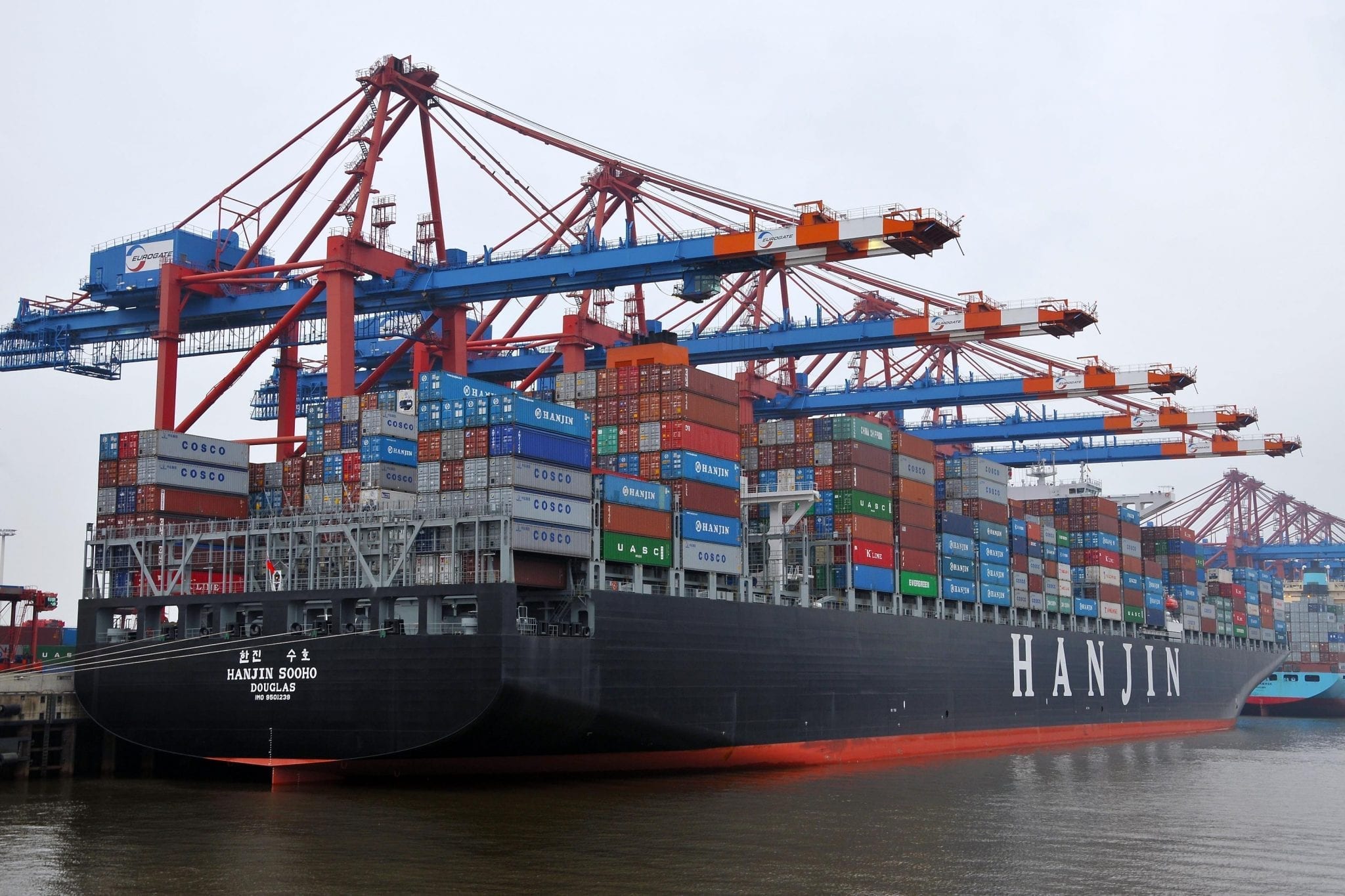
    The lifting of sanctions against Iran has led German business executives and the shipping industry to tap what they describe as “huge business potential.” Hamburg Port, for example, has been trying to identify areas and ways to establish and upgrade ties with that country’s port facilities.

    Since the imposition of sanctions, Iran has struggled to have a normal trading relationship with the outside world. While the German industry has been euphoric – and this applies particularly to Hamburg, whose port prides itself as the “gateway to Asia” – the realities are different; indeed, access to Iran’s lucrative market is not an easy undertaking.

    Strategically located at the crossroads between the Arabian Peninsula and Central Asia, with ports in the Caspian Sea and the Gulf region, Iran is interesting for shipping lines. Iran also offers opportunities for foreign investment in important sectors such as oil and gas, electricity production, air, sea and road infrastructure, telecommunications, etc.

    Described as part of the “Axis of Evil” in 2002, Iran’s breakthrough came on January 16, 2016, when the first of the multiple layers of trade sanctions were removed, breaking the shackles that badly inhibited that country’s shipping and trade, and giving it access to huge sums of money that had been frozen under the sanctions regime.

    However, experts at a special event in Hamburg a few months back told shippers and others that only part of the sanctions had been lifted on January 16. While the ban on imports of Iranian oil and gas products, and against the country’s ship-building and shipping sectors, had been lifted along with restrictions on bank remittances, the situation remains complex in the sector of so-called “dual use” goods, which can be used both for civilian and military purposes.

    One of the first to take advantage of the lifting of sanctions was European aerospace company Airbus, which has bagged aircraft orders from Iran Air to replace its outdated A340 aircraft. The city of Hamburg, experts say, could flank trade with Iran by providing expertise in several areas, including modernization of Iran’s fleet of mercantile ships.

    US companies are not, yet, permitted to have dealings with Iran, although their associate companies in Europe can do so. However, weapons and certain police equipment are still prohibited. Also prohibited are deals with companies that are controlled by Iran’s revolutionary guards or those that have supported Iran’s atomic programme.

    Iran has been trying to recruit German companies to set up operations, particularly in the seven free trade zones in Iran for which the government has been dangling carrots in the form of incentives, including a 20-year tax holiday. Since Iran is keen to join the World Trade Organization, it has been trying to highlight the fact that many of its old agreements on trade and legal protection are in force. However, new companies to be established in Iran will be governed by certain religious laws and, as such, are required to have a Persian name or title, as Iranian legal experts have been saying during meetings with German companies. “Such a requirement can be a deterrent because many German companies are unsure what the implications would be on their business. I would suggest that companies do their homework before moving large-scale investments to Iran,” one German-Iranian told on the condition of anonymity.

    Meanwhile, Iran is in a rush to catch up with the rest of the world by modernizing its infrastructure and its economy.

    Hamburg and its port stand to benefit immensely from Iran’s opening. In 2014, German exports to Iran amounted to some €2.4 billion (approximately US$3.1 billion, in 2014 dollars), while imports from Iran were about €300 million, according to numbers from the German Statistics Bureau. Hamburg’s two-way trade with Iran amounted to roughly €214 million in the same year. International trade experts at Hamburg’s Chamber of Commerce are optimistic that German trade with Iran would double from its present level after all sanctions are lifted.

    Some 353 companies based in Hamburg already have business connections with Iran. Despite sanctions, some of these companies maintained business ties with Iran even during the embargo period. Hamburg, which is by far the world’s leading trading hub for Iranian products, including carpets, has the largest concentration – about 20,000 – of Iranian nationals or people of Iranian origin in Germany; the city hopes to resume its once flourishing trade and shipping through the Iranian diaspora.

    Another important German state interested in trade with Iran after the lifting of sanctions is Hesse, which recently sent a 40-member delegation led by Hesse minister for economics, energy and transport Tarek Al-Wazir to Iran. The trade volume between Hesse and Iran was around €212 million in 2015 (US$230 million), according to the state’s economics ministry.

    “The reputation of products and services offered by Hesse is traditionally good in Iran,” Al-Wazir said. There is huge potential in the expansion of the processing industry, the transport infrastructure and in urban development.

    During German minister for economic affairs and energy Sigmar Gabriel’s visit to Iran in early October, Gabriel’s second visit to Iran within 14 months, Iran’s oil minister had said that German banks were becoming a hindrance. “We have billions (of dollars) with which we could do good business with the Germans,” Bijan Namdar Zangeneh, the oil minister, was quoted as saying after his meeting with Gabriel in Tehran.

    The money cannot be transferred due to problems with the banks. Iran’s minister told journalists that that “is bad for us, but also bad for the Germans.”

    Germans say that although the sanctions against Iran were lifted in January, trade has not made much headway. A precluding factor is that part of the punitive measures – the so-called secondary sanctions – imposed by the United States are still in force. German and European banks are, consequently, dissuaded from financing Iran deals. In 2015, for example, Germany’s Commerzbank paid a hefty US$1.45 billion fine to US authorities because of violating American sanctions in deals with Iran. France’s large bank BNP Paris also had to pay a billion-dollar penalty.

    Iran’s economy has not done badly, with the International Monetary Fund forecasting an average growth rate of 4% for the next five years. Official Iranian projections suggest a GDP growth rate of 5% for 2016.

    Iran’s neighbour Turkey is also eyeing the opportunities unfolding in Iran; Turkey offers itself as an ideal transit point for German and other western companies wanting to enter Iran. Turkey trumpets its “manifold advantages,” particularly, for SMEs which can enjoy customs duty benefits. Turkish experts, who say that all the machinery and production tools in Iran are outdated, believe that German companies, with their past trade relationship with Iran, can look forward to a welcoming market with huge investment needs.

    Some German companies are looking at using Turkey to tap Iran’s huge business potential. Since 2014, Turkey has a preferential trade agreement with Iran. This agreement eliminates many customs duties. German companies can save customs duty twice because Turkey, a member of the European Customs Union, exempts German products from customs duty on exports to Turkey. All products shipped from Turkey to Iran are treated as Turkish products and thus spared the customs duties.
  • Indonesia Port Net to be Launched by Year-End

    Indonesia Port Net to be Launched by Year-End

    President Director of state-owned seaport operator PT Pelindo II Elvyn G. Masassya said the implementation of a single Internet-based electronic service or the Indonesia Port Net (Inaportnet) in Pelindo I to Pelindo IV has entered the finalization stage.

    Inaportnet is expected to improve connectivity of the four enterprises.

    Masasya added the Inaportnet application throughout all seaports managed by PT. Pelindo would be gradually done.

    “Our plan is that the Inaportnet in all the seaports managed by PT. Pelindon will be integrated at the end of 2016,” she said in Jakarta on Saturday.

    The Inaportnet will integrate the information system of ports throughout Indonesia and one of the benefits is to monitor domestic commodity and anticipation of complaints about waiting times for vessels.

  • President Jokowi to Inaugurate 5 Ports in Eastern Indonesia

    President Jokowi to Inaugurate 5 Ports in Eastern Indonesia

    Having inaugurated Wasuir Port at Wondama Bay, Teluk Wondana District, West Papua Province yesterday, President Joko Widodo today, Wednesday, April 6, 2016, will inaugurate five ports which connect Eastern Indonesia regions.

    Head of Transport Department of North Halmahera Yudihat Noya said that five ports to be inaugurated by Jokowi today is centered at Tobelo Port, North Halmahera, North Maluku Province. “All was built with multi-year budget amounted to Rp739 billion,” he said.

    Tobelo Port which has started to be built in 2008 is planned to be made as passenger and cargo port. The construction include Cargo General Pier and Passenger Pier.

    Other port to be inaugrated is Galela Port, which construction was started in 2006 and completed in 2015 with total budget of Rp35.4 billion. The port is made along with a pier, a causeway and a trestle.

    Galela Port is a local passenger port which is also located in North Halmahera District and functioned as a sea transport base for North Halmaher District residents. “Tabelo Port and Galela Port connect five districts in Halmahera Island,” Yudihat said.

    Jokowi will also inaugurate Tutu Kembong Port in Saumlaki Island, West Maluku Tenggara. The port is built to support passenger transport and local community economy.

    Other two ports are Wonreli Port and Teor Port. The two ports are also built for local passengers in Maluku waters. The functions of the two ports will be improved with the construction of container terminals in 2035.