Retail News CRM

Tag: Henry Sy

  • Henry Sy passes away at 94

    Henry Sy passes away at 94

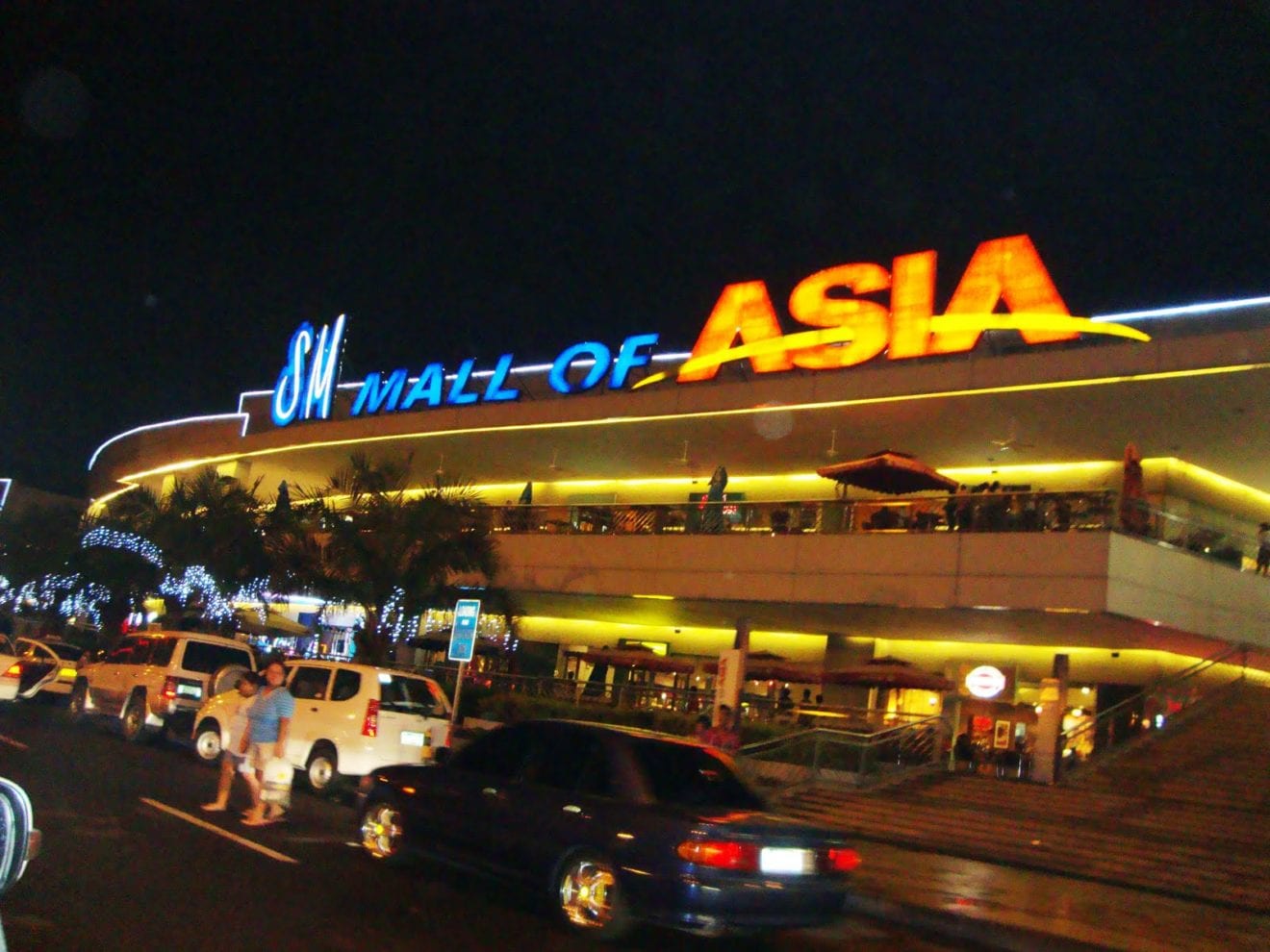
    The founding father of Philippine retail, Henry Sy, has passed away. Sy, who has topped the Philippines Rich List for the last seven years, was chairman emeritus of SM Investments, one of the country’s largest business conglomerates. A Chinese immigrant who arrived in the Philippines at the age of 12 with his parents, his introduction to retailing began with helping out in his father’s neighbourhood store. He saved enough money to open a shoe store which he named ShoeMart, and whose initials later became the most recognisable brand name in the nation.

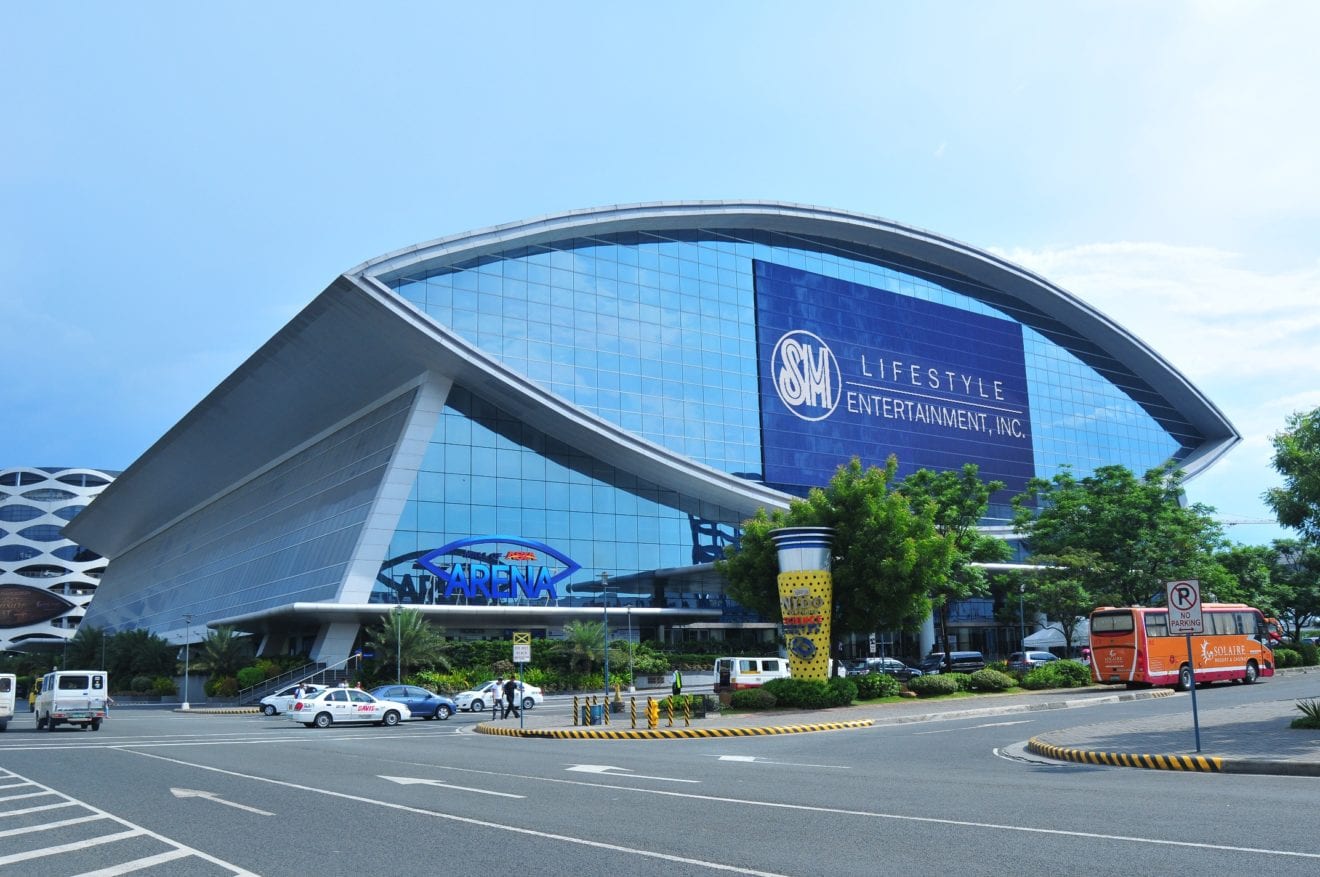
    From a single shoe store, his business expanded into department stores, the first of which opened in 1972, then into malls, with 70 shopping centres bearing the SM brand in the Philippines and more in Mainland China.

    SM Investments also owns supermarkets, BDO Unibank, almost 50 residential developments, six hotels and nine office towers.

    Sy, who died on Saturday, stepped down as chairman of the company in 2017, taking on the title chairman emeritus and leaving the business under the leadership of his family and his long-time business partner Jose Sio, who is now chairman.

    He had six children: Teresita Sy-Coson, Elizabeth, Henry Jr, Hans, Herbert and Harley. Teresita and Henry Jr are vice chairpersons of SM Investments and Harley serves as executive director of SM.

    Forbes last year estimated the 94 year old’s net worth at US$19 billion, ranking him the most wealthy Filipino and 53rd richest man in the world.

  • Philippine tycoon Henry Sy’s grandson Howard aims to carve out his own niche with self-storage biz

    Philippine tycoon Henry Sy’s grandson Howard aims to carve out his own niche with self-storage biz

    Howard Sy, the grandson of Chinese-Filipino retail magnate Henry Sy Sr, is on a mission to establish his own business empire and he is starting with self-storage.

    Last year, the millennial businessman launched StorageMart, a self-storage service for individuals, households, and businesses. Howard said he is looking to expand to all the major cities in Metro Manila.

    “So far, we have two facilities in Makati. One in Yakal Street and the other in Eran Street, which is closer to [Bonifacio Global City]. We recently just opened StorageMart Eran, which now also includes climate controlled units for customers who need to store sensitive items,” he said.

    The 28-year-old entrepreneur is the third of the four children of Hans Sy, the second son of Henry Sy Sr, who is the richest man in the Philippines, according to Forbes. Sy, turning 93 in December, is chairman emeritus of diversified conglomerate SM Investments Corp. The tycoon began his mall empire from his first ‘Shoemart Store’ in Carriedo, Manila in 1958.

    It may be too early to predict that Howard could create a new business empire such as his grandfather’s SM Group of Companies, but the millennial businessman is bent on taking the same path — establishing a business through one’s own resources or bootstrapping.

    What made you decide to start your own business?

    Ever since I was young, I wanted to start my own business. One way or another, I was going to make it happen. I initially worked as an analyst for Macquarie Funds Group for three and a half years. We had a Philippine infrastructure fund investing in the local infrastructure. This provided me with the right foundation and work ethics, and a good amount of seed capital for my first business. One afternoon, I was watching the show “Storage Wars” on TV with my family and it hit me: “Is there a market for self-storage in the Philippines?” After a bit of research, I saw that there was, and that’s when the idea of StorageMart was born. After two years and a couple of failed property negotiations, I finalized my first property and opened StorageMart Yakal.

    How do you see self-storage business as a sector? What is your vision for StorageMart?

    The self-storage industry in the Philippines is currently in its infancy stage as there are only a few players in the industry so far. The primary goal of the sector is industry awareness. Filipinos need to be made aware that we now have the self-storage service in the country, and this is different from their stereotype thinking of what an extra storage space is. Currently, many people view the storage service as just a worn down dingy extra space you throw your extra stuff in at dirt cheap prices. This is where StorageMart comes in and educates the market that there is such a thing as quality convenient self-storage spaces at affordable rates.

    I plan on making StorageMart the benchmark of quality self-storage in the Philippines. I want to offer international quality self-storage service locally, while keeping it at affordable rates. Our self-storage facility locations will focus on convenience for our customers as they will be situated in extremely accessible locations.

    Although you belong to the millennial generation, you seem to be more traditional when it comes to business. Are there other brick-and-mortar businesses you want to explore and why?

    In terms of business, I am more traditional since I grew up under the tutelage of my family. They’re all very traditional, so I turned out somewhat similar, but that doesn’t mean I’m not interested in online businesses.

    Currently, there’s no other brick-and-mortar business I’m looking into, but there are definitely some online businesses I would love to explore. The biggest draw of an online business for me is the fact that the initial capex for one is just so much lower than a brick-and-mortar business. Expansion is not hindered by the lack of capital. Its potential to grow also won’t be hindered by a physical location. The potential is enormous, but so is the chance of failure.

    Are you also an investor? Are you interested in investing in online platform businesses?

    I’m not much of an investor. All of my savings and earnings are in StorageMart, so I don’t really have much capital for anything else. I am definitely interested in making an online platform business. Who wouldn’t be? It really just boils down to finding the right idea and executing it.

    Have you considered launching an IPO someday for StorageMart?

    I would consider launching an IPO for StorageMart. I’ve heard that in the US, self-storage REITs are one of the top performers throughout the years, so I would hope StorageMart could do the same.

    As a young businessman, are there other knowledge and skills you’re interested to learn and why?

    I would love to learn more with regards to the technical skills in running an online business. I, for one, am not too comfortable getting into an online business, where I would have to be reliant on someone with an IT background just because I literally have no knowledge about it. If I ever get into that, I’d definitely look into learning even some basic knowledge of the field.

    Belonging to a family of the most successful business people in the Philippines, what are the important lessons in life and business that you learned from them?

    Be extremely hands-on. Know every part of your business. There is no excuse to not understand or be on top of any part of your business when it is just starting up. How else will you compete with the bigger and more established companies? Be patient. Don’t expect to get rich quickly. Put in the hard work, so that when the opportunity comes, you will be ready. Be thrifty. Once you realize how hard and slow it is to earn money, you’ll naturally become thrifty.

     

  • Henry Sy still Philippines’s richest man

    Henry Sy still Philippines’s richest man

    Business tycoon Henry Sy topped Forbes’ list of richest Filipinos, with a 2017 net worth of $12.7 billion. This is his 10th consecutive time to top the list.

    However, this is lower than his 2016 net worth of $13.7 billion.

    Sy is the 94th richest billionaire in the world. The global billionaires’ list released by Forbes magazine on Monday was topped by philantrophist Bill Gates with a net worth of $86.8 billion.

    The 92-year-old billionaire founded Shoe Mart in 1958 and has expanded his business to retail, banking, and property. Forbes said that SM Investments is now the largest retailer in the Philippines. Sy’s children are now running his businesses.

    John Gokongwei Jr. of conglomerate JG Summit also retained his spot at second place, with $5.8 billion net worth. The 90-year-old has interests in an airline, banking, food, hotels, power, chemicals, real estate, and telecommunications.

    Lucio Tan moved from last year’s fifth spot to the third spot with $3.7 billion net worth, down from $4.9 billion a year ago. The LT Group has interests in tobacco, spirits, banking, and property development.

    The youngest Filipino billionaire on the list is the man behind fastfood chain Mang Inasal, Edgar Sia. The 40-year-old businessman’s net worth this year is at $1 billion. He also owns a stake in DoubleDragon Properties.

  • Henry Sy, Lazada team up for Philippine online retail business

    Henry Sy, Lazada team up for Philippine online retail business

    Billionaire Henry Sy, owner of the largest Philippine builder and retailer, has partnered with an online retailer backed by Germany’s Rocket Internet SE to target the rising number of consumers in the Southeast Asian nation who shop using the Internet.

    SM Investments Corp, Sy’s holding company, has reached an agreement to use the platform of the Philippine unit of Rocket Internet’s Lazada to sell online merchandise from toys to clothes, Teresita Sy-Coson, a daughter of the billionaire owner and vice chairwoman of the company, said in an interview. SM will initially sell light-to-carry non-food items through Lazada that eventually could include home furnishings and appliances, she said.

    “This strategic alliance with Lazada will further enhance our online store,” Sy-Coson said. “It’s a very good match: Lazada has its expertise and we also have our own expertise.”

    SM Investments, operator of the country’s biggest chain of retail stores and owner of the nation’s largest shopping mall builder, faces intensifying competition as rivals from Robinsons Retail Holdings to Puregold Price Club expand their network. Internet access and the use of smartphones have also been rising, encouraging EBay Inc, Alibaba Group Holdings and Amazon.com to tap local online shoppers.

    More Filipinos are accessing the Internet, including on mobile devices. About 40% of the Philippine’s population of more than 100mn were Internet users in 2012, up from 5.2% in 2004, according to the World Bank. The Philippines had about 118mn mobile phone subscribers at end-2015.

    SM Investments’ alliance with Lazada comes two years after Sy-Coson said in a Bloomberg interview in February 2014 that the group has been testing e-commerce websites and targets a full-scale online operation by 2016. The SM Group currently has websites that sell toys and home appliances as well as vouchers that give customers as much as 50% discount in purchasing selected merchandise from its department stores and supermarkets.

    The Philippine e-commerce market is forecast to grow at a compounded annual growth rate of 101.4% from 2013 through to 2018, according to a 2014 report by Ken Research. The online retail market, a component of e-commerce, is projected to rise 189.2% over the same period, it said.

    Lazada, which began its Philippine operations in 2012, led Internet retailing in the country in 2015 with a 20% market share as it met rising Filipino interests for gadgets and electronic appliances from smartphones, tablets to home theatre systems at prices that were a “huge” discount, according to a Euromonitor International January 2016 report.

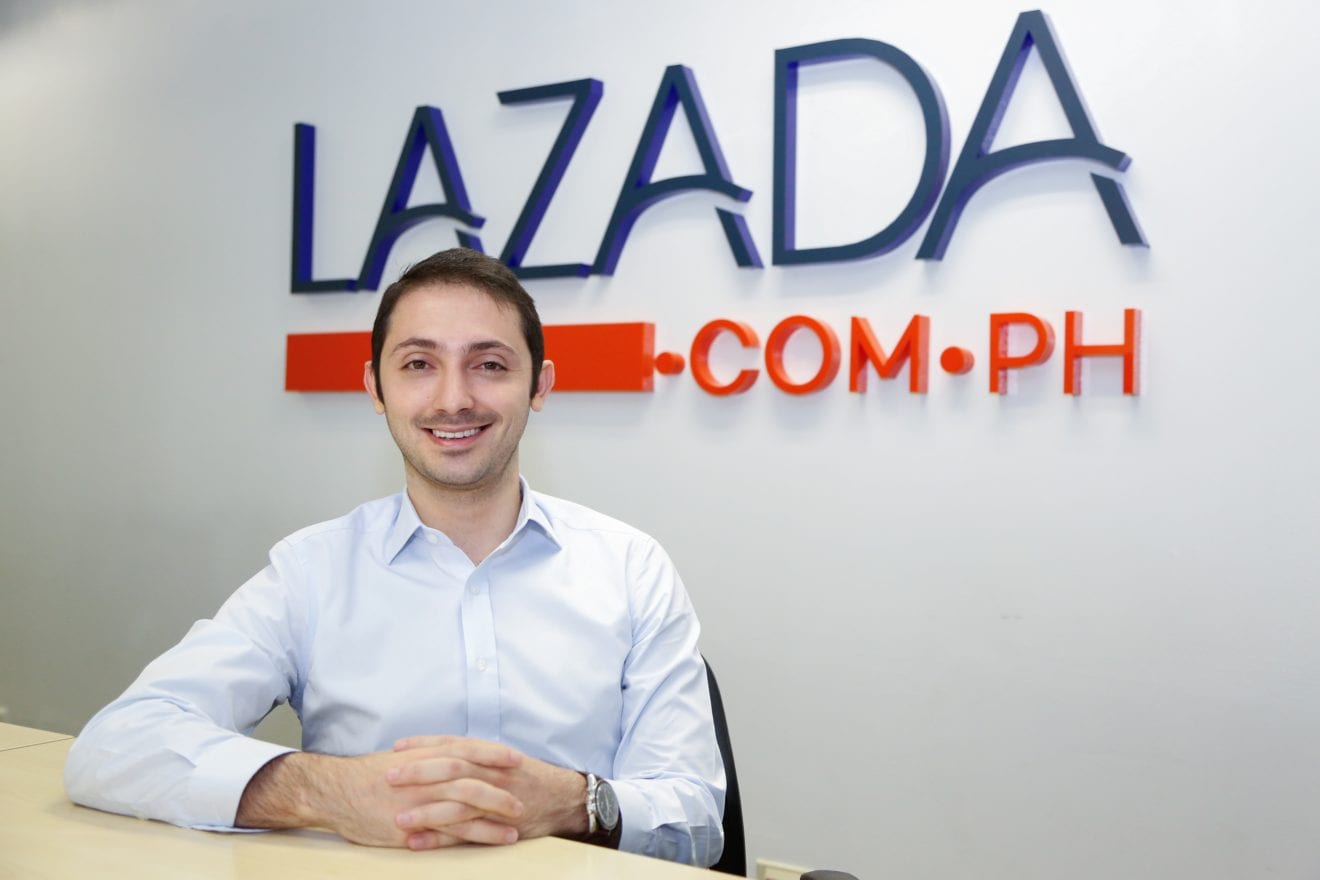
    Lazada.com.ph, which has 7,000 merchants, is the country’s sixth most popular website and ranks 14th globally among online merchant websites, according to Inanc Balci, chief executive at Lazada’s Philippine operations. He said the Filipino shopping pattern has evolved with 60% of their customers buying goods through mobile Internet.

    Lazada Group is a privately owned e-commerce company founded in 2011 by Rocket Internet with the goal of building Southeast Asia’s Amazon.com. Aside from the Philippines, it operates sites in Indonesia, Malaysia, Singapore, Thailand and Vietnam. Singapore’s Temasek Holdings is among its large shareholders, according to Rocket Internet’s website.

    SM Investments’ retail operations, which include department stores, grocers, supermarkets and convenience stores, posted a 17% growth in profit to 6.8bn pesos last year on a 7% increase in sales. SM Prime Holdings, its shopping mall venture, had a 14% increase in recurring profit to 20.9bn pesos.

    “The retail business is evolving,” Sy-Coson said. “It is important for a retailer to go online and it’s the right move to go with Lazada.”

  • SM founder Henry Sy still on top

    SM founder Henry Sy still on top

    Retail king Henry Sy, Sr. remains the Philippines’ richest person, according to the Forbes 2016 Global Billionaires’ list.

    Henry Sy SMSy, 91, has an estimated net worth of $12.9 billion – roughly P562.3 billion – as of  this month, making him the world’s 71st richest person.

    His net worth dropped from $14.2 billion in 2015 due to the volatile global market, weak oil prices and strong US dollar.

    Born in Xiamen, China in 1924, Sy migrated to the Philippines and conquered the retail scene becoming the SM founder. His eldest daughter, Teresita Sy-Coson, has become one of Asia’s most powerful businesswomen.

    Sy’s family business empire, SM Investments Corporation (SMIC), includes  retailing, real-estate, hospitality, banking, mining, education and healthcare services.

    In 2015, SMIC reported a 13 per cent growth in recurring income, with consolidated net income of P28.4 billion and consolidated revenues of nearly P300 billion. The increase came on the back of 17 per cent growth in retail earnings, 14 per cent growth in property net income and 10 per cent growth in bank income.

  • Philippines mall magnate tops rich list

    Philippines mall magnate tops rich list

    Henry Sy, the founder of the Philippines mall giant SM has maintained his place at the top of the nation’s rich list for the eighth consecutive year.

    Sy’s various business interests include property, retail and banking and his net worth is estimated byForbes Philippines as US$14.4 billion – up $1.7 billion on the 2014 figure.

    Forbes calculated Sy’s SM Investments rose 17 per cent in value during the last year and SM Prime Holdings by 20 per cent.

    Besides his retail interests, the 90 year old Sy who was born in Xiamen, China, has shares in power supplier National Grid Corp.

    Second on the list is another retailer: John Gokongwei Jr, one of the family which owns the parent company of Robinsons malls in the Philippines, amongst other assets including energy, airlines, telecommunications and food. His net worth is estimated at $5.5 billion.

  • Henry Sy still Philippines’ richest man

    Henry Sy still Philippines’ richest man

    Property, retail and banking tycoon Henry Sy whose conglomerate owns the chain of SM Supermalls in his country and China has retained the title of the Philippines’ richest person for the eight consecutive year, with his net worth up $1.7 billion from last year to $14.4 billion.

    Forbes Philippines, which puts together the list, said Thursday that the value of Sy’s publicly traded conglomerates SM Investments rose 17 percent and SM Prime Holdings 20 percent over the past year. His companies announced record income from banking and retail businesses and two new mall partnerships in 2014. Sy also has a stake in privately owned power supplier National Grid Corp.

    John Gokongwei Jr. of JG Summit conglomerate that owns SM’s rival, mall chain Robinsons, is the second richest with a net worth of $5.5 billion.

    Forbes said Gokongwei moved up three spots after his company’s stocks rose 30 percent, boosted by revenue growth in its petrochemical business and investments in Meralco, the Philippines largest power distributor.

    JG Summit also has interests in food and beverage, airlines, telecoms, property development, banking, retail, and hotels.

    Forbes compiles the net wealth of the Philippines’ richest based on stock prices and exchange rates, with the value of private companies based on similar companies that are publicly traded.

    Alliance Global’s Andrew Tan climbed a notch to the third place despite a drop in his net worth to $4.5 billion from the previous $5.1 billion. His company’s stock price is 11 percent lower due to a drop in income from its resort and casino operations.

    Lucio Tan of LT Group whose businesses include stakes in beverages, tobacco, distilled spirits, banking and property was fourth with a net worth of $4.3 billion. Tan is also chairman of Philippine Airlines.

    Fifth was International Container Terminal Services’ Enrique Razon Jr., who is worth $4.1 billion.

    Rounding out the top 10 are George Ty, the Abotiz Family, Jaime Zobel de Ayala, David Consunji, and Tony Tan Caktiong.