Retail News CRM

Tag: Horizon

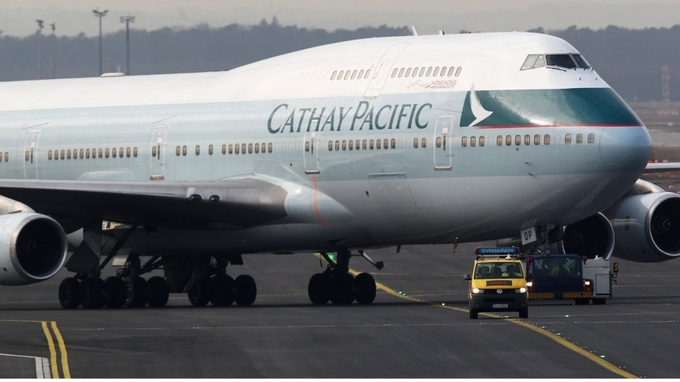
  • Cathay Pacific Airways Sees Skyrocketing Profits on the Horizon Amidst Rising Global Demand

    Cathay Pacific Airways Sees Skyrocketing Profits on the Horizon Amidst Rising Global Demand

    Cathay Pacific Airways, the third most highly ranked airline globally last year, has announced its potential to realize a profit surge of up to 76% for the first half of this year. This surge, driven by robust passenger and cargo demand, is in comparison with the corresponding period last year.

    Financial Forecasts and Market Performance

    On Wednesday, the airline group projected a profit ranging from HKD6 billion to HKD6.5 billion ($765.39 million to $829.12 million) for the six months concluding on June 30. This projection marks a significant jump from HKD3.7 billion recorded during the same period last year. These estimations integrate a one-off gain of around HKD1.4 billion, attributable to the airline’s partial dilution of its stake in Air China.

    Without this one-off item, the sound underlying performance is reliant on robust demand within both passenger and cargo operations. This prediction shows resilience, as the wider aviation industry contends with a drastic surge in fuel costs. The International Air Transport Association (IATA) had projected that airlines’ fuel expenditures would skyrocket to $350 billion this year from $252 billion in 2025, driven by average jet fuel prices of $152 per barrel—nearly 70% higher than 2025 levels. Despite this, Cathay has acknowledged this hurdle whilst also reporting stronger earnings.

    Shares of Cathay, listed in Hong Kong, climbed more than 3% in the afternoon session after experiencing a slight dip in the morning. This rise was attributed to the optimistic profit prediction, which outperformed some analysts’ forecasts.

    Operational Performance

    The cargo division of Cathay, in June, transported 9% more cargo than the previous year, resulting in a 9% increase in total tonnage for the first half of the year. Lavinia Lau, Chief Customer and Commercial Officer, attributed this growth to semiconductor and pharmaceutical shipments which fuelled their specialist product lines, Cathay Expert and Cathay Pharma.

    On the passenger front, Cathay Pacific recorded a 12% increase in passenger numbers in June year-on-year, coupled with a 6% rise in available seat kilometers. For the first half of the year, passenger numbers swelled by 17%.

    Despite June traditionally being a more relaxed month, load factors remained stable, partially boosted by rerouted traffic via Hong Kong amidst the ongoing Middle East conflict. Demand in premium cabins also sustained strong corporate and premium leisure travel. “The outlook for the summer peak remains encouraging, particularly across our long-haul network,” Lau stated.

    HK Express, the group’s budget unit, experienced a slight dip with passenger numbers falling by 4% in June after the carrier reduced capacity to counterbalance higher fuel costs. However, Lau stated that bookings for July were trending ahead of the previous year.

    The group’s complete interim results are anticipated to be released in August. Cathay Pacific Airways clinched the third spot in 2025’s Skytrax’s ranking of the world’s best airlines, only surpassed by Qatar Airways and Singapore Airlines.

    Questions & Answers

    What is Cathay Pacific’s projected profit for the first half of this year?
    Cathay Pacific predicts a profit ranging from HKD6 billion to HKD6.5 billion ($765.39 million to $829.12 million) for the first half of this year.

    What contributed to Cathay Pacific’s robust performance?
    The airline attributed its sound performance to strong demand across both its passenger and cargo operations, along with a one-time gain from partially diluting its stake in Air China.

    Despite a dip in June, how is HK Express, Cathay Pacific’s budget unit, performing in July?
    July bookings for HK Express are currently outpacing those from last year, despite a 4% drop in passenger numbers in June.
  • Marks & Spencer Reinforces Commitment to Philippines: New Franchise Partner on the Horizon

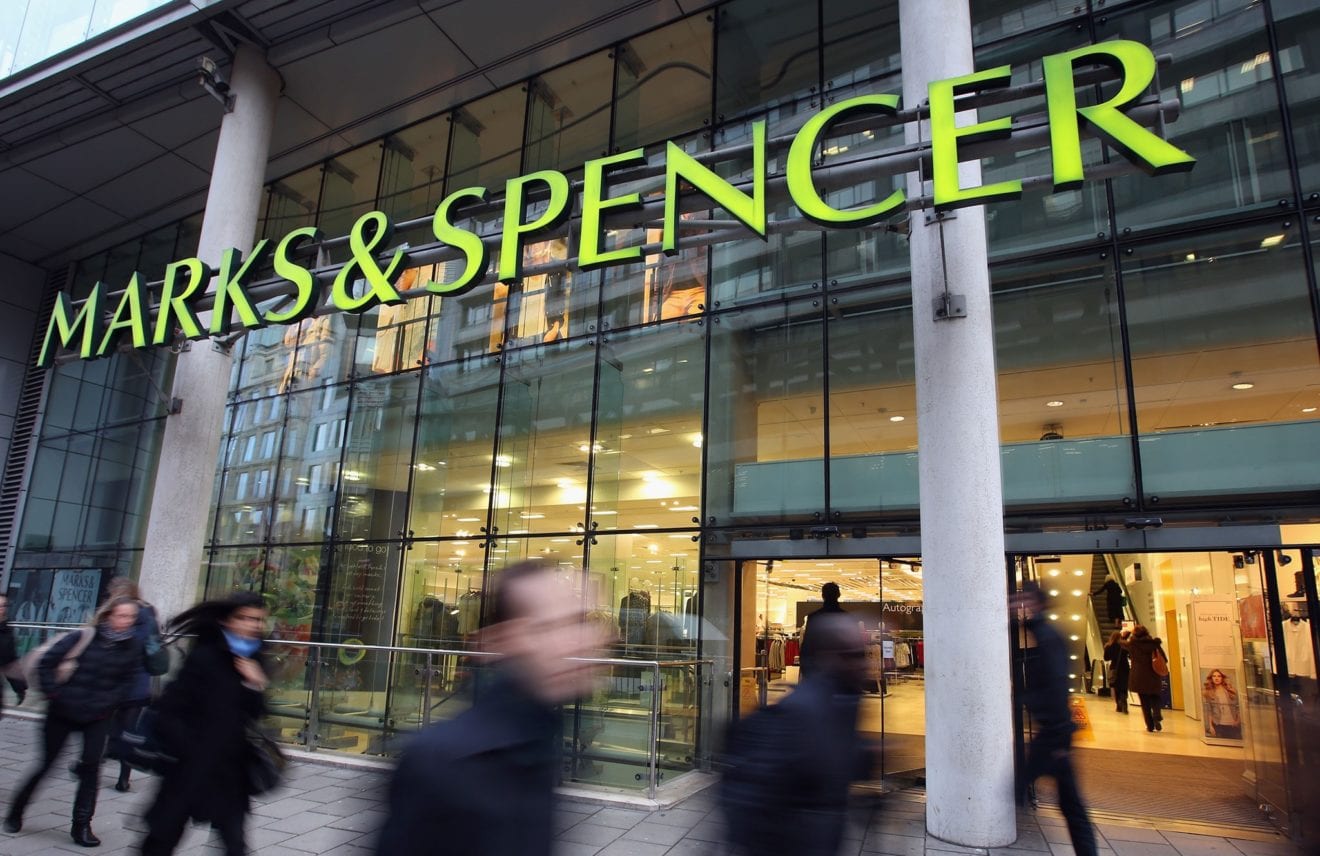
    Marks & Spencer Reinforces Commitment to Philippines: New Franchise Partner on the Horizon

    British retailer Marks & Spencer (M&S) has reassured its commitment to the Philippine market, despite the termination of its long-standing franchise agreement with SSI Group. This comes in response to speculations that the retailer was planning to withdraw from the country after over three decades of operation.

    M&S’s New Strategy

    The retailer’s continued stay is a part of a redefined strategy to accommodate a new local franchise partner, aimed at broadening its regional growth. M&S is focused on enhancing its global reputation by delivering quality products and services to customers worldwide, including the Philippines.

    A spokesperson from M&S reaffirms the company’s commitment by stating, “Our objective is to build a trusted global brand by bringing the best of M&S to customers around the world. We remain committed to the Philippines and the growth opportunity in the region.”

    This change follows more than two decades of partnership with the SSI Group. M&S decided to switch to a new franchise partner to buttress its ambitious growth plans in the region and announced the contract with SSI would conclude in May. The company expressed its gratitude to SSI for their years of collaboration.

    Upcoming Plans

    While M&S has not revealed details regarding the new partner or future plans for stores, it has promised that further announcements will be made in due time.

    M&S has been operating in the Philippines since the late 1980s, initially under the Rustan’s Group of Companies, which SSI Group acquired last year.

    SSI disclosed in a February 25 Facebook post that it would cease operations of M&S stores in the country, with May 2 earmarked as the last day of trading.

    Dubai-based Al-Futtaim Group, which manages the M&S franchise in Hong Kong and Singapore, also distributes footwear brands such as Reebok, Rockport, and Umbro in the Philippines through a subsidiary.

    Questions & Answers

    Why is M&S ending its contract with SSI Group in the Philippines? M&S is ending its 20-year contract with SSI Group as part of its regional growth strategy, which includes transitioning to a new local franchise partner.

    Who will be the new franchise partner for M&S in the Philippines? M&S has not disclosed details about its new franchise partner but has assured that announcements will be made in due course.

    What is M&S’s future plan for its business in the Philippines? While M&S has not detailed its future plans, it has affirmed its commitment to the Philippine market as part of its broader regional growth strategy.

  • DFI Retail Group Unveils Three-Year Growth Plan: Franchising and Brand Expansion on the Horizon

    DFI Retail Group Unveils Three-Year Growth Plan: Franchising and Brand Expansion on the Horizon

    DFI Retail Group recently disclosed its three-year strategic growth plan, underscoring the development of a franchise model and launching more proprietary brands. Headquartered in Hong Kong, the group aims to use these strategies to enhance customer service across Asia’s varied markets and achieve exponential profit growth.

    Expanding Health and Beauty, Convenience Store Networks

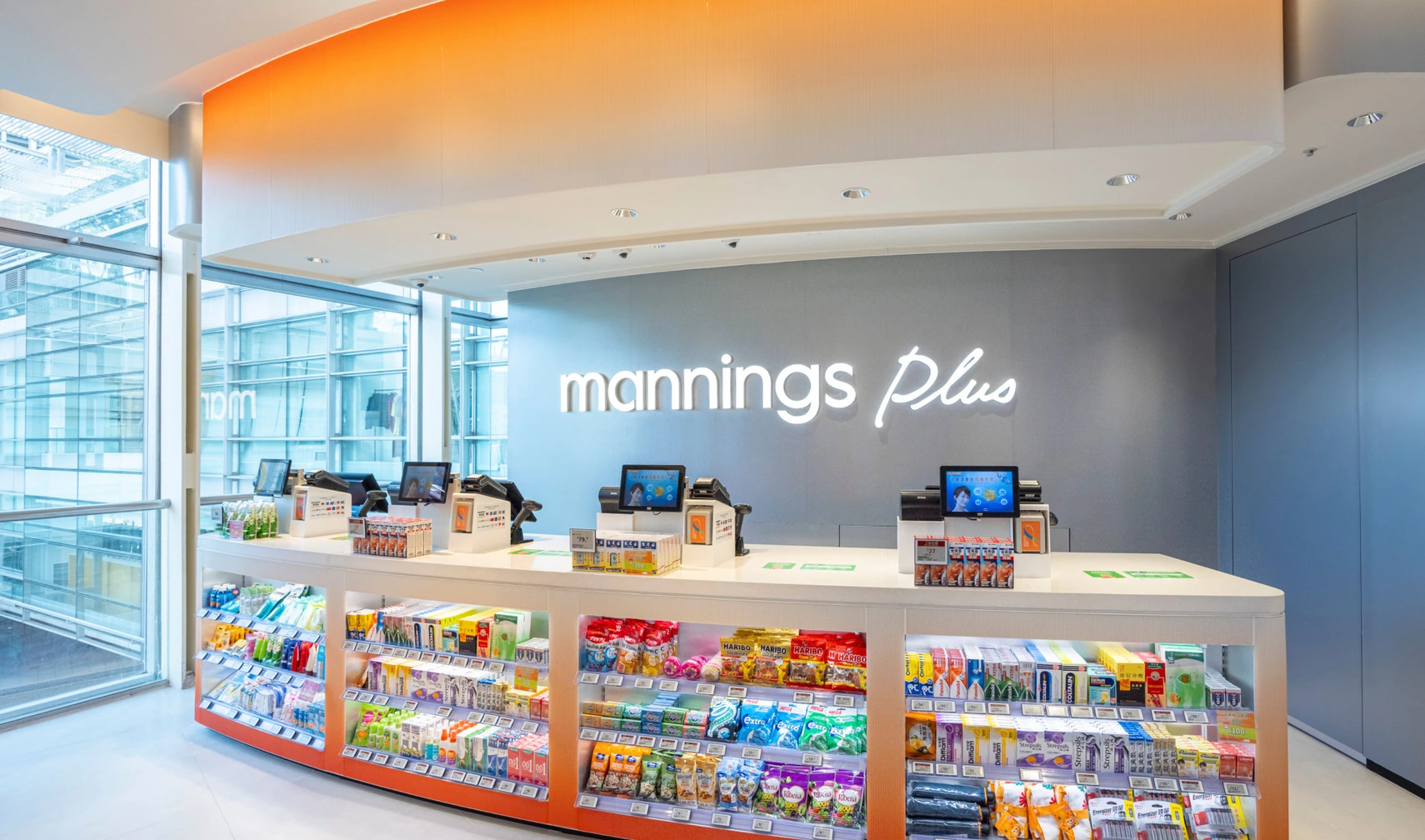
    One of the critical components of the plan is growing the health and beauty as well as convenience store networks using a capital expenditure-light franchise model. The health and beauty arm of the group operates the Mannings chain in Mainland China, Hong Kong, and Macau, and Guardian stores in Indonesia, Malaysia, Singapore, and Vietnam. The group’s convenience store network includes 7-Eleven outlets in Hong Kong, Macau, Southern China, and Singapore.

    Introducing More Proprietary Brands

    The company also plans to introduce more of its brand products, concentrating on affordable, high-quality options that cater to Asian consumers’ escalating demand for value. Other strategies include escalating store sales density, using customer data insights for digital growth, and maintaining strict capital allocation and cost efficiency.

    DFI’s CEO, Scott Price, stated, “Customers across Asia increasingly desire quality and convenience at excellent value. With our extensive format portfolio and omnichannel capabilities, we can effectively meet these needs across all channels.”

    Future Objectives and Profit Expectations

    Aligned with these aims, the group anticipates delivering an underlying profit Compound Annual Growth Rate (CAGR) of 11-15 per cent, aspiring to achieve US$310-350 million by 2028. The group also expects an organic subsidiary revenue growth of 2-3 per cent annually through 2028 and plans to reach online sales penetration of 7-10 per cent by the same year.

    Price further added, “Our robust balance sheet and disciplined capital use provide us the flexibility to invest in growth while consistently increasing returns to shareholders in the coming years.”

    As of December 1, DFI and its partners operated over 7,400 outlets across 12 markets. Despite flat sales growth in the first half of the fiscal year, the group reported double-digit profit growth.

    Questions & Answers

    What is DFI Retail Group’s plan for the next three years?
    DFI Retail Group plans to develop a franchise model, introduce more of its own brands, and achieve double-digit profit growth.

    What does the franchise model expansion involve?
    The expansion involves the health and beauty and convenience store networks, which include the Mannings chain and 7-Eleven outlets, among others.

    What are the group’s financial expectations by 2028?
    The group aims to deliver an underlying profit Compound Annual Growth Rate (CAGR) of 11-15 per cent, hoping to achieve US$310-350 million. It also targets an organic subsidiary revenue growth of 2-3 per cent annually and online sales penetration of 7-10 per cent.

  • Vietnam Cracks Down on Pet Policy: Harsher Fines for Free-Roaming Dogs and Cats on the Horizon

    Vietnam Cracks Down on Pet Policy: Harsher Fines for Free-Roaming Dogs and Cats on the Horizon

    Beginning December 15, a new government decree in Vietnam is set to impose stricter regulations and heftier fines against pet owners who allow their animals to roam freely in public spaces or those who graze livestock and poultry within residential complexes. Violators could face fines up to VND1 million (approximately US$38).

    New Regulations on Pets and Livestock

    The government decree, which pertains to administrative penalties in security, public order, and societal issues, significantly increases the existing fine for loose pets. Previously, the fine was between VND100,000 and VND300,000. With the new regulation in place, the fine will range from VND500,000 to VND1 million.

    The same penalties will apply to individuals who permit their pets, plants or other items to obstruct public spaces such as sidewalks, roads, parks, or communal residential areas.

    Heavier Penalties for Property Damage and Unauthorized Content

    The authorities plan to enforce tougher penalties on pet owners whose animals cause injury or damage property. Fines for such violations will fall between VND2 and VND3 million. In addition, individuals who deface public property such as walls and power poles, or attach unauthorized images or content to these structures, will face the same penalties.

    Regulations against Grazing Livestock in Residential Areas

    For the first time, clear rules have been established against the practice of grazing livestock or poultry within apartment buildings. The decree also outlines the penalties that will be imposed on pet owners whose animals cause harm to people or property.

    Questions & Answers

    What are the new regulations for pet owners in Vietnam?
    Pet owners are now required to prevent their animals from roaming freely in public spaces and grazing livestock within residential complexes. Failure to do so could result in fines of up to VND1 million.

    What are the penalties for property damage caused by pets?
    Pet owners whose animals cause injury or damage will face fines between VND2 and VND3 million.

    Are there penalties for obstructing public spaces with pets, plants, or other objects?
    Yes, individuals who allow their pets, plants, or other items to obstruct public spaces such as sidewalks, roads, parks, or shared residential areas will face fines similar to those for free-roaming pets.

  • Revival on the Horizon: Metro Manila Retail Vacancy Rate Expected to Bounce Back to Pre-Pandemic Figures

    Revival on the Horizon: Metro Manila Retail Vacancy Rate Expected to Bounce Back to Pre-Pandemic Figures

    The retail vacancy rate in Metro Manila is projected to return to pre-pandemic levels by 2022, according to a recent study by Colliers Philippines. The rate of empty retail spaces in Metro Manila eased to 11.4% as of September 30, 2021. By the close of next year, forecasts indicate a reduction to 9.5%, almost matching the 9.3% recorded in the third quarter of 2019.

    Long-Term Forecasts

    The report also offers long-term projections, with a predicted rate of 8.2% by the end of 2027. This figure is notably lower than the pre-pandemic benchmarks, signaling a positive recovery trend for the retail sector in the region.

    The study attributes the anticipated improvement to two main factors. The first is the continuous entry of international retail brands into the Filipino market. The second is the rapid expansion of existing brands.

    The Role of Foreign Brands

    According to Joey Bondoc, Research Director at Colliers, foreign brands play a crucial role in this trend. He noted that many of these brands have previously exited the market but are now making a significant comeback.

    Bondoc further highlighted the attractive refurbishment strategies of major developers in the region, which are drawing in these companies. These refurbishments are focusing more on experiential retail, adding another layer of attraction for both brands and consumers.

    Industries Occupying Retail Spaces

    The report also shed light on the dominant industries in retail space occupancy. The food and beverage sector, fast fashion, and general retail were listed as the primary occupiers of retail spaces. Their continued presence and growth contribute to the overall decreasing trend of retail vacancies.

    Questions & Answers

    What is the anticipated retail vacancy rate in Metro Manila by the end of 2022?
    The retail vacancy rate is expected to decrease to 9.5% by the end of 2022.

    What factors are contributing to the decrease in retail vacancies?
    The entry of foreign retail brands into the Philippines market and the accelerated expansion of existing brands are primarily driving this improvement.

    Which industries are the biggest occupiers of retail space in Metro Manila?
    The food and beverage sector, fast fashion, and general retail industries are the main occupiers of retail spaces.