Retail News CRM

Tag: hospitality industry

  • Vietnam needs more hotels as tourism blooms

    Vietnam needs more hotels as tourism blooms

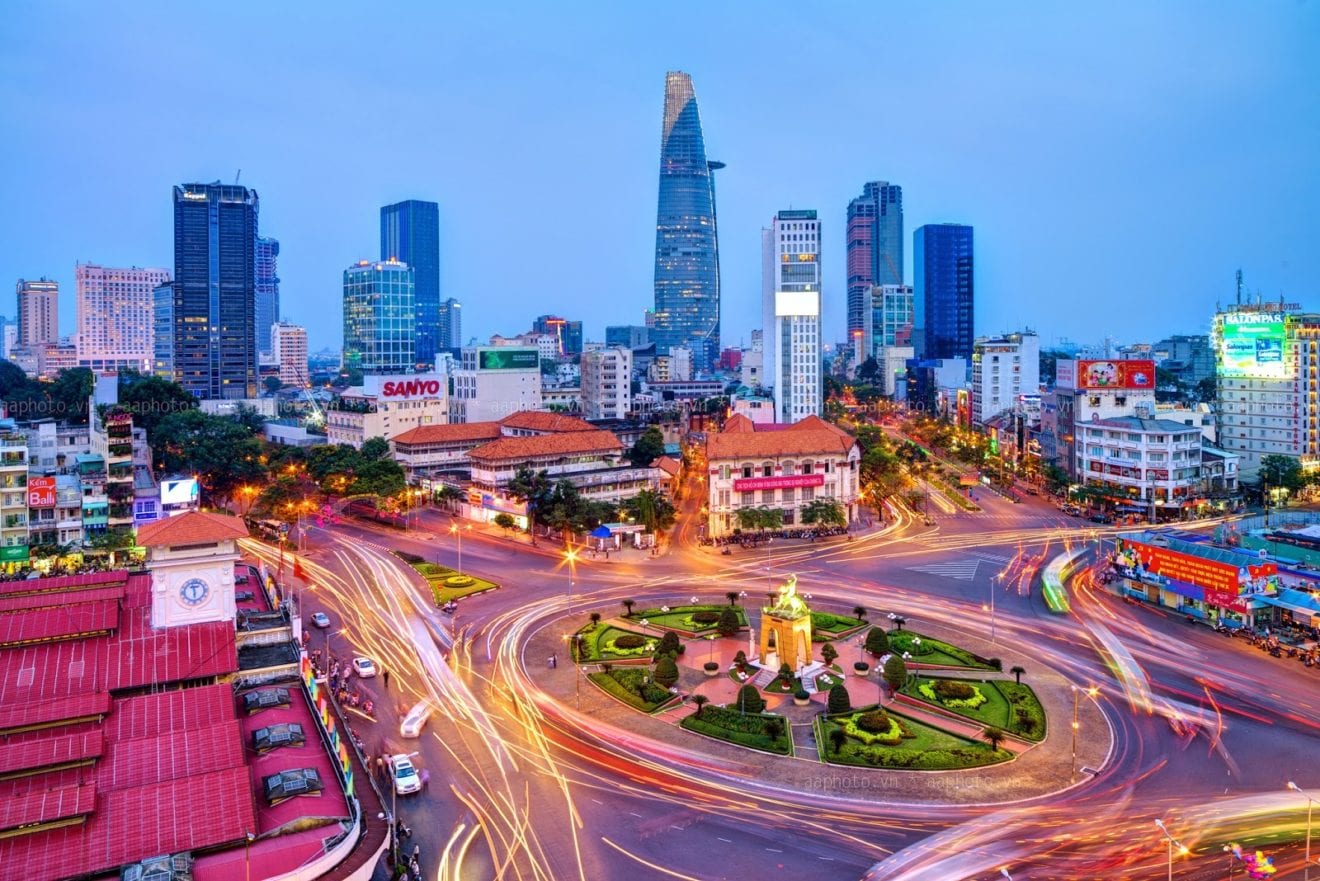
    The “golden age of tourism” in Vietnam presents robust hotel development opportunities in Vietnam’s biggest cities. Troy Griffiths, deputy managing director of real estate consultant Savills, said Ho Chi Minh and Hanoi are “under-hoteled per population, per travel and per airlift capacity”.

    “Hotel is a particularly dynamic sector at the moment as Vietnam is experiencing a golden age of tourism, with international tourism rising 20-30 percent year-on-year and more Vietnamese travelling than any time before,” Griffiths said.

    “There’s a demand for five-star hotels which will be really a strong asset class for the future,” he added.

    As of November, 14.12 million foreigners visited the country, up 21.3 per cent year-on-year and exceeding last year’s 12.9 million, according to the General Statistics Office.

    South Koreans dominated the surge at 46.5 percent, followed by Hong Kong (32.8 percent), Finland (29.6 percent), mainland China (26.9 percent), Taiwan (15.6 percent), and Denmark (15.4 percent).

    In the same period, domestic travelers rose 20.91 percent.

    “Hanoi and HCMC had been pretty quiet in the past as they went through a bit of a bad phase, when international visitors would pass and go straight to Da Nang, Phu Quoc and Nha Trang.

    “Now we see they are actually coming to Hanoi and HCMC because they are both very charming cities for international tourists,” Griffiths said.

    “And their stay is lengthening. That means more five-star demand.”

    Vo Quoc Phuong Trang, head of hotel investment consultancy at real estate service firm Jones Lang LaSalle (JLL), also said that Hanoi and HCMC, with their steady economic and tourism growth, would continue to draw foreign investors in the high-end hotel segment, which Trang said has low risk but offers steady revenue.

    A report released in July this year by global consulting firm Grant Thornton stated that increasing numbers of well-to-do Vietnamese citizens are choosing to stay in five-star hotels and spend lavishly when they travel within the country.

    Vietnamese citizens accounted for 19.2 percent of 4-star and 5-star hotels guests in 2017, according to the report. Although this is a slight decrease from last year’s figure of 20.8 percent, the number of domestic guests staying at upscale hotels had increased for three consecutive years from 2014 to 2016.

    The country has seen a strong influx of international hotel brands and hotel management companies in the last few years. From 30 hotels with international brand names in 2010, the number had increased to 79 at the end of last year, according to Savills.

    There has been a particularly big jump this year with recent announcements by Mandarin Oriental and Movenpick in HCMC and Best Western Premier in the central province of Quang Binh, it said.

    The emergence of Vietnamese hotel operators is also a highlight in the local hospitality landscape.

    “Vietnamese hotel developers are also getting mature. They are acquiring international knowledge and becoming a really strong force in their own right as we have already seen across the resort cities with Vingroup, FLC, BIM and Sun Group,” Griffiths noted.

    Savills’ third-quarter report shows that the 5-star segment in Hanoi continued its strong performance in Q3 though the high travel season for foreign tourists lasts from the beginning of Q4 to April.

    Occupancy rate of five-star hotels in the capital city was highest, at about 80 percent, followed by four-star hotels (65 percent) and three-star hotels (59 percent).

    Average revenue of five-star hotels was $100/room/night, double that of four-star and three times that of three-star properties, the report said.

    Data said, ten out of 19 high-end hotels in the best locations in HCMC have foreign owners. These include Sheraton, Caravelle, InterContinental, Asiana Saigon, and Sofitel.

    In Hanoi, nine of 16 high-end hotels have foreign firms as major owners such as Melia, Sheraton, Sofitel Metropole, Nikko, and Pan Pacific being the major names.
  • Lacasa Hotel opens luxury style hotel in Gwangmyeong

    Lacasa Hotel opens luxury style hotel in Gwangmyeong

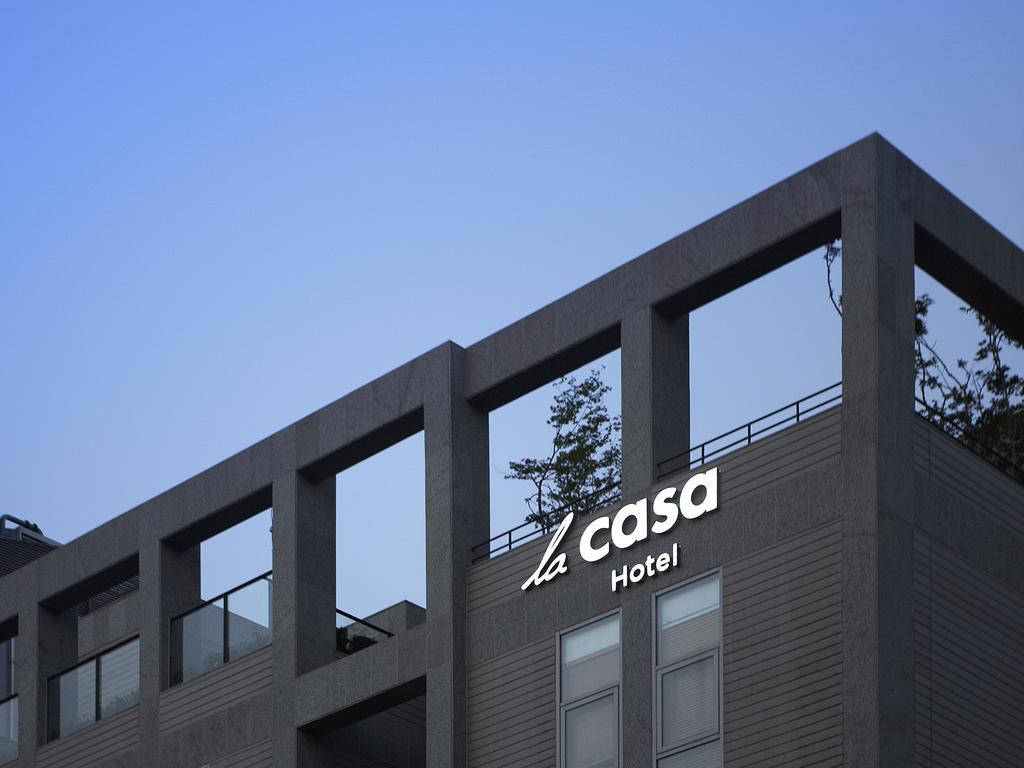
    The Lacasa Hotel Gwangmyeong opened its doors on Monday in Gwangmyeong, Gyeonggi. This is the second branch of the boutique hotel brand Lacasa which launched in Sinsa-dong, Gangnam District, southern Seoul in 2011.

    It is located inside the Lacasa Tower between the seventh and 16th floors, and has 191 rooms and three penthouses. The hotel offers a green view from its windows. On the seventh floor is an outdoor garden.

    “Our goal is to make Lacasa Hotel Gwangmyeong into a comprehensive space for rest, culture, shopping and business,” said Choi Yoon-kyung, the vice president of Lacasa Hotel.

    To celebrate the opening, Lacasa will hold a classical music concert for locals on Nov. 17 inside the new venue.

  • Centara listed in Thailand Sustainability Investment (THSI) 2018 for Sustainability Performance Excellence

    Centara listed in Thailand Sustainability Investment (THSI) 2018 for Sustainability Performance Excellence

    Centara Hotels & Resorts (CENTEL), Thailand’s leading hotel operator, was categorised a “Thailand Sustainability Investment (THSI)”, an annual recognition for listed companies that operate with responsibility for Environmental, Social and Governance (ESG) aspects. The THSI list aims to recognise and motivate companies for their efforts towards sustainability, while offering investors an alternative investment in high-performance ESG stocks.

    Centara Hotels & Resorts aims to balance its operations to attain financial goals and practice good governance, while creating positive social impact, reducing its environmental footprint, and encouraging innovation to sustain the organisation’s competitiveness. The company has formally developed environmental, social, and innovation initiatives since 2008, including energy, water, waste and safety management. Centara also engages management, staff, suppliers, guests and communities, for both the long-term growth of its business and vitality of the destinations where it operates. One testament to this commitment is that 15 of Centara’s properties have already achieved Gold and Silver Certifications by EarthCheck, the world’s leading scientific benchmarking and impact assessment body for sustainable travel and tourism.

    “Centara intends to operate ethically and sustainably across our entire portfolio. We are committed to sustainable practices throughout our hotel operations, whilst delivering an exceptional level of Thai hospitality for our guests,” said Thirayuth Chirathivat, Chief Executive Officer. “Companies that respond effectively to the challenges of sustainability can gain a competitive advantage and increase share value. We strive to develop sustainable hospitality strategies and encourage sustainability wherever we operate.”

    Thailand Sustainability Investment (THSI) was first created in 2015 to recognise companies that adopt ESG principles into responsible and sustainable business management to create a positive impact on the Kingdom. This year, the Stock Exchange of Thailand (SET) selected Centara as one of 79 listed companies that incorporate a high level of ESG practices to support sustainability. This effort is in line with SET’s vision “To Make the Capital Market Work for Everyone”, supporting a vision of capitalism that benefits all stakeholders.

  • Ocean Park to open a luxury Marriott hotel in 2019

    Ocean Park to open a luxury Marriott hotel in 2019

    Ocean Park will soon open its first ever hotel next year with an aim of further boosting the number of visitors. Developed by Lai Sun Group, the hotel has launched its soft opening early this week. According to Peter Lam, chairman of Lai Sun Group, the hotel will undergo further testing and trials in the next two to three months before its grand opening.

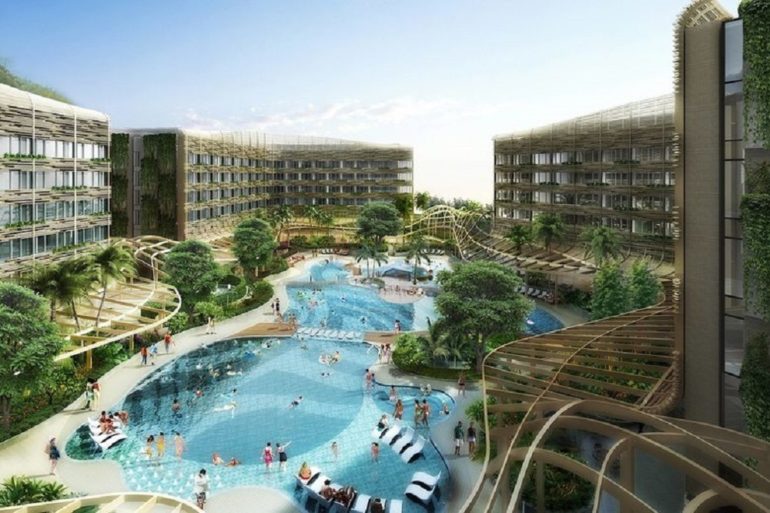
    Designed by Aedas, the Hong Kong Ocean Park Marriott Hotel comprises three towers – the Pier Wing, Club Wing and Marina Wing with 471 rooms.

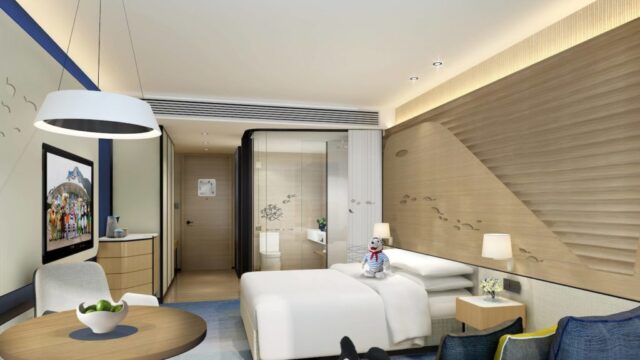
    Three types of Ocean Park-themed rooms (Whiskers Submarine, Bao Bao Paradise, Redd Forest) are featured at the Pier Wing and Marina Wing.

    The rooms are so far said to cost about HK$2,100 on average.

    Targeting families on leisure and business travellers, the hotel includes a pillar-free ballroom spanning 1,200 square metres – one of the largest hotel facilities for events and meetings, the executive M Club, a signature outdoor lagoon pool, four restaurants and bars, and Harnn Heritage Spa.

    “The new destination resort offers a unique getaway experience in Hong Kong and is a perfect example of what Marriott means by travelling brilliantly,” said Mike Fulkerson, vice president, brand and marketing Asia Pacific, Marriott International.

    “There’s adventure on the site of Ocean Park Hong Kong, one of Asia’s leading conservation theme parks, convenient access to Hong Kong’s lesser-explored green spaces and remarkable proximity to the city’s shopping and business districts, broadening our guests’ perspectives and experiences in this globally renowned city.”

    In line with Ocean Park Hong Kong’s core value of environmental protection, the hotel is designed with the initiatives of sustainable future and reducing its environmental footprint.

    The façade features energy-saving components to keep the building cool in summer, as well as rainwater collection and vertical planting systems.

    It will also launch its own green education programme for kids and guests.

    The hotel will also be rolling out “M Passport”, a pilot programme that aims to encourage young visitors to participate in various resort activities with educational and fun themes, such as seashell art, scavenger hunts and dinners.

    Completion of each activity is linked to rewards and treats that’s tracked using a specially designed passport.

    Customers will be able to book exclusive packages for Ocean Park, such as tailor-made educational programmes, breakfast with animal experience with seasonal offers and access to unique animal programmes at the park.

    Leo Kung, chairman of Ocean Park Hong Kong said that the integration of the first hotel into Ocean Park by Marriott International signified the park’s transformation into a resort destination and reinforced its position as a leading “edutainment” attraction in Hong Kong.

    “From planning the stay, savouring magnificent hospitality at the hotel to enjoying delightful entertainment and animal encounters at the park, guests can expect a seamless journey filled with the thrill of discovery. The resort will bring unique experiences for the community and our next generation of visitors,”Kung concluded

  • More travellers are going solo, either for business or leisure

    More travellers are going solo, either for business or leisure

    With longer working hours, constant digital contact and increasing obligations, it’s no wonder more people are treating themselves to solo trips to (temporarily) get away from it all! According to a survey by Agoda, one of the world’s fastest-growing online travel agents (OTA), travellers are choosing to go solo to take respite from the stresses of modern living.

    Agoda’s ‘Solo Travel Trends 2018’ survey, conducted by YouGov, found that relaxation and time to unwind is the number one motivator for solo leisure travel globally (61%), which compares to 48% when traveling with friends. Solo travellers surveyed also ranked getting away from routine (52%) and exploring new cultures (45%) as top motivators.

    Age gap between Asian and Western solo travellers

    Interestingly, Asian solo travellers are more likely to be younger – Millennials (41%) and Generation Zers (38%) – while in the West, solo travel is more prevalent among Baby Boomers (39%) and Generation Xers (24%).

    Western solo travellers are more likely to indulge in solo travel for longer periods, more often taking trips for 4-7 nights (34%). In addition, Western solo travellers are twice as likely to go on trips of 14 nights or more (20% versus 10%). The Millennial and Generation Z Asian solo traveller tend to take shorter 1-3 night solo trips (46%).

    Trend towards more screen time

    Unsurprisingly, solo leisure travellers spend more time in front of their laptops and phones than any other traveller type –  two hours a day (119 minutes), which compares to 15% more time than when travellers are with friends (100 minutes) and 26% more time than if they are with family (86 minutes).

    Asian solo travellers are the most digitally connected and are more than two times as likely to spend four or more hours a day in front of their screens than their Western peers (31% versus 12%).

    Cosmopolitan destinations dominate the charts

    Whether for business, leisure or ‘bleisure’ (a combination of business and leisure travel), independent solo travellers are all heading to cosmopolitan cities around the world. According to Agoda’s booking data, Bangkok (Thailand) is the top destination for Asian solo travellers this year, while London (United Kingdom) is number one for Western solo travellers. Both cities have a lot of attractions to keep any solo traveller busy, from shopping and nightlife to culture and dining.

    Tokyo (Japan) is a popular choice for both Asian and Western travellers, hitting the top three for both groups. With various food, culture and accommodation options, from capsule hotels to homes and luxury 5-star retreats, the city has a lot on offer for every kind of solo traveller.

  • Pavilion Hotel Kuala Lumpur Managed by Banyan Tree Opens This Year

    Pavilion Hotel Kuala Lumpur Managed by Banyan Tree Opens This Year

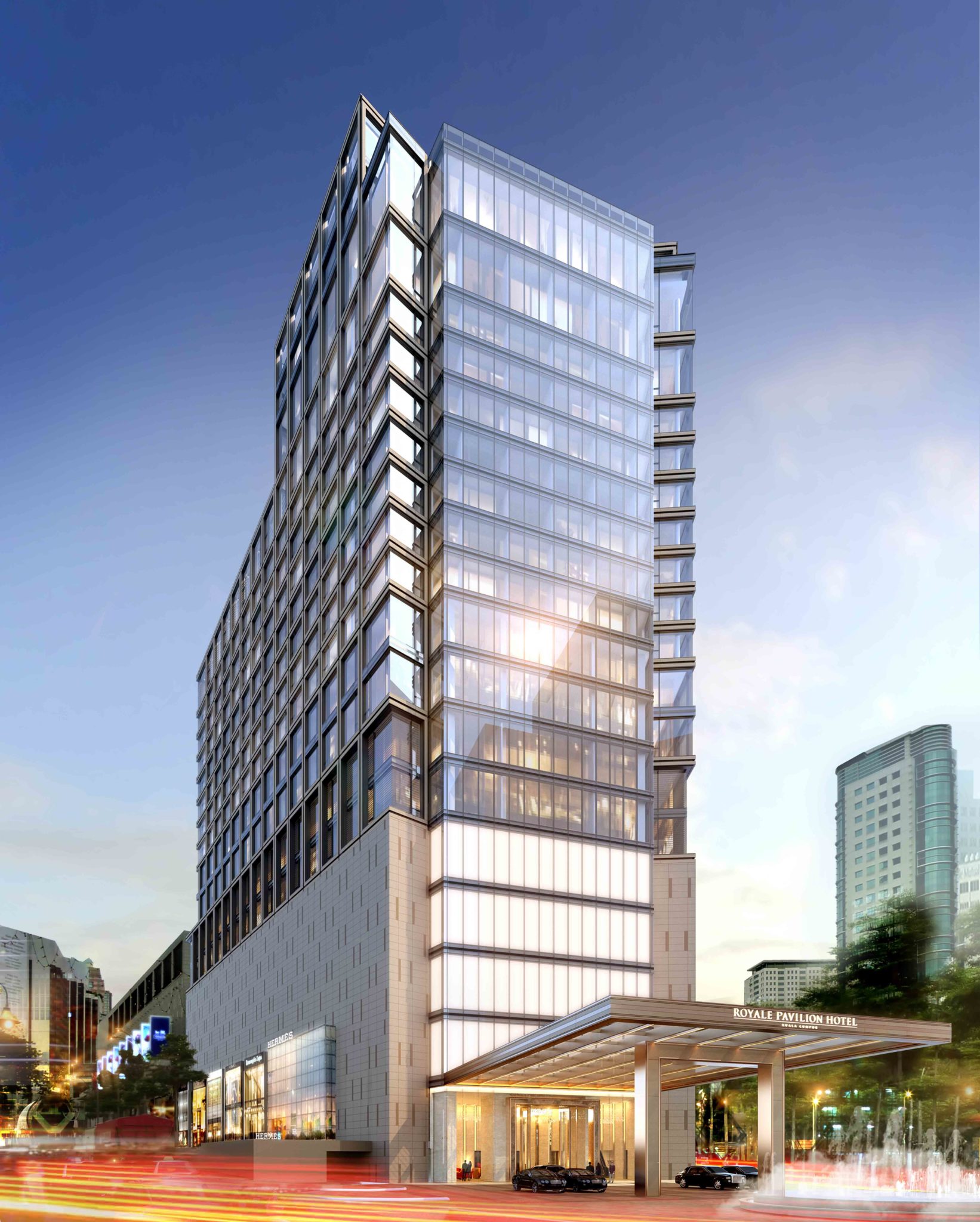
    Pavilion Hotel Kuala Lumpur stands 13 floors above Pavilion Kuala Lumpur, the award-winning six-storey shopping centre, adjacent to the Couture Precinct extension. Right in the heart of the capital of Malaysia, hotel guests have easy access to popular shopping hotspots and attractions – from well-known street markets such as Bukit Bintang to the best dining and nightlife experiences such as Jalan Alor and Changkat Bukit Bintang. They can also explore world-renowned landmarks such as Kuala Lumpur Tower, Petronas Towers and Kuala Lumpur Convention Centre, all within walking distance.

    Impeccable service and unrivalled experiences await guests at Pavilion Hotel Kuala Lumpur. The hotel features 325 rooms and suites decked in contemporary décor for the discerning traveller in need of an urban getaway. These include 115 City Oasis rooms [32 to 43 square metres (sqm)], 60 Courtyard Oasis rooms (38 to 43 sqm) and 45 Grand Oasis rooms (42 to 60 sqm).

    For guests who enjoy a bit more exclusivity, the hotel has four dedicated club floors, including 59 Club City Oasis rooms (32 to 49 sqm) and 20 Club Grand Oasis rooms (42 to 60 sqm). Club room guests have exclusive access to the Club Lounge located on Level 14, relaxing with a delectable breakfast spread, light bites or cocktails while taking in the magnificent view of Kuala Lumpur’s cityscape.

    There are also 26 contemporary suites available for an extra touch of luxe and space: 16 Urban Studio Suites, (64 to 72 sqm), eight Urban Suites (70 to 76 sqm), one Pavilion Suite (113 sqm) and one Presidential Suite (319 sqm).

    In the world of dining, guests are in for a treat with a dedicated and skilful F&B team. Level 8 houses The Courtyard, Pavilion Hotel Kuala Lumpur’s all-day dining restaurant that offers a mouth-watering smorgasbord of Southeast Asian-inspired cuisine. Guests can also dine at Ebisu, a restaurant and bar space featuring an array of Japanese cuisine with a twist. On Level 7M, the Whisky Cove is the place to unwind with a wide selection of whiskies and blends from around the world.

    Pavilion Hotel Kuala Lumpur also offers a range of meeting and event facilities suitable for all occasions. The total event space measures 1,298 sqm, with a ballroom that can accommodate up to 500 persons, a crescent-shaped venue that sits 120 persons in banquet setting and five fully-equipped meeting rooms that can accommodate 40 persons per room.

    The urban escapade is not complete without a rejuvenating experience at the award-winning Banyan Tree Spa. A selection of Asian-inspired treatments are available and with highly-skilled therapists who have undergone a minimum of 350 hours of training at Banyan Tree Spa Academy, guests are in for a pampering time.

    The Sky Gym and Rooftop Infinity Pool are located on Level 18, offering an unparalleled view of Kuala Lumpur. Guests can shop at Banyan Tree Gallery, the hotel’s dedicated retail outlet offering a collection of handicrafts, resort apparels and signature spa amenities.

    “This effervescent and cosmopolitan city is filled with vibrant beauty and diversity. With the flourishing business landscape that Kuala Lumpur possesses, this charming city has become a mecca of sorts for both tourists and business travellers around the world.  In addition, some of the best shopping malls in the world, as well as modern and historical landmarks – are within a stone’s throw away. Pavilion Hotel Kuala Lumpur is in an ideal hotel destination for business travellers and holidaymakers — and even locals looking for a pampering staycation,” said Anders Dimblad, General Manager of Pavilion Hotel Kuala Lumpur and Banyan Tree Kuala Lumpur.

    To celebrate the opening of Pavilion Hotel Kuala Lumpur, the hotel is launching an Opening Celebration package ranging from room up to spa promo deal.