Retail News CRM

Tag: Impact

  • Cocoa Crisis Averted: Swiss Chocolatier Barry Callebaut Unfazed by Potential El Niño Impact

    Cocoa Crisis Averted: Swiss Chocolatier Barry Callebaut Unfazed by Potential El Niño Impact

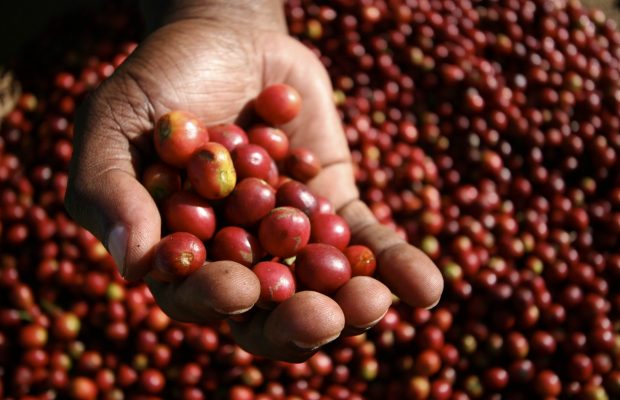
    Swiss confectionery manufacturer, Barry Callebaut, anticipates that the cocoa market will remain stable, despite the potential emergence of a strong El Niño weather pattern in the upcoming months. This statement was made by the company’s Chief Financial Officer, Peter Vanneste, earlier this week.

    The United Nations weather agency recently announced an increased likelihood of a powerful El Niño weather pattern emerging soon. This weather phenomenon is known to significantly impact the cocoa industry and could potentially elevate global temperatures. However, Vanneste maintains a positive outlook, stating that the circumstances differ substantially from those experienced during the 2023 and 2024 cocoa market crises.

    Stability Amidst Uncertainty

    “Unlike the situation in 2023/2024, when El Niño coincided with the primary harvest season and triggered a third consecutive year of cocoa deficit, we are currently in a position of significant surplus,” Vanneste explained. “We have large volumes of cocoa stocks ready for the upcoming harvest season.”

    In addition to maintaining a strong surplus, Barry Callebaut, which supplies key chocolate industry giants such as Nestlé and Hershey, has fortified its resilience by diversifying its sources, enhancing its cocoa bean blending capabilities, and implementing several financial measures.

    Monitoring Market Trends

    Vanneste also noted that his firm is keeping a keen eye on cocoa grind data. This is a key indicator of chocolate demand, particularly important as they approach the second quarter of the year.

    Recent data from May shows a 39.7% year-on-year increase in cocoa grinding in the Ivory Coast, the world’s largest cocoa producer. “The expectation is for this trend to continue,” said Vanneste. “However, it’s important to remember that demand recovery will take time. This is something we will be closely monitoring moving forward.”

    Questions & Answers

    What is the potential impact of a strong El Niño on the cocoa industry?
    A strong El Niño weather pattern can have profound effects on the cocoa industry, often disrupting cocoa production and leading to a deficit in supply.

    How has Barry Callebaut prepared for potential market instability?
    Barry Callebaut has fortified its market stance through origin diversification, increased sourcing flexibility, enhancing its cocoa bean blending capabilities, and implementing financial measures.

    What is the significance of monitoring cocoa grind data?
    Cocoa grind data serves as a proxy for chocolate demand. Monitoring this data allows companies to effectively track and forecast market trends.

  • FairPrice Freezes Prices on 100 Essential Items to Mitigate Cost-of-Living Impact Amid Middle East Conflict

    FairPrice Freezes Prices on 100 Essential Items to Mitigate Cost-of-Living Impact Amid Middle East Conflict

    In an effort to alleviate the burden of rising living costs due to the ongoing Middle East conflict, FairPrice Group, a leading supermarket operator, has announced a price freeze on 100 of its most frequently purchased daily necessities. This freeze, set to begin on Thursday and lasting until May 31, will apply to various household items, including rice, cooking oil, eggs, fresh and frozen pork and chicken, milk, and detergent.

    Price Freeze: A Commitment to Accessibility

    FairPrice Group’s decision to implement a price freeze is reflective of their broader commitment to maintain the affordability of everyday necessities for all individuals, particularly during periods of economic and geopolitical instability. The effects of such instability are becoming increasingly prominent in the daily lives of Singaporeans, and FairPrice Group hopes to provide some degree of relief through this initiative.

    Special considerations have been made for customers from vulnerable groups and citizens who qualify for subsidies. These individuals will enjoy double the usual discounts, increasing from 3% to 6%, throughout the duration of the price freeze.

    Reflecting Founding Principles

    According to FairPrice Group’s CEO, Vipul Chawla, these actions are consistent with the company’s original mission to preserve the affordability of essential items. This mission was established during the 1970s oil crisis and continues to guide their policies today.

    “Food and groceries account for over 20% of the average household budget, and even more for families with lower incomes,” Chawla explained. In light of this, the group’s initiatives aim to assist Singaporeans in managing the current uncertainties.

    Continuing Discounts on Housebrand Products

    Alongside the price freeze, FairPrice will maintain discounts on its own-brand products as part of its ‘Best Sellers for Less’ campaign. The campaign, which began on March 19 and will run for 12 weeks ending on June 10, offers shoppers savings of up to 36% on selected FairPrice Own Brands products. This includes items such as rice, facial tissues, and frozen processed food.

    Questions & Answers

    What items does the price freeze cover?
    The price freeze covers 100 of the most popular household essentials, including rice, cooking oil, eggs, fresh and frozen pork and chicken, milk, and detergent.

    Who will benefit from increased discounts during the price freeze period?
    Customers from vulnerable groups and citizens eligible for subsidies will enjoy double the usual discounts, from 3% to 6%, during the price freeze period.

    What are some of the FairPrice Own Brands products that will be discounted as part of the ‘Best Sellers for Less’ campaign?
    The discounts apply to a range of FairPrice Own Brands products such as rice, facial tissues, and frozen processed food.

  • Gold Prices in Vietnam Nudge Down After Early Rise: Exploring the Impact of Global Politics on Bullion Rates

    Gold Prices in Vietnam Nudge Down After Early Rise: Exploring the Impact of Global Politics on Bullion Rates

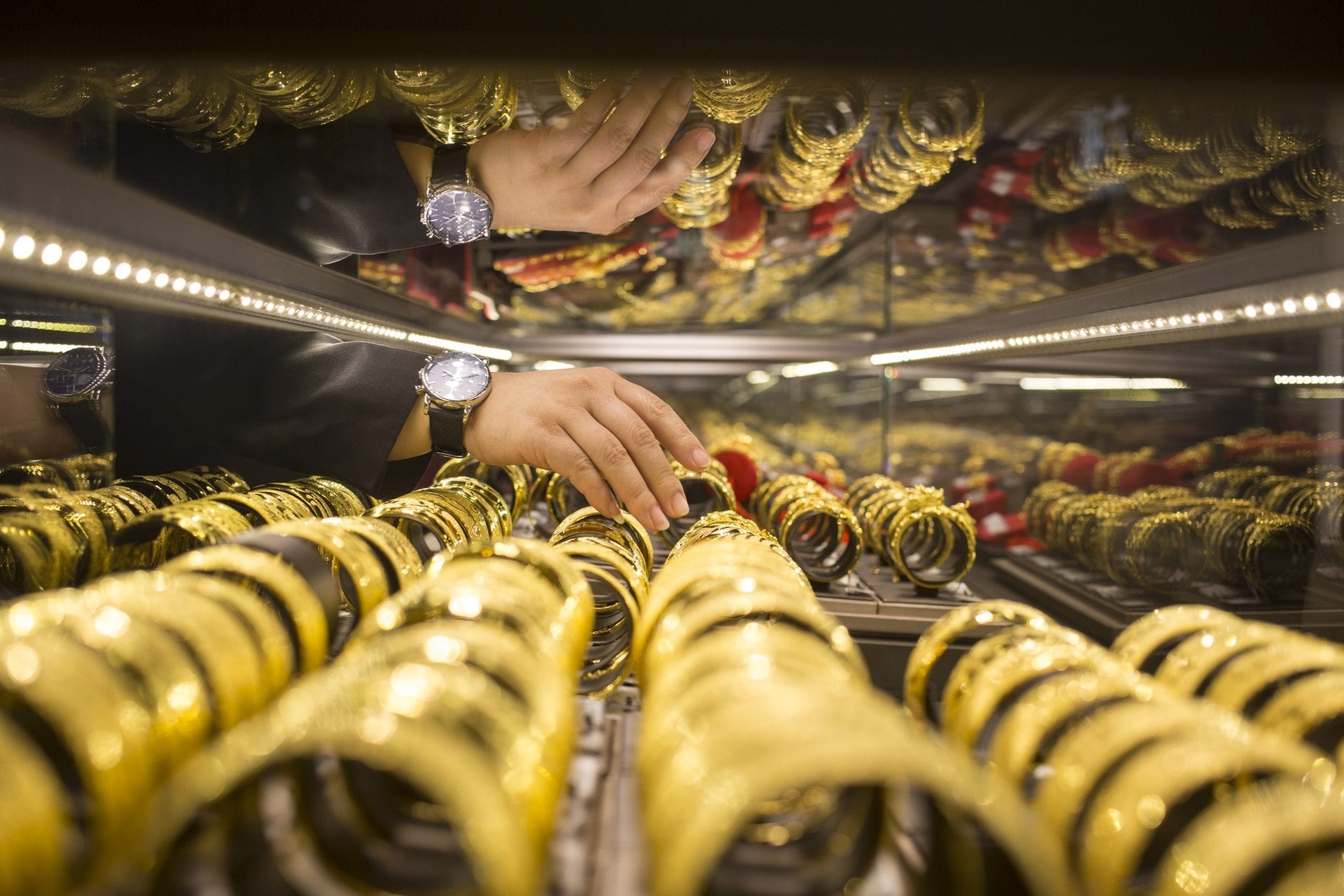
    After witnessing a 1.74% surge earlier in the session, the gold prices in Vietnam experienced a slight downturn on Wednesday afternoon. The price of the gold bar from the Saigon Jewelry Company decreased by 0.28% from its morning value, settling at VND175 million (US$6,646.04) per tael. Despite this dip, the daily gains were retained at 1.45%. Consequently, the difference between global and national gold rates diminished to VND22 million per tael.

    Gold Rings and Gold Bars

    Alongside the gold bars, gold ring prices also noted a slight reduction of 0.29%, closing at VND174.5 million per tael. However, this price still reflected a 1.45% increase from the previous day’s valuation. In Vietnam, a tael is a unit of weight measuring approximately 37.5 grams or 1.2 ounces.

    Global Gold Rates

    On an international scale, gold prices experienced an upturn on Monday due to the recent agreement between the U.S. President and Iran on a two-week truce. This ceasefire is geared towards concluding negotiations to end the prevalent war, which has caused significant disruption in global markets.

    As a result of this development, oil prices dipped below $100 a barrel, and the value of the dollar also declined. Such changes favor gold, which is priced in U.S. currency. Spot gold experienced a 2.5% increase, reaching $4,819.52 per ounce. During the session, the value of gold rose by over 3%, marking its highest level since March 19. Similarly, the U.S. gold futures for June delivery witnessed a 3.4% rise, reaching $4,845.30.

    The Appeal of Gold

    The announcement of the two-week truce disrupted expectations of escalation, which was a positive development for gold, according to Nicholas Frappell, Global Head of Institutional Markets at ABC Refinery. However, gold has seen an approximately 8% decrease since the conflict began in late February. This is because the allure of the non-yielding metal typically decreases in a high-interest-rate environment.

    Nonetheless, prices have shown signs of recovery in recent days. This rebound is backed by optimism surrounding the ceasefire and the anticipation that slower global economic growth could offset predictions of stable or higher borrowing costs.

    Questions & Answers

    What caused the dip in Vietnam’s gold prices?
    The gold prices in Vietnam dipped slightly due to a reduction in global gold prices.

    What effect did the announcement of the U.S.-Iran truce have on gold prices?
    The truce sparked optimism, causing gold prices to increase on a global scale as investors sought safe-haven assets.

    How does the interest rate environment affect the appeal of gold?
    In a high-interest-rate environment, the appeal of the non-yielding metal, such as gold, typically decreases as investors turn to assets with higher yields.

  • A2 Milk Settles Shareholder Dispute for $62M, Affirms No Impact on FY26 Earnings

    A2 Milk Settles Shareholder Dispute for $62M, Affirms No Impact on FY26 Earnings

    The A2 Milk Company has come to a preliminary agreement to conclude the prolonged shareholder class actions regarding its purportedly deceptive financial predictions.

    Settlement Details

    The globally traded dairy firm announced that the settlement amount is $62 million, encompassing interest and costs. This total amount will be covered by the available insurance proceeds and it will not affect the company’s fiscal 2026 earnings. In reaching this settlement, the company underlined that it does not acknowledge any wrongdoing. The resolution will undergo finalization and execution of a settlement deed, followed by the approval of the Supreme Court of Victoria.

    Class Action Proceedings

    Two separate class action proceedings were initiated against A2 Milk in October and November of 2021. These actions were brought forward on behalf of shareholders who held an interest in fully paid ordinary shares from August 19, 2020, to May 9, 2021. These actions pertained to the company’s disclosures and guidance for fiscal year 2021.

    In 2022, these separate class actions were merged into a single action.

    Allegations

    The claimants alleged that A2 Milk made misleading representations and failed to comply with its ongoing disclosure responsibilities as a public company, contravening Australian and New Zealand regulations.

    The preliminary agreement was hailed as a significant step in the proceedings. If approved, over 70% of the settlement sum will be distributed among group members. It was noted that the settlement represents a fair resolution and mitigates the delay and uncertainty of a protracted court trial.

    Questions & Answers

    What is the settlement amount that the A2 Milk Company has agreed to?
    The A2 Milk Company has agreed to a settlement amount of $62 million, which includes interest and costs.

    Who initiated the class action proceedings against the A2 Milk Company?
    The class action proceedings were initiated on behalf of shareholders who held an interest in fully paid ordinary shares of the company from August 19, 2020, to May 9, 2021.

    What were the allegations against the A2 Milk Company?
    The company was alleged to have made misleading representations and failed to comply with its ongoing disclosure obligations as a public company, in violation of Australian and New Zealand laws.

  • Thailand’s Digital Leap: The Quest for Universal Internet Access & its Economic Impact

    Thailand’s Digital Leap: The Quest for Universal Internet Access & its Economic Impact

    Thailand’s mission is to provide universal access to affordable and dependable internet services, a goal reflective of a broader international accord. Over the past ten years, the nation has shifted from planning to action, spearheading campaigns such as the Village Broadband Internet (Net Pracharat) program and the Universal Service Obligation (USO) plan. These strategies harness the power of fiber, mobile, and satellite technologies, embodying the nation’s ultimate objective of digital inclusion to boost economic growth, strengthen social services and education, and enhance national competitiveness.

    The Current State of Universal Access in Thailand

    Thailand’s strategy for universal access comprises several critical elements:

    Primarily, the focus is on connecting rural villages and public institutions. The Net Pracharat project, overseen by the Ministry of Digital Economy and Society (MDES), has established fiber and Wi-Fi networks in numerous villages and public locations such as schools and health clinics. This project utilizes an open-access network (OAN) model, which permits licensed operators to share infrastructure for last-mile services. This approach reduces costs, prevents infrastructure duplication, and allows commercial providers to offer services via the government’s network.

    Thailand’s strategy is technology-agnostic, incorporating fiber, mobile, and satellite. Fiber is preferred for speed and reliability, but accessing remote islands, mountainous regions, and thinly populated agricultural areas necessitates a blend of mobile broadband and satellite or low-Earth-orbit (LEO) services. Thailand has already undertaken commercial trials with LEO satellite providers, and there are further plans for satellite coverage in Phase 3.

    Progress Thus Far

    Rapid, noticeable results have been achieved through Net Pracharat and other public initiatives. By December 2017, the MDES and the Telephone of Thailand Public Company Limited (TOT) had completed the deployment of fiber-optic cables to 24,700 rural villages as part of the Net Pracharat initiative. Complementing the fiber rollout, the government installed free public Wi-Fi hotspots in these villages, offering speeds up to 30/10 Mbps (download/upload). In November 2018, approximately 4.5 million users had registered to access Net Pracharat Wi-Fi.

    These enhancements have elevated national internet and mobile data coverage substantially compared to a decade ago. Even though some gaps persist, fixed-line providers are investing in fiber and 5G network upgrades, often in tandem with government initiatives to connect backbone routes and aggregation points. The National Broadcasting and Telecommunications Commission’s (NBTC) spectrum planning, including auctions aimed at 5G-Advanced bands, further exemplifies the policy environment that views broadband as both essential social infrastructure and an economic growth catalyst.

    New Tools in The Toolbox

    A significant development is the emergence of satellite broadband, both geostationary and increasingly LEO constellations, as a supplement to terrestrial infrastructure. Thai commercial agreements and trials with satellite vendors indicate that operators, such as True Corporation, are exploring direct-to-cell (D2C) and consumer LEO services for remote coverage. If these solutions are validated, they could expedite reach to islands and highlands where terrestrial backhaul is expensive or environmentally sensitive.

    Allowing licensed operators to utilize publicly funded backhaul without unjust fees helps Thailand avoid duplicating infrastructure and reduce the cost of acquiring new customers.

    Economic and Social Implications

    International institutions emphasize that digital connectivity is an economic multiplier, affecting productivity, digital services, foreign investment, and SME digitization.

    Thailand’s infrastructure planning aligns with the Thailand 4.0 transformation and its larger goal to attract data center and AI investment. Universal access supports education, health, financial inclusion, and civic participation. However, ongoing digital gaps exacerbate inequality as regions without reliable internet access experience slower growth and fewer opportunities to join the digital economy.

    Projected Near-Term Outcomes

    Thailand’s drive for universal internet access is among the most advanced in Southeast Asia. Armed with backbone fiber, open-access network principles, a growing USO fund, and receptiveness to satellite and mobile tech, the country is poised to bridge the rural-urban digital divide in the future.

    Despite the risks revolving around affordability, transparent procurement, and ensuring quality beyond basic coverage, the existing policies and robust participation from both local and foreign companies provide the necessary tools. If Phase 3 delivers significant infrastructure and the government combines investments with efforts to make the internet affordable and build digital skills, Thailand could transform near-universal access into genuine digital inclusion.

    Questions & Answers

    What is Thailand’s approach to achieving universal access to the internet?
    Thailand’s strategy involves connecting rural villages and public institutions, using an open-access network model, and leveraging fiber, mobile, and satellite technologies.

    How is Thailand utilizing satellite technology in its drive for universal internet access?
    Thailand is testing direct-to-cell and consumer Low-Earth-Orbit services for remote coverage. If validated, these solutions can expedite reach to isolated areas where terrestrial backhaul is expensive or environmentally sensitive.

    What are the potential outcomes of Thailand’s push for universal internet access?
    If successful, Thailand’s universal internet access initiative could result in improved education, health, financial inclusion, and civic participation. It could also bridge the rural-urban digital divide and lead to genuine digital inclusion.

  • Wealth Management Drives DBS to Record-Breaking Q3 Income Despite Global Tax Reform Impact

    Wealth Management Drives DBS to Record-Breaking Q3 Income Despite Global Tax Reform Impact

    DBS bank reported a record-breaking income for the third quarter of 2025, largely due to strong fee income from wealth management. However, the bank’s net profit experienced a slight dip of 2 percent year-on-year, almost S$3 billion ($2.3 billion). This was a result of the newly enforced global minimum tax reform. Notwithstanding this, the profit before tax rose by 1 percent, reaching an all-time high of S$3.5 billion.

    Revenue and Expenses

    The bank’s total income also saw a significant surge, increasing by 3 percent to S$5.9 billion, setting another record. Net interest income remained relatively stable, while fee income and treasury customer sales witnessed new peaks, primarily driven by the wealth management sector. Market trading income improved due to lower funding costs and a more favorable trading environment. Simultaneously, expenses escalated by 6 percent to hit S$2.4 billion. The increase was primarily fueled by enhanced staff costs as bonus accruals rose in sync with the improved performance.

    For the first nine months of the year, DBS’s profit amounted to S$8.7 billion, representing a marginal decline of 1 percent.

    Looking Ahead

    DBS’s CEO, Tan Su Shan, provided some insight into the bank’s future strategy. He stated that the bank would continue to adapt to the challenges of decreasing interest rates through agile balance sheet management. He also emphasized the bank’s ability to seize structural opportunities across wealth management and institutional banking, ensuring continued growth and success.

    Questions & Answers

    What factors contributed to DBS’s record-breaking income in the third quarter of 2025?
    The record-breaking income was largely due to strong fee income from wealth management. Additionally, the bank saw new highs in fee income and treasury customer sales.

    What was the impact of the newly enforced global minimum tax reform on DBS?
    The new global minimum tax reform led to a slight dip in DBS’s net profit by 2 percent year-on-year in the third quarter of 2025.

    How does DBS plan to navigate the pressures of declining interest rates?
    DBS plans to navigate the pressures of declining interest rates through agile balance sheet management. The bank also aims to seize structural opportunities across wealth management and institutional banking.

  • Coconut Prices Soar to $7 a Dozen: What This Means for Retail and Consumers

    Coconut Prices Soar to $7 a Dozen: What This Means for Retail and Consumers

    Coconut prices have soared six-fold since 2022, reaching VND190,000 (US$7.26) per dozen, driven by soaring global demand.

    Soaring Demand Meets Shrinking Supply

    According to the Vietnam Coconut Association, the appetite for coconut-derived products—including food, cosmetics, and biofuels—is expanding rapidly. Yet, this booming demand stands in stark contrast to the declining coconut output in Vietnam, a situation exacerbated by climate change, persistent droughts, pests, and outdated farming practices.

    Farming Challenges Highlighted

    Investments in proper crop care remain woefully low; only about 20% of coconut farmers engage in necessary fertilization and pest control, leading to unsatisfactory and erratic yields. Most farmers opt for a more laissez-faire approach, allowing their trees to grow naturally, which contributes to the ongoing supply crunch.

    Global Markets Pivot to Vietnamese Coconuts

    The U.S. officially welcomed fresh coconut imports from Vietnam in 2023, adding to existing exports to China and a surge in purchases from various Middle Eastern nations. These international openings have tightened domestic supply and propelled prices upward, according to Cao Ba Dang Khoa, General Secretary of the Vietnam Coconut Association.

    While the rise in prices signals a potential boost to farmers’ incomes, it presents difficult challenges for processing companies, which find it hard to increase their prices in an intensely competitive global market. Notably, prices are also climbing in neighboring coconut-producing nations such as Thailand, Malaysia, the Philippines, and Indonesia.

    A Thriving Industry in the Face of Challenges

    Vietnam boasts over 200,000 hectares dedicated to coconut cultivation, yielding approximately two million tons annually. The processing sector has witnessed impressive growth, expanding from just eight facilities in 2015 to 45 by 2024. Prominent firms like Betrimex, Luong Quoi, and Beinco are adopting modern technologies to adapt to this evolving market landscape.

    As the coconut industry lumbers forward, it seems we may be witnessing the rise of the “water of life” from the tropics—because who could resist those benefits?

    Questions & Answers

    What is driving the rising price of coconuts in Vietnam?
    The surge in coconut prices is largely attributed to increasing global demand for coconut-based products, combined with a decline in domestic supply due to factors like climate change and inadequate farming practices.

    How has the processing sector adapted to these market conditions?
    The number of coconut processing facilities has escalated from eight in 2015 to 45 in 2024, with companies investing in modern technologies to enhance efficiency and meet growing demand.

    What challenges do farmers face in coconut cultivation?
    Many farmers struggle with consistent yields due to outdated farming techniques, with only a minority investing in essential crop maintenance practices such as fertilization and pest control.

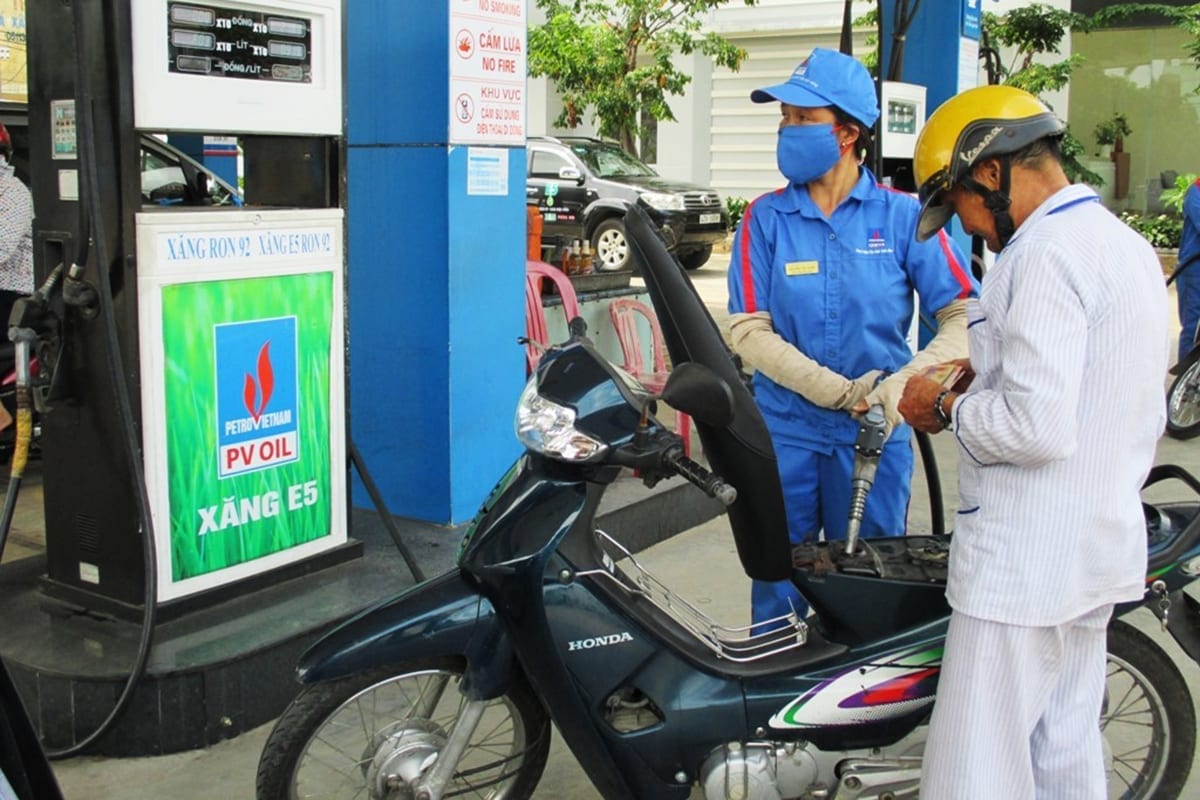
  • Gasoline Prices Hit 10-Week High: What It Means for Consumers and Retailers

    Gasoline Prices Hit 10-Week High: What It Means for Consumers and Retailers

    In a notable shift for consumers, gasoline prices in Vietnam surged to their highest level since early April. This change, marked by a notable uptick in fuel costs, came into effect Thursday afternoon, leaving many to watch their wallets a bit more closely.

    Rising Costs at the Pump

    The widely used RON95 fuel experienced a 1.37% increase, reaching VND19,960 (approximately US$0.77), while the biofuel variant, E5 RON92, rose by 1.04% to VND19,460. Additionally, diesel prices climbed by 1.61%, settling at VND17,700.

    Global Factors at Play

    This latest price spike is attributed to a combination of global dynamics. Regulatory authorities have pointed to a variety of influences impacting the fuel market. Key factors include heightened tensions between the U.S. and Iran regarding nuclear negotiations, a reduction in U.S. crude oil reserves, fluctuations in U.S. tax policies affecting trading partners, and the continuing military conflict in Ukraine. As a result, market prices have seen significant shifts, with RON95 reporting a climb to $79.7 per barrel, while diesel saw an increase to $81.51, marking a substantial impact on the overall cost landscape for consumers and businesses alike.

    As we navigate these changes, one has to wonder: will we ever see a dip in prices again, or are we destined for a rollercoaster ride at the pump?

    Questions & Answers

    What are the new prices for RON95 and E5 RON92 fuels? RON95 is now priced at VND19,960, while E5 RON92 costs VND19,460.

    What global events are influencing these price changes? Factors include rising tensions between the U.S. and Iran, falling U.S. crude oil inventories, and ongoing conflicts in Ukraine.

    How much has diesel fuel increased in price? Diesel saw an increase of 1.61%, bringing its cost to VND17,700.

  • Gas Prices Plummet: What the Dip Means for Your Wallet and the Economy

    Gas Prices Plummet: What the Dip Means for Your Wallet and the Economy

    Vietnam’s gasoline prices experienced a slight dip on Thursday morning, striking a chord of relief for motorists across the nation. In an environment often marked by volatility, this latest trend brings a momentary sigh of ease.

    Fuel Price Movements

    The price for the popular RON95 fuel fell by 0.31%, now standing at VND19,530 (approximately US$0.75) per liter. Similarly, the biofuel E5 RON92 mirrored this drop, decreasing by 0.31% to VND19,120. On a contrasting note, diesel saw an uptick of 1.05%, reaching VND17,400.

    Global Market Influences

    The global fuel market has been rocked over the past week by a medley of influences. Heightened tensions in the Middle East, increasing U.S. crude oil inventories, and an ongoing stalemate in the conflict between Russia and Ukraine have all contributed to the tumult. These factors have resulted in a mixed bag for global fuel prices, where the average price for a barrel of RON95 gasoline dipped 0.4% to $76.7. Meanwhile, diesel prices experienced a rise of 1.3%, reaching $80.15 per barrel.

    For consumers, fluctuations in fuel prices often feel akin to riding a rollercoaster—stomach-churning, yet exhilarating.

    Questions & Answers

    What are the current prices for RON95 and E5 RON92 in Vietnam?
    Currently, RON95 is priced at VND19,530 per liter, while E5 RON92 stands at VND19,120.

    How have global factors affected fuel prices recently?
    Recent months have seen tensions in the Middle East and rising U.S. crude oil inventories influencing global fuel prices, resulting in mixed fluctuations.

    Is diesel also seeing significant price changes?
    Yes, diesel prices have increased by 1.05%, now priced at VND17,400 per liter.

  • Coconut Prices Surge in Asia Amid Climate Impact on Supply

    Coconut Prices Surge in Asia Amid Climate Impact on Supply

    on
    Vina T&T, a major player in the fruit export sector, is making headlines as it offers a staggering VND 220,000 (approximately US$8.47) for a dozen coconuts—the highest recorded price to date. With prices more than doubling year-on-year, this surge reflects broader trends impacting the coconut market worldwide, influenced by supply disruptions and rising consumer demand.

    Coconut Prices on the Rise

    Industry experts indicate that coconut prices are increasing at an alarming rate, paralleling the volatility seen in gold prices. Nguyen Dinh Tung, CEO of Vina T&T, highlighted the challenges in supply, revealing that the company currently exports seven containers of coconuts weekly, which only meets two-thirds of its international buyers’ needs.

    Global Trends Impacting Supply

    The surge in coconut prices is not confined to Vietnam. Countries like Sri Lanka, the Philippines, and Thailand—significant exporters of the nut—are experiencing a similar escalation in prices, with increases ranging from 50% to 100% year-on-year. For instance, coconuts now retail for $2.90 per kilogram in Thailand and up to $4.28 in the Philippines.

    Supply chain disruptions due to extreme weather events are primarily responsible for this instability. El Niño is causing heatwaves and droughts, while La Niña brings excessive rainfall and storms, adversely affecting coconut yields. Additionally, pest outbreaks have further complicated production, as demand from key markets—particularly China and the United States—continues to push prices upward.

    Vietnam’s Growing Coconut Export Market

    Despite the challenges, Vietnamese coconuts are carving out a strong niche in global markets thanks to their competitive pricing and exceptional quality. The Ministry of Agriculture and Environment reports robust growth in fresh coconut exports from Vietnam in the first four months of this year, particularly to the U.S. and China.

    As the world’s fifth-largest coconut exporter, Vietnam boasts 200,000 hectares of orchards, producing approximately two million tons annually. Last year alone, the value of coconut exports and related products reached nearly $1.1 billion, with coconuts accounting for $390 million. Following the U.S. opening its market to Vietnamese coconuts in August 2023, exports skyrocketed eleven-fold within less than a year.

    The formal export protocol signed with China in August 2024 has also dramatically increased shipments, positioning Vietnam as a key supplier in a market that consumes an estimated four billion coconuts annually.

    Future Outlook

    According to Dang Phuc Nguyen, General Secretary of the Vietnam Fruit and Vegetable Association, Vietnamese coconuts are gaining popularity, especially in summer among consumers in the U.S. and China. He predicts that fresh coconut exports could reach an unprecedented $500 million by the end of this year, highlighting the brand’s potential for expansion and establishing itself as a significant player in the international market.

    The recent trends in the coconut market, marked by soaring prices and growing demand, signal a shifting landscape for both producers and consumers. As demand continues to rise, the potential for Vietnam’s coconut industry to grow and expand is substantial, making this a crucial moment in retail news.

    Questions & Answers:

    1. Why are coconut prices rising so dramatically? Coconut prices are climbing due to supply chain disruptions caused by extreme weather conditions such as droughts and excessive rainfall, alongside increased global consumer demand.

    2. How is Vina T&T responding to the rising prices? Vina T&T has increased its farm gate price to a record VND 220,000 for a dozen coconuts, but it still struggles to meet the high demand from international buyers.

    3. What does the future hold for Vietnam’s coconut exports? With strong growth anticipated, Vietnamese coconut exports are projected to reach $500 million this year, bolstered by access to key markets like the U.S. and China.

  • Gas Prices Climb from 5-Year Low, Impacting Retail Sales

    Gas Prices Climb from 5-Year Low, Impacting Retail Sales

    Gasoline Prices in Vietnam See Modest Recovery After Five-Year Low

    Vietnam’s gasoline prices have marked a slight upward shift, coming off their lowest levels in five years. This change comes as various factors in the global oil market begin to stabilize and reshape consumer trends in fuel purchasing.

    Price Surge for Popular Fuels

    On Thursday afternoon, the fuel landscape in Vietnam experienced an increase:

    • RON95: Up by 4.14%, now priced at VND19,630 per liter.
    • Biofuel E5 RON92: Rose 4% to VND19,230 per liter.
    • Diesel: Increased by 2.88%, reaching VND17,520 per liter.

    These price adjustments reflect surging consumer demand and market corrections following the previous lows.

    Factors Driving the Increase

    The recent fluctuations in gasoline prices can be attributed to multiple catalysts within the global oil market. Key influences include:

    • A recent report from the U.S. Energy Information Administration indicating a rise in U.S. crude oil inventories.
    • Policy changes from the Trump administration affecting goods taxes from trading partners.
    • Anticipated increases in OPEC+ oil production shortly.

    The global benchmark prices have also seen upward movement, with RON95 surging to $77.3 per barrel, up by 5%, while diesel increased by 3% to $80.90 per barrel.

    Impact on the Retail Sector and Consumers

    The recovery in gasoline prices could have significant implications for retail, particularly in sectors relying heavily on transportation and logistics. As fuel prices stabilize, consumers might see a gradual adjustment in product pricing, influencing overall spending behaviors.

    Questions & Answers

    1. What led to the recent increase in gasoline prices in Vietnam? The increase is primarily due to a rise in global oil prices influenced by U.S. crude inventory changes and adjustments in OPEC+ production.
    2. How much have prices changed for popular fuel types in Vietnam? RON95 rose 4.14% to VND19,630, Biofuel E5 RON92 increased 4% to VND19,230, and diesel saw a 2.88% increase to VND17,520.
    3. What might be the impact of rising gasoline prices on consumers and the retail sector Rising gasoline prices could lead to higher transportation costs, potentially resulting in increased prices for consumer goods and altering spending patterns in the retail sector.
  • Dollar Declines Against Dong: Impacts on Retail Sales and Consumer Demand

    Dollar Declines Against Dong: Impacts on Retail Sales and Consumer Demand

    The U.S. dollar experienced a modest decline against the Vietnamese dong on Tuesday morning, following a drop observed on Monday. This movement reflects the ongoing volatility in the global market, particularly concerning U.S.-China trade negotiations.

    Current Exchange Rates

    According to Vietcombank, the dollar was sold at VND 26,160, representing a 0.04% decrease. Meanwhile, the State Bank of Vietnam has maintained its reference rate at VND 24,956. In unofficial exchange venues, the dollar was priced at VND 26,520, marking a slight 0.11% increase.

    Despite the dip, the U.S. dollar has exhibited a 2.38% rise against the dong since the start of the year, indicating a complex interplay of economic factors.

    Global Context

    On a broader scale, the dollar struggled to regain losses on Tuesday amid persistent ambiguity over the de-escalation of the Sino-U.S. trade dispute. Treasury Secretary Scott Bessent emphasized that the responsibility for initiating negotiations lies with China. Comments like this contribute to mixed signals regarding the progress of talks between the world’s two largest economies, as reported by Reuters.

    In the global market, the dollar saw slight improvements, gaining 0.11% against the yen to reach 142.19, and rising 0.18% against the Swiss franc at 0.8217, rebounding from a steep 1.2% fall the previous day.

    Looking Ahead

    The dynamics of the currency market are likely to continue to shift as investor confidence wavers amidst global economic uncertainties. The fluctuating exchange rates not only affect businesses but also consumers, shaping their purchasing power and overall economic sentiment.

    As the retail sector navigates these changes, staying informed on currency movements could prove vital for businesses and consumers alike, especially in light of ongoing consumer trends and brand expansions that may be influenced by international economic policies.

  • Gold Prices Plummet as Global Rates Decline: Retail Impact Ahead

    Gold Prices Plummet as Global Rates Decline: Retail Impact Ahead

    Gold prices in Vietnam saw a significant decline on Monday morning, mirroring a global downturn in bullion rates which fell by over 1%. This development marks an important shift in the market, reflecting changing consumer trends and economic indicators.

    Vietnamese Market Reaction

    The Saigon Jewelry Company reported a decrease in the price of gold bars by 1.24%, now priced at VND119.5 million (approximately US$4,597.04) per tael. Similarly, gold ring prices dropped by 1.29%, settling at VND115 million per tael. Notably, gold bar prices have surged 40.6% year-to-date, demonstrating a volatile yet upward trend in the sector.

    The State Bank of Vietnam has mentioned it may take steps to stabilize the gold market. In a recent statement, they acknowledged the considerable disparity between domestic and global gold prices and expressed intentions to intervene as needed to address these issues.

    Global Influences on Gold Prices

    Globally, gold prices declined by 1.4%, with spot gold trading at $3,272.89 per ounce. After reaching a record high of $3,500.05 on April 22, bullion’s descent reflects a shift in investor sentiment fueled by easing U.S.-China trade tensions. U.S. gold futures also experienced a slight setback, dropping 0.4% to $3,283.70.

    The strength of the U.S. dollar has made gold less accessible to overseas buyers by raising prices internationally. Tim Waterer, chief market analyst at KCM Trade, noted that improved perceptions regarding tariff negotiations between the U.S. and China have contributed to a reduced demand for safe-haven assets like gold.

    Understanding the Economic Landscape

    Historically, gold serves as a sanctuary during times of economic and political uncertainties. It thrives particularly well in environments featuring low interest rates. As market dynamics fluctuate, investors will be closely monitoring the evolving landscape—especially how potential trade agreements could further impact the value of gold and other commodities.

    As the retail sector navigates these changes, both consumers and investors may need to adapt strategies in response to shifting gold prices, reflecting broader economic trends and consumer sentiments.

  • Gasoline prices climb up 2 weeks in a row

    Gasoline prices climb up 2 weeks in a row

    Gasoline prices on Thursday afternoon went up for the second week after plunging non-stop since mid-August.

    The popular fuel RON95 rose 3.80% to VND20,510 (US$0.83) per liter.

    Diesel went up 2.7% to VND 17,500.

    Regulators said that fuel prices in the last seven days were affected by rising tension in the Middle East, China’s economic boost, and ongoing Russia-Ukraine military conflict.

    Gasolines rose 5% while oils added 2.3-4.6%. RON95 is now priced at $85.6 per barrel and diesel $84.4.

  • Some Vietnam coffee farms thrive despite drought

    Some Vietnam coffee farms thrive despite drought

    Vietnamese coffee growers have been hit hard this year by the worst drought in nearly a decade, raising concerns of pricier espressos across the world, even as some farmers keep yields healthy with clever countermeasures.

    Domestic forecasts for next season’s harvest in Vietnam, the world’s second biggest coffee producer, remain grim.

    The Mercantile Exchange of Vietnam (MVX) expects a 10-16% fall in output because of the extreme heat that hit the Central Highlands coffee region between March and early May, according to deputy head Nguyen Ngoc Quynh.

    However, a return of rains in recent weeks has improved the outlook, boosting confidence among farmers and officials. But it remains unclear whether the improved weather will help boost output and drive down prices of robusta beans, the variety most commonly found in espressos and instant coffees, of which Vietnam is the world’s top producer.

    “I expect the country’s output to fall by 10-15%, but my farm will increase production”, said Nguyen Huu Long, who grows coffee in a 50-hectare plantation in Gia Lai, one of the top coffee-producing provinces in Vietnam.

    To protect his trees during the heatwave, he kept the soil around the plants moist by covering it with leaves. Contrary to the local practice of cutting trees after a few years to boost soil quality, he keeps his growing for decades. As a result, plants have deeper roots and broader access to underground water reserves.

    Farmers in his plantation also soften the soil around plants to improve absorption of rainwater and fertilisers, said Doan Van Thang, 39.

    Tran Thi Huong, a tenant farmer who works in another plantation 20 km from Pleiku, Gia Lai’s capital, resorted to using more water than usual. Thanks to abundant reserves from canals built by local authorities, she could keep her plants sufficiently irrigated during the heatwave.

    Coffee cherries are smaller than in previous years, but she expects the overall output to be unaffected. It also helped that she timely intervened with biopesticides against bugs that were more numerous than usual because of the extreme weather.

    That is in line with the forecast from the United States Department of Agriculture (USDA) which estimates Vietnam’s next harvest would be roughly steady versus the current season’s output – far less pessimistic than domestic projections.

    Bitter price effect?

    Whatever the impact on the harvest will be, coffee prices for drinkers around the world are likely to rise.

    Wholesale prices in Vietnam and London-traded robusta futures have risen to record highs earlier this year mostly after an underwhelming harvest in Vietnam and because of fears over the country’s next harvest after the drought, according to multiple traders and analysts.

    Record wholesale prices have so far had a limited impact on consumer prices, with coffee inflation up by only 1.6% in the 27-country European Union in April, according to the latest Eurostat data, and 2.5% in robusta-loving Italy.

    While well below price rises from a year earlier, it was higher than 1% in the March E.U. reading, a sign roasters may have started to pass their higher costs on consumers.

    Besides, worries about Vietnam are far from over, as insufficient rains after the drought or excessive downpours before the upcoming October harvest season could further reduce output, warned a Vietnam-based trader.

    The high wholesale prices may also be there to stay, as robusta demand is growing globally and farmers have boosted their leverage in the current circumstances, with many hving also replaced coffee plants with pungent smelling durian, a tropical fruit experiencing huge demand in China.

    “They have the financial ability to hoard and hold on goods, so they will not be in a hurry to sell,” said Le Thanh Son, of Simexco, one of Vietnam’s biggest coffee exporters.