Retail News CRM

Tag: in store

  • Inditex, Parent Company of Zara, Leverages In-Store Strategy to Drive Continuous Growth

    Inditex, Parent Company of Zara, Leverages In-Store Strategy to Drive Continuous Growth

    Inditex, the multinational retailer that owns fashion brands like Zara, Bershka, and Stradivarius, has reported continued growth in its sales, a result attributed to its store-centric strategy.

    As the largest fashion retailer globally and headquartered in Spain, Inditex initiated its fiscal year with an impressive $10.1 billion in first-quarter sales. This resulted in a net profit of $1.6 billion. These figures represent a growth rate of 5.75 percent and 5.36 percent, respectively.

    By the end of the quarter, Inditex owned a total of 5456 stores worldwide. This included 1495 Zara stores, a decrease from the 5562 stores it held at the same time the previous year.

    Investment and Innovation Drive Growth

    Inditex has attributed its growth to continuous investments in its store network, developments in online sales channels, and improvements in logistics platforms, all with a keen focus on innovation and technology.

    The company’s Asia-based store network prominently features its Zara, Massimo Dutti, and Zara Home brands. Online, the company has a significant presence in the region with brands such as Pull and Bear, Bershka, Stradivarius, and Oysho.

    Inditex operates across 215 markets and, despite its relatively low share in a highly fragmented sector, the group sees robust growth opportunities. “The optimisation of stores is ongoing, and we expect this to drive further gains in store productivity,” they remarked.

    The group aims to grow its retail floorspace by approximately 5 percent by 2026. It has earmarked capital expenditure of $2.7 billion over the next three quarters to achieve this.

    Questions & Answers

    What is the reason behind Inditex’s continued growth in sales?
    The company says that its growth is due to ongoing investment in its store network, advancements in its online sales channels, and improvements to its logistics platforms, with a focus on innovation and technology.

    How many stores does Inditex own worldwide, and what is the breakdown of these stores?
    Inditex owns a total of 5456 stores worldwide. Of these, 1495 are Zara stores.

    What are Inditex’s future growth plans?
    Inditex plans to increase its retail floorspace by about 5 percent by 2026. It has allocated capital expenditure of $2.7 billion over the next three quarters to achieve this goal.


  • Revolutionizing Retail: Australia’s Innovative In-Store Avocado Ripeness Scanner Trial

    Revolutionizing Retail: Australia’s Innovative In-Store Avocado Ripeness Scanner Trial

    In the competitive world of retail, customer satisfaction is key, and the avocado industry is no exception. A common issue faced by both retailers and consumers is determining the ripeness of an avocado on a supermarket shelf. Avocados Australia, an industry association, has introduced a potential solution to this problem – an in-store ripeness scanner.

    Understanding Customer Frustration

    According to John Tyas, the CEO of Avocados Australia, one of the major frustrations faced by consumers is identifying the ripeness of an avocado. This is important because approximately 75% of consumers want to buy avocados that are ready to be eaten within two days. Tyas believes that helping consumers with this selection process can enhance their eating experiences, minimize bruising of the fruit, and strengthen the overall trust in Australian avocados.

    The Ripeness Scanner

    The ripeness scanner aims to minimize the physical handling of avocados, which often leads to bruising. Data shows that about 47% of consumers handle three or more avocados before making a purchase, resulting in product loss for both growers and retailers. The scanner, developed by the Dutch agri-tech firm OneThird, not only reduces the need for physical handling but also prevents potential damage to the fruit.

    The scanner utilizes near-infrared (NIR) spectroscopy to assess the firmness of the fruit without causing damage, thereby helping to estimate the fruit’s readiness for consumption. The device also provides storage guidance to help consumers make informed purchase decisions. This technology has undergone trials in Europe and Thailand, where it was well-received by retailers and customers.

    Benefits for the Supply Chain

    Beyond consumer use, the ripeness scanner provides retailers with valuable data on in-store conditions and purchasing patterns. This information, which includes metrics on shelf ripeness, purchasing behavior, and peak periods, can be used to optimize merchandising, inventory management, and waste reduction efforts.

    The early results are promising, with the device being used for approximately 45% of avocado sales per week in participating stores. The accompanying platform provides fresh produce managers with data to monitor product condition and support efficient stock management.

    John Tyas further emphasized that the Australian avocado industry is committed to investing in research and development to continually enhance product quality and improve the consumer experience.

    Questions & Answers

    What is the purpose of the avocado ripeness scanner?
    The scanner helps consumers select ripe avocados, reduces fruit handling and bruising, and enhances the overall shopping experience.

    How does the ripeness scanner work?
    The scanner uses near-infrared spectroscopy to assess the firmness of the fruit without causing damage. It also provides storage guidance to consumers.

    What additional benefits does the ripeness scanner provide to retailers?
    The scanner provides data on in-store conditions and purchasing patterns, which can be used to support merchandising, inventory management, and waste reduction efforts.

  • South Korean Beauty Brands Leverage Immersive Experiences For Enhanced Customer Engagement

    South Korean Beauty Brands Leverage Immersive Experiences For Enhanced Customer Engagement

    As the beauty industry becomes more competitive, leading South Korean beauty brands are transforming their stores into immersive spaces. These spaces offer customers an opportunity to trial products and gain a deeper understanding of the brand’s ethos.

    Space Dosan: A Unique Testing Ground

    APR Co, a significant player in the beauty industry, operates ‘Space Dosan’ in Seoul’s Sinsa-dong. Here, customers can try the Medicube skincare range and experiment with the brand’s beauty device – Age-R. Trying creams or perfumes can be straightforward, but the opportunity to test electronic skincare appliances, which call for time and careful instruction, has garnered special interest. Staff members are present to help customers with product applications and device usage. This service was so well-received in the store’s initial phase that appointments had to be made by reservation. According to an APR official, some international visitors said they visited specifically to see and try the products personally. “Offering a direct, in-person experience is becoming crucial to expressing a brand’s complete value,” they said.

    Sulwhasoo: Storytelling and Ginseng Classes

    Amorepacific’s Sulwhasoo brand is placing a focus on experiences that tell a story and reflect its heritage. The brand’s Bukchon Sulwhasoo House in central Seoul hosts the popular ‘Ginseng Class.’ This hands-on workshop underscores six decades of ginseng research. Here, participants can make tailored ginseng-scented sachets and bath soaks using Sulwhasoo’s signature ‘Beauty Saponin’ and ‘Jaumdan’ ingredients. Since the reservations opened in July, more than 1,800 people have signed up in just a few days. The sessions continue to sell out within an hour each month, and a modest participation fee was introduced this month. The program, which will soon be available to foreign tourists, aims to increase awareness of the cultural and cosmetic importance of ginseng.

    The History of Whoo: Beauty Classes

    LG Household & Health Care is another beauty industry stalwart providing beauty classes for its product line, The History of Whoo. These classes are offered to department store VIP clients, who have achieved a specific spending level at luxury stores like Lotte and Shinsegae. Each session, with around ten participants, includes traditional experiences such as crafting a royal pouch and enjoying private catering. Since January, approximately 900 customers have participated. An LG H&H representative said, “These classes allow VIPs to connect with our brand identity as a ‘royal dermatology’ cosmetics line.” Meanwhile, LG H&H plans to expand such offline experiences to provide a distinct, premium interaction that reinforces The History of Whoo’s prestige.

    This trend in South Korea’s beauty sector mirrors a broader transition: the sale of not just products but sensory experiences that connect brand identity, tradition, and technology. This strategy is seen as critical in maintaining customer loyalty in an increasingly crowded global market.

    Questions & Answers

    What are the unique experiences Korean beauty brands are providing?
    Korean beauty brands are offering unique experiences that combine product trials with brand storytelling. Examples include the trial of skincare devices at Space Dosan, the ginseng classes provided by Sulwhasoo, and The History of Whoo beauty classes catered to VIP clients.

    What is the purpose of these experiences?
    These experiences aim to create a direct, offline connection between the customer and the brand. They allow customers to understand and appreciate the brand’s complete value, heritage, and identity.

    How are these experiences impacting customer engagement and loyalty?
    These immersive experiences are helping brands stand out in a crowded market and are seen as key to retaining customer loyalty. They provide a unique, sensory encounter that allows customers to connect more deeply with the brand.

  • Heritage Retailer Sincere Revolutionizes Customer Engagement With Successful Whatsapp Reactivation Campaign

    Heritage Retailer Sincere Revolutionizes Customer Engagement With Successful Whatsapp Reactivation Campaign

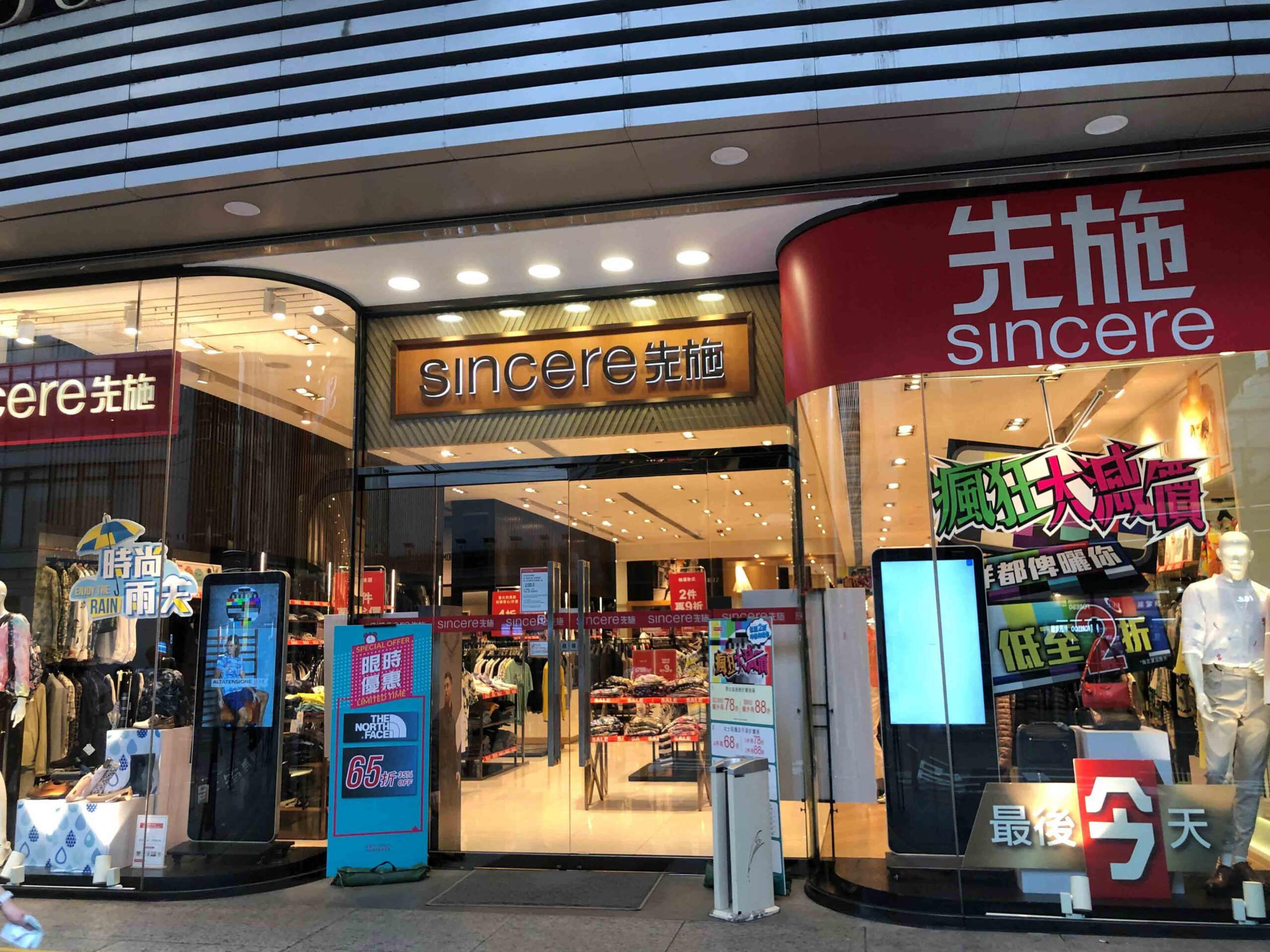
    In the face of evolving consumer behaviour and economic instability, traditional department stores such as Sincere, a well-established name since 1900, are required to modernize. Recently, Sincere demonstrated that not only is digital transformation viable for heritage retailers, but it can also be highly lucrative.

    Partnering for Success

    To achieve this, Sincere collaborated with Sanuker, a WhatsApp business solution provider, and Linkage, a retail solution expert, to launch a comprehensive WhatsApp reactivation campaign. This campaign aimed to re-engage inactive customers and increase visitor numbers in physical stores. The results were exceptional, with a 72 per cent coupon redemption rate, a 25 per cent click-through rate, and an incredible 290X return on ad spend – achievements that have since been hailed as a success story.

    The strategy behind the “Sincere Crazy Sale” campaign involved using WhatsApp for message broadcasting and real-time coupon redemption through POS. The campaign harnessed Sincere’s previous customer purchase activity data to distribute highly personalized digital coupons via WhatsApp, which could be redeemed in-store through a QR code system validated by Linkage’s POS. This approach developed a seamless and trackable online-to-offline (O2O) experience, successfully increasing foot traffic back to physical stores.

    David Li, Marketing Manager at Sincere, stated, “We succeeded in effectively re-engaging our inactive and VIP customers. The execution of this campaign significantly improved store visitor numbers and yielded results that greatly surpassed our expectations.”

    The Power of Integration

    Despite its potential, many retailers are still running their business messaging in isolation from their POS or CRM systems, which limits scalability and personalization. In contrast, the solution provided by Sanuker and Linkage enables programmatic audience targeting, campaign automation, and performance feedback loops, transforming WhatsApp into a valuable engagement tool rather than a one-time messaging platform.

    Sanuker and Linkage combined their expertise to offer a fully integrated, scalable solution specifically for Hong Kong retailers. With over three decades of experience in retail systems, Linkage ensures the synchronization of POS and CRM data and campaign logic. This enables precision in programmatic marketing, such as targeting customers who have previously purchased specific product categories, setting up tier-based offers for high-spending members, and providing real-time insights on response rates, redemptions, and even post-campaign purchasing behaviour.

    WhatsApp has proven to be an effective channel for re-engaging inactive customers and reaching high-value segments due to its extensive reach and immediacy. It offers better open rates than other channels such as email or SMS.

    Transforming the Retail Landscape

    In an era where customer loyalty is increasingly hard to secure, providing personalized, timely, and trackable promotions is crucial. Sincere’s campaign has not only proven beneficial for the brand, but it also serves as a template for how traditional retailers can thrive in a digital-first world, placing WhatsApp at the heart of a broader customer strategy.

    Questions & Answers

    What is the significance of Sincere’s recent campaign?
    The campaign demonstrates how traditional retailers can successfully transform digitally without losing their heritage, offering a blueprint for others to follow.

    How does the solution provided by Sanuker and Linkage work?
    By integrating with a retailer’s existing POS and CRM systems, the solution allows businesses to target audiences programmatically, automate campaigns, and receive real-time performance feedback.

    Why is WhatsApp an effective channel for re-engaging customers?
    WhatsApp offers unmatched reach and immediacy, with open rates often surpassing those of email and SMS, making it an effective tool for reconnecting with lapsed customers and activating high-value segments.

  • New Google search feature shows shoppers in-store inventories

    New Google search feature shows shoppers in-store inventories

    Google has unveiled new search functions aimed at improving the online shopping experience, including allowing consumers to see retailers’ in-store inventory from wherever they are using their device.

    The enhancements have been enabled using advances in AI technology, the company said during its livestreamed Search On conference overnight.

    A new addition to search results – an “in stock” filter – will show if nearby stores have specific items on their shelves. In an example provided by the search provider, someone looking for a kids bike helmet can click on the filter to find stores nearby that have a helmet – right down to a specific brand or style – on their shelves.

    The new feature launched overnight in Australia, New Zealand and Japan, along with the UK, multiple European markets, Brazil, and Canada.

    Another feature aimed at creating what Google describes as “a more shoppable search experience” provides visual feeds. For example, search for “cropped jackets,” and Google will deliver a visual feed of jackets in various colours and styles alongside useful information like local shops, style guides and videos.

    “With this new capability, you can tap on the Lens icon when you’re looking at a picture of a shirt, and ask Google to find you the same pattern – but on another article of clothing, like socks,” said Alphabet senior VP Prabhakar Raghavan.

    “This helps when you’re looking for something that might be difficult to describe accurately with words alone.”

    This new feature is powered by Google’s ‘Shopping Graph’ which it describes as “a comprehensive, real-time dataset of products, inventory and merchants with over 24 billion listings”. This experience has been released only in the US for now, but other markets will follow.

    Another feature, called Lens in Chrome will be launched globally during the coming months, allowing consumers to select images, video and text content on a website and see search results in the same tab – without leaving the page they are on.

  • Rakuten expands in-store payment system

    Rakuten expands in-store payment system

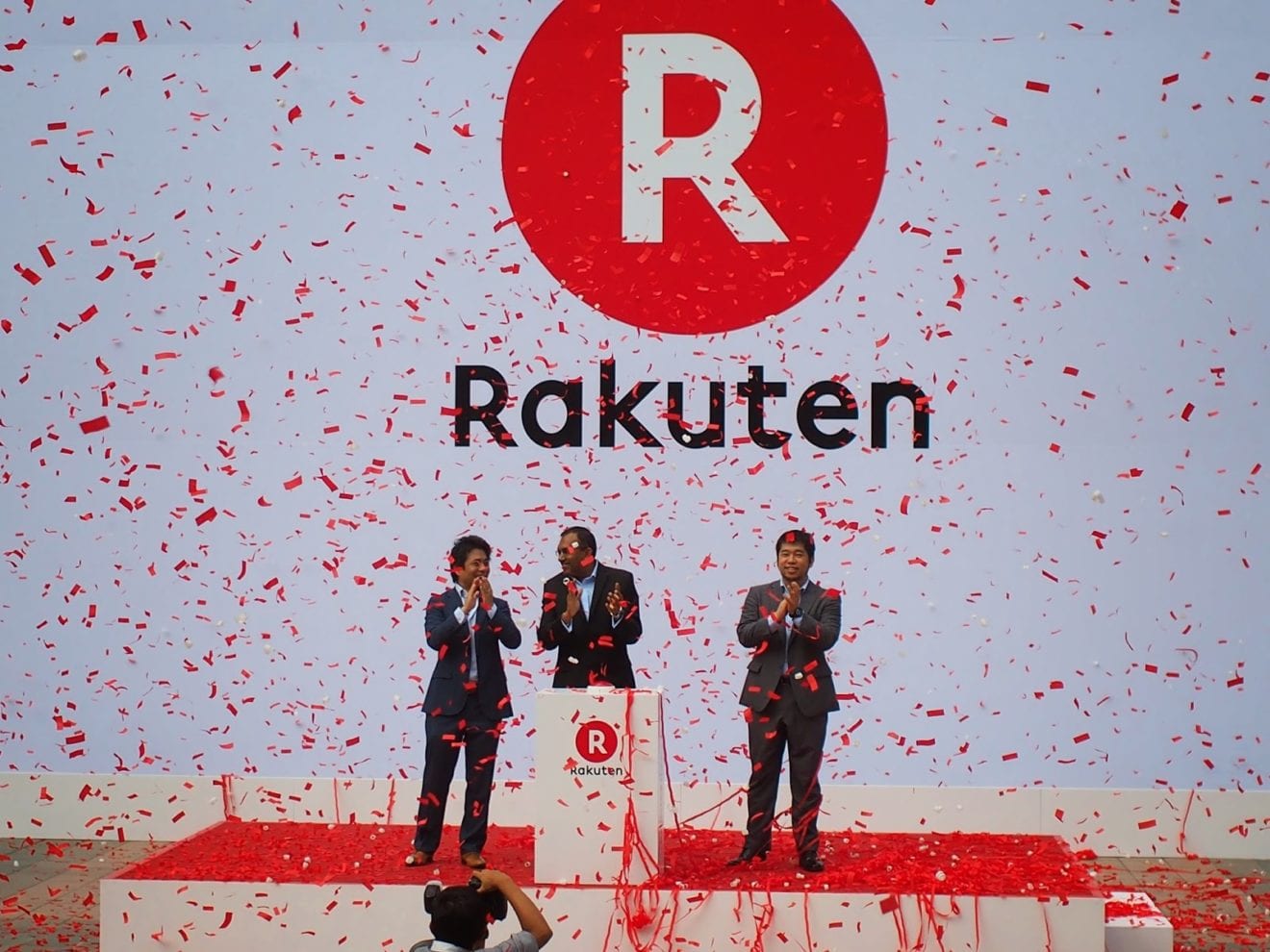
    Japanese e-commerce giant Rakuten is expanding its Rakuten Pay in-store payment system to support 14 major digital money brands and Android Pay.

    Rakuten Pay provides affiliated stores with a single payments service that supports a variety of payment methods, including credit cards, electronic money, and a smartphone app.

    It now accepts payments made through Rakuten Edy, the digital payment service provided by Rakuten Group, nine electronic money brands affiliated to transport organizations, including Suica, PASMO, and nanaco which can be used at Seven & i Holdings retailers across Japan; WAON,  the electronic money brand provided by the AEON Group (planned service launch in 2018), as well as QUICPay+TM  and iD*1.

    As the system supports Rakuten Edy, it is also compatible with Android Pay.

    In the future, Rakuten said it plans to make the service compatible with NFV payment services, such as Visa payWave, Mastercard Contactless, and J/Speedy, making it possible for affiliated stores to process payments made by foreign tourists visiting Japan as well.

    Moreover, the Rakuten Card & NFC Reader Elan will become available for purchase from March 6, 2017. This device is equipped with functions that enable payment through both credit cards and electronic money.

    For participating stores that already carry the older device and stores that wish to accept only major electronic money brands, the Rakuten NFC Reader Piu, an electronic money reader that is equipped with NFC functions, is scheduled to go on sale in the summer of 2017.

    Rakuten launched the Rakuten Pay in-store payment system, originally a settlement service for credit cards, in December 2012 to the Rakuten Ecosystem to brick-and-mortar stores. In October 2016, Rakuten began providing a smartphone app service through Rakuten Pay which utilizes the Rakuten Member ID.

  • Digital native Gen Z prefers to shop in-store

    Digital native Gen Z prefers to shop in-store

    Despite being the first “digitally native” generation, Generation Z – people born from the late 1990s through 2010 – still prefer to shop in bricks-and-mortar stores, according to a new study released IBM and the National Retail Federation.

    Though this generation grew up not knowing the world before cellular phones, smartphones, and other digital devices, the study found that 67% of Generation Z shop in a bricks-and-mortar store most of the time, with another 31% shopping in-store sometimes, indicating that 98% of Gen Z shop in the store.

    “Just as Millennials (born between 1980 and 2000) overtook Generation X (born from the mid-60s to early ‘80s), there’s another big buying group retailers need to plan for, and it’s even larger: Generation Z,” NRF President and CEO Matthew Shay said.

    “They appreciate the hands-on experience of shopping in a store. Technology is constantly evolving but some shopping habits remaining the same, retailers need to be agile enough to serve both needs.”

    The study, conducted by the IBM Institute for Business Value is based on findings from more than 15,000 consumers aged 13-21 from 16 countries. It estimates the global Gen Z population to reach 2.6 billion by 2020.

    It said retailers should consider this post-Millennial generation important because it has access to $44 billion in buying power, with 75% saying they spend more than half of the money that is available to them each month.

    This generation is also demanding: 52% of Gen Z consumers will transfer loyalty from one brand to another if the brand’s quality is not up to par. They care the most about retailers getting the basics right, with 66% saying product quality and availability are the most important factors when choosing one brand over another; 65% focus on value.

    “Retailers need to create more interactive engagement around their brands to serve the “always on,” mobile-focused, high-spending demographic,” the study noted.

    The study also found 74% of respondents spend their free time online, with 25% online five hours or more each day. Around 73% of Gen Z use their phones primarily to text and chat socially with family and friends, but members are willing to extend their conversations to brand relationships.

    For example, 36% would create digital content for a brand, 42% would participate in an online game for a campaign and 43% would participate in a product review.

    They also have no patience for hard-to-use technology and demand a seamless mobile/digital experience. Sixty-two percent will not use apps or websites that are difficult to navigate and 60% will not use apps or websites that are slow to load.