Retail News CRM

Tag: indian

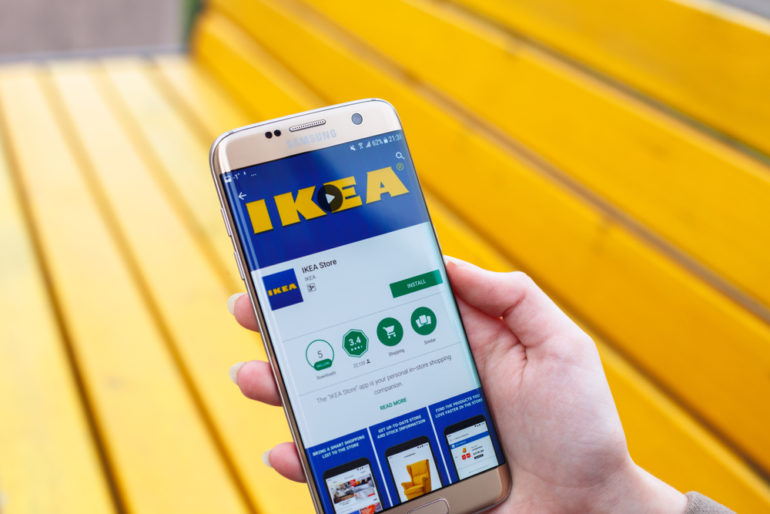
  • Ikea Fuels Indian Expansion with $2.2B Investment by 2030

    Ikea Fuels Indian Expansion with $2.2B Investment by 2030

    Swedish furniture giant, Ikea, anticipates a substantial increase in its investment in India, aiming to reach a total of US$2.2 billion by 2030 as part of its aggressive expansion strategy.

    Doubling Investments

    Patrik Antoni, the CEO of Ikea India, revealed that the company has already surpassed the initial commitment of $1.1 billion made in 2013 post the approval to establish single-brand retail outlets in India. He added, “We will likely double this investment in future. By 2030, we should have at least accomplished that.”

    The additional investment is set to be utilized to facilitate the expansion of Ikea’s physical store footprint and develop mixed-use retail centers. Further, it will support increased local sourcing, renewable energy ventures, and advanced technology capabilities.

    Future Expansion Plans

    The upcoming major projects include the inauguration of a large-format store in Noida next year, with another planned in Gurgaon for 2028. In tandem with its retail growth, Ikea also plans to enhance local manufacturing to bolster domestic sales and exports. Antoni concluded by stating, “We plan to produce more and also increase our exports. Thus, we hope to do a lot more.”

    Questions & Answers

    What is Ikea’s investment plan for India by 2030?
    Ikea plans to more than double its investment in India to reach US$2.2 billion by 2030.

    What will the additional investment be used for?
    The additional investment will be used to expand Ikea’s physical store network, develop mixed-use retail centers, increase local sourcing, fund renewable energy projects, and enhance technology capabilities.

    What are Ikea’s future expansion plans in India?
    The company plans to open a large-format store in Noida next year, followed by another in Gurgaon in 2028. It also plans to increase local manufacturing to support domestic sales and exports.

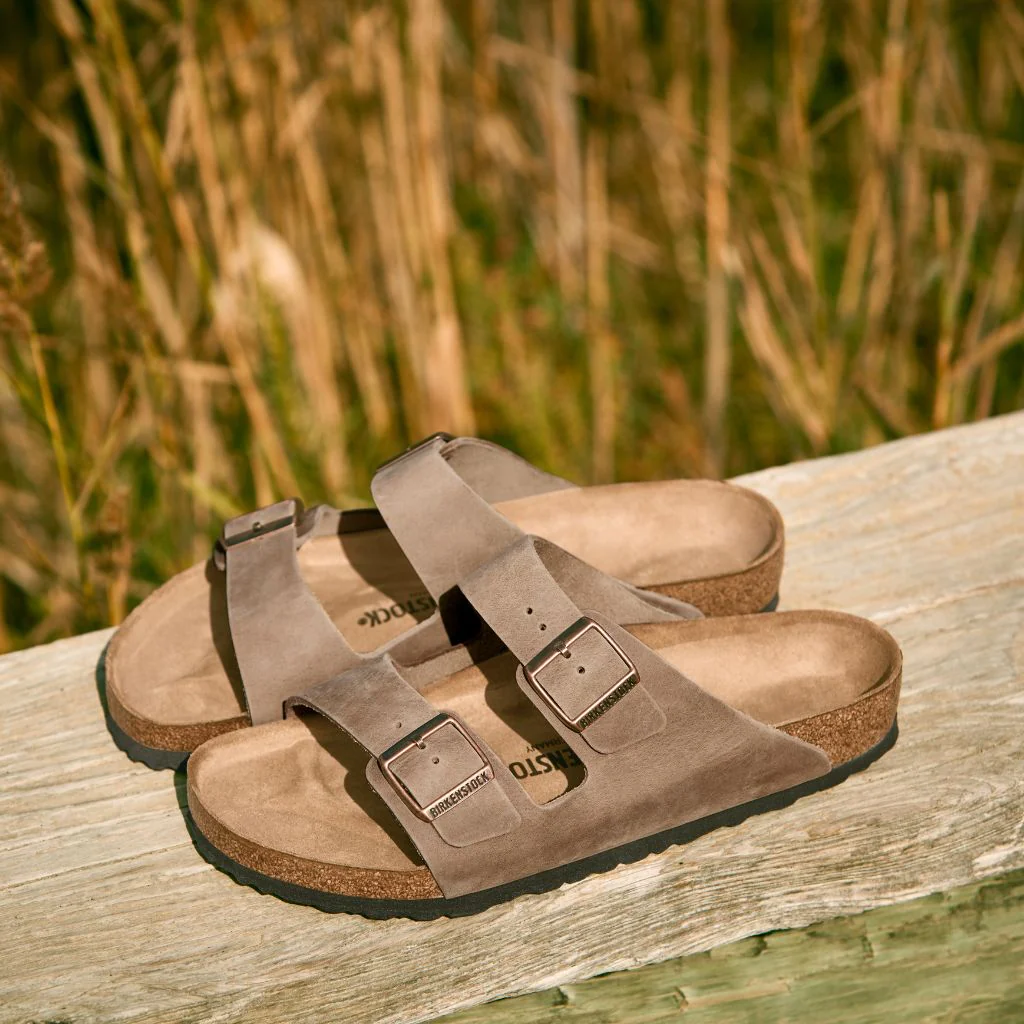
  • Birkenstock Takes a Giant Step: Unveils Biggest Indian Mall Store in Chennai, Expands Network to 63

    Birkenstock Takes a Giant Step: Unveils Biggest Indian Mall Store in Chennai, Expands Network to 63

    Birkenstock, a well-known German footwear brand, continues to broaden its reach in India with the opening of its largest in-mall store in Chennai. This latest endeavour elevates the brand’s presence in India to a whopping 63 stores, a remarkable leap since its first store opening in the country just six years ago.

    A Strategic Move

    While Birkenstock continues to operate its 1,600-square-foot flagship store in Mumbai, the opening of its third store in Chennai, the capital of Tamil Nadu, is of particular significance. Birkenstock recognizes Chennai as a crucial market within India, attributing this to a rapidly expanding base of high-end consumers with a strong preference for quality and comfort-oriented products.

    The new store features an impressive array of Birkenstock’s offerings, ranging from their iconic sandal and clog styles to contemporary closed shoe designs. In addition, customers can explore seasonal designs, accessories, and the brand’s essential care range.

    Global Expansion Efforts

    Birkenstock’s expansion isn’t limited to India; the brand recently celebrated the opening of its Japanese flagship store in Osaka in April. The company has expressed its active commitment to strengthening its direct-to-consumer store footprint globally.

    Questions & Answers

    What is the significance of Birkenstock opening its largest in-mall store in Chennai?
    This move reflects Birkenstock’s recognition of Chennai as a strategically important market within India due to its growing base of premium consumers and strong demand for quality, comfort-driven products.

    What can customers expect to find in Birkenstock’s new Chennai store?
    The store features a wide variety of Birkenstock’s products, including their iconic sandal and clog styles, contemporary closed shoes, seasonal designs, accessories, and the essential care range.

    Is Birkenstock’s expansion limited to India?
    No, Birkenstock is actively expanding its global footprint. Most recently, the brand opened a flagship store in Osaka, Japan.

  • Birkenstock Dominates Chennai with Largest Indian In-Mall Store, Upping National Footprint to 63 Stores

    Birkenstock Dominates Chennai with Largest Indian In-Mall Store, Upping National Footprint to 63 Stores

    Birkenstock, the esteemed German footwear brand, has recently launched its most sizeable in-mall shop in India, situated in Chennai. This new addition brings the total count of Birkenstock locations in the country to 63, showcasing the brand’s steadfast expansion throughout India.

    A Steady Expansion in India

    Birkenstock’s journey in India began six years ago and since then, the brand has significantly broadened its footprint in the country. Despite continuing to operate its 1,600 sq. ft flagship store in Mumbai, the brand has now established its third outlet in Chennai, the capital of Tamil Nadu.

    According to Birkenstock, Chennai is a crucial market for the brand, boasting a burgeoning base of high-end consumers who have a profound appreciation for products that deliver quality and comfort.

    More Than Just Sandals

    The Chennai store displays an array of Birkenstock’s globally recognized products. Not only does it feature the brand’s emblematic sandal and clog styles, but it also offers contemporary closed-toe shoes, seasonal designs, accessories, and the fundamental care essentials range.

    Earlier this year, Birkenstock also inaugurated a flagship store in Osaka, Japan. The footwear giant has been vocal about its active strategy to expand its direct-to-consumer store presence on a global scale.

    Questions & Answers

    What is Birkenstock’s most recent expansion move in India?
    Birkenstock has opened its largest in-mall store in Chennai, India, taking its total store count in the nation to 63.

    What does the new Chennai store offer to its customers?
    The store features Birkenstock’s iconic sandal and clog styles, contemporary closed shoes, seasonal styles, accessories, and the brand’s care essentials range.

    What is Birkenstock’s global expansion strategy?
    Birkenstock is actively expanding its direct-to-consumer store footprint globally, as evidenced by its recent store openings in India and Japan.

  • Trailblazing Beauty: How Diipa Büller-Khosla Propelled Indian Ayurvedic Brand Indē Wild into Sephoras Global Spotlight

    Trailblazing Beauty: How Diipa Büller-Khosla Propelled Indian Ayurvedic Brand Indē Wild into Sephoras Global Spotlight

    Brands like Ranavat, Fable & Mane, and Squigs Beauty are making their mark in the United States beauty industry, thanks to the rising interest in Ayurvedic-inspired beauty products. Ayurveda, an ancient Indian medical system commonly referred to as the “science of life,” offers a holistic perspective on physical, mental, and emotional well-being. It places a strong emphasis on employing natural ingredients, such as amla (Indian gooseberry) and turmeric, in the treatment of various ailments.

    A Journey Towards Ayurvedic Beauty

    Indian-born influencer Diipa Büller-Khosla shares her experience as the first Indian native brand to enter Sephora. Her mission is to increase the visibility and recognition of Ayurvedic beauty within the global industry.

    Before she launched Indē Wild, Büller-Khosla’s career journey was one that always pointed towards establishing a beauty brand. Raised in India, Ayurvedic rituals for mind, body, and soul were a regular part of her life. Her mother practiced both dermatology and Ayurveda, creating a home where scientific knowledge and traditional practices seamlessly coexisted. Büller-Khosla’s studies in international human rights in the Netherlands marked her first encounter with living between cultures. This experience made her realize the lack of representation of her cultural beauty practices in the global beauty industry.

    As she built her digital platform, Büller-Khosla saw an opportunity to influence and shape global beauty conversations. Her interactions with the beauty industry and her desire to share her culture and perspective on beauty eventually led her to establish Indē Wild.

    Building the Brand and Overcoming Challenges

    The inception of Indē Wild was a product of Büller-Khosla’s life experiences and her belief in the efficacy of the Ayurvedic rituals she grew up with, especially in haircare. When she observed a lack of modern and accessible representation of her world in global beauty, she decided to bring to the forefront something that she knew worked well and could resonate with others.

    One of the significant challenges in the initial stages of launching Indē Wild was the process of building a global brand from India. Büller-Khosla and her team had to navigate the different aspects of running a business, including formulation, supply chain management, and scaling the brand internationally, all in real time. Transitioning from being a digitally native brand to retail, particularly on a platform as large as Sephora US, also presented its own learning curve.

    Despite these challenges, the brand’s strategic approach to staying closely connected to their community and adapting swiftly to change proved beneficial. The brand’s development was seen as an evolving conversation rather than a fixed project.

    The brand’s launch at Sephora US has been a major highlight for Büller-Khosla. Witnessing the support of the community, with thousands braving the cold New York weather for the launch, was a testament to the brand’s success and its significant impact on the beauty industry.

    Community Engagement and Competitive Edge

    Büller-Khosla’s background as a social media influencer and content creator considerably influenced her brand-building approach. The direct engagement with the audience and the constant listening helped shape the brand’s product development. In today’s competitive beauty market, understanding the consumer deeply is a significant advantage. This understanding was facilitated by the continuous dialogue with the community throughout the brand’s development.

    Büller-Khosla also recognizes the advantage of having had exposure to the best talents in the beauty industry, from formulation to design, over the past decade.

    Questions & Answers

    What advice would you give to aspiring entrepreneurs?
    Always trust yourself. You do not need to have everything figured out before you start. Understand that learning comes from doing and that perfection should not hold you back from starting.

    Which is your favourite SKU from your brand?
    The Champi Hair Oil holds a special place in my heart. It has a personal connection for me, and it’s always heartwarming to hear stories from users who have rediscovered the champi ritual through this product.

    How important was your background as a social media influencer in building the brand?
    It had a significant impact. Being a content creator allowed me to have direct conversations with my audience, which greatly influenced how we developed our products. It has also made me acutely aware of authenticity and the importance of maintaining consumer trust.
  • Omani Luxury Perfumer, Amouage, Unveils First Indian Boutique at Mall of Asia, Bangalore

    Omani Luxury Perfumer, Amouage, Unveils First Indian Boutique at Mall of Asia, Bangalore

    Amouage, a renowned perfume retailer originating from Oman, has made its first foray into the Indian market with a boutique outlet in the Mall of Asia located in Bangalore.

    Amouage’s Global Presence

    Founded in 1983, Amouage has significantly expanded its global footprint, boasting 25 boutiques worldwide following its retail expansion in 2025. The illustrious brand was established by Prince Sayyid Hamad bin Hamoud Al Busaidi as per the request of the Sultan at the time.

    The Petite Boutique Concept

    The petite boutique concept adopted by the company serves as a tangible manifestation of the retailer’s homeland. The boutique’s aesthetics draw inspiration from the natural landscapes and architectural principles of Oman. Sandstone textures reminiscent of the desert terrain, fluted concrete resembling the flow of dunes, and polished travertine symbolizing the geometric discipline inherent in Omani design collectively compose the unique ambiance of the store.

    The boutique also proudly showcases the Amouage logo in the Kannada script, which is the primary language of Bangalore, boasting a rich literary history of over 1500 years.

    Amouage’s Petite Boutique Locations

    The opening of the Bangalore outlet marks the addition of the fourth petite boutique to the Amouage portfolio, joining existing locations in Kuala Lumpur, London, and Muscat. In order to facilitate the successful launch of the Bangalore site, Amouage collaborated with LuxAsia, a distribution platform.

    Questions & Answers

    When was Amouage founded and by whom?
    Amouage was founded in 1983 by Prince Sayyid Hamad bin Hamoud Al Busaidi at the Sultan’s behest.

    What is the significance of the ‘petite boutique’ format adopted by Amouage?
    The petite boutique format serves as a direct translation of Amouage’s home country, Oman. The design elements inside the store reflect different aspects of Omani culture and environment.

    What are the other locations of Amouage’s petite boutiques?
    Prior to the opening of the Bangalore outlet, Amouage’s petite boutiques were located in Kuala Lumpur, London, and Muscat.

  • Amazon Boosts Indian Market Presence: Cuts Reseller Referral Fees to Propel Small Business Growth

    Amazon Boosts Indian Market Presence: Cuts Reseller Referral Fees to Propel Small Business Growth

    In a bid to strengthen its foothold in India’s highly competitive e-commerce sector, Amazon recently announced that it will cease to charge sellers referral fees for products priced under 1,000 rupees, or US$10.98. This decision, revealed by the company on Monday, is part of an ongoing initiative to attract a broader range of merchants to its online marketplace.

    Enhancing the ‘Zero-Referral Fee’ Policy

    Amazon is building upon its ‘zero-referral fee’ policy that was introduced last year. Initially, this policy was applicable only to about 12 million products that were priced below 300 rupees. However, the implementation of this policy led to a remarkable 50% increase in the number of new sellers joining Amazon’s platform in India.

    A referral fee is essentially a commission that sellers have to pay to Amazon for each product sold through its platform. The newly extended policy, which came into effect on March 16, now applies to more than 125 million products.

    Along with this, Amazon has also announced a reduction in certain shipping charges, making it even more cost-effective for sellers to use their platform.

    Amit Nanda, the director of Selling Partner Services for Amazon India, stated that this move was aimed at “making selling on Amazon more lucrative and simpler, particularly for small businesses and entrepreneurs in tier-2 and tier-3 cities.”

    Amazon’s Crucial Market: India

    India has become an increasingly important market for Amazon due to its expanding base of internet users, which has significantly fueled e-commerce growth in the world’s most populous country.

    However, the e-commerce giant faces stiff competition not just from Walmart-backed Flipkart and the retail division of Mukesh Ambani’s Reliance Industries, but also from quick-commerce platforms such as Eternal’s Blinkit and Swiggy’s Instamart, which have been rapidly gaining market share.

    Amazon revealed plans in December to invest more than $35 billion in India by 2030. The investment will not only be used to expand its AI infrastructure, but also to enhance retail logistics and boost small-business growth.

    Questions & Answers

    What does Amazon’s new decision entail?
    Amazon has decided to stop charging sellers in India referral fees for products priced under 1,000 rupees. It has also reduced certain shipping charges.

    What is the goal behind Amazon’s decision?
    This decision is aimed at attracting more merchants to Amazon’s online marketplace in India, making the platform more lucrative and simpler, especially for small businesses and entrepreneurs in tier-2 and tier-3 cities.

    How does Amazon plan on investing in India’s e-commerce sector?
    Amazon has revealed plans to invest more than $35 billion in India by 2030. The funds will be used to expand its AI infrastructure, improve retail logistics, and boost the growth of small businesses.

  • L’Oréal Pledges $383M for Indian Beauty Tech Hub: A Leap into AI-Driven Innovation and Job Creation

    L’Oréal Pledges $383M for Indian Beauty Tech Hub: A Leap into AI-Driven Innovation and Job Creation

    L’Oréal, the French cosmetics powerhouse, announced on Wednesday plans to establish a beauty technology hub in Hyderabad, a major city in southern India, supported by an initial investment surpassing 35 billion rupees (approximately US$383.4 million).

    The planned tech hub is anticipated to serve as a global hotbed for AI‑driven beauty innovation. L’Oréal aims to generate 2000 tech employment opportunities by 2030 and expedite the deployment of advanced AI beauty solutions, according to a company statement.

    The agreement detailing this new venture was officially established at the World Economic Forum in Davos by Nicolas Hieronimus, L’Oréal’s CEO, and the state government of Telangana.

    Over recent years, Telangana has swiftly risen to prominence as a crucial investment and technological epicenter in southern India.

    Trade relations between India and France have been steadily strengthening, with bilateral trade reaching $15 billion in 2024. This warming relationship is further evidenced by ongoing discussions between Indian Prime Minister Narendra Modi and French President Emmanuel Macron.

    In addition, both nations have been cooperating since 2024 to revamp their tax treaty. The aim is to modernize the agreement by integrating global standards concerning tax transparency.

    Questions & Answers

    What is the purpose of L’Oréal’s planned tech hub in Hyderabad?
    The tech hub is intended to be a global platform for AI-driven beauty innovation. It is also expected to create 2000 tech jobs by 2030 and facilitate the introduction of advanced AI beauty solutions.

    Who formalized the agreement for this new project?
    The agreement was formalized by Nicolas Hieronimus, L’Oréal’s CEO, and the state government of Telangana at the World Economic Forum in Davos.

    What major economic changes are being pursued by India and France?
    India and France have been collaborating since 2024 to update their tax treaty. This revision aims to modernize the contract by incorporating global standards on tax transparency.

  • Emirates NBD To Acquire Majority Stake In Rbl Bank In Unprecedented $3 Billion Investment

    Emirates NBD To Acquire Majority Stake In Rbl Bank In Unprecedented $3 Billion Investment

    Dubai-based banking group, Emirates NBD, has revealed that it will acquire a majority share in an Indian bank. This move represents the most significant foreign investment in India’s financial sector to date.

    Emirates NBD has confirmed an arrangement to purchase a 60 percent stake in RBL Bank, based in Mumbai. The deal, worth approximately $3 billion, will be carried out through a preferential issue of shares. This acquisition will set a new record for foreign direct investment in India’s financial services industry.

    Emirates NBD has expressed that the acquisition demonstrates its confidence in the Indian economy and emphasizes the strategic significance of India within the India-Middle East-Europe Economic Corridor (IMEC).

    “This strategic partnership marries RBL Bank’s burgeoning domestic franchise with Emirates NBD’s regional reach and financial expertise, providing a unique platform for growth and innovation”, says Shayne Nelson, group CEO of ENBD. He further added that a more substantial presence in India via a well-established business such as RBL Bank will complement ENBD’s services to customers operating across the MENATSA region.

    Questions & Answers

    What percentage stake is Emirates NBD acquiring in RBL Bank?
    Emirates NBD is acquiring a 60 percent stake in RBL Bank.

    What is the approximate worth of the deal between Emirates NBD and RBL Bank?
    The deal is approximately worth $3 billion.

    How does the acquisition of RBL Bank benefit Emirates NBD?
    The acquisition not only allows Emirates NBD to increase its presence in India but also complements its services to customers across the MENATSA region. It also provides a unique platform for growth and innovation by combining RBL Bank’s domestic reach with Emirates NBD’s regional reach and financial expertise.

  • Cos makes Indian debut in New Delhi

    Cos makes Indian debut in New Delhi

    Cos, the fashion label under the H&M brand, has unveiled its first retail outlet in India, situated in the Select Citywalk Mall, New Delhi, marking its entrance into the burgeoning South Asian marketplace.

    Store Design and Sustainability Efforts

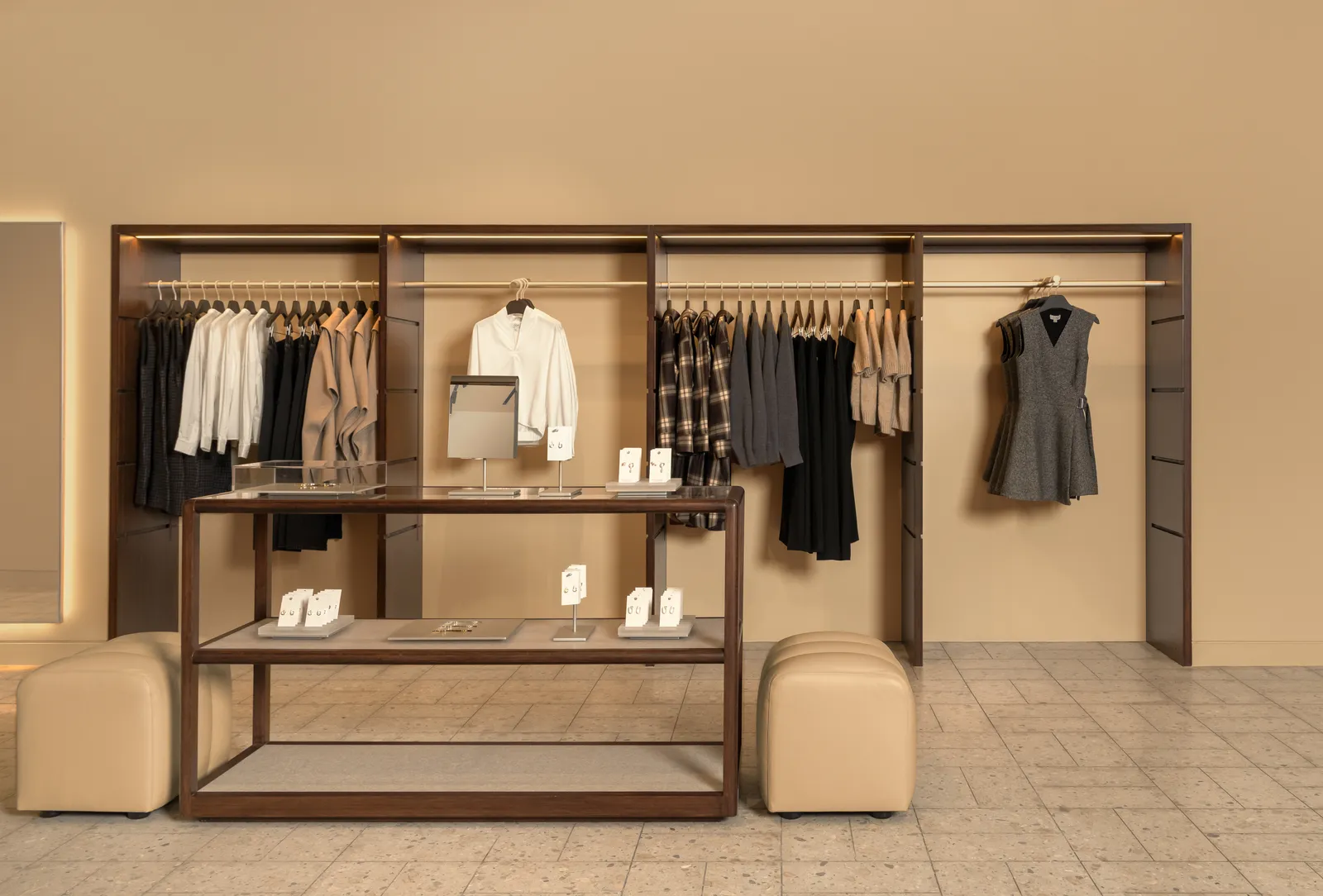
    Cos boasts a store aesthetic that was crafted completely in-house. It features a harmony of intricate architectural nuances and eco-friendly materials, resulting in a stylish, welcoming ambience. The exterior of the store is adorned with Armourcoat clay lime plaster, a material that according to the fashion brand, acquires a unique patina from its interaction with water minerals during its application.

    The store’s floors are fitted with terrazzo tiles from Grassi Pietre, which are made from 90% recycled material. These tiles are further enhanced with hand-tufted wool rugs by Kasthall.

    Interior Arrangements and Furniture

    The interior of the store presents ready-to-wear garments and accessories, showcased on aluminium railing systems and recycled shelving units from Smile Plastics. These displays are augmented by a sculptural table by Paper Factor that is constructed from recycled cellulose fibres and natural pigments.

    The store also features an array of specially curated furniture from esteemed international design houses. These pieces include the Scarpa 925 chair, crafted by Cassina and Karakter, the Offset coffee table by Resident, Bon Bon lamps designed by Helle Mardahl, and the iconic Pumpkin sofa, a creation of Pierre Paulin for Ligne Roset.

    New Collection Launch

    Coinciding with the store’s launch is the release of Cos’s Autumn/Winter 2025 collections for men and women. These collections showcase the brand’s distinctive minimalist tailoring and high-quality fabric use.

    Questions & Answers

    Where is Cos’s first store in India located?
    Cos’s first store in India is located in the Select Citywalk Mall in New Delhi.

    What materials have been used in the design of the store?
    The store design incorporates sustainable materials such as Armourcoat clay lime plaster, terrazzo tiles composed of 90% recycled material, and recycled shelving units. It also features a sculptural table made from recycled cellulose fibres and natural pigments.

    What collections has Cos launched with the store opening?
    Cos has launched its Autumn/Winter 2025 collections for men and women, featuring the brand’s signature minimalist tailoring and premium fabrics.

  • Lenskart Eyes Expansion With $247.6m IPO; Major Shareholders To Sell Off Shares

    Lenskart Eyes Expansion With $247.6m IPO; Major Shareholders To Sell Off Shares

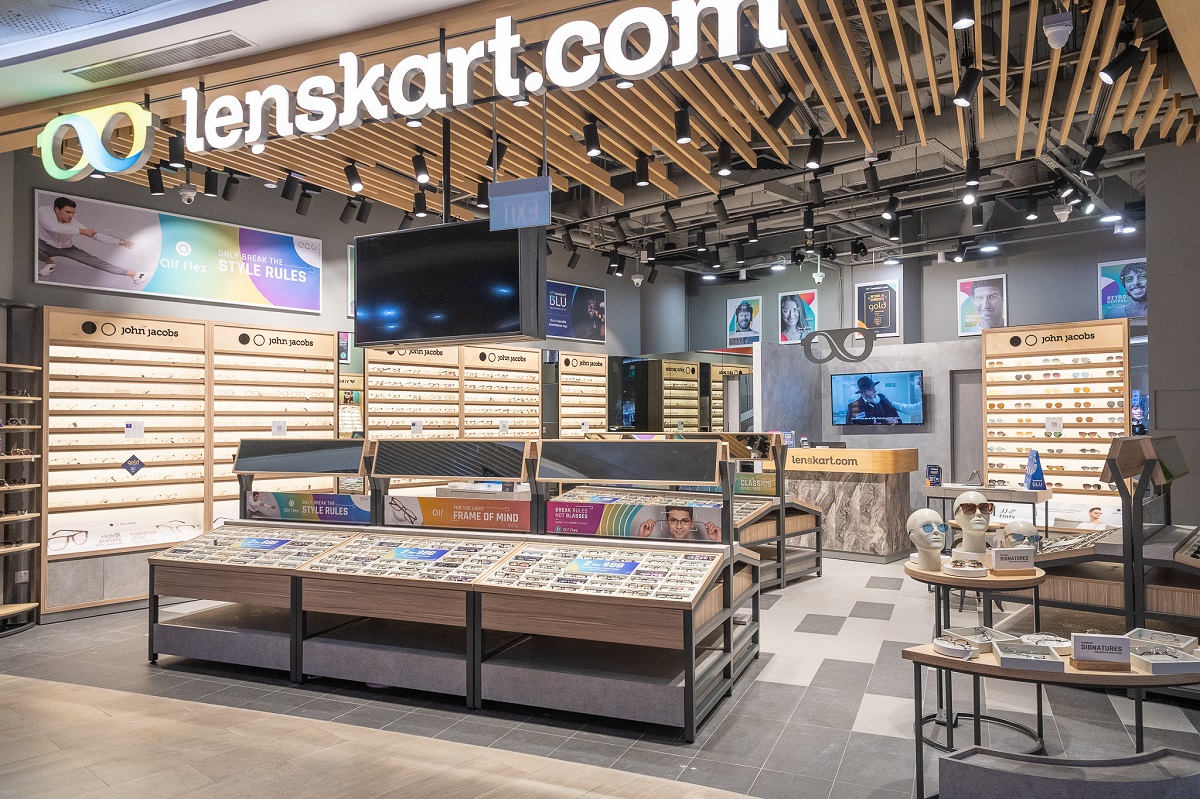
    India’s leading eyewear retailer, Lenskart, has recently submitted an application for an initial public offering (IPO), aiming to issue fresh shares valued at US$247.6 million as outlined in their draft prospectus.

    Major Shareholders Selling Shares

    The firm’s major shareholders, termed as ‘promoters’, will collectively sell off approximately 132.3 million shares. This group of promoters includes noteworthy investment firms such as Mumbai’s Kedaara Capital, Singapore’s state investment body Temasek, and SoftBank from Japan.

    Management of the IPO

    The IPO will be managed by a team of prominent financial firms. Among them are Morgan Stanley, Kotak Mahindra Capital, Axis Capital Holdings, and Citi.

    Allocation of Capital Raised

    As per the draft prospectus submitted to the Securities and Exchange Board of India (SEBI), the revenue generated from this new share issuance will be invested in establishing additional company-owned and operated stores nationwide.

    The funds from the IPO will also be allocated towards the enhancement of technology, the improvement of cloud infrastructure, and to cater for various other corporate purposes.

    Closer Look at Lenskart

    Established in 2010, Lenskart holds an impressive valuation of US$6.1 billion as of June 13. However, the company also carries a debt of US$57 million as of March 2024, as per the data provided by Tracxn.

    Questions & Answers

    What is the purpose of Lenskart’s IPO?
    Lenskart’s IPO is aimed at raising funds to invest in new company-owned and operated stores across India, as well as to enhance their technological capabilities and improve their cloud infrastructure.

    Who are the major shareholders, or ‘promoters’ of Lenskart?
    The major shareholders include Mumbai’s Kedaara Capital, Singapore’s state investment company Temasek, and Japan’s SoftBank.

    What is Lenskart’s current valuation and debt?
    Lenskart’s valuation stands at US$6.1 billion as of June 13. However, the company carries a debt amounting to US$57 million as of March 2024.

  • Indian Apple Reseller Ample Announces Ambitious Growth Plan, Aims For 35% Revenue Surge By 2026

    Indian Apple Reseller Ample Announces Ambitious Growth Plan, Aims For 35% Revenue Surge By 2026

    Ample, an Indian reseller of Apple products, has outlined ambitious growth plans aimed at achieving a 35 percent surge in revenue by the fiscal year 2026, according to the company’s Chief Executive Officer (CEO).

    Expanding Footprint and Brand Portfolio

    Based in Bengaluru, Ample supplies a variety of tech products, including Apple computers, to a large and diverse client base of over 1500 entities. Key clients include high-profile names such as SAP, Broadcom, Infosys, and Wipro. Currently, the firm operates more than 120 stores across India, with nearly 50 of these outlets dedicated to Apple products. Other brands, such as Under Armour and Asics, are also showcased in the company’s stores.

    CEO Rajesh Narang revealed plans to increase the company’s footprint to around 175 stores across various brands within the next three years. However, no specific target for the expansion of Apple-only stores was provided.

    Financial Performance and Growth Strategy

    As of the fiscal year that ended on March 31, Ample reported a revenue of 17 billion rupees (equivalent to US$197.33 million). Going forward, the company plans to focus on forging partnerships with global capability centers. These centers are operational hubs that manage various aspects such as operations, finance, and research for large multinational companies.

    Notably, Apple, which itself reported nearly $8 billion in sales in India for the year ending March 2024, operates its own stores in New Delhi and Mumbai. Despite this, Narang believes that Apple’s plans to further expand its presence in India will be beneficial for partners like Ample, as the market tends to expand in line with the brand’s presence.

    Future Plans and Investment Needs

    To fund its ambitious growth strategy, Ample plans to list on stock exchanges within the next five years. “Considering our growth ambition, there will be a requirement for capital,” Narang stated.

    Questions & Answers

    What is Ample’s future growth strategy?
    Ample plans to expand its store footprint to around 175 outlets across various brands within the next three years. The company also intends to forge partnerships with global capability centers to drive growth.

    How will Ample fund its growth plan?
    Ample plans to list on stock exchanges within the next five years to raise the necessary capital to fund its growth strategy.

    What is the anticipated impact of Apple’s expansion in India on Ample’s business?
    Ample’s CEO, Rajesh Narang, believes that Apple’s expansion in India will be beneficial for partners like Ample, as the market often grows in tandem with the brand’s presence.

  • Indian leggings brand Go Colors has international debut in Dubai

    Indian leggings brand Go Colors has international debut in Dubai

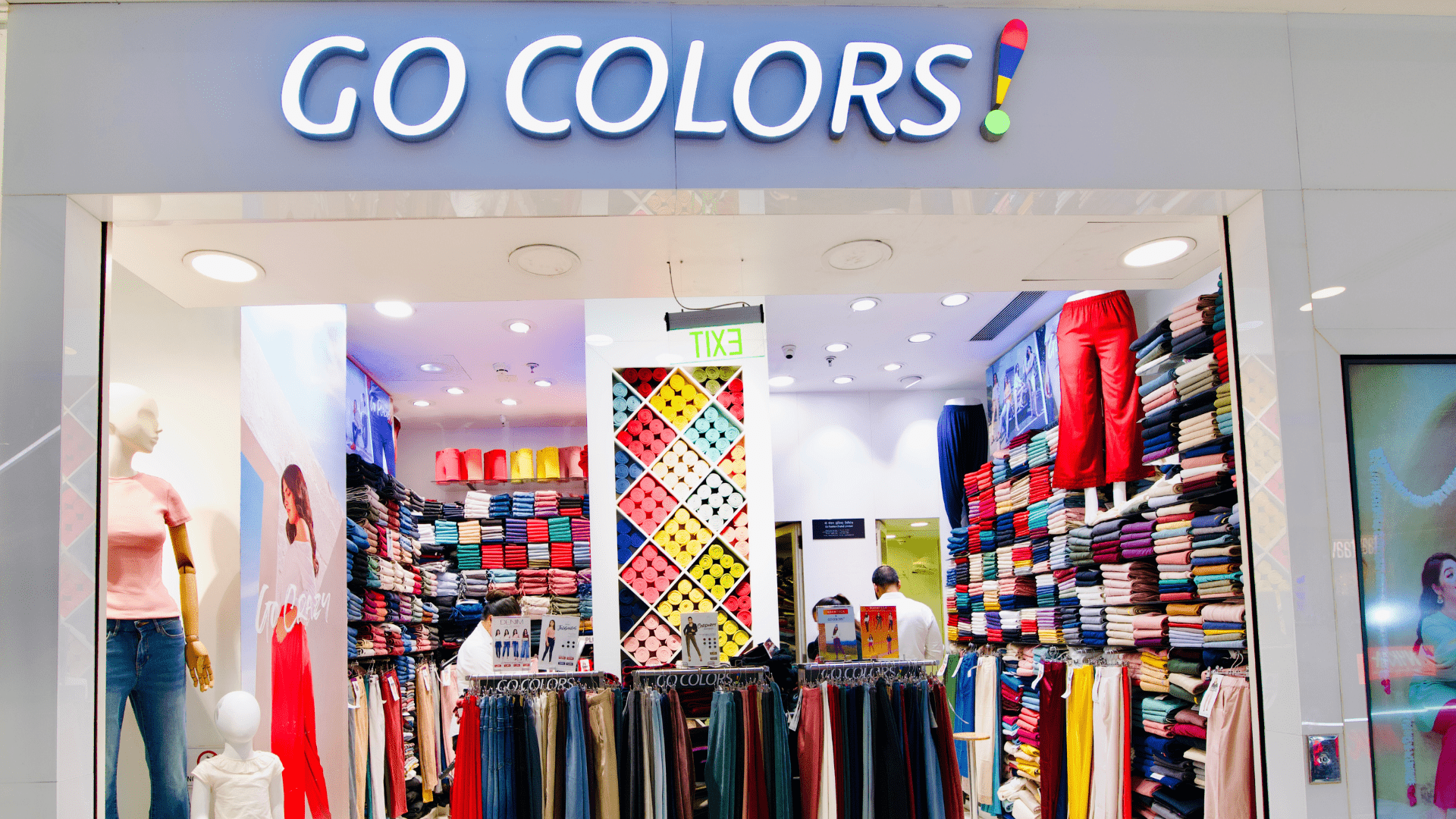
    Go Colors, a leading Indian retailer specializing in women’s pants and leggings, is set to launch its first overseas store in Dubai’s Silicon Central Mall.

    Partnership with Apparel Group

    Go Fashion India, the parent company of Go Colors, is collaborating with the UAE-based retail giant, Apparel Group, to bring its extensive collection of leggings, jeans, pants, joggers, and other women’s basic clothing items to the international market. The collaboration marks the brand’s first expansion outside of India.

    Gautam Saraogi, CEO of Go Fashion, expressed his excitement over the expansion, acknowledging the significant role of Apparel Group in this endeavor. “Collaborating with Apparel Group, with their extensive retail experience and strong presence in the region, makes them the ideal partner for this exciting milestone,” Saraogi stated.

    Store Design and Features

    The store’s design will incorporate vibrant, attention-grabbing displays with clear product categorization, which will enable customers to effortlessly navigate through seasonal collections, casual apparel, and accessories.

    Moreover, the store will leverage technology to enhance the shopping experience. Customers will have the ability to scan QR codes for easy access to product details and promotions, thereby bridging the gap between physical and digital retail experiences.

    Onwards and Upwards for Go Colors

    Back home in India, Go Colors boasts a robust network of over 750 exclusive brand outlets. This extensive presence not only testifies to the brand’s popularity but also lays a strong foundation for its international expansion.

    Questions & Answers

    What is Go Colors?
    Go Colors is a leading Indian retail brand specializing in women’s pants and leggings. It is owned by the parent company, Go Fashion India.

    Where is Go Colors opening its first international store?
    Go Colors is opening its first international store in Dubai’s Silicon Central Mall.

    Who is Go Colors partnering with for its international expansion?
    Go Colors has partnered with the UAE-based retail conglomerate, Apparel Group, for its international expansion.

  • Indian beef imports half local price

    Indian beef imports half local price

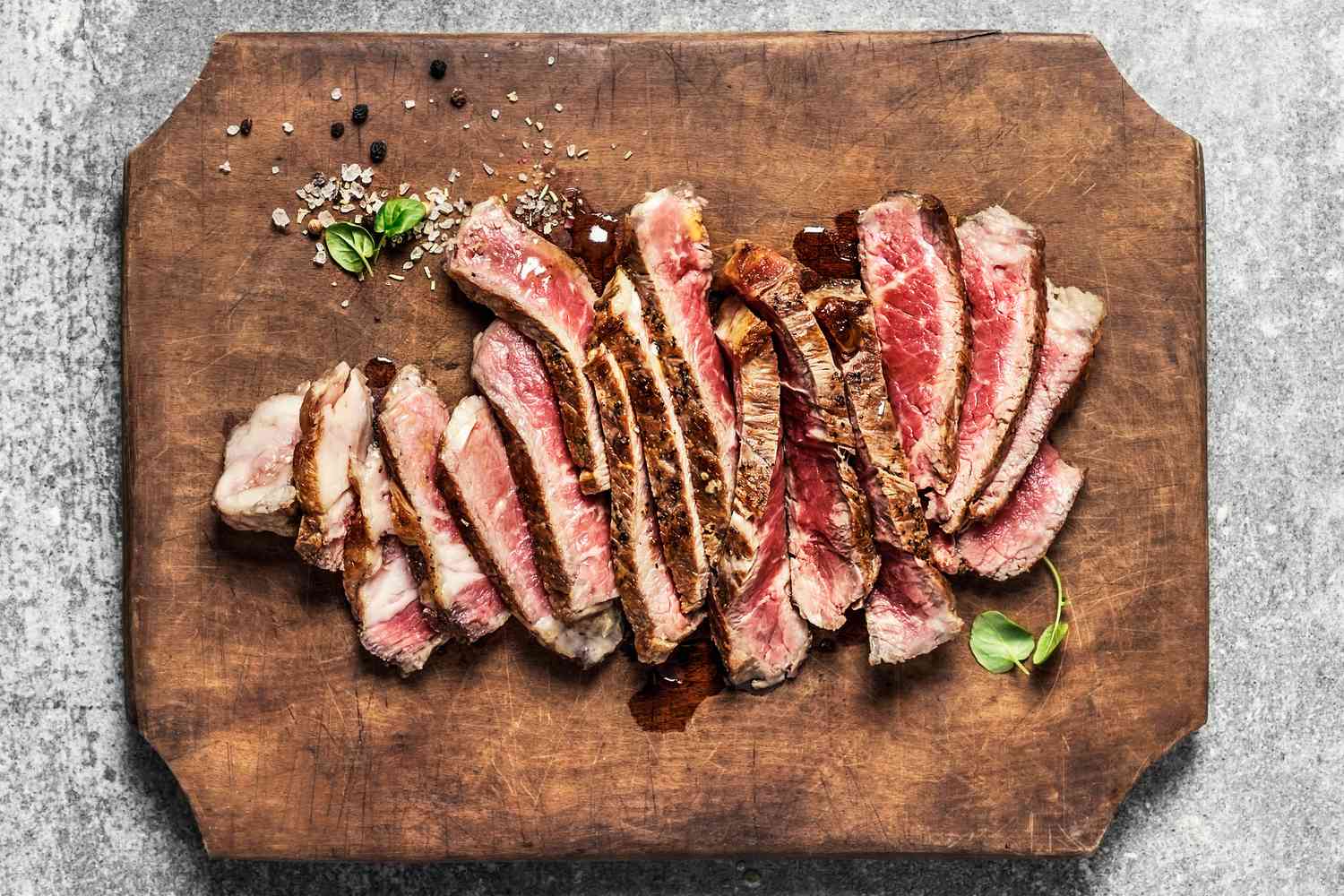
    Beef and buffalo meat imported from India are being sold for VND60,000-100,000 (US$2.47-4) per kilogram on some online marketplaces in Vietnam, half the price of local beef.

    According to data from the General Department of Vietnam Customs, Vietnam imports meat and meat products from 44 countries worldwide. In the first 10 months of 2023, it imported 127,000 tons of meat and meat products from India, making the country Vietnam’s biggest meat supplier with a 22.2% market share.

    In the same period, the average price of these imported products decreased 6.8% year-on-year, down to VND72,000 (US$3) per kilo.

    Oanh, who operates a meat import business in Ho Chi Minh City’s Tan Binh District, said beef imported from India had never been as cheap as it has been in previous years.

    Some online marketplaces sell Indian beef brisket for just VND63,000 a kilo, and topside for VND107,000-110,000 a kilo.

    In comparison, Vietnamese beef fillet is currently priced at VND250,000-280,000 per kilo, while American and Australian beef can fetch as much as VND350,000-450,000 a kilo, Oanh said.

    Toan, who runs a frozen meat importer in District 7, said this year, he imported all cuts of Indian beef and buffalo meat.

    These products are well-liked by meat processing facilities and restaurants due to their low prices and quality on par with beef from other countries, Toan said.

    “They were imported through official quotas and vacuum-packed before being shipped to Vietnam, so they meet all food safety regulations.”

    Cattle and buffaloes are raised on a large scale in India and the country accounts for 58-60% of the world’s cattle and buffalo population, yet consumption of beef and buffalo meat is very low in the country.

    Therefore, most of the beef produced in India is exported and the abundance of supply causes prices to plummet.

    Smuggling is also to blame, says the Animal Husbandry Association of Vietnam, an organization representing the livestock and veterinary industry.

    According to official statistics, there were131 cases of cattle and poultry smuggling in Vietnam over the first nine months of 2023, up 14.5 times from the previous year.

  • Malls in India seek government aid during shutdown

    Malls in India seek government aid during shutdown

    Malls in India affected by the coronavirus outbreak are seeking a bailout from the government to compensate for losses incurred during a mandatory shut down period through to March 31.

    The decision has affected both retailers and developers in the various states that have implemented the ban on trading during the affected period in a bid to slow the spread of the virus.

    “A shut down like this effectively means that there are all kinds of expenses to be borne by everybody; malls may not get rent and would not be able to service loans they have taken for creation of the mall, capital expenditure, etc,” said Retailers Association of India CEO Kumar Rajagopalan in a report. “It’s all going to be a big loss. The government needs to look into this and support these entities to save lakhs of jobs”.

    A representative body for malls in India is seeking a lending window, a moratorium on loan repayments or to allow banks to reschedule debt, as well as a potential waiver of property tax and electricity charges.

    Industry experts have expressed skepticism that footfalls will return to normal within the next few months no matter how brief the shutdown period may be, which is likely to impact rental negotiations for retailers, as well as the deferment of new mall openings.

    Observers of the situation have commented that any five-day halt to business will erase the month’s profits for retailers.

    “Mall operators stand to lose 20 to 25 percent of their annual revenue assuming that a rent-free period is given to retailers,” read an ICICI Securities report. “In our view, the most likely scenario is that mall operators and retailers may share the losses given that malls have now become a relationship-based business with the same retailer having presence across malls.”

  • Dosa Hut opens first Gold Coast Restaurant, Australia

    Dosa Hut opens first Gold Coast Restaurant, Australia

    Indian restaurant chain Dosa Hut has opened its first Gold Coast store at Crestwood Plaza in the central part of the region. The 165sqm store in Molendinar will offer both dine-in and takeaway options.

    The Melbourne-based chain, which already has restaurants across Victoria, New South Wales, and the Australian Capital Territory, said the Gold Coast store is the 20th location for the group.

    Tanaka Jabangwe, Knight Frank associate director of retail leasing, negotiated the five-year lease. He said Dosa Hut had been looking for the right opportunity to open a store in the growing Gold Coast region for some time before leasing the Crestwood Plaza space.

    “Dosa Hut was seeking a central location in a suburban catchment with ease of access to major road networks, and Crestwood Plaza fit the bill in every aspect,” Jabangwe said.

    “The convenience center is situated on Olsen Avenue, which is a very busy thoroughfare with plenty of traffic passing estimated at circa 57,000 cars daily, which offered great exposure for the restaurant.”

    A Dosa Hut spokesperson said the location offered a perceived geographical center to serve both the northern catchment and parts of southern Gold Coast with ease.

    “We are confident in our food and believe the Gold Coast will appreciate the quality, authentic Indian food we have on offer.”

    Crestwood Plaza convenience center fronts the Crestwood Heights residential estate is adjacent to Bunnings Warehouse and opposite Griffith University’s future development land.

    The center features over 190 car parks, a full line Supa IGA as an anchor tenant and 17 other specialty stores.