Retail News CRM

Tag: keep

  • Chagee Holdings Stands Firm On Premium Pricing Amid Falling Sales And Rising Competition

    Chagee Holdings Stands Firm On Premium Pricing Amid Falling Sales And Rising Competition

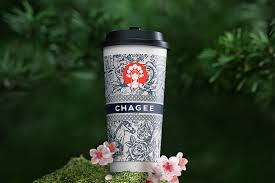
    Chinese beverage company Chagee Holdings is maintaining its focus on premium products, even in the face of falling sales and profits as customers turn to more affordable competitors. The company’s co-founder, Shang Xiangmin, stated in a recent interview, “We haven’t been fully engaged in the price wars. Price wars may be a way to compete but we want to stick to our long-term strategy to build a premium brand.”

    Unchanged Pricing Strategy Amidst Competition

    Despite the growing competition from domestic companies like Luckin Coffee and Mixue Group, who are offering subsidized, deeply discounted beverages, Chagee Holdings remains firm on its pricing strategy. These competitors have teamed up with China’s tech giants to sell drinks at a fraction of Chagee’s price.

    Chagee’s flagship store in Hong Kong is experimenting with a new selection of drinks made from premium Chinese tea leaves. These drinks are brewed in-store by specialists and are sold at prices that are on par with single-origin coffee sold at Starbucks Reserve outlets in the city, ranging from HKD40 to HKD50 (US$5.2-6.4).

    Second Quarter Sales and Future Outlook

    The company’s adherence to its pricing strategy has seen second-quarter sales growth slow to 10%, down from 35% in the previous period. Adjusted operating income has also dropped by 10%, compared to the double-digit increases seen in the first quarter. This weak performance has wiped out nearly a quarter of its market value. Despite this, the company remains optimistic and is not deterred by the decrease in competitiveness. Chagee has decided to follow a development path similar to that of American coffee giant, Starbucks.

    “We’ve always wanted to go down the same path to take tea further,” said Shang, comparing Chagee’s ambitions to those of Starbucks.

    Expansion Plans

    Chagee opened its first U.S. store in Los Angeles in May, following its debut on the Nasdaq. The company operates more than 200 international outlets as part of its network of over 7,000 stores. It reported a 70% jump in overseas sales in the second quarter, with Southeast Asia being a key target for expansion.

    Questions & Answers

    What is Chagee Holdings’ strategy in the face of competition?
    Despite falling sales and profits, Chagee Holdings is maintaining its focus on premium products and has not engaged in price wars with its competitors.

    What are some of the offerings at Chagee’s flagship store in Hong Kong?
    The flagship store in Hong Kong offers drinks made from premium Chinese tea leaves, brewed in-store by specialists, and priced similarly to single-origin coffee at Starbucks Reserve outlets.

    What are Chagee’s future plans for expansion?
    Chagee plans to follow a development path similar to that of Starbucks. The company recently opened its first U.S. store in Los Angeles and is targeting Southeast Asia for further expansion.

  • Premier Investments Eyes Health And Beauty Sector Amid Retail Shift: Challenges And Strategies Unveiled

    Premier Investments Eyes Health And Beauty Sector Amid Retail Shift: Challenges And Strategies Unveiled

    In the wake of Premier Investment’s FY25 results, Chairman Solomon Lew highlighted the company’s robust balance sheet and hinted at impending merger and acquisition ventures. Despite navigating decades of fluctuating retail cycles under Lew’s guidance, Premier continues to see itself as a potential buyer in a market where others are struggling. The challenge lies in leveraging their financial power to diversify into new categories during a time of significant change in the retail sector.

    Prospects in Health and Beauty

    Lew has previously expressed interest in expanding into the health, beauty, and cosmetics sector, given its resilience through economic cycles and the sector’s strong emphasis on branding. However, this sector is highly competitive, with global giants such as L’Oreal and Estee Lauder dominating the market. Companies looking to compete in this space must be prepared to either purchase established equity or heavily invest in marketing and product development.

    According to retail consultant Danny Lattouf, the health and beauty sector is particularly attractive to investors due to its high profit margins, frequent purchase cycles, and emotional appeal. However, he cautions that Premier’s success would hinge on identifying a unique brand with potential for growth, rather than becoming just another competitor in an already saturated market.

    A Tale of Contrasting Fortunes

    Premier’s primary brands – Smiggle and Peter Alexander – are experiencing markedly different trajectories. Smiggle, once a global growth story, is now under pressure due to leadership instability and an ongoing investigation into workplace misconduct. This has resulted in a 22.5% decline in group profit to $144 million in FY25. On the other hand, Peter Alexander saw sales increase by 7.7% to $548 million in FY25 due in part to its broad appeal across demographics and strong giftability.

    Legacy and Leadership

    Few individuals have had as significant an impact on Australian retail as Solomon Lew. He is known for his resilience, adaptability, and ability to navigate changes in the retail landscape. However, Lew’s leadership style and legacy of opportunistic deals may also pose challenges, particularly for brands in need of reinvention, not just resilience.

    Lew’s fiscal conservativism, illustrated by his aversion to debt, has safeguarded the company during economic downturns. However, as he prepares to join the Myer board as a non-executive director, it remains to be seen how his leadership style will continue to shape Premier’s direction and influence broader department store strategies.

    The Future of Premier in Retail Landscape

    As Premier evolves, it faces the question of whether it remains a leader in Australian retail or has become a niche portfolio business. Premier’s cash reserves and agility set it apart from many of its listed peers, but the company also risks over-reliance on a few brands.

    The future of Premier may be characterized by expansion into new categories, possibly the beauty sector. However, such a pivot would require a balancing act of financial discipline and creative brand building.

    Questions & Answers

    What challenges does Premier Investments face in diversifying into new categories like health and beauty?
    Ans: The health and beauty sector is highly competitive, dominated by global brands and fast-growing disruptors. Therefore, Premier would need to identify a unique brand with growth potential or be prepared to heavily invest in marketing and product development.

    How are Premier’s primary brands, Smiggle and Peter Alexander, performing?
    Ans: Smiggle is facing challenges due to leadership instability and an ongoing investigation into workplace misconduct, resulting in a decline in group profit. Conversely, Peter Alexander is experiencing growth, with a 7.7% increase in sales in FY25.

    What potential risks does Solomon Lew’s leadership style pose for Premier?
    Ans: Lew’s legacy of opportunistic deals and his preference for control could pose challenges for brands that need reinvention rather than just resilience. His aversion to debt, while offering protection in downturns, may also limit the company’s ability to seize new opportunities.

  • Beyond The Cup: Matcha’s Rising Popularity Influences Fashion, Beauty, And Wellness Trends

    Beyond The Cup: Matcha’s Rising Popularity Influences Fashion, Beauty, And Wellness Trends

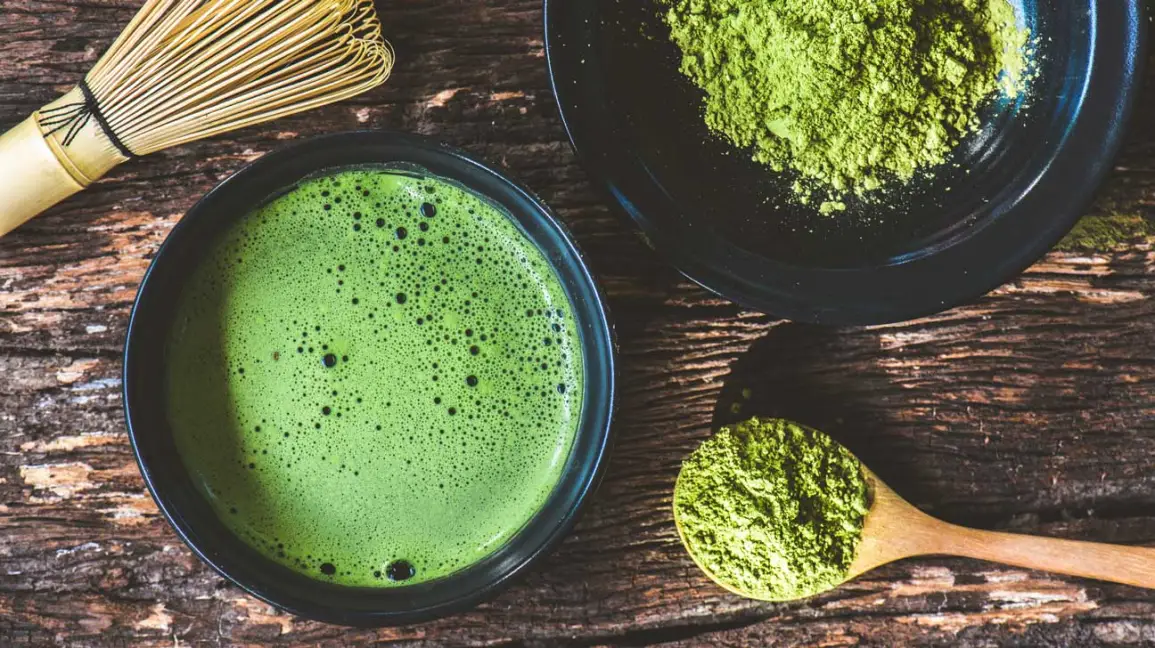
    Matcha, previously a specialty tea in Japan, has gained considerable international popularity. This trend is especially noticeable among the younger demographic that values both taste and health benefits. The green tea powder has permeated various sectors beyond food and drinks, including the fashion and beauty industries, transforming it into a cultural and commercial sensation.

    Matcha in Food and Drinks

    In South Korea, convenience store chain CU has shared plans to enlarge its product range to include matcha-flavored cakes, and even a sparkling matcha variant of makgeolli, a traditional rice wine. This comes in light of a 130% year-on-year sales increase for their green-colored products. In addition, the Seven-Eleven convenience store chain has reported that their matcha dessert sales have nearly tripled within the last month. Another chain, GS25, has collaborated with renowned chef Edward Lee for a limited-edition matcha makgeolli. Even beauty company Amorepacific’s tea brand Osulloc has joined the trend, opening a “Matcha Noodle Bar” in Jeju, where they serve noodles made from tea leaves grown in their own estates.

    Matcha Influence on Fashion and Beauty

    The matcha trend is not limited to edibles. Retail company LF revealed there’s a rising trend in “matcha-core” looks, characterized by green, khaki, and mint hues. Searches for these colors have surged 2.5 times compared to the previous year. Sales of mint-colored sandals and accessories have also seen a steep climb. The beauty industry has followed suit, releasing matcha-inspired perfumes, candles, and skincare products, and the hashtag #matcha has accumulated over 9 million posts on Instagram.

    The Healthful Alternative

    Experts attribute the surge in matcha’s popularity to the shift towards wellness and health consciousness. The green tea powder, rich in antioxidants and amino acids, is often marketed as a healthier alternative to coffee. Grand View Research predicts that the global matcha market will rise from US$4.3 billion in 2023 to $7.4 billion in 2030, while DataM Intelligence anticipates more than a twofold increase by 2032.

    Supply Challenges

    The demand for matcha, however, is beginning to outstrip supply. The majority of matcha production is still centralized in Japan and China, where tea plants require at least five years to mature. In Kyoto, one of the premium matcha growing regions, rising temperatures combined with an aging farmer workforce have further reduced yields, causing the price of tea leaves to more than double within the past year. Anna Poin from the Global Japanese Tea Association cautions that shortages will likely continue to worsen until the end of the year.

    Despite these issues and the fact that matcha’s caffeine content is comparable to an espresso shot, industry experts believe that the matcha trend is here to stay. As one food executive from Seoul put it, “It’s more than a drink. It’s become a lifestyle.”

    Questions & Answers

    What is causing the increased popularity of matcha?
    The surge in matcha popularity is largely attributed to the shift toward wellness and health consciousness. Matcha, rich in antioxidants and amino acids, is marketed as a healthier alternative to coffee.

    Is matcha only used in food and beverage products?
    No, the influence of matcha extends beyond edibles. The green, khaki, and mint hues associated with matcha have become trendy in the fashion industry. The beauty industry has also released matcha-inspired perfumes, candles, and skincare products.

    What challenges is the matcha industry currently facing?
    The matcha industry is currently dealing with supply challenges. Tea plants require a minimum of five years to mature, and the majority of matcha production is concentrated in Japan and China. Rising temperatures and an aging farm workforce have further reduced yields, particularly in Kyoto, a premium matcha growing region.

  • Inbox gets its official shutdown date and Google lies

    Inbox gets its official shutdown date and Google lies

    Google let Inbox users know quite a while ago that it would be shutting down the app in March 2019 and Google has continually promised that users’ favorite Inbox features would be integrated into Gmail before anyone was forced to leave Inbox. Now, Google has put a specific date on the Inbox shutdown despite that promise not having been kept.

    Inbox users have been getting a pop-up notification for a while reminding them that the app is going away and urging users to try out Gmail, but in the past day, that notification has gotten more specific. Now, the notification gives a more accurate timeline with the number of days left before Inbox is shut down and the countdown points to April 1st. Unfortunately, right after that Google straight up lies to Inbox users by claiming that “You can find your favorite Inbox features in the Gmail app.”

    As an avid Inbox user since the app launched, I can say unequivocally that is a lie. Gmail has gotten options to snooze emails, which is probably someone’s favorite Inbox feature, but that’s about it. Gmail still doesn’t have all of Inbox’s bundles (like Trips), it doesn’t highlight actionable items inline (like attachments, places, etc), it doesn’t have an option to save links to Inbox (instead it added Keep and Tasks to Gmail’s sidebar, which isn’t the same, it doesn’t have an option to quickly archive all items in a group (be it a bundle or a group of messages from a specific day), and Gmail also doesn’t have Inbox’s option to pin messages or notes.

    Maybe Google will surprise us and add all of those features in the next two weeks, but given how slowly features from Inbox have been added to Gmail, it seems pretty unlikely. In the meantime, users are being forced to leave Inbox and unless Google surprises us all with a major upgrade to Gmail, it seems poised to have lied about what Inbox users can expect when migrating to Gmail.