Retail News CRM

Tag: Kiwi

  • New Zealand’s RubyRed Kiwifruit Takes Vietnam by Storm: Limited Edition, Natural Sweetness at a Premium Price

    New Zealand’s RubyRed Kiwifruit Takes Vietnam by Storm: Limited Edition, Natural Sweetness at a Premium Price

    New Zealand’s ruby-red kiwifruit has made its debut in Vietnam through formal imports, attracting high demand despite its price tag of approximately VND350,000 (US$13.29) per kilogram, which is 20% higher than the cost of gold kiwifruit. Retailers have been selling this vibrant fruit for the past fortnight, with its bold color, unique taste, and edible skin contributing to its popularity.

    Consumer Response

    Local consumers, accustomed to green or yellow kiwifruit, have expressed pleasant surprise at the fruit’s red flesh. A Ho Chi Minh City (HCMC) resident, Hoa, spent VND700,000 on two boxes of the fruit, citing its sweeter and more intense taste compared to other varieties.

    Formal imports involve the shipment of goods in large quantities, subject to strict customs regulations and inspections. Another HCMC inhabitant, Lan Anh, noted that in previous years, some vendors would sporadically hand-carry the fruit into the country, selling it for approximately VND500,000. However, with the initiation of formal, large-scale imports, the fruit’s price has dropped by around 30%.

    The RubyRed Kiwifruit

    The RubyRed kiwifruit, developed by Zespri, the world’s leading kiwifruit producer, through a natural breeding program in New Zealand, is described as boasting a rich sweetness and a striking red hue, a result of anthocyanins. These antioxidant compounds are frequently found in berries. However, the supply of this variety is limited, due to a short growing season spanning only 6-8 weeks, and it yields less fruit than the gold and green variants.

    Vo Thanh Loc, the co-founder of the retail chain Farmers’ Market, revealed that Zespri’s first RubyRed kiwifruit shipment arrived in Vietnam earlier this month. The fruit has quickly become the chain’s top-selling kiwifruit variety.

    Lu Minh Quang, import director of fruit distributor Biovegi Vietnam, disclosed that the company has ordered its first shipment of approximately 80 tons for distribution in Hanoi and HCMC. Quang added that sellers are still gauging the market’s response to the fruit.

    Questions & Answers

    What sets the RubyRed kiwifruit apart from other varieties?
    The distinct red flesh, sweeter taste, and rich antioxidants make the RubyRed kiwifruit stand out from other green or yellow variants.

    What challenges are associated with the supply of the RubyRed kiwifruit?
    The fruit’s short growing season and lower yield compared to other kiwifruit varieties limit its supply.

    What impact has the formal importation of the RubyRed kiwifruit had on its pricing?
    With the initiation of large-scale, formal imports, the price of the RubyRed kiwifruit has decreased by approximately 30% compared to when it was sporadically hand-carried into the country.

  • Revolutionizing the Beverage Industry: Kiwi Startup’s Innovative Tablet Drink Seeks to Curb Plastic Waste

    Revolutionizing the Beverage Industry: Kiwi Startup’s Innovative Tablet Drink Seeks to Curb Plastic Waste

    A New Zealand-based startup, Incrediballs, is set to introduce a tablet-based beverage product, with the aim of minimizing plastic usage in the beverage industry. The product represents the commercial exploitation of a research endeavor that spanned seven years.

    Incrediball’s Innovative Concept

    Incrediballs specializes in the production of non-plastic effervescent drink tablets. The development of these tablets was spearheaded by Brianne West, founder and ex-CEO of Ethique, a personal care company. West’s departure from Ethique saw her utilizing a co-crystal stabilization method, a technology birthed at the University of Bradford, UK.

    The conventional effervescent tablets are inherently unstable, necessitating the use of plastic or metal packaging for protection against moisture and air, West explained. On a commercial scale, stabilizing these tablets is a challenge that even pharmaceutical companies grapple with.

    “The chemistry may seem straightforward but controlling it is no easy feat,” she said. “Our patented system encapsulates active ingredients such as citric acid and sodium bicarbonate with compounds like nicotinamide and creatine. This prevents the reaction from taking place until the tablet is completely immersed in water.”

    Upon dissolution, each tablet generates a 350ml beverage with no added sugar. By eliminating the need for bottled drinks, this format presents an alternative within the global soft drink market. The market, estimated to be worth $1.42 trillion, is responsible for generating around 583 billion single-use plastic bottles annually, with only about 10% of these bottles being recovered by recycling systems.

    An Eco-friendly Alternative to Bottled Drinks

    West, referring to data from the United Nations, stated that manufacturers are capable of producing approximately 20,000 PET bottles every second. Furthermore, single-use drink containers account for roughly 45% of litter in urban areas.

    Incrediballs’ tablets are packaged in a paper-based material that is certified for home composting and devoid of plastic laminates. The packaging can be composted or recycled. The company uses water-based inks and is exploring options for algae-derived alternatives.

    The development of Incrediballs incorporated feedback from over 15,000 subscribers and social media followers who participated in product testing. The company plans to extend their product line to include functional beverage formats that utilize ingredients sourced from New Zealand such as manuka, kawakawa, and kiwifruit extracts.

    Revolutionizing the Beverage Industry

    Incrediballs’ goal is to revolutionize the drink manufacturing, transportation, and sales sectors. However, the company’s focus is not merely to position its product as an environmental alternative. It has set ambitious targets to prevent the production of 50 million plastic bottles by 2030 and 300 million by 2050.

    From a logistical standpoint, the non-liquid, non-plastic format of the product decreases transport volume by over 99%, enabling higher product density per shipment. According to West, this shift has the potential to transform export economics by reducing logistics costs.

    In terms of financial aspirations, the company aims for a revenue of $1 million by the 2027 fiscal year, with long-term plans to establish an export business boasting an annual turnover of $1 billion.

    The initial four flavors of the product will be available for online orders beginning February 16. The company has already garnered interest from supermarkets and FMCG retailers in Australia and New Zealand.

    At first, the company’s focus will be on direct-to-consumer sales to establish brand positioning and gain customer insights. They also plan on partnering with select independent retailers for trial runs. Feedback from these early stages will be used to fine-tune aspects such as flavor, packaging, and usage prior to wider FMCG and export distribution.

    “We’re not aiming to be a niche or a travel product,” West said. “We want our presence felt on every beverage aisle.”

    Questions & Answers

    What is Incrediballs?
    Incrediballs is a New Zealand-based startup that specializes in the production of non-plastic effervescent drink tablets aimed at reducing plastic waste in the beverage industry.

    How does the Incrediballs tablet work?
    The Incrediballs tablet, when fully immersed in water, dissolves to produce a 350ml beverage. This eliminates the need for single-use plastic bottles.

    What are Incrediballs’ future plans?
    Apart from aiming to prevent the production of 50 million plastic bottles by 2030, Incrediballs also plans on extending their product line to functional beverage formats using locally sourced ingredients. The company aims to establish a strong brand presence in all beverage aisles, not just as a niche or travel product.

  • Chinese kiwi prices in Vietnam start at $0.8/kg

    Chinese kiwi prices in Vietnam start at $0.8/kg

    Chinese green kiwi is being sold at VND20,000 (US$0.79) per kilogram onwards by wholesalers in Vietnam, a third of the prices of imports from Australia and New Zealand.

    Australian and New Zealand wholesale prices start at VND60,000 and go up to VND120,000. But the VND20,000 price is unusually low for a fruit considered an upmarket item in Vietnam.

    Thanh Hoa, a fruit wholesaler in HCMC, said these are the lowest prices in years. “I import thousands of boxes at a time to get the best prices.”

    Retailers are selling the fruit at VND50,000-80,000 per kilogram. In China, green kiwi is primarily grown in provinces with a temperate climate such as Sichuan, Shaanxi and Henan.

    Thanks to advanced breeding technologies and large scale of production, China is able to produce large quantities of the fruit and maintain low prices.

    Vietnamese importers say Chinese kiwi is able to enter Vietnam at current rates because logistic costs have been optimized.

    Dang Phuc Nguyen, general secretary of the Vietnam Fruits & Vegetables Association, said China has acquired kiwi varieties from other countries and breeds them with low labor costs.

    Vietnam’s imports of Chinese agriculture produce in the first 10 months were worth $800 million, a 24% increase year-on-year, according to the customs department. The main fruits it imported were apple, grape, persimmon, and kiwi.

  • Kiwi mixer brand East Imperial lists on London exchange

    Kiwi mixer brand East Imperial lists on London exchange

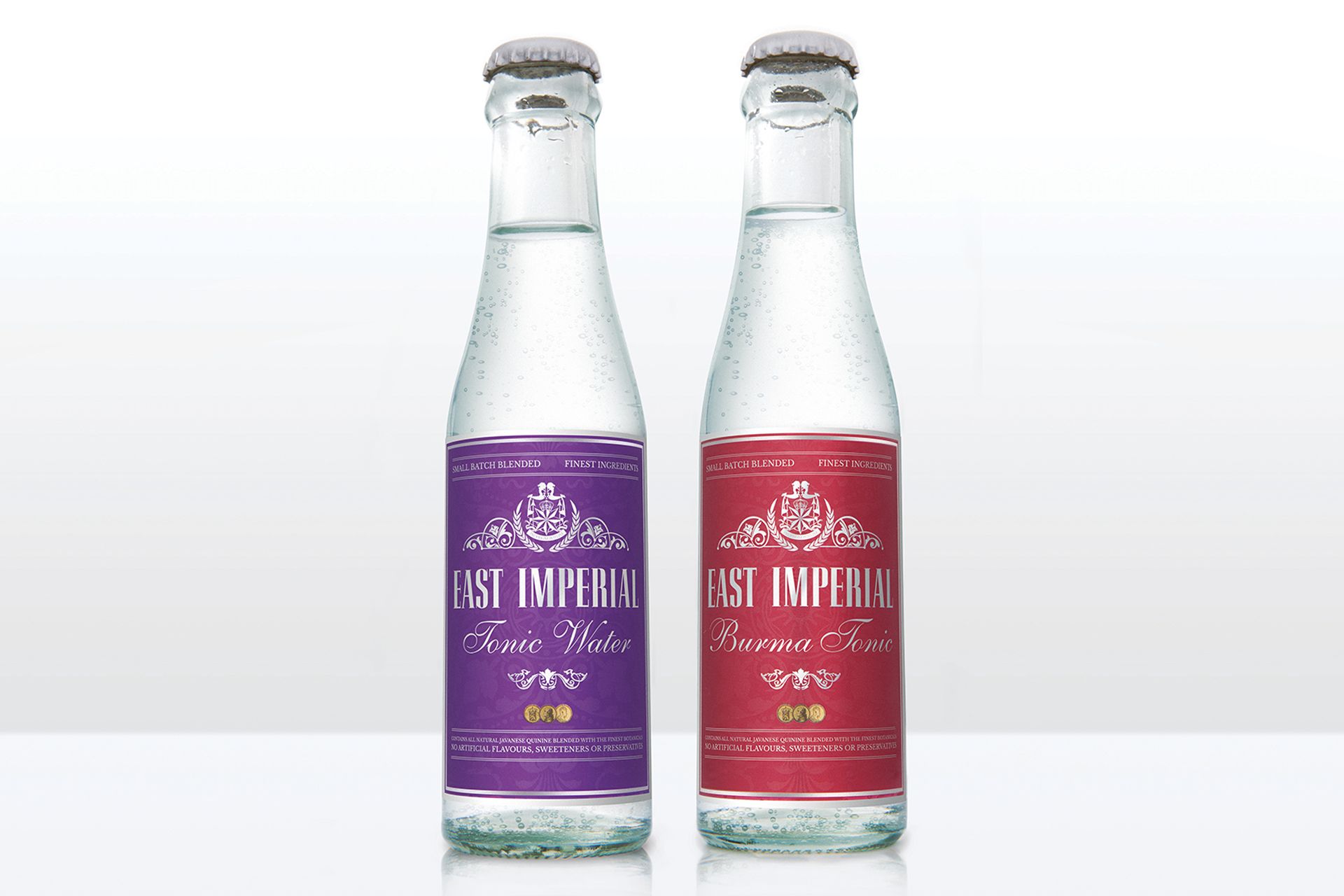
    New Zealand mixer brand East Imperial Company has listed on the London Stock Exchange in a reverse takeover valuing the company at NZ$59.1 million.

    Founder and CEO Tony Burt said the listing marks a significant milestone as the premium mixer brand is set to become one of the global leaders in the mixer category.

    “The team has done an incredible job, and the support we’ve had from all New Zealanders over the past five years or so has laid the foundation for the next chapter in our story. We’re all tremendously proud and excited to be waving the New Zealand flag on the global stage,” said Burt.

    The mixer brand also raised an additional $5.91 million in new funds by placing 30 million shares at 10p each.

    The new funding, said the company, will be used for expansion plans – including building sales teams in the US and China, product development, and maintaining partnerships with liquor brands.

  • Arnott’s buys Kiwi biscuit maker 180 Degrees

    Arnott’s buys Kiwi biscuit maker 180 Degrees

    Arnott’s has bought New Zealand artisan biscuit maker 180 Degrees to add to its stable of sweet and savory crackers.

    The FMCG company bought the business from private equity investor KKR, for an undisclosed sum.

    Founded in 2001 by Frank Lawton, his partner Jill Seton, and Nigel Cranston, 180 Degrees has steadily built a distribution network across New Zealand and into Australia, where its products are stocked by Coles.

    Seton told the National Business Review the business was founded on passion and grew into a premium business. She said Arnott’s shared the founders’ appreciation for legacy and would continue to build the brand.

    Seton and Lawton describe themselves as “massive foodies” who used to travel the world as a butler and chef duo.

    “After years of experiencing the best of international food we settled back into New Zealand life,” she explains on the company’s website. “Our passion for entertainment and good food inspired us to make a beautiful selection of crackers and biscuits to be enjoyed on all social occasions.”

  • Countdown stores more accessible for New Zealanders

    Countdown stores more accessible for New Zealanders

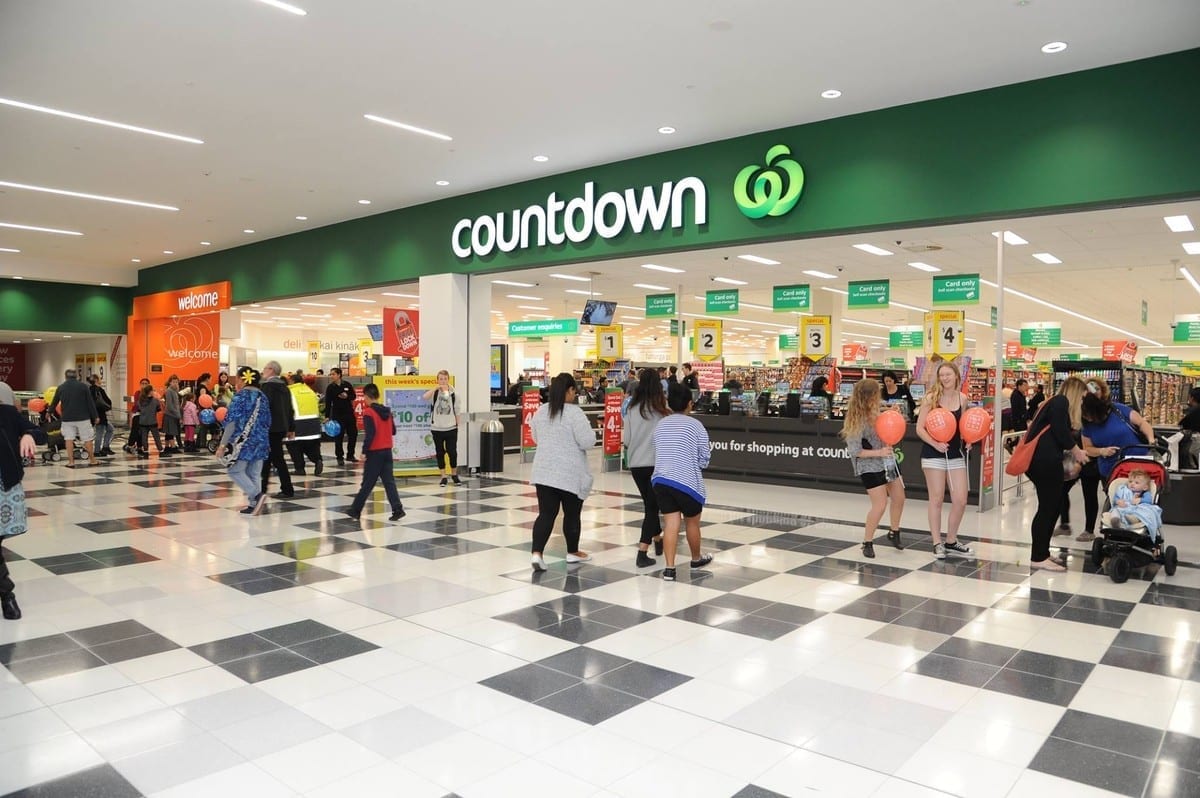
    Countdown is taking steps to make the supermarket chain more accessible to people with different needs, opening the doors to the country’s first accredited ‘Be. Accessible’ supermarket in Hawera, and testing a new car park monitoring app to ensure mobility car parks are kept free for the people who need them most.

    Reopening earlier this month after a significant refurbishment, Countdown’s Hawera store has a number of new features that make it more comfortable and accessible for people.

    They include a visual alarm system for emergencies, and an EVAC chair for wheelchairs at the emergency exit, contrasting colors for doors and reduced natural light in the entry area to avoid glare for visually impaired customers, wider aisles for wheelchairs, mobility scooters and prams and team areas that have been designed for people with a range of mobility needs, to name just a few.

    “Sometimes the smallest changes can make a huge difference, like light switches that aren’t too high to reach if you’re in a wheelchair or mobility scooter, or a fire alarm that flashes lights instead of just a siren so that hearing impaired customers know they need to exit,” Kiri Hannifin, Countdown’s general manager of corporate affairs, safety and sustainability, said in a statement at the time of the launch.

    “It’s really important to us that all New Zealanders feel welcome when they shop with us, and we’re proud to have worked alongside Be. Accessible to help guide us to make our Hawera store more user-friendly. We’ll now be taking these learnings to our future store designs.”

    Countdown is also planning to offer Quiet Hours in its Hawera store future, which will support a low-sensory shopping experience, beneficial to people with Autism in particular.

    The supermarket chain this month has also started trialing a new app at its Dunedin stores, which enables users to upload photos of cars parked in mobility car parks that don’t display a valid permit.

    The Access Aware app, from CCS Disability Action, alerts the relevant store team, which enables them to relay a message over the store’s PA to ask the car owner to move their vehicle to another spot.

    “Having mobility car parks as close to our store entrance as possible is incredibly important for any of our customers with mobility needs,” Hannifin said.

    “While the vast majority of New Zealanders are respectful of ensuring mobility parks are available for customers with the right permits, introducing the Access Aware app is an opportunity to reiterate that these car parks are there for a purpose, to help someone get in and out of our stores more easily,” says Kiri Hannifin.

    Countdown is trialing the app for three months in its four Dunedin stores – Dunedin Central, Dunedin South, Mailer Street and Andersons Bay – and will look at the customer and team feedback, as well as the number of reports,  received before it considers rolling out the technology across other stores.

    Countdown is also making its mobility car parks across the country wider, and revamping them with new blue, non-slip paint to make it easier for the customers who need them to use them.

    “Together with improving signage and road markings for mobility car parks across our network, we want to make it clear for any customer with mobility needs that these car parks are here for you,” Hannifin said.

  • AllGoods marketplace reaches 1 million listings

    AllGoods marketplace reaches 1 million listings

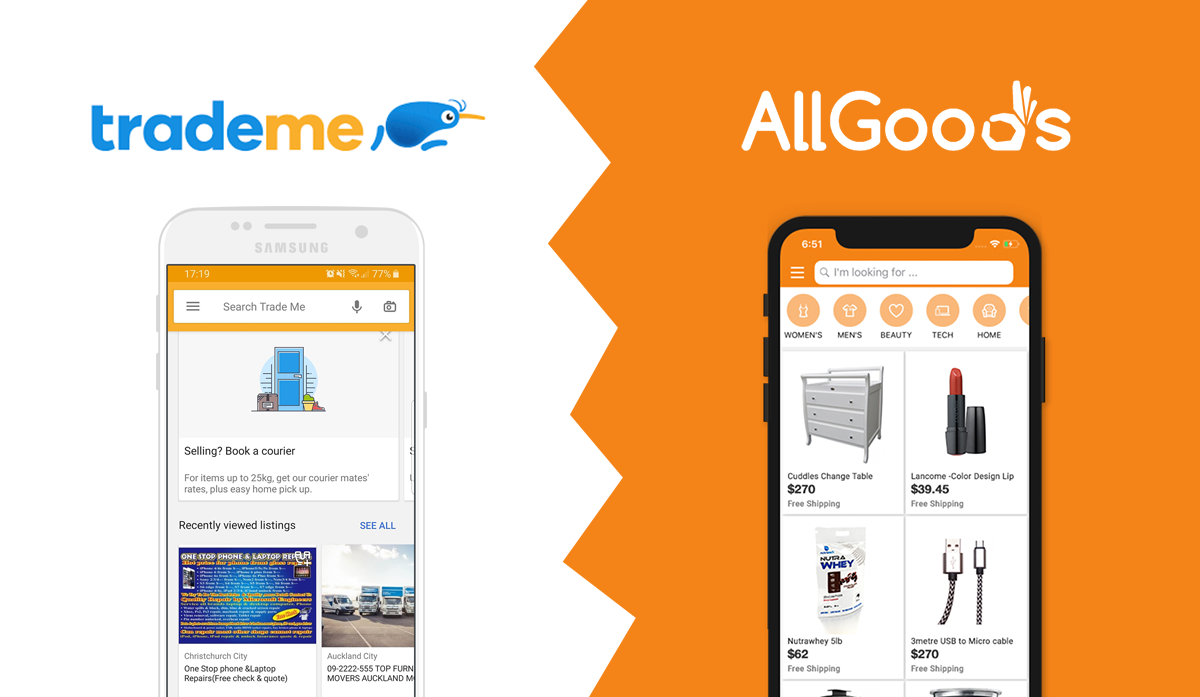
    AllGoods, a free marketplace for Kiwi buyers and sellers, has announced it has reached its one-millionth listing, 12 months after launching.

    The TradeMe competitor said it has maintained steady growth over the past few months. Its app has also become the top New Zealand shopping app since it was released late last year, it said.

    “We’ve worked extremely hard over the past year to get where we are today,” said Levi Fawcett, AllGoods CEO. “We’ve talked with thousands of our users to make sure the platform provides a truly amazing buying and selling experience. Plus, it’s free.”

    The Christchurch-based startup said it already supports over 700 New Zealand businesses who sell through the online website and app. The company said it is their vision to use e-commerce as a sustainable means to support local businesses and give back to the community.

    “We’re offering a fresh spin on the classic online marketplace and while we have only just begun this journey, we look forward to the years to come,” Fawcett said.

    With Trade Me’s recent sale to British equity firm Apax Partners, AllGoods is now considered the largest Kiwi-owned marketplace in New Zealand.

    In October last year, AllGoods launched a new app for iOS and Android mobile devices.

    Features of the new app include easy listings and browsing, allowing users to post items in less than 30 seconds, and a built-in chat tab to get faster answers to questions on the site.

    “The team has tried to keep the platform as easy to use as possible, for both the everyday Kiwi and the average New Zealand business,” Fawcett said. “I think this has been fundamental to our success.”

  • Kiwi spending habits revealed

    Kiwi spending habits revealed

    People living in Canterbury spend the third highest amount on eating out after Auckland and Wellington, according to data gleaned from Westpac NZ.

    The financial firm has drilled down into the data of over 96,000 CashNav app users and determined the spending habits and characteristics of Kiwi consumers across the country.

    Westpac’s CashNav app allows customers to track their daily spending habits by categorising what they spend their money on and identifying what is holding their saving aspirations back. It also notifies them if their spending is higher than usual.

    The app does this by automatically categorising customers’ EFTPOS, debit and credit card transactions into one of 12 categories such as eating out, shopping, travel, entertainment, home, groceries, transportation, utilities, education and health.

    The data found that those aged 18-75 years old and living in Canterbury spend around $380 on average per month at cafes, restaurants or fast food outlets – third only to Aucklanders who spend $486 and Wellingtonians who spend $436.

    In Canterbury, the biggest spenders were people aged 36-55 – they spent $453 per month compared to $366 for 18-35s and $318 for those aged 56-75 years old.

    However, when it comes to who spends the most on groceries, smaller populated regions spend more at the supermarket than Cantabrians who spend $657 on average per month. Those living in Marlborough spend the most on groceries each month at $712 on average, followed by Otago on $668 and Southland on $658.

    Meanwhile Hawke’s Bayers are some of the most careful spenders in the country

    When it comes to spending on groceries, people living in Hawke’s Bay spend the second lowest of 13 New Zealand regions on average per month.

    Westpac found that those living in Hawke’s Bay spend around $517 on average per month, beaten only by those in the Manawatu-Wanganui region who spend around $502 per month. People in Marlborough spend the most at $712 on average per month.

    When broken down into age groups, millennials (18-35s) in the Hawke’s Bay spend the least on groceries when compared to millennials living in other regions, at $372 per month on average.

    And in a region with an array of fine wines and dining options, people in Hawke’s Bay came in at only ninth out of 13 regions on their spending on eating out at cafes, restaurants, and at fast-food outlets.

    It’s a similar story when it comes to spending on health such as gyms fees, pharmacies, make-up stores and beauty salons, with people in the Hawke’s Bay spending about $183 on average per month – nearly $100 less than people in Auckland.

    “People in Hawke’s Bay appear to be keeping a close eye on their spending which is good,” said Westpac NZ GM of marketing, products and transformation, Andrew Kerr.

    Bay of Plentians are more likely to splash out on entertainment compared to many other New Zealand regions, according to the data.

    Those in the Bay of Plenty spend the third highest amount at around $223 on average per month at the movies, at concerts, or on gaming or gambling – beaten only by Auckland and Taranaki.

    People in Marlborough spend most on groceries compared to other regions, with Westpac finding Malburians spend around $$712 on average per month at the supermarket – the highest grocery spend in the country.

    When broken down into age groups, those aged 36-55 in Marlborough spend the most on groceries at around $924 while Marlborough millennials (18-35) spend $495 per month on average.

    People in the Manawatu-Wanganui watch their pennies the most when it comes spending on eating out, groceries, health and entertainment, with those living in the Manawatu-Wanganui spend the least of 13 regions on groceries at around $502 on average per month – $210 less than the highest spending region, Marlborough.

    People from Southland spend the third highest amount on groceries when compared to 12 other regions in New Zealand, beaten only by Marlborough and Otago respectively.

    Southlanders between the ages of 18-75 spend around $658 on average per month at the supermarket but when broken down further, Southlanders aged 36-55 spend $951, 56-75s spend $697 and millennials (18-35s) spend $538.

    Overall, mainlanders spend more on groceries than people in the North Island.

    People living in Otago are the second highest spenders at the supermarket on average, when compared to other New Zealand regions. When the spending is broken down into the various age groups, those in Otago aged 36-55 spend around $989 per month, 56-75s spend $798 and millennials (18-35s) spend $511 on average per month.

    People in Taranaki spend the second highest amount on entertainment in the country compared to other regions, according to data gleaned from Westpac NZ.

    When it comes to spending on groceries, people in Taranaki spend around $601 on average per month compared to people in the Marlborough region who spend $712.

    Other figures related to dining out at cafés, restaurants, and at fast-food outlets show Taranakians well down on their spending compared to other parts of the country -$151 less than Aucklanders on average.

    When it comes to spending on health such as gyms fees, pharmacies, make-up stores and beauty salons, Taranakians spend the fourth highest of 13 regions at $204.

    Spending habits show people in the Waikato spend more than many other regions on eating out but not as much as other parts of the country on groceries.

    Those in Waikato spend around $354 on average per month at cafes, restaurants and fast-food outlets – the fourth highest in the country.

    Those in the 36-55 age group in Waikato spend the most at $403, while millennials (18-35s) spend $343 – more than the 56-75s who spend $294 per month on average.

    Millennials (18-35s) living in Tasman watch their pennies the most when it comes to spending on entertainment compared to millennials in other New Zealand regions. People in Tasman spend the fifth highest on groceries at $654 per month on average, but the fourth lowest on eating out at cafes, restaurants and fast-food outlets at $320 per month.

    And in Auckland, those living north of the harbour bridge were spending more tucking into takeaways than other Aucklanders.

    People on the North Shore spent the most satisfying their fast food cravings with an average splurge of around $75 per month. That spending rose to $84 a month for those aged 36-55.

    Central/East Auckland residents spent the most in bars, on average $91 per month, followed by those on the North Shore on $85, South Auckland on $83 and West Auckland on $75.

    And with the café culture of Ponsonby and Grey Lynn it may come as no surprise that Central/East Aucklanders across all age groups spent the most at cafés and restaurants – on average $194 per month, followed by North Shore on $173, South Auckland on $143 and West Auckland on $130.

    “The interesting thing is that it’s not millennials eating so-called ‘smashed avocado’ – it’s the 36-55- year-old age group who’re spending the most in cafés, restaurants, bars and on fast food, followed by those aged 56-75,” said Kerr.


  • New Zealand opens technology center in Vietnam

    New Zealand opens technology center in Vietnam

    New Zealand has opened a new technology center at Quang Tring Software City in Ho Chi Minh City.

    The Kiwi Technology Center is envisioned to be a hub for New Zealand tech companies investing and doing business in Vietnam and the ASEAN region.

    The first companies to set up shop in the center include software services business Augen Software Group which won the Vietnam IT Excellence award last year, healthcare technology companies Orion Health and HealthTech and apparel manufacturing optimization firm ShapeShifter.

    “This is a fantastic opportunity for New Zealand technology companies and I look forward to more of them utilizing the Kiwi Connection hub and meeting with businesses from around the region who want to work with New Zealand companies and use technology services from within ASEAN,” said New Zealand’s Economic Development Minister Steven Joyce in a statement.

    Joyce also announced last week a project to build a New Zealand-Vietnam friendship bridge in Ho Chi Minh City to celebrate the ties between the two countries.

    Vietnam is New Zealand’s fastest growing trade market in Southeast Asia, with merchandise exports reportedly doubling since 2007.