Retail News CRM

Tag: Kongs

  • Hong Kong’s Luxury Hotels Triumph in Recovery, Surpassing Pre-Pandemic Levels

    Hong Kong’s Luxury Hotels Triumph in Recovery, Surpassing Pre-Pandemic Levels

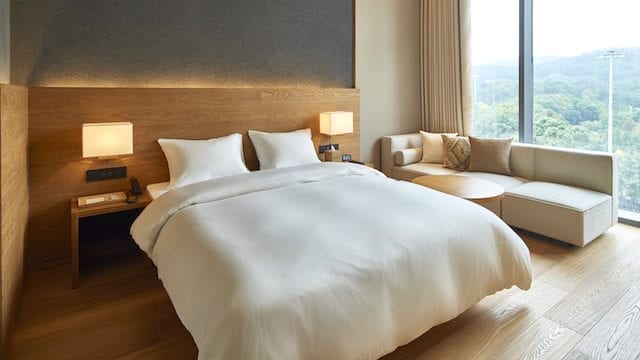
    The luxury hotel sector in Hong Kong has shown remarkable resilience, bouncing back stronger than the broader hospitality industry in the city. According to the property consultancy JLL, room rates have even surpassed those of 2018, indicating a significant rebound in demand.

    A Robust Recovery for Luxury Hotels

    JLL reports that luxury properties were the only hotel segment to return to their 2018 average daily rates by 2025, reaching HKD2,169 (US$277). This figure represents a 1% increase over rates recorded before 2019 and during the Covid-19 pandemic.

    Meanwhile, the general hotel market in Hong Kong recorded average daily rates of HKD1,263, an 8% decrease from the 2018 level. In the first quarter of this year, luxury hotels maintained their strong performance, with average daily rates rising 12.3% year-on-year to HKD2,452. In contrast, non-luxury segments posted increases between 7% to 8.7%.

    Cleavon Tan, Senior Vice-President of JLL’s Hotels and Hospitality Group in Hong Kong, notes that the luxury hotel segment’s recovery in 2025 was more robust than that of the broader hotel market. He attributes this to the combination of improved demand in conjunction with a constrained supply environment, which allowed luxury hotels to rebuild occupancy while maintaining pricing power.

    Tan suggests that Hong Kong’s hotel recovery and long-term growth prospects will depend on specific segments and assets. Luxury hotels may experience slower physical-supply growth but potentially stronger pricing power, whereas selected mid-market hotels may capture broader visitor growth if their location, product, and cost structure remain competitive.

    Demand Drives Transaction Volumes Across Asia-Pacific

    The demand for luxury hotels across the Asia-Pacific region has also significantly increased. JLL’s report noted that this surge in demand has driven transaction volumes, including sales and acquisitions, up 77% between 2017 and 2025, totalling about US$2.1 billion.

    Luxury hotel transactions accounted for almost 20% of all hotel deals in the region in 2025, a sharp increase from 8% in 2017 and surpassing the previous pre-pandemic peak of 16%.

    In Hong Kong, prime luxury hotel assets are primarily held by local conglomerates, family offices, strategic long-term owners, and high-net-worth investors, resulting in a limited supply. Recent market activity has predominantly focused on refurbishments, repositioning projects, and reopenings rather than adding new supply.

    Noteworthy developments include the 2023 return of The Regent in Hong Kong, the launch of Mondrian Hong Kong, the upcoming Andaz Hong Kong Central, and the recent reopening of The Landmark Mandarin Oriental.
    Questions & Answers

    Why are luxury hotels in Hong Kong experiencing a stronger recovery than the broader hotel market?
    The stronger recovery in the luxury hotel sector is attributed to increased demand in tandem with a constrained supply environment, enabling these establishments to increase occupancy rates while retaining their pricing power.

    What does the future look like for Hong Kong’s hotel industry?
    The long-term outlook for Hong Kong’s hotel industry will vary depending on specific segments and assets. Luxury hotels may see slower growth in physical supply but potentially stronger pricing power. In contrast, selected mid-market hotels could capture more extensive visitor growth if their location, product, and cost structure remain competitive.

    What are some notable developments in Hong Kong’s luxury hotel market?
    Significant developments in Hong Kong’s luxury hotel sector include the 2023 return of The Regent, the launch of Mondrian Hong Kong, the upcoming Andaz Hong Kong Central, and the recent reopening of The Landmark Mandarin Oriental.

  • HSBC Breaks New Ground with Hong Kong’s First Bank-Issued Stablecoin

    HSBC Breaks New Ground with Hong Kong’s First Bank-Issued Stablecoin

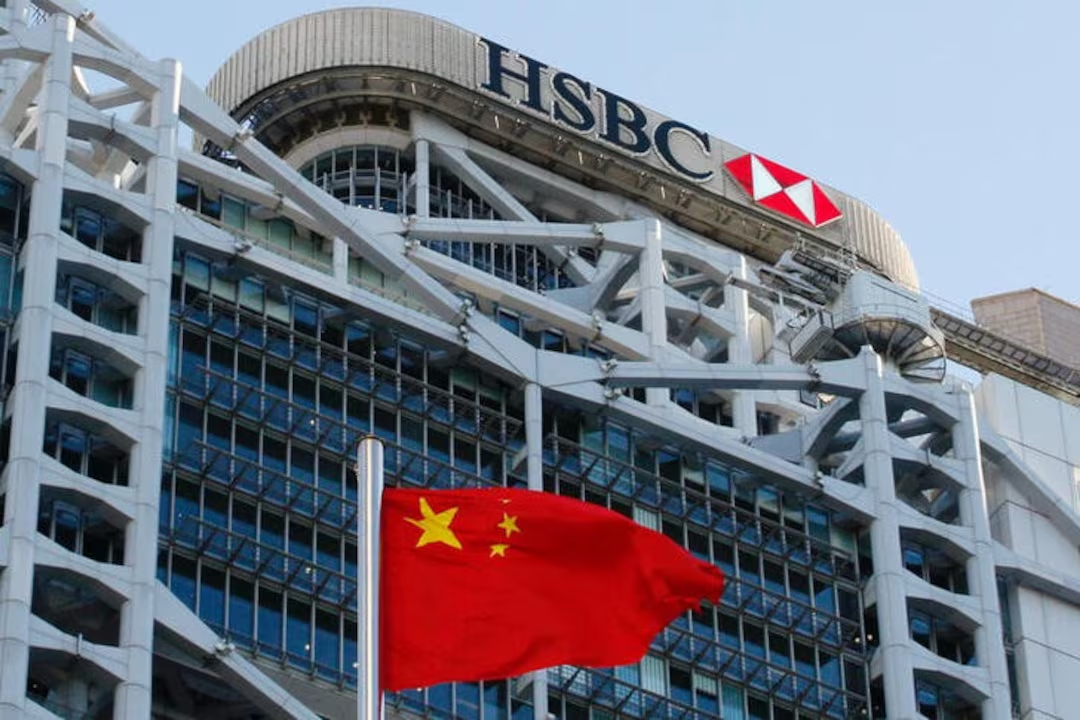
    The Hongkong and Shanghai Banking Corporation Limited, a subsidiary of HSBC, has been granted a license to issue stablecoins by the Hong Kong Monetary Authority (HKMA), marking a significant foray into the regulated digital asset space. The bank intends to introduce a Hong Kong dollar-denominated stablecoin by the latter half of 2026, becoming one of the first major global lenders to issue a regulated digital currency for retail use within the city.

    Fully Backed, Regulated Digital Currency

    HSBC has revealed that each unit of the upcoming stablecoin will be fully backed by high-quality liquid assets stored in segregated accounts. This structure is designed to preserve price stability and guarantee redemption at par value. Notably, the bank has emphasized its commitment to rigorous financial crime compliance standards, in line with regulators’ increased focus on security and transparency in digital assets. This development comes amidst Hong Kong’s efforts to fast-track its position as a premier hub for digital finance. This is apparent in the HKMA’s regulatory framework, geared towards legitimizing stablecoins while simultaneously mitigating systemic risks.

    Integration Into Everyday Banking

    HSBC’s stablecoin will be directly incorporated into two of their most popular platforms: PayMe, the bank’s widely-used peer-to-peer payment application, and the HSBC Hong Kong mobile banking application. This move indicates a strategic push towards integrating digital assets into mainstream financial activities, opposed to treating them as niche investment products. PayMe currently boasts over 3.3 million users, while active users on the HSBC HK App have risen by 20% year-on-year, following a recent redesign.

    Questions & Answers

    What is the purpose of the stablecoin that HSBC plans to issue?
    The objective of the stablecoin is to integrate digital assets into mainstream financial activities. This will be achieved by incorporating the stablecoin into HSBC’s most popular platforms, PayMe and the HSBC Hong Kong mobile banking application.

    How will the HSBC stablecoin maintain its value?
    Each unit of the stablecoin will be fully backed by high-quality liquid assets held in segregated accounts. This structure is designed to maintain price stability and ensure redemption at par value.

    How is HSBC’s move to issue a stablecoin significant?
    HSBC’s move to issue a stablecoin marks a significant step into the regulated digital asset space. It positions the bank as one of the first major global lenders to issue a regulated digital currency for retail use, signifying a strategic shift in the financial industry towards digital finance.

  • Lojel Opens Innovative Concept Store At K11 Musea; Unveils Exclusive Journey Patch Collection

    Lojel Opens Innovative Concept Store At K11 Musea; Unveils Exclusive Journey Patch Collection

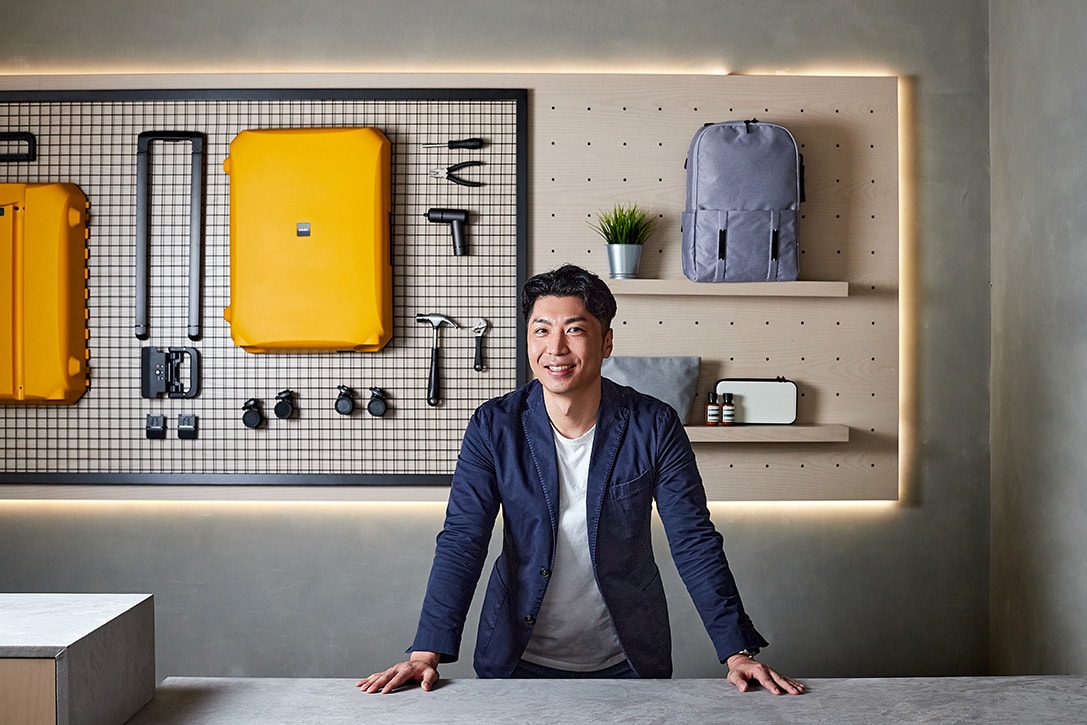
    Lojel, a Japanese luggage manufacturer, has recently opened the doors to its latest concept store at K11 Musea. This new venture marks the seventh store that Lojel operates in Hong Kong.

    Embracing Local Artistry

    The K11 Musea outlet is unique due to its partnership with acclaimed local artist Zoie Lam. Her artwork graces the central pillar of the store, vividly depicting the Tsim Sha Tsui district of Hong Kong. This display is a testament to the store’s architectural feature, the canvas, which serves as a visual interpretation of Lojel’s “art meets retail” narrative.

    Opening A New Chapter

    According to Tee Teng Li, General Manager of Lojel, the K11 Musea store represents a new beginning for the brand. “This store marks a new chapter for Lojel – a place where movement, creativity, and community come together,” he said. Li further explained that the concept store is a prototype for future outlets, intending to enhance the customer connection and provide a genuinely immersive experience.

    Journey Patch Collection

    The grand opening of the store came with the unveiling of the exclusive Journey Patch collection. This collection is the result of a collaboration with Danish artist Julie Solvstrom and is entirely made from post-consumer recycled polyester yarn. Lojel also joined forces with UNHCR, the UN refugee agency, and Made51 to initiate a handcrafted bracelet campaign.

    Lojel initially made its mark in Hong Kong last year, with the launch of its first flagship store.

    Questions & Answers

    What is unique about the new Lojel store at K11 Musea?
    The store is unique because it embraces local artistry. It houses artwork by local artist Zoie Lam, who has depicted the Tsim Sha Tsui district of Hong Kong on the store’s central pillar.

    What does the K11 Musea store represent for Lojel?
    According to Tee Teng Li, Lojel’s General Manager, the store signifies a new chapter for the brand. It represents a place where movement, creativity, and community converge.

    What was unveiled at the grand opening of the store?
    Lojel unveiled the exclusive Journey Patch collection at the grand opening. The collection, created in collaboration with Danish artist Julie Solvstrom, is entirely made from post-consumer recycled polyester yarn.