Retail News CRM

Tag: labour

  • Luxury Brand Loro Piana Under Judicial Administration Amidst Labour Exploitation Allegations

    Luxury Brand Loro Piana Under Judicial Administration Amidst Labour Exploitation Allegations

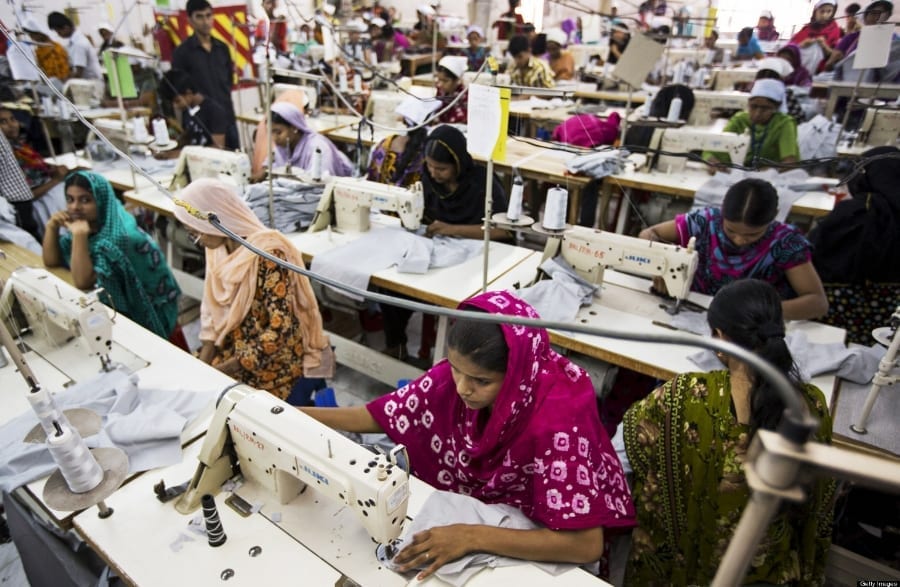
    Luxury fashion brand Loro Piana, a subsidiary of LVMH, has been placed under judicial administration for one year by a Milan court following allegations of labour exploitation within its Italian supply chain.

    Labour Exploitation Allegations

    The court ruled that Loro Piana had failed to properly supervise its subcontractors, leading to labour violations through indirect suppliers. This makes Loro Piana the fifth luxury label to face such allegations since last year, joining the ranks of Dior, Valentino, Armani, and Alviero Martini.

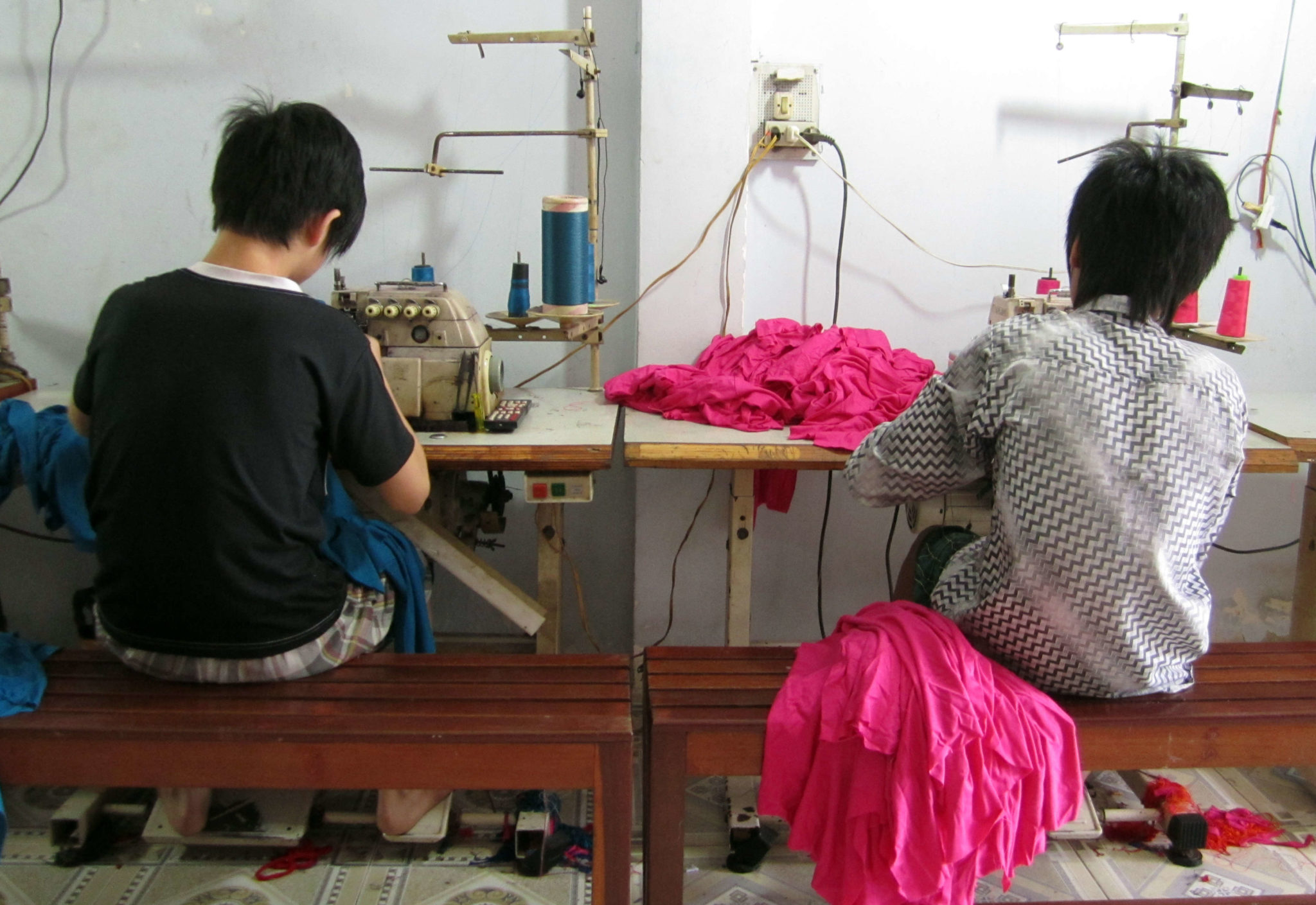
    Investigations conducted by Italy’s Carabinieri labour protection unit unveiled that one of the workshops had employed 10 Chinese workers, five of whom were undocumented. These workers were allegedly forced to work up to 90 hours per week and were paid only EUR4 per hour (US$4.6). They were also illegally housed at the site.

    These allegations surfaced when a worker reported being assaulted over unpaid wages, leading to the arrest of the workshop owner and the closure of the facility.

    Judicial Administration

    Although Loro Piana is not subject to a criminal investigation, the court has appointed an external administrator to oversee improvements to the brand’s supply chain oversight. If the company demonstrates substantial progress, the judicial administration could be lifted early, as has happened in similar cases involving Dior and Armani.

    Loro Piana has attributed these violations to unauthorised subcontracting. It was discovered that the company had outsourced work via two front companies to Chinese-owned workshops in Milan. These workshops lacked the necessary capacity for manufacturing.

    The company has since severed ties with the supplier and pledged to reinforce its control and audit activities as a means of ensuring compliance with its ethical and quality standards.

    Company Background

    Loro Piana, acclaimed worldwide for its luxury cashmere and wool products, was acquired by LVMH in 2013. The founding family still retains a 20% stake in the company. This past June, Frederic Arnault, son of LVMH’s chairman and CEO Bernard Arnault, was appointed as the company’s CEO.

    Questions & Answers

    What led to the legal action against Loro Piana?
    A worker reported being physically assaulted over unpaid wages, sparking an investigation that revealed labour violations within the company’s supply chain.

    What measures has the court imposed on Loro Piana?
    The court has appointed an external administrator to supervise reforms to the brand’s supply chain oversight. The company has also been placed under judicial administration for a year.

    What steps has Loro Piana taken since the allegations surfaced?
    Loro Piana has ended its relationship with the implicated supplier and committed to enhancing its control and audit activities to ensure compliance with its ethical and quality standards.

  • Tesco faces legal claims over worker conditions at Thai clothing factory

    Tesco faces legal claims over worker conditions at Thai clothing factory

    A group of 130 former employees at VK Garment Factory in Thailand are suing the supermarket and auditing specialists Intertek.

    The workers, represented by law firm Leigh Day in the UK, claimed that they were paid up to £4 a day, working seven days a week, and “trapped in a cycle of forced labour and debt bondage”.

    VK Garment Factory, which is located in Mae Sot, employs a workforce of predominantly Burmese migrant workers.

    The legal claim said that the unlawful practices were not identified, despite both Tesco and Intertek carrying out audits at the factory.

    Tesco conducted operations in Thailand from 1998 to 2020 but sold its Thai and Malaysia interests for £8bn at the end of 2020.

    A Tesco spokeswoman said: “Protecting the rights of everyone working in our supply chain is absolutely essential to how we do business. In order to uphold our stringent human rights standards, we have a robust auditing process in place across our supply chain and the communities where we operate.

    “Any risk of human rights abuses is completely unacceptable, but on the very rare occasions where they are identified, we take great care to ensure they are dealt with appropriately, and that workers have their human rights and freedoms respected.

    “The allegations highlighted in this report are incredibly serious, and had we identified issues like this at the time they took place, we would have ended our relationship with this supplier immediately. We understand the Thai labour court has awarded compensation to those involved, and we would continue to urge the supplier to reimburse employees for any wages they’re owed.”

  • Workers in high demand as factories expand production

    Workers in high demand as factories expand production

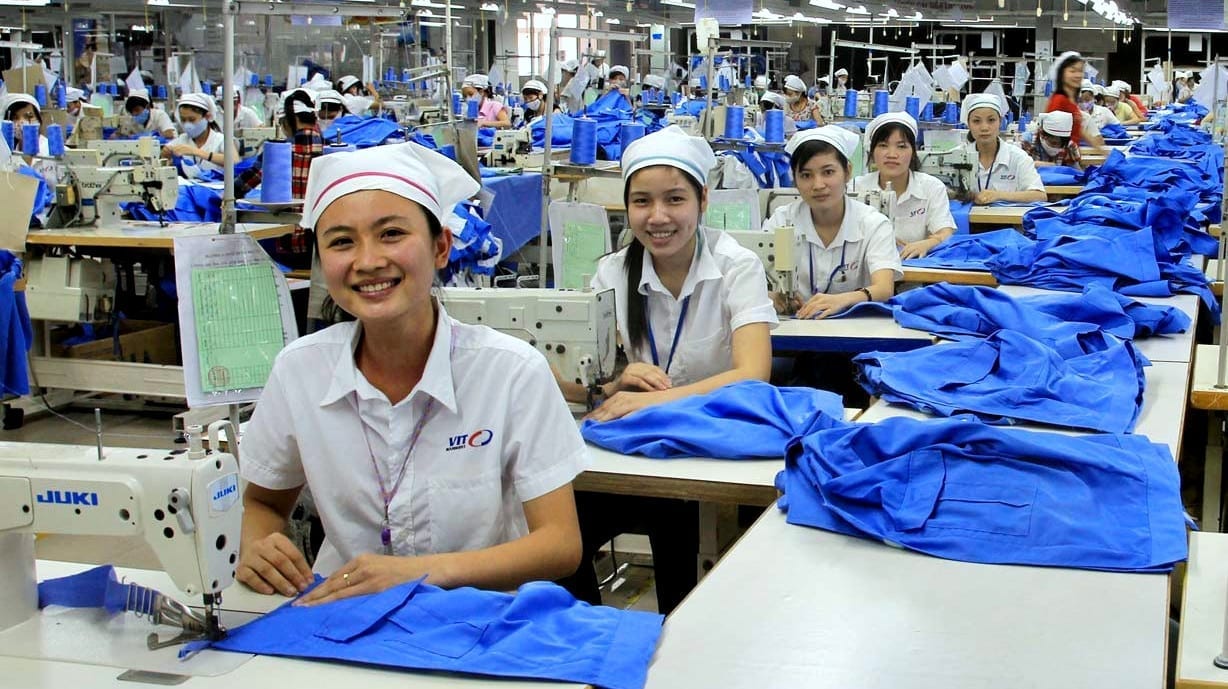
    Several localities have reported demand for thousands of workers as manufacturers seek to scale up production.

    In some industrial parks in the southern provinces of Dong Nai and Binh Duong, hundreds of companies have put up hiring notices this week.

    South Korean textile firm Taekwang Vina in Dong Nai is looking for 3,000 workers as it plans to establish four more production chains this year.

    The company offers a minimum monthly salary of minimum VND7 million ($304). Anyone with basic literacy can apply.

    Another South Korean textile firm in the province, the Chang Shin Vietnam Company, which has 35,000 workers, is also recruiting an unspecified number of new workers as the number of orders received by the end of this year has already exceeded capacity, prompting it to build two new workshops.

    In Binh Duong, official data shows local companies are looking for nearly 40,000 workers in several sectors including textiles, wood processing and household products manufacturing.

    Companies are sending recruiters to sit near main roads to increase the chances of contacting candidates.

    “Businesses are struggling to find workers even though they are offering high salaries of VND7-13 million a month plus benefits,” Nguyen Kim Loan, chairwoman of the Binh Duong Labor Federation, told local media.

    In the northern province of Bac Ninh, where many multinational manufacturers have set up plants, the demand for workers is estimated at 15,000.

    Foxconn, a major supplier for Apple, is hiring 1,000 workers in Bac Ninh and the neighboring province of Bac Giang. It received a license in January to build a $270-million plant produce laptops and tablets in Bac Giang.

    Nguyen The Quyet, chairman of the union of workers at industrial parks in Bac Ninh, said that many companies were unable to complete orders last year due to disruptions caused by the Covid-19 pandemic and were seeking to make up now.

    Another reason is a surge in new orders this year from many countries, pushing factories to expand production and employ more people, he added.

    Recruitment demand was highest among electronics and vehicle parts producers, he said.

    Vietnam’s industrial production index rose over 22 percent year-on-year in January as the economy recovered from Covid-19 impacts, according to the General Statistics Office.

    The country’s GDP growth could hit 7.5 percent this year, compared to 2.9 percent last year, according to credit rating company Fitch Ratings.

  • Vietnam child labor rate lower than regional average

    Vietnam child labor rate lower than regional average

    Vietnam’s rate of child labor, 5.3 percent, is around 2 percentage points lower than the average in Asia and the Pacific, a study has found.

    This equates to more than one million children in the ages of 5-17 engaged in labor, the survey was done in 2018 by the Ministry of Labor, Invalids and Social Affairs, the General Statistics Office, and the International Labour Organization and released recently, said.

    They undertake work that is prohibited because of their age, the number of working hours or the nature of the tasks involved.

    In line with global trends, 84 percent of child laborers in Vietnam are in rural areas, over half working in agriculture, forestry or fisheries.

    Other sectors where child labor is prevalent include services, industry, and construction. More than 40 percent are unpaid.

    “Child labor tends to take place in informal household enterprises down the manufacturing and production supply chains, which makes it difficult to detect,” ILO Vietnam director Chang Hee Lee said.

    The survey estimates that nearly 520,000 children in Vietnam are engaged in hazardous work or work which poses significant risks to a child’s health, safety or morals. Many of them work in industry and construction.

    The number of hours children in hazardous jobs work tends to be high, with 40.6 percent working over 40 hours a week.
    Only half of child laborers attend school, compared to the national average of 94.4 percent.

    Efforts must be speeded up immediately to end child labor in all its forms, the ILO said.

  • Australian dollar slides Again

    Australian dollar slides Again

    The Australian dollar has fallen Tuesday, buying 69.45 US cents from 69.75 US cents on Monday.

    Yesterday, the local currency lost ground as the stalemate in Sino-US trade talks clouded the outlook for the Asian giant in its demand for resources.

    The Aussie dollar slipped 0.4 percent to 69.75 US cents on Monday and ever closer to the recent four-month trough at 69.60 US cents.

    China is a major buyer of commodities from Australia so any threat to its trade is considered a potential negative for the currency.

    Investors also use the Aussie as a liquid proxy for China plays, in this case shorting it as well as the yuan.

    Joseph Capurso, a senior currency strategist at CBA, noted that Washington was due to release a “Section 232” report into the national security implications of car imports this week, which could give President Donald Trump more ammunition in his trade disputes.

    “Global stock markets, and global growth-sensitive currencies such as AUD and NZD, may be hit by fears a ‘trade war’ will spread,” Capurso said.

    “Europe, Japan, Korea, and Mexico are major exporters of cars to the US.”

    The Aussie also faces domestic hurdles from data on wages and jobs due this week, where any sign of weakness would fuel wagers on a rate cut by the Reserve Bank of Australia.

    The central bank last week emphasized that further improvement was needed in the labor market to bring unemployment down and lift inflation.

    Wage figures for the first quarter are due on Wednesday and are forecast to show modest growth for the year.

    The jobs report on Thursday is expected to show 14,000 net new hires in April, with the unemployment rate ticking up to 5.1 percent.

    “Downside surprises will raise pricing for a rate cut as soon as June,” added Capurso.

    “The AUD can drop more than one US cent if the labor data disappoints.”

    The futures market implies around a 63 percent chance of a quarter-point cut in July and is almost fully priced for a move in August.

    Yields on three-year bonds are already well below the 1.5 percent cash rate at 1.26 percent, and only just above record lows.

    Three-year bond futures were up one tick at 98.750, while the 10-year contract rose one tick to 98.2700.

  • Walmart Hires robots to handle cleaning and unboxing

    Walmart Hires robots to handle cleaning and unboxing

    US retailer Walmart is adding thousands of robots to its stores to handle cleaning tasks, allowing workers more time to help customers.

    Walmart said by February 2019, it will have introduced the 920-pound autonomous floor scrubbers at 1,860 of its 4,700 US stores.

    The robots will clean the floors and unload boxes in its stockrooms. The “smart assistants” can scan shelf inventory at 350 stores and bots will be placed at 1,700 stores to automatically scan boxes as delivery trucks drop them off and they are sorted onto conveyor belts.

    “The overall trend we’re seeing is that automating certain tasks gives associates more time to do work they find fulfilling and to interact with our customers,” CEO Doug McMillon told of the new technology last year.

    Walmart is hoping that the bot army will increase sales and in-store efficiency. The retailer said it’s quite difficult to find workers to work overnight to receive the supplies from trucks.

    “We’re seeing increases in sales and reductions in turnover in what had been a very difficult job to fill,” CEO McMillon told.

    Walmart goes high tech

    Last year Walmart invested over US$2 billion to remodel stores around the country and improve online shopping services for its new in-store pickup feature. Walmart said on Tuesday that it would bring 16-foot-tall automated vending machines to 900 new stores this year to quickly fetch customers’ online orders.

    “There is a labor shortage in retail. It will not be easy for Walmart to add labor to perform these functions. So a high level of automation is required,” said Kirthi Kalyanam, director of the Retail Management Institute at Santa Clara University told.

    Earlier this month the retailer announced a partnership with Google on the new Walmart Voice Order which allows shoppers to order groceries through Google Assistant.

  • Strong sales growth for India’s textile manufacturing sector in Q2

    Strong sales growth for India’s textile manufacturing sector in Q2

    The manufacturing sector, particularly textile and iron and steel segments, maintained its pace of sales growth in the second quarter of 2018-19 as compared to the year-ago period, the RBI said on Wednesday. Demand condition in the manufacturing sector “maintained its pace in the September quarter 2018-19 as reflected in strong sales growth (year-on-year)”, as per the RBI analysis of 2,700 listed private sector non-financial companies.

    “The manufacturing sector sales growth was mainly supported by robust demand conditions in chemical and chemical products, iron and steel, and petroleum products industries coupled with significant improvement recorded by textile industry,” the RBI said.

    The central bank said heavy moderation was seen in the sales growth of motor vehicles and other transport equipment, driven in part by a large adverse base effect, and pharmaceutical and medicine industries.

    The information technology (IT) sector also recorded further improvement in sales growth over the year-ago period.

    The manufacturing sector continued to record strong growth in net profits, which received support from other income.

    The RBI said companies in manufacturing sector posted a net profit of Rs 47,100 crore in the reported quarter, up 29.4 per cent from the same period last year. The data is based on abridged financial results of 1,734 companies in the manufacturing sector.

    “Despite continuous contraction in the telecommunication, the services (non-IT) sector posted a turnaround riding on the support from wholesale and retail trade,” the RBI said.

    The profit of IT sector, based on data of 172 firms, was Rs 17,700 crore in the second quarter, up 5.8 per cent over the July-September period of 2017-18.

    As per the RBI, the combined sales of 2,700 companies was Rs 9,81,800 crore in the September quarter, up 18.2 per cent from the year-ago period.

    Their net profit was Rs 71,900 crore, an increase of 41.7 per cent year-on-year.

    On expenditure front, manufacturing companies continued to face rising input cost (cost of raw materials, staff cost) pressures. In case of IT sector, staff costs accelerated in tandem with the improvement in sales growth, the RBI said.

  • Tech, engineering to have great demand for workers in Vietnam: survey

    Tech, engineering to have great demand for workers in Vietnam: survey

    The technology and engineering sectors will see strong growth in human resources demand in Vietnam in the next five years. The growth is forecast by 90 percent of experts polled in a survey recently released by online recruitment website VietnamWorks.

    The survey was done in the second half of this year by polling more than 200 human resources professionals in management positions at multinationals and top Vietnamese companies.

    According to the survey, 62 percent forecast increased demand for arts, design, entertainment, sports, and media workers.

    Forty-two percent said there would be a decline in administrative and clerical work in five years though these are among the top three in terms of demand this year. VietnamWorks said this is because repetitive jobs like these are likely be replaced by machines.

    Fifty-nine percent of respondents believed developments in automation and information technology would be the most influential factors in the labour market in the next five years.

    Mobile Internet and cloud technology would be the next major factor, according to 57 percent, and processing power and big data, according to 54 percent.

    Forty percent said privacy issues and greater awareness of environmental responsibilities would have a great impact on the labor market demand.

    As socio-economic factors alter the nature of jobs, employers will require more sophisticated skills and abilities. The respondents expected cooperating with others, people management, emotional intelligence, and judgement and decision making to be the top cross-functional skills needed in future.

    Gaku Echizenya, general director of Navigos Group, which owns VietnamWorks, said: “The market is experiencing major changes with the fourth industrial revolution. Therefore, businesses need to keep up-to-date with market information from reputable sources to respond promptly to changes, allowing them to set out a strategy to recruit and attract talented people.”

    Employees need to actively educate themselves in IT and digital knowledge, and develop crucial skills such as cooperation with others and people management to increase their competitiveness, he added.

  • LG Display adds kiosks that let employees donate money

    LG Display adds kiosks that let employees donate money

    LG Display said last Wednesday it has installed electronic kiosks in its facilities across the country, helping employees make donations easily. The company said employees can swipe their identity cards on the kiosks and make donations ranging from 1,000 won ($0.88) to 10,000 won, which will be automatically deducted from their paychecks.

    LG Display said the project was designed to encourage employees to participate in making contributions to the community.

    LG said 4,000 employees have participated so far in raising 60 million won.

  • Vietnamese labor productivity among lowest in Asia

    Vietnamese labor productivity among lowest in Asia

    Productivity is rising, but not as fast as wages, creating the risk of an economic imbalance. Vietnam’s labor productivity last year was among the lowest in Asia despite showing growth, according to a report published on Tuesday.

    Average productivity in Vietnam increased by 36 percent from VND38.64 million per worker in 2006 to VND60.73 million ($1,660 to $2,600) in 2017, according to the Vietnam Annual Economic Report 2018.

    However, the level is still below Japan, South Korea, China, Singapore, Thailand, Malaysia, the Philippines, Indonesia and Cambodia, according to researchers from the Vietnam Institute for Economic and Policy.

    Vietnam’s labor productivity was lower than Cambodia’s in the manufacturing, construction and transportation-storage-communications sectors. The country’s productivity ranked second lowest of the countries reviewed, and was only higher than Cambodia in agriculture, electricity-water-gas and wholesale-retail-repair, the report said.The General Statistics Office says that Vietnam’s labor productivity is only 1/18th of Singapore, 1/16th of Malaysia and 1/3 of Thailand and China.

    In order for Vietnam to surpass neighboring countries such as Cambodia in terms of productivity and economic growth, the country needs stronger reforms, researchers said.

    The link between labor productivity and wage growth was also mentioned in the report. Vietnam’s current minimum wage is set from VND2.76 to 3.98 million ($121-175) per month, depending on each region.

    Vietnam’s wage growth of 6.7 percent exceeded labor productivity growth of 5 percent between 2004 and 2015, and researchers are concerned it could create an imbalance if the pattern persists.

    The study also outlined issues with the country’s young workforce, as 60 percent of young laborers with lower and upper secondary education are working in the informal sector (for example, a family business), which are generally considered areas of low productivity, precarious employment and unstable incomes.

    Nearly a half of young workers have a qualification mismatch, and 33 percent are not qualified for what they do, the report said. Around 70 percent of young workers do not have social insurance, but wages continue to  increase rapidly, it added.

    Vietnam is currently riding on a wave of high growth, and some researchers forecast that GDP growth will reach 6.83 percent this year, exceeding the National Assembly’s target of 6.7 percent. However, there is the possible risk of inflation exceeding 4 percent due to pressure from price adjustments for public services and petroleum, they added.

  • Retail giant Costco wins dismissal of prawn lawsuit over Thai forced labour

    Retail giant Costco wins dismissal of prawn lawsuit over Thai forced labour

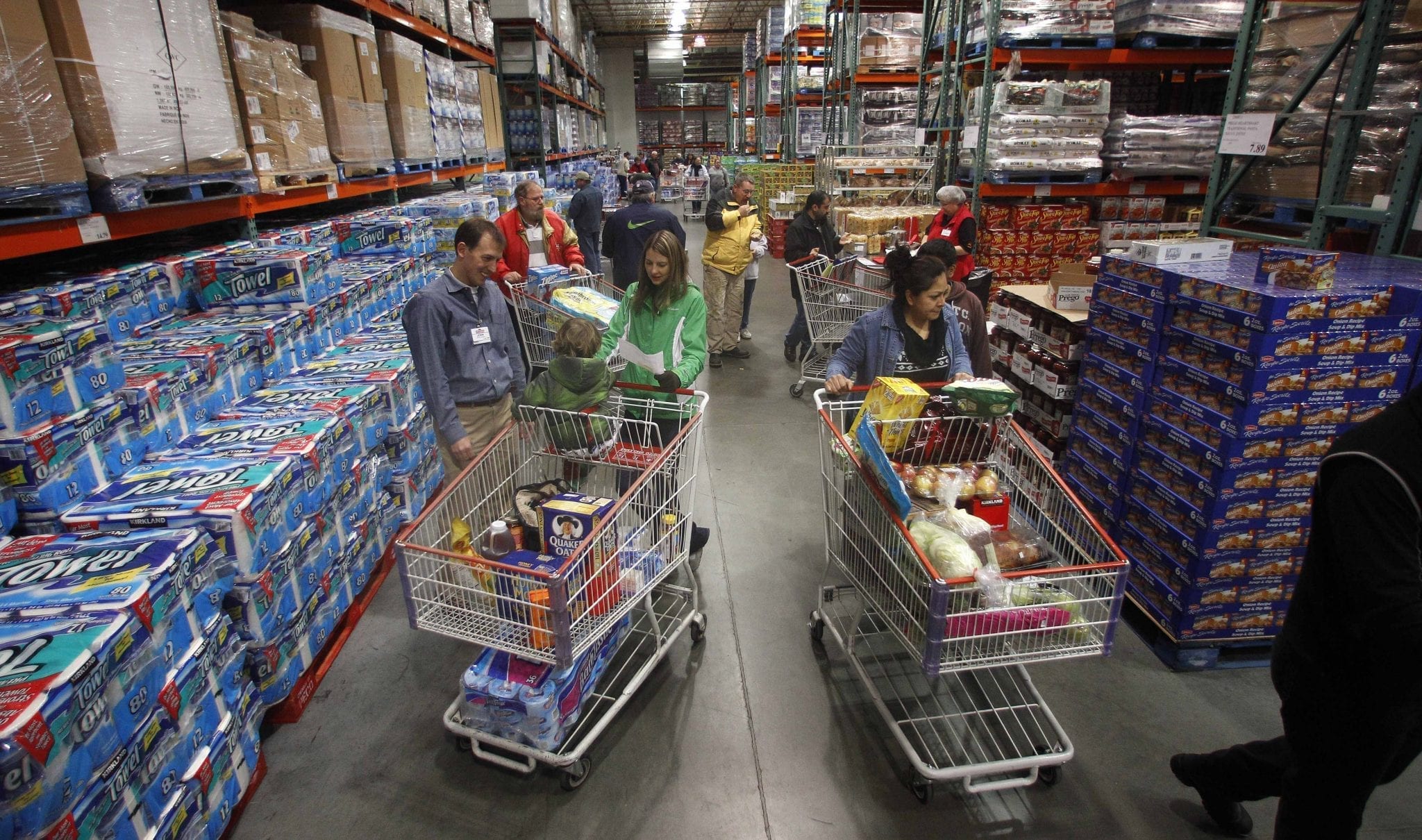
    Judge Jeffrey White ruled that the plaintiffs failed to establish that the world’s second largest retail chain was bound to inform customers that modern-day slavery could be part of its supply chain.

    The lawsuit, filed in 2015, claimed U.S.-headquartered Costco was aware the prawns it bought from its Southeast Asian producers came from a supply chain dependent on ships involved in human trafficking and labour abuses.

    “The facts described in the (complaint) are tragic and ‘raise significant ethical concerns’,” White wrote on Tuesday in an order to dismiss the case, held in Oakland, California.

    But “plaintiffs fail to allege (Costco) had a duty to disclose the information about labour abuses in the supply chain … on its product packaging,” he added.

    The case against Costco, which is run as a members’ warehouse, was filed by club member Monica Sud, a California resident, as a proposed class-action lawsuit with Sud arguing it could affect millions of customers in her state.

    Exporter C.P. Food Products Inc and its parent company, Thailand’s Charoen Pokphand Foods, PCL. were also named as defendants in the case.

    Charoen Pokphand Foods said in a statement emailed through its public relations representatives that it condemned “all aspects of human trafficking and forced labour.”

    “CP Foods is not – and has never been – an owner or operator of fishing vessels that used forced labour as alleged in the lawsuit,” the company said.

    Attorneys representing the plaintiffs and other defendants did not immediately respond to requests for comment.

    Sud along with fellow Costco customers alleged that Costco purchased farmed prawns, also known in the industry as shrimp, from the Southeast Asian seafood producers despite knowing they used ships manned by slave labourers.

    The complaint followed investigations by Britain’s Guardian newspaper and the Associated Press into the shrimp supply chain. The probe found that large numbers of men were brought and held against their will on fishing boats off Thailand that were used to farm prawns sold in some of the world’s leading supermarkets.

    The Guardian found Charoen Pokphand Foods was buying fishmeal to feed to its farmed prawns from some suppliers that owned, operated or brought from fishing boats staffed by slaves.

    But in dismissing the lawsuit, the judge said the plaintiffs could not trace the prawns they bought to the suppliers in question.

    Judge White dismissed the lawsuit with prejudice, meaning that it cannot be brought again.

    The plaintiffs had filed their lawsuit under a California state law that prohibits unfair competition through misleading advertising.

    Last year, the U.S. State Department’s Trafficking in Persons report removed Thailand from the bottom rung despite what it described as “widespread forced labour” in the country’s vital seafood industry.

    Globally, nearly 21 million people are victims of forced labour, according to the International Labour Organization.

  • Supermarkets, restaurants worldwide admit to using slave labour-processed seafood

    Supermarkets, restaurants worldwide admit to using slave labour-processed seafood

    A large-scale investigation spanning multiple continents has revealed that top seafood retailers and restaurants around the world were using products that were tainted with forced slave labour, originating from Thailand’s seafood peeling factories.

    The Gig Peeling Factory on the outskirts of Bangkok houses horrors made of nightmares. Here, the forced labourers work for 16 hours for little or no pay fearing violence from the overseers.

    An Associated Press investigation revealed that Thai Union, the largest seafood supplier, employs the Gig Peeling Factory where a hundred Burmese people, including children, are kept under lock and key and forced to work for hours without end with their hands in cold water, tearing and shedding at the heads and tails of the shrimps.

    Woolworths, Coles and Aldi, Australia’s top retail grocery chains, have all said that they use Thai Union as suppliers for their retail stores.

    “We will investigate this further with our supplier and seek advice from our NGO partners,” quoted Woolworths as saying.

    Australian retailer, IGA Supermarkets’s supplier Metcash confirmed that it uses Thai Union as well.

    “Some of our other locally based seafood suppliers may purchase prawns from Thai Union as they are one of the largest seafood suppliers in the world,” a Metcash spokesman said.

    In the US, the Red Lobster and Olive Garden, both restaurant chains as well as retail chains like Wal-Mart, Kroger, Whole Foods, Dollar General and Petco, have all confirmed using the Thai seafood supplier.

    The seafood produce from Gig Peeling Factory gets mixed with products from other suppliers making it impossible to tell between tainted and ethically produced farm products.

    According to UN and US standards, the whole produce then becomes tainted.

    “They didn’t let us rest,” said 16-year-old Eae Hpaw, 16, a labourer at the factory, whose arms were lacerated with shrimp-related infections and allergies. “We stopped working around seven in the evening. We would take a shower and sleep. Then we would start again around three in the morning.”

    “I was shocked after working there a while, and I realised there was no way out,” said Tin Nyo Win, 22. He and his wife were only paid US $4 per day for peeling 175 pounds of shrimp.

    Europe and Asia, has been similarly importing products from Thai Union, the AP investigation revealed. Germany, Italy, England and Ireland were able to find products from Thailand in grocery stores there.

    “As the world’s largest seafood restaurant, we know the important role we play in setting and ensuring compliance with seafood industry standards, and we’re committed to doing our part to make sure the seafood we buy and serve is sourced in a way that is ethical, responsible and sustainable,” Red Lobster said in a statement.

    In 2015, Thailand had passed laws to come down heavily on the abuses by the seafood industry in the country, and to register migrant workers without papers to ensure their safety.