Retail News CRM

Tag: landscape

  • Ikea’s Grand Expansion: 25 New Stores to Enliven India’s Retail Landscape by 2027

    Ikea’s Grand Expansion: 25 New Stores to Enliven India’s Retail Landscape by 2027

    Swedish furniture giant Ikea is broadening its reach in India with the inauguration of a new 3000 square foot store in Pune. This move is a continuation of the company’s assertive expansion across the country, adding to its already established locations in prominent cities such as Hyderabad, Navi Mumbai, Bengaluru, Mumbai, and New Delhi.

    Growth Plans in India

    Over the next half-decade, Ingka Group, Ikea’s parent company, has outlined its plans to establish an additional 25 small and medium-sized stores nationwide. This is part of the company’s aggressive multi-format growth strategy that aims to expand their influence in the Indian market.

    In addition to these smaller shops, large-format stores are also in the works as part of Ikea-owned shopping centres in the outskirts of New Delhi. The first of these larger establishments is scheduled to open in Gurugram, with Noida following suit.

    A Strong Understanding of the Local Market

    Ikea India’s CEO, Patrik Antoni, is confident in the company’s understanding of the local market. This confidence stems from the successful navigation of unique customer needs in different regions across the country.

    Antoni stated, “We can inspire more people to make the most of their living situations – offering ideas and solutions that may be new to many people in India. Expanding our network and becoming more accessible is key to that.”

    Questions & Answers

    What is Ikea’s expansion plan in India?
    Over the next five years, Ingka Group, Ikea’s parent company, plans to establish 25 small to medium-sized stores across the country. They are also developing large-format stores outside New Delhi as part of Ikea-owned shopping centres.

    Where are Ikea’s new large-format stores being built?
    The new large-format stores are being planned outside of New Delhi. The first of these stores is set to open in Gurugram, followed by Noida.

    What is Ikea’s approach to the Indian market?
    Ikea aims to inspire more people in India to optimize their living situations by introducing them to novel ideas and solutions. They believe that expanding their network and enhancing their accessibility is the key to achieving this objective.

  • Central Phuket’s Expansion: Transforming Thailand’s Luxury Retail Landscape by 2028

    Central Phuket’s Expansion: Transforming Thailand’s Luxury Retail Landscape by 2028

    Central Pattana is embarking on a significant expansion of Central Phuket, aiming to transform the mixed-use development into a keystone of Phuket’s transition from a tourist-centric locale to a global lifestyle hub.

    The expansion will enlarge the project’s existing area by approximately 40%, pushing the total developmental value past 26 billion baht (US$835.7 million) when completed in 2028. The expanded project will cover an approximate 500,000 square meters of gross building area, solidifying its standing as one of southern Thailand’s major retail and lifestyle establishments.

    Transition to Luxury Lifestyle Destination

    Situated in Phuket City, Central Phuket has gradually evolved from a traditional mall set-up to a luxury-focussed, experience-centric destination. It is designed to cater to high-spending local and international consumers. The latest development phase is set to tap into the escalating long-term residency, growth in branded residential spaces, and infrastructure improvements across Phuket.

    A key aspect of the expansion plan is the doubling of luxury retail space in Central Phuket Floresta. Central Phuket Festival will also be repositioned to enhance its appeal in the fashion and lifestyle sector. The expansion will additionally usher in new high-end dining areas and significant attractions, including immersive entertainment concepts, scheduled for gradual introduction by 2028.

    Central Pattana’s chief marketing officer, Nattakit Tangpoonsinthana, has drawn comparisons between this development model and successful examples in Miami, Saint-Tropez, and Barcelona. He emphasized Central Pattana’s commitment to strengthening this approach with a ‘Global Coastal City’ model. This model is underpinned by three core elements: luxury lifestyle, downtown economy, and a global community, positioning Phuket for long-term sustainable growth.

    Store Expansions and Exclusive Concepts

    The expansion will see the introduction of multiple store expansions and unique shopping concepts. These include the largest Louis Vuitton outlet in southern Thailand, a 597 square meter Prada boutique showcasing one of its widest beachwear collections, a pop-up by Celine, and revamped concept stores from Balenciaga and Saint Laurent.

    In a separate development, Central Pattana allocated 21 billion baht (US$640 million) last year to construct a new mega shopping and lifestyle complex, The Central Phaholyothin, in northern Bangkok.

    Questions & Answers

    What is the projected value of the expanded Central Phuket project?
    The total developmental value is estimated to exceed 26 billion baht (US$835.7 million) upon its completion in 2028.

    What new features will the expansion of Central Phuket introduce?
    The expansion plans include the doubling of luxury retail space, the introduction of new high-end dining areas, major attractions including immersive entertainment concepts, store expansions, and unique shopping concepts.

    What is the ‘Global Coastal City’ model?
    The ‘Global Coastal City’ model is driven by three core elements: luxury lifestyle, downtown economy, and a global community. It aims to position Phuket for long-term sustainable growth.

  • Taiwan’s Retail Boom: Major Shopping Centre Openings Set to Transform Retail Landscape

    Taiwan’s Retail Boom: Major Shopping Centre Openings Set to Transform Retail Landscape

    A surge of new shopping centers is expected to hit the market in Taiwan this year as developers maintain their commitment to large-scale multipurpose ventures.

    One of the most anticipated launches is the Far Eastern Sogo Department Store’s Garden City in Taipei, which is slated to open its doors in March. With an impressive 99,000 square meters in size, this complex will encompass retail outlets, dining options, and cinema halls, all conveniently linked to the Taipei Dome.

    Company chairperson, Sophia Huang, expressed the company’s high expectations for Garden City, predicting it to pull in over $313.66 million in annual revenue. When combined with the total revenue from its Fuxing, Zhongxiao, and Tianmu locations in Taipei, the group’s annual earnings could potentially reach an impressive $1.58 billion.

    In Taichung, the upcoming opening of Hanshin Intercontinental Shopping Plaza this year marks Hanshin’s first business venture beyond Kaohsiung.

    In addition, Mitsui Fudosan is bolstering its presence in Taiwan. The company has announced that its third Mitsui Shopping Park LaLaport, currently under construction in Kaohsiung’s Fengshan District, is on track to open its doors before the year ends. This mall, with its 270 stores, will offer a variety of dining options, drugstores, a supermarket, a considerable-sized bookstore, and the Arte Museum.

    The development company also divulged plans for a new Mitsui Outlet Park near the Taiwan High Speed Rail Tainan Station. Expected to open either in the first or second quarter, the 240-store outlet center will accommodate home goods retailers, electronics stores, a Japanese-style supermarket, and food and beverage vendors.

    Concerning market conditions, Tsai Ming-chang, the chairman of the Taiwan Shopping Center and Commercial Real Estate Association, noted that while performance in department stores remained steady last year, it’s anticipated to see an improvement. He added that Garden City is poised to create a unique commercial and cultural ambience distinct from the Xinyi District.

    Tsai went on to say, “While Xinyi will persist in drawing in luxury and fashion shoppers, the Taipei Arena area will likely attract consumers who are more interested in cultural, creative, and green spaces.”

    Questions & Answers

    What is the expected annual revenue for the Garden City project in Taipei?
    The company chairperson, Sophia Huang, predicts that the Garden City project will generate over $313.66 million in annual revenue.

    What are the offerings envisaged for the Mitsui Shopping Park LaLaport under construction in Kaohsiung’s Fengshan District?
    The mall will feature several dining outlets, drugstores, a supermarket, a large bookstore, and the Arte Museum among its 270 stores.

    Who is the chairperson of the Taiwan Shopping Center and Commercial Real Estate Association, and what are their thoughts on the future of the retail market in Taiwan?
    The chairman of the association is Tsai Ming-chang, who believes that although department store performance remained steady last year, it is expected to improve. He also mentioned that different areas in Taiwan will attract different demographics of shoppers.

  • Revolutionizing Thailand’s Digital Landscape: True Corporation Achieves One Network Integration, Enhancing Nationwide Connectivity

    Revolutionizing Thailand’s Digital Landscape: True Corporation Achieves One Network Integration, Enhancing Nationwide Connectivity

    In 2025, True Corporation celebrated a significant achievement with the successful completion of the One Network project. This accomplishment brought about complete network integration between True and dtac, strengthening Thailand’s telecommunications infrastructure considerably. The project resulted in a robust digital network with broad coverage across the nation, enhanced performance, and a significantly improved mobile experience for customers of both brands.

    Blending Strategy and Technology

    True Corporation’s CEO, Mr. Sigve Brekke, emphasized the project’s success lay not merely in merging towers or upgrading equipment. The One Network project represented a full-scale modernization of the network, encompassing strategic planning, digital infrastructure enhancement, and the integration of new technologies into a single network. The resulting integrated network supports daily usage demands and provides a robust foundation for future technologies. This achievement is a testament to the dedication of the network specialists and their close collaboration with global technology partners to deliver high-quality connectivity nationwide.

    Building Capacity and Boosting Performance

    From 2023 to 2025, True Corporation focused on continually increasing network capacity to cater to growing usage demands, such as those encountered at concerts, major events, and areas with heavy user traffic. The corporation successfully merged 5G and 4G technologies, leading to an average nationwide network capacity increase of 1.37 times. The capacity of the 5G network nearly doubled, reflecting efficient spectrum utilization and network management. These enhancements resulted in faster, smoother, and more reliable connectivity, even in densely populated areas.

    Enhanced Coverage and Signal Quality

    The One Network project resulted in significant improvements in both network coverage and signal quality. This was especially noticeable for former dtac customers. Prior to the integration in 2023, dtac’s 5G coverage stood at 47%, while True’s was at 83%. By 2025, the combined 5G coverage reached 94% nationwide, with 4G coverage at 99%. The average nationwide 5G and 4G signal quality improved by 76%, with the most significant enhancements seen in provinces with high usage.

    Seamless Connectivity for Tourists

    True Corporation also undertook efforts to improve 5G and 4G network quality across major tourist destinations nationwide. This ensured seamless connectivity during the peak New Year travel period. Coverage was expanded to include natural attractions, leading tourism cities, economic hubs, and national landmarks across all regions. In Bangkok, the network covered key tourist, retail, and lifestyle districts, supporting heavy digital usage and communications by residents and visitors, as well as major countdown venues.

    Through the One Network project, True Corporation strives to provide smoother connectivity during peak holiday periods, reduce congestion in densely populated areas, and enhance speedy, reliable digital experiences that support tourism and economic activity across the country.

    The project’s success implies more than just network integration. It represents a transformation towards a smarter, more efficient network that elevates Thailand’s telecom standards and ensures seamless connectivity for True and dtac customers in all situations.

    Questions & Answers

    What is the One Network project?
    The One Network project is a significant initiative by True Corporation that aimed at complete network integration between True and dtac to enhance Thailand’s telecommunications infrastructure.

    What improvements resulted from the One Network project?
    The project significantly increased network coverage and signal quality, especially for 5G and 4G services. The combined 5G coverage reached 94% nationwide, and 4G coverage hit 99% by 2025. It also resulted in a more robust and reliable network with increased capacity.

    How does the One Network project impact tourism in Thailand?
    The project led to improved network quality across major tourist destinations, ensuring seamless digital experiences and connectivity during peak travel periods, supporting tourism and economic activity across the nation.

  • SoftBank and OpenAI Unleash ‘Crystal Intelligence’ to Energize Japan’s Corporate AI Landscape

    SoftBank and OpenAI Unleash ‘Crystal Intelligence’ to Energize Japan’s Corporate AI Landscape

    The SoftBank Group, which includes SoftBank Corp. and SoftBank Group Corp., has partnered with OpenAI Group PBC to launch a joint venture known as SB OAI Japan GK (SB OAI Japan). The aim of this venture is to introduce “Crystal intelligence,” a groundbreaking artificial intelligence (AI) solution designed to revolutionize management and operational processes within Japanese enterprises.

    Bringing AI to Corporate Management

    The new solution combines OpenAI’s most recent products with customized implementation and system integration services. Exclusively available in Japan, “Crystal intelligence” is set for release in 2026, and is expected to significantly enhance organizational productivity and management efficiency by integrating state-of-the-art AI tools.

    The new solution combines OpenAI’s enterprise offerings with local support and implementation provided by SB OAI Japan. SoftBank Corp. will be the first company to adopt and implement this technology before it becomes available to other customers in Japan. This initial deployment will serve to validate its effectiveness in product development and business transformation via advanced AI technologies.

    AI Integration and Implementation

    The insights and expertise acquired from these efforts will be disseminated to other enterprises through SB OAI Japan. The SoftBank Group is dedicated to transitioning into an AI-native organization, encouraging all employees to integrate AI into their daily tasks.

    By utilizing OpenAI’s technology, the Group has already developed approximately 2.5 million custom GPTs (ChatGPTs tailored for specific tasks or use cases) for internal use. It is now laying the groundwork for the introduction of Crystal intelligence.

    Vision for the Future

    Sam Altman, CEO of OpenAI, says that the joint venture with SoftBank is a significant move that will speed up their vision of delivering advanced AI to some of the world’s most influential companies, starting with Japan. Masayoshi Son, Chairman & CEO of SoftBank Group Corp., believes that this venture marks the beginning of a new era of innovation that will revolutionize how people work and how businesses are managed.

    Questions & Answers

    What is the purpose of the new venture between SoftBank Group and OpenAI Group PBC?
    The joint venture, SB OAI Japan GK, aims to introduce a new AI-driven solution called “Crystal intelligence” that is designed to revolutionize corporate management and operations in Japanese enterprises.

    What is “Crystal intelligence”?
    “Crystal intelligence” is a solution that merges OpenAI’s latest products with customized implementation and system integration services. It aims to boost organizational productivity and efficiency by integrating advanced AI tools.

    When is the release of “Crystal intelligence” expected?
    The release of “Crystal intelligence” is scheduled for 2026 and it will be marketed exclusively in Japan.

  • H3Tech Leverages Vietnam’s Tech Prowess to Transform Global Healthcare Landscape

    H3Tech Leverages Vietnam’s Tech Prowess to Transform Global Healthcare Landscape

    H3Tech, a pioneer in healthcare technology, seeks to revolutionize the U.S. healthcare sector by employing a sophisticated tech approach and a business model rooted in Vietnam. The company differentiates itself from other offshore providers by being a strategic development collaborator for healthcare tech businesses both within the U.S. and worldwide.

    According to Mikael Ohman and Michael Gilbert, the co-CEOs and co-founders, the healthcare sector represents close to 20% of the U.S. economy. However, it is plagued by high costs and mediocre outcomes. Observing the potential of technology to not only cut costs but also enhance quality, they brought H3Tech into existence. Their vision was to utilize high-tech solutions to make a significant impact on the lives of individuals involved in healthcare.

    Both Mikael and Mike possess extensive experience working with international software engineering firms across the globe. They note that Vietnam boasts some of the highest quality software engineers and technology leaders globally. Thus, when it came to launching H3Tech, Vietnam was their preferred choice. Mike recognized and acknowledged the efforts the Vietnamese government has put into education and additional support for the technology sector.

    Questions & Answers

    What is the goal of H3Tech?
    H3Tech aims to revolutionize the U.S. healthcare sector by leveraging advanced technology and a business model rooted in Vietnam.

    How does H3Tech differentiate itself from other offshore vendors?
    Unlike typical offshore vendors, H3Tech positions itself as a strategic development collaborator for healthcare tech businesses, both within the U.S. and worldwide.

    Why was Vietnam chosen as the primary location for H3Tech’s operations?
    Vietnam was chosen due to its high-quality software engineers and technology leaders. The Vietnamese government’s investment in education and additional support for the technology sector was also a significant factor in the decision.

  • Adapting To Trade Changes: Fedex Bolsters Support For Asia Pacific Businesses Amid Market Shifts

    Adapting To Trade Changes: Fedex Bolsters Support For Asia Pacific Businesses Amid Market Shifts

    Federal Express Corporation, a world-leading express transportation company, is enhancing its support for businesses throughout the Asia Pacific. This move is in response to adapt to shifting market priorities, alterations in tariffs, and changes in customs regulations.

    In response to recent modifications to the U.S. de minimis exemption rules, FedEx arranged a series of webinars across nine markets in the Asia Pacific. These sessions attracted over 3,800 customers ranging from small- and medium-sized enterprises to multinational corporations. The webinars offered valuable insights on maintaining operational efficiencies, customs clearance, avoiding unexpected costs, and enhancing shipping automation. This has equipped businesses with the necessary tools and guidance to navigate the intricate trade environment of today.

    Trade Priorities and Market Shifts

    Feedback received after the webinars underlined two significant trends in cross-border trade priorities: Delivered Duty Paid disbursement fees and shipment duties and taxes.

    Whilst one-fourth of the APAC businesses surveyed still regard the United States as their primary market, over 40% are planning to redirect their attention to Intra-Asia (22%) and Europe (21%) over the coming year.

    Cost control and duty visibility are key concerns, with 25% of APAC businesses emphasising the need for clear pre-regulatory volatility. The difficulty of keeping pace with ever-changing rules has been cited by 27% of businesses as a significant barrier to trade.

    Salil Chari, Senior Vice President of Marketing and Customer Experience for the Asia Pacific at FedEx, stated, “We are working closely with our customers to ensure they maintain efficient access to vital markets. We are leveraging our deep regulatory expertise, innovative digital tools, and the strength of our global network to help Asia Pacific businesses improve cost and duty transparency, reduce clearance friction, and unlock new growth opportunities across the region and Europe with confidence.”

    Strengthening Cross-Border Business

    In response to businesses’ increasing demand for greater trade guidance and digital solutions to support supply chain diversification and cross-border trade expansion, FedEx plans to expand its comprehensive suite of offerings.

    FedEx is one of the leading entry-filers in the U.S. and provides 24/7 support to ensure smooth shipment movement across more than 220 countries and territories. For U.S.-bound trade requiring particular attention, FedEx’s U.S. Tariff Hub offers updated guidance on tariffs, required documentation and customs policies.

    Furthermore, 27% of APAC businesses are seeking automated tools to expedite customs clearance. To this end, FedEx continues to invest in digital trade solutions, such as the industry-leading AI-enabled Harmonized Tariff Schedule code-lookup feature and a Customs AI chatbot.

    FedEx is also working to strengthen connectivity across critical intra-Asia and Asia-Europe trade corridors to support Asia Pacific businesses looking to diversify beyond the U.S.

    Questions & Answers

    What initiatives has FedEx introduced to support businesses in the Asia Pacific?
    FedEx has arranged a series of webinars providing insights on maintaining operational efficiencies, customs clearance, and cost management. They are also expanding their suite of offerings to include automated tools for customs clearance and strengthening connectivity across critical trade corridors.

    What are the top concerns of APAC businesses according to the feedback received by FedEx?
    The top concerns are cost control, duty visibility, and the difficulty of keeping pace with changing trade regulations.

    What digital solutions has FedEx introduced to support customs clearance?
    FedEx has introduced an AI-enabled Harmonized Tariff Schedule code-lookup feature and a Customs AI chatbot to help expedite the customs clearance process.

  • Gap Inc. Partners With Google Cloud, Leveraging Ai To Revolutionize Retail And Customer Experience

    Gap Inc. Partners With Google Cloud, Leveraging Ai To Revolutionize Retail And Customer Experience

    Gap Inc. has joined forces with Google Cloud in a multi-year partnership aimed at fast-tracking the company’s tech strategy through the application of artificial intelligence (AI). The overarching objective is to bolster operations and improve consumer interactions throughout its various brands.

    Harnessing the Power of AI

    According to Sven Gerjets, Gap Inc’s Chief Technology Officer, the company is embracing AI as a transformative tool in retail, building its future tech roadmap around it.

    He stated, “This partnership offers us the proficiency and speed to integrate AI throughout our operations, enabling our teams, igniting creativity, and delivering to our customers more swiftly and with a higher degree of personalisation than ever before.”

    The collaboration with Google Cloud will equip Gap with a cohesive, AI-powered platform devised to enhance product development, planning, and pricing processes. This will spark creativity and efficiency across all its brands, which include Old Navy, Gap, Banana Republic, and Athleta.

    To facilitate product design, customer experience, and employee enablement, Gap will utilize Google Cloud technologies such as Gemini, Vertex AI, and BigQuery.

    Reinventing Retail with AI

    Thomas Kurian, CEO of Google Cloud, expressed his enthusiasm about the partnership, saying it’s about revolutionising the retail landscape with AI and supporting Gap in leading the industry in terms of speed, personalisation, and game-changing customer experiences.

    With AI, Gap envisages creating a hyper-personalised shopping experience for consumers, enabling stronger storytelling and relevance to engage a wider audience. Furthermore, Google AI will assist Gap in optimizing ad placements and fortifying omnichannel marketing through Google Ads.

    Gap has already begun leveraging AI tools to aid employees in decision-making and execution, thereby enhancing efficiency.

    Sven Gerjets stated, “By re-engineering our workflows and empowering every employee with AI, we are allowing Gap Inc teams to concentrate on creativity, culture, and customer connection, while preserving the company’s human-centric DNA at the heart of innovation.”

    Questions & Answers

    What is the aim of the partnership between Gap Inc and Google Cloud?
    The partnership aims to accelerate Gap Inc’s tech strategy through AI, thereby improving operations and customer experiences across all of its brands.

    How will Gap Inc implement Google Cloud technologies?
    Gap Inc will utilize Google Cloud technologies to enhance product development, planning, and pricing procedures, and streamline product design, customer experience, and employee enablement.

    How will AI effect the shopping experience for Gap Inc’s customers?
    With AI, Gap Inc aims to create a hyper-personalised shopping experience for customers, enabling stronger storytelling and reach to a wider audience.

  • Dollar Soars to New Heights Against Vietnamese Dong, Impacting Retail Landscape

    Dollar Soars to New Heights Against Vietnamese Dong, Impacting Retail Landscape

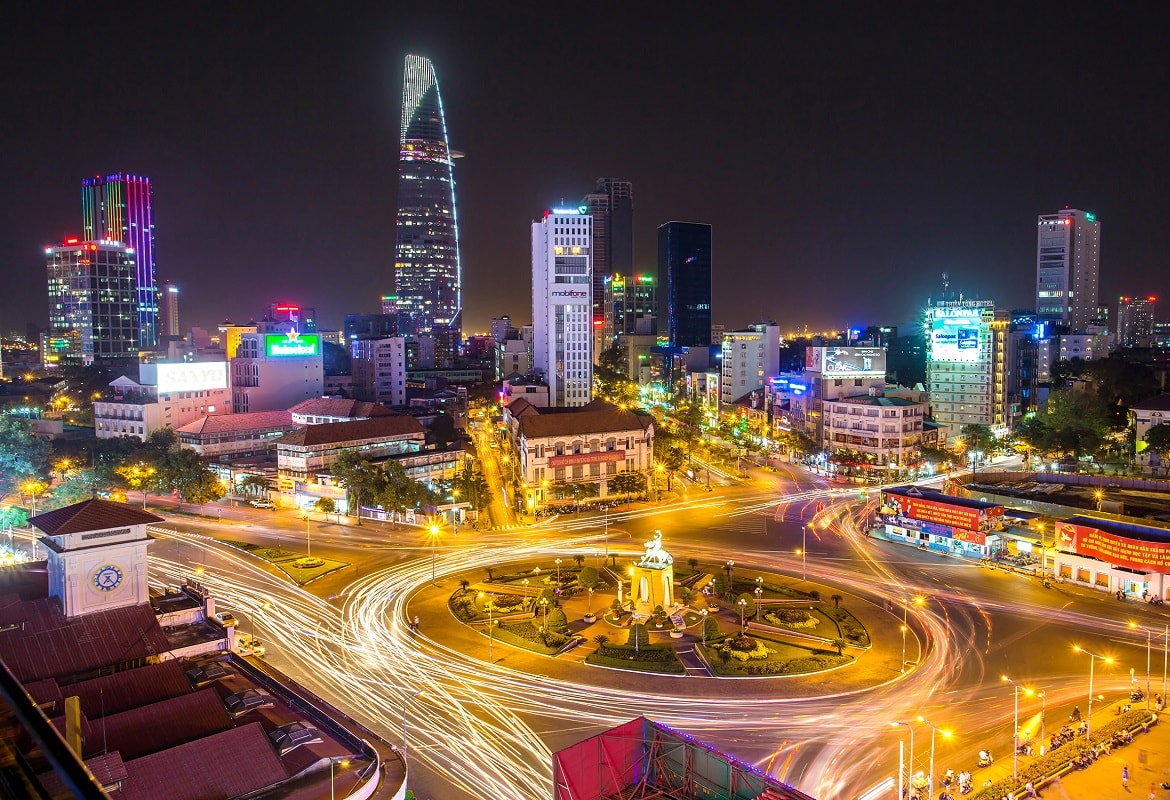
    The U.S. dollar has reached a striking new high against the Vietnamese dong, even as it maintains a steady presence in global markets this Friday morning.

    At Vietcombank, the dollar is selling at VND26,370, reflecting a modest increase of 0.09%. Meanwhile, the State Bank of Vietnam has raised its reference rate by 4.09% to VND25,116. In the black market, the dollar has climbed by 0.19%, now costing VND26,520.

    On the global stage, the dollar has sustained its gains after President Donald Trump successfully pushed his signature tax cut bill through its final legislative challenge. This development has intensified pressure on nations to secure favorable trade agreements with the U.S., as reported by Reuters.

    Despite these developments, the dollar index—which gauges the greenback against a basket of major currencies—has experienced its worst first half since 1973. Trump’s tumultuous tariff strategies have raised alarms about the U.S. economy and the stability of Treasury securities, leaving the gauge relatively unchanged at 97.056 after a 0.4% rise on Thursday. The euro has seen a slight uptick of 0.1% to $1.1765.

    Hirofumi Suzuki, chief currency strategist at SMBC, noted, “The U.S. labor market is gradually slowing down, but the lack of sudden shifts is reassuring. I personally predict that the tariff discussions will not yield favorable outcomes, which could lead to continued weakness for the dollar and strengthen the yen.” While the future remains uncertain, one thing is clear: the currency dance is as captivating as ever—who knew economics could rival a blockbuster thriller?

    Questions & Answers

    How has the U.S. dollar performed against the Vietnamese dong recently?
    The U.S. dollar has recently reached a new high against the Vietnamese dong, selling at VND26,370 with a 0.09% increase at Vietcombank, and VND26,520 in the black market.

    What factors are influencing the dollar’s stability on the global stage?
    The stability of the dollar globally can be attributed to President Trump’s tax cut bill gaining approval, which has pressured countries to negotiate trade agreements with the U.S.

    What predictions are experts making regarding the future of the dollar and yen?
    Experts, including SMBC strategist Hirofumi Suzuki, predict that the ongoing tariff negotiations may not favor the dollar, potentially leading to continued weakness against the yen.

  • Vietnamese Shoppers Tackle the Challenge of Identifying Fake Products in a Complex Retail Landscape

    Vietnamese Shoppers Tackle the Challenge of Identifying Fake Products in a Complex Retail Landscape

    In early April, a 60-year-old woman in Hanoi visited the doctor, troubled by persistent joint pain that refused to ebb even under a regimen of various supplements. The diagnosis was disheartening: joint degeneration, osteoporosis, and herniated discs. Even more startling was the revelation that one of her supplements contained corticosteroids, potent anti-inflammatory medications known to weaken bones and contribute to adrenal insufficiency.

    In her quest for answers, Thuy turned to her child for help with research, only to uncover the troubling truth—many of her daily supplements had been flagged as counterfeits by local authorities. “I thought expensive medicines were good, but it turns out I have been buying fakes,” she lamented. A month later, her suspicion grew when she learned that another supplement, touted as a safeguard against osteoporosis, was part of a notorious counterfeit milk powder operation. “At this point, I suspect everything I have bought over the last five years is fake,” she confessed.

    Unmasking Counterfeit Operations

    Since early April, Vietnamese authorities have intensified their crackdown on counterfeit goods, unveiling a number of significant operations, including a fake medicine manufacturing ring in Thanh Hoa Province and a warehouse in Hanoi with counterfeit electronics valued at VND22 billion (US$842,270). A notorious milk powder scheme reportedly raked in nearly VND500 billion before authorities intervened.

    On June 7, officials dismantled a network producing counterfeit motor oils from reputable brands like Castrol, Motul, and Honda in Ho Chi Minh City. Two days later, a company in Phu Yen Province was implicated in selling 17 tons of fake coffee. The scale of the discovery is staggering: in the first quarter of 2025 alone, market management authorities conducted 6,192 raids, uncovering over 5,600 cases of counterfeit, smuggled, or substandard products.

    A Dismaying Discovery

    Thanh Truc, 29, visiting her parents in Nghe An Province, was shocked to find her hometown “full of fake products.” From toothpaste that tasted odd to body wash and shampoo that wouldn’t lather, each discovery felt like a betrayal. She even noted a shampoo labeled “Clean,” crafted to mislead consumers into thinking they were purchasing the reputable “Clear” brand.

    “These counterfeit products might not harm immediately, but over time, I cannot imagine the consequences,” she said, echoing a sentiment shared by many as counterfeit goods flood the market.

    E-commerce: A Hotbed for Counterfeit Goods

    Vu Van Trung, vice president of the Vietnam Consumer Protection Association, warns that online platforms have become a haven for counterfeiters. “The tactics employed are becoming increasingly sophisticated, taking advantage of e-commerce loopholes, especially through live-streamed sales on social media,” he explained. These platforms are easy to create, hard to monitor, and even simpler to erase once the counterfeit goods have been sold.

    The allure of counterfeit goods is further driven by significant profit margins. Nguyen Truong Son, president of the Vietnam Advertising Association, pointed out that while the fines for selling counterfeit products range between VND20-80 million, profits can soar into the billions, presenting a tempting risk for criminals.

    Consumers Take Control

    A survey conducted in 2021 by the Market Surveillance Agency revealed that 80% of consumers knowingly purchase fake goods due to their low price or a desire to have branded items that are otherwise unaffordable. April brought a particularly alarming account when Hai Long, 45, from Hai Phong, experienced seizures after taking what he believed were imported stroke prevention pills priced at VND1 million for ten. The discovery that these pills were counterfeit left his family in shock.

    In the wake of such incidents, Hai Long’s wife, Minh Ha, has become an activist for product integrity in her home, eschewing foreign drugs in favor of traditional remedies and devoting her supermarket trips to scrutinizing labels and scanning QR codes. “Living in a maze of real and fake goods, from vegetables to fish sauce and pills, I can no longer tell them apart. Now I have to protect my family on my own,” she stated, highlighting a growing trend towards self-advocacy among consumers.

    After discovering her counterfeit supplements, Thuy discarded everything and now faces daily pain while awaiting treatment. In response, her daughter Do Quyen, 25, has become proactive, committed to researching product authenticity and teaching her family to navigate the complexities of a market riddled with deception. This collective push for awareness is mirrored on social media, where posts offering advice on recognizing real versus fake products garner significant engagement.

    Experts suggest a proactive approach for consumers. Professor Nguyen Duy Thinh, a former lecturer at the Hanoi University of Science and Technology, recommends purchasing from authorized stores, supermarkets, and reputable pharmacies while remaining wary of unusually cheap products and dubious online tips. “Each individual’s action not only protects themselves but also helps protect the community,” Trung added, emphasizing the ripple effect of consumer vigilance in combating counterfeits.

    Questions & Answers

    What sparked Thuy’s realization about counterfeit products?
    Thuy’s diagnosis of serious health issues led her to research her supplements, revealing many were counterfeit.

    How are online platforms contributing to the counterfeiting problem in Vietnam?
    Counterfeiters exploit e-commerce loopholes, particularly through social media live-streaming, making it easier to sell fake goods.

    What proactive measures can consumers take to protect themselves?
    Experts advise purchasing from authorized outlets, scrutinizing labels and QR codes, and reporting suspected counterfeit goods to authorities.

  • UBS Faces Harsh Realities in Challenging Financial Landscape

    UBS Faces Harsh Realities in Challenging Financial Landscape

    Today marks a pivotal moment for UBS as the Swiss Federal Council is set to unveil its stance on capital requirements for systemically important banks. For UBS, the outlook is likely grim, but this narrative is far from over.

    Capital Requirements: A Much-Needed Clarification

    The spotlight today is on Finance Minister Karin Keller-Sutter, who is anticipated to clarify how much capital Switzerland’s major banks will need to hold. The proposed regulation primarily targets UBS, which has transformed into the nation’s largest bank after integrating Credit Suisse. With total assets amounting to 1.7 trillion francs, UBS’s balance sheet now towers over Switzerland’s annual GDP, representing a significant risk in times of crisis.

    UBS Group CEO Sergio Ermotti has been vocal about the importance of the bank’s business model over its sheer size. The lingering question, however, is whether this message has struck a chord in Bern, and doubts linger.

    What’s on the Horizon?

    Most analysts predict that the Federal Council will recommend tougher capital requirements for UBS. The expectation is that the bank will need to bolster its foreign subsidiaries with 100 percent capital, up from the current 60 percent. This move aligns with suggestions from the Swiss Financial Market Supervisory Authority (Finma) and the Swiss National Bank (SNB).

    Reports hinting that Finance Minister Keller-Sutter might appease lobbying efforts from UBS’s top brass are being dismissed as mere speculation, grounded in information available prior to the bank stability report presented back on April 10, 2024.

    Implications for UBS

    The prospect of stricter regulations presents a sobering outlook for UBS’s leadership, who have invested significant effort over the past year and a half to avert such a scenario. Heightened capital requirements hinder the bank’s ambition to rival U.S. banking titans on a global scale. UBS believes the stricter rules could inflate its Common Equity Tier 1 (CET1) ratio, a key indicator of capital health, to between 17 and 19 percent. For context, American banks like Morgan Stanley trail with a CET1 ratio of 13.5 percent.

    These proposed changes are not likely to sit well with UBS’s shareholders, as they could exert downward pressure on the bank’s stock. A crucial factor will be the timeline provided for UBS to boost its capital ratio; periods shorter than ten years are generally viewed unfavorably by financial analysts. Moreover, these higher requirements could jeopardize future share buyback initiatives, with UBS previously aiming to surpass a $5.6 billion buyback volume by 2026. Yet, bank officials have asserted that such programs would only proceed if the CET1 ratio remains at 14 percent and significant changes to capital requirements do not arise immediately.

    UBS’s Potential Moves

    Media speculations suggest that UBS may consider relocating its headquarters should it be compelled to hold more capital. Nonetheless, UBS Executive Board member Markus Ronner dismissed these rumors as baseless during a recent appearance on Swiss TV’s Arena program. Yet, it’s conceivable that higher capital regulations could render UBS a tempting acquisition target, especially if its stock price declines significantly.

    Another potential strategy could see UBS adopt the so-called Holcim principle, perhaps spinning off riskier operations and relocating them abroad. One plausible path might involve separating its investment banking division and migrating it to London, a concept recalling the pre-2008 discussions around the Glass-Steagall Act that once mandated such divisions in the U.S.

    The Road Ahead

    The Federal Council’s proposals will transition into a consultation phase, with a final proposal expected by year’s end. Subsequently, it will be in the hands of the National Council and the Council of States. Gauging the sentiment in Parliament remains challenging at this stage, and a public referendum could also be on the table. As it stands, clarity on this matter remains elusive and will likely take considerable time to emerge.

    Questions & Answers

    What is the expected change in UBS’s capital requirements?
    The Federal Council is likely to require UBS to back its foreign subsidiaries with 100 percent capital, up from the current 60 percent.

    How might the capital requirements impact UBS’s ambitions?
    Stricter regulations could hinder UBS’s competitiveness against U.S. banks and may pressure its stock, impacting potential share buyback programs.

    Is relocation a serious consideration for UBS?
    While there are speculations about relocating its headquarters, UBS has dismissed such plans, highlighting that no concrete decisions have been made.

  • Ikea to open first small-format store in Sydney

    Ikea to open first small-format store in Sydney

    Ikea Australia’s first small-format store is set to open in Sydney’s Westfield Warringah Mall at the beginning of May.

    The Ikea Planning Studio will provide shoppers on the Northern Beaches with a place to plan and build their dream kitchens and bedrooms. Staff on-site will be equipped with tablets and provide one-on-one consultations to help customers select the right products from Ikea’s range of furniture, appliances, storage solutions and more.

    This stands in sharp contrast to the massive, showroom-cum-warehouse stores that Ikea traditionally has been famous for. But the shifting retail landscape has seen the Swedish furniture giant globally adapt its offer by launching e-commerce sites, providing more do-it-for-me services and, increasingly, experimenting with smaller stores in urban centres.

    “At Ikea, we know Australians are looking for new and more convenient ways to shop their favourite products. We’re excited to be bringing bespoke Ikea shopping experiences to Aussies around the country in locations that suit them,” Ikea Australia country manager Jan Gardberg said.

    “We’ve chosen Warringah Mall as our first location in order to reach even more Australians that live within urban areas, outside of the city centre.”

    The Planning Studio seemingly aims to provide a more immersive shopping experience, with a “luxe bedroom environment” that will transport shoppers to a “hub of femininity through floral scents and classic detailing” and a “soothing wellness sanctuary” that will feature a variety of kitchen solutions.

    In a separate initiative, the retailer currently is hosting a series of “sleepovers” at stores across the country, where select customers can experience how Ikea’s range of sleep solutions – that is, mattresses, bedding and other items – provide a better night’s sleep. This suggests Ikea is looking for ways to interact with customers on a more personalised and experiential level.

    “We want to inspire people to get creative and explore the possibilities of our range. The launch of our small format stores is just another way we’re helping Australians to create personalised and functional spaces within the home,” Gardberg said.

    The Planning Studio’s design was inspired by Scandinavian modern style and Ikea’s design values of sustainability, quality, form, function and affordability, the retailer said, and created with the eco-friendly shopper in mind.