Retail News CRM

Tag: LEADER

  • Fast-Fashion Leader Shein Secures Approval for High-Profile Hong Kong IPO after Setbacks

    Fast-Fashion Leader Shein Secures Approval for High-Profile Hong Kong IPO after Setbacks

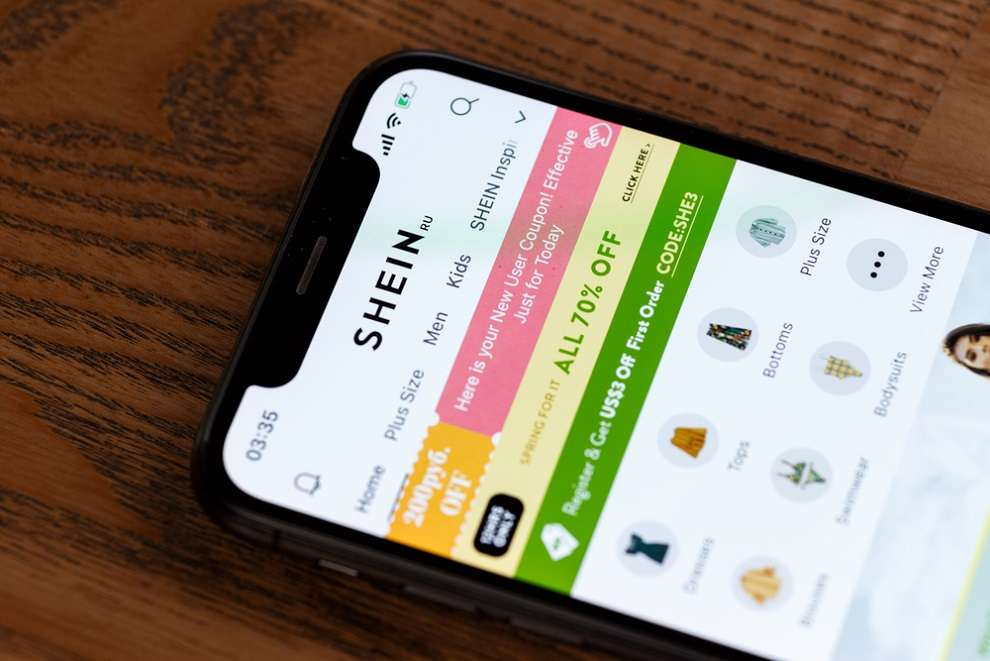
    Fast-fashion retail giant Shein has received authorization for its much-anticipated Initial Public Offering (IPO) process in Hong Kong, bringing it one step closer to a listing after unsuccessful runs in both New York and London. This news came from the China Securities Regulatory Commission (CSRC) on Friday, offering Shein the endorsement it has been seeking for over a year.

    Shein’s journey to the IPO stage has been hindered by a variety of factors, including weak investor sentiment and conservative spending habits among lower to middle-income consumers. The retailer’s journey to the stock market is therefore noteworthy, with many other consumer brands opting to postpone their IPOs in the current financial climate.

    Shein’s Journey to the IPO

    Shein was established by Sky Xu, a Chinese-born entrepreneur, in 2012. The IPO approval was contingent upon approval from the highest echelons of the ruling Communist Party in China, due to various controversies surrounding the brand. The controversies included a scandal involving a sex doll in France and allegations of poor labor standards in its supplier factories in China.

    Despite these scandals, Shein has shown resilience. The IPO’s confidential nature and the company’s decision not to make the filing documents public suggests that the retail giant is embracing its Chinese origins, rather than distancing itself. This is contrary to the strategies of many Western fashion companies, which have sought to reduce their Chinese exposure.

    Shein’s Current Financial Status

    Shein was valued at a staggering US$100 billion in 2022. However, as the online shopping boom brought on by the pandemic began to wane and a customs duty loophole for e-commerce parcels in the US was closed, the brand’s value decreased. In the latest fundraising round in May 2023, Shein was valued at just $66 billion.

    Shein’s IPO goal is speculated to be between $40 billion to $50 billion. The company plans to sell up to 8 percent of its shares, but the final stake sold is expected to be lower, thus generating low single-digit billions of dollars.

    Shein’s unsuccessful attempts to list in New York and London indicate the challenges faced by Chinese-linked companies due to geopolitical tensions. Despite moving its headquarters to Singapore in 2022, Shein is still subject to Chinese IPO rules as its products are largely manufactured by third-party suppliers in China.

    Questions & Answers

    What controversies has Shein faced?
    Shein has been involved in several controversies, including a scandal involving a sex doll in France and allegations of substandard labor practices in its supplier factories in China.

    What is the projected worth of Shein’s IPO?
    Shein is targeting an IPO valuation of between $40 billion and $50 billion.

    Why has Shein’s valuation decreased since 2022?
    Shein’s valuation has decreased due to the diminishing online shopping boom brought on by the pandemic and the closure of a customs duty loophole for e-commerce parcels in the US.
  • Versace in Search of New Leader as CEO Emmanuel Gintzburger Steps Down

    Versace in Search of New Leader as CEO Emmanuel Gintzburger Steps Down

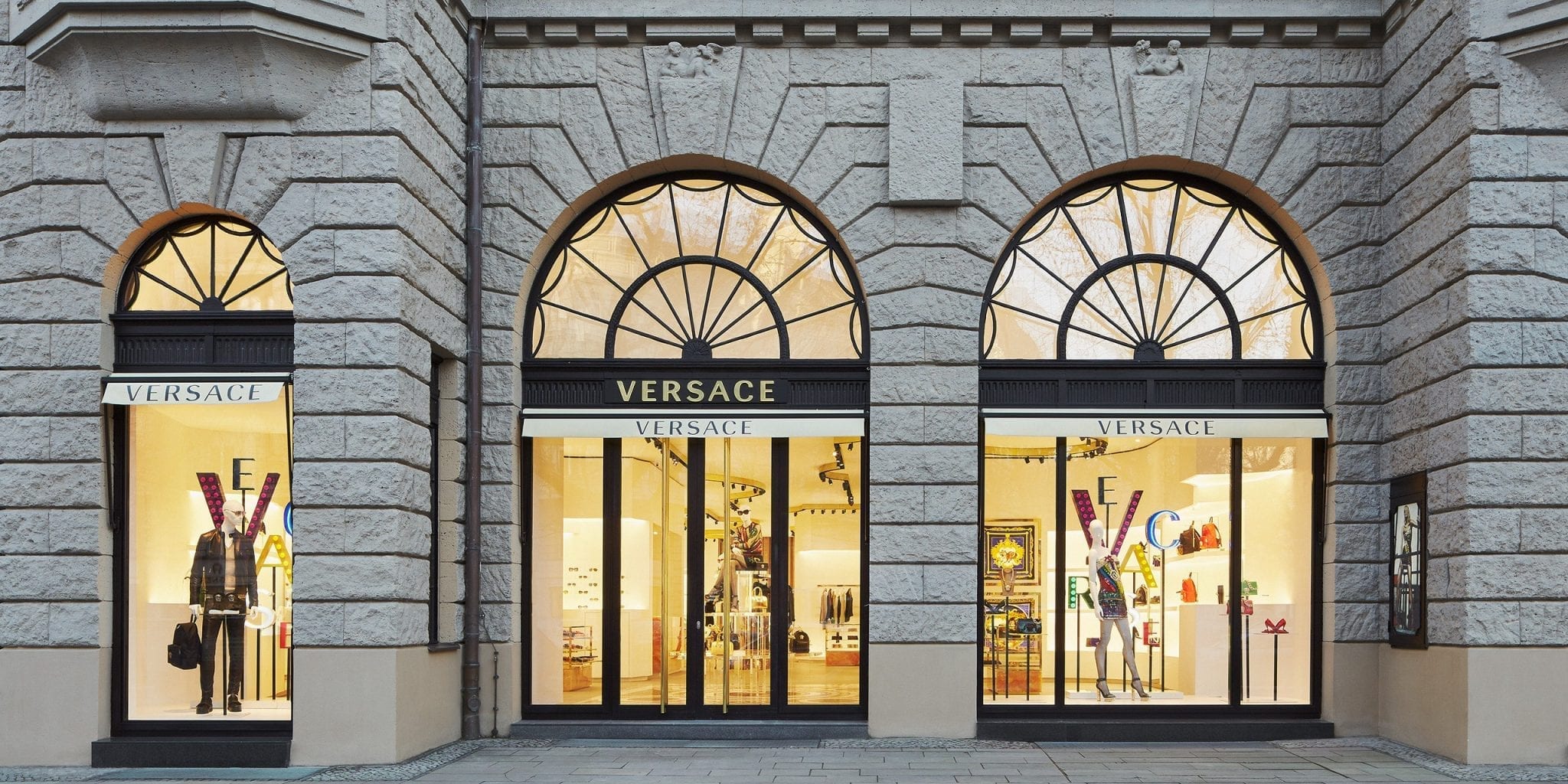
    After nearly four years of guiding the iconic Italian luxury fashion house, Versace’s CEO, Emmanuel Gintzburger, has decided to step down from his role.

    A Leadership Transition at Versace

    Gintzburger took the reins at Versace in September 2022, following his tenure as the CEO of Alexander McQueen, where he served for approximately six years. Gintzburger also boasts an impressive resume with leadership roles at Saint Laurent, Jeanne Lanvin, and Sephora under his belt.

    His time at Versace was marked by significant changes, notably the brand’s acquisition by the Prada Group last year. The Group, another Italian luxury titan, purchased Versace in a significant transaction valued at US$1.375 billion from US-listed Capri Holdings, effectively “bringing the brand back home.”

    Subsequent to this acquisition, Lorenzo Bertelli, the Chief Marketing Officer at Prada Group, was appointed as the executive chair of Versace.

    The Future of Versace

    The Prada Group confirmed that Gintzburger’s resignation became effective on June 23, and assured that an announcement regarding his successor will be made when the time is right.

    Earlier this year, Versace named Pieter Mulier as the new chief creative officer, effective from July 1, replacing Dario Vitale, who had a brief stint with the company, departing in December.

    As Mulier prepares to unveil his debut collection for Versace next February, the company is working diligently to finalize its management team, which includes Bertelli and the forthcoming CEO. This is a critical step as the brand gears up for its next growth phase.

    Questions & Answers

    Who is the outgoing CEO of Versace?
    Emmanuel Gintzburger was the CEO of Versace, leading the company for nearly four years before announcing his resignation.

    Who acquired Versace recently?
    The Prada Group, an Italian luxury company, acquired Versace last year in a deal worth US$1.375 billion.

    Who is the new Chief Creative Officer for Versace?
    Pieter Mulier was named the new Chief Creative Officer for Versace, with his tenure starting from July 1.

  • Starbucks Korea Leader Axed Over Distasteful Tank Day Promo that Ignited National Fury

    Starbucks Korea Leader Axed Over Distasteful Tank Day Promo that Ignited National Fury

    Shinsegae Group, a major food corporation in South Korea, has terminated the employment of Starbucks Korea’s chief after a marketing campaign sparked widespread controversy on the commemoration of historical pro-democracy protests.

    Shinsegae, the South Korean holder of the Starbucks license, announced on Monday that Chairman Chung Yong-jin dismissed Sohn Jeong-hyun, the leader of Starbucks Korea, on the grounds of conducting “unsuitable marketing.”

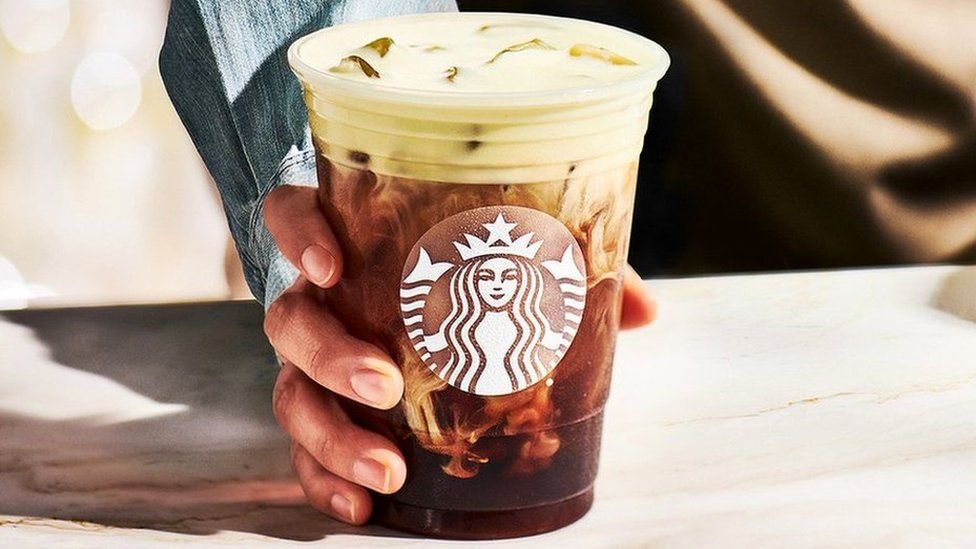
    Hours before the announcement, Starbucks Korea initiated a ‘Tank Day’ promotional campaign which provoked backlash from South Koreans who interpreted it as an insensitive reference to the violent suppression of protestors by military tanks during the anti-dictatorial movements in the 1980s. The campaign, which offered discounts to customers purchasing tumblers, employed language that evoked a South Korean official’s explanation for the torture-related death of a student protestor in 1987.

    On Monday, South Korea observed the Democracy Movement Day, commemorating the student-initiated Gwangju uprising. Reportedly, hundreds or even thousands of individuals were killed when the public rebelled against the military dictator Chun Doo-hwan on May 18, 1980.

    In response to the public’s outcry, Starbucks Korea issued a formal apology for the insensitive promotional campaign on its website.

    President Lee Jae Myung expressed his “fury” regarding the issue and insisted on an official apology from the company to the families affected by the uprising.

    Starbucks Coffee Company Spokesperson: 

    “We are deeply sorry for an unacceptable marketing incident in Korea that referenced and coincided with May 18, the commemoration of the Gwangju Democratization Movement – a day of profound historical and human significance. 

    “While unintentional, this should never have happened. We recognize the deep pain and offense this has caused, particularly to those who honor the victims, their families, and all who contributed to Korea’s democratization. 

    “Starbucks Korea immediately halted the campaign, and we are taking this matter with the utmost seriousness. Leadership accountability actions have been taken, and a thorough investigation is underway. We are implementing stronger internal controls, review standards, and company-wide training to ensure this does not happen again.  

    “We sincerely apologize to the people of Gwangju, to those impacted by this tragedy, and to our customers and communities.”

    Questions & Answers

    What was the cause of the termination of the head of Starbucks Korea?
    Starbucks Korea’s chief, Sohn Jeong-hyun, was dismissed due to a controversial ‘Tank Day’ promotional campaign that was seen as insensitive towards the historical pro-democracy protests in South Korea.

    How did the public interpret the ‘Tank Day’ promotional campaign by Starbucks Korea?
    The campaign upset South Koreans as it seemingly reminded them of the violent suppression of protestors by military tanks during the anti-dictatorial movements in the 1980s.

    What was the reaction from the South Korean government to the promotional campaign?
    President Lee Jae Myung expressed his anger regarding the issue and demanded an official apology from the company to the families of those who lost their lives in the uprising.

  • Lululemon CEO McDonald Bows Out, Shares Soar Amid Hunt for New Leader

    Lululemon CEO McDonald Bows Out, Shares Soar Amid Hunt for New Leader

    Calvin McDonald, the current CEO of Lululemon Athletica, is scheduled to resign from his position on January 31. He plans to continue serving as a senior advisor until March 31. The company, known for its athletic leisure-wear, has launched a comprehensive search to identify a suitable successor for the CEO role.

    Company Performance Under McDonald

    Since McDonald’s appointment in 2018, the Canadian-based company has experienced significant global growth. However, the latest quarterly sales figures indicated a year-on-year decline in the Americas.

    In the third quarter earnings report for the fiscal year 2025, Lululemon’s diluted earnings per share (EPS) fell by 10 per cent and store revenues remained steady. Despite this, total revenues grew by 7 per cent due to a 33 per cent surge in international markets.

    Neil Saunders, the Managing Director of analytics firm GlobalData, described these figures as “soft.” He outlined three issues Lululemon is facing in the North American market: a softer market for athletic leisure-wear with little organic growth available, increasingly fierce and high-quality competition, and faltering execution against this challenging backdrop.

    McDonald’s Departure Statement

    Despite the criticisms, McDonald expressed pride as he announced his departure. McDonald acknowledged that his tenure as Lululemon’s CEO has been the pinnacle of his career. He conveyed immense pride in the team’s achievements over the past seven years, highlighting the transformation of the athletic apparel industry and the substantial opportunities that lie ahead for Lululemon.

    He expressed confidence in the product pipeline and action plan developed during his term, assuring that they would yield positive results and provide value to shareholders. McDonald committed to supporting the transition and guiding the leadership team in his advisory role.

    Under McDonald’s leadership, Lululemon expanded into over 30 countries and boosted its mainland China business into becoming the company’s second-largest market. The board also recognized his efforts in broadening Lululemon’s product portfolio.

    Following the announcement of McDonald’s departure, Lululemon’s stock (LULU) rose by 20 points after hours.

    Leadership Transition

    In the interim period, Chair Marti Morfitt will assume the expanded role of executive chair effective immediately.

    Morfitt expressed gratitude for McDonald’s contributions and appreciated his support for ensuring a smooth transition over the coming months. As the board anticipates the company’s future, it is committed to finding a leader with a proven track record of guiding companies through growth and transformation.

    Questions & Answers

    Who is Calvin McDonald?
    Calvin McDonald is the outgoing CEO of Lululemon Athletica who has led the company since 2018.

    What has been the impact of McDonald’s leadership on Lululemon?
    Under McDonald’s leadership, Lululemon expanded into over 30 countries, and its mainland China business became the company’s second-largest market. He also broadened Lululemon’s product portfolio.

    Who will be taking over after McDonald’s departure?
    Marti Morfitt, the current Chair, will assume the expanded role of executive chair immediately. The company is conducting a comprehensive search for a new CEO.

  • Lanvin leader David Chan to step down this month

    Lanvin leader David Chan to step down this month

    David Chan, the executive president and chief financial officer of Lanvin Group, has announced his decision to step down from his position effective October 27. While he plans to explore fresh opportunities, Chan is also slated to provide advisory support during the transition period. His successor, however, remains to be declared.

    Zhen Huang, the chairman of Lanvin Group, acknowledged Chan’s valuable contributions to the company. “His remarkable contributions have played a crucial role in charting the strategic course and transformational initiatives of the group,” remarked Huang. He further added, “As he embarks on his new journey, we extend our best wishes for his continued success.”

    Despite the departure of Chan, who served as the executive president since the company’s inception, the Lanvin Group remains confident about its future potential. In addition to the high-profile responsibilities handled by Chan, including mergers and acquisitions, brand operations, and performance management, he was also instrumental in the strategic planning and leadership recruitment across the group’s portfolio. Huang reaffirmed, “Lanvin Group continues to stand strong with plans to sustain growth and create enduring shareholder value.”

    Established in Shanghai and jointly headquartered in Milan, Lanvin Group is supported by Fosun International. It commands a strong brand portfolio, which includes names like Lanvin, Wolford, Sergio Rossi, and St John Knits.

    Questions & Answers

    Why is David Chan leaving Lanvin Group?
    David Chan is stepping down from his role at Lanvin Group to pursue new opportunities. He will continue to serve in an advisory capacity during the transition period.

    Who will succeed David Chan as the executive president and CFO of Lanvin Group?
    The successor to David Chan has not been announced yet.

    What impact has David Chan had on the Lanvin Group?
    David Chan has been instrumental in shaping the strategic direction of Lanvin Group since its inception. He has overseen a wide range of responsibilities, including mergers and acquisitions, brand operations, strategic planning, leadership recruitment, and performance management across the group’s portfolio.

  • New leader appointed in APAC for Abercrombie & Fitch

    New leader appointed in APAC for Abercrombie & Fitch

    Abercrombie & Fitch has hired two key senior staff to lead its Europe, Middle East, and Africa (EMEA) and Asia-Pacific (APAC) regions.

    Olga Wu will oversee Abercrombie & Fitch Asia-Pacific and Daniel Le Vesconte will manage the company’s EMEA regional operations. Both have been appointed group VPs.

    They will report to global brands president Kristin Scott and are responsible for executing the company’s brand strategies to drive growth in their respective local markets.

    In conjunction with these appointments, the company continues to build its international presence and has selected the London and Shanghai offices as its regional EMEA and APAC headquarters respectively.

    Le Vesconte, 50, joins the company most recently from footwear and clothing brand Dr. Martens, where he served as president, EMEA. Wu, 54, joins the company from VF Corporation, where she most recently served as GM of Timberland in China.

    “As we seek to drive global growth and adapt our playbooks for markets around the world, we’re investing in our international teams to drive further closeness to our customers in every region,” said Abercrombie & Fitch CEO Fran Horowitz. “We are pleased to welcome Dan and Olga to our A&F team; they each bring deep experience and understanding of consumer behavior and brand leadership across their respective regions. Their insights and leadership will help support our goal of consistently bringing relevant products and brand experiences to our customers around the world.”

  • Strategies that will differentiate leaders in Indian retail in 2019

    Strategies that will differentiate leaders in Indian retail in 2019

    Indian retail industry has seen tremendous transformation and growth in the last few years and has become one of the most favourable market for global investment. The vibrant industry, hugely shaped by changing policies and consumer behaviour is adopting technology not only to understand changing consumer preferences but also to enhance shopping experiences. Innovations have defined a gradual shift in how companies approach retail altogether.

    Technology disruptions have taken all industries in its stride and the cash and carry business is no exception, despite it dealing with B2B customers. Technology has been a pivot for the creation of personalised, ‘instant’ buyer experiences. The players who leverage technology well will be industry leaders of the next decade.

    As we have stepped in 2019, here are some retail trends that will make news this year.

    Integrated Omnichannel presence for retail analytics – Omnichannel in retail has been a high talk point and some retailers have successfully expanded their presence across platforms. However, integration is the key to success in this game. Unless the platforms are integrated, they will present an inconsistent experience to the customers, creating confusion about the product, pricing and promotions.

    Besides ensuring an unswerving experience, a bigger advantage of an integrated Omnichannel approach would be to share and cross-leverage customer behaviour data. For instance, if a customer has a specific purchasing pattern for a product offline, the retailer can use these insights for targeted marketing on various digital platforms. It will not only help the shopper find what they need but also help the retailer generate higher sales through relevant product suggestions and repeat business.

    Shaping in-store experience through proximity marketing – Internet of Things has transformed many industries and has the potential to enable real-time interaction between retailers and consumers, providing them with a truly connected experience. It not only brings about a seamless experience but also enable guided discovery and shopping, using a network of beacons in store. These beacons can help retailers in marketing, mapping the consumer movement patterns and time spent at various sites, in-store messaging, building consumer loyalty etc. This will offer the opportunity to revolutionise in-store experience for consumers.

    Increasing focus towards sustainability – The consumer dynamics have evolved considerably over the last few years. They feel connected to a company or a brand that helps them contribute to social and environmental issues. The inclination of Indian consumers towards building a sustainable future will provide an edge to brands operating sustainably.

    The dynamic regulatory environment and shifting consumer preferences are making it imperative for retailers to decrease the social and environmental impact of their operations. Companies will be seen instituting practices and initiatives to address this need, and, the players who will ace this, will be the most preferred brands for consumers in the future.

    Decreasing wastage, promoting recycling and energy conservation will be certain immediate outcomes of bringing sustainable practices within business operations. Over a longer period, the impact of sustainability will run much deeper, with local community engagement and expected economic benefits.

    Employing Blockchain to enhance credibility through responsible and ethical sourcing –Blockchain technology helps retailers with core functions including supply chain management, inventory management, authenticity verification, auto-renewal and subscription services, customer data and loyalty programmes. However, the key benefits that the technology is delivering to retailers are to ensure authenticity and improve accuracy in tracing the origin of any product swiftly.

    Incorporating blockchain technology will enable retailers to track data right from sourcing stage to customer purchase while ensuring authenticity for their customers. It will also help establish sustainable sourcing practices being followed by the company, making a stronger connect with the millennial consumer.

  • Fonterra India appoints Ishmeet Singh CEO

    Fonterra India appoints Ishmeet Singh CEO

    Fonterra Future Dairy Pvt Ltd, a new joint venture between global dairy nutrition company Fonterra Co-operative Group and new age FMCG company Future Consumer Limited, announced the appointment of Ishmeet Singh as its CEO, effective from January 7, 2019.

    Singh, a seasoned leader with a proven track record of profitable growth and business expansion, joins the business to deliver its ambition to bring high value and innovative dairy products to Indian consumers.

    Singh was a member, Western Region Committee (WRC) of the American Chamber of Commerce. He is a physics graduate, and has a Master’s in Management Studies from Mumbai’s Sydenham Institute.

    Singh says, “Over the next seven years dairy consumption is set to increase by 82 billion litres – seven times the forecasted growth for China. I feel extremely privileged to be able to lead this new opportunity as we look to bring an enhanced dairy experience to Indian consumers. I firmly believe through Fonterra Future Dairy we have a huge opportunity to challenge and change the market, combining Fonterra’s global dairy innovation, manufacturing and nutrition expertise with Future Group’s leadership in retail and distribution expertise and infrastructure.”

    Leading the growth and expansion of some of the world’s largest, trusted flagship brands in the Indian market, is familiar territory to Singh, having worked over the last 25 years at top multinational and FMCG companies such as Mattel, Vodafone, Hindustan Unilever, and Coca-Cola.

    Most recently, he led the business at Mattel, largest toy manufacturer in the world, as its Country Manager for India and the SAARC region. Previously, he held the role of Business Head at Vodafone India for over 5 years, leading remarkable revenue growth and retail expansion in many circles including Mumbai and Maharashtra.

    Managing Director Future Consumer Limited and Board Member of Fonterra Future Dairy, Ashni Biyani says, “We’re delighted to have someone of Ishmeet’s calibre to lead the business. As a sales and marketing professional at heart, we see him being instrumental in helping us build a brand that Indians love.”

    Fonterra’s Managing Director of Sri Lanka and the Indian Subcontinent, Chairman of Fonterra Future Dairy, Sunil Sethi said, “As our exciting growth phase picks up steam, it is critical that people with the right experience, values and drive are in place to steer the business forward. We are in the process of putting together a first-class team to build a fantastic legacy for the business. Through the ambition we have set, we believe the learning experience and possibilities here at Fonterra Future Dairy are limitless. Ishmeet is a proven and highly accomplished professional with a passion for leading teams to transformative success and growth. With his vision and deep personal commitment to society, we are confident that he will bring immense value in delivering on our ambition.”

  • Nike appointed two new leaders

    Nike appointed two new leaders

    Nike Inc is bolstering its executive management with its two latest hires. The U.S. sports giant has announced earlier in the month that Carl Grebert, currently the Vice-President, General Manager of the Global Jordan Brand, will become the company’s new Vice-President, General Manager of its Asia Pacific and Latin America (APLA) geography, effective December 1.

    In his prior role at Jordan, Grebert worked for 18 months and drove the basketball brand’s global product engines and marketing, merchandising, and oversaw Jordan category management teams for the brand, pushing the business into a position for the next phase of growth.

    Before Jordan, Grebert headed up the Japan geography team as Vice-President, General Manager of Nike Japan.

    He has also held senior roles in marketing and ran territory business units in Europe.

    Grebert replaces Ann Hebert, who will become the new Vice-President, Global Sales, after working as APLA head for two and a half years.

    Hebert will be responsible for driving Nike’s global sales teams and partnering with Nike Direct “to build a seamless Nike network that will continue to elevate service to consumers around the world,” said Nike in a statement.

    She replaces Mike Best, who has decided to retire after a nearly 30-year career stint at Nike.

    Likewise, Hebert has been at Nike for 23 years and served in various leadership roles.

    Prior to her APLA role, the Nike veteran was VP of the Global Nike Direct Partner business and led the North America sales team as the VP, North America Sales.

    Both new management roles will report to Elliott Hill, Nike’s President of Consumer and Marketplace.