Retail News CRM

Tag: leap

  • Stripe and Advent Propose $53 Billion Deal to Acquire PayPal: A Giant Leap in Payments Industry

    Stripe and Advent Propose $53 Billion Deal to Acquire PayPal: A Giant Leap in Payments Industry

    In significant financial news, payment giant PayPal Holdings Inc has reportedly received a joint acquisition bid from payments provider Stripe and private equity powerhouse Advent International. The offer, which values PayPal at a staggering $53 billion USD, was allegedly initiated earlier this month.

    The proposed offer places PayPal’s share value at $60.50, marking an impressive increase of around 28% on PayPal’s closing share price last Tuesday. This proposal leverages approximately $50 billion in committed financing from banking institutions, according to insiders.

    Under the proposed agreement, Stripe and Advent International would retain co-ownership of PayPal, with each party securing an equal share. This arrangement ensures that PayPal would continue operating as a unified entity instead of facing potential fragmentation.

    However, it’s important to note that these discussions remain in the early stages, and there is no assurance that this preliminary approach will actualize into an official transaction. The individuals providing the information have chosen to remain anonymous due to the confidential nature of these ongoing negotiations. Official representatives from Advent, PayPal, and Stripe have yet to issue public comments on the subject.

    PayPal’s first-quarter performance reported a promising 7% increase in revenue, amounting to around $8.35 billion. This figure comfortably surpasses analysts’ predicted average of $8.05 billion. Furthermore, on a currency-neutral basis, total payment volumes experienced an 8% rise over the past year, totaling about $464 billion.

    Questions & Answers

    What is the proposed offer for PayPal’s shares?
    The joint acquisition bid by Stripe and Advent International is proposing a value of $60.50 per PayPal share.

    How is the proposed acquisition to be financed?
    The proposed acquisition is backed by approximately $50 billion in committed financing from banking institutions.

    What were PayPal’s first-quarter performance figures?
    PayPal reported a 7% increase in revenue in the first quarter, amounting to $8.35 billion. On a currency-neutral basis, total payment volumes saw an 8% rise over the past year, reaching approximately $464 billion.

  • Apple’s Leap of Faith: Intel Chip Deal Sparks Debate on Future of U.S. Chipmaking Industry

    Apple’s Leap of Faith: Intel Chip Deal Sparks Debate on Future of U.S. Chipmaking Industry

    Apple’s transition to Intel chips, as reported last week, displays a strategic move driven by necessity and ambition. However, industry experts suggest this is not a straightforward transition, as advanced Intel chips typically require two to three years to manufacture. Moreover, the translation of this shift into tangible benefits may take even longer due to the extensive and meticulous production process.

    This potential deal, which has not yet been officially confirmed by either party, could present a mutually beneficial opportunity. Intel has been striving to reestablish its reputation as a credible contract chipmaker, while Apple seeks additional manufacturing capacity. This comes in light of Apple’s current supplier, TSMC, grappling with increased Artificial Intelligence (AI) chip demand led by companies such as Nvidia.

    Supply issues have impacted iPhone sales, as Apple CEO Tim Cook noted in April. The prospective agreement with Intel aligns with the U.S strategy to bolster domestic chip manufacturing, using tariffs and incentives. Intel, holding a 10% stake in the company and having received a $5 billion investment from Nvidia on the request of President Donald Trump, is considered a critical player in this initiative.

    However, Malcolm Penn, CEO of chip research firm Future Horizons, offers a cautious perspective. “The very best-case scenario would see the first chips produced within two to three years. Designing an SoC (system on chip) of this complexity takes two years, with an additional four months needed for production cycle time to ramp up,” he explained. Penn underscores that this estimation is contingent on Intel’s technology being fully developed and its design tools sufficiently reliable for Apple to rely on. He termed the deal as “a shotgun wedding,” due to the high degree of faith and commercial risk involved.

    Intel’s Prospects with Apple

    Despite being late to the AI boom, Intel has made tentative strides, securing Tesla as a customer in April and potentially entering a significant partnership with Apple. Experts are split over which Intel manufacturing process Apple will select.

    While some predict Apple will follow Tesla onto Intel’s forthcoming 14A process, others foresee Apple prioritizing reliability over cutting-edge gains, potentially favoring 18A-P, a refined version of Intel’s most advanced process, or a reliable, older node such as Intel 3.

    Bob O’Donnell, an analyst at TECHnalysis Research, believes Apple might opt for Intel’s 14A process technology, expected to be available by 2028 or 2029. He notes that if this comes to fruition, it would mark a pivotal development for Intel’s foundry business and U.S-based semiconductor manufacturing more broadly.

    Turning Apple’s Vision into Reality

    Daniel Newman, CEO of tech research firm Futurum Group, suggests that the mass production of Apple-designed chips may not commence until late 2027 or early 2028. It is anticipated that initial efforts will concentrate on less critical components used in MacBook Air or certain iPad Pro models.

    Apple might adopt a cautious approach, initially testing Intel with lower-end products before entrusting them with their most essential chips, as per analysts. Intel, which has faced challenges with the timeline and quality of its chips, will need to meet Apple’s high yield expectations—a standard that TSMC has accustomed Apple to.

    Paul Meeks, head of tech research at Freedom Capital Markets, voices skepticism. “Investors are betting on flawless execution by Intel, a company that hasn’t delivered for about 20 years. While Intel seems to have made progress with its latest manufacturing process, we should all at least modestly discount a perfect outcome,” he warned.

    Questions & Answers

    What is the predicted timeline for the production of Intel chips for Apple?
    The best-case scenario predicts that the first chips could be produced within two to three years. However, the mass production of Apple-designed chips may not start until late 2027 or early 2028.

    What factors could impact this timeline?
    The timeline depends largely on whether Intel’s technology is fully developed and its design tools reliable enough for Apple to depend on. It is also contingent on Intel meeting Apple’s high yield expectations.

    What could be the implications of this shift for Apple and for U.S. semiconductor manufacturing?
    The shift could potentially provide Apple with the additional manufacturing capacity it seeks and help Intel rebuild its credibility as a contract chipmaker. If successful, it could also mark a significant development for U.S-based semiconductor manufacturing.

  • L’Oréal Pledges $383M for Indian Beauty Tech Hub: A Leap into AI-Driven Innovation and Job Creation

    L’Oréal Pledges $383M for Indian Beauty Tech Hub: A Leap into AI-Driven Innovation and Job Creation

    L’Oréal, the French cosmetics powerhouse, announced on Wednesday plans to establish a beauty technology hub in Hyderabad, a major city in southern India, supported by an initial investment surpassing 35 billion rupees (approximately US$383.4 million).

    The planned tech hub is anticipated to serve as a global hotbed for AI‑driven beauty innovation. L’Oréal aims to generate 2000 tech employment opportunities by 2030 and expedite the deployment of advanced AI beauty solutions, according to a company statement.

    The agreement detailing this new venture was officially established at the World Economic Forum in Davos by Nicolas Hieronimus, L’Oréal’s CEO, and the state government of Telangana.

    Over recent years, Telangana has swiftly risen to prominence as a crucial investment and technological epicenter in southern India.

    Trade relations between India and France have been steadily strengthening, with bilateral trade reaching $15 billion in 2024. This warming relationship is further evidenced by ongoing discussions between Indian Prime Minister Narendra Modi and French President Emmanuel Macron.

    In addition, both nations have been cooperating since 2024 to revamp their tax treaty. The aim is to modernize the agreement by integrating global standards concerning tax transparency.

    Questions & Answers

    What is the purpose of L’Oréal’s planned tech hub in Hyderabad?
    The tech hub is intended to be a global platform for AI-driven beauty innovation. It is also expected to create 2000 tech jobs by 2030 and facilitate the introduction of advanced AI beauty solutions.

    Who formalized the agreement for this new project?
    The agreement was formalized by Nicolas Hieronimus, L’Oréal’s CEO, and the state government of Telangana at the World Economic Forum in Davos.

    What major economic changes are being pursued by India and France?
    India and France have been collaborating since 2024 to update their tax treaty. This revision aims to modernize the contract by incorporating global standards on tax transparency.

  • Telkomsat Joins Forces with Space42: A Game-changing Leap Towards Universal 5G D2D Connectivity

    Telkomsat Joins Forces with Space42: A Game-changing Leap Towards Universal 5G D2D Connectivity

    Space42 and PT Telkom Satelit Indonesia (Telkomsat) have agreed upon a memorandum of understanding (MoU) that intends to investigate the potential of direct-to-device (D2D) connectivity collaboration. The partnership will utilize Equatys, a joint initiative of Space42 and Viasat, which was created to ensure seamless 5G connectivity across both satellite and terrestrial networks. This partnership aligns with the objectives of both companies to enhance D2D connectivity beyond conventional infrastructure, leading to a unified communication experience.

    Equatys: Bridging Connectivity Gaps

    Equatys was launched in September 2025 to solve connectivity issues by implementing a 3GPP Release 17+ non-terrestrial network (NTN) framework. It supports over 100MHz of harmonized global mobile satellite services (MSS) spectrum, which allows standard smartphones and IoT devices to connect directly with satellites. This extends seamless 5G access to over 180 markets globally.

    Exploring Potential Collaboration Areas

    The MoU signed by Telkomsat and Space42 is a commitment to explore potential collaboration areas related to NTN and D2D connectivity. This includes examining the possibilities of technical integration to assess the feasibility of technical, commercial, and regulatory cooperation related to D2D and satellite-enabled communication services. This will involve adjusting network infrastructure to ensure a seamless handover between terrestrial and satellite systems without the need for additional hardware and setting service benchmarks for latency, bandwidth, and reliability. Moreover, the partnership will also help to develop new 5G NTN capabilities, ensure local regulatory and security compliance, and uphold data privacy to meet both regional and international standards.

    Joint Innovation Labs and Pilot Programs

    In addition to the above, joint innovation labs and pilot programs will be established to test new technologies, enhance service capabilities, conduct field trials, and assess interoperability with existing 4G and 5G networks. Equatys will be the medium through which Telkomsat can provide improved user experiences, supporting its leading market position as a technology provider.

    Executives’ Statements

    Ali Al Hashemi, CEO of Space Services at Space42, highlighted the importance of this partnership, stating that Equatys represents the future of global connectivity as it addresses current gaps that leave billions unserved by terrestrial networks. On the other hand, Lukman Hakim Abd Rauf, CEO of Telkomsat, reiterated that satellite-based connectivity is crucial to the national network architecture, especially to ensure reliable communication in distant areas.

    The Future of Universal Connectivity

    Operating as a shared “space tower” company, Equatys uses a multi-tenant towerco model that minimizes redundant capital expenditure while offering cost-efficient capacity to multiple operators. Its architecture is designed to serve three market segments through a scalable, infrastructure-grade network, namely D2D, IoT, and MSS. By incorporating this scalable infrastructure with Telkomsat’s accessible markets, Equatys will transition from a mere concept to a commercial venture, transforming universal connectivity into a shared growth opportunity.

    Questions & Answers

    What is the purpose of the partnership between Space42 and Telkomsat?
    The partnership aims to explore potential collaboration areas related to non-terrestrial network (NTN) and direct-to-device (D2D) connectivity.

    What is Equatys and what is its role in this partnership?
    Equatys is a joint initiative between Space42 and Viasat designed to provide seamless 5G connectivity across both satellite and terrestrial networks. It will be a key tool in this partnership, allowing Telkomsat to offer enhanced user experiences.

    What is the significance of this partnership?
    The collaboration between Space42 and Telkomsat represents a new model for universal connectivity and has the potential to transform universal connectivity into a shared growth opportunity.

  • Yum China’s Bold Leap: 30,000 Stores by 2030 and Why the Best is Yet to Come

    Yum China’s Bold Leap: 30,000 Stores by 2030 and Why the Best is Yet to Come

    Yum China, operating KFC and Pizza Hut in China, is strategically planning to double its store count within the next six years. This ambitious plan is built on the company’s consistent growth record and the vast untapped potential of the Chinese consumer market.

    Aggressive Expansion Goals

    Yum China has put forth a bold vision to reach 20,000 stores by next year and more than 30,000 by 2030, a significant increase from its current count of over 12,600. The company’s plan is driven by an understanding of the vast potential that exists within the Chinese consumer market, the largest of its kind in terms of purchasing power. Despite 38 years of operation, Yum China currently serves only about a third of the Chinese population, according to CEO Joey Wat. Their midterm goal is to serve half of the population by 2028.

    The next phase of the company’s growth will be fueled by its expansion into lower-tier cities. These regions are experiencing swift income growth, but the availability of branded food service options remains limited. Wat expressed confidence in the company’s potential to capture a larger share of the market in these cities, backed by their innovative store model, high-quality products, and value for money.

    Broadening KFC and Pizza Hut’s Reach

    Plans are underway to increase KFC’s footprint in lower-tier cities from the current 2,500 to approximately 4,500 by 2030. Similarly, Pizza Hut sees opportunity in over 3,500 cities where it has yet to enter.

    In order to penetrate these markets, Yum China has reimagined its store formats. For instance, KFC’s “small town model,” which requires an investment of RMB 500,000 – 700,000, has already been introduced in 400 cities. Pizza Hut’s Wow stores have also demonstrated promising results with payback periods of just two to three years.

    New Concepts and Resurgence

    In addition to expanding its primary brands, Yum China is also betting on new concepts like KCoffee and KPRO. KCoffee, a coffee chain embedded within KFC locations, already operates over 1,800 stores and is projected to exceed 5,000 by 2029. KPRO, a light-meal concept that emphasizes energy bowls and healthier choices, has gained popularity in Tier 1 markets where consumers are seeking lighter options.

    Pizza Hut’s resurgence in the Chinese market is another notable accomplishment for the company. After years of strategic repositioning, Pizza Hut has reported consistent growth, expanding its reach to previously untapped cities and attracting new customer groups.

    Digital Advancements and Supply Chain Strength

    A key strength of Yum China is its advanced infrastructure, including a supply chain that can serve 5,000 cities. The company is also utilizing cutting-edge technology such as generative and agentic AI applications to enhance its operations and customer service.

    Future Projections

    By 2030, Yum China is aiming to have more than 30,000 stores, with expectations of an operating profit margin of at least 11.5% and more than $1 billion in annual capital returns starting in 2027. The company’s leadership remains confident in their ability to meet these ambitious targets and sees promising signs of improving consumer sentiment.

    Questions & Answers

    What is Yum China’s expansion plan?
    Yum China aims to reach 20,000 stores by next year and more than 30,000 by 2030.

    What strategies will Yum China employ to achieve these goals?
    The company plans to tap into the untapped potential of lower-tier cities, redesign store formats for quicker and affordable entry into new markets, and leverage advanced technology to enhance operations and customer service.

    What new concepts is Yum China introducing?
    Yum China is introducing KCoffee, a coffee chain embedded within KFC locations, and KPRO, a light-meal concept focused on healthier choices.

  • Jim Wang Takes Helm as CEO of Standard Chartered’s China Securities Unit: A Leap Forward in Asia’s Financial Landscape

    Jim Wang Takes Helm as CEO of Standard Chartered’s China Securities Unit: A Leap Forward in Asia’s Financial Landscape

    Standard Chartered recently revealed that it has chosen a new leader for its securities division in mainland China.

    Appointment of New CEO for Standard Chartered Securities (China) Limited

    Standard Chartered Securities (China) Limited (SCSCL), the Chinese securities branch of Standard Chartered’s Hong Kong banking unit, has welcomed Jim Wang into the role of CEO. Wang will be responsible for supervising the company’s comprehensive operations and will report directly to its board of directors.

    About Jim Wang

    Wang boasts an impressive career that spans two decades, during which he accumulated experience in various fields including securities, asset management, and banking. He has held high-ranking positions at multiple leading financial institutions, both domestically and internationally.

    Comments on Wang’s Appointment

    John Thang, Head of Markets and Strategic Client Management & Solutions for Hong Kong, Greater China & North Asia, made laudatory comments about Wang’s appointment. He noted, “Jim’s extensive international and domestic experience makes him an invaluable addition to our team. His deep understanding of China’s fixed income capital markets coupled with his proven leadership and management skills, underscored by a consistent record of delivering excellent business performance, makes him the perfect fit for this role.”

    Questions & Answers

    Who is the newly appointed CEO of Standard Chartered Securities (China) Limited (SCSCL)?
    Jim Wang was recently selected as the CEO of Standard Chartered Securities (China) Limited (SCSCL).

    What is Jim Wang’s primary responsibility in his new role?
    Wang will be in charge of overseeing the company’s overall operations and will be directly reporting to its board of directors.

    What can be said about Jim Wang’s professional experience?
    Jim Wang’s professional journey spans over 20 years, and includes experience in securities, asset management, and banking. He has served in senior managerial roles at several leading financial institutions both domestically and internationally.

  • DBS and Franklin Templeton Pioneer Singapore’s First Tokenized Retail Fund: A Leap towards Digital Finance

    DBS and Franklin Templeton Pioneer Singapore’s First Tokenized Retail Fund: A Leap towards Digital Finance

    Singapore has made a bold move towards mainstream digital finance through the launch of its first tokenized retail fund. The innovative initiative, the result of a collaboration between Franklin Templeton and DBS Bank, offers a US dollar short-term money market strategy recorded on a blockchain register. With a minimum requirement of just US$20, it’s anticipated to be available to retail customers in the first quarter of 2026.

    Market Approval and Distribution

    The Monetary Authority of Singapore (MAS) has granted its approval for the fund, known as the Franklin Onchain US Dollar Short-Term Money Market Fund. This endorsement ushers in a regulated, low-volatility cash vehicle on blockchain rails. The process of tokenization allows for fractional ownership, expedited record-keeping, and near real-time transparency, all while maintaining the familiar economic structure of a money market fund.

    For now, the fund is accessible through DBS relationship managers for wealth clients and accredited investors, with plans for a broader retail rollout in 2026. The low minimum requirement of US$20 significantly reduces the barrier to entry compared to traditional share classes, making high-quality, short-duration U.S. dollar assets more accessible to a wider range of investors.

    The Importance of Tokenization

    The adoption of an on-chain share register provides investors with increased transparency, including daily yield accrual and real-time fund data. It also results in improved operational efficiency in the subscription, transfer, and redemption processes. The blockchain’s tamper-resistant ledger further enhances auditability throughout the investment lifecycle.

    The tokenized model follows closely in the footsteps of Franklin Templeton’s Luxembourg-domiciled US Dollar Short Term Money Market Fund, a strategy boasting over 30 years of performance history. The key benefits? Liquidity, capital stability, and competitive cash yields, now amplified by the speed and transparency offered by blockchain technology.

    Powered by Proprietary Technology

    The Benji Technology Platform, Franklin Templeton’s proprietary solution, drives the fund’s blockchain-integrated record-keeping and administration. This technology stack is also available as a white-label infrastructure for banks and asset managers looking to tokenize securities or support fully on-chain money market funds across a variety of use cases, including retail, wealth, institutional, and collateral.

    Reducing Entry Barriers through Digital Innovation

    DBS Bank, known for its digital leadership and financial robustness, targets this investment opportunity at the mass-affluent and retail segments. Franklin Templeton, having been involved in digital assets since 2018, has demonstrated its commitment to advancing the tokenization of financial assets by launching the first fully tokenized UCITS fund in 2024.

    Future Expectations

    For investors, the core economics remain the same as in a traditional cash fund, but the added advantage of blockchain registry provides faster settlement, better transparency, and potential integration with programmable finance. The retail launch timeline, secondary-market transfer mechanisms, and tokenization adoption rate by other banks and asset managers will be key milestones to watch.

    Questions & Answers

    What is the significance of the tokenized fund?
    Participating in the fund allows investors to take advantage of enhanced transparency, faster record-keeping, and near real-time transparency while preserving the familiar economics of a money market fund.

    Who currently has access to the fund?
    The fund is immediately available to DBS Bank’s wealth clients and accredited investors, with a broader retail rollout planned for 2026.

    What is the minimum investment requirement for the fund?
    The minimum requirement to participate in the fund is just US$20, significantly reducing the barrier to entry compared to traditional share classes.

  • Shaping the Future: DHL’s Strategic Leap into Digitalization, Sustainability & Infrastructure Growth in Asia Pacific

    Shaping the Future: DHL’s Strategic Leap into Digitalization, Sustainability & Infrastructure Growth in Asia Pacific

    DHL Express has confidently set its sights on growth amidst a rapidly changing global trade environment. The company is guided by its recently launched Strategy 2030, marking a full year of an ambitious plan. CEO for Asia Pacific, Ken Lee, explains that the strategy focuses on harnessing key strengths such as a robust and resilient network, deep industry know-how, and a dedicated workforce. Simultaneously, it emphasizes proactive investments in infrastructure, digital transformation, and sustainability in order to capture opportunities in high-growth sectors.

    Strategic Highlights

    Strategy 2030 outlines five primary areas of growth: capitalizing on geographic advantages, targeting life sciences and healthcare, focusing on new energy, bolstering e-commerce, and enhancing digital sales. Additionally, it introduces a new “fourth bottom line” aimed at making DHL the preferred choice for green logistics, reflecting the company’s commitment to leading in low-carbon logistics.

    DHL’s investments in infrastructure, including expanding air hubs in Hong Kong, Singapore, and Kuala Lumpur as well as modernizing the Air Hong Kong fleet, aim to increase resilience, enhance capacity, and offer seamless connectivity across its global network. These tangible improvements are reinforced by innovations in digital technology, robotics, automation, and strategic partnerships to increase Sustainable Aviation Fuel (SAF) usage and develop carbon-neutral facilities. These efforts have led to DHL being recognized as the first-ever Sustainability Advocate of the Year at the 2024 Payload Asia Awards.

    Resilience amidst Global Trade Dynamics

    Global trade continues to be influenced by changing supply chain patterns, geopolitical tensions, and economic uncertainty. However, DHL maintains a robust position as a logistics leader and trade enabler, underpinned by three core strengths: a complete portfolio spanning air, road, and ocean transportation; a presence in over 220 countries and territories; and a seasoned, committed workforce.

    Lee acknowledges the uncertainty of the current trade environment but stresses DHL’s ability to navigate it, citing their agility and flexibility in adapting to shifting customer demands and trade regulations. This resilience bolsters DHL’s capacity to make bold, forward-looking infrastructure investments across the region.

    Expanding Hubs and Modernizing Fleet

    DHL’s role as a trade facilitator involves assisting customers in expanding internationally. This necessitates a network of hubs and gateways at critical airports, backed by service centers and state-of-the-art ground facilities. In recent years, DHL has consistently invested ahead of demand to accommodate rising shipment volumes.

    Significant developments include the second expansion of the Central Asia Hub in Hong Kong in 2023 to meet growing shipment demand within and outside Asia. DHL also opened an expanded gateway in Kuala Lumpur and upgraded its South Asia Hub in Singapore. These improvements cater to expected growth from e-commerce and the region’s increasing importance as a global trading partner.

    Additionally, DHL has modernized its fleet, upgrading the Air Hong Kong-operated fleet with 14 new A330 freighters and retiring the older A300-600 aircraft. Lee notes that companies are increasingly requiring their suppliers to diversify sourcing options to minimize operational risks, and this is where DHL’s expertise comes into play.

    Operational Excellence and Customer Flexibility

    DHL’s success is not solely defined by its physical infrastructure. The company is also deeply integrating advanced digital technologies into its operations to streamline workflows, enhance service quality, and create a safer, more efficient working environment.

    In warehouses, AI-based tools and robotics platforms are reducing travel distances for staff and speeding up robot integration. Automated guided vehicles transport shipments and cargo pallets safely, improving productivity while relieving employees from strenuous tasks.

    The introduction of On-Demand Delivery (ODD) offers customers the flexibility to reschedule contactless deliveries at their convenience. This not only optimizes operational and cost efficiencies but also enhances the overall customer experience.

    Green Logistics and Decarbonization

    DHL Express’ commitment to sustainability is evident in its recognition as the first-ever Sustainability Advocate of the Year at the 2024 Payload Asia Awards. With a clear target of achieving net-zero greenhouse gas emissions by 2050, DHL is advancing initiatives such as fleet electrification, carbon-neutral building design, and scaling of SAF adoption.

    However, the scaling of SAF does pose its challenges. Lee acknowledges that supply has not yet reached economies of scale, which is why DHL is investing in SAF and other areas that can significantly reduce GHG emissions. DHL is also aiming to electrify two-thirds of its pickup and delivery fleet by 2030, although progress in some markets is limited due to the lack of mature charging infrastructure.

    Future Growth and Employee Contribution

    Looking ahead, DHL is focusing on 20 markets worldwide that exhibit strong geographic and economic advantages, two-thirds of which are in Asia. These markets are expected to benefit from increasing domestic and foreign investment, reshoring, and nearshoring strategies.

    Life sciences and healthcare logistics remain a top priority, with DHL expanding its Health Logistics division and strengthening its pharmaceutical capabilities. Growth in e-commerce, particularly in emerging markets, also shows no signs of slowing down. “With more SMEs turning to e-commerce to engage more customer segments, we continue to put resources into capturing these opportunities,” Lee says.

    Lee emphasizes that DHL’s ability to execute these ambitious plans relies on its people. Hence, the company offers training programs to ensure staff alignment with DHL’s culture and equips them with tools for continuous improvement. Emphasizing the importance of employee contribution, Lee encourages team members to contribute ideas and solutions, thereby fostering a sense of ownership over initiatives.

    Shaping the Future of Logistics

    Beyond its network, DHL engages with partners, regulators, and governments to strengthen the logistics ecosystem. Lee underscores the importance of public forums, workshops, and seminars to identify sector challenges and encourage collaboration. Despite global uncertainties, Lee remains optimistic, attributing DHL’s competitive edge to the strength of its group and its presence in many markets worldwide.

    Questions & Answers

    What is DHL’s Strategy 2030?
    Strategy 2030 focuses on harnessing key strengths such as a robust and resilient network, deep industry know-how, and a dedicated workforce. It emphasizes proactive investments in infrastructure, digital transformation, and sustainability in high-growth sectors.

    How is DHL addressing the challenge of sustainability in its operations?
    DHL is advancing initiatives such as fleet electrification, carbon-neutral building design, and scaling of Sustainable Aviation Fuel (SAF) adoption. The company aims to achieve net-zero greenhouse gas emissions by 2050.

    What role do DHL’s employees play in the company’s strategic plans?
    CEO Ken Lee emphasizes that DHL’s ability to execute ambitious plans relies on its people. The company offers training programs to ensure staff alignment with DHL’s culture and equips them with tools for continuous improvement. Employees are encouraged to contribute ideas and solutions, fostering a sense of ownership over initiatives.

  • Asia’s Fashion Giant Urban Revivo Makes Strategic Inroad Into Europe With Uk Flagship Store

    Asia’s Fashion Giant Urban Revivo Makes Strategic Inroad Into Europe With Uk Flagship Store

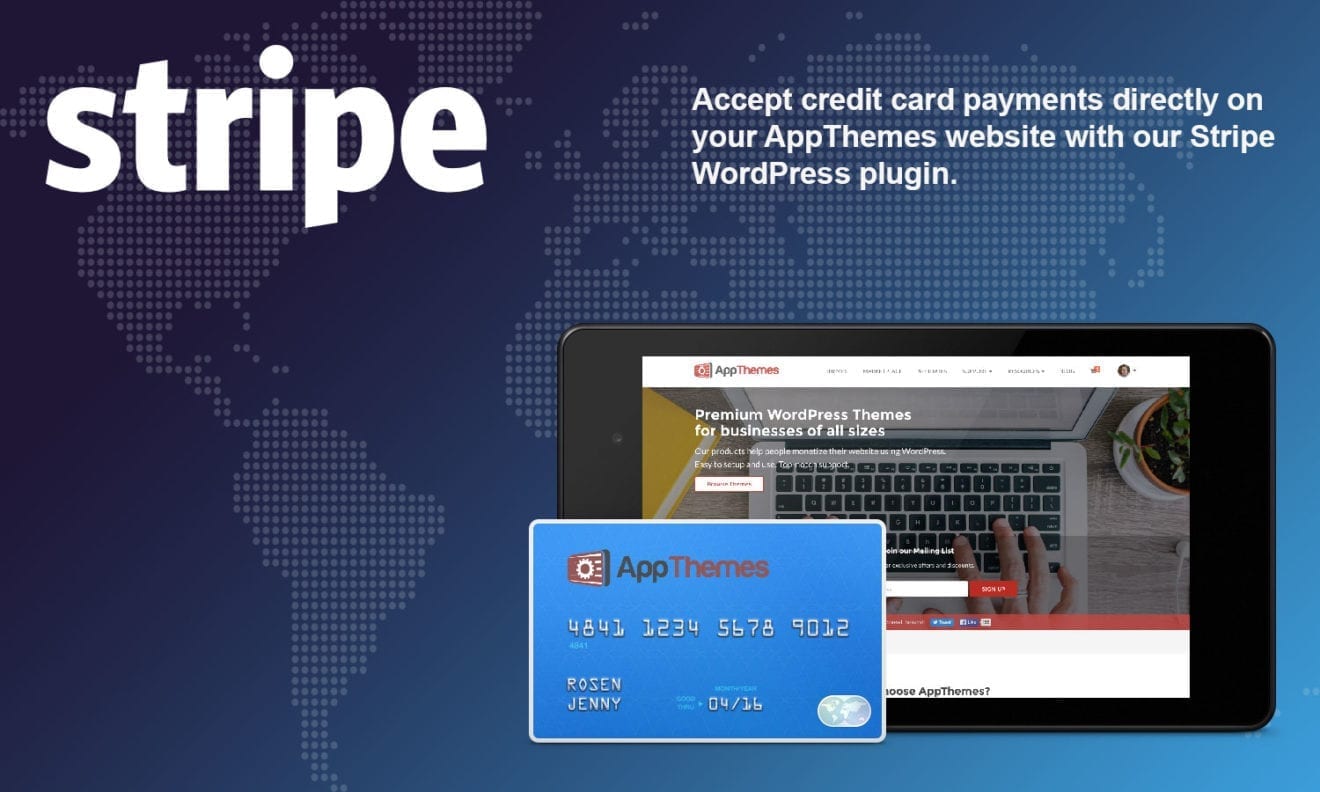
    Urban Revivo, a leading fashion brand from Asia often dubbed as “the Zara of Asia,” has recently launched its flagship store in the UK, on Neal Street in Covent Garden. The 515 square meter store is nestled among unique boutique stores and established heritage brands, marking a strategic inroad into Europe’s vibrant fashion industry and demonstrating the brand’s global ambitions.

    Establishing a Global Presence

    Urban Revivo, founded in 2006, has expanded rapidly across Asia, with over 400 stores spread across China, Southeast Asia, and recently, the United States. The company’s launch in Covent Garden follows its debut in New York’s SoHo district in February, and is set to be followed by further entries into other global fashion hubs including Hong Kong and Tokyo.

    The Covent Garden location offers an exciting opportunity for Urban Revivo to engage with London’s dynamic fashion scene. Vivian Chen, CEO of Urban Revivo International, recognizes that the introduction of new brands often face high entry barriers, necessitating time for consumers to build trust and familiarity. Approximately 60% of the Covent Garden store’s offerings are designed by the company’s London-based European Design Center. This reflects the brand’s “quiet luxury” aesthetic, which Chen describes as a blend of timeless sophistication and subtle individuality.

    Adapting to Different Markets

    Urban Revivo is quick to adapt its brand to resonate with the distinct tastes of its different markets. Chen notes that the European market values longevity in design, quiet luxury, and a clear brand identity, differing from Asian markets, particularly China, where fast-changing fashion trends and brand experimentation are more prevalent.

    Boasting design centers in Guangzhou and London, Urban Revivo is building a connecting bridge between Eastern and Western aesthetics, aiming to create a brand that resonates globally. The brand plans to replicate its successful consumer research and feedback system, which is supported by millions of members, in the UK and European markets.

    Challenges and Opportunities

    Chen recognizes that Europe, home to three major fashion capitals, presents unique challenges due to its rich tradition of art and fashion, and consumers with avant-garde perspectives on cultural trends. However, the company’s success in the UK market serves as a solid foundation for its expansion into the broader European market and other new regions.

    While Urban Revivo is characterized by its fast-fashion model, with a typical turnaround from trend to retail shelf in just 10 days, its approach is more considered. The London store, for example, carries only 800 Stock Keeping Units (SKUs).

    Future Ventures

    Urban Revivo’s global expansion plan includes new ventures into Hong Kong and Tokyo, two of Asia’s most mature and fashion-forward markets. The company plans to open a flagship store in Hong Kong’s Harbour City, a luxury shopping destination in Tsim Sha Tsui, and is preparing to debut its store in Japan’s fashion capital, Tokyo, by the end of this year.

    Questions & Answers

    What is Urban Revivo’s expansion strategy?
    Urban Revivo’s expansion strategy involves establishing a presence in global fashion capitals such as London, New York, Hong Kong, and Tokyo, and adapting its brand to resonate with the distinct tastes of its different markets.

    How does Urban Revivo’s approach differ from traditional fast-fashion brands?
    Unlike traditional fast-fashion brands that flood stores with high-volume, high-turnover SKUs, Urban Revivo’s strategy is more measured. The London store, for example, carries only 800 SKUs.

    What are Urban Revivo’s future expansion plans?
    Urban Revivo plans to expand into Hong Kong and Tokyo, two of Asia’s most mature and style-conscious markets. The company will open a flagship store in Hong Kong’s Harbour City and is preparing to debut its store in Japan’s fashion capital, Tokyo, by the end of this year.