Retail News CRM

Tag: Lego

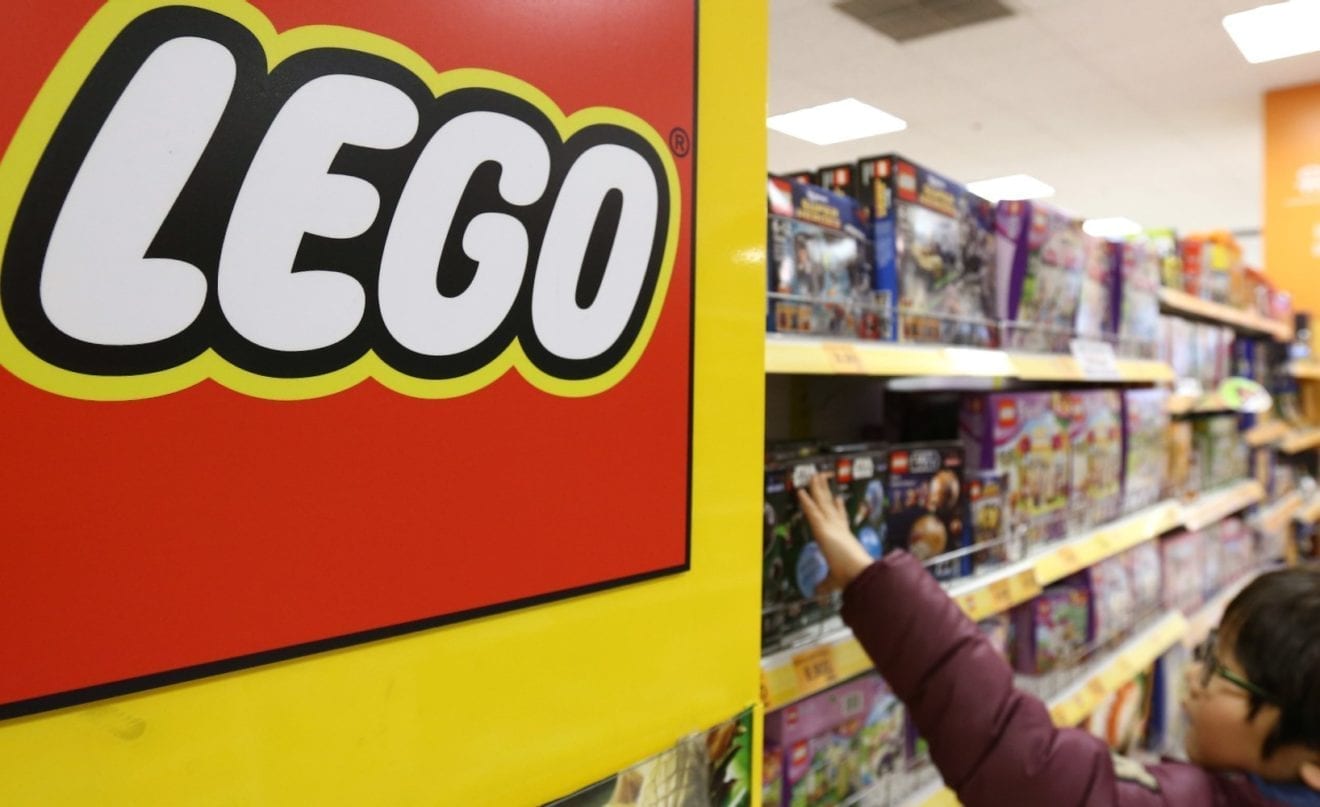
  • Alceon rolling out Lego stores across Australia

    Alceon rolling out Lego stores across Australia

    Alceon Group on Wednesday revealed plans to significantly expand the footprint of Lego stores in Australia.

    New stores are set to open in New South Wales, Victoria and Queensland over the coming months, with South Australia and Western Australia to follow in 2020.

    A store is also set to open in Westfield Newmarket in New Zealand later this year.

    Alceon, which holds the rights to Lego-certified stores in Australia and New Zealand, opened the first standalone Lego store in Westfield Bondi Junction in March, which executive director Richard Facioni said has “captured the imagination of all generations”.

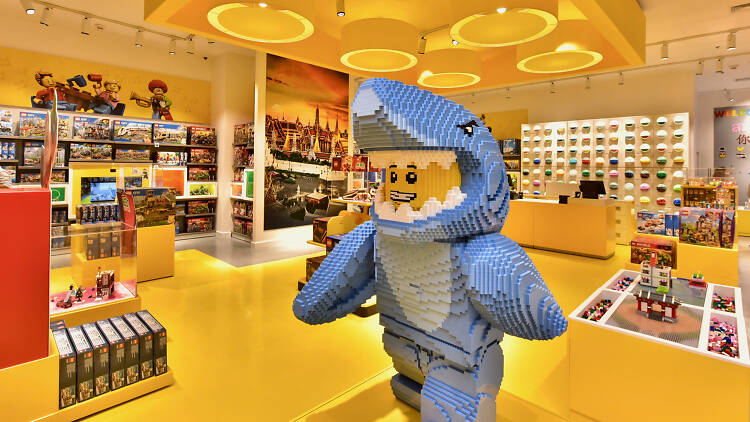
    The store is centered on providing interactive experiences, with a pick-a-brick wall, build-your-own-minifigure stations and play tables, where kids can assemble their own creations.

    The store has benefited from the growing popularity of the Lego brand in the region, thanks to the arrival of the top-rated Lego Masters reality show, Facioni said.

    Alceon plans to capitalise on this momentum, with the first new store to open in Broadway Sydney in late 2019.

    The company said it has secured prime positioning on Level 2 of one of Australia’s highest performing shopping centers. The store, like the Bondi Junction location, will feature exclusive, customized design elements and brick-built symbols.

    “The introduction of further LEGO Certified Stores in key locations will
    accelerate the reach of this leading global retail concept, as we build on the excitement and emotion intrinsic to the iconic LEGO brand,” Facioni said in a statement about the expansion.

    Alceon Group is an investment firm that is one of the biggest retail companies in Australia, following its acquisition of Specialty Fashion Group’s Katies, Millers, Autograph, Crossroads and Millers brands, James Packer’s Pretty Girl Fashion group and Pumpkin Patch.

    The company also has a controlling stake in Noni B and recently acquired a stake in ethical fashion brand Ginger & Smart.

  • Gameloft reveals new LEGO-themed team-battle RPG for Phones

    Gameloft reveals new LEGO-themed team-battle RPG for Phones

    LEGO fans rejoice, as Gameloft has just announced a brand new RPG for Android and iOS set in the LEGO universe. Originally teased back in December, LEGO Legacy: Heroes Unboxed will be released this fall, but it will be regularly shown to fans until then at various events.

    According to the French studio, this is the first ever LEGO game of this genre and it’s meant to bring to life 40 years of LEGO Minifigure history and universes in a fun and epic way. Apparently, LEGO Legacy: Heroes Unboxed is set in a completely new LEGO world, as players will have to collect classic and modern LEGO minifigures and sets with which to create new parties and engage in team battles and adventures.

    LEGO Legacy: Heroes Unboxed is built to bring the enjoyment and fun that you once had, or still have, with LEGO toys. We are excited to see these authentic and original LEGO characters from all eras come to life. We have been putting all our efforts, art and craft into this game as we want to delight all LEGO fans, whether their mini-figures are tucked away in the attic or proudly shown in the living room.

    Naturally, the game will include iconic, fan favorite universes, recreated with stunning detail to cater to players of all ages. The developers also promise to keep everything included in the game faithful to the LEGO franchise. In order to do that, the folks at Gameloft studied vintage instruction manuals to try to recreate every detail that makes the LEGO experience so memorable.

    LEGO Legacy: Heroes Unboxed will probably be available for free, but we expect it to be heavy on the in-app purchases. Gameloft’s new LEGO mobile game shapes up to be quite interesting, so let’s hope their monetization system won’t be too intrusive.

  • Lego store opens with giant figurines in Sydney

    Lego store opens with giant figurines in Sydney

    Lego Group unveiled the first Lego store in Sydney at Westfield Bondi Junction on Tuesday evening, ahead of the official opening on March 21.

    The store includes several features aimed at enabling creativity, including a room with play tables called The Brick Room where kids can build their own creations, the Pick-A-Brick wall, where customers can get exact brick they need and Build-Your-Own Minifigure stations.

    Lego Group vice president and general manager Australia and New Zealand Claus Kristensen said the group was excited about a fantastic year to come.

    “There’s going to be a lot of exciting offerings to all kids and adults,” Kristensen said.

    “It’s fantastic to have a place like this where we can showcase the brand and give everyone that great experience as we continue to inspire the builders of tomorrow.”

    The store features several bespoke creations, including a number of large-scale Lego figurines, some displays of the larger sets that can be purchased, and – as with all Lego stores – a mural showcasing the city the store is located in.

    The Bondi Junction store features a 62,300-brick mural of a Sydney Harbour sunset, which took 282 hours (more than seven standard working weeks) to build.

    “Lego stores around the world are renowned for drawing from local landmarks for a bit of inspiration,” Alceon Group executive director Richard Facioni said.

    The store is the result of a partnership with Alceon Group, which acquired the rights to Lego certified stores in Australia and New Zealand. Kristensen explained that Alceon “understood the importance of the brand”, and noted he believed the group had made the right choice.

    “I’m sure it’s going to be very exciting to see the opening on Thursday,” Kristensen said.

    “I think it’s going to be a bit crazy, we all hope so.”

  • Lego China Flagship Heralds with a renewed focus on the East

    Lego China Flagship Heralds with a renewed focus on the East

    Danish toy brand Lego’s bounce back after a tough financial year has seen new enthusiasm from the brand for expansion into China. The new energy has seen the retailer open its first Lego China flagship in Beijing last weekend.

    A drop in demand for its products during the 2017 financial year – the first since 2004 – saw the brand take a sharp conservative turn last year in order to stabilize the business. Meanwhile, double-digit growth in China brought revenue up 4 per cent to US$5.5 billion with profits of $1.2 billion, accompanied by a degree of sales recovery in the US and western Europe.

    “We are especially encouraged by our progress given the challenges facing the toy industry and the departure of specialist retailers such as Toys R Us that went under last year,” said Lego’s CEO Niels B Christiansen. “These shifts gave us the opportunity to strengthen our partnerships with retailers and find new ways to connect with shoppers and consumers across digital and physical channels.”

    Buoyed by the encouraging results, and on the heels of the Lego China flagship opening, the company will launch 80 new physical outlets in 18 Chinese cities this year.

  • New Lego land in China

    New Lego land in China

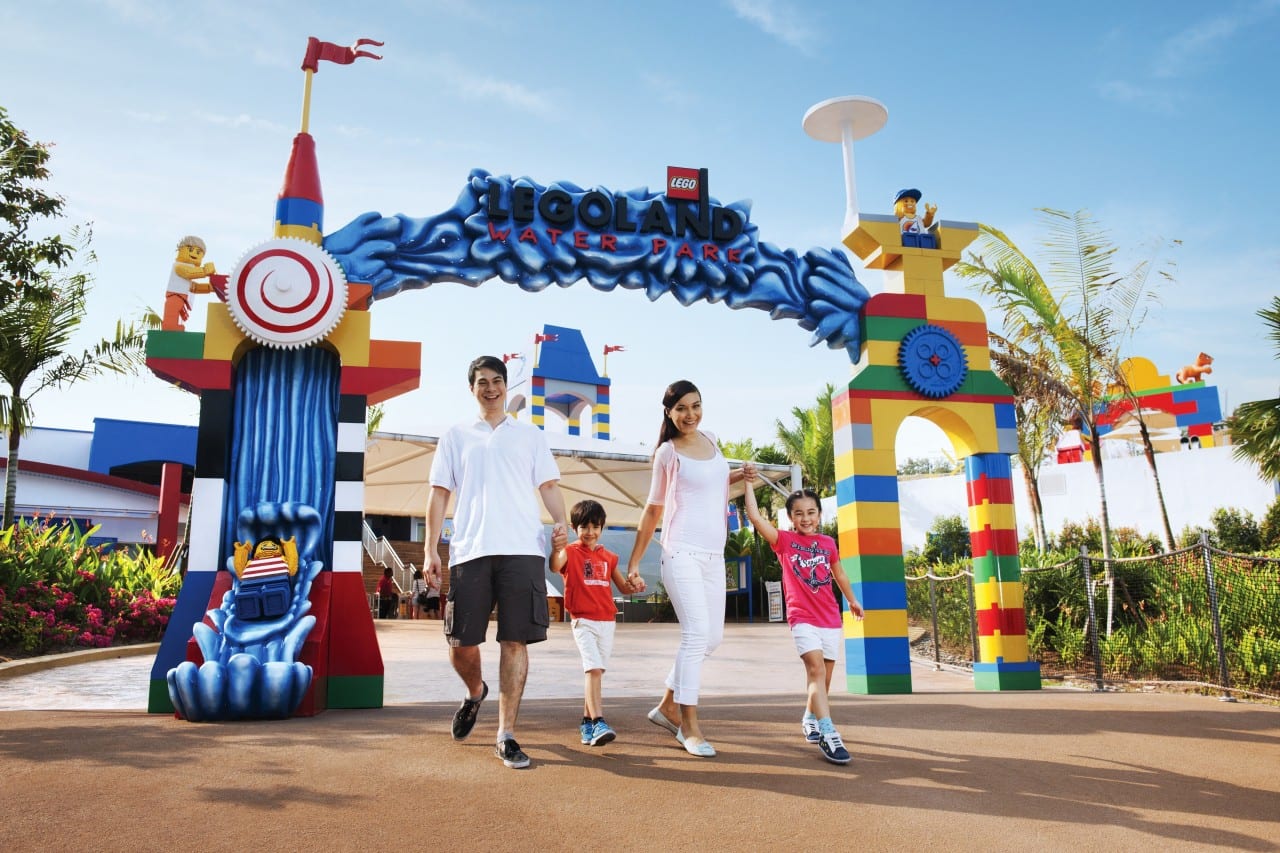
    The site where a Legoland will be built in Chuncheon, Gangwon, on Friday. The development of the Legoland, about the same size as the Legoland in Johor Bahru, Malaysia, has been approved by the Gangwon government. British amusement park developer Merlin is in charge.

  • Lego opens its first official store in Thailand at Siam Paragon

    Lego opens its first official store in Thailand at Siam Paragon

    The first certified Lego Thailand store has opened at Siam Paragon in Bangkok. The Danish building-toy manufacturer says the move is part of the brand’s strategic plan for Asian expansion. The new 170sqm Lego Thailand store has opened in a “co-sharing” partnership with DKSH (Thailand) Ltd. It  offers more than 300 Lego toys, 32 of which are exclusive to certified, branded Lego outlets.

    Lego Singapore GM for emerging Asia Atsushi Hasegawa said Thailand is an attractive market for Lego. “The country has an established economy, a large population and an established retail industry … We expect to see faster growth in Asia, including Thailand, and sustainable growth in Europe and America.”

    Hasegawa added that Lego’s targeting of the Asian market recognises that it is home to more than half of the world’s children. While Asia still has a low base for Lego toys compared to many established markets in the West, the company is seeing an opportunity to boost its sales by five or six times in the region.

    Gallery below (6 images) :

    According to Hasegawa, the company’s initial priority is not to increase the number of Lego stores, but to deliver the right brand experience to children at the right locations.

    DKSH’s director of commercial development Arden Feschuk said the company expects the Lego Thailand store will achieve THB100 million (US$3.05 million) in sales in its first year. There is also a plan to expand the number of Lego-certified stores in Thailand later.

    “During the first year of opening, more than 400,000 people are expected to visit the store, with Thais accounting for 60 per cent and foreigners 40 per cent. Due to the company’s one-price strategy, exclusive Lego sets will cost the same here as they do in neighbouring countries.

    “Due to this, Lego fans will no longer have to go overseas to buy Lego products. Also, new collections will be launched at the same time as in the US and Europe”.

    Sixty per cent of Lego’s Thailand sales are currently brought in via distribution in department stores, while more than 15 per cent is derived from specialist toy stores.

  • Lego Mosaic Maker opened first store in Yokohama

    Lego Mosaic Maker opened first store in Yokohama

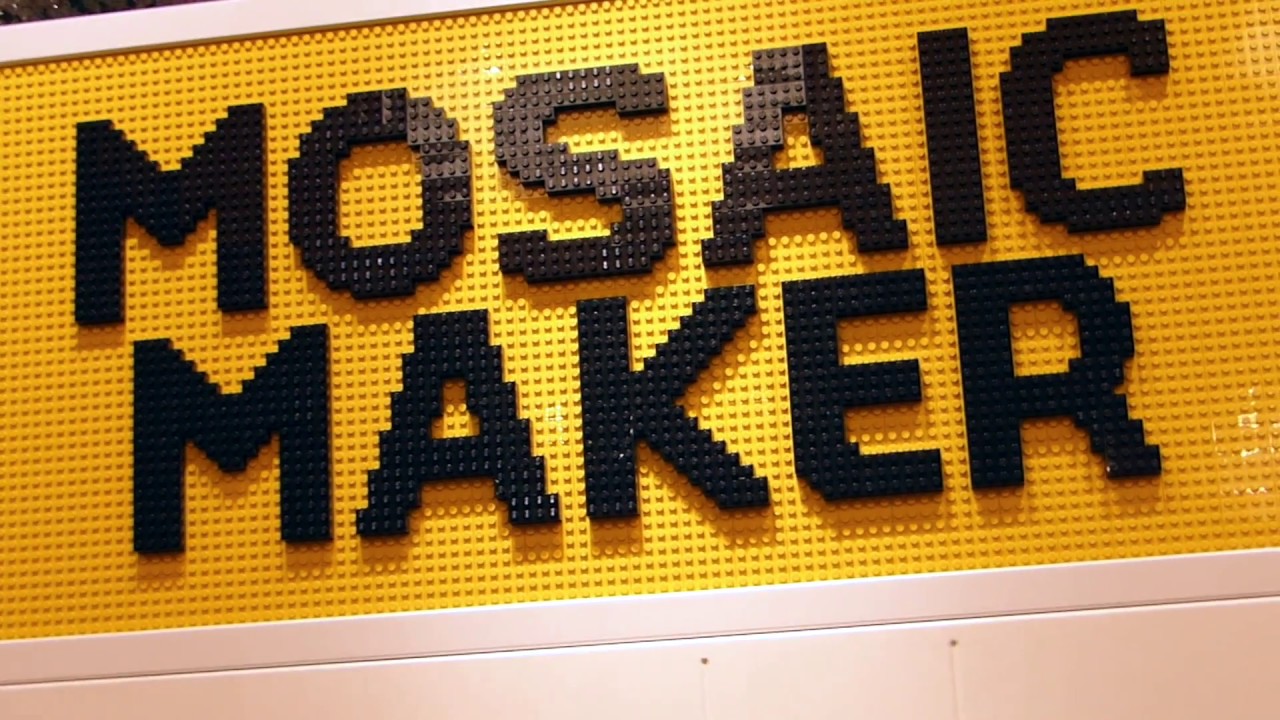
    Danish toy producer Lego has opened a store in Yokohama Landmark Plaza this week, introducing “Lego Mosaic Maker” to Japan. One of only five in the world, the Lego Mosaic Maker is a machine that can reproduce your face in mosaic feature with Lego blocks.

    Visitors enter a booth and take a photo of their face, creating a kit that can make the mosaic in around 10 minutes and which can be offered as a gift for family or friends.

    Use of the mosaic maker is by advance reservation only for a fee of ¥10,455 (US$93). Other special promotions are available in-store.

  • Lego’s big prospects in China

    Lego’s big prospects in China

    Danish toymaker Lego Group said it plans to ramp up its China retail rollout, with two new flagship stores poised for Shanghai and Beijing by mid-2019.

    The Copenhagen-based Lego, which recorded double-digit revenue growth in China in the first half of the year, said a new store is slated for Shanghai as soon as this month, in the city’s downtown district, while the Beijing boutique is planned for early 2019.

    For the first six months of the current fiscal year, Lego’s total sales hit 14.3 billion Danish kroner ($2.2 billion), a 5% drop from last year’s performance. Operating profit declined 4% to 4.2 billion Danish kroner, while net profit dropped 10% to 3 billion Danish kroner.

    But China, which recorded double-digit growth for the brand, was a bright spot.

    Jacob Kragh, senior vice-president at Lego, told China Daily that China has much room to grow, especially through the learning through way toy category, as parents focus on construction-based toys.

    In May, Lego inked a video channel deal with Tencent Holding’s to appear on the media giant’s streaming platform.

    Moving forward, Lego plans to invest more in innovative products and enhance its digital, alongside its physical presence in China.

    Lego first entered mainland China two years ago, with a flagship store opening at Shanghai Disney Resort in 2016.

    Most recently, in August, Lego opened four certified Lego stores in Wuhan alone, via retail partnerships in China, taking its total to 36 partnership stores.

    By year-end, Lego is planning to have up to 60 stores across 15 Chinese cities, with the new stores mostly located in second and third-tier cities.

    Lego also recently joined forces with IKEA to encourage more play. The collaboration aims to increase the opportunity for more play, and the first step is to try to make the home a better functioning and more fun place as IKEA believes play to be an ‘essential part of a better everyday life’.

  • Lego China plans major expansion

    Lego China plans major expansion

    Lego China to accelerate its expansion following double-digit revenue growth in the first half of this year.

    The toy maker and retailer will open two new flagships in Beijing and Shanghai respectively within the next few months. Lego’s first mainland flagship launched at the Shanghai Disney Resort two years ago, and the company hopes to have 60 locations running before next year.

    Lego’s senior VP Jacob Kragh expressed significant optimism for the company’s potential in China, stating that there was “no limit” in what Chinese parents might be prepared to pay for educational toys.

    The move comes in the wake of Lego’s new video channel partnership with tech giant Tencent Holdings, which will release a game later in the year.

    Lego China’s growth has already exceeded that in both Europe and the US and is accordingly the focus for Lego’s immediate expansion.

  • Lego Hong Kong embraces its 60th anniversary with positive energy

    Lego Hong Kong embraces its 60th anniversary with positive energy

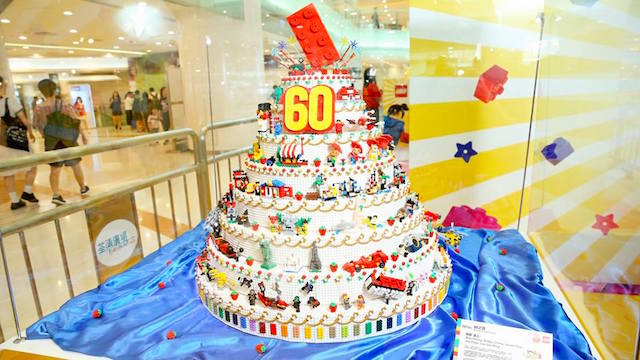
    Lego Hong Kong operations continue to expand as the iconic toy brand marks its 60th anniversary.

    In an interview, the brand’s regional GM Troy Taylor explained how in such a well-established market as Hong Kong (as opposed to neighbouring regions where the brand’s reputation is still emerging) the company’s strategy is focused on retaining the attention of children and fans.

    “We make sure everything we do benefits children, and they see value playing with our products,” said Taylor. “And I think the educational purpose becomes so much more important now than ever before, because parents are looking for something to get their children away from the screen. We offer something that can help break that, and help children learn, but they are learning through play, so they don’t actually realise they are learning… that’s the value of our brand.”

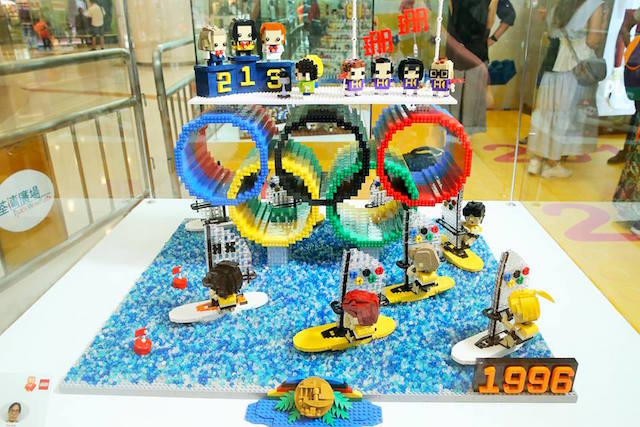
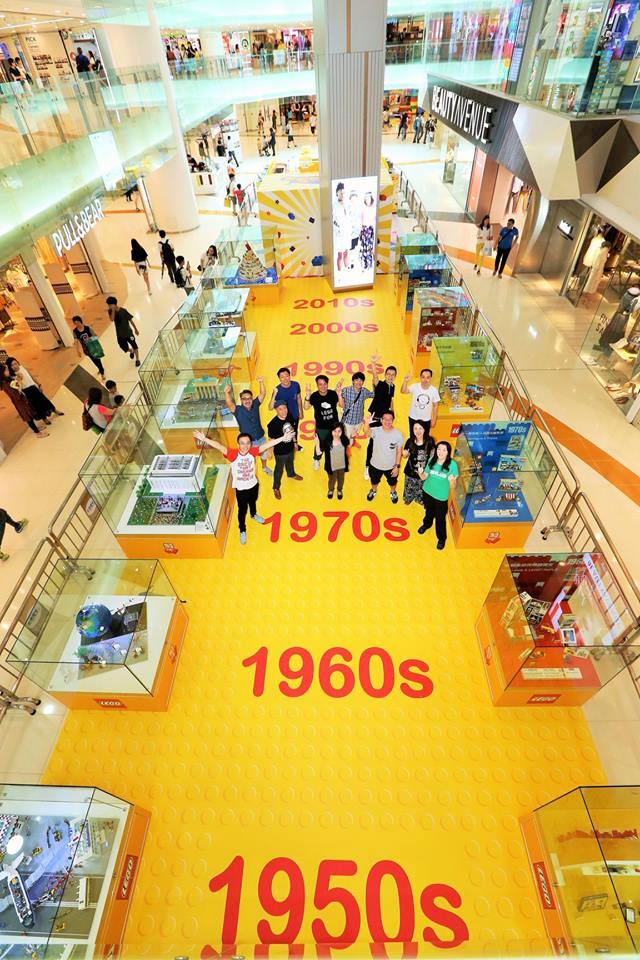
    Anniversary celebrations for Lego Hong Kong were marked with the opening of the Tsuen Wan Plaza X Lego Our Playground.

    The local growth comes in the wake of a decade-long sales boom that came to an end for the Danish toymaker last year. At the time, the company warned it may not achieve growth again for up to two years. The unexpected sales decline followed a slump in growth from 25 per cent in 2015 to just six per cent the following year, and coincided with the dismissal of both its CEO and eight per cent of its workforce.

    Part of the blame for the decline was placed on the unsustainably strong demand for its Star Wars merchandise following the 2015 movie, at a time when the proliferation of smartphones within developed markets was adding a lot of competition for the attention of children.

    Hong Kong is traditionally a particularly strong market for Lego. Three years ago, the local Lego Certified Store reported pulling in the highest spending per square foot of any branch worldwide, according to sole distributor Kidsland International Holdings’ VC Dr William Lo. The store distinguished itself by marketing to adult fans – Hong Kong’s community of adult fans is the most engaged in the world, with the highest number of active fans per capita.

    This year, Lego has focused on grassroots marketing strategies. “We have support from our shopping mall partners,” said Taylor. “Not only do events boost the numbers in the malls, they also allow customer to have ‘brick-in-the-hands’ moments with Lego. It gives family reason to get out of the house, and bond the family.”

    The brand has also embraced technological marketing strategies, including augmented reality, creation-sharing and remote control apps, as well as a Lego Facebook filter.

    “Lego bricks will always be the core of everything we do, but we realised the environment changes, and we adapted,” said Taylor. “We are still true to ourselves, we are still true to who we are as a company. But we have to evolve with the changing ways that people consume.”

  • LEGO sheds premium tag to become a mass player in India

    LEGO sheds premium tag to become a mass player in India

    Danish toy brand Lego is shedding its premium strategy to position itself as a mass-market brand in India.

    Following an increased focus on Asia during the past two years, Lego is seeking to expand its consumer base in India by bringing products in the price band of INR500 to 5000 (US$7.30 to $73) to the emerging market. It could also bring the Lego Certified Store format into the country by 2022.

    Lego’s senior regional sales manager for South Asia Amit Kararia said: “In India, Lego was perceived to be a premium brand. But since the past two years, we have been working on going mass and expanding our consumer base.

    “E-commerce has also emerged as an important sales channel for us with nearly 25 per cent of our sales coming from this channel. It also helps us reach out to consumers where we are not present through physical stores,” Kararia added.

    With the expansion of toy-specialist stores and department stores in India, the company is hoping to expand its presence in major and second tier cities, expanding from 40 to 60 cities in the foreseeable future. It is also hoping to see double-digit growth in the market, which has the largest number of children aged under 13 years.

  • Coupang launched Korea’s largest STEAM toy store

    Coupang launched Korea’s largest STEAM toy store

    Ecommerce platform Coupang has opened what it says is the largest Korean online toy store specialising in Steam (science, technology, engineering, arts and mathematics) education.

    The new theme store offers more than 390,000 Steam education items at low prices.

    Steam education refers to a creative teaching framework that integrates the five disciplines. It started as a Stem initiative in the US, and later arts was added to the mix. Unlike the traditional lessons, this latest education trend uses fun games to learn knowledge and senses that can be applied in a daily setting. The initiative encourages children to think comprehensively and flexibly, which contributes to their creativity.

    Coupang opens Koreaís largest STEAM toy store

    At Coupang, customers can find art supplies, blocks, remote control toys including drones, board games as well as instructive toys that can be used as tools to learn the five disciplines, grouped by age category as well as toy type.

    Flagship items include the Lego Boost 17101 unveiled at CES 2017 in Las Vegas. The toolbox offers hands-on experience of building a robot, cat or a car.

    Lee Byeong-hee, the head of baby category in Coupang, says the Steam initiative has been widely accepted as a new teaching method to nurture talents for future.

    “Customers can take advantage of the opening promotion and shop top educational toys from various brands at affordable prices.”

    Coupang is one of the world’s largest and fastest growing e-commerce platforms.

  • Toymaker Lego teams up with Chinese internet giant Tencent

    Toymaker Lego teams up with Chinese internet giant Tencent

    Danish toymaker Lego is teaming up with Chinese internet giant Tencent Holdings to jointly develop online games and potentially a social network aimed at Chinese children.

    Privately-owned Lego has seen a slowdown in sales growth in recent years, but the Chinese market has been a bright spot with sales growing 25-30% in 2016.

    It is competing with Barbie maker Mattel and Hasbro, the firm behind My Little Pony, for a slice of the $31 billion toys and games market in China.

    Lego said on Monday the partnership with Tencent, China’s biggest social network and gaming company, aimed to create a safe online environment covering content, platforms, and experiences tailored for Chinese children.

    “What we are looking for now with Tencent is just to find more creative ways of reaching children, and creating bespoke content with Tencent, in this case, video games,” Jacob Kragh, head of Lego in China, told Reuters on Monday at joint event with Tencent in Beijing.

    It also includes LEGO BOOST — a building and coding set that lets children turn their brick creations into moving objects — and will explore developing a joint social network for children in China.

    Tencent is Asia’s most valuable company with a market capitalisation of $537 billion.

    Last year, Mattel struck deals with Chinese e-commerce giant Alibaba Group Holding and online content developer BabyTree to sell interactive learning products based on its Fisher-Price toys.

    Lego has about a 3% market share in China, followed by Mattel and Hasbro with around 2% and 1%, respectively, according to Euromonitor International.

    In November 2016, Lego opened a factory in Jiaxing, China, which it expects to produce 70-80% of all Lego products sold in Asia.

  • JD.com surprises with first profitable quarter

    JD.com surprises with first profitable quarter

    JD.com profit soared 50 per cent after a 39 per cent increase in sales during the Chinese online retailer’s latest quarter.

    Its unaudited results for the three months to the end of September show revenue of RMB83.7 billion (US$12.6 billion), with a record 50.3 per cent surge in gross profit to RMB13 billion. Non-GAAP gross profit was RMB12.8 billion, up 51.9 per cent.

    Active customer accounts increased by 34 per cent to 266.3 million in the 12 months to September 30.

    Chairman/CEO Richard Lio says the company is building robust product content and enhancing user engagement with innovative tools that enable brands to launch highly targeted online marketing programs.

    “The scale economies of our model are becoming clearer with every quarter,” says CFO Sidney Huang. “Looking ahead, we will continue to prioritise investments in technology and leading R&D talent as we execute on our vision to revolutionise China’s retail industry.”

    While releasing its third-quarter figures, JD.com also listed its latest business developments…

    In October, JD and Tencent expanded their partnership with the launch of a marketing initiative that integrates insights on consumer behaviour from Tencent’s social-media platforms with online and offline shopping data from JD and its brand partners. As well as enabling more precise target marketing, the move benefits consumers by offering them wider access to sales promotions and preferred discounts.

    Strategic partnerships

    During the past three months, JD.com also formed strategic partnerships with Baidu, iQIYI, NetEase, Sogou and Qihoo 360 with their big-data resources, massive user bases and AI algorithm technologies.

    JD also continued to strengthen its position among top-tier international brands, expanding its partnership with high-fashion brand Armani with the opening of official online stores for Armani Exchange and Emporio Armani.

    JD Worldwide also launched flagship stores for such companies as Reckitt Benckiser, Spectrum Brands and Tiger, while its new Toplife platform attracted marquee brands like Dyson, La Perla, Rimowa (LVMH) and Trussardi.

    During the quarter, JD Logistics test-launched an unmanned sorting centre, the first of its kind in the logistics industry. JD also signed agreements to lay the groundwork for the rollout of China’s largest drone network.

    In September, JD Logistics expanded its environmentally friendly logistics and packaging campaign, working with brands including  Johnson & Johnson, Kimberly-Clark, Lego, L’Oreal, P&G, Nestle, Unilever, Watsons and Wrigley. The aim is to minimise environmental impact by cutting back on packaging materials.

    Customer demand

    JD also enhanced its fresh product offerings during the quarter to meet customer demand. In July, it launched the Canadian Fresh Food Pavilion, the first country pavilion for fresh products on the JD.com platform. Live lobsters from Canada can now be delivered to customers’ doorsteps in China in as little as 48 hours. During JD’s Super Canadian Day, 140,000 lobsters were sold within 24 hours.

    In September, JD.com, JD Finance, Central Group and Provident Capital announced agreements to establish two JVs in Thailand covering e-commerce and fintech services, with an aggregate investment of $500 million. JD.com is providing its expertise in technology, e-commerce and logistics while Central Group is drawing on its retail store network, brand and merchant relationships, and retail behaviour insights from its loyalty program.

    In October, JD and Sam’s Club launched a promotion offering customers discounted bundled memberships for Sam’s Club and the JD Plus paid-for membership service.

    By the end of October, JD.com JV New Dada had partnered with 146 Walmart stores and 301 Yonghui stores, as well as many other supermarkets and grocery stores, to provide online fresh grocery shopping with one-hour home delivery.

    At the end of September, JD.com had 405 warehouses and provided scheduled delivery services in 250 Chinese cities. It had about 160,000 merchants on its online marketplace, and 137,975 full-time employees.
  • Lego to cut 1400 jobs after sales drop

    Lego to cut 1400 jobs after sales drop

    Danish toy maker Lego will cut 1400 jobs, or about eight per cent of its global workforce, after reporting a rare decline in sales and profits in the first half of 2017.

    Revenue dropped five per cent to 14.9 billion kroner (A$3 billion) in the first six months of the year, mainly as a result of weakness in core markets like the US and Europe. Profits slipped three per cent to 3.4 billion kroner.

    “We are disappointed by the decline in revenue in our established markets, and we have taken steps to address this,” said Chairman Joergen Vig Knudstorp.

    He said the long-term aim is to reach more children in Europe and the United States and added there were “strong growth opportunities in growing markets such as China”.

    The company, he said, needs to simplify its business model to reduce costs. Since 2012, the group has built an increasingly complex organisation to support global double-digit growth.

    He told Denmark’s TV2 station that staff cuts would mainly affect administration and sales, not production.

    Last month, the maker of the famous coloured building blocks appointed Niels B. Christiansen, who headed thermostat-maker Danfoss for nine years, as its chief executive to replace interim CEO Bali Padda. Christiansen will start October 1.

    Based in western Denmark, Lego does not release quarterly figures. The group currently has about 19,000 employees around the world.

    The privately held firm said on Tuesday it is now preparing to ‘reset the company,” aiming to simplify the business after years of high growth and expansion into new ventures like film.

    Knudstorp said that the toy company had built an increasingly complex organisation over the last five years to support global double-digit growth, and in doing so had made further growth harder to achieve.

    “As a result, we have now pressed the reset-button for the entire group,” he said.

    “This means we will build a smaller and less complex organisation than we have today, which will simplify our business model in order to reach more children. It will also impact our costs. Finally, in some markets the reset entails addressing a clean-up of inventories across the entire value chain. The work is well under way.”