Retail News CRM

Tag: lender

  • DBS, Singapores Largest Lender, Hits Record Market Value of $155B – A Milestone for Citys Stock Market

    DBS, Singapores Largest Lender, Hits Record Market Value of $155B – A Milestone for Citys Stock Market

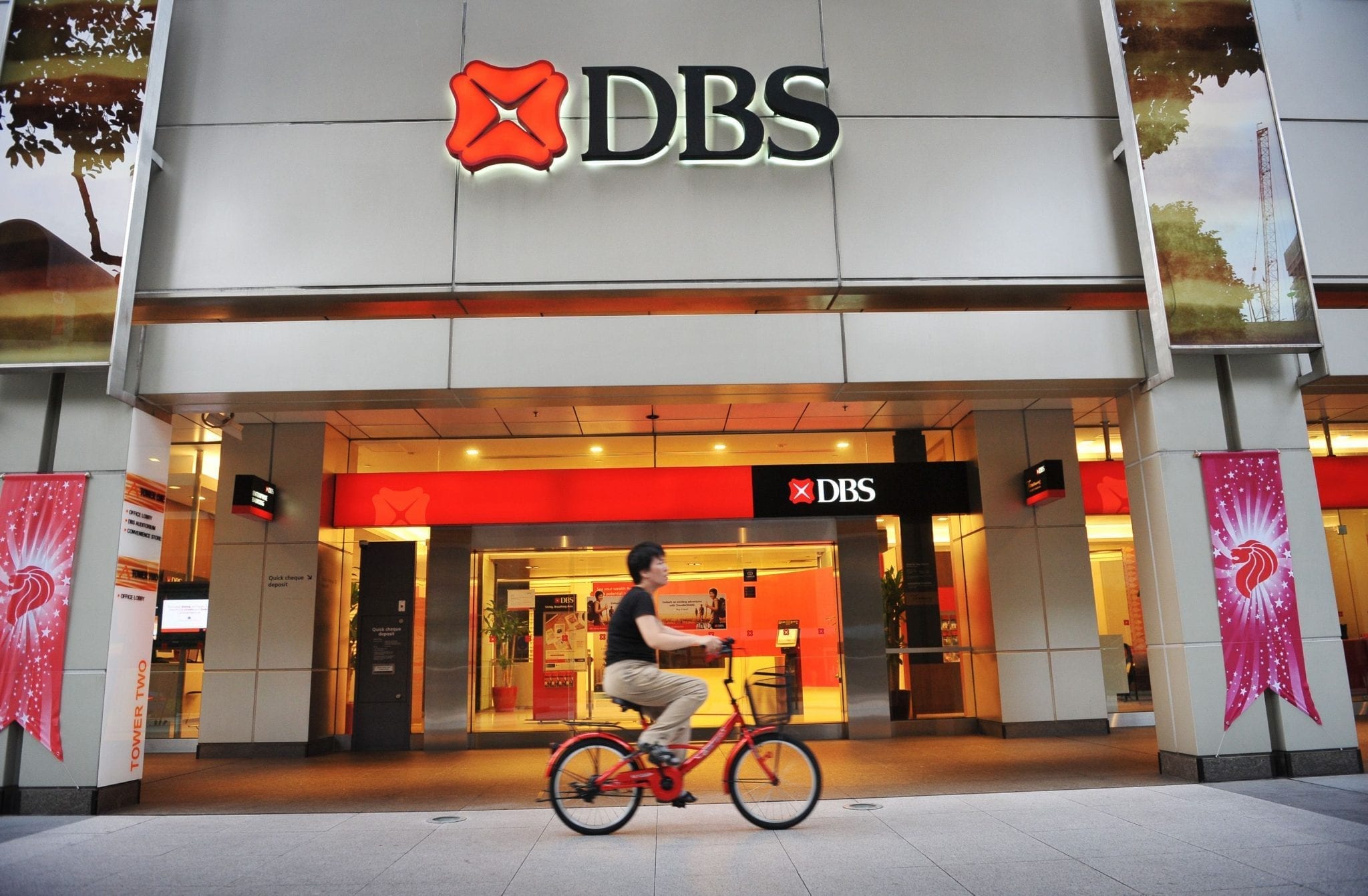
    DBS Group, Singapore’s dominant bank, has reached a new milestone with its market value surpassing SGD200 billion (US$154.8 billion) as of Monday. This achievement marks a key moment for DBS, known for being the largest bank in Singapore in terms of asset size, and underscores the strength of the city-state’s stock market. The bank’s shares climbed almost 0.5%, closing at SGD70.79, following their peak at SGD70.80 in the session. To date, the bank’s gains this year total approximately 26%.

    Anticipation of Q2 Results Fuels Rally

    DBS’ increase in market valuation comes ahead of its second-quarter results announcement, scheduled for August 6th. The bank’s net profit for the first quarter had seen a 1% increase to reach SGD2.93 billion, largely driven by record income and robust wealth management fees. Experts believe that the share price surge is likely due to the improving clarity of earnings and a more favorable interest rate outlook. Future growth is anticipated if the banks present an optimistic outlook during their results release.

    Analyst Jayden Vantarakis, the head of Asean equity research at Macquarie Capital, stated, “We are entering an environment where we believe Singdollar rates will be supportive of improving net interest income alongside continued strength in non-interest income.”

    Singapore Banks Propel Straits Times Index

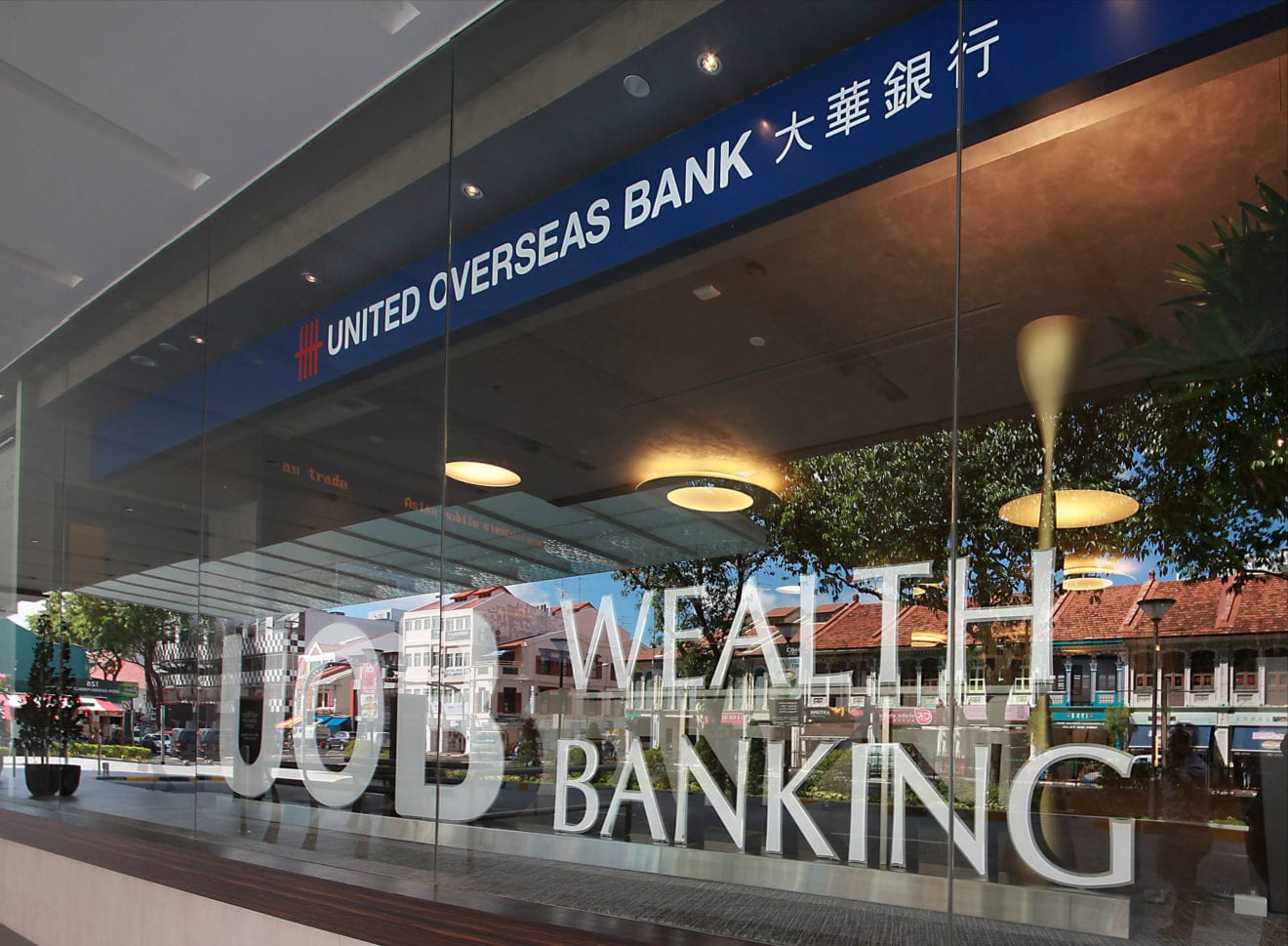
    The collective rally of DBS, OCBC, and UOB, the top three Singapore banks by market value, has boosted the Straits Times Index to all-time highs. Together, these banks make up over half of the index’s total weight.

    According to Vantarakis, the strengthening of the U.S. dollar, due to high U.S. interest rates, will have a positive influence on Singapore dollar rates. Moderate rate increases, he suggests, will encourage wealth inflows and improved asset quality.

    Vantarakis also anticipates a possible further re-rating of the sector, supported by growth in both net interest and non-interest income. He maintains that the Singapore dollar will remain a preferred currency due to the broad strength of the U.S. dollar.

    Lastly, Thilan Wickramasinghe, head of Singapore research and regional head of financials at Maybank Securities, added that the banks are well-positioned to gain from robust credit growth and wealth management fees. He also indicated that ongoing uncertainty in certain regional markets and conflicts in the Middle East, have likely directed safe-haven liquidity towards Singapore banks over the past week.

    Questions & Answers

    What factors have contributed to DBS’ market value surge?
    The bank’s rising market value has been attributed to a combination of an upcoming second-quarter results announcement, improving clarity of earnings, and a more favorable interest rate outlook.

    How have the top three Singapore banks impacted the Straits Times Index?
    The collective rally of DBS, OCBC, and UOB, which constitute over half of the Straits Times Index’s total weight, has propelled the index to all-time highs.

    What is the potential future outlook for the sector?
    There is a potential for further re-rating of the sector supported by growth in both net interest income and non-interest income. Moreover, the Singapore dollar is expected to remain a preferred currency due to the broad strength of the U.S. dollar.

  • Julius Baer Profits Rise on Asset Growth and Improved Costs

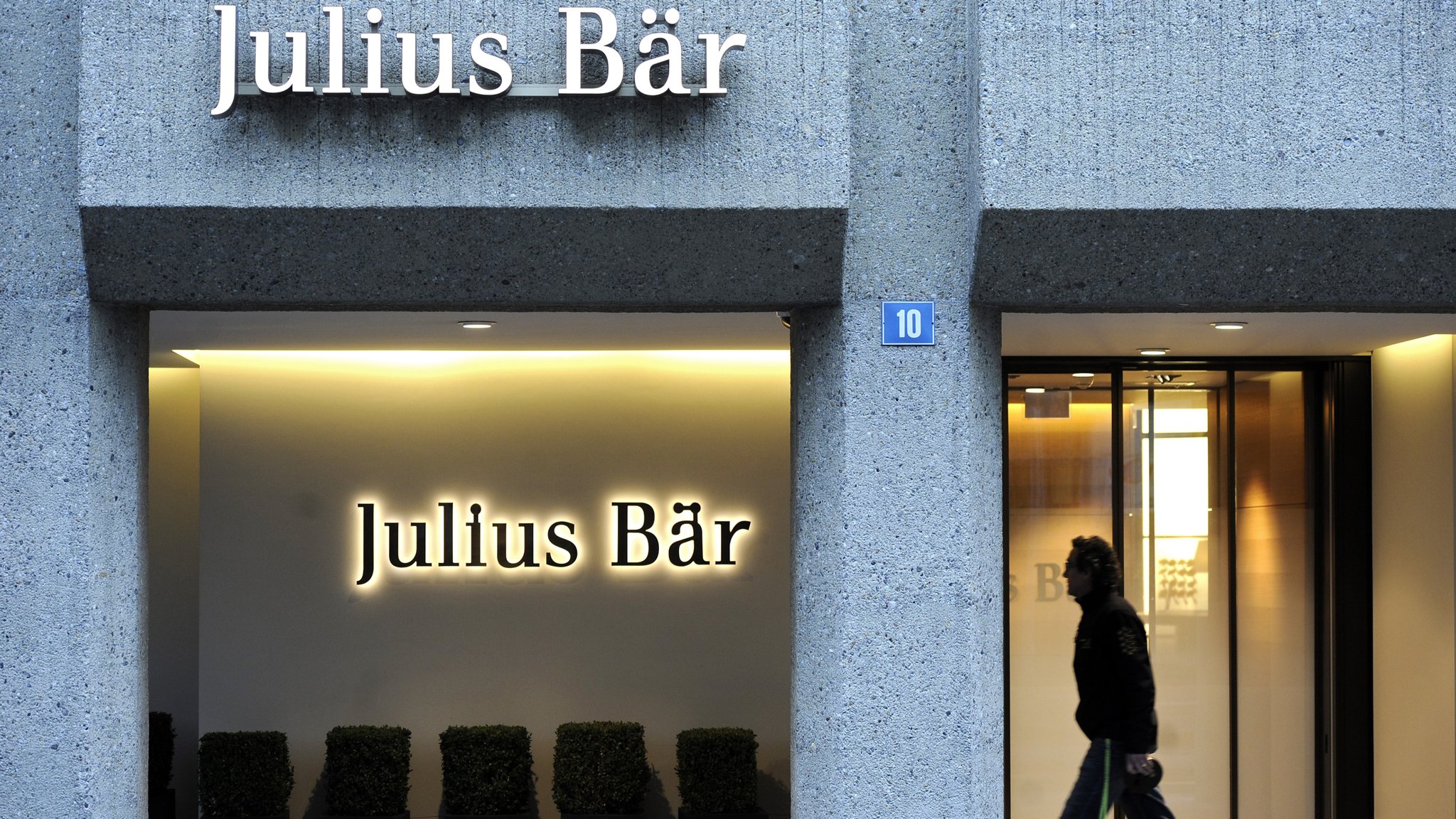
    Julius Baer Profits Rise on Asset Growth and Improved Costs

    Profitability in the first ten months of 2021 at Julius Baer «rose significantly», according to the Swiss bank, on the back of client asset growth and improved cost efficiency.

    Julius Baer’s profitability rose significantly in the first ten months of 2021 on the back of strong growth in client assets and substantial improvements in cost efficiency, complemented by a near absence of credit losses, according to a statement from the Swiss lender.

    Assets under management climbed 12 percent year-on-year to 484 billion Swiss francs with net new money inflows growing 4.4 percent.  Gross margin during the first ten months of the year was around 82 basis points, down from 88 basis points from the full year of 2020.

    According to the bank, this is due to «softening in client activity from the exceptionally high levels witnessed last year». It also noted that initial results this month indicate a potential recovery for the final months of the year.

    Meanwhile, Julius Baer’s 200 million Swiss francs gross cost reduction program announced in 2020 is underway with cost-income ratio inching lower to 63 percent during the period, compared to 66 percent for the full year of 2020.

  • VietinBank pre-tax H1 profits up 75 pct

    VietinBank pre-tax H1 profits up 75 pct

    State-owned lender VietinBank has recorded pre-tax profits of VND13 trillion ($565.2 million) in the first six months of 2021, a year-on-year increase of 75 percent.

    Its ratio of non-performing loans at the end of Q2 was 1.38 percent, chairman Le Duc Tho said, adding that the targeted non-performing loans ratio for this year was 1-1.2 percent

    The bank’s total assets value at the end of June was VND1.4 quadrillion ($60.8 billion), while its loans outstanding were VND1.06 quadrillion, according to its CEO Tran Binh Minh.

    Capital mobilization as of June reached VND1.2 quadrillion, up 3.4 percent year-on-year.

    The bank plans to increase its charter capital by 29 percent to over VND48 trillion this year by paying dividends in shares.

  • P2P Lender Funding Societies Launches in Thailand

    P2P Lender Funding Societies Launches in Thailand

    This expansion to the startup’s fourth market comes after more than a year of working with Thai regulators and planning for market entry.

    Singapore-based Funding Societies, Southeast Asia’s largest SME digital financing platform, has rolled out its platform in Thailand, the company announced in a statement on Tuesday.

    The P2P lender noted Thailand’s large and SME-driven economy and the credit gap that has been exacerbated by the pandemic.

    The platform will provide Thai SMEs with full access to short-term customizable financing solutions, which are funded by retail and institutional investors, who can expect returns of 8 to 13 percent, the announcement said.

    The crowdfunding landscape in the country is growing steadily and we see a lot of potential here, Varun Bhandari, country head of Funding Societies Thailand, said about the expansion. The market follows launches in Singapore, Malaysia and Indonesia.

    In its six years of operation, Funding Societies has disbursed over $1.4 billion in funding to some 65,000 SMEs. The platform is backed by major investors like Sequoia India and Softbank Ventures Asia.

    Funding Societies recently announced a strategic alliance with Samsung Ventures and Samsung Life Insurance to introduce prospective partnerships and collaborations.

  • Lender MSB expects to earn hundreds of millions from insurance deal

    Lender MSB expects to earn hundreds of millions from insurance deal

    Vietnam Maritime Commercial Joint Stock Bank is set to sign an exclusive bancassurance deal with a leading but unidentified insurer worth hundreds of millions of dollars to it.

    It will be signed next year for 15 years with one of the three biggest insurers in terms of market share in Vietnam, Nguyen Hoang Linh, CEO of the lender (MSB), said at a meeting on Wednesday.

    The country’s three biggest are Canada’s Manulife, the U.K.’s company Prudential and Japan’s Dai-ichi Life.

    Linh cited the example of Asia Commercial Bank (ACB) to indicate roughly how much MSB would receive in upfront payment for the deal.

    ACB received $370 million from Canada’s Sun Life.

    Linh said ACB has a monthly premium income of VND80 billion ($3.45 million), while that figure of MSB is VND50 billion.

    The Ho Chi Minh City Stock Exchange this month gave approval for MSB to list its shares on December 23 at a price of VND15,000, which will put its market cap at VND17.6 trillion.

    The bank has forecast a pre-tax profit of VND2.3-2.4 trillion this year, up 4.5 percent from last year.

  • UOB Ups Stake in Troubled Chinese Lender

    UOB Ups Stake in Troubled Chinese Lender

    United Overseas Bank is buying more shares in troubled Chinese mid-sized lender Hengfeng Bank with a subscription of 1.86 billion shares for a sum of 1.86 billion yuan (S$360.4 million).

    The purchase comes as part of a capital-increase exercise undertaken by Shandong-based Hengfeng Bank through private placement to raise 100 billion yuan. The move reverses a stance taken in May, where local newspapers reported that United Overseas Bank (UOB) had wanted to sell its 13 percent stake in Hengfeng Bank, which it purchased back in 2008.

    The initial intention of UOB was to grow its presence in Shandong with more of its own branches. This time, the increased shares are in line with United Overseas Bank (UOB)’s «focus on driving regional connectivity and building ecosystem partnerships to facilitate business and investment opportunities opening up across the region,» according to a filing on the Singapore Exchange.

    Funding the subscription of additional shares in cash using internal resources, UOB said the subscription is not expected to have a material impact on earnings or net tangible assets of the group for the current financial year. Post the transaction, UOB will hold a total of 3.34 billion shares in Hengfeng Bank.

    The majority of the shares, or 96 billion, will be subscribed by Chinese state-owned investment company Central Huijin Investment and Shandong Financial Asset Management Co, to become controlling shareholders of the bank, as part of state rescue efforts to prop up floundering lenders as the Chinese economy slows.

    Concerns about private company debts in the region have risen in recent months with the default or near-default of six private companies in Shandong. Banks affected by defaults could see more capital raising exercises.

    UOB explains that the collaboration with Hengfeng Bank will help businesses benefit from Shandong’s economic progress and financial liberalization, and is in tandem with the partnership between Singapore and Shandong to promote business flows into South-east Asia with Singapore as a regional hub.

  • Thai Lender Emerges as Contender for Bank Permata

    Thai Lender Emerges as Contender for Bank Permata

    Indonesia, forecast to grow at 5 percent in 2020, offers growth potential for Bangkok Bank, which is looking for a new market in the region.

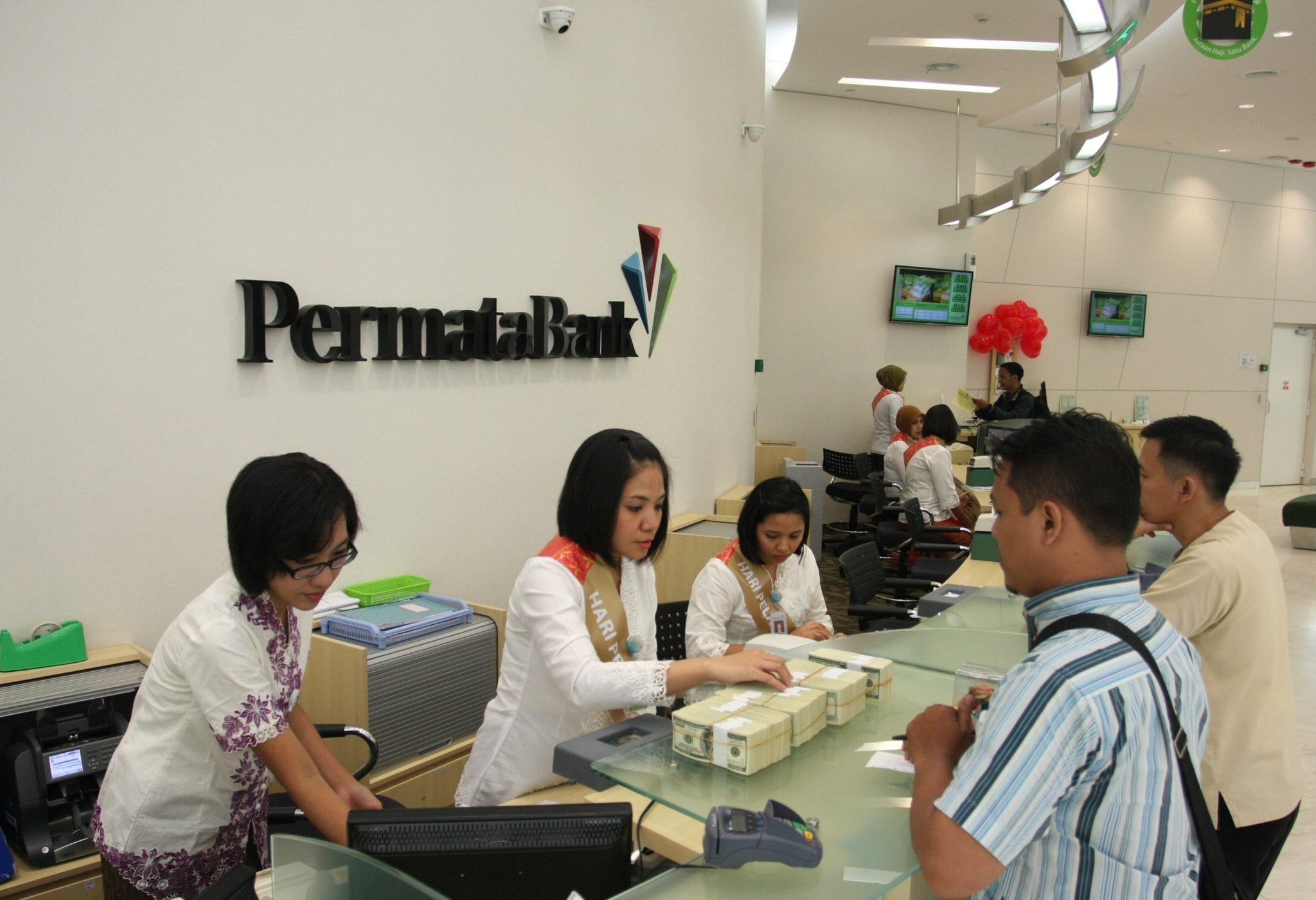
    Bangkok Bank is said to have emerged as the frontrunner for Bank Permata, Standard Chartered’s Indonesia bank, citing people familiar with the matter.

    The bank is said to be competing with Japan’s Sumitomo Mitsui Financial Group in the race for a 90-percent stake in Bank Permata in a deal worth $2.3 billion, and a winner could emerge as soon as next week.

    Bank Permata’s current major shareholders include Standard Chartered (45 percent) and PT Astra International (45 percent).

    In February, Standard Chartered signaled that its Permata investment is no longer considered core. Permata Bank reported net income of 711.4 billion rupiah ($50.7 million) for the first half of 2019, a significant jump from 288.8 billion rupiah a year before.

    Singapore banks DBS and OCBC are reportedly interested in the deal, though Indonesia’s Financial Services Authority has called SMFG the «most serious bidder.

  • Citibank sets conservative loan growth target

    Citibank sets conservative loan growth target

    Lender Citibank Indonesia expects to book single-digit loan growth next year although it believes lending will pick up speed in the second half of 2017, the company’s top management said on Wednesday.

    “For Citibank, we expect single-digit [lending growth]. It is better to be a bit conservative because we expect that lending will start to pick up in the third quarter,” Citibank’s CEO Batara Sianturi said.

    He said Citibank was confident that the economy would improve next year, partly because it expects the funds released from the tax amnesty to flow into Indonesia’s real sector.

    More liquid assets entering the country’s economy could be used to fund various projects, which would increase demand for loans, he said.

    Batara said the company would focus on pushing loan growth in all segments, which include institutional banking and retail banking.

    The lender’s financial report for the January-to-September period recorded that the bank’s loans decreased by 7.3 percent annually to Rp 39.07 trillion (US$2.9 billion) from Rp 42 trillion year-on-year.