Retail News CRM

Tag: Li Ka-shing

  • Hong Kong business icon Li Ka-Shing announces retirement

    Hong Kong business icon Li Ka-Shing announces retirement

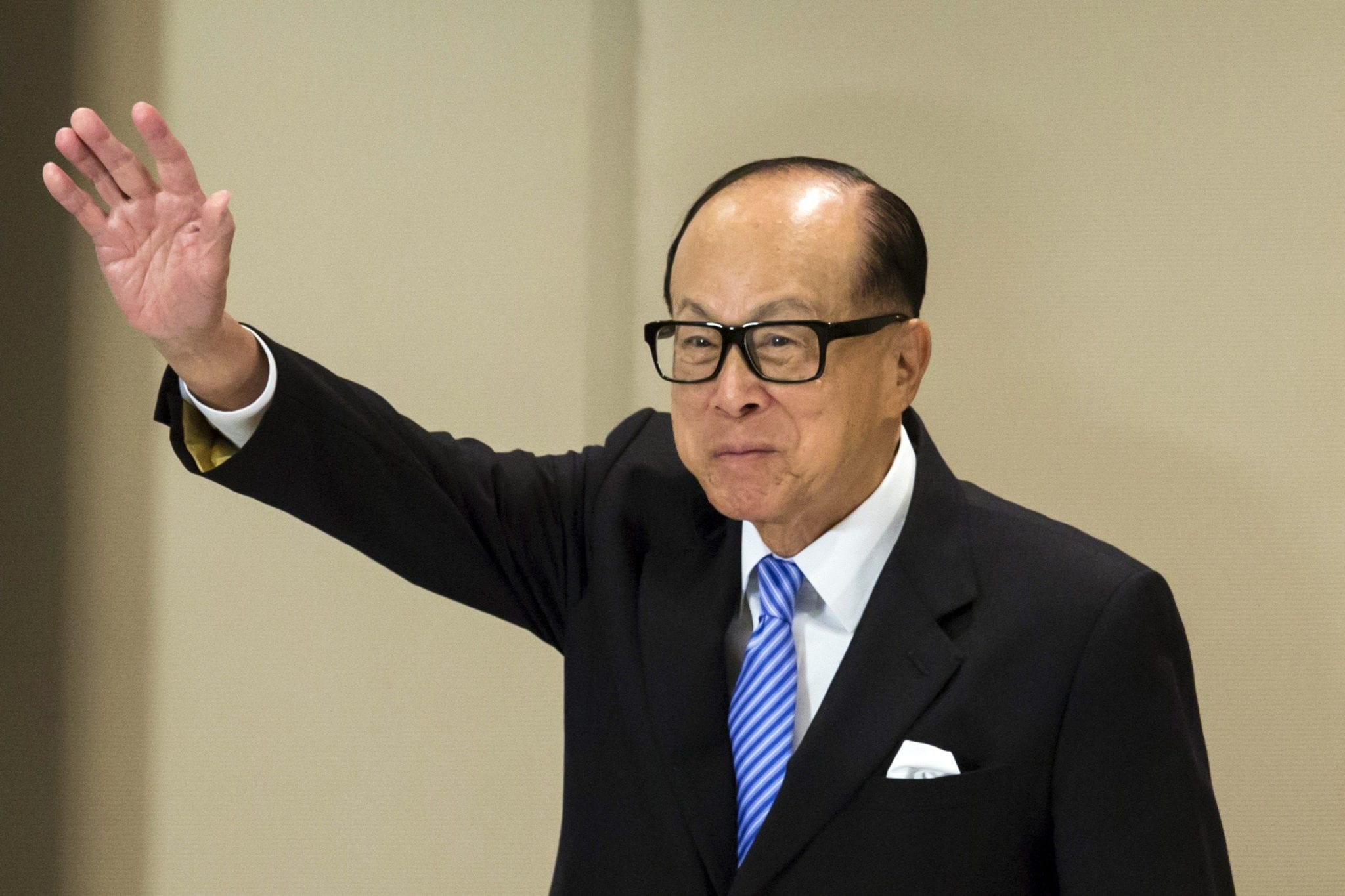
    Li Ka-Shing, business tycoon and Hong Kong’s richest man, has announced his retirement from conglomerate CK Hutchison Holdings Ltd., He is handing over all corporate responsibilities to his eldest son Victor.

    Li, with a net worth of $35.4 billion, has dominated Hong Kong’s business landscape for over two decades in areas including retail, telecommunications and real estate. He was ranked No. 23 on Forbes magazine’s list of world billionaires in 2018.

    CK Hutchison Holdings will now be headed by Victor Li, who was chosen as his father’s successor in 2012. The company reported attributable profits of $4.48 billion in 2017, making it the largest nonfinancial Hong Kong company listed on the Hang Seng.

    Li now intends to serve as senior adviser to the company and develop his charitable organisation, the Li Ka-Shing Foundation.

  • Cheung Kong puts The Center up for sale as Li Ka-shing trims Hong Kong assets

    Cheung Kong puts The Center up for sale as Li Ka-shing trims Hong Kong assets

    Hong Kong’s wealthiest man is putting his tallest building in the city up for sale, garnering bids from several Chinese buyers that point to the increasing trend of mainland companies with deep pockets snapping up local assets.

    Li’s Cheung Kong Property Holdings Co. has put The Center on the market with little fanfare for six months, according to a property agent involved in the deal, who declined to be named. A handful of keen buyers are bidding on the 73-storey tower, valued at HK$35 billion, the agent said.

    At that price, The Center will be Hong Kong’s most expensive real estate transaction.

    Analysts point to China’s state-owned companies with deep pockets as the most likely buyers for the tower in downtown Central, which has 1.2 million square feet of office space, 13,000 square feet of retail space and 402 car parking lots.

    “Only state-owned enterprises can afford such a sum,” said Knight Frank’s head of valuation and consultancy Thomas Lam.

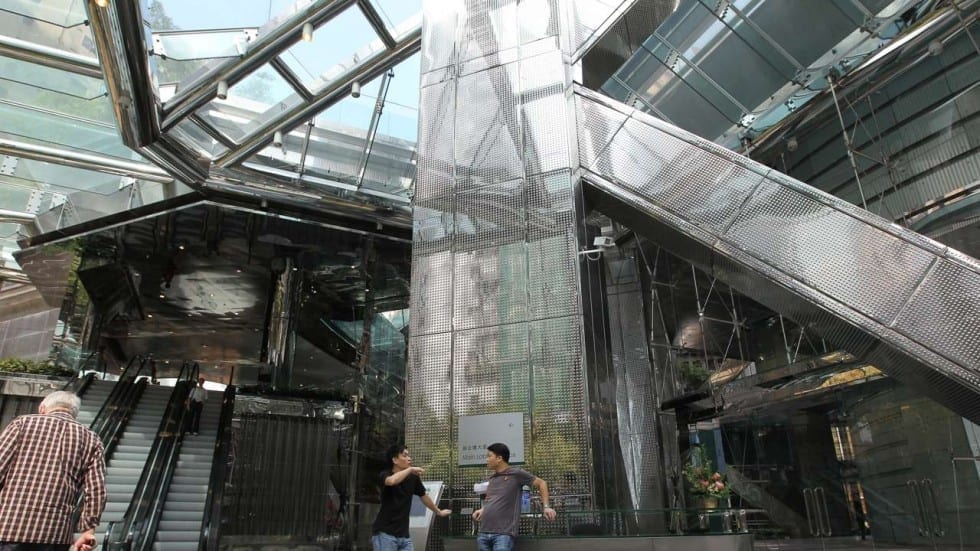
    The building, completed in 1998, is an entire steel structure without a concrete core. Its iconic lobby was featured in the Hollywood movie The Dark Knight.

    Cheung Kong owns 48 storeys in the building after Malaysian developer Guoco Group bought 11 floors in 1997. Nine of the 11 floors were sold to Singapore’s DBS Group Holdings Co. in 1998, while Cheung Kong sold the 60th and 79th floors in 1999, according to The Center’s sales brochure.

    Li has sold more than 20 billion yuan (HK$23 billion) of commercial properties in Shanghai, Beijing and Guangzhou since 2013. The tycoon’s business empire covers container ports, phone networks, power plants, real estate, retail outlets with assets in Asia, Europe and North America.

    Cheung Kong’s officials were unavailable to comment in Hong Kong.

    ICBC Asia, a subsidiary of China’s largest bank, is in discussions to buy the Center for HK$34.8 billion, Hong Kong’s Chinese-language media reported on Tuesday. The Hong Kong unit of the Industrial & Commercial Bank of China denied it’s involved in the talks.

    Cheung Kong is taking advantage of an explosive demand of office real estate by mainland Chinese companies in Hong Kong, analysts said. The decline in the Chinese yuan against the US dollar has also made it more attractive for mainland banks to seek better returns by parking their capital in real estate.

    “Chinese companies are eager to set up headquarters in Hong Kong’s central business district amid rapid business expansion,” Knight Frank’s Lam said. “They will be the key driver of new take up and office acquisition in the coming years.”

    Mainland Chinese companies hogged the limelight last year when two of them acquired two office blocks from Hong Kong-based property companies.

    China Life Insurance Co., the country’s largest insurer, paid HK$5.85 billion in November last year for Wheelock & Co.’s One HarbourGate office tower and retail podium in Hung Hom. On the same day, China Evergrande Group, the country’s second-largest developer, forked out a record HK$12.5 billion for the 26-storey Mass Mutual Tower in Wan Chai from Chinese Estates Holdings.

  • Billionaire Li Ka-shing sounds alarm over Hong Kong’s economy

    Billionaire Li Ka-shing sounds alarm over Hong Kong’s economy

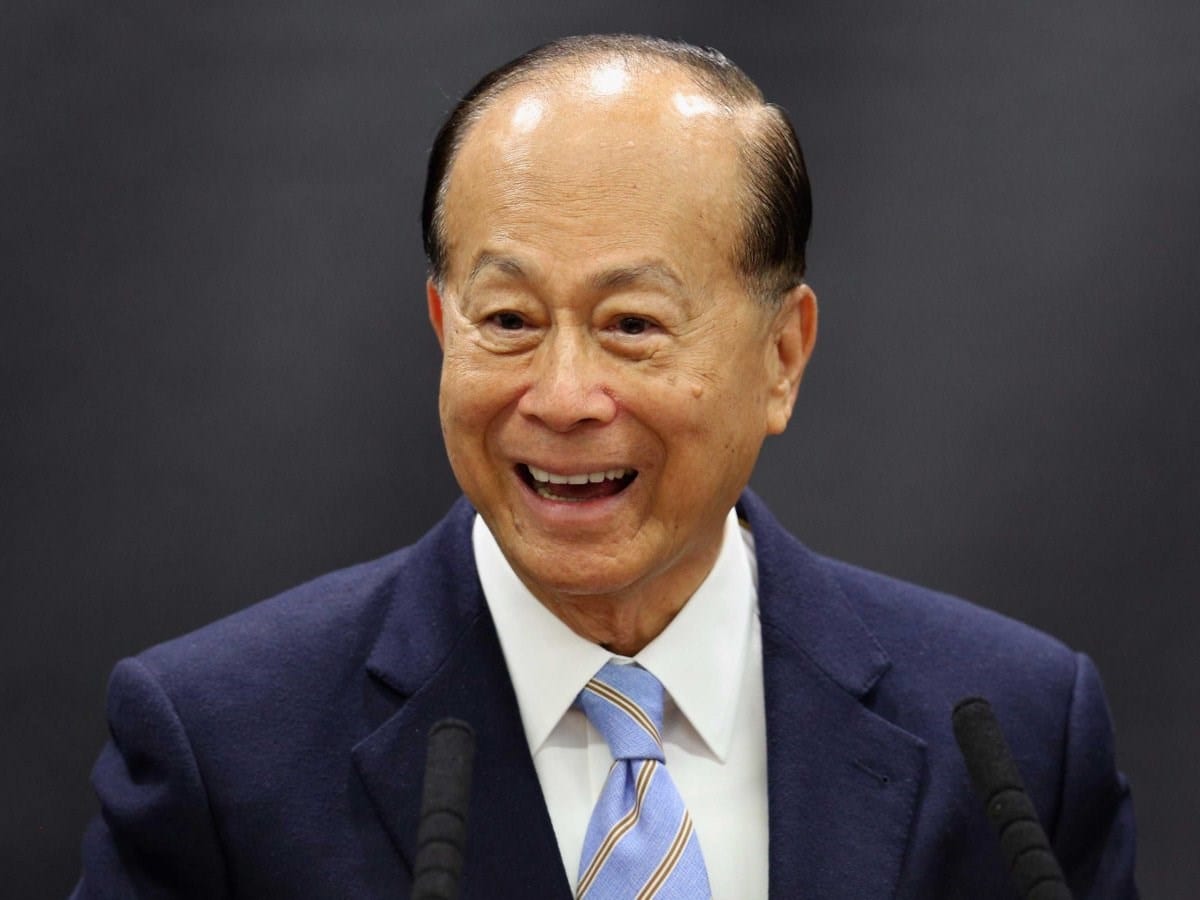
    Hong Kong’s economy is at its worst in 20 years, billionaire Li Ka-shing said on Thursday, warning that the city’s stock market could fall by more than half if the financial hub does not get backing from mainland China.

    Li, who held court and joked with reporters for more than an hour during an earnings news conference, is the latest person to sound the alarm after Moody’s downgraded Hong Kong’s sovereign credit rating at the weekend, citing its links to China’s economic slowdown.

    “Today’s Hong Kong is getting worse, the worst I’ve seen in 20 years,” said Li, 88, referring to the Asia financial crisis in the late 1990s. Our home sales and retail now is worse than the SARS period. During SARS (the effect) was short-lived but now it is long,” he said, in a reference to the Severe Acute Respiratory Syndrome that crippled the city in 2003.

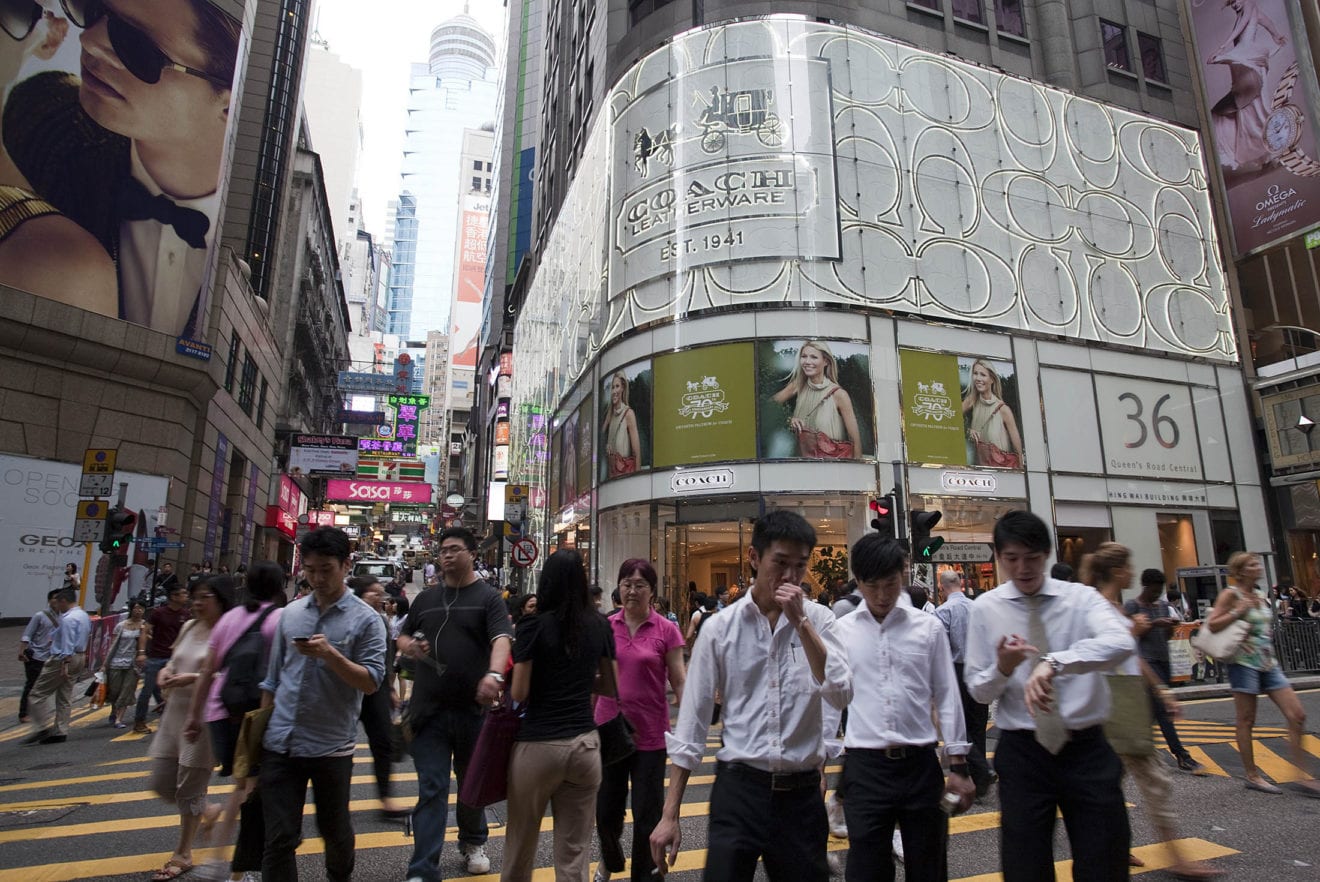
    Hong Kong retail sales, which suffered their worst decline in 13 years in 2015, have been hit by a slump in tourist from the mainland which has been blamed in part on increasing cross-border tensions and political unease on both sides.

    “If we respect tourists, no matter where they’re from, today our retail, hotels would not be this bad. So everyone has to reflect on themselves, there are a lot of issues the politicians need to reflect on how they can do better,” Li said.

    In February, Hong Kong’s Financial Secretary John Tsang said “political volatility” was threatening to undermine the economy and warned disputes would intensify ahead of this year’s elections which pit the city’s democratic opposition against pro-Beijing parties.

    A former British territory, Hong Kong is ruled under a “one country, two systems” formula that allows wide-ranging autonomy and freedoms not enjoyed in mainland China, but many in the city have voiced concern over what they see as increasing interference by Beijing in its affairs.

    Li, known as Superman for his deal-making savvy, said he does not think Hong Kong people want independence and urged residents to allow the city to be stable and prosperous.

    Earlier on Thursday, Li’s ports-to-telecoms conglomerate CK Hutchison reported a net profit of HK$31.17 billion ($4 billion) for 2015, in its first full-year earnings report after a reorganisation last year.

    Li continued to take questions from the packed conference even as company officials tried to usher him out, saying finally with a smile: “You guys are just expecting me to slip out something wrong.”


  • Li Ka-shing’s Moves in China Reveal Good Timing

    Li Ka-shing’s Moves in China Reveal Good Timing

    As investors around the world fret over China’s economic tremors, Hong Kong tycoon Li Ka-shing has less reason to press the panic button: he has been quietly accelerating moves to cut his reliance on the world’s second-largest economy.

    Mr. Li, nicknamed Superman in Hong Kong for the business acumen that made him one of Asia’s richest men, has been trimming his property portfolio in China since 2011. He has also sold off parts of his ports and retail holdings in Hong Kong, which is a conduit for China’s international trade and finance.

    Instead, the 87-year-old tycoon has pivoted his two main conglomerates—Hutchison Whampoa Ltd. and Cheung Kong Holdings Ltd.—toward the old world of Europe. He has spent more than $20 billion in the past 18 months on deals that include buying the U.K.’s second-largest mobile-phone operator, a Dutch drugstore chain and a U.K. train-car maker, as well merging his Italian telecommunications company with a larger rival. Those deals were valued at more than his combined European acquisitions in the previous decade.

    Even before the spree, Europe had overtaken Greater China as the biggest contributor to Hutchison’s operating profit, by a small margin, in 2012. Last year the region accounted for 42% of the total, as Greater China shrunk to 30%.

    In a sign that easy returns from the boom years of China may be over, three people close to Mr. Li’s business say the moves were spurred in part by his belief that he can make more money in Europe—long seen as a collection of plodding economies—than in China, hitherto a magnet for investors because of its rapid growth rates. Company officials have said that the size and scale of investment opportunities in Europe exceed those of Hong Kong, where there is little left for Mr. Li to plow funds into.

    Now, as global markets stumble on concerns over China’s slowing economy, falling stock prices and a sudden devaluation in the Chinese currency, Mr. Li’s moves appear prescient, cementing his status among investors as an oracle. Company insiders and academics who study Mr. Li, however, say that the tycoon was also motivated by a weak euro that made European assets offering steady returns cheaper relative to China.

    “What Mr. Li really excels at is the timing of his selling,” said Woody Wu, an accounting professor at the Chinese University of Hong Kong. “He sells as long as the price is right. He’s a genius when it comes to finance.”

    Mr. Li, who is valued at $24.8 billion by Forbes as of Sept. 5, presides over an empire that is divided roughly into quarters: property, telecommunications, ports and infrastructure as well as retail and energy. Earlier this year, Mr. Li folded his two flagship firms together into CK Hutchison Holdings Ltd. and spun off their property businesses into a separate company, Cheung Kong Property Holdings Ltd. The companies’ combined market value is about $77 billion.

    Both companies outperformed Hong Kong’s benchmark Hang Seng Index, which has fallen nearly 24% since June 12. Shares of CK Hutchison are off 10% over the same period, while the property arm took a 21% hit, showing Mr. Li isn’t immune to any slowdown in China.

    Most of Mr. Li’s property portfolio is in China and nothing thrills Mr. Li like a development deal, according to two people who have worked closely with him. When entertaining clients over bowls of pili nuts at his office on the 70th floor in Hong Kong’s central business district, Mr. Li once pointed to the city’s skyline and boasted that one in eight buildings were made by him, according to a person who has visited him.

    He was among the first foreign developers to enter China after its leader Deng Xiaoping, with whom Mr. Li had close ties, began opening up the nation’s economy. He retained good relationships with subsequent presidents Jiang Zemin and Hu Jintao, although he is seen by China watchers as less close to the current president, Xi Jinping.

    In 2008, Mr. Li surprised observers when he sold a 40-story office tower in the heart of Shanghai’s blossoming financial district to a private investor for 4.9 billion yuan (US$769 million). Three years later, the building fetched a half billion yuan less when it was resold as the market dipped, people familiar with the matter said at the time.

    Mr. Li hasn’t made any significant land acquisitions in China since at least 2012 and has sold off malls and housing developments.

    “It shows [Mr. Li’s companies] are bearish on the market going forward,” said Samuel Hui, a conglomerates analyst at broker CLSA.

    One person close to Mr. Li said he had lost the advantage in know-how for construction that he held in the 1990s in the face of competition from rising Chinese property moguls such as Dalian Wanda Group’s Wang Jianlin, who has replaced Mr. Li as Asia’s richest man.

    Other potential motives attributed by company insiders and academics for Mr. Li’s step back range from the possible souring of his relations with the nation’s power brokers, to the tycoon preparing to hand over the business reins to his eldest son, Victor Li.

    “The more important reason why he’s moving away from China is that his influence there is dissipating,” said Joseph Fan, a finance professor at the Chinese University of Hong Kong who has studied Mr. Li’s career.

    In Hong Kong, where Mr. Li started his empire manufacturing plastic flowers in the 1950s, he has shifted the domicile of his businesses to the Cayman Islands. Last year, he sold a quarter of his Hong Kong retail chain to Singapore sovereign-wealth fund Temasek Holdings Pte. Ltd. Most recently, Qatar’s sovereign-wealth fund bought 16.5% of his electricity assets in the city.

    People close to Mr. Li say he remains in empire-building mode.

    “You still see that energy and strong interest into making deals—megadeals,” said a person familiar with Mr. Li. “I don’t see that he’s tired of doing this.”