Retail News CRM

Tag: Lion Group

  • Batik Air and Thai Lion Air’s Lion Group Set to Soar from Changi’s Terminal 4!

    Batik Air and Thai Lion Air’s Lion Group Set to Soar from Changi’s Terminal 4!

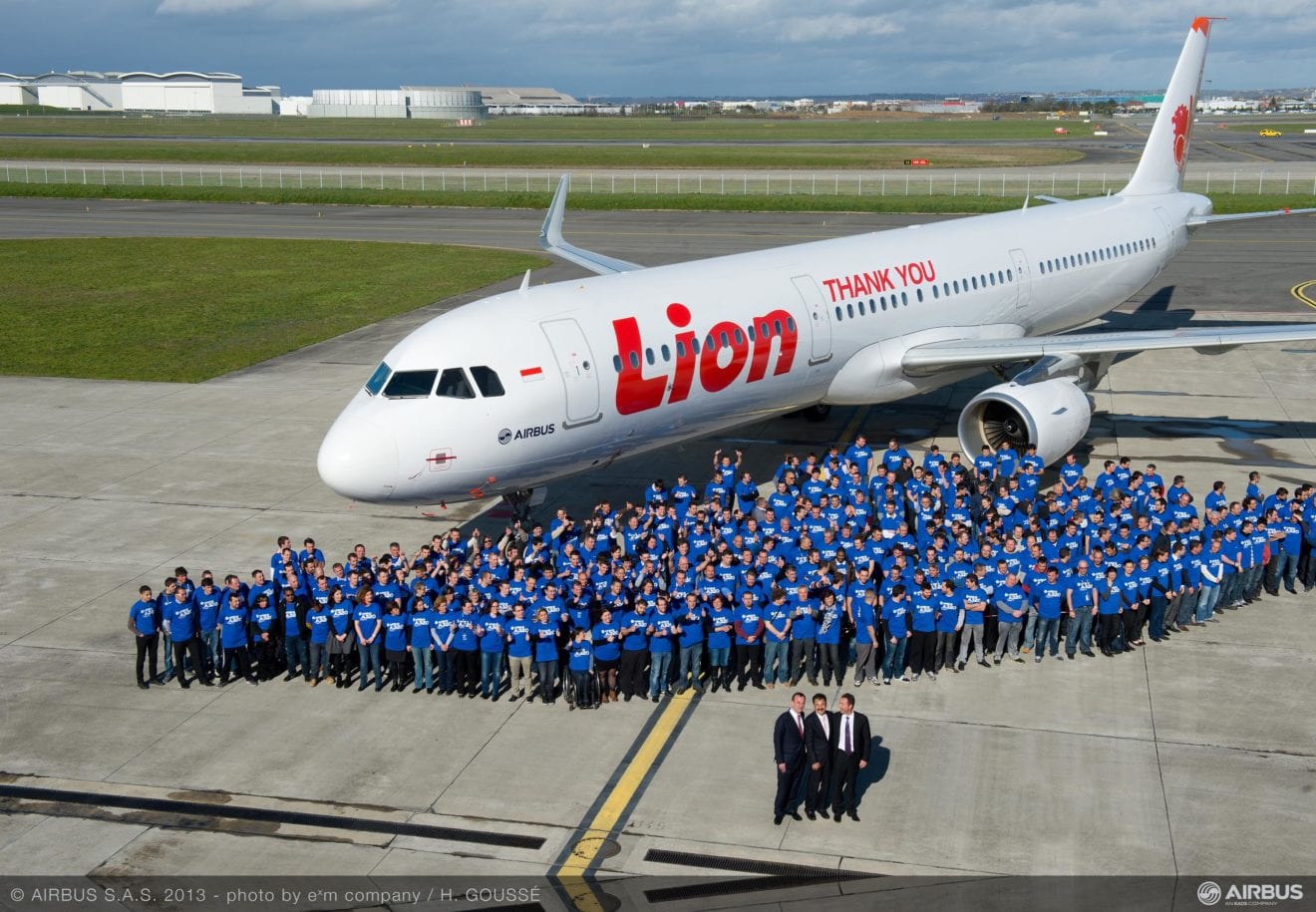
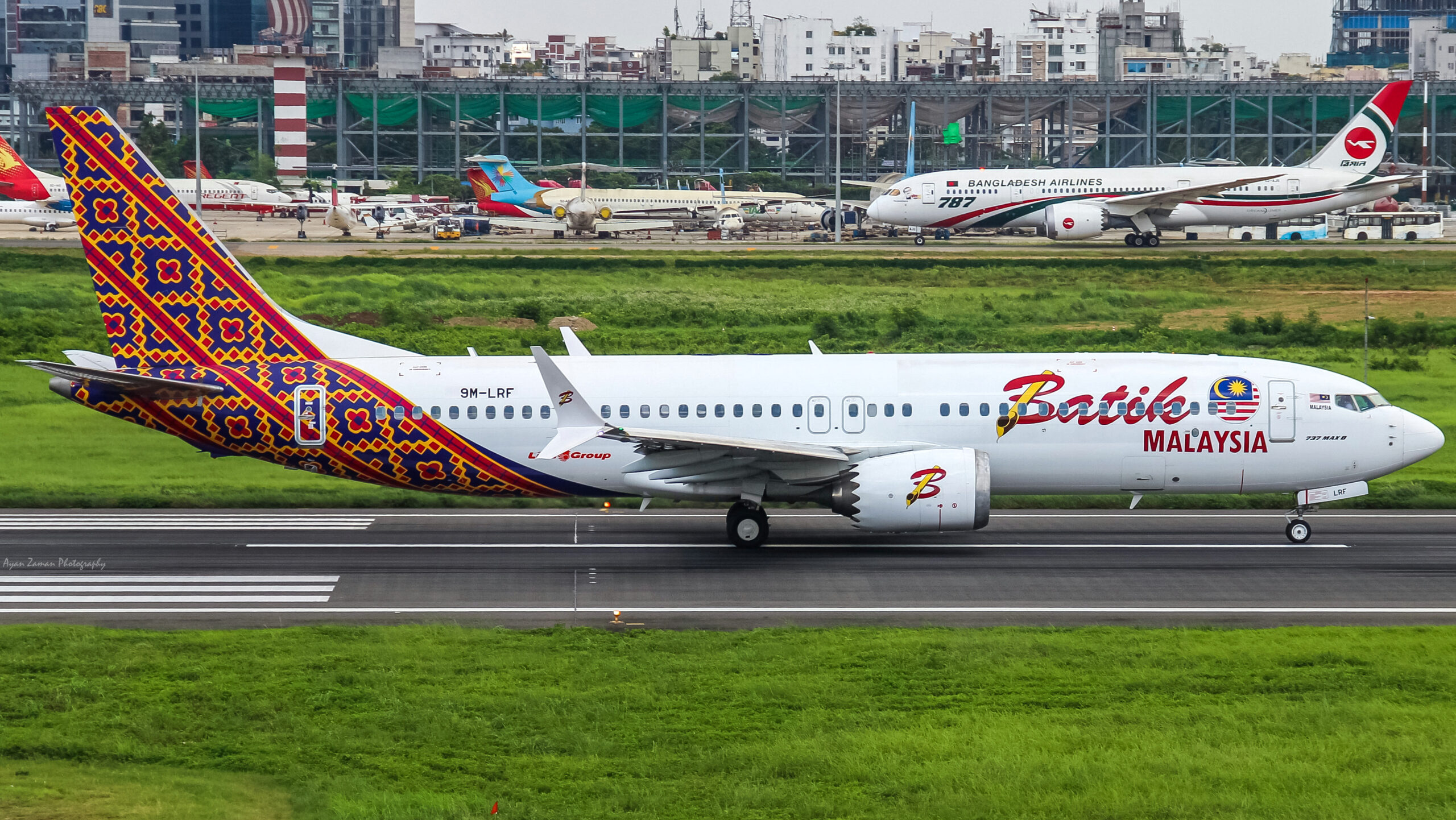
    Lion Group, the operator of Batik Air and Thai Lion Air, will relocate its operations from Terminal 3 to Terminal 4 at Singapore’s Changi Airport.

    In a strategic move aimed at enhancing passenger experience and accommodating future growth, Lion Group has announced its decision to transition its operations to Terminal 4, set to take effect in November. Following this relocation, the group is gearing up to introduce new daily flights in December to popular Malaysian destinations including Subang, Ipoh, and Penang.

    This move is tailored to meet the burgeoning air travel demand in the region. Upon completion, Terminal 4 will be home to 20 carriers, splitting its offerings between full-service airlines and low-cost operators.

    With Batik Air Indonesia, Batik Air Malaysia, and Thai Lion Air under its umbrella, Lion Group is primed to enter a competitive landscape on routes to Subang Airport. This airport is conveniently located just 24 kilometers from Kuala Lumpur’s city center, putting it in direct competition with low-cost carriers such as Scoot and Firefly.

    The Kuala Lumpur–Singapore corridor has been a hive of activity, ranked as the world’s fourth-busiest international route in 2024 and the busiest in 2023, according to flight analytics platform OAG. Not to be outdone, Lion Group currently operates 88 weekly flights connecting Singapore with various cities including Jakarta, Bali, Medan, Kuala Lumpur, and Bangkok.

    Looking ahead, Thai Lion Air plans to further broaden its horizon, with ambitions to launch flights connecting Singapore to additional Thai cities beyond Bangkok. It seems that in the realm of air travel, Lion Group is not just following the flight path, but actively charting new territories.

    Questions & Answers

    How will the relocation benefit Lion Group’s operations?
    The relocation to Terminal 4 is designed to enhance passenger experience and accommodate the anticipated growth in air travel demand, allowing Lion Group to operate more efficiently and attract more travelers.

    What new routes is Lion Group planning to introduce?
    Lion Group plans to launch new daily flights in December to Malaysia’s Subang, Ipoh, and Penang, expanding its service offerings in the region.

    How does Lion Group’s current flight schedule compare in the region?
    Currently, Lion Group operates 88 weekly services connecting Singapore to key cities such as Jakarta, Bali, Medan, Kuala Lumpur, and Bangkok, positioning itself strongly in the competitive Southeast Asian air travel market.
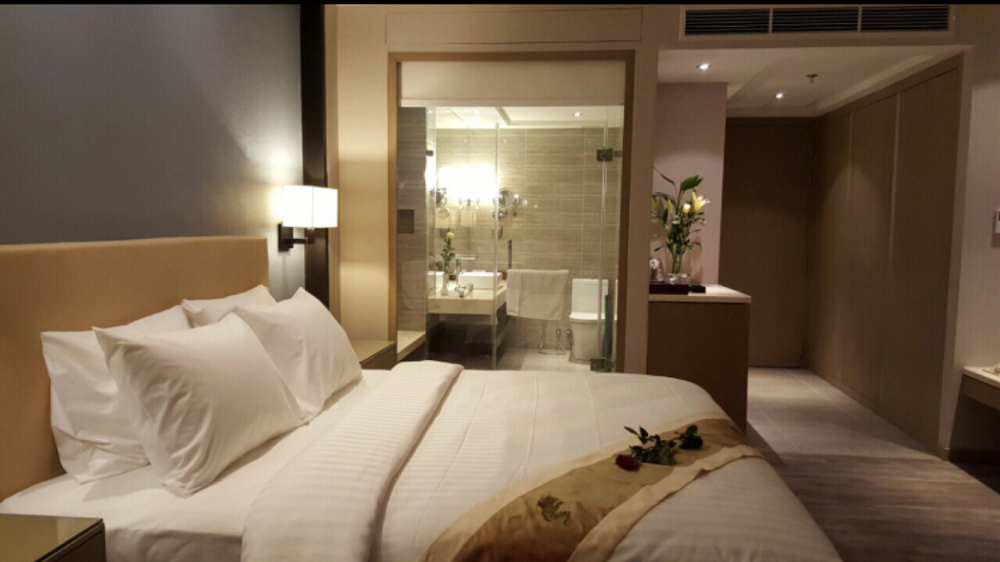
  • Cambodia’s Grand Lion Group to Open Marriott Branded Hotel in Siem Reap

    Cambodia’s Grand Lion Group to Open Marriott Branded Hotel in Siem Reap

    Preparations are under way for Cambodian-based Grand Lion Group to open the very first Marriott International branded hotel in Cambodia, a 233-room Courtyard by Marriott Siem Reap Resort in April 2017.

    The Courtyard by Marriott Siem Reap Resort is strategically sited 15 minutes away from the UNESCO World Heritage site of Angkor Archaeological Park, one of the world’s renowned tourist sites which drew over two million global visitors in 2015. In June this year, the European Council on Tourism and Trade (ECTT) announced Cambodia as the ‘World’s Best Tourist Destination’ for 2016, out of 29 candidate countries. Simultaneously, Cambodia was also declared the ‘Favourite Cultural Destination’. The top three source markets to Cambodia are Asia, Europe and the Americas.

    Courtyard by Marriott Siem Reap

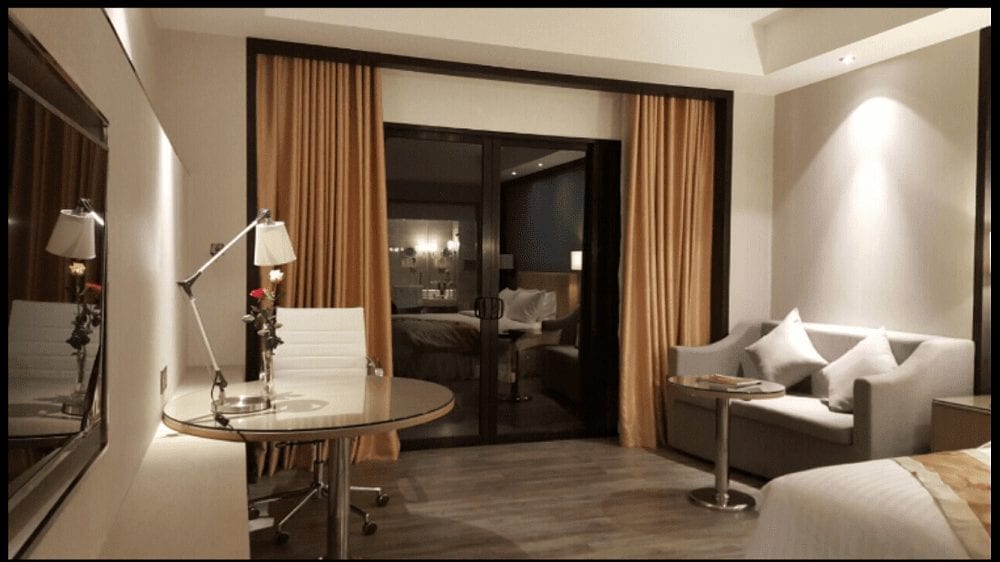
    The Courtyard by Marriott Siem Reap Resort will feature 233 stylishly-designed guestrooms with four-fixture bathrooms. In-room amenities will include Marriott’s famous plush bed and bath linen and amenities, high-definition flat-screen television, high-speed internet access, mini-bar and safe. Dining and entertainment options include a casual, all-day dining restaurant, a rooftop bar called The View with stunning views of Angkor Wat, a grand ballroom and a lobby lounge. Recreational facilities will include an outdoor swimming pool and a fitness centre as well as a full-service spa including a relaxation lounge and a foot reflexology area.

    The property will also feature approximately 600 sq m of function space and is expected to create over 200 employment opportunities.

    The Grand Lion Group also plans to open a 250-room resort Marriott branded resort in Cambodia’s beachside playground of Sihanoukville adjacent to a 688-unit residence and a retail mall. Slated to break ground in the 4th quarter of 2017, the sleek USD160 million project designed by Blink Architects, is dramatically designed to change the skyline of Sihanoukville and inject real luxury into this region. Sited four hours by road from Phnom Penh in the south west of Cambodia, the Resort is scheduled to open in 2020.

  • Giant Cambodia launches in Phnom Penh

    Giant Cambodia launches in Phnom Penh

    Giant Cambodia has opened its first store in the kingdom, in Phnom Penh’s Grand City Mall.

    It is part of a major expansion into Cambodia by the Malaysian wholly owned subsidiary of pan-Asian retailer Dairy Farm International, which also has a 70 per cent stake in Lucky Private, the owner of Lucky Supermarkets.

    Dairy Farm International Indochina CEO Paul Sheldrake says Giant will offer a new experience and choices for Cambodians with its brand-name health and beauty products and housing accessories.

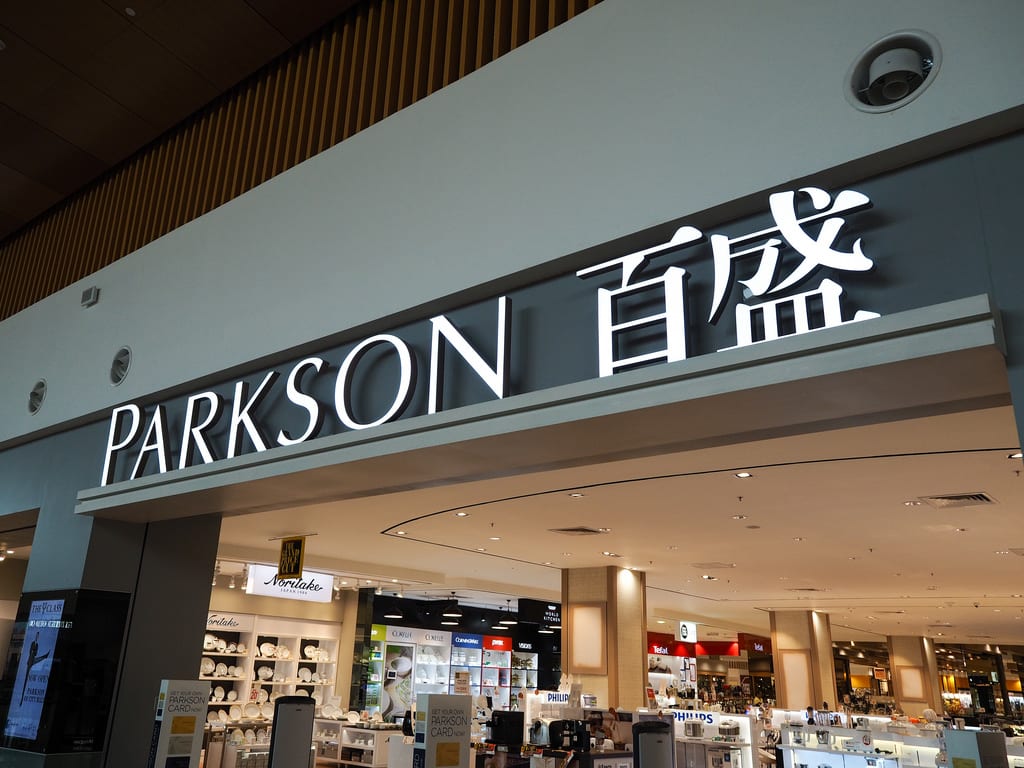
    New international shopping complexes are boosting retail supply in the capital, such as the 57,000 sqm Parkson’s Phnom Penh City Centre scheduled to open last year but revised to late this year. Also coming on line then will be Lion City, an integrated project by Malaysia’s Lion Group covering 61,000 sqm.

    Other new entrants include HongKongLand’s Exchange Square, covering 8000 sqm and opening early next year.

    Real estate analyst CBRE has forecast retail space in Phnom Penh to increase more than 110 per cent by early next year.

  • Lion group to receive 44 aircraft

    Lion group to receive 44 aircraft

    Lion Group will procure 44 aircraft this year for the airlines under its operations, including Lion Air, Wings Air, and Batik Air, Edward Sirait, its president director, stated here on Monday.

    He noted that the aircraft fleet is being expanded to increase capacity in view of the growth this year, which is expected to reach 15 percent.

    Edward remarked that 14 aircraft will be for Lion Air, 18 for Wings Air, and 12 for Batik Air.

    “The number will be adjusted based on the market demand in line with the transportation ministrys forecast that the number of passengers will increase by 15 percent,” he claimed.

    He affirmed that all the new aircraft for Lion Air are Boeing, while Batik Air will receive Boeing and Airbus aircraft, and Wings Air would get ATR aircraft.

    He stated that the aircraft were procured through operating lease and financial lease schemes.

    He noted that the new aircraft will be used to serve new routes, especially for direct flights such as on the Balikpapan-Bandung, Tarakan-Semarang, and Banjarmasin-Denpasar routes.

    He remarked that Lion Group will also start flight services for minor Hajj pilgrims, with direct flights to Madinah using the wide-bodied Boeing 747 and Airbus 330.

    “Other airlines only offer flights to Jeddah, from where the passengers have to undertake a six-hour land journey. We have prepared direct flights to Madinah, so that the passengers could immediately proceed to carry out their religious rites,” he added.

    Lion Group currently has two Boeing 747 and three Airbus 330 aircraft.

  • Moody’s lowers Parkson Retail Group debt outlook to negative

    Moody’s lowers Parkson Retail Group debt outlook to negative

    Moody’s Investors Service has lowered the outlook for Parkson Retail Group Ltd’s Ba3 corporate family and senior unsecured debt ratings to negative from stable.

    In a statement issued on Wednesday, Moody’s has also affirmed Parkson’s Ba3 corporate family and senior unsecured debt ratings.

    A Moody’s vice president and senior credit officer Lina Choi said: “The outlook change reflects Parkson’s weaker-than-expected financial results for 3Q 2015.

    “Our expectation that its profitability and financial leverage will likely remain weak for its Ba3 ratings over the next 12-18 months, given the ongoing challenges apparent in China’s retail market.”

    Parkson, which is listed on the Hong Kong Stock Exchange and one of the largest operators of department store chains in China, reported a normalised operating profit of 86.7mil renminbi — after excluding a one-off litigation penalty of 140mil renminbi — in the first nine months of 2015 compared with 346.4mil renminb in 2014.

    “This decline was due to the consideration that the company faced strong competition during this time and also experienced a 9.4% decline in gross sales proceeds (GSP) in 3Q 2015, a further deterioration from the 3% fall in 1H 2015.

    “Moody’s notes that subdued retail sentiment and strong competition have prompted Parkson to offer more promotions and discounts on its products,” it said.

    Moody’s also estimated Parkson’s profitability — as measured by EBITDA/GSP — would decline to 11% for all of 2015 from 12.7% in 2014.

    At end-2014, it owned and managed 60 stores spread across 34 Chinese cities. It targets the middle-end of the Chinese retail market. It is 53.1%-owned by Parkson Holdings Bhd (unrated), an affiliate of Malaysia’s Lion Group.

    Moody’s said despite the company’s plan to improve profitability through more direct sales, Moody’s expects EBITDA/GSP to fall to around 10%-11% in the next 12-18 months. Such a range would be close to its rating downgrade trigger level.

    The ratings agency also said Moody’s expected Parkson’s retained cash flow (RCF)/net debt to decline to 8% at end-2015 from 11.3% at end-2014 due to the fall in cash holdings.

    It pointed out Parkson’s cash and cash equivalent fell to 3.6bil renminbi in 3Q 2015 from 4.8bil renminbi at end-December 2014 due to increased working capital outflow and capital expenditure on new stores.

    Moody’s expects RCF/net debt to stay around 8% over the next 12-18 months, a level which provides little space from our downgrade trigger of 8-10%.

    At the same time, Parkson’s liquidity remains adequate, although its cash buffer has narrowed. Cash and cash equivalent of 3.6bil renminbi at end-September 2015 could cover its short-term debt of 700mil renminbi.

    Moody’s said Parkson’s Ba3 corporate family rating reflects its competitive position in China’s highly fragmented department store industry, underpinned by its well-recognised brand name and national presence.

    “The rating also considers its low level of collections risk and adequate liquidity profile. However, the rating is constrained by structural challenges, such as intense competition from other retailers, rising rental rates, online retailing and the execution risks associated with its aggressive expansion into lower-tier cities in China.

    “In particular, Parkson’s dependence on leased stores is high, exposing the company to the risk of reallocations and escalating rents. These challenges, together with its ambitious investments in new stores, will continue to pressure its profitability and financial metrics.

    “The outlook could return to stable if Parkson curbs the deterioration in gross sales proceeds, and demonstrates an ability to restore profit margins,” it said.

    Moody’s said the metrics which it would consider for a return to a stable outlook include:

    (1) adjusted EBITDA/gross sales proceeds recovering to above 10%-11%; and (2) adjusted retained cash flow/net debt rising above 10% on a sustained basis.

    The ratings could experience downward pressure if Parkson fails to stabilise its profitability and financial metrics due to: (1) rising competition; (2) reduced bargaining power over its concessionaires/suppliers; or (3) the need to make large investments for store expansions.

    Credit metrics indicative of downgrade pressure include the likelihood of adjusted EBITDA/gross sales proceeds trending below 10%-12% or of adjusted retained cash flow/net debt trending below 8%-10% on a sustained basis.

    Any sign that the company is extending financial support to its parent, the Lion Group, will also pressure Parkson’s corporate family rating.