Retail News CRM

Tag: looks

  • Tops Revolutionizes Thai Beauty Market with Standalone Looks Store Launch

    Tops Revolutionizes Thai Beauty Market with Standalone Looks Store Launch

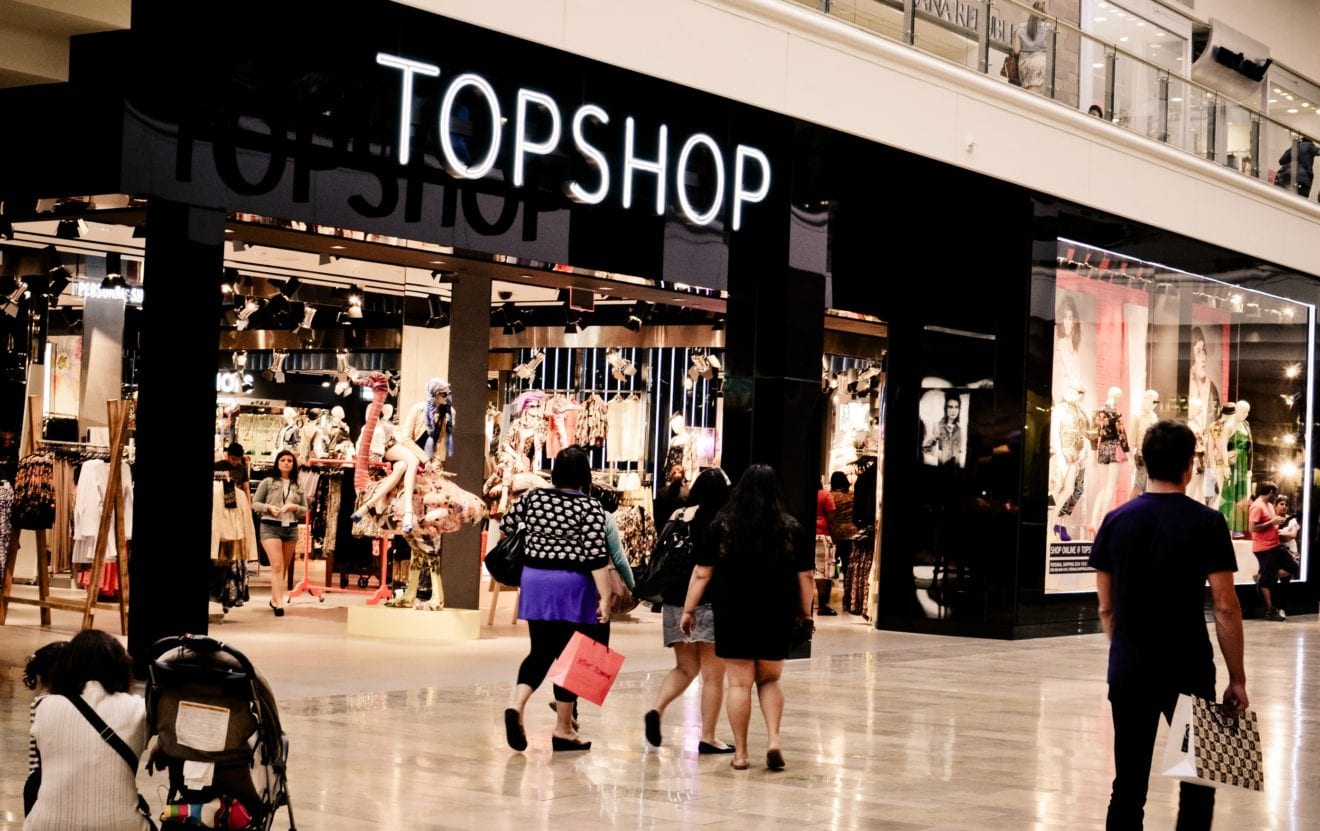
    Tops, a leading retail brand owned by Central Retail, is expanding its influence in Thailand’s thriving beauty sector by introducing an independent Looks store concept.

    The initial independent Looks store will be inaugurated on May 20th at Robinson Lifestyle Srisamarn, underlining a significant shift in strategy for the wellness and beauty brand as it ventures into dedicated specialty retail.

    This expansion is part of a broader, long-term growth plan for the brand. The company has ambitions to increase the presence of Looks to 100 locations across various formats over the next seven years.

    Historically, Looks has operated mostly as beauty sections within Tops supermarkets. However, the brand’s new direction aims to appeal to the emerging ‘new-gen’ market and the progressively expanding masstige segments.

    The independent store concept is set to offer an impressive range of over 5,000 SKUs, encompassing skincare, makeup, and inner wellness products. Approximately 15% of the stock will consist of exclusive items that will only be available in Looks stores.

    In addition to the diverse range of products, the store will also host a ‘Solution Bar.’ This feature will offer customers personalized recommendations and consultations from beauty specialists at Looks.

    Despite the implementation of the standalone model, the brand will continue to uphold its strong omnichannel presence. This includes maintaining the 105 dedicated Looks zones in Tops stores and the 17 Tops Daily branches throughout the country.

    Questions & Answers

    What is the new strategic direction for the Looks brand?
    With the launch of an independent store concept, Looks is expanding from simply being beauty zones within Tops supermarkets to becoming a standalone specialty retail brand.

    What unique features will the standalone Looks store offer to customers?
    The store will offer a wide range of over 5,000 products across skincare, makeup, and inner wellness. It will also provide exclusive products unavailable elsewhere. Additionally, customers will benefit from personalized advice and recommendations at the in-store ‘Solution Bar.’

    Will the brand maintain its presence within Tops supermarkets despite the new direction?
    Yes, despite the launch of the standalone stores, Looks will continue to operate its dedicated sections within Tops supermarkets and Tops Daily branches nationwide.
  • Heineken Unveils Resource-efficient Five-year Strategy Amidst Industry Challenges

    Heineken Unveils Resource-efficient Five-year Strategy Amidst Industry Challenges

    Heineken, the Dutch brewing giant, has announced an ambitious five-year strategy that aims at utilizing fewer resources to generate more growth. The strategy will concentrate on specific markets and brands to maximize organic net revenue growth. The company anticipates seeing mid-single-digit growth each year leading up to 2030.

    Changing Course Amid Uncertain Times

    In response to a rapidly evolving global landscape, Heineken is looking to fortify its future operations. The company plans to establish a more robust operating model, optimize efficiency, and enhance its adoption of artificial intelligence. This new direction comes in the wake of a series of challenges for Heineken, including the economic impact of the Covid-19 pandemic, rising inflation, and recent tensions arising from US trade policies.

    At an investor event, CEO Dolf van den Brink admitted that the company’s performance has been inconsistent. He expressed dissatisfaction with the current state of affairs and emphasized the company’s aspiration to improve and grow.

    Refocusing on Key Markets and Brands

    Heineken has identified 17 key markets, including Mexico, Malaysia, Spain, and the UK, where it aims to expand its presence. The company will target these markets for potential acquisitions and will focus on five global brands and 25 strong local labels. The markets, along with brands such as Heineken, Tiger, Amstel, Desperados, and Birra Moretti, will receive enhanced resources.

    Investors have suggested that Heineken has been lagging behind competitors, notably Anheuser-Busch InBev, which is recognized for its efficient operations. While Heineken’s shares have seen a modest increase of around 3% this year, its competitors’ shares have seen more substantial growth.

    The brewing company expects organic operating profit to outpace revenues under its revised strategy. It also anticipates earnings per share to grow commensurately or exceed that rate, and aims for over 90% free-cash conversion. The company’s profits will be bolstered by a pre-existing target of achieving up to 500 million euros (US$583 million) in annual gross savings by 2025.

    Industry-Wide Challenges and Adaptation

    Heineken shares experienced a minor slump recently, dropping almost 2% before recovering slightly. This comes after a warning from the company about a potential decrease in beer sales in 2025, following weak third-quarter sales in Brazil and Europe.

    Broadly, the brewing industry is grappling with challenging economic conditions and weak consumer confidence. Additionally, longer-term issues such as increasing health warnings, emerging competitors, and changing consumer preferences pose significant challenges.

    To adapt to evolving consumer demands, Heineken plans to expand its low- and no-alcohol offerings. The company recognizes that some consumers are reducing alcohol consumption due to health concerns and the rise of weight-loss drugs, and is taking proactive steps to accommodate this trend.

    Questions & Answers

    What is the key focus of Heineken’s new strategy?
    The primary focus of Heineken’s updated strategy is to generate more growth while utilizing fewer resources, focusing on specific brands and markets.

    How does Heineken plan to adapt to changing consumer trends?
    In response to changing consumer preferences, Heineken plans to expand its range of low- and no-alcohol products.

    What are some challenges Heineken anticipates in the brewing industry?
    Heineken expects to grapple with difficult economic conditions, weak consumer confidence, health warnings, and changes in consumer behavior, along with new entrants in the market.

  • JD Logistics Unveils Groundbreaking Express Delivery Service In Saudi Arabia: A Leap In Global Expansion Strategy

    JD Logistics Unveils Groundbreaking Express Delivery Service In Saudi Arabia: A Leap In Global Expansion Strategy

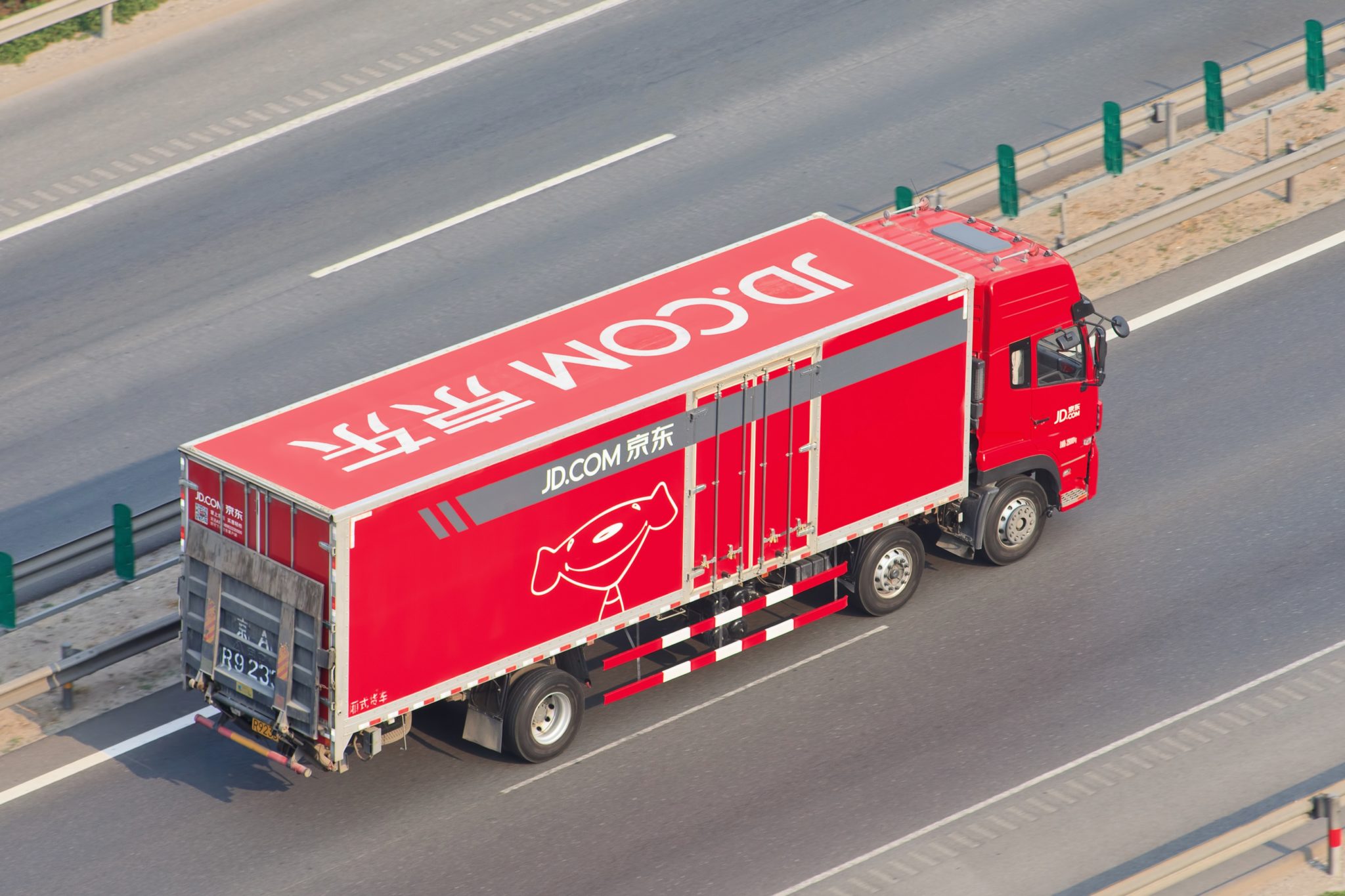
    JD Logistics, the logistics subsidiary of Chinese e-commerce behemoth JD.com, recently unveiled its consumer-centric express delivery service, JoyExpress, in Saudi Arabia – the first of its kind outside of China.

    JD Logistics’ Market Expansion

    JD Logistics is widely reputed for its self-built warehousing and delivery infrastructure in China, where it manages over 3,600 warehouses. The introduction of JoyExpress takes this efficient, self-operated model to international frontiers, promising speedy delivery services within the same day in Saudi Arabia.

    The move signifies a pioneering stride in JD.com’s revitalized global expansion strategy, as disclosed by the company’s founder and chairman, Richard Liu. The growth opportunities in domestic markets are increasingly elusive for e-commerce giants due to deflationary pressures amplified by stagnating consumer confidence, a drawn-out property crisis, and wage growth concerns in China.

    In a recent discussion in Beijing, Liu underscored the significance of international markets for JD.com’s future growth. He also hinted at a likely hastening of the company’s overseas ventures in the imminent future.

    Strengthening the European Footprint and Beyond

    “We’ve been operational in Europe for three years, and we’ve essentially established our logistics infrastructure there. Nevertheless, it’s inadequate,” Liu said. Over the last half-decade, which Liu refers to as “lost years,” JD.com has broadened its competitive scope to include companies like Chinese food delivery titan Meituan, across diverse sectors from food delivery to travel booking.

    Earlier this year, JD.com launched JD Takeaway, a direct rival to Meituan. In addition, Meituan has also broadened its footprint in Saudi Arabia in recent years.

    Summing up the company’s performance over the last five years, Liu expressed regret over the lack of innovation at JD.com, referring to this period as one of decline for the company.

    Cryptocurrency Ambitions

    Liu also disclosed JD.com’s intentions to procure stablecoin licenses in countries with major currencies. The objective of this venture is to streamline foreign exchange transactions between international corporations, thereby lessening the cost of cross-border payments by up to 90% and boosting efficiency to within 10 seconds.

    In 2021, the Hong Kong Monetary Authority (HKMA) disclosed that Jingdong Coinlink Technology Hong Kong, a fully-owned subsidiary of JD Technology, had joined its stablecoin issuer sandbox. The sandbox initiative is an HKMA framework that communicates regulatory expectations to institutions keen on issuing stablecoins in Hong Kong.

    Questions & Answers

    What is the significance of JD Logistics launching JoyExpress in Saudi Arabia?
    Launching JoyExpress in Saudi Arabia marks JD Logistics’ first consumer-focused express delivery service outside of China, indicating a significant step in its global expansion strategy.

    What are JD.com’s future plans concerning global expansion?
    According to the company’s founder, Richard Liu, JD.com plans to accelerate its overseas ventures, with emphasis on strengthening its footprint in Europe and exploring new sectors, such as food delivery and travel booking.

    What are JD.com’s intentions regarding stablecoin licenses?
    JD.com plans to acquire stablecoin licenses in countries with major currencies. The initiative aims to streamline foreign exchange transactions between international corporations, reducing the cost of cross-border payments by up to 90% and boosting efficiency to within 10 seconds.