Retail News CRM

Tag: luggage

  • Rimowa unveils an Alex Israel pop-up at Lane Crawford

    Rimowa unveils an Alex Israel pop-up at Lane Crawford

    Premium luggage retailer Rimowa will showcase its newest special edition collection – created in tandem with LA-based contemporary artist Alex Israel – at a temporary pop-up store at Lane Crawford in Hong Kong.

    The Rimowa x Alex Israel pop up will be open until tomorrow, marking Rimowa’s first-ever collection of colour-graded suitcases produced with an anodisation process that characterises the signature look of the collection.

    Inspired by the designs, the pop-up features vibrant colours, a photo-op mirror room, sticker walls, and a colourful handmade ice pop bar designed to exude a “quintessentially Los Angeles vibe”.

    For the Rimowa x Alex Israel collaboration, Israel has reimagined the suitcases in colours based on the LA sunset, drawing directly from the palettes of his “Sky Backdrop” and “Untitled (Flat)” paintings, while using new printing techniques to transfer his signature hues onto aluminum.

    Based on the brand’s Rimowa Original Cabin Plus, the collection features two versions of the signature Rimowa x Alex Israel luggage in two distinct colour gradient palettes. The designs feature vibrant, colour-matching wheels and details, custom luggage lining, and a set of luggage tags featuring the artist’s multi-coloured profile. It also includes a special edition luggage sticker set featuring graphic illustrations of iconic LA landmarks and Israel’s artworks.

  • Rimowa opens store in Singapore, Raffles

    Rimowa opens store in Singapore, Raffles

    LVMH’s luggage brand Rimowa Singapore has opened a new store at the newly refurbished Raffles Hotel.

    The 600sqft store features a greenery space with the floral walls which provides an immersive conceptual experience to visitors and shoppers alike.

    Customers can find the latest Rimowa luggage collections there, including the Rimowa Original, Rimowa Classic, Rimowa Essential, Rimowa Essential Lite, Rimowa Essential Sleeve, and Rimowa Hybrid.

    The store also includes a sticker wall featuring classic, new and exclusive luggage stickers from the Rimowa Sticker Collection.

  • Glory Days of Samsonite Sales Ending

    Glory Days of Samsonite Sales Ending

    “Economic headwinds” in the latest quarter have brought an end to the stellar run of Samsonite sales growth.

    For the March quarter, the world’s largest luggage retailer has reported a fall in sales of 2.4 per cent and 6.3 per cent when reported in US dollars. Profit attributable to shareholders slumped by 48.2 per cent to US$22.8 million.

    In Asia, overall sales fell 2.1 per cent, but the group continued to achieve net sales gains in both Japan (up 4.1 per cent) and Hong Kong (up 5.5 per cent) during the quarter.

    Last full year, net Samsonite sales were up 8.4 per cent on a constant-currency basis to US$3.797 billion in the year to December 31. Profit attributable to shareholders rose by 23.9 per cent before extraordinary items.

    The company has consistently reported quarter-on-quarter sales growth during the last several years, although this was heavily influenced by the acquisition of Tumi and other businesses over the same period.

    Commenting on the results, CEO Kyle Gendreau said economic headwinds have continued to impact a number of the company’s key markets during the first quarter, particularly the US, South Korea, Chile and the business-to-business market segment in China.

    “Excluding these four markets, our net sales grew by a healthy 3.4 per cent, driven by a 4.4 per cent increase in Asia (excluding South Korea and business-to-business sales in China) and a 2.3 per cent growth in Europe.”

    In China, a sharp decline in business-to-business orders caused net sales to decrease by 8.3 per cent year on year. Excluding business-to-business orders for both periods, net sales in China increased by 5.9 per cent, driven by a 15.1 per cent rise in direct-to-consumer sales, despite weak consumer sentiment amid concerns about trade relations with the US.

    By brand, Tumi sales in Asia soared 17 per cent and in Europe by 22.5 per cent.

    Net sales of the Samsonite brand were down by 4.2 per cent year-on-year to $373 million during the quarter, primarily due to declines in the US, China and South Korea.

  • First Asian Samsonite Premium store Coming to The Jewel

    First Asian Samsonite Premium store Coming to The Jewel

    The first Samsonite ultra-premium store in Asia is to open at Jewel Changi.

    The luggage brand is also planning one more outlet at Changi, raising its store network at the airport to five.

    “Every time we come up with something new, something big, we launch it first in Singapore,” Subrata Dutta, president and CEO of Samsonite Asia-Pacific told.

    “This is a new retail concept that further elevates the look and feel of the brand to something more luxurious. At Jewel, we get travel traffic from around the world. When you do something in Singapore, you get noticed by the right people.”

    Samsonite has also opened an American Tourister outlet at Jewel Changi, and will open a store at the revamped Funan mall, scheduled to open in the second half of this year.

  • Outdoor Retailers Fighting for Market Share

    Outdoor Retailers Fighting for Market Share

    Outdoor retailers Kathmandu and Decathlon are vying for a piece of Australia’s ski and snowboard market this winter.

    Both businesses are launching inaugural snow collections, despite the fact that less than a million Australians regularly or occasionally ski or snowboard, according to 2018 data from Roy Morgan.

    On Thursday, Kathmandu launched its inaugural snow collection called Styper, which includes ski jackets and pants for adults and kids, as well as goggles and snow luggage.

    “Designed to suit beginner and intermediate levels, as well as the more sophisticated skiers, the pieces connect seamlessly together to keep warmth in and snow out, and are made with sustainable, state of the art ngx2 fabric technology that is waterproof, wind-proof and breathable,” the retailer said in a statement.

    The launch comes on the heels of Decathlon’s announcement that it is introducing more than 100 ski and snowboard-specific product lines from its Wed’ze brand available in Australia this year.

    The European discount retailer described its offer as an affordable option for people who want a trusted brand and good advice. The range will include adult ski jackets and pants for under $100, adult ski gloves for less than $40, kids’ ski gloves for less than $20, neck warmers and beanies for $10 and ski and binding packages for under $500.

    The price point is considerably lower than Kathmandu, which starts at $199.98 for kids and $349.98 for adults.

    Kathmandu’s collection is available in-store in Australia and New Zealand, while Decathlon’s collection is available in-store and online in Australia.

    Fashion brand SuperDry has been selling its snow range in Australia and New Zealand for the past three years.

  • Chris Pratt and Tumi centrestage at Pacific Place

    Chris Pratt and Tumi centrestage at Pacific Place

    Travel, business and lifestyle accessories brand Tumi will introduce its new campaign for Asia Pacific & Middle East starring Hollywood actor Chris Pratt at Tumi Loft Pacific Place.

    Chris Pratt and Tumi will launch their new collaboration in the region at Pacific Place in Hong Kong on April 30. It will be his first appearance with Tumi Asia Pacific & Middle East, described as “an immersive Tumi brand experience”.

    The new campaign will be unveiled at the event, which includes a journey film documenting preparations for his trip to Hong Kong.

    At the Loft, Pratt will also debut his virtual avatar on the new Tumi Club App. Guests will be able to download the app and use the new augmented reality feature to take virtual selfies with a lifelike Chris Pratt avatar at the Loft. In addition, Tumi Loft guests can use the technology to trigger a special Chris Pratt avatar animation by scanning his poster at the Tumi Loft Pacific Place entrance.

    “I’m blessed to have a job that allows me to travel so much,” said Pratt. “I’ve always trusted Tumi as my go-to luggage on my various trips around the world. I only ever promote products I actually use in real life. This makes Tumi a great fit. Tumi products are sleek, stylish, built to last and have long been my choice for luggage. I look forward to visiting Hong Kong for the first time to launch this special partnership with Tumi Asia and Middle East.”

    “We are thrilled to have Chris Pratt star in our newest campaign for Asia Pacific and Middle East with the iconic Alpha 3 and Alpha Bravo collections,” said creative director Victor Sanz of the Chris Pratt and Tumi partnership. “To us at Tumi, Chris represents a new age of leading men in Hollywood – bold and genuine. Combined with his international appeal, Chris’s personality truly speaks to our growing millennial fanbase.”

  • AirAsia to sell tickets of non-competing carriers on website

    AirAsia to sell tickets of non-competing carriers on website

    AirAsia, whose website is used by 65 million customers every month, is considering a plan to sell tickets of non-competing carriers on airasia.com, using its size to give online travel agents a run for their money. The Kuala Lumpur-based carrier, Southeast Asia’s largest airline group, which already sells car rentals, accommodation at half a million hotels and serviced apartments worldwide and holiday packages in five regional destinations, thinks it can do a better job of selling these services than the travel industry because of the volume of data available from frequent travellers on its network.

    “I have a phenomenally strong platform that I [can] open for business to sell other content,” Tony Fernandes, AirAsia’s founder and chief executive, said in an interview with the South China Morning Post during Credit Suisse’s Asia Investment Conference in Hong Kong. “We can be as strong as any online travel agent in terms of selling hotel content. I think we can be stronger than Klook at selling activities.”

    Data is at the heart of the low-cost carrier’s ambitions to grab a bigger share of tourism revenue, which is projected to rise by 53 per cent to US$625 billion (S$847 billion) in Asia in the next five years, according to the Pacific Asia Travel Association (PATA). Airasia.com boasts 65 million unique monthly visitors, as well as data of 50 million repeat customers. Klook, an online tour agency and activities organiser founded in Hong Kong in 2014, had 16 million monthly visits last summer.

    The airline, which prefers to be seen and heard as part of a wider travel technology group, is leveraging data to know its customers better and keep them spending in its ecosystem.

    “Everyone is excited about platform businesses. Everyone is excited by GoJek and Grab and the unlimited potential of who they can reach and what they can sell,” the AirAsia founder added.

    Fernandes pointed out that the first thing people did when they wanted to travel was to buy an airline ticket, not a hotel. AirAsia.com generated US$4 billion in ticket sales last year for the budget carrier.

    “We are going to see the customer first, so we are going to take a large share of the wallet and we’re going to be good at it,” he said. “The first step would be to be as good as anyone selling hotels, selling activities. And then we may start selling [tickets of] airlines who don’t compete with us.”

    The plan may have easyJet or Ryanair selling their European flights to an Asian traveller planning a trip to the continent, he said, adding that AirAsia was currently not engaged in any active discussions with other airlines.

    “He is thinking more about a lifestyle, digital platform than a traditional airline,” said Mohshin Aziz, an analyst at Malaysian lender Maybank in Kuala Lumpur.

    AirAsia has enough user data to “formulate or create an algorithm to predict the buying pattern” of travellers, Mohshin said. “So many airlines are backwards – they don’t have a well-functioning distribution system. So [AirAsia] can easily become the one that is willing to share for some money and intelligence.”

    ​​​​​​​The scope and potential for AirAsia to sell foreign airline tickets was substantial, Mohshin said, particularly for carriers that operate services in Southeast Asia as non-stop flights to Europe or Australia, and did not have the same success in sales as a local airline would.

    Airlines such as KLM, which operates a connecting flight from Kuala Lumpur to Jakarta, or Ethiopian Airlines’ service to Singapore, could also benefit from AirAsia’s data and sales power.

    “For foreign carriers to try and get Singaporean customers, they are not going to put much effort into it. It is better for them to pass it on to AirAsia, to try and sell tickets on their behalf,” Mohshin said.

    AirAsia was well positioned in Southeast Asia, said Raini Hamdi, Asia Editor at travel and technology website Skift, citing a growing population of 650 million people, high mobile and internet use and a shift to online travel booking.

    “If AirAsia puts its energy into this, it will be successful,” she said. “It is a torch-bearer of great value, convenience, ease of use. It has a strong customer base. Add personalisation through data mining, AI, machine learning, ease of payment and ease of earning and burning points for customers, the stickiness of airasia.com will increase rapidly.”
  • Tumi powers solid Samsonite sales growth, focus in Asia

    Tumi powers solid Samsonite sales growth, focus in Asia

    Hong Kong-listed luggage giant Samsonite International has achieved its seventh consecutive year of sales growth following its listing in 2011.

    Net Samsonite sales were up 8.4 per cent on a constant-currency basis to US$3.797 billion in the year to December 31. Profit attributable to shareholders rose by 23.9 per cent before extraordinary items saw that figure reversed into a 29.2 per cent decline to $236.7 million.

    Net sales in Asia increased by 10.2 per cent year on year to $1.324 billion, driven by the Tumi, American Tourister, Samsonite and Kamiliant brands. Tumi’s sales increased by 29.5 per cent, due in part to the full-year contribution from having taken direct control of Tumi distribution in certain Asian markets during 2017, as well as increased brand penetration in key Asian markets.

    A boost in marketing saw American Tourister’s net sales increase by 8.9 per cent in Asia, while Samsonite sales rose by a more modest 2.1 per cent. The group’s entry-level brand Kamiliant achieved a 44.1 per cent increase in sales in Asia as it continued to take market share from other entry-level brands across the region.

    Overall, Asia recorded second-half net sales growth of 6.5 per cent and full-year growth of 10.2 per cent.

    CEO Kyle Gendreau said sales in Japan rose by 14.1 per cent and in India by 28.5 per cent, in the second half, but these gains were partially offset by slower growth in China, which recorded just 3.2 per cent growth as consumer sentiment weakened amid concerns about trade relations with the US; and in South Korea where net sales decreased by 1.5 per cent in the second half.

    “Our growth was underpinned by positive performances from our core brands,” said Gendreau. “Tumi continued to perform ahead of expectations, making great strides in enhancing its international presence, with strong growth in Asia and Europe.”

  • Samsonite to support global fight against plastic bottles

    Samsonite to support global fight against plastic bottles

    Samsonite has launched an eco luggage collection for Asia made of Recyclex, a material comprising 100 per cent post-consumer recycled plastic (PET) bottles. As part of its public-facing environmental program, Samsonite has been working with one of its suppliers to create sustainable materials suitable for travel and lifestyle products. The company claims its new innovation Recyclex is as durable and reliable as Samsonite’s polyester fabric made from virgin materials, with the added benefit of reducing plastic waste.

    Subrata Dutta, president of Samsonite Asia Pacific said sustainability is a priority that runs through Samsonite’s products.

    “We recognise that travellers are increasingly aware of environmental protection and looking for ways to reduce their environmental footprint … We expect to generate stronger awareness of environmental protection in the market, and will continue to seek opportunities to maximise the use of recycled and recyclable materials in our products and packaging.”

    The products consumed more than 400,000 recycled plastic bottles in Asia. On some items, cork serves as an alternative for the polyurethane trim on the carry handles, logo, ID tag and back protection.

    Over the next two years, Samsonite will launch at least 30 product lines worldwide made from recycled materials such as rPET and recycled polypropylene.

  • Samsonite doubles growth

    Samsonite doubles growth

    Double-digit growth in all regions was recorded for its first quarter by travel luggage company Samsonite International.

    Ffor the three months to the end of March, net sales in Asia increased by 13.4 per cent to US$324.8 million in constant currency. Net sales for the Tumi brand jumped 50.3 per cent, driven in part by the impact of the group assuming direct control of the distribution of the brand in Hong Kong, Macau and China on April 1 last year, and in Indonesia and Thailand on May 1.

    Net sales in Japan grew 17.2 per cent during the quarter, while China’s net sales grew 14.3 per cent, again boosted by the group taking control of distribution for the Tumi brand.

    There was a 30.8 per cent jump in Hong Kong/Macau net sales, again attributed to direct control being assumed of the Tumi brand.

    India’s net sales grew by 4.9 per cent while for South Korea the increase was 1.5 per cent.

    Net sales in the direct-to-consumer channel increased by 33.7 per cent, while there was a 128.2 per cent jump in net sales in the direct-to-consumer e-commerce channel.

    Gross profit grew by 23.7 per cent year-on-year to $501.6 million, while gross profit margin rose to 56.5 per cent from 55.3 per cent.

    Operating profit was up 18.8 per cent to $86.5 million, adjusted net income increased by 15.6 per cent to $50.1 million, while adjusted EBITDA increased by 11.4 per cent to $122.9 The group’s net sales grew by 15.5 per cent on a constant currency basis, while net sales increased by 21.1 per cent to $888.2 million.

    CEO Ramesh Tainwala says the company’s strong performance was driven in part by the acquisition of eBags.

  • Ookonn landing with special luggage at DFS

    Ookonn landing with special luggage at DFS

    Luxury travel retailer DFS Group is collaborating with Hong Kong luggage brand Ookonn to launch a dedicated pop-up store at T Galleria by DFS, Canton Road.

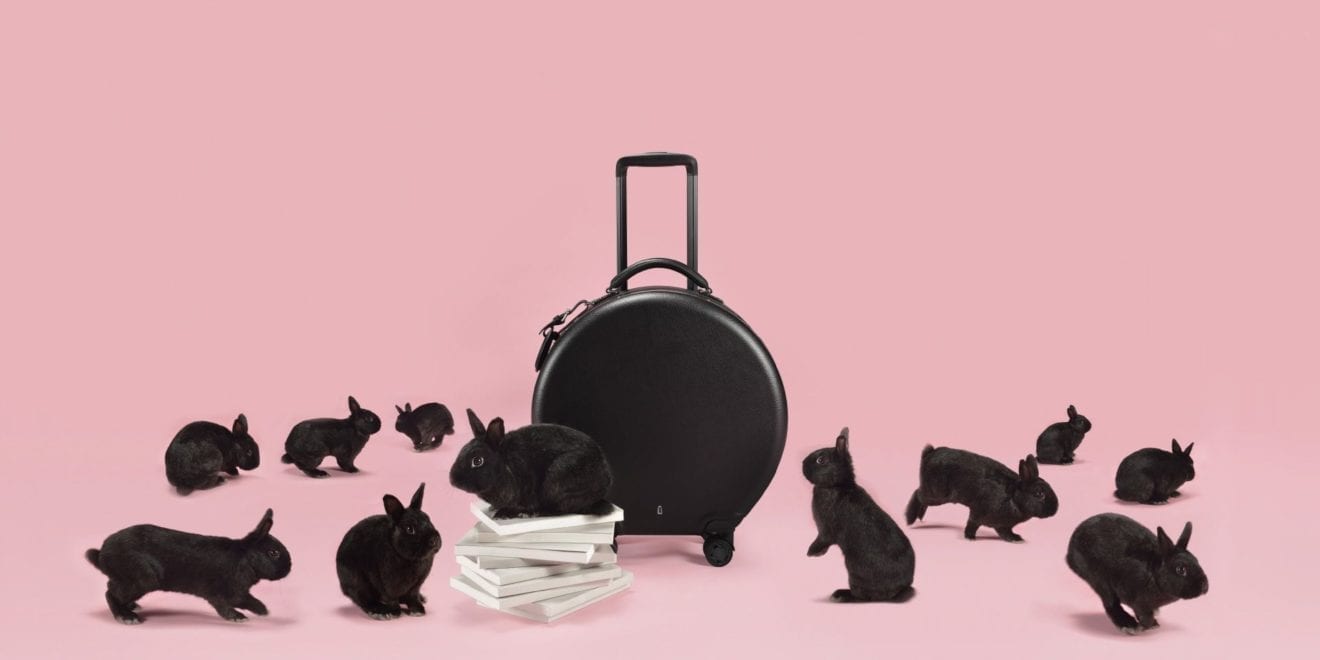
    The pop-up, to open next week, will showcase Ookonn’s signature patented round rolling luggage. It will also offer personalisation services, such as patterns that can be applied across an item’s body and handles as well as luggage covers. There are also monograms.

    It is the first on-ground store for the e-commerce company.

    “T Galleria by DFS provides a perfect setting to showcase our vision and values,” says co-founder/CEO/creative director Anson Shum.

    To mark the occasion, Ookonn has designed an exclusive luggage edition for DFS with a whimsical red and blue pattern.

    DFS will host a customer event on October 6 to introduce the pop-up and the DFS-exclusive print. There will also be demonstrations by Ookonn’s artist from Paris. An interactive artist will take over the store windows to entice people to explore the pop-up on the fashion floor. Stylist/former Voguefashion editor Grace Lam will join guests as they consult a tarot-card reader about their next travel destination.

  • Zero Halliburton luggage lands in Manila

    Zero Halliburton luggage lands in Manila

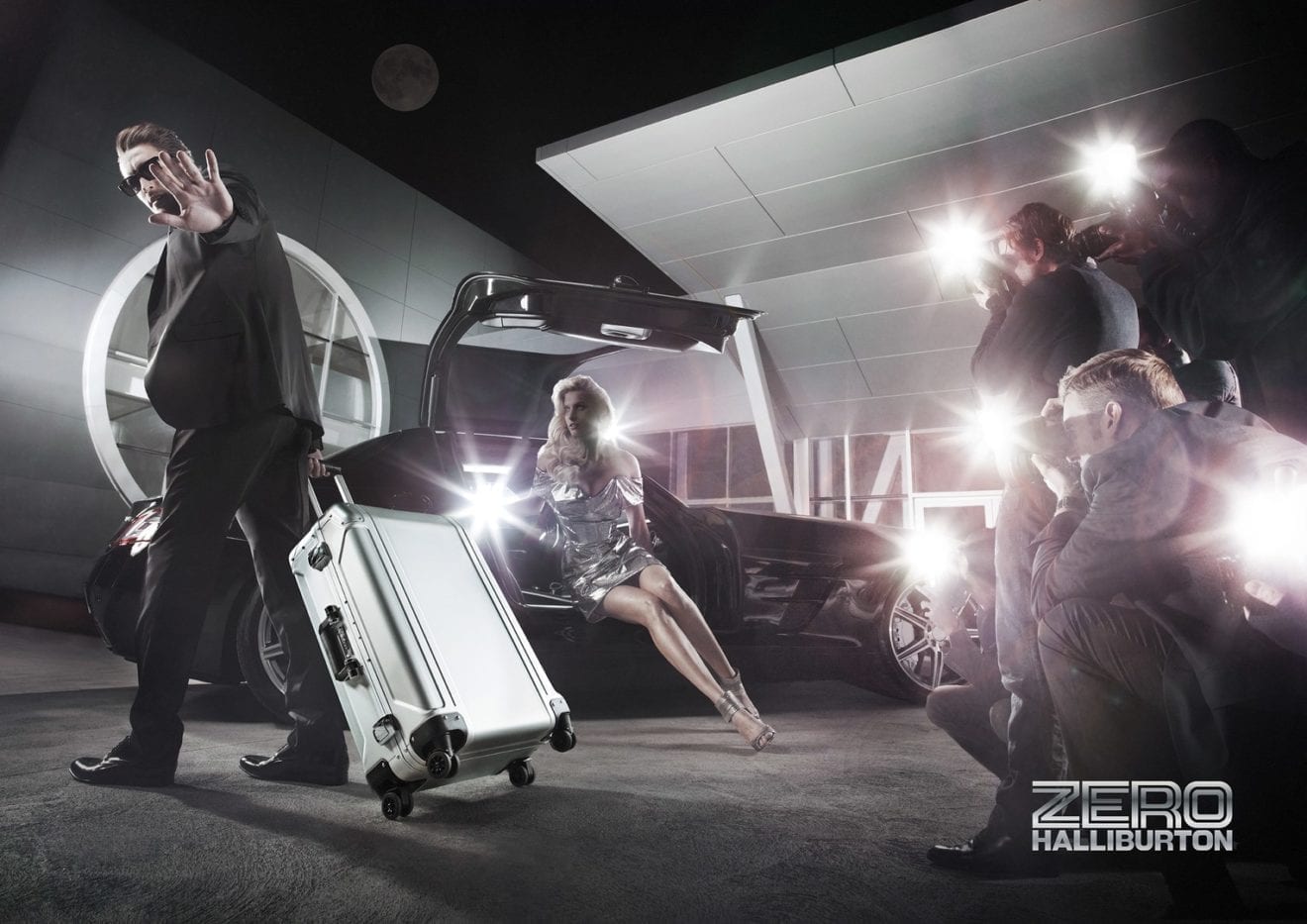
    Zero Halliburton, the only luggage to have travelled to the moon and back, has landed in S Maison at Conrad Manila.

    Marking its launch in the Philippines, the 80-year-old global luggage brand is exhibiting the aluminum briefcase that stored rock and soil samples from the National Aeronautics and Space Administration’s (NASA) Apollo 11 lunar mission in 1969. It is also unveiling its aluminum and polycarbonate luggage and, soon, the Greenwich Collection, lightweight cordura nylon luggage with built-in smart features.

    Surprisingly, the luggage was originally developed to suit the needs of just one man, founder Erle Halliburton, an oilfield engineer, says company chairman Hiroaki Morishita. Realising that he needed a durable piece of luggage for his travels across the rough Texas terrain, Halliburton and a team of engineers designed the world’s first aluminum travel case.

    Impressed with the prototype, his friends convinced Halliburton to make the case commercially available. Zero Halliburton became part of history when Apollo 11 astronauts Edwin Eugene “Buzz” Aldrin, Michael Collins and Neil Armstrong took a case to the moon and back.

    The line has since extended to wheeled business bags, pilot cases, backpacks and duffel bags using newly developed materials and designs.

    Zero Halliburton’s flagship store is in New York City’s Madison Avenue, and Brazilian football superstar Ronaldinho of FC Barcelona has signed up to endorse the brand.

  • After 20 years, Pacsafe goes it alone

    After 20 years, Pacsafe goes it alone

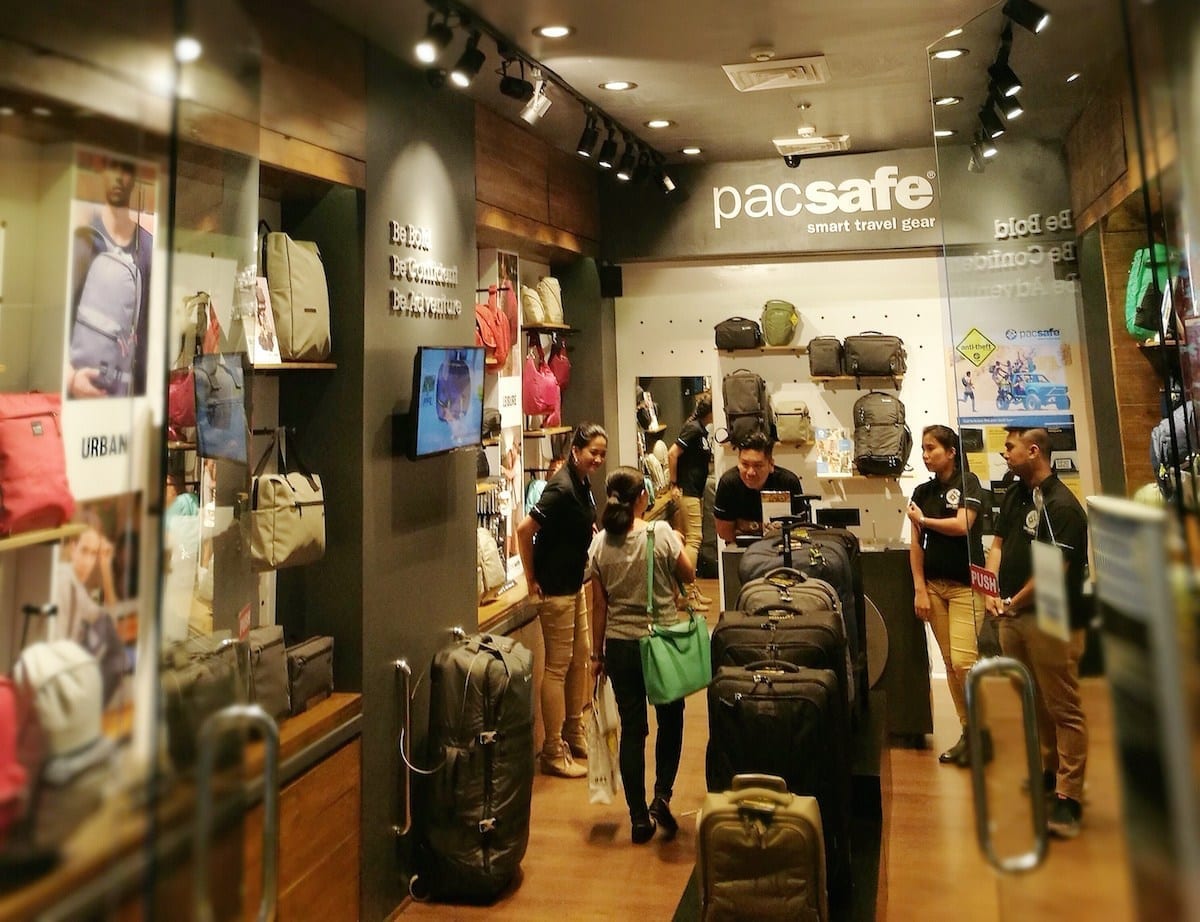
    Hong Kong’s first stand-alone Pacsafe shop has opened at Shun Tak Centre in Sheung Wan.

    Starting almost 20 years ago with one product, the company has expanded its range of travel gear featuring proprietary anti-theft features.

    Products include Carrysafe straps, Pacsafe RFID-safe pockets to safeguard credit cards from being scanned, the new Roobar locking system, Snap & Lock bag mechanisms to deter thieves, Turn & Lock security hooks, and the company’s original product, Exomesh to protect backpacks.

    “There is now soaring demand for smart and secure travel gear that can navigate the streets of Hong Kong and the globe,” says Pacsafe MD/co-founder Magnus McGlashan.

    To mark its opening, the store is offering a 15 per cent discount to customers until the end of next month.

  • Tumi announces travel retail exclusives to mark Singapore Airline’s 70th anniversary

    Tumi announces travel retail exclusives to mark Singapore Airline’s 70th anniversary

    Travel, business and lifestyle accessories brand Tumi is offering two travel exclusive ranges on Singapore Airlines flights.

    Passengers can purchase the Alpha 2 International Expandable 4 Wheeled Carry-On case and a Just In Case Travel Duffel bag onboard the carrier, for home delivery. Tumi created the new designs especially for the airline’s 70th anniversary.

    The wheeled case comes with an Atlantic Blue embossed luggage tag as well as a matching blue zipper with a monogram patch. A unique insert card and story patch are also integrated to share the heritage of the limited edition item, according to the brand.

    “The Just In Case is truly versatile, whether it’s accompanying you on a shopping trip, a day out exploring your destination or wherever your journey may take you”

    Describing the duffel bag’s features, Tumi added: “This fashionable, practical and ultra-lightweight duffel bag features lightweight nylon with leather trim and a top zip closure while folding flat in an instant to be completely packable.

    “Often used with an adjustable removable Add-a-Bag sleeve, the Just In Case is truly versatile, whether it’s accompanying you on a shopping trip, a day out exploring your destination or wherever your journey may take you.”

    The bag’s features are displayed in the image to the right. Along with the wheeled case, the item has been available on Singapore Airlines flights since the end of March.

  • Samsonite eyes global traveler in China

    Samsonite eyes global traveler in China

    One of the world’s largest luggage makers Samsonite International SA is banking on e-commerce to fuel its China business, which is set to record 12 to 14 percent growth in the coming years.

    The company hopes to have one-third of its sales generated online by 2022 against 20 percent in 2016, said chief executive officer Ramesh Tainwala.

    With the explosion of online shopping and a wealthier population eager to travel, China may overtake the United States as its largest market in the short run, with sales likely to double in three to five years, Tainwala said at a media briefing in Shanghai.

    He said: “At the beginning of the e-commerce, the Chinese were buying online because it was cheaper. But now consumers are maturing, it’s all about convenience.”

    China is the world’s largest online retail market, with 36 percent of the population shopping online at least once a week, far outstripping peer buyers, according to a study by the International Post Corporation, a Brussels-based group that provides business-critical intelligence to its members who are part of the postal industry.

    To harness that growth, Samsonite has launched a “three-pillar” strategy for digital retail. One is to team up with Chinese business-to-customer sites like Tmall and JD. According to Tainwala, the two platforms combined claim 60 percent of Samsonite’s online sales. Another channel is the digital stores of shopping malls and department stores.

    The third step Samsonite is taking this year is to open its indigenous direct online shopping portal, attracting sophisticated buyers who wish to purchase bigger-ticket items via the brand rather than a third party.

    It has also utilized social media to guide traffic to brick-and-mortar stores. For instance, followers of Samsonite’s official WeChat account can sign up for a promotion event in a shopping center and get a discount coupon. Online marketing has helped woo customers and add another 5 percent of their offline sales, according to Frank Ma, a senior Samsonite executive.

    Seven of Samsonite’s nine brands have been introduced to China, ranging from entry-level American Tourister, namesake and contemporary luxury Samsonite, to the newly acquired Tumi, which targets up-market business travelers.

    The multi-brand approach has made online a critical battlefield to win buyers, especially those in lower-tier cities who have fewer opportunities to access physical stores and are taking outbound trips for the first time.

    Ma said: “Globalization has made travelling a lot easier. With simplified visa procedures, we see more first-time travelers from China going beyond borders. To this end, we have designed products tailored to their needs.”

    For instance, American Tourister and Kamiliant are the two affordable brands for these first-time travelers. A typical 20-inch Kamiliant case sells from 199 yuan ($28.9) on Tmall.

    Meanwhile, it has added new features to its most iconic business assortment, including a new hero backpack with three volumes, two check-in-sized spinners, and a brand-new spinner rolling tote.