Retail News CRM

Tag: Malaysias

  • Durian Glut Crisis: Malaysias Fruit Boom Backfires Amidst Price Plunge and Oversupply

    Durian Glut Crisis: Malaysias Fruit Boom Backfires Amidst Price Plunge and Oversupply

    Over the years, durian growers in Malaysia have been increasing production levels to meet the rising demand from China. This surge in demand has resulted in an abundance of the fruit, causing a significant drop in prices.

    Malaysia, renowned for its prized Musang King durian — often referred to as the “Hermès of durians” — has seen a rapid increase in its export of the fruit over the past decade, particularly to China. This growing demand prompted numerous farmers to join the industry. Consequently, durian plantation areas in the Southeast Asian nation increased from just over 163,000 acres in 2016 to more than 227,000 acres by 2024. Simultaneously, the annual yield nearly doubled, reaching over 568,000 tons.

    According to Lu Yuee Thing, owner of several durian farms near Raub, also known as Malaysia’s durian capital, many people had replaced their rubber trees or oil palms with durian trees in the past. These trees are now starting to bear fruit, leading to an oversupply in the market, especially during the harvest seasons in producing states like Kedah, Penang, Perak, Selangor, Johor, and Pahang. This oversupply has caused prices to plummet, with Musang King retailing for as low as RM9 (US$2.2) per kilogram — a 90% decrease from the usual RM90-100.

    This situation has been exacerbated by fruit that doesn’t meet export standards and is therefore redirected to the local market. The oversupply of durians has proven advantageous for deal-seekers across Malaysia and its neighboring country, Singapore, but it is a major setback for growers.

    Impact on Durian Growers

    Durian farmers and sellers are feeling the strain due to the price drop. Han Sing Keng, a durian farmer and seller in Johor, has had to rely on other crops, such as bananas, to compensate for the lost profits from durian. Han expresses that the pressure from the market is overwhelming for him and believes that the inexpensive, widely available fruit may be substandard in quality.

    The Federal Agricultural Marketing Authority (FAMA) in Malaysia has stepped in to aid growers by buying durians directly from them. FAMA plans to purchase 1,000 tons worth RM7 million through 42 operational centers. Additionally, businesses and entrepreneurs supported by the agency have bought another 1,199 tons valued at RM3.28 million.

    Planning for the Future

    The challenge now is to ensure that demand keeps up with the rising production. This requires both expansion into new export markets and growing new businesses within the domestic market. FAMA has begun processing excess fruit into pulp, which is supplied to manufacturers of cakes, ice cream, and other food products.

    Additionally, Malaysia, as one of the world’s largest durian exporters, is collaborating with Thailand and Chinese customs authorities to develop a land transport route for durian shipments to China, expected to reduce logistics costs.

    Lastly, Malaysia’s trade promotion agency, Matrade, announced plans to increase durian exports to China to $229 million by 2030.

    Questions & Answers

    What has caused the oversupply of durians in Malaysia?
    The oversupply is due to increased production levels, with a significant number of trees planted in previous years now beginning to bear fruit.

    How has the oversupply affected the price of durians?
    The oversupply has led to a significant drop in the price of durians. The Musang King, for example, is now retailing for as low as RM9 (US$2.2) per kilogram.

    What measures are being taken to manage the oversupply situation?
    The Federal Agricultural Marketing Authority (FAMA) is buying durians directly from farmers. In addition, efforts are being made to increase demand by expanding into new export markets and creating new businesses within the domestic market.

  • Malaysia’s Food Prices Set to Skyrocket by 50% in Wake of Fuel Crisis, Trade Associations Warn

    Malaysia’s Food Prices Set to Skyrocket by 50% in Wake of Fuel Crisis, Trade Associations Warn

    Trade associations in Malaysia are warning that the country’s food prices could potentially surge by up to 50% due to the escalating energy crisis linked to the conflict in Iran. This crisis has led to an increase in fuel costs, which in turn is inflating the prices of raw materials. These materials are vital in the preparation of daily staples like nasi lemak, a popular dish of rice and meat served on a pandan leaf with spicy chili paste. The prices of these ingredients have already witnessed a significant rise, leaving traders little choice but to pass on the increases to consumers.

    Impact on Traders

    Rosli Sulaiman, president of the Federation of Malaysian Hawkers and Traders Associations, noted that even before the spike in fuel prices, costs had already risen by around 20% to 30%. He warned that when costs are high and return profits are non-existent, traders are compelled to raise their selling prices, albeit at a small margin. The impact of this situation is most deeply felt by small traders, hawkers, and the general public.

    The Malaysian Muslim Restaurant Owners Association (Presma), representing the Indian-Muslim community’s 24-hour eateries, already reported a cost increase of up to 30% within the past year. These cost upticks are affecting raw ingredients like chicken and vegetables, as well as cooking gas and plastic packaging.

    Pressures on the Food and Beverage Industry

    Government data reveals that Malaysians’ expenditure on dining out surpassed MYR870 (US$216) per month in 2024, denoting a 17% rise from the previous year. This trend indicates a growing affinity towards eating out as opposed to cooking at home and accounts for over 12% of the median monthly household income of MYR7,017.

    However, experts caution that the country’s MYR60 billion food and beverage industry could struggle to maintain growth if global crude oil prices – which peaked at $115 per barrel recently – stay high for an extended period. Fertilizer shortages impacting agriculture, as well as increasing shipping and logistics costs, could also contribute to imported inflation, thus affecting the sector beyond higher energy and transport costs.

    Potential Impacts on the Economy

    Doris Liew, an economist specializing in Southeast Asian development, warns that these secondary effects are likely to be more persistent in a trade-dependent economy like Malaysia than the initial energy shock. Despite Malaysia’s targeted fuel subsidies potentially buffering households from immediate price shocks, they are unlikely to offset the rising input costs for businesses. These costs are anticipated to trickle down to consumers, which could dampen business sentiment and consumer confidence, leading both companies and households to curtail spending amidst uncertainty.

    Questions & Answers

    What impact is the energy crisis having on Malaysia?
    The energy crisis associated with the conflict in Iran is driving up Malaysia’s food prices, with potential surges of up to 50%. The cost increase is affecting raw materials essential for daily living, and these costs are being passed on to consumers.

    What impact could the surge in prices have on the wider economy?
    The surge in prices could dampen both business sentiment and consumer confidence, causing companies and households to reduce spending due to uncertainty. This has the potential to slow economic growth amidst increasing inflation.

    What are potential solutions to offset the rising costs?
    While Malaysia’s targeted fuel subsidies may buffer households from immediate price shocks, these measures are unlikely to mitigate the rising input costs for businesses. It is crucial for the government to assure citizens of sufficient fuel and food supplies, backing up these claims with data to regain public confidence.

  • Miniso Unveils Malaysia’s First Miniso Land: A Mega Retail Experience at Sunway Pyramid

    Miniso Unveils Malaysia’s First Miniso Land: A Mega Retail Experience at Sunway Pyramid

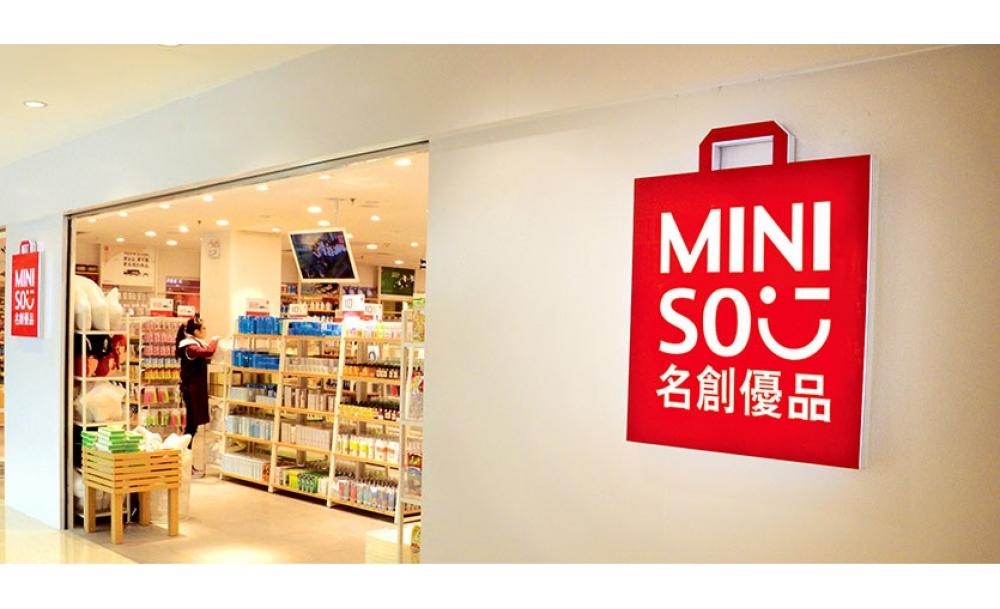
    Miniso, the global retail brand, has inaugurated its first ‘Miniso Land’ in Malaysia, situated at the Sunway Pyramid mall. This new establishment has become the largest in Southeast Asia operating under the brand name.

    The Land of Miniso

    Located on the first floor of the mall, the expansive store covers around 1700 square meters. It brings forward a larger format retail concept, primarily focusing on Intellectual Property (IP) collaborations and engaging retail design. The store is home to over 8000 products, with more than 70% of the items crafted with licensed or proprietary IP characters.

    Thematic Retail and Interactive Zones

    The store features 15 distinct sections, each with a unique theme for retail and interactive purposes. These zones merge product displays with character installations, offering photo opportunities for visitors. The store houses a range of product categories such as mystery toys, stuffed toys, house accessories, drinkware, and a vast collection of beauty and skincare items.

    Spotlight on IP Collaborations

    The store showcases collaborations with licensed brands such as Sanrio and Monchhichi, while also highlighting Miniso’s in-house IP portfolio, including the YoYo series. The store’s visual appeal is further enhanced with ten large-scale Yo-Yo sculptures, emphasizing the brand’s focus on visual merchandising and social media engagement.

    Expansion Strategy

    The ‘Miniso Land’ concept is a significant part of the company’s expansion strategy. The brand aims to create themed environments and character-driven merchandising, with IP-related products constituting the majority of their inventory.

    This concept was first launched in Shanghai and has since grown to multiple locations across China and international markets such as Thailand, Spain, Indonesia, and Australia.

    Questions & Answers

    What is the size of the new Miniso Land in Malaysia?
    The new Miniso Land in Malaysia covers around 1700 square meters.

    What is unique about the Miniso Land concept?
    Miniso Land focuses on creating themed environments and character-driven merchandising, with a majority of the products being IP-related.

    Where was the first Miniso Land introduced?
    The first Miniso Land was introduced in Shanghai.

  • Malaysia’s Luxury Car Crackdown: Over 1,050 High-End Vehicles Seized Amid Traffic Violation Storm

    Malaysia’s Luxury Car Crackdown: Over 1,050 High-End Vehicles Seized Amid Traffic Violation Storm

    Since July 2025, Malaysia’s Road Transport Department has confiscated over 1,050 high-end vehicles, including brands such as Rolls-Royce, Lamborghini, Mercedes-Benz, and BYD. The total value of these seized vehicles exceeds RM200 million (US$50.9 million). The operation aimed to address traffic violations committed by luxury car owners, including unpaid road taxes, lack of sufficient insurance coverage, and expired or invalid driving licenses.

    Strict Enforcement of Traffic Rules

    The Road Transport Department launched the ‘Ops Luxury’ operation to underscore its commitment to enforcing traffic regulations without exceptions. The department emphasized that owning an opulent vehicle does not exempt one from adhering to traffic rules.

    Datuk Muhammad Kifli Ma Hassan, the department’s Senior Enforcement Director, stated that the enforcement actions have heightened awareness among vehicle owners. He highlighted a decrease in the number of luxury vehicles found with invalid road taxes, indicating improved compliance. The strict operations have led to fewer vehicles being seized in recent times.

    Ongoing Surveillance

    Hassan noted that some owners have cited forgetfulness or financial limitations as reasons for their failure to renew their road taxes, even with cars that have a market value of RM3 million to RM5 million.

    He added that the department’s monitoring efforts persist, especially in Kuala Lumpur and Penang, and several vehicles remain under the department’s watchful eye.

    Previously, the department would only issue fines as low as RM300, which proved ineffective as a deterrent. However, since the department began seizing vehicles and requiring owners to clear their outstanding road tax dues, compliance rates have significantly improved. According to a local news source, about 90% of vehicle owners have settled their arrears.

    Questions & Answers

    What was the focus of the ‘Ops Luxury’ operation launched by Malaysia’s Road Transport Department?
    The operation targeted high-end vehicle owners who were in violation of traffic regulations, such as unpaid road taxes, lack of insurance coverage, and expired or invalid driving licenses.

    What impact has the operation had on compliance with road tax regulations among luxury vehicle owners?
    The operation has led to improved compliance, with fewer luxury vehicles found with invalid road taxes. Since the department started impounding vehicles, about 90% of vehicle owners have settled their outstanding road tax dues.

    What was the approach of the Road Transport Department towards traffic violations before the operation?
    Before launching the operation, the department would only issue fines as low as RM300 for traffic violations, which proved ineffective as a deterrent.

  • KK Super Mart Eyes $750M IPO Boost: A New Milestone in Malaysia’s Thriving Equity Markets

    KK Super Mart Eyes $750M IPO Boost: A New Milestone in Malaysia’s Thriving Equity Markets

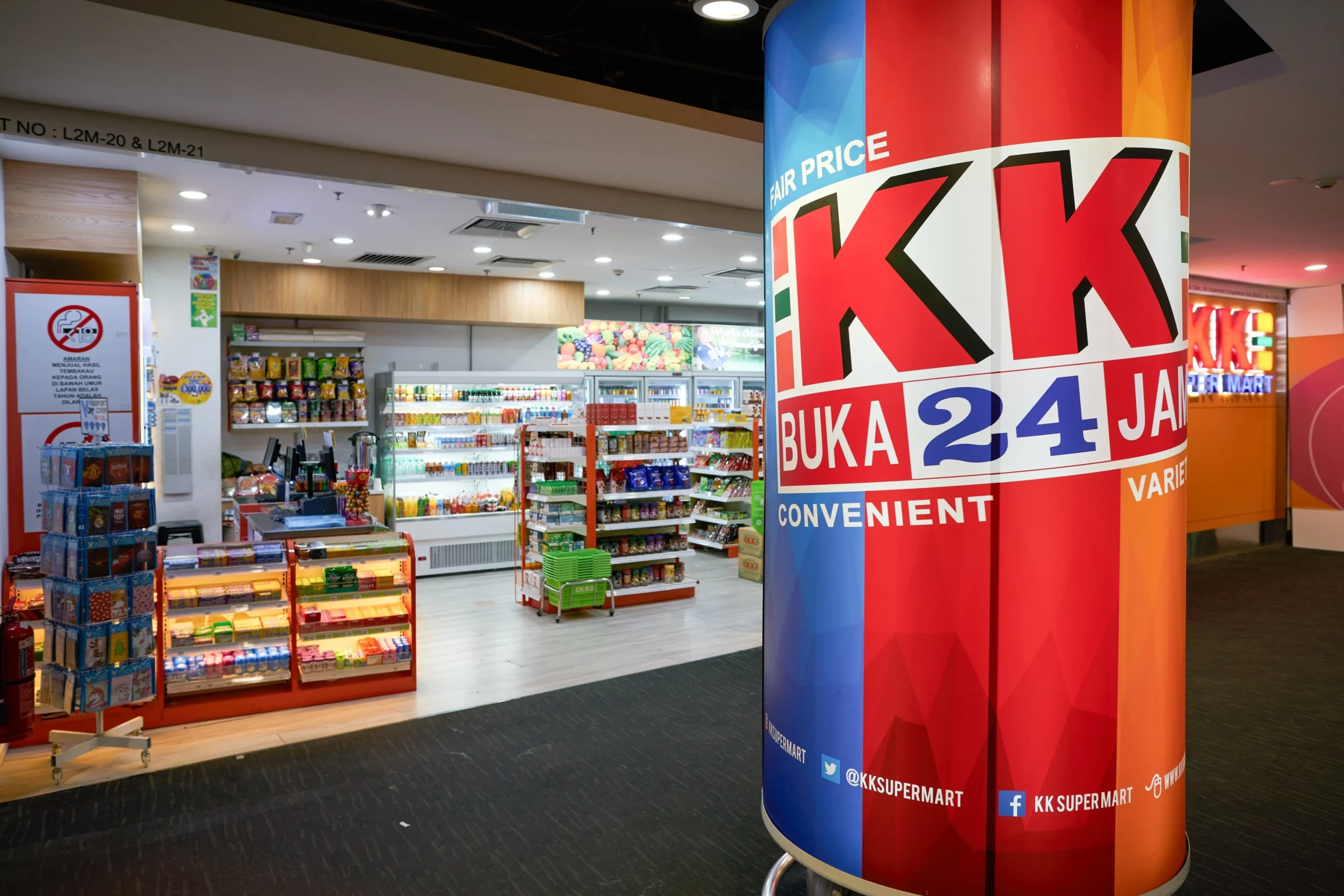
    KK Super Mart, a prominent convenience-store chain in Malaysia, is purportedly preparing for an initial public offering (IPO) that could potentially reach a staggering US$750 million in the latter half of this year.

    Company Ownership and Valuation

    The anticipated IPO is estimated to encompass over 25 percent of the company’s total valuation. A significant 95 percent stake in the business is held by the Chairman, KK Chai. The remaining 5 percent is owned by his spouse and fellow director, Loh Siew Mui. This proposed IPO is predicted to play a significant role in shaping the company’s financial future and market standing.

    KK Super Mart’s Presence and Operations

    Known to many as KK Mart, the company operates an impressive network of more than 900 stores across Malaysia, India, and Nepal. Their broad geographical presence has established them as a significant player in the retail sector in these regions.

    Malaysia’s Equity Market Resurgence

    This revelation emerges amidst a resurgence in Malaysia’s equity markets. The Kuala Lumpur Composite Index has reached its highest trading levels since 2018. Moreover, the country listed a record 60 companies in the previous year, marking the highest number in over two decades.

    Market Position and Competition

    As Malaysia’s second-largest minimarket chain, KK Super Mart holds a substantial presence in the retail industry. A successful listing could place it in direct competition with other publicly traded counterparts like 99 Speedmart, boasting over 3000 stores, and Eco-Shop Marketing with upwards of 400 outlets.

    Questions & Answers

    What is the projected value of KK Super Mart’s IPO?
    The company’s IPO is rumored to be worth up to US$750 million.

    Who holds the majority stake in KK Super Mart?
    KK Chai, the Chairman of the company, holds a commanding 95 percent stake.

    Where does KK Super Mart operate?
    KK Super Mart has a network of over 900 stores spread across Malaysia, India, and Nepal.

  • Turbocharging Malaysia’s Connectivity: The MVNO Market Boom and its Potential in 2030

    Turbocharging Malaysia’s Connectivity: The MVNO Market Boom and its Potential in 2030

    The mobile connectivity market in Malaysia is at full capacity. By the beginning of 2025, there were approximately 43.3 million mobile connections, representing about 121% of the country’s population. Amid this scenario, mobile virtual network operators (MVNOs) serve as significant value creators, unlocking new market segments, introducing differentiated offerings, and ultimately enhancing mobile connectivity throughout Malaysia.

    The Prospect of MVNOs in Malaysia

    According to recent industry reports, the size of the Malaysian MVNO market was approximately $0.8 billion in 2025, and it is projected to reach $1.06 billion by 2030, growing at a compound annual growth rate (CAGR) of 5.75% during the forecast period (2025-2030).

    The continual transition towards a dual-wholesale 5G model has eliminated the unclear pricing that previously hindered the growth of virtual operators, providing a new impetus for the MVNO market in Malaysia. Operators are now resorting to cloud-native operational support systems/business support systems, eSIM-only distribution, and satellite-terrestrial convergence to venture into new markets and reduce operational costs.

    Increased digitization in the enterprise sector is consequently enlarging the average revenue per user in the business-to-business (B2B) market. Simultaneously, ultra-low-cost prepaid plans have boosted subscriptions on the consumer side. Government initiatives like JENDELA are keeping infrastructure expansion on track, reaffirming the possibility for the Malaysian MVNO market to sustain moderate compound growth throughout the decade.

    Regarding deployment models, cloud accounted for 70.51% of the revenue in 2024, with a forecasted CAGR of 10.14% through 2030. As for operations, reseller and light MVNO formats held a 62.33% share in 2024, but full MVNO structures are predicted to grow at a CAGR of 19.19% through 2030.

    Successful Model for Malaysia

    An MVNO offers mobile services to customers by leasing the network capacity from an existing mobile network operator (MNO), thereby eliminating the need for owning infrastructure. This approach presents several advantages in Malaysia:

    – MVNOs facilitate market entry for new service providers, encouraging existing MNOs to innovate their strategies, satisfy niche market needs, foster competition, and provide consumers with more choices.
    – As 4G improves and 5G is introduced, MNOs with extra network capacity can collaborate with MVNOs to utilize this surplus, thus helping them recover some of the costs associated with building and maintaining their networks.

    This year, MVNOs have gained considerable traction in Malaysia. In particular, CMLink, an MVNO by China Mobile International Limited (CMI), was launched on the Maxis network in Malaysia, allowing CMI to offer services like “one card, multiple numbers” and data sharing between China and Malaysia. This demonstrates how MVNOs can cater to cross-border and traveler markets.

    Impact on Connectivity and Market Dynamics

    The growth of MVNOs in Malaysia impacts the broader connectivity ecosystem in several ways. By allowing new and specialized brands to enter the market, MVNOs can cater to groups that are often overlooked, whether due to location, age, or service needs. More competition in the market gives consumers more options and compels MNOs to offer better prices, unique packages, and improved customer service.

    For MNOs, collaborating with MVNOs enhances returns on their network investments. For example, U Mobile’s 5G network already covers 54.9% of populated areas, with higher coverage in urban areas. This ensures optimal utilization of the network’s capacity and supports investments in further coverage and new services.

    Looking Ahead: Key Points to Consider

    For MVNOs to realize their full potential in Malaysia, the industry needs to concentrate on a few crucial areas:

    – Wider Wholesale Access and Fair Pricing: MNOs need to continue expanding open and transparent wholesale access to enable more MVNOs to thrive in Malaysia.
    – Consistent Network Experience: Regulators and the industry must ensure that MVNO customers receive the same service quality as MNO customers, especially during peak times.
    – Sustainable Differentiation: MVNOs offering more than just basic plans, like value-added, niche or cross-border services, are more likely to succeed.
    – Targeting Underserved Regions: MVNOs can help bridge the connectivity gap, particularly in rural Malaysia, using a shared infrastructure model.
    – Regulatory Support: The government and regulatory bodies can aid MVNOs’ growth by simplifying licensing and endorsing consumer-friendly policies.

    In conclusion, by leveraging the established infrastructure of major network operators, Malaysian MVNOs are expanding connectivity to underserved demographics, reducing costs, and sparking innovation in niche segments. This diversification enhances competition and consumer choice, aligning with the national connectivity goals outlined in the Malaysia Digital Economy Blueprint (MyDIGITAL), which targets near-universal connectivity by 2030.

    Questions & Answers

    What is the projected growth rate of the Malaysian MVNO market?
    The market is expected to grow at a compound annual growth rate (CAGR) of 5.75% from 2025 to 2030.

    What impact do MVNOs have on the mobile connectivity market in Malaysia?
    MVNOs facilitate market entry for new service providers, stimulate competition, provide consumers with more choices, and help MNOs recover some of the costs of building and maintaining their networks.

    What are some key areas the industry needs to focus on for MVNOs to realize their full potential in Malaysia?
    Key focus areas include wider wholesale access and fair pricing, ensuring consistent network experience for MVNO customers, enabling sustainable differentiation in MVNO offerings, supporting MVNOs in targeting underserved regions, and offering regulatory support.

  • Unlocking Connectivity: The Rising Impact of MVNOs on Malaysia’s Mobile Market

    Unlocking Connectivity: The Rising Impact of MVNOs on Malaysia’s Mobile Market

    The Malaysian mobile connectivity market is thriving with approximately 43.3 million active cellular mobile connections, a figure that represents a remarkable 121% of the country’s total population. Mobile Virtual Network Operators (MVNOs) play a crucial role in this bustling market by offering unique services, unlocking fresh demographics, and ultimately widening the scope of mobile connectivity throughout the country.

    The Growth Prospects of MVNOs in Malaysia

    The Malaysian MVNO market demonstrated significant growth in 2025, reaching a value of USD 0.8 billion, and it is projected to hit USD 1.06 billion by 2030. This estimate is based on a Compound Annual Growth Rate (CAGR) of 5.75% during the forecast period of 2025 to 2030.

    The recent shift towards a dual-wholesale 5G model has helped fuel this growth by eliminating previous pricing ambiguities that hindered the growth of virtual operators. Strategies such as implementing cloud-native OSS/BSS stacks, using eSIM-only distribution, and employing satellite-terrestrial convergence are being utilized by operators to penetrate new markets and reduce operational costs.

    As digitalization increases in the commercial sector, the average revenue per user in the business-to-business (B2B) segment has grown. On the consumer front, the proliferation of ultra-low-cost prepaid plans has led to a spike in subscriptions.

    Government programs like JENDELA bolster the infrastructure expansion and confirm the Malaysian MVNO market’s ability to sustain mid-single-digit compound growth throughout the decade.

    In terms of deployment models, cloud technology contributed to 70.51% of the revenue in 2024 and is predicted to register a CAGR of 10.14% until 2030. On the operations front, reseller and other light MVNO formats held a 62.33% share in 2024. However, full MVNO structures are tipped to expand at a CAGR of 19.19% until 2030.

    MVNOs: A Winning Strategy for Malaysia

    MVNOs offer mobile services to customers by leasing network capacity from an existing Mobile Network Operator (MNO), rather than owning its own infrastructure. This business model has several benefits for the Malaysian market:

    MVNOs enable new service providers to break into the market, fostering competition among established MNOs to innovate and cater to niche markets. As a result, consumers benefit from increased options.

    As 4G connectivity improves and 5G becomes more widespread, MNOs with surplus network capacity can partner with MVNOs to utilize this excess capacity, thereby offsetting some of the costs associated with building and maintaining their networks.

    In August 2025, China Mobile International Limited (CMI) partnered with Maxis to launch CMLink, CMI’s MVNO, in Malaysia. This partnership allowed CMI to offer services such as the “one card, multiple numbers” feature and data sharing between China and Malaysia, catering to students and professionals who frequently travel between the two countries.

    In October 2025, U Mobile entered a five-year wholesale access agreement with a new MVNO, Eastel, enabling Eastel to use U Mobile’s 4G and 5G networks for data, calls, SMS, roaming, and number portability.

    The Impact and Future of MVNOs in the Malaysian Market

    The rise of MVNOs in Malaysia is shaping the wider connectivity ecosystem. By facilitating the entry of new and specialized brands into the market, MVNOs can reach demographics that are often underrepresented.

    Increased competition in the market benefits consumers by offering them more choices and prompting MNOs to provide better prices, unique bundles, and superior customer service.

    For MNOs, collaborating with MVNOs helps maximize returns on their network investments.

    The Malaysian Communications and Multimedia Commission supports network sharing, encouraging the sharing of infrastructure. Under this model, MVNOs can add value by introducing new services to lower-income or hard-to-reach groups using the same networks.

    Looking ahead, the industry needs to ensure wider wholesale access, fair pricing, consistent network experience, sustainable differentiation, focus on underserved regions and regulatory support for MVNOs to thrive in Malaysia.

    Questions & Answers

    What is the projected growth for the Malaysian MVNO market by 2030?
    The Malaysian MVNO market is expected to reach USD 1.06 billion by 2030, growing at a CAGR of 5.75% during the forecast period (2025-2030).

    How are MVNOs contributing to the growth of the mobile connectivity market in Malaysia?
    MVNOs are contributing to the growth of Malaysia’s mobile connectivity market by unlocking new customer segments, introducing unique propositions, and facilitating broader mobile connectivity across the country.

    What are the key areas of focus for the Malaysian MVNO industry to reach its full potential?
    For MVNOs to reach their full potential in Malaysia, the industry needs to focus on wider wholesale access, fair pricing, consistent network experience, sustainable differentiation, targeting underserved regions, and gaining regulatory support.

  • Malaysia’s OldTown White Coffee ramps up Philippine expansion

    Malaysia’s OldTown White Coffee ramps up Philippine expansion

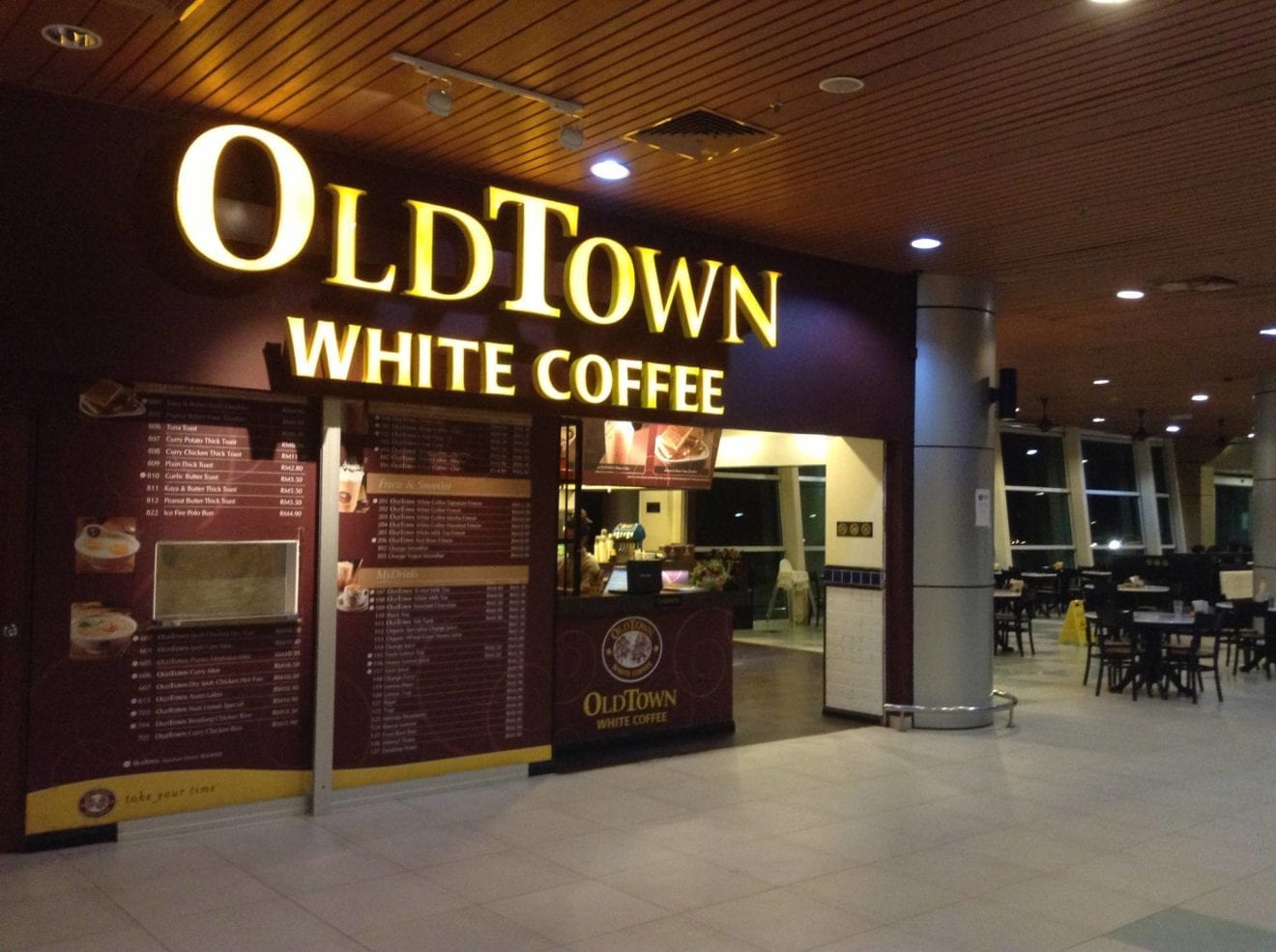
    OldTown White Coffee, a renowned Malaysian coffee brand, is charting an ambitious growth trajectory in the Philippines with a hefty investment amounting to US$21 million (PHP400 million). The funding will facilitate the introduction of 20 additional outlets over the next half-decade.

    This strategic expansion is spearheaded by the brand’s Philippine licensee, Del Mundo Group. This follows hot on the heels of the inauguration of OldTown’s inaugural branch in Zamboanga City. This new entrant marks the 11th OldTown outlet in the Philippines and the first in Western Mindanao.

    The new café, nestled in Tumaga’s Pasonanca Road, is the entrepreneurial venture of Pherhan and Jhulie Saiddi. The duo aims to enrich Zamboanga’s vibrant food and beverage landscape with their venture.

    “We aspire to introduce a global brand to Zamboanga that resonates with quality and cultural authenticity. OldTown White Coffee encapsulates this aspiration perfectly,” expressed the Saiddis.

    Debuting in 1999, OldTown White Coffee has earned a name for its signature roasted white coffee and authentic Malaysian cuisine. With more than 200 outlets across Malaysia, the brand has extended its footprint to Singapore, Indonesia, and Hong Kong.

    The Philippine chapter of OldTown White Coffee began in 2023, under the aegis of Del Mundo Group. The group is also known for managing brands like Mesa Filipino Moderne, Ramen Bari Uma, Buchiton, Hayashi Yakiniku, and Cravy.

    Matt Ablis, the COO of Del Mundo Group, revealed the group’s intention to penetrate key provincial markets with burgeoning consumer demand and local economic growth. “This expansion is not just about opening new stores, it extends to bringing OldTown’s established café format and menu to previously untapped regions,” he shared.

    Questions & Answers

    What is OldTown White Coffee planning for the Philippines?
    OldTown White Coffee aims to expand its presence in the Philippines with a US$21 million investment, planning to open 20 more outlets over the next five years.

    Who is leading the expansion of OldTown White Coffee in the Philippines?
    The expansion of OldTown White Coffee in the Philippines is being spearheaded by the Del Mundo Group.

    What is the vision of the owners of the new café in Zamboanga City?
    The owners of the new café in Zamboanga City aim to enrich the city’s food and beverage scene by introducing OldTown White Coffee, which they believe encapsulates quality and cultural authenticity.

  • Maxis Berhad Pioneers Quantum Safe Networking In Malaysia, Bolstering Data Security For Businesses

    Maxis Berhad Pioneers Quantum Safe Networking In Malaysia, Bolstering Data Security For Businesses

    Maxis Berhad (Maxis), Malaysia’s leading telecommunications company, has introduced the country’s inaugural Quantum Safe Networking (QSN) solution, primarily targeting government agencies and businesses. This cutting-edge security feature has been launched through Maxis Business – the company’s business-to-business branch – and was developed in collaboration with Nokia. The managed service offers data encryption directly at the optical layer.

    Securing Critical Information Against Quantum Computing Threats

    The QSN solution ensures the significant protection of critical data against possible risks linked to future quantum computing. It empowers businesses to prosper in the era of artificial intelligence (AI) and cloud technology. The introduction of this solution was made at the Cyber Digital Services, Defence and Security Asia 2025 event, hosted by Maxis Business.

    The aforementioned event was held at the Malaysia International Trade and Exhibition Centre (MITEC). Here, Maxis Business showcased an exhibition titled ‘Building Tomorrow’s Security Today,’ featuring the QSN solution, along with other innovative network monitoring solutions, real-time field visibility, and solar energy.

    This revolutionary solution offers quantum-safe encryption for data in transit. In doing so, it addresses the severe threat of future decryption by quantum computers of data intercepted today, a situation often dubbed as “harvest now, decrypt later.” The solution is particularly advantageous for sectors that demand stringent data integrity and sovereignty, such as banking and financial services, healthcare, and the public sector.

    Enhancing the Security of Maxis’s Fiber Connectivity Services

    The QSN solution augments the security of Maxis’s fiber connectivity services, which are particularly critical for enterprises, cloud providers, and financial institutions that rely on data center interconnects and high-capacity fiber links. This solution perfectly complements the company’s Data Centre Connect solution, thereby providing secure, private access to leading cloud providers and data centers nationwide for businesses operating in physical, hybrid, or multi-cloud environments.

    In the words of Prateek Pashine, Chief Enterprise Business Officer of Maxis, “Securing today’s data against tomorrow’s risks is a vital necessity for any organization, especially in the face of rising cyber threats. By becoming the first Malaysian telco to provide quantum-safe networking, we are establishing a new benchmark for network protection. This gives businesses and government agencies the confidence to expedite their digital transformation journeys. This initiative also showcases our dedication to strengthening Malaysia’s digital resilience, which aligns with the national cybersecurity agenda.”

    To this, Ming Kin Ngiam, Head of Southeast Asia South for Network Infrastructure at Nokia, added, “Our collaboration with Maxis tackles a pressing business requirement: safeguarding data in transit against evolving security threats without compromising the performance enterprises rely on.”

    Maxis’s Commitment to a Secure, Resilient Digital Infrastructure

    Maxis has successfully completed the fiberization of all major data centers in Malaysia, thereby connecting them to its national network. This robust infrastructure allows Maxis to provide up to three diverse fiber routes to these data centers, ensuring businesses benefit from exceptional resilience and high availability. Furthermore, this secure network can be fortified with quantum-safe encryption, thereby ensuring that data in transit remains secure against current and future quantum threats.

    The introduction of QSN enriches Maxis Business’s extensive spectrum of end-to-end solutions, which includes core connectivity, IoT, cloud computing, cybersecurity, and other digital services.

    Questions & Answers

    What is the Quantum Safe Networking (QSN) solution?
    The QSN solution is a security feature that offers quantum-safe encryption for data in transit, protecting it from potential threats posed by future quantum computing.

    Which sectors will benefit the most from the QSN solution?
    The solution is particularly beneficial for industries that require strict data integrity and sovereignty, such as banking and financial services, healthcare, and the public sector.

    What does the introduction of QSN mean for Maxis and its customers?
    The introduction of QSN establishes Maxis as a pioneer in network protection in Malaysia. For customers, it means enhanced security, protection against emerging cyber threats, and a boost in confidence to accelerate their digital transformation journeys.

  • Malaysia’s Telecommunications Revolution: Yes Brand Launches Nation’s First 5g-advanced Network

    Malaysia’s Telecommunications Revolution: Yes Brand Launches Nation’s First 5g-advanced Network

    YTL Communications, under its Yes brand, has set a precedent as the inaugural telecommunications firm in Malaysia to officially introduce 5G-Advanced technology. Their coverage is already operational throughout the Klang Valley, with a nationwide rollout projected to be completed by December 2025. Yes 5G-Advanced promises heightened speeds, superior coverage, Artificial Intelligence-capable connectivity, and network slicing for prioritized and reliable connections, marking an industry first in the Malaysian telecommunications sector.

    A Network Game changer

    The introduction of 5G-Advanced is more than just an upgrade on the network. It’s a significant shift in the landscape of telecommunications, set to transform the way Malaysians engage with technology. The revolutionary upgrade will offer broader and deeper 5G coverage across the country, promising a wireless network capacity that the nation has never experienced before. This latest development lays the groundwork for an unrestricted, inclusive, and AI-ready society.

    The newly launched 5G-Advanced is powered by the Ericsson-built network of Digital Nasional Bhd (DNB). With this collaboration, Yes has become the ninth operator globally to adopt 5G-Advanced technology, further enhancing its strong indoor and outdoor coverage capabilities. The service operates on the 700 MHz and 3,500 MHz spectrum, offering ultra-low latency and high-speed performance that is ideal for streaming, gaming, and other critical applications.

    Features and Upgrades

    The new service not only promises a stable, high-quality connection but also introduces AI-ready network slicing. Network slicing allows for the creation of multiple virtual networks on top of a shared physical infrastructure, ensuring that each user gets a stable and high-quality connection.

    Furthermore, Yes is offering all its 5G postpaid and broadband users a complimentary automatic upgrade to the new 5G-Advanced service, emphasizing customer satisfaction and commitment to the seamless integration of new technology.

    Questions & Answers

    What is the 5G-Advanced technology launched by Yes?
    5G-Advanced refers to the latest upgrade in network technology, offering heightened speeds, superior coverage, AI-capable connectivity, and network slicing for prioritized and reliable connections.

    What benefits does the 5G-Advanced network offer to users?
    The 5G-Advanced network provides users with strong indoor and outdoor coverage, ultra-low latency, high-speed performance ideal for streaming and gaming, and AI-ready network slicing for stable, high-quality connections.

    What is network slicing?
    Network slicing is a form of network architecture that allows the creation of multiple virtual networks on top of a shared physical infrastructure. This ensures each user enjoys stable and high-quality connections.

  • Paramount Secures 28% Stake In Envictus International For $29.5m In Strategic Diversification Move

    Paramount Secures 28% Stake In Envictus International For $29.5m In Strategic Diversification Move

    Paramount, a Malaysian property developer, is preparing to secure a 28% share in Envictus International, a firm managing both Texas Chicken and San Francisco Coffee within Malaysia, with an investment of approximately US$29.5 million.

    Details of the Acquisition

    This acquisition would have Venice Concepts, a wholly-owned subsidiary of Paramount, purchase around 85.17 million shares constituting the 28% stake in Envictus International, currently listed on the Singapore Exchange. The shares would be directly acquired from JAG Capital.

    Envictus International has a diversified presence across various sectors. Besides its operations managing quick-service and coffee chains, the company also engages in trading and the frozen food business through Pok Brothers. Additionally, it has a dairy division marketing the SuJohan creamer brand.

    Paramount’s Current Holdings and Future Growth Strategy

    Paramount already has ownership of two restaurants within Kuala Lumpur – Dewakan and Bidou – that were recently inaugurated. This acquisition marks a strategic move supporting Paramount’s efforts to future-proof its business through investments in alternative sectors.

    According to Jeffrey Chew Sun Teong, Group CEO of Paramount, this acquisition is a step towards diversifying the company’s earnings base. He voiced his optimistic view of the evergreen Food & Beverage (F&B) sector and highlighted the potential it holds for Paramount’s growth.

    This investment in Envictus International is Paramount’s second significant financial move since the previous year, when it acquired a 21.54% stake in EWI Capital for a sum of $39.9 million.

    Questions & Answers

    What is the expected impact of Paramount’s acquisition of a stake in Envictus International?
    The acquisition is expected to help Paramount diversify its earnings base and invest in the evergreen F&B sector.

    What does Envictus International do?
    Envictus International operates Texas Chicken and San Francisco Coffee in Malaysia. Besides its quick-service and coffee chains, the company also manages a trading and frozen food business via Pok Brothers, and markets the SuJohan creamer brand through a dairy division.

    What was Paramount’s major financial move last year?
    In the previous year, Paramount made a significant investment by acquiring a 21.54% stake in EWI Capital for $39.9 million.