Retail News CRM

Tag: manufacturer

  • Global Condom Shortage Looms as Leading Manufacturer Karex Bhd Raises Prices Amid Iran War Supply Chain Disruptions

    Global Condom Shortage Looms as Leading Manufacturer Karex Bhd Raises Prices Amid Iran War Supply Chain Disruptions

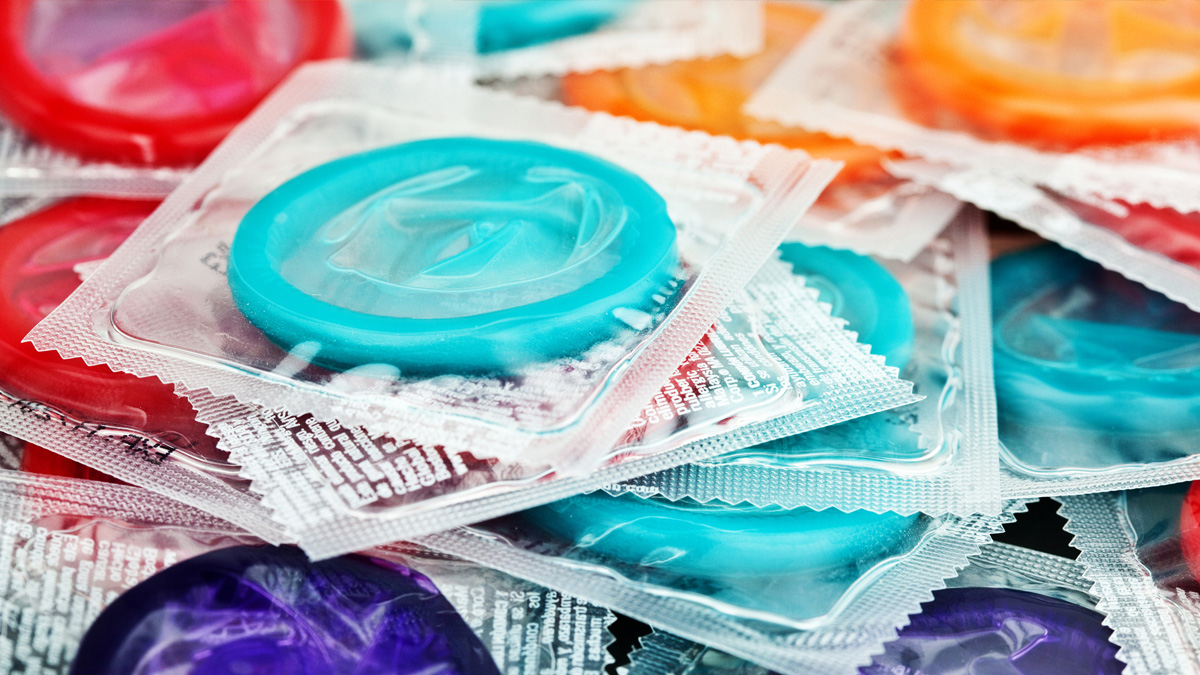
    Karex Bhd, the globally recognized top producer of condoms and supplier to major brands like Durex, has recently announced plans to increase prices by 20% to 30%. This price hike is a possible response to the ongoing supply chain disruptions, which could extend further depending on the duration of the Iran conflict.

    Increasing Demand and Costs

    The Malaysia-based company’s CEO, Goh Miah Kiat, shared that the current situation is precarious, with high prices being a significant concern. Goh stated that the company has no choice but to pass on these additional costs to the customers. An unexpected surge in demand for condoms, exacerbated by increased freight costs and shipping delays, has left many clients with unusually low stockpiles.

    Karex, the producer of over 5 billion condoms a year, supplies to leading brands like Trojan and Durex, as well as state health systems such as the NHS in Britain and the United Nations’ global aid programs.

    Supply Chain Bottlenecks

    The condom manufacturer is just one amongst numerous other companies, including medical glove makers, that are bracing themselves for supply chain bottlenecks. The ongoing conflict in Iran is straining energy and petrochemical flows from the Middle East, leading to procurement disruptions of raw materials.

    Since the commencement of the conflict in late February, Karex has witnessed cost increases for a variety of materials. These include synthetic rubber and nitrile used in condom manufacturing, packaging supplies, and lubricants such as aluminium foils and silicone oil.

    Boosting Output in Response to Rising Demand

    Despite these challenges, Karex has assured that it has sufficient supplies for the coming months. The company is also planning to increase output in response to the growing demand. The global stockpiles of condoms have witnessed a significant decrease following substantial spending cuts in foreign aid, particularly from the U.S. Agency for International Development in the previous year.

    Goh noted that demand for condoms has risen approximately 30% this year, with shipping disruptions further straining the supply. Shipments to areas like Europe and the United States now take almost two months to arrive, as compared to a month previously.

    Goh expressed concern over the high demand for condoms in developing countries where the local stock is insufficient due to extended product delivery times.

    Questions & Answers

    How much is Karex planning to raise its prices by?
    Karex has plans to increase its prices by 20% to 30% due to ongoing supply chain disruptions and rising operational costs.

    What has caused the rise in demand for condoms?
    The demand for condoms has surged due to rising freight costs and shipping delays which have resulted in lower stockpiles for many of Karex’s customers.

    How is the Iran conflict affecting Karex’s operations?
    The Iran conflict has strained the procurement of raw materials, leading to supply chain disruptions. This has caused a significant increase in the cost of materials like synthetic rubber, nitrile, packaging supplies, and lubricants which are essential in condom manufacturing.
  • Huawei will end up among the globe’s top smartphone manufacturers this year

    Huawei will end up among the globe’s top smartphone manufacturers this year

    Back in 2015, the head of Huawei’s consumer products unit, Richard Yu, made a bold forecast. He said that in two to three years, Huawei would surpass Apple to become the second-largest smartphone manufacturer in the world. He added that in five years, Huawei would top Samsung to become the world’s largest producer of smartphones. And sure enough, that is basically what happened. Huawei passed Apple and last year it finished second to Samsung. Earlier during the second quarter of this year, Huawei outshopped Samsung and for a brief period of time it was the top smartphone manufacturer on the planet.

    Despite meeting its goals for a short period of time, the long term outlook for the phone and networking equipment manufacturer is not good. That’s because the U.S., considering Huawei to be a national security threat, has made doing business difficult for the company. Last year, it placed Huawei on the Entity List preventing it from accessing its U.S. supply chain without permission from the Commerce Department. As a result, heavyweights like Micron and Google have stopped supplying memory chips and software to Huawei respectively.

    And the Trump administration aimed right at Huawei’s Achilles heel this year by adding new export rules that prevent foundries using American sourced technology from shipping chips to Huawei, The latter can’t even take delivery of cutting-edge chips that it designed itself. The U.S. actions against Huawei led it to sell its sub-brand Honor division for $15 billion. And even if President-elect Joe Biden, when he takes office in two-weeks, were to remove all sanctions against Huawei, the company will still see a sharp drop in shipments. Part of that will be due to Honor becoming a rival of Huawei instead of a sub-brand. Research firms IDC and Strategy Analytics estimated that in the first half of last year, Honor made up 28% and 38% of Huawei’s shipments respectively.

    So what is expected from Huawei this year? According to research firm TrendForce, Huawei will drop from its third-place finish last year to seventh place this year. That is a rather large fall for a company that has been considered one of the top smartphone manufacturers in the world. In 2018, Huawei delivered 208 million handsets. In 2020 that figure declined to 170 million and a further decline to 45 million is forecast for this year; that is a 73.5% decline for this year. The decline will also result in Huawei losing much of its share of the 5G market from 30% last year to 8% this year, also a 73.3% decline.

    TrendForce says that global smartphone shipments will rise 9% this year to 1.36 billion units, an anemic rebound from the 11% decline in smartphone production last year. The top six smartphone manufacturers this year could be, in order, Samsung, Apple, Xiaomi, Oppo, Vivo and Transsion. These six brands will make up 80% of global smartphone shipments this year. Transsion is a phone manufacturer based in Shenzhen, China and is popular in Africa. The researchers also say that the number of 5G phones produced will rise this year to 500 million units from the 240 million made in 2020. Chinese brands could make up as much as 60% of 5G phones produced in 2021.

    Huawei recently released its new Mate 40 flagship series and early next quarter we could see the unveiling of the photography-based P50 line. This year, Huawei could finish seventh with Honor right behind at number eight. Besides its one-time standing as a top global smartphone producer, the company is also the world’s top networking equipment manufacturer.

    The U.S. considers Huawei to be a national security threat because of its alleged ties to the Communist Chinese government.

  • Hyundai sales ups a bit in December

    Hyundai sales ups a bit in December

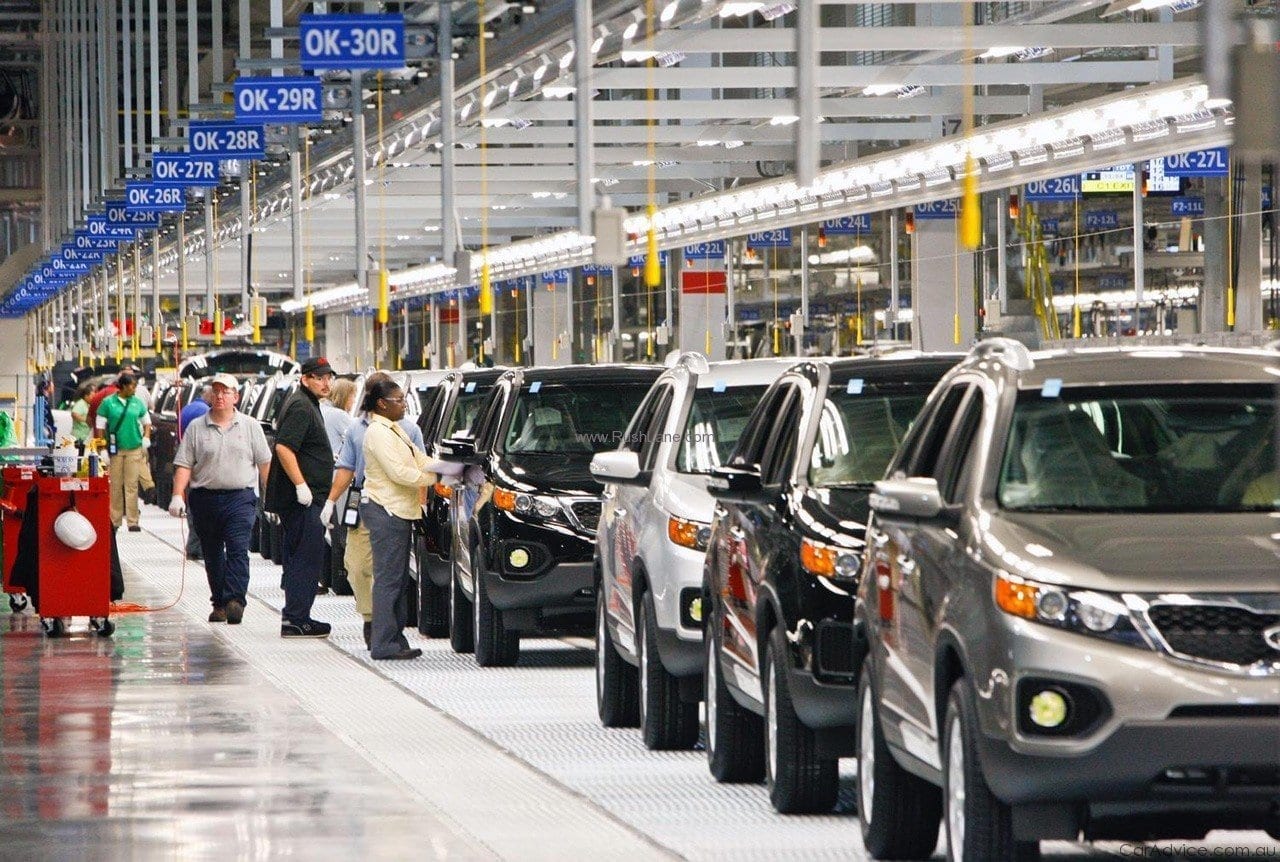
    Hyundai Motor, Korea’s largest carmaker by sales, said Wednesday its December sales rose 0.4 percent from a year earlier on weak overseas demand. Hyundai sold 410,326 vehicles last month, up from 408,637 units a year earlier, the company said in a statement. Domestic sales jumped 22 percent to 64,835 units last month from 53,361 a year ago. Overseas sales fell 2.8 percent to 345,491 from 355,276 during the same period, the carmaker said.

    The slowing global economy and lower vehicle demand from China and the United States, the world’s two biggest auto markets, restricted monthly sales results, it said.

    To boost sales, Hyundai launched the all-new Santa Fe SUV and the face-lifted Tucson SUV in the United States and other markets last year. But the SUV models did not greatly boost overall demand for the carmaker.

    For all of 2018, sales gained 1.8 percent to 4.59 million autos from 4.51 million units a year earlier.

    Kia Motors said its December sales rose 6.3 percent from a year earlier on improved overseas demand for its vehicles.

    Kia sold a total of 241,199 vehicles in December, up from 226,875 units a year ago. Domestic sales fell 13 percent to 42,200 from 46,502 during the same period, while overseas sales rose 10 percent to 198,999 from 180,373, the company said in a statement.

    For all of 2018, sales gained 2.4 percent to 2.81 million units from 2.75 million in the year-ago period, it said.

    GM Korea, the Korean unit of General Motors, said its December sales fell 6.7 percent from a year earlier due to weak demand for its models.

    GM Korea sold 42,424 vehicles in December, down from 45,466 units a year earlier, the company said in a statement.

    Domestic sales declined 12 percent to 10,428 units last month from 11,852 a year ago. Exports were down 4.8 percent to 31,996 from 33,614 during the same period, it said.

    For all of 2018, sales dropped 12 percent to 462,871 autos from 524,547 a year earlier, the statement said.

    To revive sales, the carmaker plans to introduce 15 vehicles into the local market over the next five years. It launched the U.S.-made Equinox SUV and the upgraded Chevy Spark minicar last year.

    The Traverse SUV will be the next model to be added to its lineup.

    Renault Samsung Motors’ December sales plunged 30 percent from a year earlier on weaker overseas demand for its vehicles.

    Renault Samsung sold 18,462 vehicles in December, down from 26,515 units the previous year, the company said in a statement.

    Domestic sales rose 8.6 percent to 10,805 units last month from 9,953 units a year ago. But exports nosedived 54 percent to 7,657 autos from 16,562 during the same period last year, the statement said.

    For the whole of 2018, sales dropped 18 percent on year to 227,577 from 276,808, it said.

    The company’s current lineup includes the SM3 compact, the all-electric SM3 Z.E. sedan, the QM3 small SUV, and the SM5, SM6 and SM7 sedans.

    France’s Renault S.A. has an 80 percent stake in Renault Samsung

    SsangYong Motor sales fell 0.2 percent last month from a year earlier on weak exports.

    SsangYong Motor sold 14,177 vehicles in December, down from 14,208 units a year earlier, due to weak overseas demand for its vehicles, the company said in a statement.

    Domestic sales edged up 0.1 percent to 10,656 units in December from 10,647 a year earlier. But exports backtracked 1.1 percent to 3,521 units from 3,561 during the same period, it said.

    For the whole of 2018, the maker of the flagship G4 Rexton and compact Tivoli SUVs sold a combined 141,995 vehicles, down 1.2 percent from 143,685 a year earlier, the company said.

    Indian carmaker Mahindra & Mahindra owns a 72.85 percent stake in SsangYong Motor.

  • Korean drug companies anticipate a strong 2019

    Korean drug companies anticipate a strong 2019

    Korean pharmaceutical companies are entering 2019 with high expectations as several domestic drugs are expected to gain approval from overseas regulators this year. Though the Samsung BioLogics accounting fraud scandal made 2018 a less-than-stellar year for the pharmaceutical industry, bio firms are ready to get back on their feet with new drugs and licenses.

    Daewoong Pharmaceutical is one firm hoping to get the green light for sales of a product in the United States and Europe this year. Nabota, a botulinum toxin, or botox product, was submitted for approval to the U.S. Food and Drug Administration (FDA) and the European Medicines Agency in 2017.

    Last August, Nabota became the first domestic botox product to gain sales approval in Canada after Daewoong acquired the necessary permit from the country’s health authorities.

    Green Cross is another company awaiting FDA approval. Its I.V.-Globulin SN, an immunoglobulin product that treats immune deficiencies, is being reviewed by the agency.

    Though the FDA postponed approval of the drug last September when it requested supplementary documents from the company, Green Cross is optimistic that it will eventually get the go-ahead since I.V.-Globulin SN is already being sold in both Korea and overseas markets, such as Brazil.

    SK Biopharmaceuticals is waiting for the FDA to approve Cenobamate, an antiepileptic drug. Cenobamate is the first drug for which a Korean company has applied for FDA approval independently without going through global partner companies.

    If the drug is approved, SK expects that Cenobamate will become a huge cash cow that can generate up to 1 trillion won ($898.8 million) in annual sales just in the United States. The United States is the world’s largest market for epilepsy drugs.

    Last Thursday, Hanmi Pharmaceutical filed a license application for Rolontis, a drug intended to treat chemotherapy-induced neutropenia, with the FDA through Spectrum Pharmaceuticals. Hanmi is hoping to gain approval by the first half of 2020.

    Korean drug makers are hoping to make progress with clinical trials and technology exports this year.

    Yuhan is currently working with Janssen Biotech to conduct clinical trials for lung cancer drug Lazertinib. Two months ago, Janssen purchased out-licensing rights from Yuhan for Lazertinib in a deal valued at $1.25 billion.

    One of Chong Kun Dang Pharmaceutical’s most highly anticipated drug candidates is the CKD-702 bispecific antibody, an artificial protein used for cancer immunotherapy. Given the growing interest in bispecific antibodies around the world, industry experts predict Chong Kun Dang will be able to export the drug technology as early on as the pre-clinical stage.

    Hanmi and Jeil Pharmaceutical are also expected to complete Phase 2 clinical trials for their obesity drug HM15211 and stroke treatment JPI-289 this year, while SillaJen is due to complete Phase 3 clinical trials for its cancer treatment Pexa-Vec in the coming months.

    “Domestic pharmaceutical firms have tried to venture into the United States, the world’s biggest drug market, and their efforts will lead to real results next year,” said one spokesman from a pharmaceutical firm.

  • Genesis starts by-the-month car subscriptions

    Genesis starts by-the-month car subscriptions

    Hyundai Motor luxury brand Genesis is starting a car subscription service, the first such effort by a domestic automaker in Korea. The company Thursday announced its Genesis Spectrum program. Under the program, subscribers can drive Genesis vehicles – including the G70, G80, G80 Sport and G90 – for 1.49 million won ($1,330) per month. The service is in collaboration with domestic rental-car companies and Hyundai Capital’s Deal Car.

    The fleet of available cars includes the 2018 G70 3.3 Sports Supreme, the G80 3.3 Premium Luxury, the 2019 G80 Sports 3.3T Premium Luxury and G90 3.8 Premium Luxury. The provided cars are relatively new, with fewer than 10,000 kilometers (6,213 miles) of accumulated driving, according to the carmaker. For those using the G70, G80 and G80 vehicles, cars can be switched twice a month. The G90 is available to subscribers only for test driving 48 hours a month.

    Subscribers will not have to pay any maintenance costs, including after-sales service and the purchase of replacement parts. They will have to renew their subscription every month, but no fee is charged for early termination of membership. The program offers pick-up and delivery in Seoul as long as the vehicles are reserved three days in advance.

    “Genesis has been researching opportunities our brand could offer customers,” an official at Genesis said. “One of the results of the survey is a subscription program, which is globally emerging as trend.”

    Genesis added that the subscription service will allow the brand to collect data about its customers and drivers, such as preferred models for certain age groups and car replacement cycles.

    While subscription services for cars are a global phenomenon, as fewer people opt for ownership, the concept hasn’t taken off in Korea yet.

    Hyundai Motor’s finance affiliate Hyundai Capital America has already launched a subscription service in the United States called Hyundai PLUS, where subscribers can use the Sonata, Tucson, Santa Fe and other models for a monthly fee. Other carmakers have been offering subscriptions in certain markets. Porsche runs Porsche Passport, Mercedes-Benz has Benz Collection and BMW has Access by BMW.

    Swedish carmaker Volvo recently started Care By Volvo, and has rolled out its “Don’t Buy This Car” campaign to promote the new service.

    “Subscription services are suitable especially for younger people who want to enjoy a diverse range of driving experiences while avoiding the financial burden of buying the car and then maintaining it,” said Kim Pil-soo, an automotive engineering professor at Daelim University.

    The Mini brand launched a subscription service in partnership with connected-car platform Epikar last month in Korea. Its membership fee is 1.79 million won, but it charges more depending on which model the customer wants to drive.

    The Genesis service started Thursday and will run for 10 months.

  • Hyundai Motor rejects renewed Gwangju plan

    Hyundai Motor rejects renewed Gwangju plan

    Hyundai Motor refused a revised plan that removed a restriction on collective wage bargaining at a proposed plant in Gwangju, further complicating plans for the factory. A council with representatives from the local government and area employers, labor unions and citizens on Wednesday agreed to remove a clause from the agreement that would have suspended collective bargaining for about five years at the new joint venture between the Gwangju city government and Hyundai Motor.

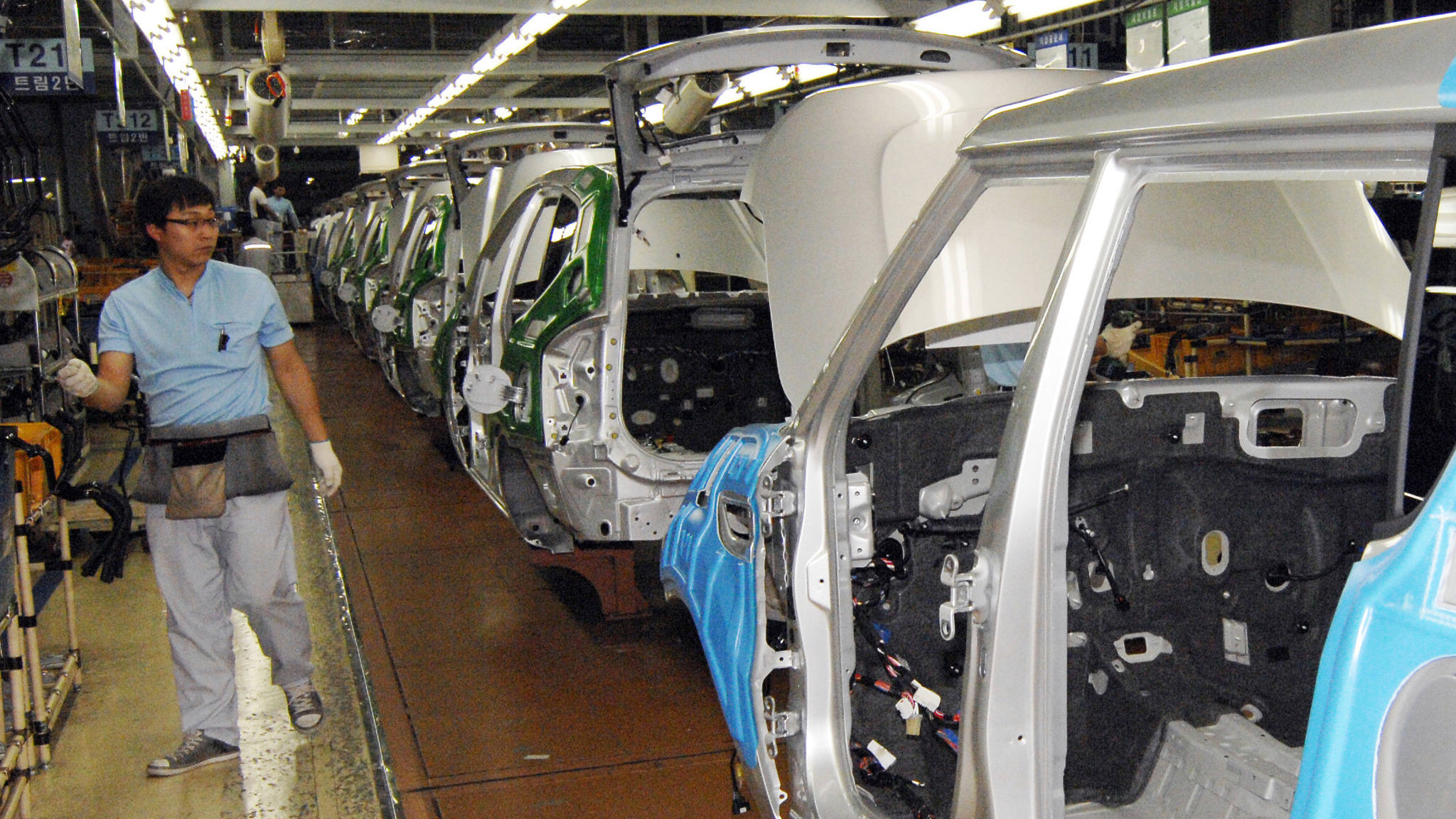
    The new company will be hiring workers for a production plant to be built on 628,000 square meters (155 acres) of land in the Bitgreen National Industrial Complex. The venture is the first in Korea to bring government and private industry together in the formation of a new manufacturing facility.

    Union representatives strongly protested the clause, calling it toxic.

    Rather than pushing the clause, the council decided to offer three alternative proposals to Hyundai Motor. The city and the automaker will continue negotiations.

    “Over time, Hyundai Motor and the labor union have retreated in their demands,” said Lee Byung-hoon, Gwangju vice mayor. “But the suspension of the wage bargaining clause was the biggest issue.”

    After the announcement was made, it was Hyundai that refused the proposal.

    “We cannot help but to point out the repeated revisions and backtracking [done by the Gwangju government],” Hyundai said through a statement.

    In the first meeting held at 10:30 a.m., all nine labor representatives, including Yoon Jong-hae, head of the Federation of Korean Trade Union’s Gwangju office, refused to attend in protest of the wage bargaining ban.

    The agreement between Gwangju city and the Korean automaker had included a clause in which wage negotiations were to be suspended until the cumulative production of compact SUVs reached 350,000 units. As Hyundai Motor guaranteed a minimum of 70,000 units a year, the labor union estimated that it would take about five years before the employees at the new plant would be able to negotiate.

    The meeting resumed at 3 p.m., and Yoon joined, raising the number of attendees to 22 out of a possible 28.

    The plant proposal has been under a tight deadline as an agreement needs to be reached before the National Assembly passes the budget. The ruling Democratic Party has announced that it plans to pass next year’s budget soon.

    Meeting the budget deadline is crucial as the city needs government funding to build the necessary infrastructure, including housing that will cost roughly 300 billion won ($269 million).

    The Gwangju plant project, first proposed in June 2014, has generated significant public interest as it could keep manufacturing jobs in Korea and contribute to the revitalization of the regional economy. It would also help ease the burden of high labor costs.

    The plan is for the Gwangju government and Hyundai Motor to create a new joint-venture company. The new Hyundai Motor plant will have the capacity to produce 100,000 compact SUVs a year.

    One of the key factors in this new job creation model is that employees will receive an annual salary of 35 million won, 38 percent of the 92 million won average salaries of Hyundai Motor workers.

  • Hyundai’s Genesis G70 named Motor Trend’s Car of the Year

    Hyundai’s Genesis G70 named Motor Trend’s Car of the Year

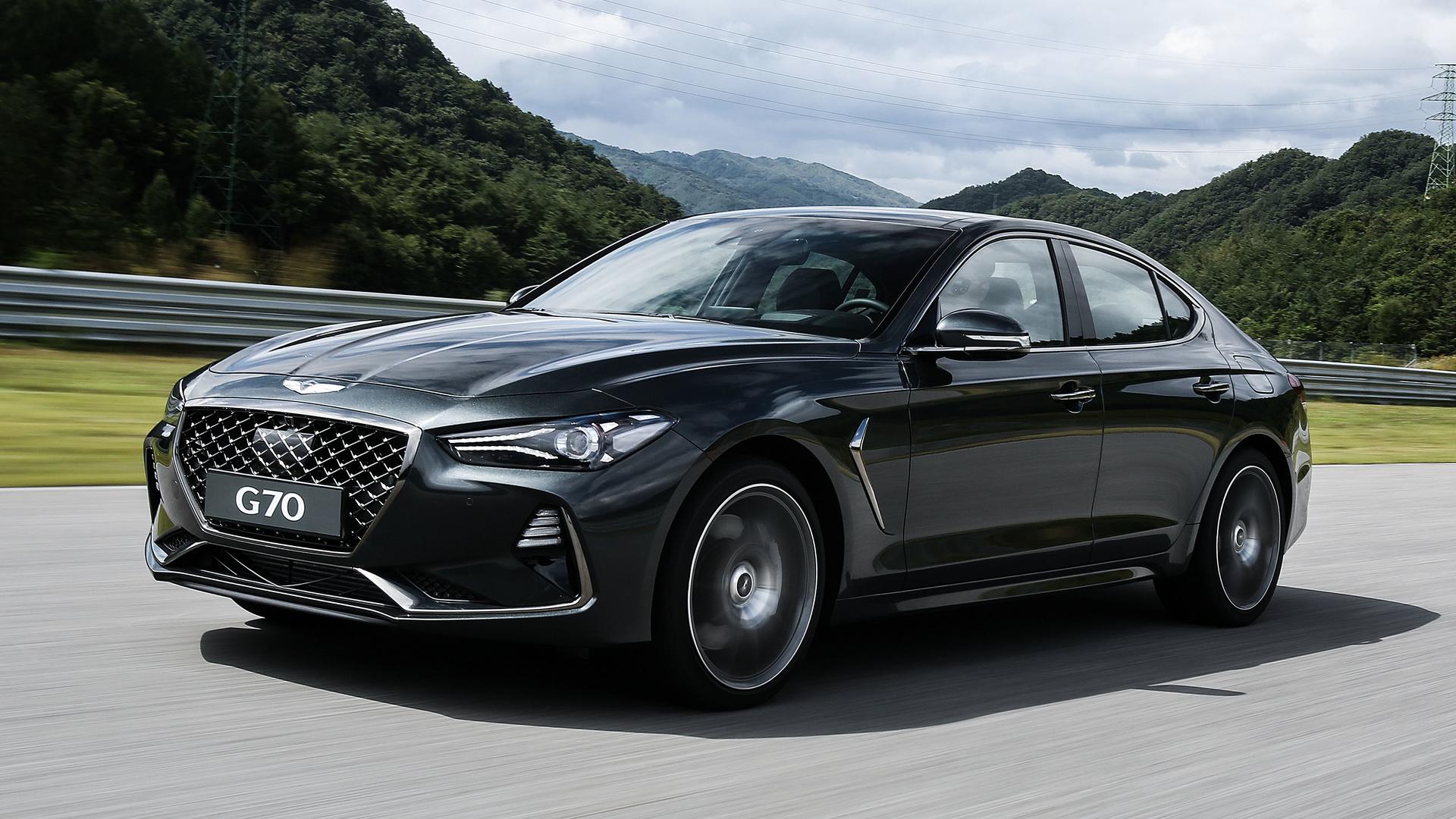
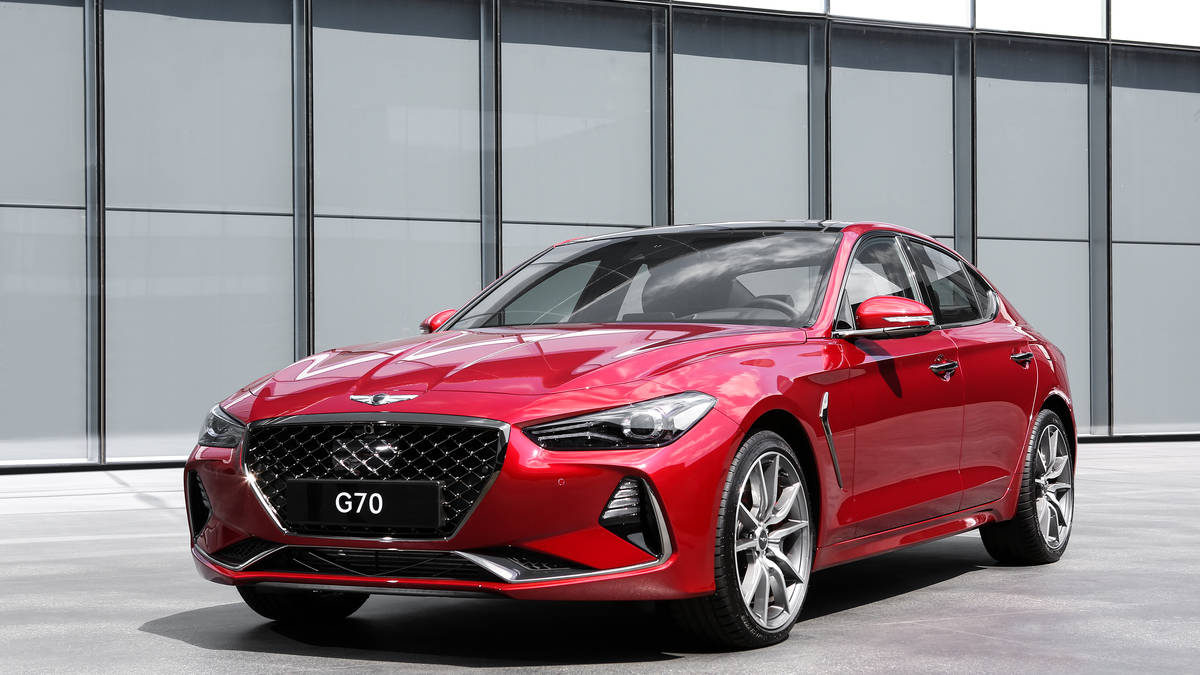
    Hyundai Motor’s luxury Genesis G70 sedan was selected as the Car of the Year by U.S. auto magazine Motor Trend, firmly establishing it as a legitimate alternative to BMW’s long-reigning 3 Series. The G70’s victory was proclaimed in Motor Trend’s January issue with the headline “A Star is Born.” The vehicle competed with 20 other models including the Audi A6, Mercedes-Benz CLS and Lexus ES.

    It is the first time a Korean car has won the award since the media outlet began the Car of the Year award in 1949. Last year, the winner was the Alfa Romeo Giulia, while in 2016, it was the Chevrolet Bolt EV.

    The magazine praised the rapid development that Hyundai Motor has achieved in its quality and brand awareness in such a short time, pointing out that the Korean brand first entered the U.S. market in 1985 selling a “Giugiaro-designed hatchback for the low, low price of $4,995.

    “Fast-forward to the present. How beyond belief is that the same cheap and cheerful automaker – Hyundai – not only has launched a luxury brand but has also built a better BMW 3 Series fighter right out the gate than the Japanese luxury brands have in numerous attempts?” the article read.

    The judging panel, made up of the magazine’s editors and engineering experts from top car brands, praised the sedan’s performance, particularly when equipped with a 3.3-liter engine. Its cousin, Kia Motors’ Stinger, which shares the same platform as the G70, missed the spot last year due to its lack of a sporty suspension.

    As an all-rounder, the Genesis G70 “pulls to infinity and beyond,” said Chris Theodore, a guest judge.

    Hyundai Motor expects its triumph to continue next year with the North American Car of the Year award, which will be announced at the North American International Auto Show in Detroit in January.

    “The Motor Trend’s Car of the Year award is expected to have positive effect in Genesis sales,” a Hyundai Motor spokesman said.

    The Genesis G70 was the first model to be released under Genesis after it was launched independently of the Hyundai brand. Other models – the G90 and G80 – were just partially revamped and renamed versions of existing models under Hyundai.

    The model ranked No. 1 in this year’s J.D. Power survey in quality, pushing aside long-running luxury brands like Porsche and BMW.

    The accolades didn’t translate to sales, however, as it continues to struggle in the U.S. market. The Genesis G70 sold 51 units in October in the United States.

  • Luxury carmakers clock best-ever India sales in 2014

    Luxury carmakers clock best-ever India sales in 2014

    Riding on high demand that outstripped supply, luxury car manufacturers Audi and Mercedes-Benz have ended 2014 with best-ever sales in their history in India. German carmaker Audi sold 10,851 units in 2014, compared with 10,000 in 2013, it said in a statement. Audi India sold 3,044 units in the October-December quarter, posting a 17 per cent growth over the year-ago period when it sold 2,611 units.