Retail News CRM

Tag: Meituan

  • Meituan Sees Silver Lining as Food Delivery Battles Cool Down Despite Another Quarter Loss

    Meituan Sees Silver Lining as Food Delivery Battles Cool Down Despite Another Quarter Loss

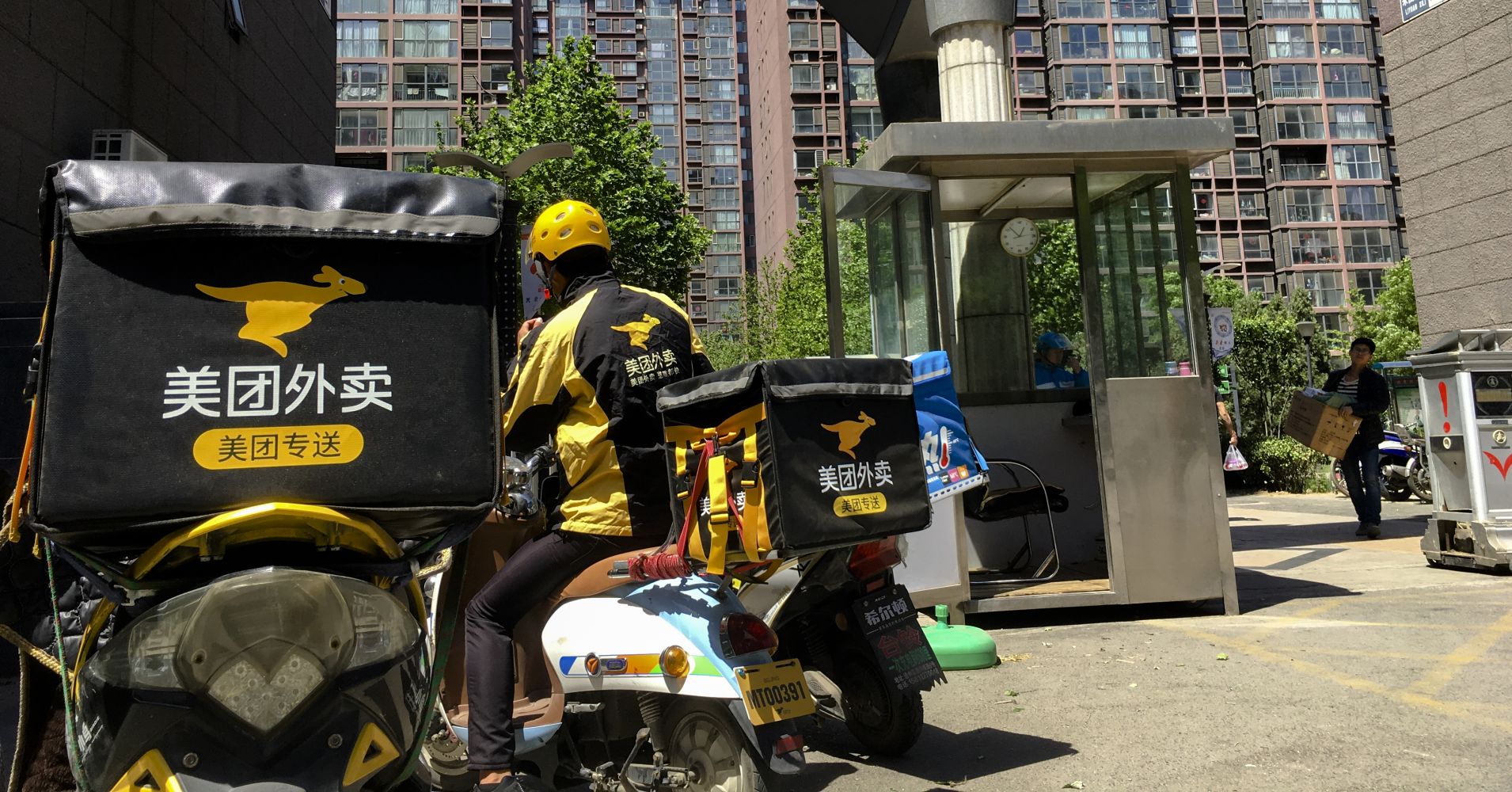
    Meituan, China’s foremost food delivery company, reported its third consecutive quarterly loss this Monday. However, it did manage to meet revenue growth projections. The company has been weathering a particularly tough year, characterized by fierce, subsidy-driven competition in China’s one-hour delivery sector. However, the market shows signs of normalizing again.

    In earlier years, the rapid expansion and profits of Meituan were put under strain when Taobao, owned by Alibaba, and JD introduced their ‘instant retail’ services in 2025. Instant retail, also known as quick commerce, involves online purchases of items such as food, bubble tea, and daily essentials that are delivered within an hour.

    In 2026, after persistent disapproval from Chinese regulators who coined the term ‘race to the bottom’ to describe the fierce instant retail competition, the excessive discounting on food delivery platforms began to moderate. This shift indicated that the industry was moving into a phase of more regular growth.

    The revenue for Meituan for the quarter ending on March 31 was reported to be 91 billion yuan (equivalent to US$13.45 billion). This represented a 5.6% increase from the previous year and was in line with financial analysts’ predictions.

    The adjusted net loss of the company shrunk to 4.97 billion yuan, which was a significant improvement from a loss of 15.1 billion yuan in the last quarter. During the same period in the previous year, Meituan had reported a profit of 10.9 billion yuan.

    CEO Wang Xing addressed the situation optimistically, stating, “With industry-wide subsidies finally getting more rational, we are seeing a shift back to the fundamentals of operational efficiencies and user experience. This transition plays to our strengths.”

    However, the company has also faced regulatory challenges. In April, the Chinese market regulator imposed fines amounting to a total of 3.6 billion yuan on seven e-commerce platforms, including Meituan, for violating food delivery safety regulations.

    Last week, China’s State Administration for Market Regulation instructed local authorities to conduct a special inspection campaign until December on companies operating in sectors ranging from live-streaming to food delivery.

    Questions & Answers

    What is Meituan’s standing in China’s food delivery industry?
    Meituan is the leading food delivery company in China.

    What challenges has Meituan been facing in recent years?
    Meituan has been dealing with intense competition in the instant retail sector, regulatory penalties for food delivery safety violations, and financial struggles reflected in consecutive quarterly losses.

    What is the ‘race to the bottom’ that Chinese regulators refer to?
    The ‘race to the bottom’ refers to the extreme competition in the instant retail sector, characterized by excessive discounting by food delivery platforms.

  • Meituan’s Struggles Continue Amidst Food Delivery Frenzy: Can Signs of Easing Price War Restore Profits?

    Meituan’s Struggles Continue Amidst Food Delivery Frenzy: Can Signs of Easing Price War Restore Profits?

    Meituan, the leading food delivery company in China, reported its second consecutive quarterly loss, slightly missing revenue growth forecasts. This comes after a year of aggressive, subsidy-intensive competition in China’s one-hour delivery market.

    Meituan’s revenue growth and profits have been under pressure for several consecutive quarters since the introduction of new ‘instant retail’ platforms by e-commerce heavyweights Taobao, which is owned by Alibaba, and JD.com in early 2025.

    The term ‘instant retail’ or ‘quick commerce’ refers to online orders that typically include food, bubble tea, and everyday items, delivered within an hour.

    However, the early part of 2026 has signaled a potential slowdown in the instant retail pricing battle, which has been condemned as a “race to the bottom” by Chinese regulatory bodies.

    For the quarter ending on December 31, Meituan’s revenue reached 92.1 billion yuan (approximately US$13.3 billion), marking a 4.1% increase from the previous year. This figure is slightly below the 92.2 billion yuan analysts had predicted.

    The company managed to reduce its adjusted net loss to 15.1 billion yuan, down from 16 billion yuan in the third quarter. This is a stark contrast to the same period a year earlier, when Meituan reported a profit of 9.8 billion yuan.

    During a post-earnings call with analysts, Meituan’s CEO, Wang Xing, claimed that the regulatory stance on the instant retail competition is “already quite clear”. Wang stressed that regulatory authorities are vehemently against the escalating ‘neijuan’ competition and are keen on promoting a healthy, orderly market. ‘Neijuan’, or ‘involution’, refers to a situation where individuals or companies are forced into intensifying competition that yields minimal benefits.

    Earlier in the week, Meituan’s shares experienced a surge of 14% following the re-publication of a state media editorial by Chinese regulators. The editorial called for an end to the ongoing food delivery price wars, and its re-publication was perceived by industry experts as an official endorsement.

    Questions & Answers

    What is ‘instant retail’?
    Instant retail, also known as quick commerce, refers to online orders typically comprising food, bubble tea, and daily use items, delivered within an hour.

    What does ‘neijuan’ mean?
    ‘Neijuan’, or ‘involution’, refers to a situation where companies or individuals are pushed into a state of intensifying competition that brings very little benefit.

    What was the response of the market to the call for an end to the food delivery price wars?
    Following the re-publication of a state media editorial that called for an end to the food delivery price wars, Meituan’s shares experienced a 14% increase, suggesting a positive market response.

  • Meituan Faces Second Quarter Loss Amid Intense Food Delivery Competition in China

    Meituan Faces Second Quarter Loss Amid Intense Food Delivery Competition in China

    In a fiercely competitive market, Chinese food delivery titan Meituan has reported a second consecutive quarterly loss, slightly missing projected revenue growth. Over the past year, the company has weathered intense competition sparked by aggressive subsidy tactics in China’s burgeoning one-hour delivery sector.

    The Rivals and the Battle

    The company’s profit margins and revenue growth have faced significant challenges following the emergence of ‘instant retail’ platforms introduced by e-commerce behemoths Taobao and JD, both subsidiaries of Alibaba, in early 2025. Instant retail, also known as quick commerce, is characterized by online orders—typically food, bubble tea, or daily essentials—delivered to customers within an hour.

    A Glimmer of Hope in 2026

    Despite the tough conditions, the early months of 2026 have shown promising signs that the cutthroat price competition in the instant retail sector may be easing. This phenomenon, which has been disparaged by Chinese regulators as a destructive ‘race to the bottom’, has begun to show signs of abating.

    Meituan’s Financial Status

    Meituan’s revenue for the quarter ending December 31 amounted to 92.1 billion yuan (US$13.3 billion), marking a 4.1% increase over the previous year. This figure fell slightly short of the 92.2 billion yuan forecasted by industry analysts. Meanwhile, the company’s adjusted net loss narrowed to 15.1 billion yuan from 16 billion yuan in the previous quarter. A year earlier, Meituan had reported a profit of 9.8 billion yuan.

    Regulatory Guidance and Market Health

    During a post-earnings call with analysts, Meituan’s CEO, Wang Xing, stated that the regulatory guidance regarding the price war in the instant retail sector is “already quite clear.” He also noted that regulators strongly oppose the relentless ‘neijuan’, or involution, competition and are focused on fostering a healthy, orderly market. The term ‘neijuan’ represents a form of competition where entities are forced to engage in increasingly intense rivalry that yields minimal benefits.

    In the wake of a state media editorial calling for an end to China’s food delivery price wars being republished by Chinese regulators, Meituan’s shares experienced a significant 14% surge. Industry observers viewed this as a sign of official approval.

    Questions & Answers

    What is the instant retail or quick commerce model?
    This refers to online purchases, often consisting of food, bubble tea, and daily necessities, which are delivered to customers within 60 minutes.

    What is meant by ‘neijuan’ competition?
    ‘Neijuan’, or involution, indicates a situation where individuals or companies are compelled into increasingly intense competition that offers little benefits.

    How did the market respond to regulatory intervention in the price war?
    Following a state media editorial urging an end to the food delivery price wars being republished by Chinese regulators, Meituan’s shares saw a significant 14% increase, signaling market approval of regulatory intervention.

  • Meituan Faces First Quarterly Loss Amid Alibaba-JD Price War: Future Challenges Expected

    Meituan Faces First Quarterly Loss Amid Alibaba-JD Price War: Future Challenges Expected

    Meituan, China’s leading food delivery conglomerate, has recorded its first quarterly loss since the final quarter of 2022. This is due to a fierce pricing battle with competitors Alibaba and JD. Further losses are predicted for the upcoming quarter as these price wars continue to affect profit margins.

    Financial Struggles Amid Competitive Tensions

    Meituan posted an adjusted net loss of 16 billion yuan ($2.26 billion USD) for the quarter concluding September 30. This figure contrasts significantly with the adjusted net profit of 12.8 billion yuan from the previous year. This marks the first occasion of a quarterly loss since December 2022.

    CEO Wang Xing has regarded the price competition in the food delivery sector as unsustainable, describing it as a classic case of “bad money driving out good money”. However, he reassured that Meituan continues to hold its leading position for medium to high-priced orders. He stated, “Our market share exceeded two-thirds for recent orders with a payment above 15 yuan, and over 70 per cent for orders valued over 30 yuan.”

    Increased Competition and Future Prospects

    Meituan has also cited intense competition as a significant factor affecting its financial performance. It is expected that operational losses will persist into the fourth quarter of 2022 for both the corporation as a whole and its primary local commerce sector. Meituan has invested heavily to protect its nearly 70 per cent market share from Alibaba and JD, who are also spending large sums on customer acquisition.

    This intense rivalry has been especially evident in the space of instant retail, a sector where goods are delivered within an hour. Meituan’s venture into JD’s main electronics and smartphone sales resulted in JD launching its own food delivery platform. Similarly, Alibaba, the e-commerce market leader, has increased its efforts in the instant retail sector.

    Changes in the Market

    Analysts predict that the price war will begin to soften by next year. As companies start to minimize subsidies and logistics costs decrease, Meituan’s unit economics are expected to become positive by the first or second quarter of next year.

    Regulatory bodies have suggested new pricing regulations to safeguard smaller retailers. All three companies have agreed to restrict price wars. Simultaneously, Meituan is fast-tracking the international expansion of its Keeta app into markets such as Hong Kong, the Middle East, and Brazil.

    Despite the challenges, Meituan’s quarterly revenue has risen by 2 per cent, surpassing analyst predictions. However, the company’s shares have experienced a drop of over 30 per cent so far this year.

    Questions & Answers

    What has caused Meituan’s first quarterly loss since 2022?
    Intense price competition with rivals Alibaba and JD has led to Meituan’s first quarterly loss in recent years.

    Has the price war affected the food delivery sector overall?
    Yes, the price war has been described as unsustainable and appears to have negatively affected the sector overall, with companies experiencing financial losses and reduced profit margins.

    What are the future prospects for Meituan according to market analysts?
    Analysts predict the price war will ease by next year and Meituan’s unit economics are expected to become positive by the first or second quarter of next year, indicating a potential financial recovery.

  • Meituan’s Profit Plummets Amid Intense Competition In China’s ‘instant Retail’ Sector

    Meituan’s Profit Plummets Amid Intense Competition In China’s ‘instant Retail’ Sector

    Meituan, China’s top food delivery company, has reported an 89 per cent decrease in its net profit during the second quarter. The company attributes this major drop to escalating competition in the ‘instant retail’ sector, which specializes in delivering goods within an hour.

    Meituan boasts almost 70 per cent of China’s delivery market. However, the company has expressed concerns that maintaining this dominance will prove costly. The fierce competition is putting the company’s profit margins under significant pressure, at least in the short term. This has led to a fall in the company’s shares, which have declined by over 20 per cent this year.

    The Battle for Market Dominance

    According to analysts, the food delivery sector in China is now in the middle of a full-blown delivery war in which Meituan cannot afford to be defeated. They expect the intensity of the subsidy to gradually decrease after the third quarter. The focus will then shift towards unit economic discipline in the coming year.

    In addition to delivering food, Meituan offers services ranging from bike-sharing to ticket-booking and map services. The company’s CEO, Wang Xing, acknowledges the intense competition, emphasizing that the company will continue to prioritize doing the right things such as ensuring quality selection, competitive pricing, superior service, and prompt delivery.

    New Competitors and Regulatory Challenges

    This year, online retailer JD made its move against Meituan’s attempt to expand beyond meals by aggressively entering the food delivery business, which is Meituan’s core operation. Alibaba, which operates Ele.me, the second-largest food delivery app, also increased its investment in instant retail. Both JD and Alibaba have promised billions of yuan in subsidies to increase sales.

    Future challenges may arise from regulatory adjustments. Chinese authorities are planning to implement new rules for pricing following complaints from merchants and customers about misleading or unfair pricing on major internet platforms. Meituan, alongside Alibaba and JD, released statements last month committing to end price wars. However, Wang Xing has stated that they will stand their ground and defend their market position as the competition becomes even more intense.

    Despite the heightened competition in China, Meituan is broadening its horizons with overseas expansion. The company has boosted the global presence of its Keeta app in Hong Kong, Qatar, and Saudi Arabia. They have also made a significant investment of US$1 billion in Brazil.

    Questions & Answers

    What factors contributed to Meituan’s drop in net profit during the second quarter?
    The 89 per cent drop in Meituan’s net profit was primarily due to increased competition in China’s ‘instant retail’ sector.

    How is Meituan responding to the increasing competition in the market?
    Meituan’s strategy focuses on doing the right things such as ensuring quality selection, competitive pricing, superior service, and prompt delivery. They have also committed to ending price wars.

    What plans does Meituan have for international expansion?
    Meituan has expanded its Keeta app to markets in Hong Kong, Qatar, and Saudi Arabia. The company has also invested US$1 billion in Brazil.

  • Starbucks expands delivery services in China with Meituan tie-up

    Starbucks expands delivery services in China with Meituan tie-up

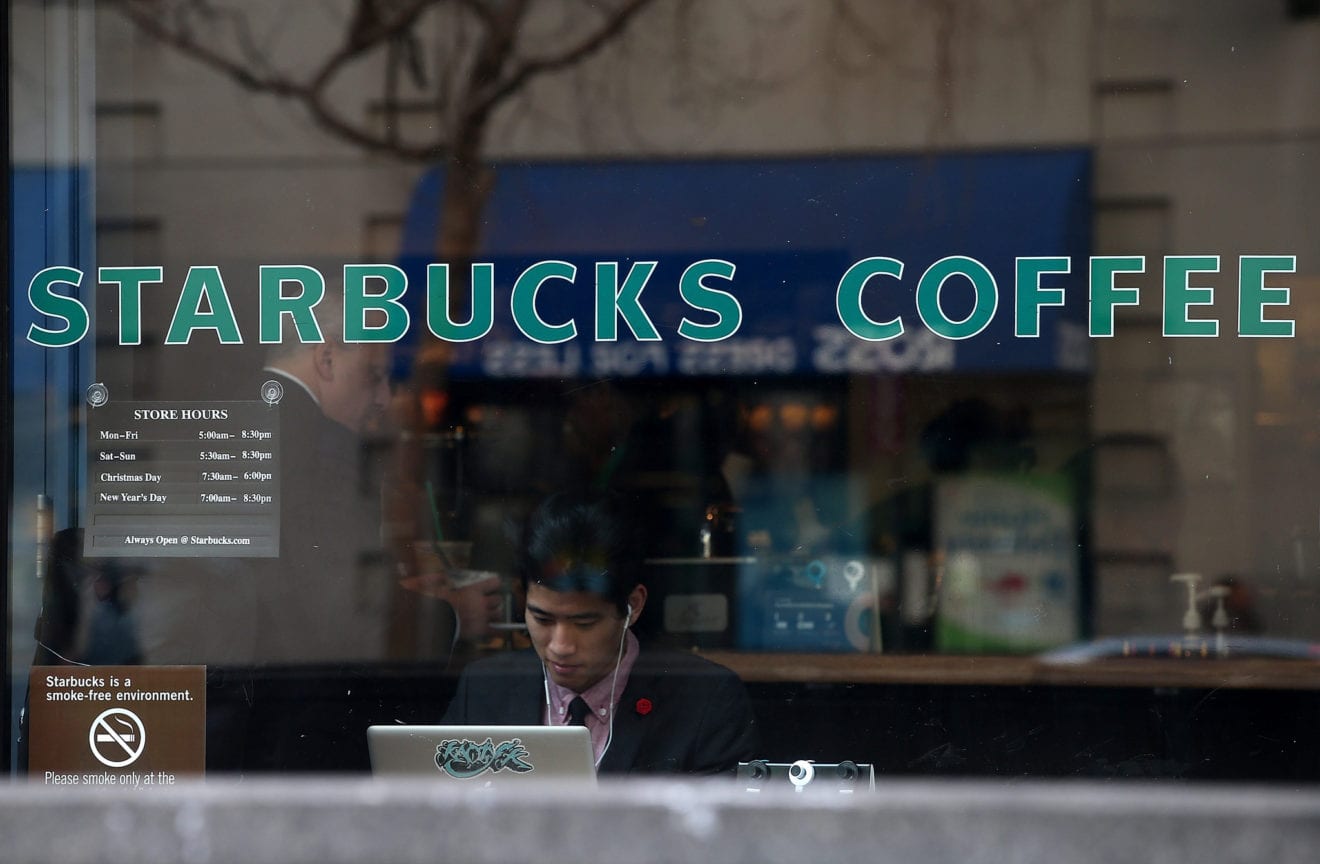
    Starbucks said on Tuesday it has entered into a partnership with China’s Meituan that will allow its Chinese customers to order coffee delivery via the super app’s platform.

    The move will expand the U.S. coffee chain’s delivery footprint in China, which has since 2018 used Alibaba Group’s Ele.me as its exclusive delivery partner.

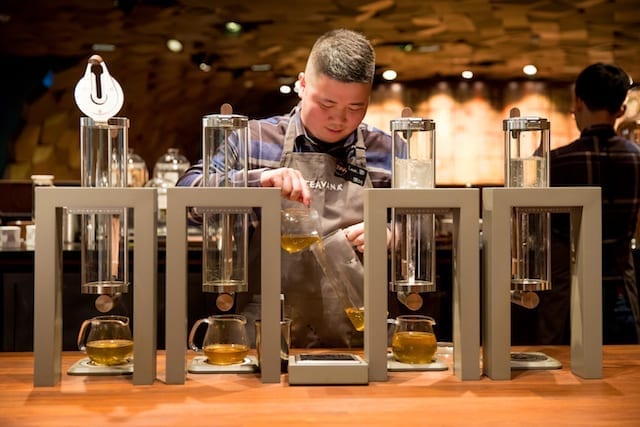
    The two companies will also launch a service that will allow Meituan users to make private bookings for a tasting of coffees and learn to make them at Starbucks stores, it said.

    Starbucks has 5,360 stores in more than 200 Chinese cities, making it the second-largest market only after the United States, according to the company’s most recent earnings report.

    The company also said it would utilize Meituan’s “superstore” feature under the partnership which will see each of its stores have its own unique page on Meituan’s platforms by the end of this year, from which customers can book food delivery services or check local events.

  • China launches antitrust probe into food delivery giant Meituan

    China launches antitrust probe into food delivery giant Meituan

    China launched an antitrust investigation into food delivery giant Meituan, the market regulator said on Monday, the latest target in a crackdown on the country’s sprawling internet platform economy.

    The State Administration for Market Regulation (SAMR) said in a statement that its investigation was focused on the practice whereby a company forces vendors to use their platform exclusively, known as “choose one from two”.

    Tencent-backed Meituan, which this month raised $10 billion in a stock and convertible bonds sale, said in a statement it would cooperate with the investigation and that its business was operating normally.

    This month, SAMR imposed a record $2.75 billion fine on e-commerce giant Alibaba over the same practice and summoned 34 internet firms including Meituan to tell them to learn from Alibaba’s penalty and not use banned practices.

    Meituan, which competes with Alibaba-backed Ele.me among others, had an estimated 68.2% of China’s food delivery market in the second quarter of 2020, according to Trustdata. Meituan’s businesses also include bike-sharing, community group buying, and restaurant reviews.

    China has in recent months taken measures to rein in its once loosely-regulated internet economy in a clampdown backed by President Xi Jinping that has rattled the industry.

    Zheng Wei, a partner with Beijing-based law firm Anli Partners, said regulators aimed to reduce the impact of dominant internet players on consumers, employees, and smaller firms.

    He said that “regulators aim to prevent internet platforms from using their dominant position to exert influence over governance, including legislative and judicial process.”

    SAMR was adding staff and other resources as China revamps its competition law with proposed amendments including a sharp increase in fines and expanded criteria for judging a company’s control of a market.

    In March, Meituan was among five backers or owners of community group-buying platforms fined by SAMR over “improper pricing behavior” related to subsidies.

  • Meituan launches global delivery platform

    Meituan launches global delivery platform

    Chinese e-commerce platform Meituan has officially launched its “Meituan Delivery” global-delivery platform in order to extend service to more industries and more customers.

    Meituan Delivery will open its technology platform, delivery network and value chains to ecosystem partners, enabling them to improve operating efficiency, reduce logistics cost and drive the growth of the real economy.

    “Meituan will open its delivery network to more customers and extend the network to various industries,” said Meituan senior VP and president of the company’s at-home business group Wang Puzhong. “The extension and opening of Meituan’s delivery network will help establish a more flexible delivery platform by customizing services for different industries, upgrading our delivery dispatch system, and improving delivery infrastructure.”

    Meituan’s global on-demand delivery platform is serving more than 3.6 million merchants and 400 million consumers nationwide, covering more than 2800 cities and counties with nearly 10,000 delivery stations and warehouses and more than 600,000 daily active riders. Meituan’s daily food delivery orders exceeded 25 million on April 20.

    “With the opening of our delivery platform, Meituan will leverage our delivery resources to better fulfill diversified needs of users and merchants, while integrating delivery resources to improve the overall urban logistics efficiency,” said Meituan Delivery GM Wei Wei.

    Meituan started to build its own delivery network in 2015 and launched its Premium Delivery service to meet the surging needs for efficient on-demand food delivery. In 2016, Speedy Delivery service was introduced to diversify its delivery services. Meituan launched its first autonomous delivery vehicle “Xiaodai” in 2018.

    Meituan’s delivery platform relies on its “Super Brain” – the real-time intelligent dispatch system that enables Meituan to complete a delivery within 30 minutes on average. The dispatch system can perform about 2.9 billion route planning algorithm operations per hour during daily peak times, and calculate optimized delivery routes in an average of 0.55 milliseconds, according to Sun Zhizhao, CTO of Meituan Delivery.

    In addition, Meituan has developed four delivery models – point-to-point shuttle delivery, galaxy network delivery, integrated warehouse inventory delivery, and smart terminal delivery – to serve convenience stores, super markets, retail stores, and office buildings, which can meet the different needs of merchants, improve delivery efficiency and reduce logistics costs.

  • Meituan Scaling down Ella Supermarket Outlets

    Meituan Scaling down Ella Supermarket Outlets

    Chinese food-delivery website Meituan has closed three of its Ella Supermarkets in Jiangsu, almost halving its network of outlets.

    The business initiative, which sells fresh supermarket produce online for fast home delivery, has just four remaining locations in Beijing and Wuxi.

    The closures were reportedly put down to mismanagement, and stand in stark contrast to the company’s stated plans to open 20 outlets within last year.

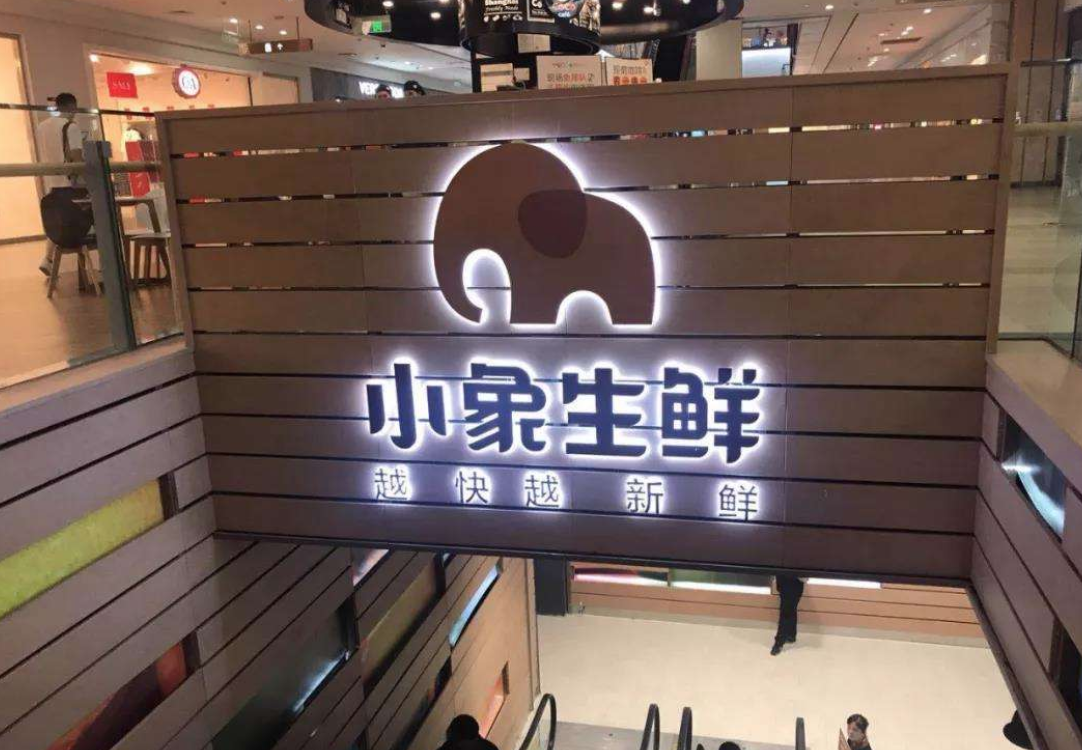
    Its shortcomings are reflected by competing brands, however, with rival groups Yonghui Super Stores, 7Fresh and SuFresh also performing under par. Alibaba’s Hema offering is an exception with reportedly strong trading.

  • Luckin, Starbucks rivalry heats up

    Luckin, Starbucks rivalry heats up

    Luckin vs Starbucks: baristas and technology are engaged in a gigantic battle for Chinese coffee drinkers’ loyalty. Seattle, Washington-based Starbucks Corporation has been the indisputable market leader in the Chinese coffee industry ever since its Beijing World Trade Center branch opened its doors in January 1999. Yet Starbucks’ two decades of coffee dominance in China appears to be reaching its end.

    While “China watchers” and retail industry insiders have been expressing concerns about Starbucks for months, it has taken Wall Street a few months to catch on; just last week, Goldman Sachs downgraded the Starbucks stock from “buy” to “neutral” for the first time in recent memory, specifically citing Starbucks’ bleak business trajectory in China as a major concern.

    Most of this concern is linked to Luckin Coffee 瑞幸咖啡 Ruixing Kafei, the young tech-forward coffee startup that has managed to build more than 2000 outlets throughout 30 mainland cities in just about 14 months of operations, reaching startup “unicorn status” seemingly overnight.

    While China is Starbucks’ largest market after the US, with roughly 3600 stores across 150 cities, it took Starbucks nearly 13 years to achieve Luckin’s current size. Perhaps even more shocking, Luckin is showing absolutely no signs of slowing down any time soon; the Luckin team has publicly announced its goal of reaching 4500 outlets across China by the end of 2019, and as of November, Luckin Coffee’s overall value was estimated to be about US$2 billion, a figure that has almost certainly risen since.

    Luckin is clearly trying to develop a mass-market coffee product that can bring the “coffee shop experience” to the working class at an ultra-competitive price point.

    While its early success may seem unfathomable, it mostly comes down to three distinct points of difference within its business model: the Luckin app, delivery infrastructure, and competitive pricing. For outsiders visiting China or first-time Luckin customers, the most noticeable quirk of Luckin’s business model is that customers are forced to use the Luckin app to purchase a coffee in a Luckin store or have Luckin coffee delivered to their office or home. Luckin does not accept cash payments at all: there are no tills inside Luckin stores. Fortunately, Luckin offers new users a free beverage after their first download, to lessen the pain a little. While this may seem perplexing to many outsiders, this is a feature that distinctly appeals to an increasingly app-focused Chinese consumer base who prefer digital payments to cash.

    Tensions rising

    With tensions rising between China and the US, Luckin has another unique competitive advantage: its status as a truly Chinese coffee brand, owned by Chinese people and tailored specifically to the unique tastes of the Chinese market. If these tensions continue to grow worse, one can expect Luckin to follow the trend of many other Chinese companies by appealing directly to this patriotic sentiment and further distancing itself from the distinctly American image of Starbucks.

    With Luckin’s CEO Jenny Qian Zhiya and most of its senior leadership coming directly from UCAR, a ride-hailing service spun out of rental car giant Car Inc, it should come as no surprise that transportation and delivery are two key focus points of the business. With the exception of a few sit-down locations in hot real estate areas, the vast majority of Luckin Coffee locations do not offer customers a place to sit. While many locations have space for customers to wait in line and pick up drinks, roughly half of Luckin stores are “preparation stores” that focus solely on preparing beverages for the endless queue of Luckin delivery drivers. Thanks to this elaborate and effective delivery system, customers can usually expect to get their coffee quickly; Luckin claims the average delivery time is roughly 18 minutes, (and even during the busy morning hours in my Beijing office park, I never had to wait longer than 30 minutes). With young Chinese city-dwellers becoming more and more reliant on delivery services like Ele.me and Meituan Waimai, Luckin’s impressive delivery capabilities allow the company to remain convenient and attractive. As a side benefit, this store setup also allows Luckin to place most of its shops in cheaper out-of-the-way locations with limited foot traffic, allowing for significant real estate savings.

    Price the differentiator

    Perhaps the most important point of differentiation between Luckin and Starbucks is price.

    While Starbucks generally charges at least 35 RMB (US$5) for most of its coffee drinks, Luckin’s prices generally fall in the 20 to 25 RMB range, with only a 6 RMB surcharge for delivery.

    Luckin also regularly runs promotions that bring the price per cup down to as little as 10 RMB, prices no competitor has been willing to match. While the exact price of a Luckin coffee fluctuates dramatically due to promotions, customers can generally expect to pay 30-40 per cent less than they would pay for a similar drink at Starbucks. Perhaps even more appealing, Luckin’s widely used “refer a friend” system rewards users who convince their friends to download the Luckin app with a free beverage.

    These three aspects of Luckin’s business platform have clearly caught on with young Chinese customers and urban office workers, who are increasingly looking for cheaper and more convenient coffee options. It appears that Starbucks ultimately has little chance of competing with Luckin in this lower end of the market. While Starbucks does have an app developed for the Chinese market, it is not nearly as intuitive or eye-catching as Luckin’s well-developed system. Similarly, after Starbucks failed to catch the wave of China’s food-delivery boom, it may be too late for Starbucks to substantially overhaul its delivery capabilities. Starbucks did not implement its own internal delivery service until August last year, arguably three years too late.

    Until last summer, Chinese customers have been forced to improvise their own “hacked” Starbucks deliveries through the app Ele.me; those wanting Starbucks coffee had to use an unwieldy two-step process using two separate apps to get their drinks delivered.

    While Starbucks could use its resources to develop a more effective app and more efficient delivery system for the Chinese market, it is likely too little, too late; after ignoring these two major trends in Chinese retail over the past few years, Starbucks is already considered an inconvenient option by rushed coffee customers, an image that will prove hard to shake off. And after spending nearly two decades cultivating the company’s image as a high-end aspirational brand for the emerging Chinese middle class, it is unlikely Starbucks can drop its prices enough to compete with Luckin’s promotional pricing.

    Going high

    Ultimately, it seems Starbucks has no choice but to “go high” in this market. While Luckin has already cemented itself as the most popular option among working-class coffee drinkers looking for an everyday beverage option, the startup has yet to grab the attention of the more status-driven higher end of the coffee market. As many industry insiders have pointed out, Luckin’s “take-and-go” model and delivery focus does not offer customers the high-end experience of whiling away an afternoon sitting at a coffee shop. So while Starbucks executives certainly have significant reason to be concerned over their dwindling market share, Starbucks still maintains a solid grasp on the market for customers seeking a true coffee experience, rather than just caffeine boost to get them through the day.

    This split in the market has been happening naturally, and is quite apparent: if you visit a Luckin outlet in any tier-one Chinese city, you will most likely encounter either a delivery man holding several bags to be delivered or a young office worker making the coffee run for his or her office, taking 10 or 20 cups back up to the office. Meanwhile, the most common sight at an urban Starbucks location is a store filled with tables, each crammed with Chinese millennials or parent groups chatting the afternoon away. In a sense, this harkens back to the ethos of the company’s original entry into China in the late 1990’s: Starbucks built its business in China by providing customers with第三空间 di san kong jian, a “third place” between home and work that functioned as a public conference room or a relaxing respite from the busy world outside, an important societal role that was traditionally satisfied by China’s ancient tea house culture. As Gwynn Guilford, reporter for Quartz, puts it: “In China, Starbucks doesn’t sell coffee to make its millions… it rents couches.”

    If the statistics are to be believed, there is certainly space in the market for both companies; Chinese citizens drink just four to six cups of coffee per year on average, compared to 250 among British residents and 360 for Americans. While Starbucks will likely continue to face struggles as the company redefines its hold in the Chinese market, this year we will see how Luckin Coffee’s unique business model fares – will Luckin continue to set record-breaking growth numbers, or will it shatter before showing any profit?

    Hunter White-

  • Meituan Dianping to set Hong Kong IPO valuation at up to $55 billion

    Meituan Dianping to set Hong Kong IPO valuation at up to $55 billion

    China’s Meituan Dianping, an online food delivery-to-ticketing services platform, has set an indicative price range of HK$60 to HK$72 ($7.64-$9.17) per share for its initial public offering (IPO) in Hong Kong, valuing itself at up to $55 billion, four people with direct knowledge of the matter said.

    Meituan, already one of China’s most valuable internet firms, could raise as much as $4 billion before the exercise of a “greenshoe” or over-allotment option, whereby additional shares are sold depending on demand.

    The company is discussing a valuation of $46 billion to $55 billion and planning to secure a total of $1.5 billion from five cornerstone investors, including its main backer gaming and social media company Tencent Holdings, and global asset manager OppenheimerFunds, the people said.

    Oppenheimer will commit $500 million and Tencent $400 million, they said.

    Other cornerstone investors include U.K.-based hedge fund Lansdowne Partners ($300 million), U.S. hedge fund Darsana Master Fund ($200 million) and Chinese state-owned conglomerate China Chengtong Holdings ($100 million).

    The five cornerstone investors did not immediately respond to requests for comment. Calls to Darsana went unanswered.

    The Beijing-based firm filed plans for the city’s second multibillion-dollar tech float this year after smartphone maker Xiaomi’s blockbuster IPO of nearly $5 billion.

    It plans to use the process to upgrade its technology, develop new services and products and pursue acquisitions among other things, according to its IPO filing.

    Meituan is also – after Xiaomi – the latest company with a dual-class share structure to file for a Hong Kong listing, under the city’s new rules designed to attract tech companies.

    However, in late July Hong Kong Exchanges and Clearing (HKEX), the operator of Hong Kong exchange, said it would delay changes that would allow companies to hold shares with more voting rights, as more time was needed for investors to become accustomed to recent rule changes.

    Meituan was valued at around $30 billion in a fundraising round late last year.

    Xiaomi started trading in July after a closely watched but disappointing initial public offering that valued it at almost half the $100 billion that industry analysts had initially estimated.

    Meituan has been likened to U.S. discounting platform Groupon.

    Founded in 2010 by serial entrepreneur Wang Xing, it completed a $15 billion merger with Dianping in 2015, akin to U.S. online review firm Yelp Inc. It offers a broad range of services including movie ticketing, food delivery, hotel and travel booking as well as ride-hailing.

    Competitors include food-delivery platform Ele.me, backed by e-commerce firm Alibaba Group Holding, and leading ride-hailing firm Didi Chuxing, backed by Japan’s SoftBank Group.

    Bank of America Merrill Lynch, Goldman Sachs Group and Morgan Stanley are sponsors of Meituan’s IPO.

    China Renaissance is the financial advisor.

  • Tao Heung sales improved as visitors increases

    Corporate restaurateur Tao Heung is reporting improved sales in both its core Hong Kong market and on the mainland as people dine out more often and the average tab increases.

    Tao Heung operates 60 restaurants under its own brand, two RingerHut eateries focused on non-Chinese cuisine, and 18 Tai Cheong Bakery stores.

    In the half-year to June 30, consumption sentiment improved both in Hong Kong and Mainland China, the company said. Its strategy to strengthen its culinary portfolio to attract a more diversified customer base, and right-size its operations led to a 5.4 per cent increase in year-on-year sales to HK$2.08 billion.

    “The increase was principally driven by same-store sales growth, in turn the result of the rise in per-head spending particularly for seafood and including late night dining – “all you can eat hotpot”,” the company said in its results commentary.

    Profit attributable to shareholders rose to $51.3 million (from $40.8 million in the same period last year) and would have been up by 53.7 per cent to $62.7 million had it not been for a one-off expense relating to the government-enforced closure of the company’s pig farm during the period.

    In Hong Kong, which accounted for 61.7 per cent of the company’s sales, the company says it faced “fierce competition” rebuffed by several seasonal marketing strategies. “All these helped to further drive same-store sales growth as well as increase per-head spending.”

    Eight Hong Kong restaurants were renovated during the six months, including Tao Heung – The Pier Market Store in Mong Kok which opened in June, specialising in seafood. It is targeted towards affluent customers – “a segment that not only appreciates fine Chinese cuisine but also a suitably sophisticated ambience”. Other restaurants were either closed or right-sized, leaving a net reduction of six outlets since the end of last year.

    As the company looks to diversify its restaurant portfolio, several collaborations were realised, with more partnerships in the pipeline. Du Hsiao Yueh, which specialises in Taiwanese cuisine, which opened its first Hong Kong branch in Tsim Sha Tsui in June last year, now has a sister restaurant in Causeway Bay. Another collaboration involves Flamingo Bloom, a modern, chic Chinese tea salon that opened at IFC mall in July.

    “Management trusts that such collaborations will not only broaden the group’s portfolio, but also provide it with greater flexibility in terms of business development,” the company said.

    Tao Heung is also exploring overseas partnership opportunities for its Tai Cheong Bakery, after achieving success in Singapore.

    “Besides consolidating its bakery network, further efforts will be made at increasing distribution channels through collaboration with different brands and supermarkets.”

    Mainland China operations

    On the mainland, the group operates an integrated complex business model, comprising Chinese restaurant, self-owned supermarket, indoor playground, museum, shops and parking facilities covering over 22,000sqm. The company said the three family-oriented complexes it operates continued to deliver stable income during the period, attracting the patronage of middle-to high-income families.

    The company’s packaged food business on the mainland also experienced strong growth. Sales of frozen food increased by 26.3 per cent, largely due to e-commerce partnerships with online platforms such as Tmall.com and JD, which give the group access to customers nationwide. Takeout services like Dianping.com, Meituan and ele.me also boosted sales.

    As at June 30, Tao Heung operated 46 restaurants in Mainland China, along with 26 Bakerz 180 outlets during the period.

  • Mao Shan Café China to open 200 more stores

    Mao Shan Café China to open 200 more stores

    The Mao Shan Cafe, a franchised food retail network with a menu centred on durian – plans to open 200 outlets across Mainland China by 2022.

    Mao Shan Cafes serve durian cakes, savouries, pastries, waffles, durian coffee and ice cream and other unique foods based on Malaysia’s Musang King strain of durians, targeting Chinese nationals who are passionate about the fruit.

    In China, where whole durians are harder to come by, sales of durian-flavoured products have skyrocketed in recent years. Duerian imports have surged from 40 tonnes in 2011 to 368 tonnes in 2016.

    A subsidiary of US private equity business The Funding Partners, Mao Shan Cafe also plans to collaborate with Chinese food delivery giants Meituan and Alibaba-owned Ele.me to further boost sales.

    This year, 10 stores are planned for the Guangdong region and the first 100 in the company’s franchised network are expected to be trading by 2020. Sometime before the 200 threshold is reached, The Funding Partners plans to spin the company off in a Mainland China float.

    The chain’s first flagship store opened last month, in a ceremony attended by celebrities including Hong Kong performing artist, Maria Cordero.

    The Funding Partners has interests in Malaysia’s durian growing and export industry and saw the retail network as a way of expanding exports further to the mainland.

  • Shift to New Retail ‘imperative’

    Shift to New Retail ‘imperative’

    A shift by brands to a New Retail model is imperative to remain relevant and competitive in China, according to a joint report from AliResearch and Bain & Co.

    The report, the most complete to date, offers a look at the blueprint for how companies and brands can seamlessly meld their online and offline channels, providing a better customer experience and making their own operations more efficient.

    It notes the challenge laid out by Alibaba Group CEO Daniel Zhang in a letter to investors, whereby companies need to tap big data analytics to redefine the core of retail – consumers, merchandise and stores – as well as the ties among them, to upgrade formats and create new retail occasions. And it cites a list of brands, including Mondelez, Friso, Estee Lauder and Bestseller, as “leading the charge to shape tomorrow’s retailing.”

    A fundamental change in thinking by companies and brands needs to happen with respect to the customer, viewing them “in the role of co-producers,” the report said. More than just identifying target consumers and their needs, more-comprehensive and dynamic profiles allow brands to find “ways to stimulate consumer needs, identifying look-alike consumers and turning consumers into brand ambassadors who effectively co-create the brand.”

    At the same time, products morph from mere commodities to becoming part of the consumption process and consumer experience. In the world of New Retail, products and delivery are inspired by consumer data and they’re highly personalized. Moreover, with a fully integrated, omnichannel experience, it’s no longer about simply spending time in an online or offline store. It’s about consumers shopping while enjoying content or spending time on social networks, the report said.

    “The best brands are determining how to integrate products with the overall experience of not only shopping, but learning about a product, using it and recommending it,” the report said.

    In all, the report highlights six steps “winning brands” are taking “to reshape the future and make the most of New Retail.” They are:

    • Identifying new governance principals for a customer-centric model
    • Developing new flexibility and efficiency in R&D and supply chains
    • Reimagining marketing and consumer management
    • Modernising route-to-market and retail formats
    • Transforming the organisation and operating model for digital
    • Investing in new technology development.

    The 24-page report covers each step in detail and offers case studies of the above-mentioned and other brands in their quest to reimagine and redefine their business through New Retail.

    While the report’s focus is on China, it telescopes outward and concludes that the changes Jack Ma predicted when he coined the “New Retail” term in 2016 “are arriving so swiftly and dramatically that each month seems to bring with it a big, new preview of what retailing will look like everywhere, as China sets a pace for the rest of the world.”

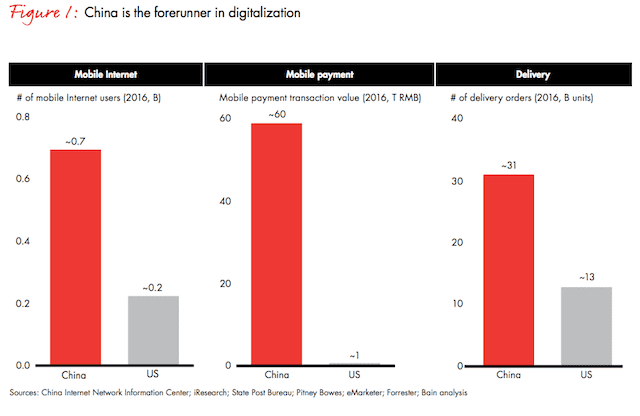
    New Retail in China has already taken hold in numerous sectors, transforming small, disparate shops and businesses into “order-and-delivery stations for e-commerce.” Food-delivery platform Meituan, for example, fulfills more than 18 million orders a day. And China is well ahead of other countries, such as the US, with 60 times more mobile payments.

    “Wherever retailing is headed, China is already there,” the report said. “For brands hoping to sell in China, survival means moving equally fast to capture this future ahead of competitors, both incumbents and digitally savvy upstarts. It will not be enough merely to keep up. Brands will be required to get ahead and help shape the vast changes, even as they completely overhaul the rules of engagement.”

    That means adopting a big-data-based approach to business, along with a new type of customer-centric experience that involves much-higher levels of engagement and personalisation than ever before. Businesses, themselves, need to erase any existing cross-unit barriers, investing in the technology and process redesign to make that happen, as well as changing their mindset.

    The results for brands that get it right are both clear and gratifying. Citing a case study from Mondelez, the report delves into what happened when the cookie company focused on customisation for Tmall’s Super Brand Day 2017. Its goal was to make Oreos more popular among teenagers.

    To do so, Mondelez partnered with third-party vendors and Tmall to create, launch and market a music box that played tunes when an Oreo cookie was placed on a turntable-like device. Taking a bite of the cookie and putting it back on the turntable changed the tune. Consumers could record their own voices on the music box and decorate it, customising it by scanning a QR code. Relying on a flexible supply chain, Mondelez brought the music box to market in just seven days, rather than a more-traditional two to three months.

    “It has been a New Retail success story,” the report said. “The singing biscuits generated 80 times more sales on Mondelez’s site than normal, with 90 per cent of the purchases made by new consumers.”

    Brands need to act now to adapt to a New Retail reality, though the changes they make to their operating models and the introduction of new capabilities won’t necessarily bear fruit right away.

    “New Retail is a work in progress that will require brands to constantly refine and reinvent themselves for new occasions, new formats and the steady flow of new ideas that will define retailing tomorrow,” the report concluded.

    You can read the full AliResearch/Bain report here.