Retail News CRM

Tag: overseas

  • HCMC’s Overseas Remittances Drop 23% Amid Global Economic Challenges in H1 of 2026

    HCMC’s Overseas Remittances Drop 23% Amid Global Economic Challenges in H1 of 2026

    In the first half of 2026, Ho Chi Minh City (HCMC) received over $4 billion in remittances, marking a considerable decrease of almost 23% compared to the same period in the previous year. Factors contributing to this downward trend include a sluggish global economy, more restrictive immigration policies, and shifts in capital flows, all of which negatively affected overseas Vietnamese transfers.

    During the second quarter, remittances that were transferred via credit institutions and economic organizations amounted to $2.03 billion. Although this reflects a slight increase of 1.4% from the first quarter, it is a significant decrease of 27.9% compared to the same quarter last year, as reported by the State Bank of Vietnam (SBV)’s Region 2 Branch.

    Geographical Distribution of Remittances

    Tran Thi Ngoc Lien, the Deputy Director of the SBV’s Region 2 Branch, disclosed that Asia continued to be the most significant source of remittances, contributing over $1 billion, representing 49.3% of total inflows. This figure is up by 9.8% from the previous quarter. The Americas came in second, contributing $672.6 million, making up over 33% of the total.

    In the first quarter, remittances from Asia increased by 9.8%, becoming the primary force of recovery. However, inflows from Europe, the Americas, and Oceania decreased.

    For the first six months, Asia and the Americas remained the leading sources, accounting for over 81% of total remittances. Asia led the way with $1.92 billion, accounting for 47.5% of the total. The Americas followed with $1.38 billion, or 34.1%, and Oceania contributed $418.3 million or 10.4% of the total.

    Contributing Factors and Future Projections

    According to Lien, the decline in remittances is attributed to a mix of international and domestic factors. Slow global economic growth, the strong U.S. dollar, and stricter immigration policies in several countries have all affected employment and income, impeding the ability of overseas Vietnamese to send money home.

    Inflationary pressures, increased living costs, labor market changes, and tax policy adjustments related to certain money transfer transactions have also impacted the Americas, particularly the U.S. – a significant remittance market for HCMC.

    Domestically, the SBV’s Region 2 Branch pointed out that some investment channels have not been attractive enough to absorb remittance capital. Moreover, the interest rates for foreign currency deposits have remained at 0%, leading some overseas Vietnamese to keep their funds abroad or shift them to other investment assets.

    Nevertheless, the SBV’s Region 2 Branch predicts a potential recovery, provided the global economy avoids major disruptions, and the current recovery trend persists in the second half of the year. The projections suggest that HCMC’s total remittance inflows in 2026 could reach between $8.6 and $8.9 billion.

    Despite being below levels recorded in previous years, remittances are expected to recover more noticeably on a quarterly basis, bolstered by the easing of international interest rate conditions, exchange rate stability, and the continued effectiveness of banks’ remittance promotion programs.

    Questions & Answers

    Why have remittances to HCMC reduced significantly in the first half of 2026?
    The decline can be attributed to global economic challenges, tighter immigration policies, and shifts in capital flows that have affected overseas Vietnamese transfers.

    Which regions are the main contributors to remittances to HCMC?
    Asia and the Americas are the two principal sources of remittances to HCMC, collectively accounting for over 81% of total remittances.

    What are the expectations for HCMC’s remittances in the second half of 2026?
    If the global economy remains stable and the current recovery trend continues, HCMC’s total remittance inflows are projected to reach between $8.6 and $8.9 billion in 2026.

  • Milk Tea Giant Mixue Trims Overseas Presence, Closes 428 Stores – Pursues Optimized Operations in Indonesia and Vietnam

    Milk Tea Giant Mixue Trims Overseas Presence, Closes 428 Stores – Pursues Optimized Operations in Indonesia and Vietnam

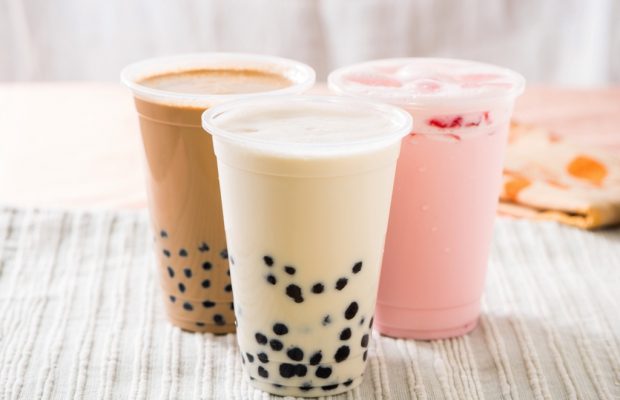
    The world’s largest food and beverage chain, China’s Mixue, experienced a decrease in its international outlets in 2021. A significant number of these closures occurred in Indonesia and Vietnam, as the company strived to enhance its operations and efficiency.

    Strategic Store Closures

    While the exact number of closed outlets in Indonesia and Vietnam were not made public by Mixue, the company emphasised in its most recent financial statement a strategy to enhance the performance of their existing stores, to facilitate long-term, sustainable, and stable operations.

    Expansion in Other Territories

    Concurrently, Mixue expanded its reach in other countries including the United States and Kazakhstan, and launched its maiden stores in Malaysia and Thailand under a different brand, Lucky Cup.

    As of the end of last year, Mixue had a global presence with 59,823 outlets, the majority of which, 55,356, were located in mainland China. Indonesia and Vietnam are its two largest overseas markets. As of September 2024, Mixue had 1,304 outlets in Vietnam according to documents filed for its Hong Kong Initial Public Offering (IPO) in early 2025.

    Shifting Retail Strategy

    Mixue is in the process of transitioning from a traditional small-store format to larger outlets in Vietnam. The new locations will feature expanded preparation counters, street-facing storefronts, and more expansive floor areas than their predecessors. The company is also giving preference to prime locations for its outlets.

    The company made its debut in Vietnam in 2018, with an initial focus on Hanoi and the northern provinces. Since then, it has expanded its footprint nationwide. Some of its core offerings include lemonade, ice cream, milk tea, and fruit tea, all priced within an affordable range of VND10,000–30,000.

    Mixue credits its ability to maintain low prices to its control over the supply chain, which extends from raw material production and logistics to research and development and quality control.

    In a 2024 report, it was noted that Mixue has been instrumental in reshaping Vietnam’s milk tea market. The company has played a significant role in growing the affordable beverage segment and pursues an aggressive franchising strategy.

    Future Plans and Financial Performance

    Mixue has expressed plans to continue expanding its presence in Southeast Asia by further enhancing its franchisee network in the region.

    In terms of financial performance, Mixue saw a significant increase in its revenues and net profits last year. Revenues shot up by 35% to RMB33.56 billion (US$4.9 billion), and net profits rose by 33% to RMB5.93 billion.

    Questions & Answers

    What is Mixue’s current strategy in Vietnam?
    Mixue is transitioning from a traditional small-store format to larger outlets, with prime locations, expanded preparation counters, and larger floor areas.

    What are some of Mixue’s key products in Vietnam?
    Mixue’s core offerings in Vietnam include lemonade, ice cream, milk tea, and fruit tea.

    How has Mixue’s financial performance been in recent years?
    In the previous year, Mixue’s revenues increased by 35% to RMB33.56 billion (US$4.9 billion), and net profits rose by 33% to RMB5.93 billion.

  • Japanese Beauty Giant @Cosme Unveils First Overseas Flagship Store in Hong Kong: A Fusion of Luxury Labels and Innovative Retail Experience

    Japanese Beauty Giant @Cosme Unveils First Overseas Flagship Store in Hong Kong: A Fusion of Luxury Labels and Innovative Retail Experience

    @Cosme, a renowned Japanese beauty retailer, is making its debut in Hong Kong with its inaugural overseas flagship store. The grand opening is planned for next month in the bustling district of Tsim Sha Tsui.

    Covering an area of 1,298 square meters, this three-level, street-front store will be home to approximately 500 brands. Shoppers can expect to find a wide variety of cosmetic and skincare products from premium brands such as Estee Lauder, Tom Ford Beauty, Aveda, YSL, Shiseido, Nars, and Decorte. In addition, more affordable options will be available from brands like Canmake, Wonjungyo, and Orbis.

    Notably, the store will also introduce several brands from Korea to its product line-up, including popular names such as D’Alba and Beauty of Joseon.

    The new flagship store will feature an advanced integration of online and offline shopping experiences via the local @Cosme app. The app provides multilingual product reviews and audio guides, enabling customers to make informed decisions while in the store.

    The company has chosen Hong Kong as the location for its first overseas store due to the city’s status as a major economic hub. Hong Kong’s low tax rates, status as a free trade port, and significant potential for growth in customer demand from mainland China and other Asian countries, were all deciding factors in this strategic move.

    This marks a significant step in @Cosme’s ongoing international expansion. The company already operates successful flagship stores in some of Japan’s largest cities, including Tokyo, Osaka, and Nagoya.

    Questions & Answers

    What is special about the new @Cosme flagship store in Hong Kong?
    The new @Cosme store in Hong Kong is the first overseas flagship store for the brand. It features an impressive integration of online and offline shopping experiences via the local @Cosme app.

    What kind of brands will be available at the @Cosme store in Hong Kong?
    The store will offer products from around 500 brands, including both luxury and affordable options. It will also introduce several Korean brands to its line-up.

    Why has @Cosme chosen Hong Kong as the location for its first overseas store?
    Hong Kong was chosen due to its status as a major economic hub with low tax rates and a free trade port. The city also presents significant growth potential due to inbound demand from mainland China and various Asian countries.

  • Punkverse To Launch Revolutionary Flagship Store In Vietnam, Eyes Global Expansion

    Punkverse To Launch Revolutionary Flagship Store In Vietnam, Eyes Global Expansion

    Punkverse, a retail arm of the China-based collectible toy company PunkCode, is primed to launch its first international flagship store in Ho Chi Minh City, Vietnam. The specifics of the location, however, remain unknown as of now.

    Revolutionizing Retail

    The forthcoming Vietnam outlet is set to revolutionize the retail market with a unique combination of original intellectual property (IP), extended reality (XR) experiences, and a groundbreaking participatory retail model. This new approach to retail will empower consumers to become part-owners in the store, sharing in its profits.

    PunkCode has earned a reputation for its intriguing characters, namely Space Ape and Punk Ape. The company has also forged partnerships with highly esteemed artists from China like Zhang Daqian and Guan Shanyue.

    The Strategic Role of Punkverse

    Punkverse plays a vital role in PunkCode’s international strategy, intertwining toy manufacturing, artist collaborations, immersive technologies, and worldwide distribution. The company sees itself as a pioneering entity in the realms of the “Art Toy Culture Stock” and “XR Technology Stock.”

    According to PunkCode, Vietnam was selected as the location for their flagship store because of its young, technologically-adept population, a burgeoning middle class, substantial acceptance of mobile payments, and an expanding market for collectibles. The company has bold plans to inaugurate flagship stores in Singapore, Thailand, South Korea, and Dubai by the coming year, as part of their ambitious “1000 Store Plan”.

    Public Listing

    In addition to its retail expansion, PunkCode has also solidified its Nasdaq listing structure under the ticker symbol “PKCD”, with intentions to become a publicly-traded company by the following year.

    Questions & Answers

    What is the unique approach to retail proposed by PunkCode’s Punkverse?
    Punkverse is set to introduce a retail model combining original IP, extended reality experiences, and a participatory retail model that allows customers to share in store ownership and profits.

    Why was Vietnam chosen as the location for PunkCode’s first international flagship store?
    Vietnam was selected due to its young, tech-savvy population, a burgeoning middle class, high adoption of mobile payments, and a growing collectibles market.

    What are PunkCode’s future plans?
    PunkCode aims to open flagship stores in Singapore, Thailand, South Korea, and Dubai as part of its ambitious “1000 Store Plan”. The company also plans to go public next year under the ticker symbol “PKCD”.

  • Pandemic cuts demand for overseas jobs

    Pandemic cuts demand for overseas jobs

    Vietnam’s labor export has plunged this year due to pandemic imposed travel restrictions and fear of contracting the virus abroad. The number of Vietnamese leaving abroad for work in the first nine months fell 59 percent year-on-year to just over 42,800, according to the overseas labor department.

    Japan and Taiwan, the largest and second-largest foreign markets for Vietnamese labor, saw the number of new workers go down nearly 49 percent and over 56 percent, respectively. The plummeting figures reflect the difficulties labor export companies in Vietnam have faced this year.

    Nguyen Viet Xuan, chairman of the Hanoi-based Viet Thang Corp, said his company has successfully sent just a few dozen workers to Japan, Taiwan, and Romania since September, down 90 percent year-on-year.

    Most of them were supposed to leave earlier, but unable to do so due to the pandemic, and the company was having trouble recruiting new candidates because people were reluctant to leave Vietnam with the Covid-19 situation remaining intense in many countries, he told local media.

    The Laco Labour Cooperation Company Ltd in Hanoi has only sent 40 workers to Japan since September after a mostly inactive period from February to August. Vietnam recorded its first Covid-19 case at the end of January and the situation was contained by the end of August.

    Although the Japanese market still has a high demand for imported labor, the long process of acquiring health certificates in the pandemic context could be one of the reasons preventing candidates from going, said Laco CEO Nguyen Xuan Hung.

    Before the pandemic, Japanese employers often traveled to Vietnam and conducted face-to-face interviews, but now the recruitment process has become more challenging as interviews have to be conducted online, he added.

    Other recruiters have pointed out to the high costs of air travel as a factor that discourages workers from going.

    The government’s labor programs are also facing difficulties in recruiting workers. The Department of Overseas Labor had recently extended its deadline for a nurse recruitment program to Japan by one month after failing to recruit the 240 candidates it needed.

    The pandemic has forced companies to cut recruitment costs due to falling revenues. These companies traditionally need to pay a local agent VND20-30 million ($865-1300) per worker, but now they focus more on running ads on social media to approach workers directly.

    Industry insiders do not expect a full recovery in the market anytime soon. Doan Mau Dien, chairman of the Vietnam Association of Manpower Supply (VAMAS), said that as the rising number of Covid-19 cases are being recorded in Europe and some countries have reimposed social distancing measures, it would take until at least the middle of next year for labor export activities to resume to pre-pandemic levels.

    Last year, 147,387 Vietnamese left to work abroad, up 3.2 percent year-on-year, according to the overseas labor department.

  • E-mart US buys supermarket operator

    E-mart US buys supermarket operator

    South Korean discount retail chain E-mart is acquiring US food retailer Good Food Holdings for US$270 million. A subsidiary of retail conglomerate Shinsegae, the E-mart US acquisition intends to stabilise and expand its operations in North America. It is the company’s first acquisition of an overseas firm.

    Good Food operates 24 stores across the American West under three brands: Bristol Farms, Lazy Acres and Metropolitan Market. Its original executive board will be retained by E-mart.

    Good Food Holdings employs 3100 people and brings in average sales of KRW 670 billion ($596.75 million) per annum. E-mart plans to open a premium store-restaurant in Los Angeles next year called PK Market.