Retail News CRM

Tag: pony.ai

  • Two Chinese Companies Debut Cutting-Edge Autonomous Shuttle Services in Singapore

    Two Chinese Companies Debut Cutting-Edge Autonomous Shuttle Services in Singapore

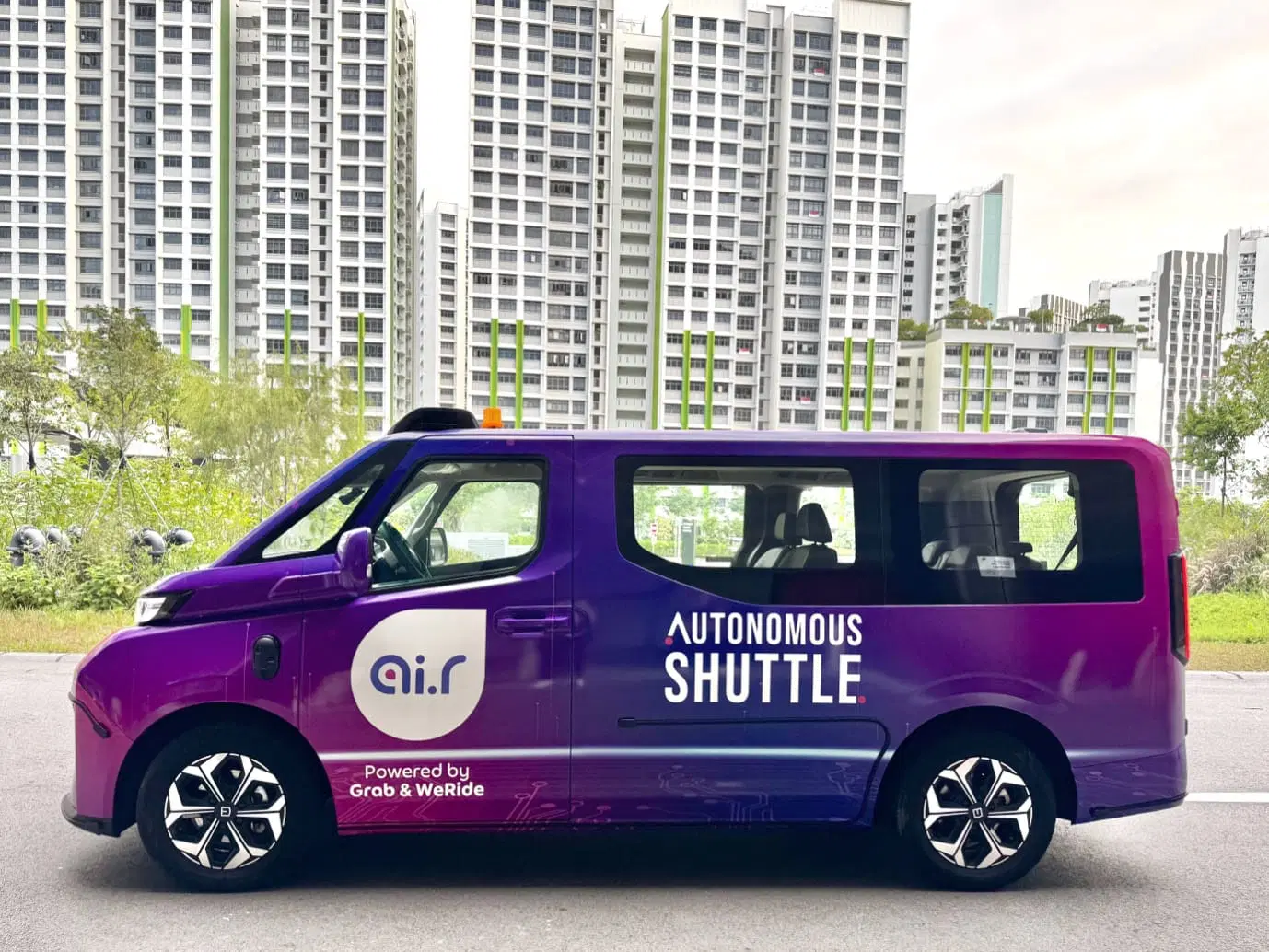
    In a significant move toward the embrace of autonomous mobility, two Chinese robotaxi companies are set to collaborate with local providers to launch shuttle services in Singapore, marking a new chapter in the city-state’s transportation landscape.

    Ride-hailing giant Grab has partnered with China’s WeRide, aiming to roll out services by early 2026. Meanwhile, Pony.ai is joining forces with Singapore’s ComfortDelGro, planning similar initiatives. The rapid developments signify Singapore’s ambition to become a focal point for autonomous driving technologies.

    Grab confirmed that it has received approval from local authorities to run two autonomous shuttle routes in the Punggol area. Passengers can expect to board WeRide’s five- and eight-seater vehicles following a thorough testing phase designed to fine-tune the service routes.

    WeRide recently secured a permit from the Shanghai municipal government, enhancing its credentials as it prepares to offer autonomous robotaxi services.

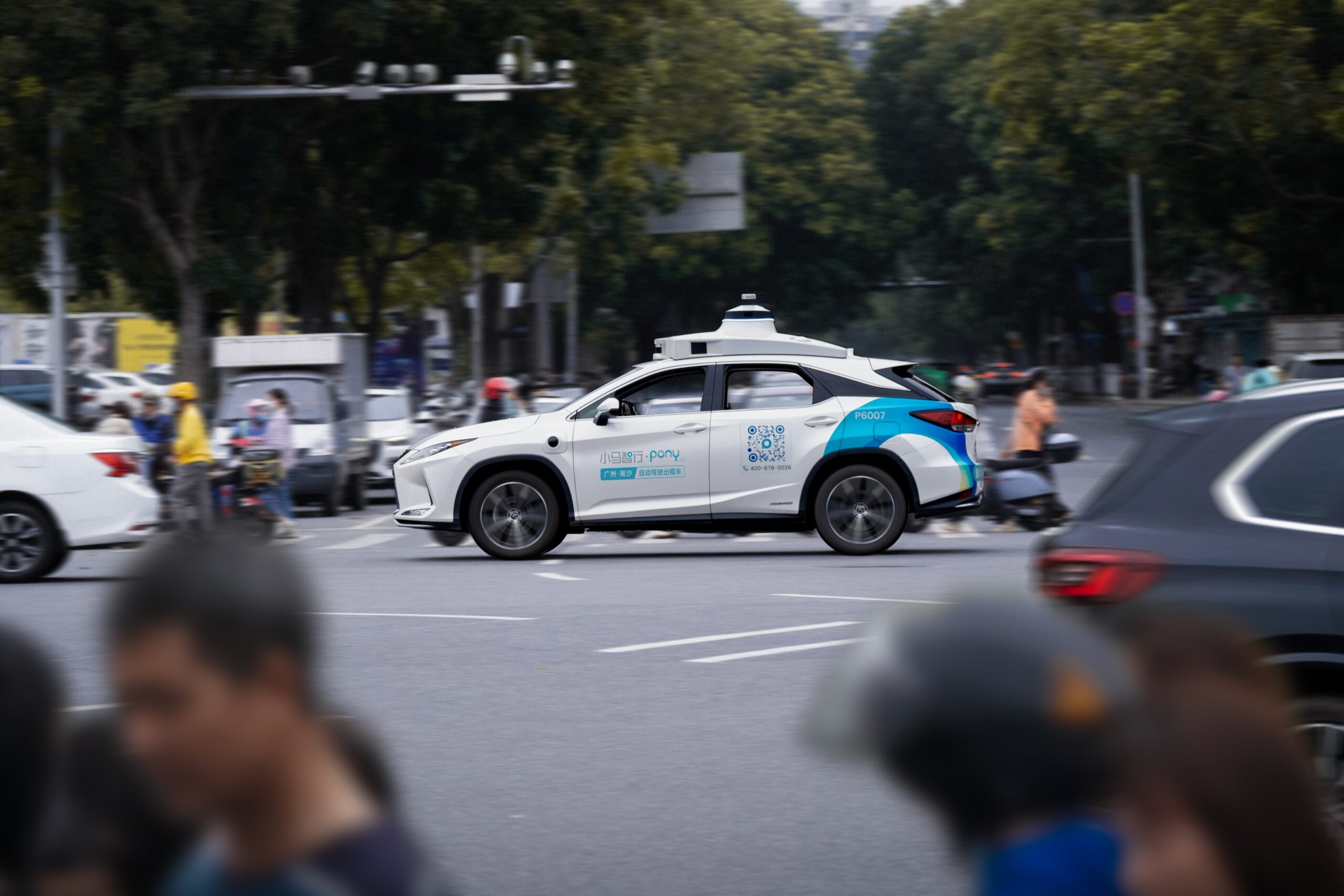
    On the other hand, Pony.ai announced its intention to offer services in Punggol with ComfortDelGro, with an ambitious plan to expand to nearby communities as soon as they clear regulatory hurdles. Singapore’s Land Transport Authority has outlined that Pony.ai and ComfortDelGro will service a 12-km (7.5-mile) route in Punggol, capturing the community’s attention with their innovative approach to transport.

    The Land Transport Authority has also recognized the robust capabilities of both WeRide and Pony.ai, noting their successful deployment of automated vehicles in various global markets.

    Currently, Pony.ai operates commercial robotaxis in four of China’s leading cities: Beijing, Shanghai, Guangzhou, and Shenzhen. The company, which has secured backing from Toyota Motor, is also looking to extend its driverless operations to South Korea and parts of Europe, fueled by a $260 million rise in funding following its Nasdaq listing last November. By year-end, Pony.ai aims to elevate its robotaxi fleet to 1,000 vehicles—talk about a drive for growth!

    The Singapore government, actively exploring autonomous technologies, is taking decisive steps in this direction, with Transport Minister Jeffrey Siow visiting Chinese autonomous driving firms in June to gather insights and bolster collaboration.

    Questions & Answers

    What companies are launching autonomous shuttle services in Singapore?
    Grab has partnered with WeRide, while Pony.ai is collaborating with ComfortDelGro to offer similar autonomous shuttle services.

    When will these services begin operations?
    Grab and WeRide plan to start their shuttle services in early 2026, whereas Pony.ai and ComfortDelGro are looking to commence within the coming months, subject to regulatory approval.

    What is the scope of Pony.ai’s operations?
    Pony.ai currently operates commercial robotaxis in major cities across China and is expanding its services globally, highlighting its ambition to grow its fleet significantly by the end of this year.
  • Pony, the Chinese Robotaxi Innovator, Gears Up for Exciting Mass Production Launch!

    Pony, the Chinese Robotaxi Innovator, Gears Up for Exciting Mass Production Launch!

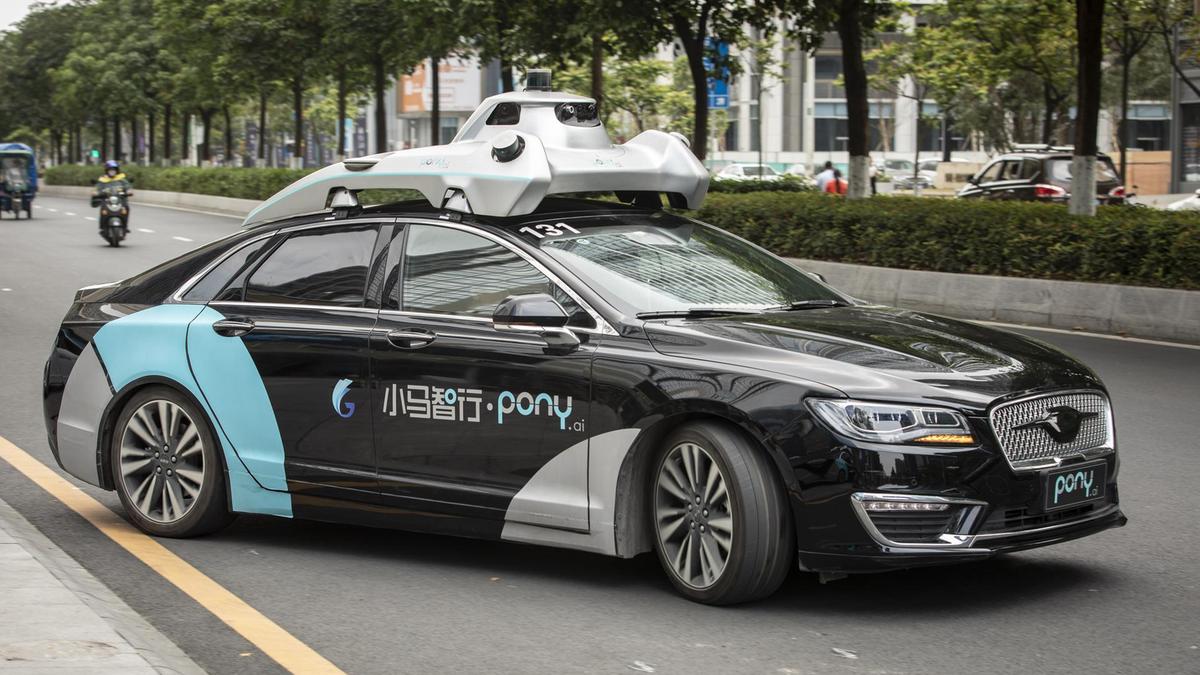
    Pony.ai, the Guangzhou-based autonomous driving company, is taking bold steps toward a new era of transportation by collaborating with state-owned giants Guangzhou Automobile Group and Beijing Automotive Group, alongside Japan’s Toyota. The ambitious goal? To roll out a fleet of 1,000 robotaxis by the end of the year, as revealed by Lou Tiancheng, co-founder and chief technology officer.

    “We are anticipating a pickup in production of robotaxis,” Tiancheng stated confidently, adding that the company has reinforced its partnerships with car manufacturers to validate the feasibility of scaling up driverless cab production.

    The Nasdaq-listed startup recently secured a significant milestone by obtaining a permit to operate its robotaxis in Shanghai’s Pudong New Area, enabling it to charge fares—a first for China’s bustling financial hub. This strategic move places Pony.ai at the forefront of the nation’s race toward autonomous urban mobility.

    The company’s fleet will initially cover the Jinqiao and Huamu districts, enveloping a span of 40 square kilometers, with ambitious plans to extend service into broader areas of Pudong. This region stands as a testing ground for modern technological advancements in a socialist framework, making it a critical area for innovation.

    “Advances in technology and favorable regulatory conditions have transformed the landscape for our expansion,” noted Leo Haojun Wang, the company’s chief financial officer. “The vehicle production is becoming more streamlined, and current regulations in both the U.S. and China now permit us to charge fares publicly.”

    Founded in 2016, Pony.ai has rapidly broadened its footprint, offering services in major cities including Beijing, Guangzhou, and Shenzhen. Recently, the company transitioned to a 24/7 service model, increasing accessibility from its previous operational hours of 7 a.m. to 11 p.m.

    Despite boasting a 4.3% rise in revenue to $75 million last year, Pony.ai is also contending with challenges, as its net loss has more than doubled to $275 million. It seems that while robotic dreams might be within reach, navigating the profitability maze remains a tricky endeavor.

    Questions & Answers

    What new partnerships has Pony.ai formed for its robotaxi production?
    Pony.ai is collaborating with state-owned Guangzhou Automobile Group and Beijing Automotive Group, as well as Japan’s Toyota, in a bid to produce 1,000 robotaxis by the end of the year.

    What recent milestone did Pony.ai achieve in Shanghai?
    Pony.ai secured a permit to operate its robotaxis in Shanghai’s Pudong New Area, allowing it to charge fares for the first time in China’s commercial heart.

    How has Pony.ai expanded its service hours recently?
    The company has transitioned to a 24/7 operating model, moving away from its previous hours of 7 a.m. to 11 p.m., thus enhancing accessibility for riders.

  • Toyota-Backed Self-Driving Startup Pony.ai Considers Going Public

    Toyota-Backed Self-Driving Startup Pony.ai Considers Going Public

    Self-driving tech company Pony.ai, backed by Toyota Motor, is considering going public in the United States to help fund its goal of commercializing driverless ride-hailing services, its chief executive said. The startup, active in the United States and China, plans to install its technology in hundreds of vehicles next year, rising to tens of thousands in 2024-2025, he said.

    Self-driving startups such as Alphabet Inc’s Waymo and General Motors Co’s Cruise have been racing to raise capital as the industry prepares to scale up operations.

    Still, beyond the time taken to address technological challenges and the massive cost of producing self-driving cars, the industry still has to persuade global regulators as well as the public as to the safety of full automation.

    “For autonomous driving, it’s a big opportunity. But at the same time, it’s a long-term, big opportunity,” CEO James Peng said in an interview with Reuters.

    “So it requires a long lead way for spending. That means all the autonomous driving companies need to raise enough funding to support their operations,” he said.

    The comments come as Pony.ai on Friday said it had tapped Lawrence Steyn, vice chairman of investment banking at JPMorgan Chase & Co, as chief financial officer to help “accelerate its commercial growth and global deployment”.

    “We’re still debating and considering,” said Peng, when asked about the time frame for a public share sale.

    “It’s just a different way of raising funds.”

    Pony.ai, founded by former Google and Baidu Inc engineers Peng and Lou Tiancheng in 2016, has so far raised more than $1 billion, including $462 million from Toyota, valuing the startup at $5.3 billion as of late last year.

    Earlier this month, it said it had begun driverless testing on public roads in California’s Fremont and Milpitas ahead of the planned launch of a robotaxi service next year. It has also been testing driverless vehicles in Guangzhou, China.

    The firm has operated robotaxi services with safety drivers behind the wheel in some parts of China, as well as in Irvine, California. That has yielded diverse data which it could use to train its driver system and tap a talent pool in both countries, Peng said.

    He said the next big challenge is to reduce manufacturing costs for driverless vehicles while expanding into more cities and regions and ensuring safety in different environments.