Retail News CRM

Tag: potential

  • Cocoa Crisis Averted: Swiss Chocolatier Barry Callebaut Unfazed by Potential El Niño Impact

    Cocoa Crisis Averted: Swiss Chocolatier Barry Callebaut Unfazed by Potential El Niño Impact

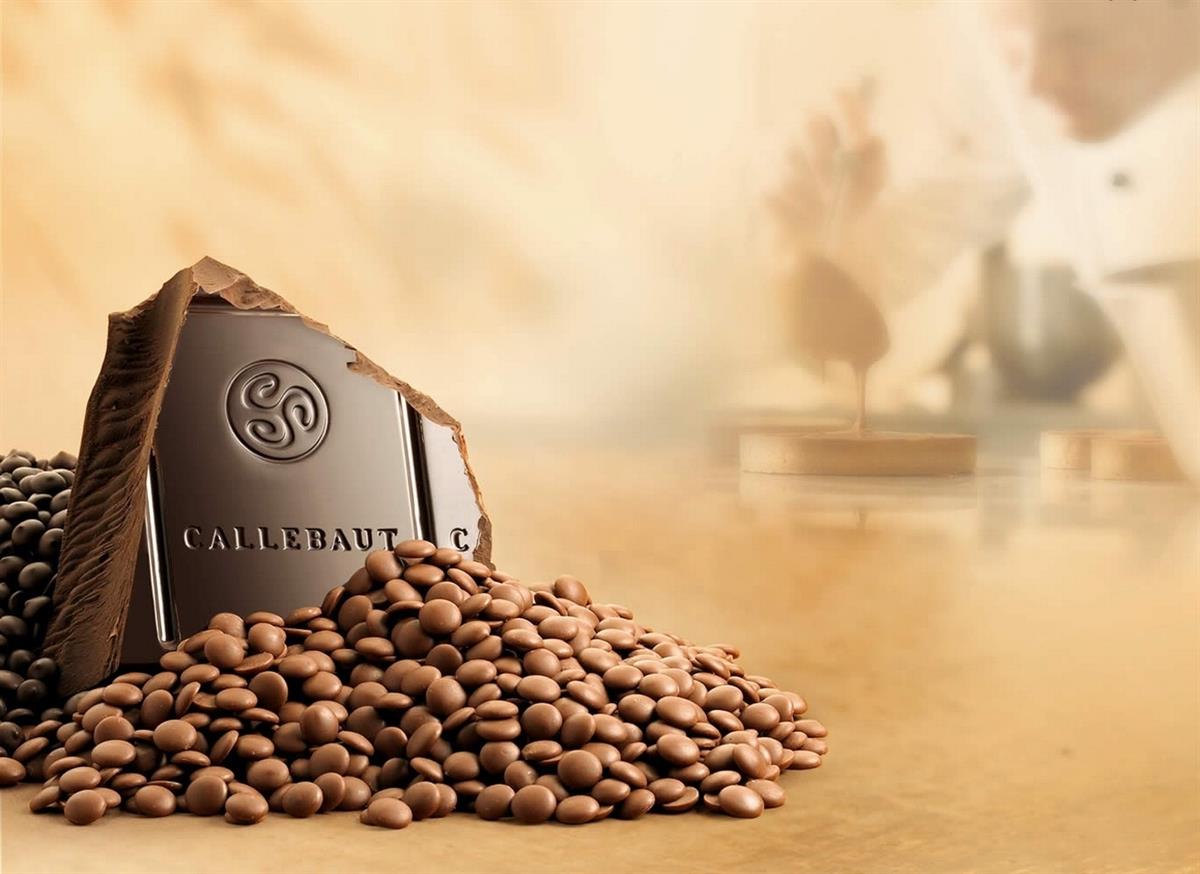
    Swiss confectionery manufacturer, Barry Callebaut, anticipates that the cocoa market will remain stable, despite the potential emergence of a strong El Niño weather pattern in the upcoming months. This statement was made by the company’s Chief Financial Officer, Peter Vanneste, earlier this week.

    The United Nations weather agency recently announced an increased likelihood of a powerful El Niño weather pattern emerging soon. This weather phenomenon is known to significantly impact the cocoa industry and could potentially elevate global temperatures. However, Vanneste maintains a positive outlook, stating that the circumstances differ substantially from those experienced during the 2023 and 2024 cocoa market crises.

    Stability Amidst Uncertainty

    “Unlike the situation in 2023/2024, when El Niño coincided with the primary harvest season and triggered a third consecutive year of cocoa deficit, we are currently in a position of significant surplus,” Vanneste explained. “We have large volumes of cocoa stocks ready for the upcoming harvest season.”

    In addition to maintaining a strong surplus, Barry Callebaut, which supplies key chocolate industry giants such as Nestlé and Hershey, has fortified its resilience by diversifying its sources, enhancing its cocoa bean blending capabilities, and implementing several financial measures.

    Monitoring Market Trends

    Vanneste also noted that his firm is keeping a keen eye on cocoa grind data. This is a key indicator of chocolate demand, particularly important as they approach the second quarter of the year.

    Recent data from May shows a 39.7% year-on-year increase in cocoa grinding in the Ivory Coast, the world’s largest cocoa producer. “The expectation is for this trend to continue,” said Vanneste. “However, it’s important to remember that demand recovery will take time. This is something we will be closely monitoring moving forward.”

    Questions & Answers

    What is the potential impact of a strong El Niño on the cocoa industry?
    A strong El Niño weather pattern can have profound effects on the cocoa industry, often disrupting cocoa production and leading to a deficit in supply.

    How has Barry Callebaut prepared for potential market instability?
    Barry Callebaut has fortified its market stance through origin diversification, increased sourcing flexibility, enhancing its cocoa bean blending capabilities, and implementing financial measures.

    What is the significance of monitoring cocoa grind data?
    Cocoa grind data serves as a proxy for chocolate demand. Monitoring this data allows companies to effectively track and forecast market trends.
  • Citi Banks on Vietnam’s Potential for Expanding Social Finance Sector

    Citi Banks on Vietnam’s Potential for Expanding Social Finance Sector

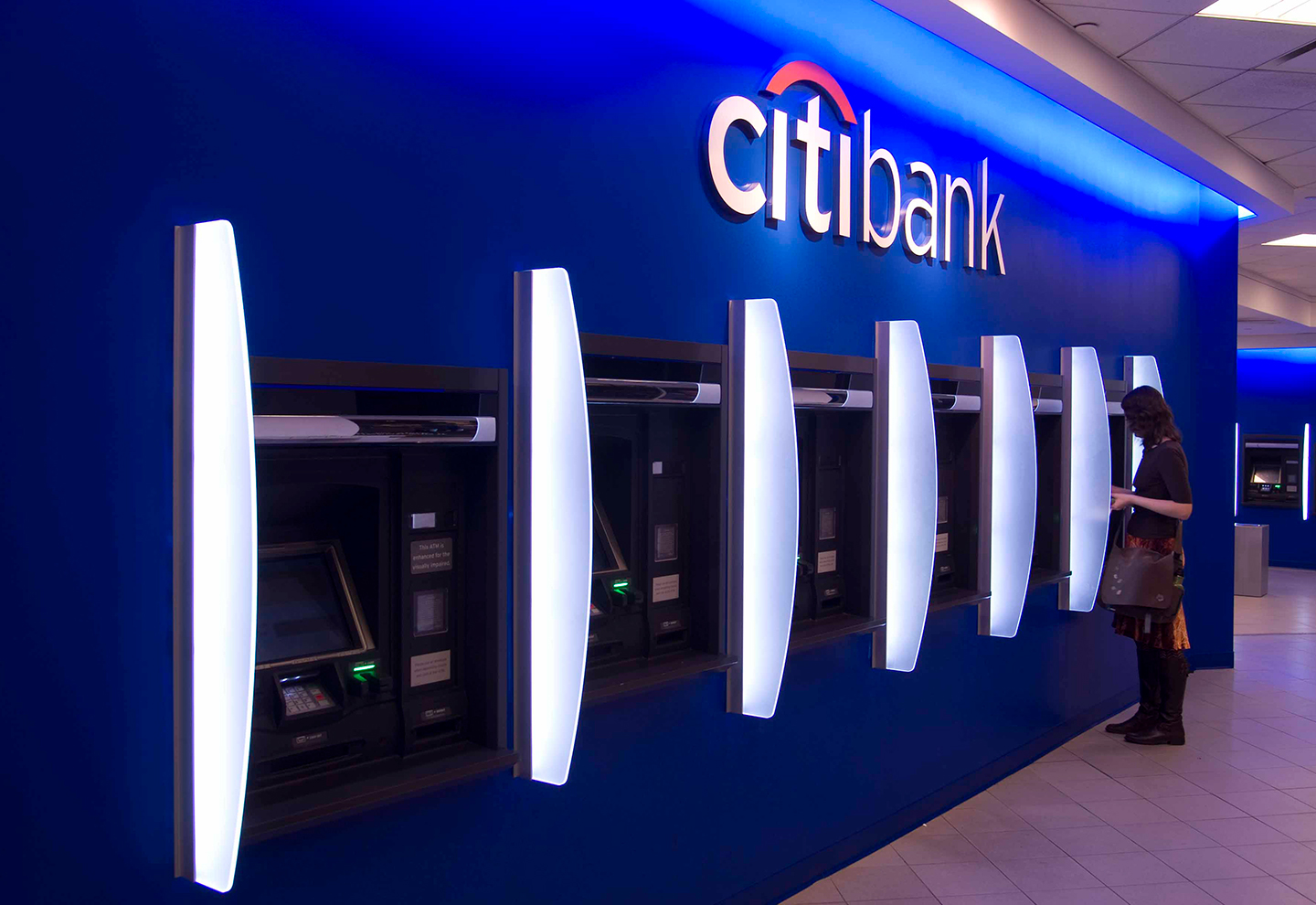
    Jorge Rubio Nava, Global Head of Citi Social Finance, recently outlined Citi’s global role in social finance and the prospects for growth in Vietnam and throughout Asia.

    Citi’s Impact in Social Finance

    Since its establishment in 2005, Citi Social Finance has been primarily focused on microfinance, later branching out to finance that enhances access to crucial services for overlooked communities. The venture has successfully mobilized over US$19.7 billion, positively impacting 22.7 million low-income and underserved families, including 12.3 million women in over 50 emerging markets.

    In 2021, the bank introduced its Global Social Finance Framework and, three years later, issued a $3 billion Social Finance Bond. Social finance’s goal is not just to provide funds but also to assure that these funds reach communities where they can foster inclusive economic development.

    Citi defines social finance as supporting projects that enhance access to vital services for underserved populations. This includes affordable infrastructure, housing, economic inclusion, education, food security, and healthcare. Each transaction under this umbrella is scrutinized against pre-set criteria and anticipated social outcomes, with the bank having developed internal guidelines for eligibility, financing structures, and impact measurement.

    Opportunities in Vietnam

    In Vietnam, Citi recently finalized two social trade finance transactions with BIDV and MB. These deals spotlight the significant opportunities in the country, where micro, small, and medium-sized enterprises (MSMEs) contribute more than 45% to GDP and over 60% to employment.

    Citi provided over $100 million in social trade advance facilities to BIDV and MB, intended to bolster the banks’ lending to MSMEs for working capital and income-generating activities. This contributes to business expansion and job creation. These transactions also showcased how social finance can be amplified through collaborations with local financial institutions.

    In addition to their banking partnerships, Citi is also engaging with corporate clients, such as a Vietnamese coffee company. Through a financing arrangement, they are supporting the company’s working capital while also helping expand market access for smallholder coffee farmers via its supply chain.

    Questions & Answers

    What was the purpose of Jorge Rubio Nava’s recent trip to Vietnam?
    The purpose of the visit was to engage with corporate clients and financial institutions to explore how social finance can aid in business growth.

    What is required for social finance to develop further in Vietnam and Asia?
    Continued client demand, transparency in the use of proceeds, measurable outcomes, consistent reporting, and scalability are crucial for the growth of social finance in the region.

    Does Citi plan to continue expanding its social finance activities in Vietnam and other parts of Asia?
    Yes, Citi intends to keep growing its social finance activities in Vietnam and Asia by partnering with clients to develop financing solutions that merge commercial viability with measurable social impact.

  • Allianz GI Sets Eyes on Asias Potential: The Future of Asset Management in Rising Eastern Economies

    Allianz GI Sets Eyes on Asias Potential: The Future of Asset Management in Rising Eastern Economies

    The Asia-Pacific region is becoming a major focus for Allianz Global Investors (Allianz GI) as global growth trends shift eastward. The firm’s CEO, Tobias C. Pross, asserts that Asia remains one of the few regions where structural growth opportunities are still present despite geopolitical challenges and the slowing growth of Western economies.

    Allianz GI’s Growing Presence in Asia

    Allianz GI has been continually expanding its footprint across the Asia-Pacific region, as the firm sees the area’s growth dynamics moving away from conventional Western markets. Pross highlights that whenever growth is discussed in an inflationary context, the Asia-Pacific region stands out prominently.

    The firm has seen a promising start to 2026, reporting approximately €8 billion in net inflows during the first quarter, which has pushed the assets under its management above €600 billion for the first time.

    The company’s recent initiatives include investments in China, Indonesia, and Taiwan, launching new active ETF capabilities, and inaugurating a new office in South Korea. Julie Koo, former Citi executive, has been brought onboard as the Head of Asia Pacific to further strengthen Allianz’s leadership team in the region.

    Investment Opportunities and Market Expansion

    Allianz GI perceives Asia as a long-term source of investment opportunities and client growth, rather than just a distribution market. While some global investors have started to tread cautiously in the China market, Pross affirms that Allianz GI is still dedicated to China, seeing periods of geopolitical uncertainty as opportunities for active managers.

    Allianz GI is also expanding its private markets platform to offer access to infrastructure, private credit, and private equity strategies to a broader range of investors. Pross noted that demand is growing across Asia, as private banks, insurers, and wealthy individuals explore alternative income sources and diversification.

    Furthermore, Allianz GI views artificial intelligence as a significant investment area. The company is developing a global data platform and proprietary large language models to enhance investment research and portfolio management.

    Questions & Answers

    What is Allianz GI’s growth strategy for the Asia-Pacific region?
    Allianz GI aims to expand its presence by investing in key markets such as China, Taiwan, and Indonesia, and by launching new active ETF capabilities. The firm also plans to strengthen its leadership team in the region.

    How does Allianz GI view the China market?
    Despite some investors’ growing caution, Allianz GI remains committed to the China market. The firm believes that periods of geopolitical uncertainty often create opportunities for active managers.

    What role does artificial intelligence play in Allianz GI’s strategy?
    Allianz GI is significantly investing in artificial intelligence. The firm is developing a global data platform and proprietary large language models to enhance its investment research and portfolio management.

  • Starbucks Considers Billion-Dollar Stake Sale in Japan: Potential Bidders Emerge

    Starbucks Considers Billion-Dollar Stake Sale in Japan: Potential Bidders Emerge

    Starbucks, the prominent Seattle-based coffee chain, is contemplating various strategies concerning its Japanese operations, which could potentially involve selling its stake in the region. This business decision could garner attention from other industry contenders and private equity companies.

    Valuation estimates for the potential stake sale hover around ¥400 billion (A$3.5 billion) to A$4.4 billion. However, Starbucks has yet to respond to inquiries regarding these speculations, leaving industry analysts and investors awaiting official correspondence.

    A brief look back reveals that the coffee company took full control of Starbucks Coffee Japan Ltd in 2014. This entity was previously a joint venture between Starbucks and its partner, Sazaby League, a partnership that began in 1995.

    In relation to Starbucks’ other international dealings, the company concluded an agreement with Boyu Capital in April to sell the majority of its Chinese operations. This decision placed a value of approximately A$5.6 billion on the business.

    Despite posting its most robust quarterly sales growth in over two years this past April, Starbucks faces increasing costs. This is largely due to CEO Brian Niccol’s turnaround strategy. As a result, uncertainties linger regarding the pace at which profit margins can rebound.

    Questions & Answers

    What is Starbucks currently considering for its Japanese operations?
    Starbucks is considering various options, including potentially selling its stake in its Japanese business.

    What is the estimated value of the potential stake sale?
    The potential stake sale is anticipated to be valued between ¥400 billion (A$3.5 billion) and A$4.4 billion.

    What challenges is Starbucks currently facing?
    Despite recording strong sales growth, Starbucks is experiencing increased costs due to CEO Brian Niccol’s turnaround strategy. This has led to concerns about how quickly the company’s profit margins can recover.

  • Strawberry Boom: Vietnam’s Berry Exports Skyrocket 2000-fold in 2026, Unlocking New Potential in Fruit Market

    Strawberry Boom: Vietnam’s Berry Exports Skyrocket 2000-fold in 2026, Unlocking New Potential in Fruit Market

    In the opening months of 2026, the export value of strawberries soared to a whopping US$3.4 million. This figure is a substantial increase from the previous year, with a growth margin of 2,000 times. Despite the significant leap, strawberry exports only made up a minor 0.34% of the total fruit exports as per the customs data.

    Yearly Export Overview

    Throughout the entirety of the previous year, the export value of the fruit totaled only $1.74 million. This is a considerable leap from the meager $6,000 earned from exports in 2021. Dang Phuc Nguyen, the General Secretary of the Vietnam Fruit and Vegetable Association, pointed out that Vietnamese strawberries make their way to various international markets. These include China, South Korea, Japan, Singapore, Malaysia, Thailand, the EU, and the Middle East.

    The majority of the exported strawberries were either frozen, freeze-dried, or processed, as these forms are easier to preserve and transport. Nguyen emphasized the considerable growth potential of this product if improvements can be made in quality and preservation techniques.

    Major Production Regions

    Lam Dong Province in the Central Highlands and the Son La province in the northwestern region are the leading producers of strawberries that meet GlobalGAP quality standards. Son La covers a wide 600 hectares with strawberry cultivation, producing around 10,000 tons per year, while Lam Dong utilizes a smaller 170-hectare area.

    Several other regions, including Hanoi, have begun to cultivate strawberries using smart farming models. Nguyen Xuan Nam, a representative of the Xuan Que Strawberry Cooperative in Son La, stated that the cooperative’s 17 members collectively manage a 50-hectare area, which produces an annual yield of 1,250 tons.

    Utilization and Market Challenges

    The harvested strawberries are typically processed into wine, syrup, and dried products. These goods are either locally distributed to Ho Chi Minh City or exported to international markets like Russia and Thailand. However, Nam reported that domestic sales and exports have been sluggish due to high yields and low market prices, causing financial losses for numerous strawberry growers.

    To counter these market challenges, Nam urged the development and implementation of policies to support advancements in preservation technologies, which would stimulate export growth. He believes that promoting exports at stable prices could provide farmers with a more predictable and secure income.

    As per the Fruit Association’s Nguyen, addressing challenges in preservation, logistics, and market expansion could pave the way for strawberries to become a major agricultural export product for Vietnam. This would help the country diversify its export portfolio, which currently mainly comprises traditional fruits like durian, mango, dragon fruit, and banana.

    Questions & Answers

    What is the export value of strawberries in the first two months of 2026?
    The export value of strawberries in the first two months of 2026 was US$3.4 million.

    What forms of strawberries are mainly exported?
    Mainly, frozen, freeze-dried, or processed strawberries are exported due to their ease of preservation and transport.

    What are the primary challenges facing the strawberry export market in Vietnam?
    The primary challenges include preservation, logistics, and market expansion. There is also a need for stable pricing to provide predictability and security for farmers.

  • Unilever Courts McCormick for Potential Mega-Deal: A $33 Billion Foods Business at Stake

    Unilever Courts McCormick for Potential Mega-Deal: A $33 Billion Foods Business at Stake

    Unilever, a multinational consumer goods corporation, has confirmed that it is in discussions with McCormick & Company regarding the potential sale of its food division. The company has made this admission in response to ongoing rumours about the possible transaction, but has also made it clear that the completion of the deal is not guaranteed.

    Value of Unilever’s Food Business

    Unilever’s food business, which comprises around a quarter of the corporation’s annual revenue, is considered to be a very appealing acquisition. Brands like Hellmann’s, Colman’s, and Knorr form its diverse portfolio. If McCormick & Company were to acquire this business, it would represent the most costly purchase in their 137-year history.

    The food business is seen as a robust entity with a strong financial profile. The company’s management is confident about the future prospects of the food division, citing the presence of several market-leading brands in burgeoning categories as significant strengths.

    Unilever’s Future Growth Priorities

    In the company’s 2025 financial results report, Fernando Fernandez, the newly appointed CEO of Unilever, outlined the corporation’s objectives. Under his leadership, Unilever plans to build a future-oriented brand portfolio that focuses on beauty, wellbeing, and personal care. Premium segments and digital commerce will be the areas of priority. The company aims to root its growth in the US and India markets.

    Bloomberg has estimated the value of Unilever’s Food Business to be around $33 billion, which is more than double the market cap of McCormick, which stands at $14.5 billion.

    Questions & Answers

    What is the estimated value of Unilever’s Food Business?
    The estimated value of Unilever’s Food Business is $33 billion, according to Bloomberg.

    What brands are part of Unilever’s Food Business?
    Unilever’s Food Business includes brands such as Hellmann’s, Colman’s, and Knorr.

    What are Unilever’s growth priorities as set out by its new CEO?
    Unilever’s new CEO, Fernando Fernandez, has identified the development of a future-oriented brand portfolio focusing on beauty, wellbeing, and personal care as a major priority. The company also plans to prioritize premium segments, digital commerce, and growth in the US and India markets.

  • Exploring Australia’s Potential Crackdown on Infant Formula Ads: A Move to Protect Breastfeeding Rates

    Exploring Australia’s Potential Crackdown on Infant Formula Ads: A Move to Protect Breastfeeding Rates

    The Australian federal government is currently seeking public feedback on the possibility of enacting laws to regulate the marketing of infant formula in the country. This consultation process is open for submissions until the 10th of April.

    The Background

    Prior to February 2025, a voluntary agreement had been set in place in which Australian formula brands pledged not to advertise formula products for infants aged 12 months or less. This agreement was instituted as part of an effort to encourage and safeguard breastfeeding practices. However, recent statistics have shown that the rates of breastfeeding in Australia are not as high as desired. This has prompted the government to consider not renewing the voluntary agreement and instead, exploring more stringent measures.

    These proposed measures are not intended to explicitly promote breastfeeding. The main objective is to curb marketing practices that present formula as a better or equivalent alternative to breastfeeding.

    The Problem with Formula Advertising

    Breastfeeding offers numerous health benefits for both the mother and child. These include protection against gastrointestinal and respiratory infections for newborns, decreased risk of obesity and type 2 diabetes later in life for the child, and a lower risk of ovarian and breast cancer for the mothers.

    In light of these benefits, Australian guidelines propose exclusive breastfeeding for the first six months of a child’s life. Additionally, the World Health Organization recommends continued breastfeeding for the first two years.

    Despite high rates of breastfeeding at birth in Australia, these rates significantly decrease over time. In 2022, it was reported that only 37% of babies were exclusively breastfed by the time they reached six months.

    There are various reasons why mothers choose not to breastfeed, but the advertising of formula products is a key area of concern. It has been found to muddle parents’ understanding of the nutritional benefits of breastfeeding versus formula, reduce the initiation and duration of breastfeeding, and position formula as a more favorable solution to breastfeeding challenges.

    The Role of Online Advertising

    Online advertising operates differently from traditional forms of advertisement. Online ads target individuals based on their search history, browsing activities, or significant life events. As such, they can reach new or expectant parents at times when they may be most uncertain or susceptible to suggestions.

    Analysis of Infant Formula Ads

    An analysis of online formula advertisements targeting parents in Australia was conducted by the ADM+S Australian Ad Observatory. The study found that formula brands used various tactics to appeal to parents. These included highlighting positive customer reviews, offering free downloadable resources such as cookbooks and baby proofing guides, and partnering with prominent retailers to direct individuals to online shopping platforms.

    Potential Government Actions

    The government is contemplating several options, including maintaining the status quo with no regulation, introducing legislation that mirrors the former voluntary agreement, or introducing legislation that also restricts the marketing of toddler milk for children aged one to three years.

    Questions & Answers

    What are the benefits of breastfeeding for mothers and children?
    Breastfeeding offers significant health benefits, including protection against gastrointestinal and respiratory infections for newborns, decreased risks of obesity and type 2 diabetes later in life for the child, and a reduced risk of ovarian and breast cancer for the mother.

    Why is the advertising of infant formula products a concern?
    Advertising can confuse parents about the nutritional benefits of breastmilk versus formula, decrease the initiation and duration of breastfeeding, and present formula as a more favorable solution to breastfeeding challenges.

    What potential actions is the Australian government considering?
    The government is considering several options including maintaining the status quo with no regulation, introducing legislation that mirrors the former voluntary agreement, or introducing legislation that also restricts the marketing of toddler milk for children aged one to three years.

  • Yum Brands Eyeing Potential Pizza Hut Sell-Off Amid Underperformance

    Yum Brands Eyeing Potential Pizza Hut Sell-Off Amid Underperformance

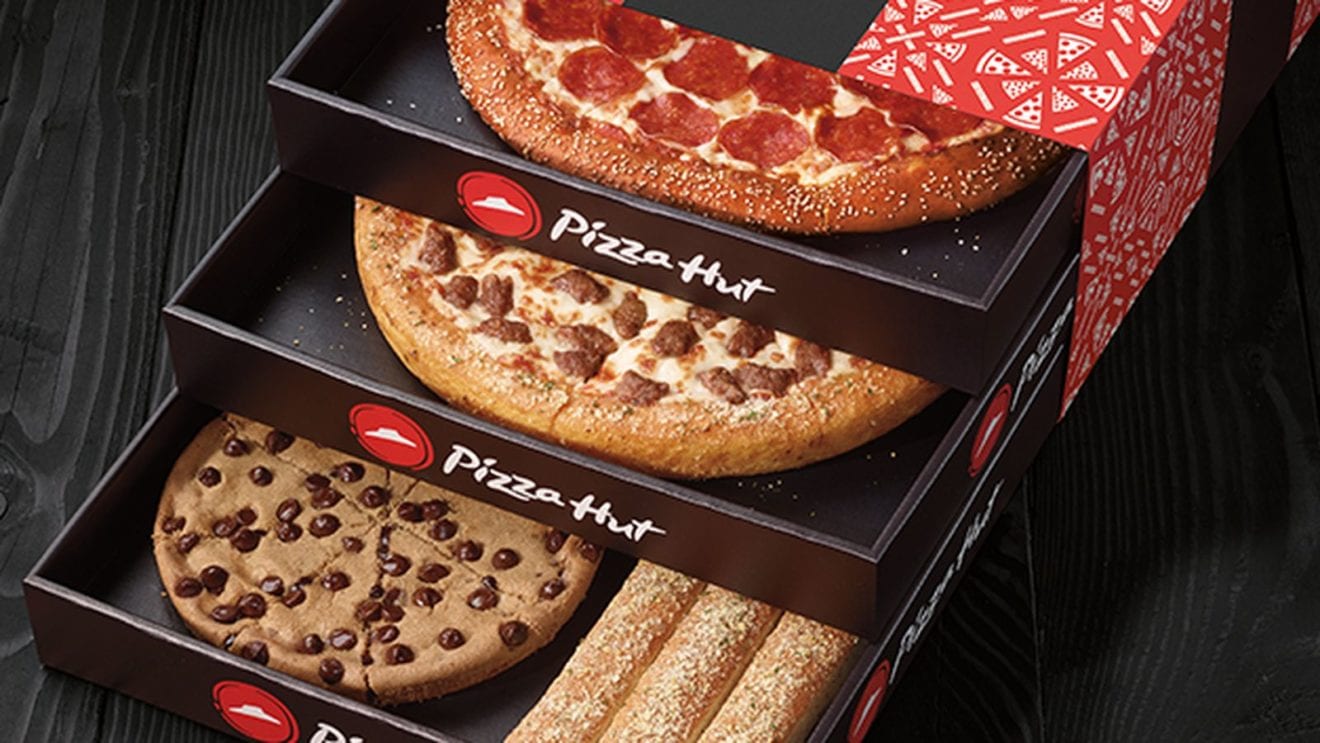
    Yum Brands, the parent company of Pizza Hut, is currently exploring strategic alternatives for its pizza arm, which may include a potential sale. This move comes as Pizza Hut’s performance has been an underwhelming aspect of the business, failing to match the success of other sectors within the company.

    Strategic Review Initiated

    On Tuesday, Yum Brands disclosed that the company had commenced a formal evaluation of strategic alternatives for Pizza Hut. The purpose of this review is to unlock the brand’s full potential and optimise the value for the company’s stakeholders.

    In a statement, Christopher Turner, Yum Brands’ CEO, noted the Pizza Hut team has been diligently tackling business and category-specific challenges. However, the brand’s performance suggests that further action is required to unlock its full value. He further hinted that these goals might be more effectively achieved if Pizza Hut was not under the Yum Brands umbrella.

    A New Approach

    Turner stated that a new approach, which could potentially involve selling the business, may allow Pizza Hut to realise its full potential. However, he did not elaborate on what other approaches might be under consideration.

    Yum Brands has noted that no specific timeline has been set for the completion of this strategic review. Likewise, the company has not guaranteed that this process will result in a transaction.

    For guidance on this strategic review, Yum Brands has engaged the services of Goldman Sachs and Barclays as their financial advisors.

    Questions & Answers

    Why is Yum Brands considering selling Pizza Hut?
    The company is exploring different strategic options for Pizza Hut, including a potential sale, to maximise the brand’s potential and the value for the company’s shareholders.

    What is the timeline for this strategic review?
    Yum Brands has not set a specific deadline for the completion of the review.

    Has Yum Brands guaranteed that this review will result in a transaction?
    No, the company has stated that there is no assurance that the review process will lead to a transaction.

  • Great Potential in Indonesia’s Modern Retail, Food & Beverage Sectors

    Great Potential in Indonesia’s Modern Retail, Food & Beverage Sectors

    In 2017 turnover in Indonesia’s processed food and beverage industry is expected to grow by 8 percent (y/y) to IDR 1,400 trillion (approx. USD $108 billion) from an expected IDR 1,300 trillion in 2016. Meanwhile, the nation’s modern retail industry is projected to expand in the range of 10 – 15 percent (y/y) to IDR 225 trillion (approx. USD $17.3 billion).

    Tutum Rahanta, Deputy Chairman of the Indonesian Retailers Association (abbrev. Aprindo), says the combination of accelerating macroeconomic growth and controlled inflation are the main supporters for growth of Indonesia’s modern retail sector. In 2016 Indonesia’s gross domestic product (GDP) is expected to expand by 5.1 percent (y/y) up from the realization of 4.79 percent (y/y) in 2015. Recently, the World Bank announced it sees the Indonesian economy growing further by 5.3 percent in 2017 and 5.5 percent in 2018.

    Aprindo Chairman Roy Nicholas Mandey added that after several years of economic slowdown, the retail sector of Indonesia has been recovering in 2016 on the back of low domestic energy prices (electricity, gas and fuel), the stronger rupiah exchange rate (versus the US dollar), rising government spending (on infrastructure development), low inflation (around 3 percent y/y), and accelerating economic growth. Due to these factors members of Aprindo have been eager to expand their businesses this year.

    Based on a Bank Indonesia (BI) survey, Indonesia’s retail sales grew 14.4 percent (y/y) in August 2016, supported by sales of non-food items, extending the promising trend recorded in the preceding month (retail sales growth at +15.7 percent y/y). However, this survey also signals that retailers expect retail sales to slow in November 2016 due to rising inflation (a seasonal phenomenon).

    Adhi Lukman, General Chairman of the Indonesian Food and Beverage Association (GAPMMI), agrees and expects the processed food and beverage Industry of Indonesia to rise by at least 8 percent (y/y) provided the government will not implement any policies that could undermine this growth (for example, the government once uttered the idea to implement a plastic excise tax). Besides the five above-mentioned factors, Lukman added that rebounding commodity prices also boost people’s purchasing power.

    Lukman is also optimistic that direct investment in Indonesia’s processed food and beverage industry will surpass IDR 50 trillion in 2016, up 16 percent from IDR 43 trillion in 2015. However, investors urge authorities to lower interest rates as that would make business expansion much more affordable. Lukman emphasized that Indonesian authorities need to be consistent and committed (for example through effective implementation of the economic policy packages) in order to support this industry and thus be able to compete with counterparts in Malaysia and Thailand.

    Indonesian Modern Retail Industry:

    2013 2014 2015 2016¹ 2017¹
    Turnover
    in IDR trillion
     148  168  181  200  225

    ¹ indicates forecast

    Indonesian Food & Beverage Industry:

    2015 2016¹ 2017¹
    Sales
    in IDR trillion
    1,209 1,300 1,404

    ¹ indicates forecast

  • Indonesia is ASEAN eCommerce sleeping giant

    Indonesia is ASEAN eCommerce sleeping giant

    Indonesia is the most-promising ASEAN eCommerce market, according to Hong Kong-based consultant Paul McKenzie.

    He told a seminar in Bangkok, organised by brokerage and investment group CLSA, that Indonesia has the greatest potential because of its developing infrastructure and private equity advantage.

    Thailand is a little behind, he said, with the eCommerce landscape growing but not to the same scale as Indonesia.

    “It’s simply too early right now for The Philippines – there are not enough big and efficient companies in the market, and Malaysia’s market is just too small,” said McKenzie. However, Malaysia had less of a potential void for eCommerce as offline retail penetration was even higher than China.

    His talk focused on the “e-liftoff”’ of ASEAN countries, corresponding with a CLSA report published last year, and he predicted that the ASEAN eCommerce market would grow in terms of IPO, which would make it more appealing for investors.

    He also spoke about the Line app being essential to eCommerce in the ASEAN region. “More than 60 per cent of Thais 14 years and older are on Line, and mobile is the future of online shopping.”

    He predicted that within the next few years, mobile will be even more important in ASEAN than it now is in China. He said a third of online transactions were made on mobile, and 50 per cent of online browsing was done on mobile, lagging behind China by only a year.

    He said further progress was being hindered by slow data speeds, with users complaining about transactions being dropped and pages not loading. Another problem was that most shoppers in the region did not have credit cards.

    McKenzie said ASEAN countries had being doing well with delivery in the main centres, which meant there was a market for more warehouses or logistical services.

    Meanwhile, 1200 retailers, eCommerce and fulfilment company representatives gathered at the two-day Last Mile Fulfilment Asia conference in Singapore. Speakers included CEO Paul Srivorakul and CLO Mitch Bittermann from the Thai eCommerce solutions provider aCommerce Group, which has started expanding in Indonesia.

    “The changes in the Indonesian market are happening much faster when compared to other regions in Southeast Asia,” Srivorakul says on a company blog. “A lot of investment is taking place in Indonesia’s eCommerce infrastructure, cash-on-delivery networks and third-party logistics (3PL) systems.”

    The company has a presence in four countries in Southeast Asia: its home market as well as Indonesia, The Philippines and Singapore. Of its 200 clients, 120 are in Indonesia. Major clients include BerryBenka, Blibli.com, Elevenia, Mitra Adi Perkasa and L’Oreal. The company has about 500 employees in Indonesia, and runs two multi-client fulfilment centres as well as a 5000 sqm fulfilment centre for Lippo Group’s eCommerce arm MatahariMall.

    The company is also preparing to launch a four-level fulfilment centre in the next two months, which will increase the country’s warehouse capacity by 17,000 sqm, bringing the total to 32,000 sqm.