Retail News CRM

Tag: premium

  • Telegram announces new Premium plan coming in June

    Telegram announces new Premium plan coming in June

    What started as a rumor a few months ago has become reality this week: Telegram is going Premium. Well, the free tier will remain available as is, but a paid tier will also be added which will offer some extra features, resources and speed.

    Telegram’s founder and CEO, Pavel Durov, announced today that his company will introduce a Premium tier this month, but he did not make any mentions regarding the price. Previous rumors pointed to a possible $5/month subscription for those who want Telegram Premium, but the information hasn’t been confirmed yet.

    What we do know is that all existing features will remain free, and even users who don’t subscribe to Telegram Premium will get some of its benefits, such as the ability to view extra-large documents, media and stickers sent by Premium users, as well as the option to tap to add Premium reactions already pinned to a message to react in the same way.

    The addition of a Premium tier is meant to keep existing features free while offering those who want more the chance to acquire those extra features they need, at least according to Telegram. On top of that, a Premium subscription will allow users to support eh app and receive new features before those who use Telegram for free.

    We will probably never know whether the move is meant to simply support the extra resources Telegram will spend to add those new features or the company plans to actually make money to pay the bills. The bottom line is that even Telegram’s CEO believes that the app “should be funded primarily by its users, not advertisers,” which implies that the amount of ads will remain limited.

  • Owndays launches premium concept store in Singapore

    Owndays launches premium concept store in Singapore

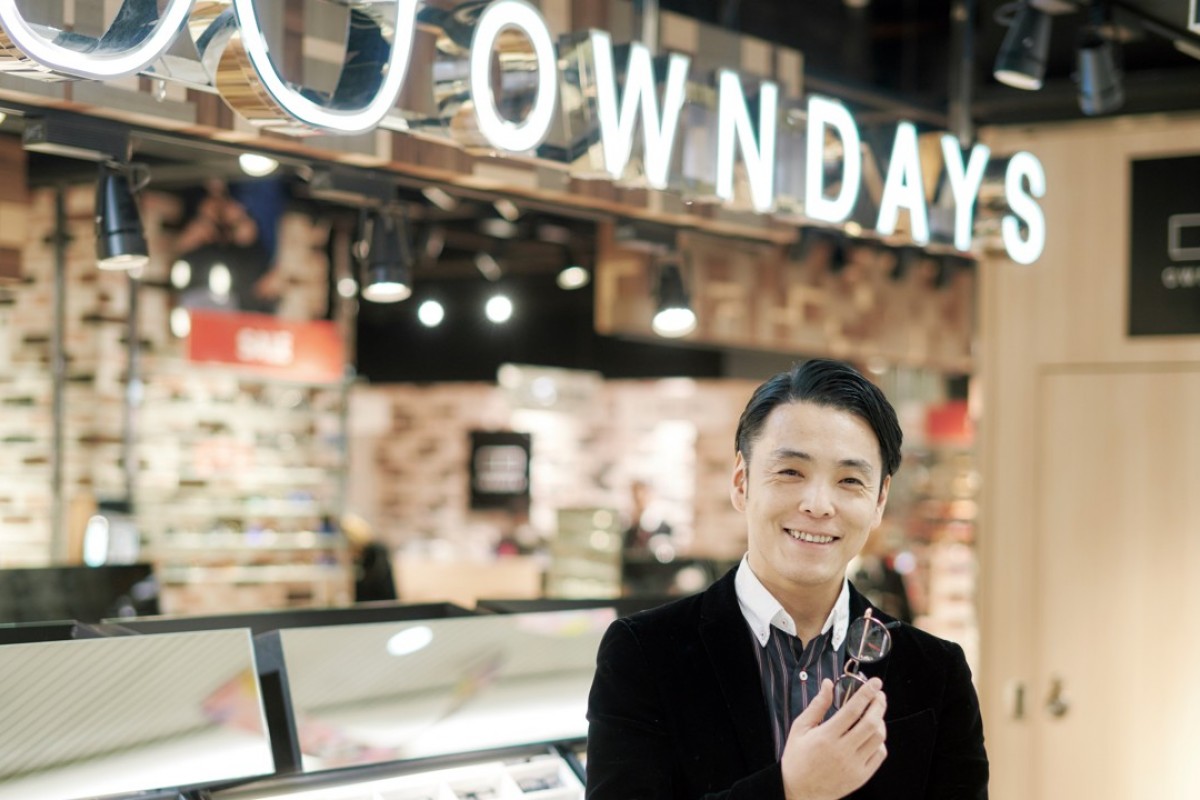
    Japanese fast fashion eyewear brand, OWNDAYS, is pleased to announce the opening of a new store at Takashimaya S.C., Ngee Ann City. This will be the brand’s second premium concept store in the world and its 33rd store in Singapore. The new store will open to public on 20 May 2022 and will house a collection of made-in-Japan eyewear and premium ophthalmic lenses curated exclusively for its premium concept stores.

    The Takashimaya S.C. store mirrors the concept of “Japanese Luxury” originally introduced at its first premium concept store at Marina Bay Sands, offering a premium eyewear shopping experience topped with Japanese hospitality and an extended product offering. Drawing inspiration from Ryoanji Temple, an UNESCO World Heritage Site and a popular attraction in Kyoto, Japan known for its famous rock garden, the new store features a distinct Japanese-styled aesthetics that pays homage to the origins of the brand while incorporating a touch of luxury.

    The main retail floor is flanked by a dry landscape complete with rock arrangements, gravel, moss and shrubs to achieve the Zen Garden interior. Beige wood elements are also heavily featured in the store interior to emphasise a sense of traditional Japanese-ness.

    Také Umiyama, Managing Director/COO of OWNDAYS INC. said, “The Takashimaya S.C. store reflects the core value of OWNDAYS, which is to constantly evolve and innovate in order to deliver quality eyewear to consumers at the best value. With a store that is located right in the heart of Orchard Road, it allows us to make well-designed, good quality eyewear more accessible to our customers. Besides, the new store is a space where we hope local consumers could enjoy a complete Japanese experience without having to physically travel to Japan. We welcome customers to visit the store even when they are not looking to purchase any spectacles and just to feel transported to Japan.”


  • Boss launches NFT in social impact project

    Boss launches NFT in social impact project

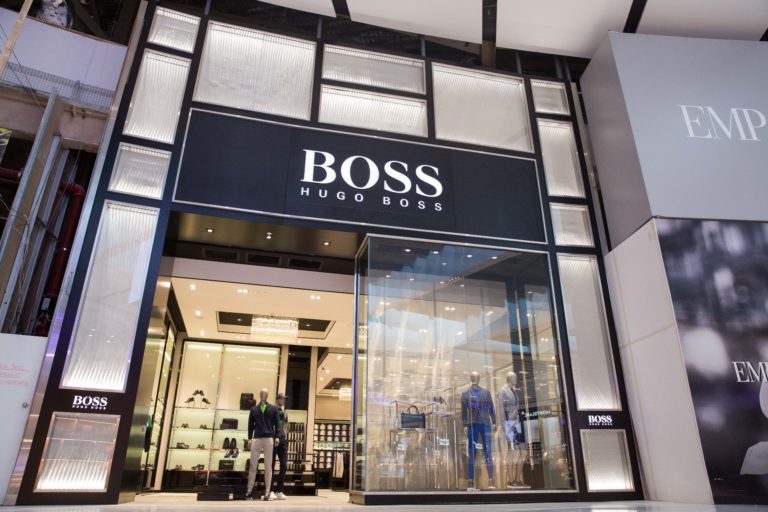
    Premium fashion brand Boss has collaborated with NFT company Boss Beauties to introduce the Boss x Boss Beauties Dream Like a Boss program, which aims to mentor young women.

    One of the Boss Beauties NFTs is on auction until March 12 and the revenue will be donated to the co-created mentorship program. In addition, a limited-edition T-shirt featuring the NFT is being sold on Boss’s website, with a share of sales going to the Dream Like a Boss program.

    According to Boss, the collaboration is an opportunity for both brands “to provide young women from historically marginalised and underrepresented groups with invaluable skills and insights for their professional development.”

    The program will offer mentorship talks, along with real-life business experiences by executives at Hugo Boss and all mentees will be funded by the Boss x Boss Beauties auction.

    “Establishing the Dream Like a Boss program will allow us to give back to our communities, to provide a space for creativity and growth, and to amplify voices that echo our brand values in a supportive and inclusive way,” said Rashmi Verma, head of global diversity and Inclusion at Hugo Boss.

    “Joining forces with Boss Beauties is an important step in creating equal opportunities for all women, and this is just the beginning of many great things to come.”

  • YouTube Music, Premium launches annual subscription

    YouTube Music, Premium launches annual subscription

    Google has long been offering YouTube Premium and YouTube Music monthly account memberships, where users can subscribe and pay every month for access to millions of songs and videos for ad-free viewing and downloading.

    As of today, YouTube is officially rolling out a new subscription option to users across the board of both these paid YouTube services. In addition to monthly subscriptions, YouTube Premium and YouTube Music will now also offer subscriptions on a yearly basis, which will end up saving long-term users a good bit of money in the long run.

    So, how much money will the new annual subscription actually save you, compared to a monthly plan? Turns out, as part of the initial launch hype, Google is offering a limited-time discounted price, which will last for 6 days before it expires.

    Only until January 13, new users can benefit from an annual YouTube Premium plan priced at $107.99. Compared to the $11.99-per-month regular price, it offers a savings total of $3 per month, adding up to $36 of savings over 12 months.

    The YouTube Music yearly plan is slightly cheaper, coming in at $89.99 each year, or $2.50 less per month than the monthly subscription (for annual savings of $30).

    After the offer expires on January 13, we expect users can still enjoy decent rates for the yearly plan, but they will more than likely be less cost-effective than the current prices.

    Keep in mind that if you’re already subscribed to a monthly YouTube Premium/Music plan, though, you can’t just switch to the yearly subscription. You’d have to completely cancel your current plan, and then re-sign up to the new one. It’s definitely a slightly more time-consuming process, but still definitely worth considering.

    It should be noted that the yearly subscription plan is currently only available in the United States, Canada, Mexico, Brazil, Russia, Turkey, Germany, Thailand, India, and Japan.

  • Google TV gains 300 free live TV channels, offers Peacock Premium for free

    Google TV gains 300 free live TV channels, offers Peacock Premium for free

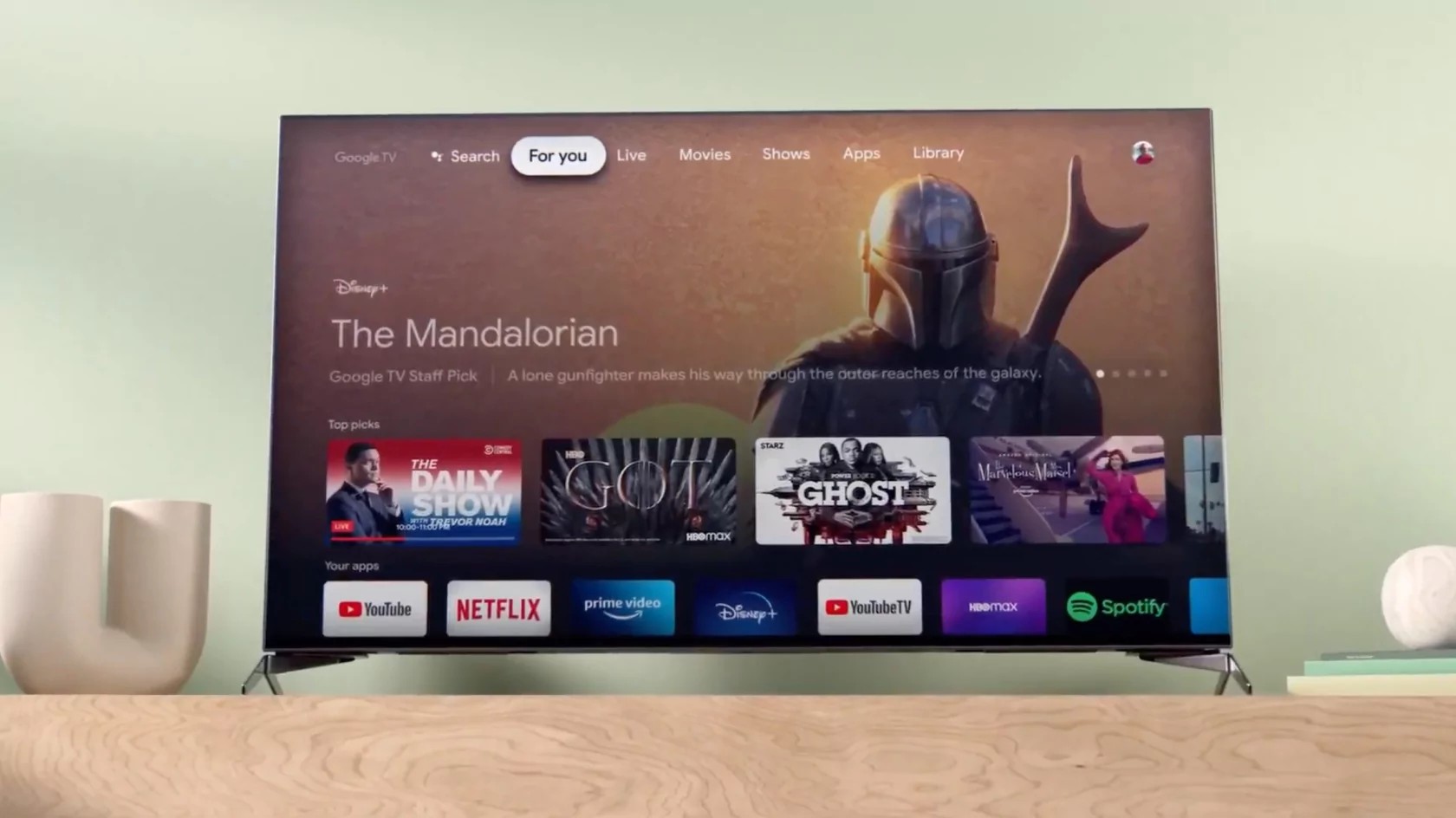
    Google made a surprising announcement early this week concerning its Google TV service in the United States. The Mountain View company teamed up with Pluto TV to offer Google TV users access to more than 300 free live TV channels.

    The new channels will be available via the Live tab, but Google TV users can also check out the Free Live TV recommendations in the For You tab. According to Google, the integration with Pluto TV will be accessible on all Google TV devices in the coming weeks.

    In other news, Google now offers six months of Peacock Premium at no extra cost. For a limited time, those who activate a new Google TV (or other Android TV OS device) in the United States will get the Peacock Premium service for free for six months. After the deal runs out, customers will have to pay $4.99 per month plus tax, but the subscription can be canceled at any time.

    If you’re a Google TV user, expect even more nice surprises next year, as Google plans to bring more ways to watch for free. Meanwhile, check out the new free live TV channels and enjoy the Peacock deal if you’re a new Google TV user.

  • L’Occitane takes majority stake in beauty brand Sol de Janeiro

    L’Occitane takes majority stake in beauty brand Sol de Janeiro

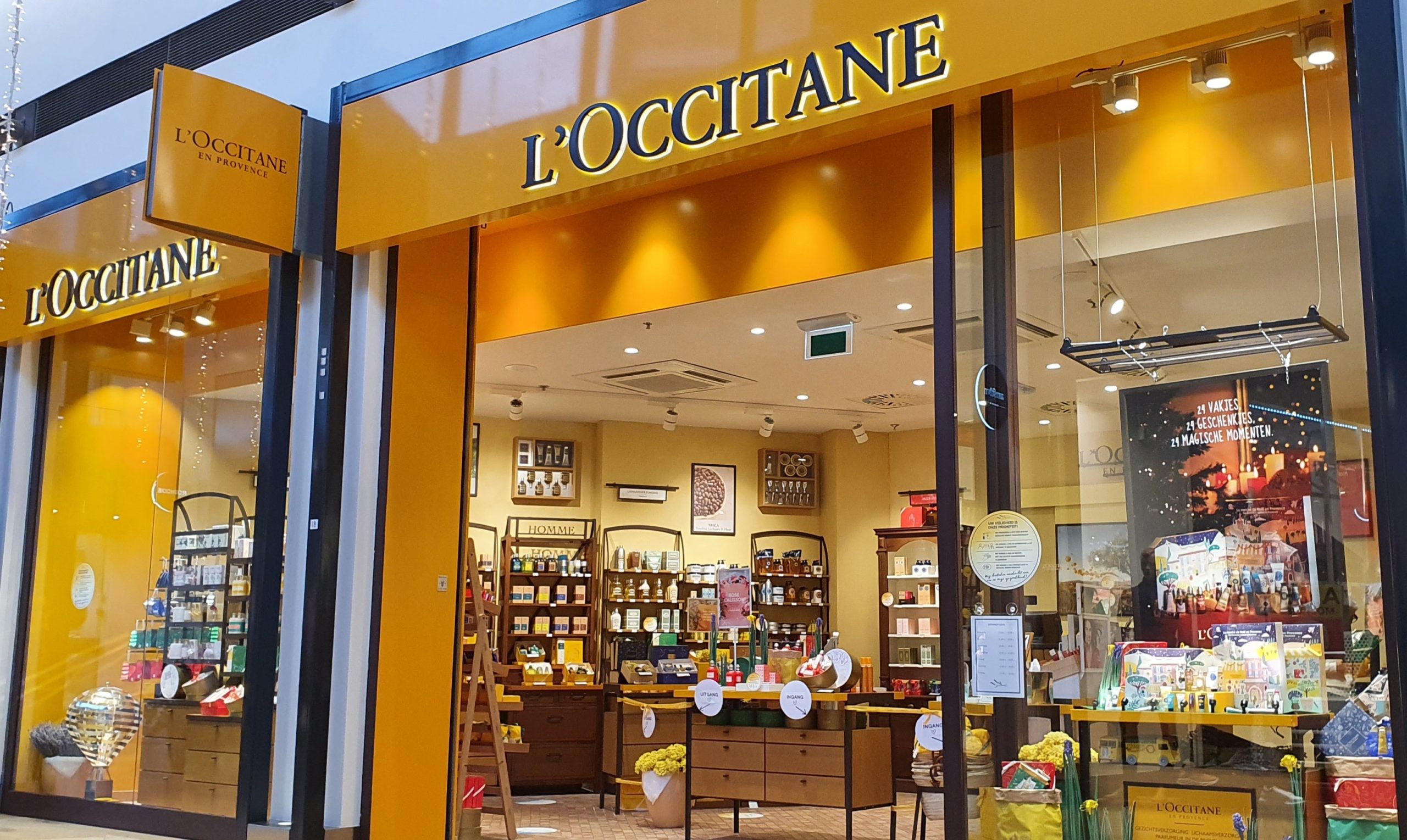
    The L’Occitane group has acquired an 83 percent stake in Brazilian-inspired body care brand Sol de Janeiro as part of a strategy to expand its premium beauty offer.

    Upon the deal’s closure, Sol de Janeiro will become a majority-owned subsidiary of L’Occitane group. The value of the deal has not yet been disclosed.

    L’Occitane said Sol de Janeiro is a strategic fit in terms of brand recognition and identity, product quality, management capability, as well as growth, profitability, and cash generation prospects.

    “With a compelling brand story and an experienced and entrepreneurial management team, Sol de Janeiro reflects our values and premium beauty image,’ said Andre Hoffmann, vice chairman & CEO of L’Occitane.

    “Sol de Janeiro’s digital presence and established body care business are complementary to the group’s balanced geographical strategy to build a portfolio of strong brands in all major geographical regions,” the company said in a statement.

    Sol de Janeiro is expected to strengthen L’Occitane’s international presence to expand into new markets.

    Founded in 2015 in the US, Sol de Janeiro has become one of the fastest-growing premium skincare brands in North America and is known for its body care, fragrance, and hair care products designed for multi-generational consumers.

  • New Spotify subscribers get 3 months of Premium Music for Less than a Dollar

    New Spotify subscribers get 3 months of Premium Music for Less than a Dollar

    With a whopping 100 million paying subscribers under its belt, Spotify is unlikely to be worried about rival music streaming platforms from Pandora or Amazon, which have been frequently treating new users to killer introductory deals of late to try to catch up to the global market leader. But you can never be too careful when it comes to the competition in such a crowded industry, especially given the impressive growth rate also reported by Apple Music in the past few years.

    Enter a top-notch new offer for Spotify Premium users who have never tried the service before, including all the usual perks and benefits at a highly unusual $0.99 price. That will cover a full three months of unlimited, on-demand music streaming with no ad interruptions, high-quality audio functionality, and offline listening support as long as you sign up by June 30.

    Once your promotional period is up, you will be charged the typical $9.99 a month to continue using the Premium service, although you can cancel your subscription at any time and go back to the free tier with shuffle play-only support or try out a different platform. The terms and conditions of the new deal are relatively straightforward, and if the whole thing sounds familiar, that’s probably because Spotify has been running similar sales before.

    Just like back then, the extended 90-day trial promotion excludes previous Unlimited subscribers, as well as folks who’ve already taken advantage of 30 or 60-day free trial offers.  Last but not least, students have until June 30 to claim three months of Spotify Premium, as well as Hulu and Showtime, at a measly $0.99 total, followed by the same amazing bundle available for $4.99 each month. Apple Music obviously can’t touch these deals.

  • Spotify now has 100 million Premium Global Subscribers

    Spotify now has 100 million Premium Global Subscribers

    Twelve months after it first reached 75 million subscribers, Spotify has today announced that 100 million users now pay for its Premium service across the globe. The news represents year-on-year growth of 32% and has helped push Spotify’s revenue figures up an equally impressive 33% to €1.51 billion ($1.67 billion).

    Including users of Spotify’s ad-supported service, the streaming company now has a total of 217 million monthly active users. This figure is up 10 million from last quarter and 44 million when compared to twelve months ago.

    Once again, Europe continued to be Spotify’s most important market followed by North America and Latin America respectively. In North America especially, Premium subscriber growth was driven by Spotify’s continued partnerships with Samsung, Google, and Hulu.

    Specifically, Samsung agreed to pre-install the Spotify app on millions of its smartphones including the recently-released Galaxy S10, buyers of which receive six months of free Spotify Premium. Google, on the other hand, offered Spotify Family Plan users a free Google Home Mini, a promotion which has since been expanded to both the UK and France due to its popularity. Lastly, Hulu and Spotify recently lowered the price of their bundle offer which has boosted interest.

    By the end of this current quarter, Spotify expects to have between 222 and 228 million users, of which 107 to 110 million should be Premium subscribers. Driving this growth will continue to be promotional offers like the ones mentioned above and India, where Spotify registered 2 million users in the month following its launch.

  • Pandora launches Modes, a new feature for free and premium listeners

    Pandora launches Modes, a new feature for free and premium listeners

    Pandora has just announced it’s bringing a brand new feature to all customers using its music streaming service regardless if they pay for it or not. Dubbed Pandora Modes, the new feature allows both free and premium users to customize their playlists on their favorite Pandora stations.

    Using Pandora Modes, listeners will be able to switch from the classic Pandora station algorithm, currently called “My Station,” to one of five other preset modes that affect the types of songs that are played for each user.

    Basically, the more you “thumb up” or “thumb down” songs that you listen to on Pandora Modes within your station, the more personalized modes become. But here are the Pandora Modes that are now available for listeners and what they do:

    • My Station: The classic station experience you know and love.
    • Crowd Faves: You’ll hear the most thumbed-up songs by other listeners within that station
    • Deep Cuts: You’ll go deeper into the catalog of that station artist/genre.
    • Discovery: You’ll hear more artists who don’t usually play on that station.
    • Newly Released: You’ll hear the newest releases from that station artist/genre.
    • Artist Only: You’ll hear only songs by that station artist.

    In order to take advantage of these Pandora Modes, you have to go to one of your favorite stations or create a new one, select “Now Playing,” and they should show up for that particular station beneath its name.

    By default, the station will be switched to “My Station” mode, but you will be able to switch between all the modes mentioned above and stop to whichever suits your tastes. Keep in mind though the while the Pandora Modes are now available on the web, mobile users will only be able to use them in the coming months.

  • Free Spotify premium service for Samsung Galaxy S10 buyers

    Free Spotify premium service for Samsung Galaxy S10 buyers

    With the Samsung Galaxy S10e, Galaxy S10 and Galaxy S10+ all officially launching today, music streamer Spotify has announced that its Android app will be pre-installed on all three models in the U.S. Additionally, the Spotify app will come loaded out of the box on the Samsung Galaxy Fold, and certain Galaxy A units in the states as well. The latter are mid-range phones offered by Sammy.

    Besides pre-installing the Spotify app on these Samsung Galaxy handsets, state-side users will receive a free six-month subscription to Spotify’s premium U.S. service as long as they are not a current subscriber to the music streamer. While Spotify does offer a free ad-supported tier of service, it does not come with certain features available to premium members. Those features include unlimited skips, and the ability to download music that can be played offline. Premium members can also play any track in Spotify’s library, and songs are streamed in High Quality.

    Spotify normally offers a free 30-day free trial to its premium tier, after which pricing is $9.99 per month. Families with up to six members can pay $14.99 monthly, and students with a verified .edu email address are charged only $4.99 a month.

    Last August, Samsung and Spotify teamed up to take on Apple Music. Spotify became Samsung’s new “go-to music service provider” as it tries to keep its lead over Apple Music world-wide. Launched in October 2008, Spotify has yet to turn a profit and has embarked on a campaign to transition subscribers from its free tier of service to a subscription plan.

  • Lotte opens premium outlet in Giheung

    Lotte opens premium outlet in Giheung

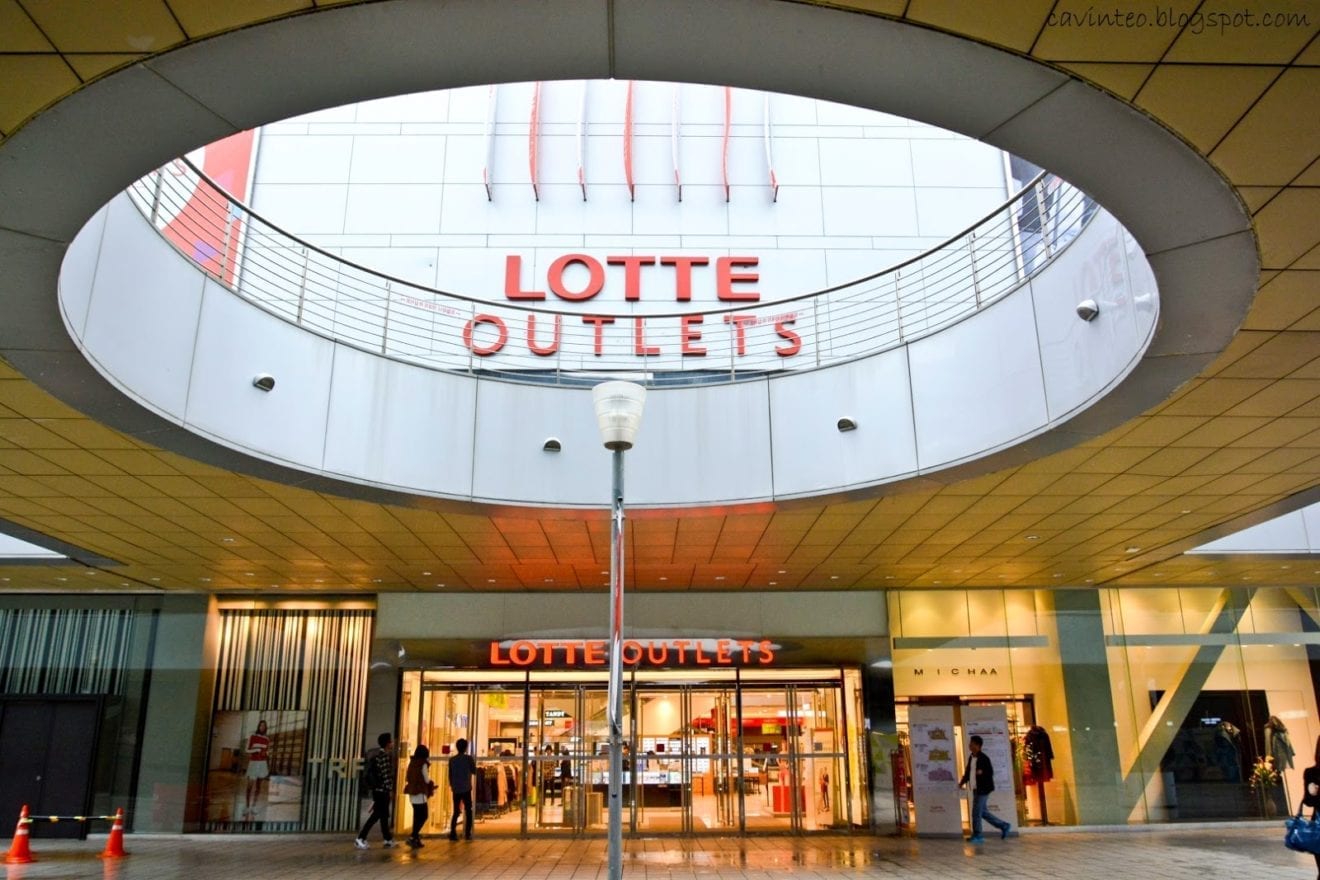
    South Korean retail giant Lotte opened this week a new premium outlet in Giheung, Gyeonggi Province – the second-largest among its branches nationwide and the latest addition to large-scale malls launched by retailers here in hopes of raising offline sales. Lotte is pinning hopes on the latest outlet’s location, citing three highways and five major roads passing through Giheung.

    It aims to attract some 25 million shoppers in and around the region including Yongin, Suwon, Dongtan and Bundang in Gyeonggi Province.

    Chung Hoo-sik, an official in charge of the Giheung outlet, said that the shopping mall is geared toward consumers in their 30s and 40s who have children and live in southern Gyeonggi Province.

    “We found that 30- and 40-something customers from those areas have strong spending power. To attract them, we put entertainment facilities like an outdoor playground and entertainment zones for their kids (inside the outlet),” said Chung at a press conference on the launch.

    Built on 150,000 square meters of land, Lotte’s premium outlet in Giheung features 300 brands and is equipped with 3,000 parking lots. It is Lotte’s sixth premium outlet.

    The outlet has an indoor surf shop, Flow House, spanning 490 square meters. Lotte said it also houses Asia’s biggest Nike store in a 1,983-square-meter space.

    With an increasing number of people visiting multiplexes or shopping malls, retail giants like Shinsegae and Lotte have been opening large-scale malls in the outskirts of Seoul.

    Lotte opened a premium outlet in Goyang, Gyeonggi Province, in October last year, two months after Starfield Goyang was launched. Lotte opened its premium outlet in Paju in 2011, nine months after Shinsegae opened its store.

    “We see it as an industry trend to open a mega mall or a premium outlet because there are consumer needs for convenient shopping and enhanced lifestyle,” said Lee Jung-hye, who designed the outlet, adding that Korea’s premium outlet market is valued at 20 trillion won (US$17 billion won).

  • Sony Xperia XZ Premium Up for Pre-orders in South Korea

    Sony Xperia XZ Premium Up for Pre-orders in South Korea

    The Sony Xperia XZ Premium has gone on pre-order in South Korea. The phone carries a KRW 869,000 ($775) price tag, and will go on sale in the Asian market starting June 8.

    The handset will be available through third-party retailers as well, including T WorldDirect and Gmarket. Those who pre-order will also get freebies including smartbands and cases. Color options for the phone include Luminous Chrome and Deep Black.

  • Mercedes-Benz to overtake BMW as largest premium carmaker

    Mercedes-Benz to overtake BMW as largest premium carmaker

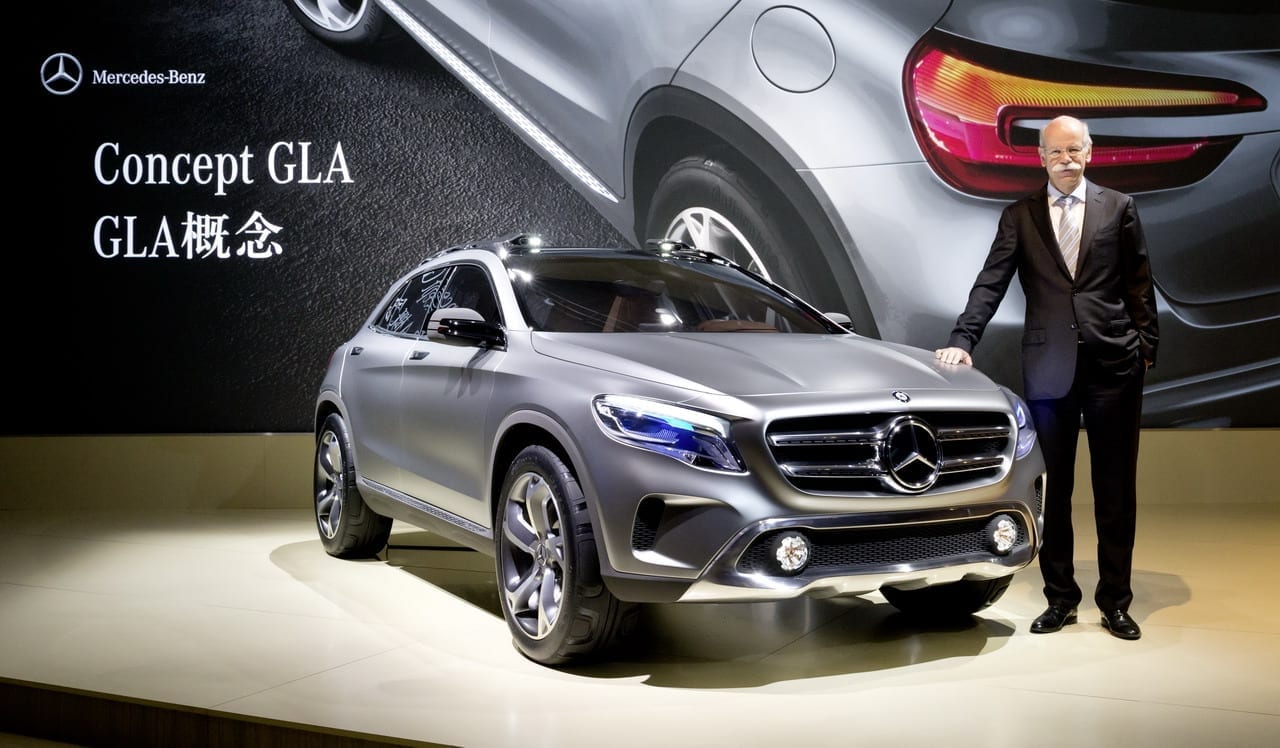
    Mercedes-Benz is expected to reach its goal of becoming the largest premium carmaker four years early – a feat achieved, ironically, only after it stopped chasing market share and focused on making stylish high-tech cars loved by consumers.

    Introducing an elegant, sporty design and establishing itself as a pioneer in new technologies like autonomous driving has helped revive the Mercedes brand which analysts say will help keep the Stuttgart-based carmaker ahead of the pack.

    The achievement is a coup for Daimler Chief Executive Dieter Zetsche, who struggled to revive the company following a messy divorce from mass market brand Chrysler in 2007. Less than four years ago Zetsche faced restive shareholders, worried that the automaker was lagging behind rivals BMW and Volkswagen AG’s Audi brand.

    “We had some deficits, cost and quality problems. Design was not top-notch. And with Chrysler we were no longer a pure premium carmaker,” Zetsche told Reuters in an interview held late in 2016 in his office at Daimler’s headquarters in Stuttgart, Germany.

    On Sunday, Daimler said it had sold 2.08 million Mercedes-Benz branded passenger cars in 2016, a lead that BMW, which has held the premium sales crown since 2005 and is due to release annual sales figures on Monday, is not expected to beat.

    Including sales of the Smart brand, Daimler sold 2.23 million passenger cars last year, the company said.

    Zetsche has presided over a renaissance in the design and technology of Mercedes vehicles, refocused the company on technological superiority instead of short-term sales goals, and adapted the entrepreneurial mindset of Silicon Valley to the traditionally risk averse culture of Stuttgart.

    Daimler is also preparing for a new era when the auto industry’s business model moves beyond manufacturing and selling cars, to lure customers interested in pay-per-minute transport solutions provided by autonomous cars.

    Zetsche set the goal of making Mercedes the best-selling luxury carmaker by 2020 at the company’s 125th anniversary in 2011, a year when even Audi sales overtook those of Mercedes, pushing it into third place.

    “Since then we worked hard and today we are leading or among the leaders when it comes to innovation, quality, design and security,” Zetsche said.

    Daimler traditionalists were shocked by the volume target, fearing that selling too many vehicles may dilute the exclusivity of their cars and reduce the appeal of the Mercedes brand in the long run.

    But consumer electronics companies like Apple had already proven that the pull of their brand did not suffer with increased volume sales so long as they offered the best customer experience.

    Audi was gaining traction with customers thanks to cool designs, so Zetsche appointed a young designer, Gorden Wagener to head up Mercedes design. He introduced an elegant and sporty style to spruce up Stuttgart’s Teutonic limousines. Mercedes cars were also equipped with state-of-the-art digital display technology, luring smartphone savvy customers.

    It was a change for Mercedes where engineers always believed they were producing the best cars in the world, but measured quality mainly using technical or engineering criteria, a strategy which often led to powerful cars with expensive and complex technical innovations.

    Today, Mercedes-Benz follows its motto “the best or nothing” by thinking about whether customers would notice or benefit from a new technological innovation, and by benchmarking the brand against competitors, Zetsche said.

    The company’s renaissance began in earnest in May 2013 with the launch of a new flagship S-class. To burnish its credentials as a technology leader, Mercedes developed a prototype version which drove around 100 kilometres (62 miles) autonomously the same year.

    Rather than designing a limousine which appealed mainly to rear seat passengers, the new S-Class featured large digital display screens on the dashboard, a deliberate attempt to appeal to a younger, driver-focused audience.

    The same youthful design approach was used for the new C-Class and E-class designs, which are now the company’s volume sellers.

    Mercedes also revived the Maybach brand, a marque targeting the ultra-luxury sector which the company had stopped making after the prior bespoke design failed to gain traction, leading the car to sell only 200 times in its final year of production.

    Since Maybach’s latest revival in February 2015, Daimler has sold 15,000 cars.

    “The rewards we are reaping today are the logical consequence of careful preparation,” Zetsche said.

  • Singapore Airlines rolling out more planes with premium economy cabins

    Singapore Airlines rolling out more planes with premium economy cabins

    Singapore Airlines (SIA) is banking on premium economy services to entice travelers to pay more for extra comfort.

    About four in 10 SIA planes now offer the service, slightly more than a year since it rolled out premium economy cabins, which offer perks such as more legroom and better food.

    And the carrier said it will continue to retrofit more aircraft with such cabins to meet travelers’ needs.

    Demand is especially strong on long-haul routes, said SIA spokesman Nicholas Ionides.

    The premium economy cabin includes features such as wider seats with greater recline and more legroom.

    First introduced more than two decades ago, such cabins are now found on more than 50 carriers worldwide, including American, European and Asian airlines.

    Apart from SIA, airlines that have rolled out such cabins in recent years include Hong Kong’s Cathay Pacific, which introduced them in 2012.

    Middle Eastern airlines, which have so far resisted the option, are now considering it as well.

    Premium economy services have caught on as they are popular with travelers who do not mind paying more for extra comfort, especially on long-haul flights.

    Cost-conscious businesses are also turning to them as an option for their executives on work trips, experts said.

    A premium economy ticket can cost up to 1 ½ times more than the economy fare, though this also varies depending on routes and time of travel.

    “The difference between the economy and premium economy fares for last-minute bookings can reduce significantly to just around 20 per cent to 30 per cent in some cases,” said Akshay Kapoor, director (Asia-Pacific) at CWT Solutions Group, which manages travel for corporate clients.

    While most airlines have taken a keen interest in the premium economy product, most tend to roll this out rather cautiously, he said.

    The number of premium economy seats is typically below 10 per cent of the total number of seats on the aircraft, said Kapoor.

    One concern that airlines have is that instead of economy travelers upgrading, business travelers could end up downgrading.

    Brendan Sobie, a Singapore-based analyst at the Centre for Aviation think-tank, said: “The idea is always to get economy class passengers to upgrade rather than to cannibalise business class.

    “However, there is always some cannibalisation – generally not a significant amount but there’s always the risk.”

    At Cathay Pacific and SIA, premium economy passengers are a mix of those who have downgraded from business and those who used to fly economy but are increasingly drawn to premium economy, especially on long-haul flights to North America and Europe, for example.

    However, given the uncertain global economic outlook, experts expect more business travelers to downgrade.

    Kapoor said: “With continued economic uncertainty expected over the next few quarters, we believe that organisations will increasingly be seeking avenues to drive savings in their travel spend without having to cut down on the amount they travel.

    “Taking premium economy over business class could save 60 to 70 per cent of the airfare and allow for more trips to a destination for the same dollar amount.”

    Rayman Som, 51, a human resource director who travels four to five times a year, has flown twice on SIA’s premium economy class on company expense.

    He said he took a short flight to Hong Kong the first time, so it did not make much difference. But he flew to Paris the second time and it proved a different experience.

    “The wider seat, more legroom and greater recline were much welcomed on the longer flight,” he said.

    He added: “Would I pay out of my own pocket for premium economy? For a short flight, no. For longer journeys, it makes sense if the price is right. I think 30 to 40 per cent more is reasonable.”

  • Vietnam’s Coffee sales slow, Indonesian premiums rise

    Vietnam’s Coffee sales slow, Indonesian premiums rise

    Vietnam’s coffee premiums held steady, with farmers slowing sales on concerns over dry weather affecting output, while domestic buying and thin stocks in Indonesia helped to raise outright prices, traders said on Thursday.

    The dry season in Vietnam, the world’s top robusta producer, is peaking, with water shortages forecast to cut 2016/2017 output. Rival producer Indonesia has low stocks, which has helped to push up export price quotations to a 15-month high.

    “Most activities are focused on domestic markets, where exporters in short position have to raise their buying prices to secure beans,” said a trader in Ho Chi Minh City.

    Domestic prices in Daklak, Vietnam’s biggest growing province, advanced to 31.1 million-31.4 million dong ($1,400) per tonne, tracking gains in the ICE robusta futures.

    At 31.4 million dong, the price is on par with that on Feb. 6, according to data.

    Premiums of Vietnamese robusta grade 2, 5 percent black and broken were stable at $50-$70 a tonne to the May ICE contract in the past week. Beans grade 1, similar to Indonesia’s Sumatran coffee, were steady at premiums of $95-$110 a tonne.

    ICE May robusta coffee settled up 0.9 percent at $1,420 per tonne on Wednesday.

    As dry weather intensifies in Vietnam’s Central Highlands coffee belt, underground water might sustain trees only until the end of this month, traders said.

    The current El Nino weather event is likely to delay the usual arrival of the rainy season by 10-15 days.

    The government has announced financial aid worth $23.5 million to help 34 provinces fight drought and salination, it said in a statement on Wednesday.

    About 40 of Vietnam’s 63 provinces have now been affected by the dry weather.

    In Indonesia, premiums rose to $300-$320 a tonne for beans grade 4, 80 defects COFID-G4-USD to the ICE May contract, from a premiums of $300 last Thursday, due to thin stocks, traders said.

    At $320 a tonne, the premium is the highest since at least December 2014, according to data available on Reuters.

    “Prices were good and went up because there was support from Java factories, while there were little stocks,” a Lampung-based trader said, adding that purchases by small traders also supported prices.

    Indonesia’s main harvest will pick up from late this month.

    Indonesia’s coffee bean production is targeted to increase by up to 27 percent to 700,000 tonnes in 2016, a manager at the country’s coffee association said on Thursday, up from 550,000 tonnes in 2015.