Retail News CRM

Tag: private

  • Dior opens reinvented Galaxy Macau boutique

    Dior opens reinvented Galaxy Macau boutique

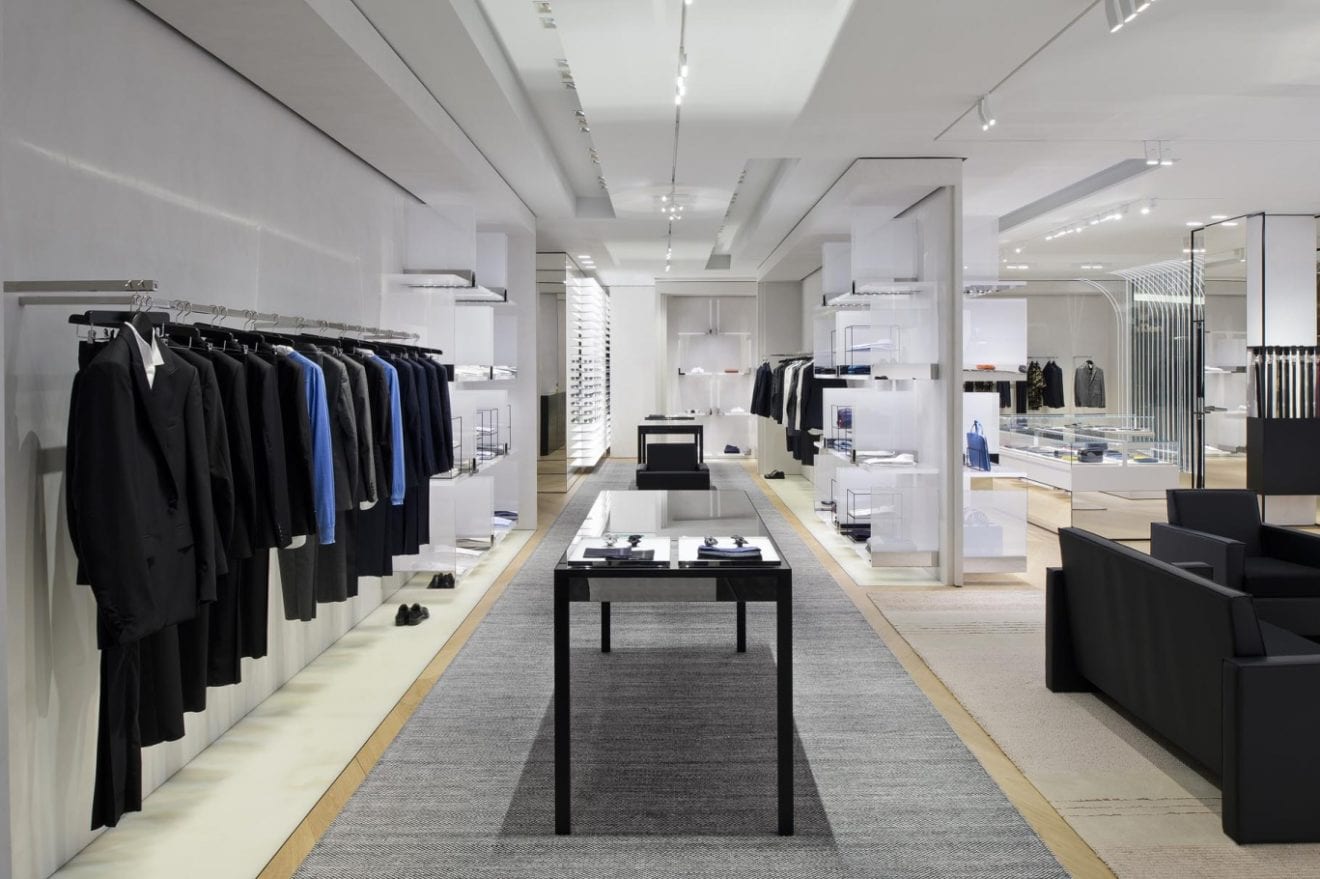
    Luxury fashion house Dior has launched its revamped Galaxy Macau boutique, offering more exclusive shopping experiences.

    The store, located at one of the finest shopping locations, Galaxy Promenade, has two floors and offers a varied range of items such as ready-to-wear and accessories designed by Maria Grazia Chiuri and Kim Jones, as well as watches and jewellery.

    The venue also features the My Dior fine jewellery line, the Dior autumn-winter 2024-2025 ready-to-wear collection with 30 Montaigne models, and Victoire de Castellane’s Rose des Vents and My Dior designs.

    The second store features men’s clothes from the Dior Winter 2024-2025 collection, as well as the Lifestyle Capsule, which focuses on board sports.

    In addition, the boutique offers VIP private shopping spaces.

  • Singapore private home sales plummet to 16-year low in August

    Singapore private home sales plummet to 16-year low in August

    Singapore’s private home sales dropped to a 16-year low in August, reflecting weak buyer sentiment, although new launches and anticipated interest rate cuts are expected to drive demand in the coming months.

    Developers sold 208 units, down 47% year-on-year, according to Urban Redevelopment Authority data released Monday as cited by The Straits Times.

    “This is a record low for the month of August since 325 units were sold in August 2008,” Tricia Song, property consultancy CBRE’s head of research for Southeast Asia, was quoted as saying.

    The year 2024 is on track to be the weakest for annual new home sales since 2008, when 4,264 units were sold. Market sentiment has remained cautious since late 2023, Song added.

    In the first eight months sales reached 2,668 units, down 49% year-on-year.

    Most developers are waiting for home-buyers’ enthusiasm and more risk appetite to return, said Nicholas Mak, the chief research officer at property portal Mogul.sg, as reported by Bloomberg.

    Demand is set to be tested in the coming months, as 56.2% of developers anticipate a moderately or significantly higher number of units to be launched in the second half of the year, according to a June quarterly survey of senior executives in Singapore’s real estate and development industry.

    Analysts say that sales volumes are likely to recover in September, driven by several upcoming launches, potential improvements in the economy, and possible interest rate cuts.

  • Facebook launches new privacy tools to protect teens

    Facebook launches new privacy tools to protect teens

    Facebook is taking another step toward strengthening teens protection by introducing a new set of privacy tools. The social app announced today some updates to its policy of protecting young people from harm. After releasing similar features last year to restrict adults from messaging teens they aren’t connected to, this year Facebook plans to introduce new ways to protect teens from messaging suspicious adults they aren’t connected to.

    As per Facebook’s statement, a “suspicious” account is one that belongs to an adult that may have recently been blocked or reported by a young person (among other things). Additionally, Facebook introduced another layer of protection by removing the message button on teens’ Instagram accounts when suspicious adults view them. Both these features are now being tested by Facebook and will be made generally available if they prove to be efficient.

    New safety tools have been announced too, in the form of notifications which will prompt teens to report accounts after they block someone, as well as safety notices that contain information on how to navigate inappropriate messages from adults.

    More importantly, Facebook released new privacy defaults for teens using its social app. Starting today, Facebook users under the age of 16 (or under 18 in certain countries) will be defaulted into more private settings when they join the service. Those who are already on the app are encouraged to use these more private settings for:

    • Who can see their friends list
    • Who can see the people, Pages and lists they follow
    • Who can see posts they’re tagged in on their profile
    • Reviewing posts they’re tagged in before the post appears on their profile
    • Who is allowed to comment on their public posts

    Finally, Facebook announced that it’s working with the National Center for Missing and Exploited Children (NCMEC) to create a global platform for teens who are worried intimate images they made might be shared on public online platforms without their consent.

  • European carriers seek to block one key iPhone privacy feature

    European carriers seek to block one key iPhone privacy feature

    Last year Apple announced one new key privacy feature for iOS called Private Relay. This new feature is currently in beta in iOS 15, iPadOS 15, and macOS Monterey, and it is available only for users enrolled in the Apple beta software program.

    Even though the feature is still in beta, some major European telecom operators have signed an open letter to protest its future rollout. Carriers including Vodafone, Telefonica, and T-Mobile have voiced concerns that “Private Relay cuts off networks and servers from accessing vital network data and metadata” thus having “significant consequences in terms of undermining European digital sovereignty”.

    The open letter has raised more than a couple of eyebrows since its publication, mainly because Private Relay is a feature not much different from a regular VPN, and those have been around for ages. But let’s see what Private Relay is in more detail.

    When you browse the internet some information can be seen and recorded by your network provider – this includes DNS records, IP addresses, and more. Normally this information is used to build a profile of your browsing activity to be potentially used at a later date (usually for advertising purposes).

    The Private Relay feature is designed to hide all this information from third parties when you browse the net on your Apple device (you must use Safari browser for the feature to work, though). According to Apple, no single party – not even Apple itself – can see both your IP address and the sites that you’re visiting.

    This is done by using two internet relays – the first encrypts your DNS records (the sites you’re visiting), and the second generates a temporary IP address to connect you to the site you want to see. The first relay doesn’t have your DNS records, and the second relay doesn’t have your IP address.

    By using such a method Apple is able to effectively protect users’ privacy from third parties while still managing to offer a fast browsing experience. At the moment, you need to be enrolled in the Apple Beta Program to be able to use this feature. Follow the instructions on the site in order to participate. If you’re already a beta member, you can turn on Privacy Relay by following the next steps.

    How to turn on Private relay on iPhone, iPad, or iPod touch

    • Go to Settings
    • Tap on [your username]
    • Select iCloud
    • Then tap Private Relay.

    Private Relay is off by default in all beta releases so far but Apple has officially announced that when the feature reaches the final rollout phase it will be switched on by default. You can always turn off the Private Relay feature for specific networks by following the next steps: on you iPhone or iPad, go to Settings > Wi-Fi, then tap the More Info button next to the Wi-Fi network, then tap on “Turn off Private Relay.”

    The Telegraph says that telecom operators in the UK also support the open letter, with O2 filing official complaints to regulators in the country. Private Relay is highly dependent on local laws and regulations, and Apple has already restricted the availability of the feature.

    Private Relay won’t be offered in China, Belarus, Colombia, Egypt, Kazakhstan, Saudi Arabia, South Africa, Turkmenistan, Uganda, and the Philippines. It remains unclear whether any European countries will be added to this list.

  • Google makes its apps safer and more private for teens and pre-teens

    Google makes its apps safer and more private for teens and pre-teens

    Google announced today some changes made to give teens and pre-teens more control over some of Google’s most popular apps. Over the next few weeks, Google will debut a new policy that enables anyone under 18 years old or their parent or guardian to request the removal of the child’s image from Google Image results including Search. As Google itself points out, “Of course, removing an image from Search doesn’t remove it from the web, but we believe this change will help give young people more control of their images online.”

    Over the next few weeks, the following changes are coming to Google apps for those under 18. YouTube will change the default upload settings for those 13-17 to the most private option available. Some useful digital wellbeing features will be promoted by Google and Google will provide safeguards and educate teens about commercial content from the app. Those 13-17 will have autoplay turned off by default while bedtime and break reminders will be enabled by default.

    As the Alphabet subsidiary says, “We regularly engage with kids and teens, parents, governments, industry leaders, and experts in the fields of privacy, child safety, wellbeing, and education to design better, safer products for kids and teens. Having an accurate age for a user can be an important element in providing experiences tailored to their needs.

    Yet, knowing the accurate age of our users across multiple products and surfaces, while at the same time respecting their privacy and ensuring that our services remain accessible, is a complex challenge. It will require input from regulators, lawmakers, industry bodies, technology providers, and others to address it – and to ensure that we all build a safer internet for kids.”

    Teens using Google Search can be protected by SafeSearch which prevents the kids from seeing search results not meant for their eyes when enabled. It is on by default for users under 13 whose accounts are managed by Family Link. With the latter, parents can decide at what time their kid’s device shuts off for the day. Google plans in the coming months to turn SafeSearch on by default for existing users under 18 and make it the default setting for teens setting up new accounts.

    When it comes to teens using Google Assistant, the company says, “We’re always working to prevent mature content from surfacing during a child’s experience with Google Assistant on shared devices, and in the coming months we’ll be introducing new default protections. For example, we will apply our SafeSearch technology to the web browser on smart displays.”

    Children using supervised accounts don’t have the option of turning on Location History which is turned off by default for all accounts. Soon, Google will prevent users under 18 globally from being able to turn on Location History. In addition, a new safety section for the Play Store will allow parents to know which apps meet Google’s Family policies. Apps will also have to disclose how they use the data they collect in greater detail allowing parents to decide whether to allow their kids to install the app.

    Google will also prevent age-sensitive ad campaigns from being shown to teens and those under 18 will not be allowed to be targeted by advertisers based on age, interests, and gender. New digital wellbeing tools will allow parents to “block news, podcasts, and access to webpages on Assistant-enabled smart devices.”

    Anne Collier, executive director of the Net Safety Collaborative stated, “Being mindful about tech use is key to everyone’s wellbeing. These new defaults for teens are protective; they increase safe, mindful tech use by making teens think about what they want to see and who they want seeing their content.”

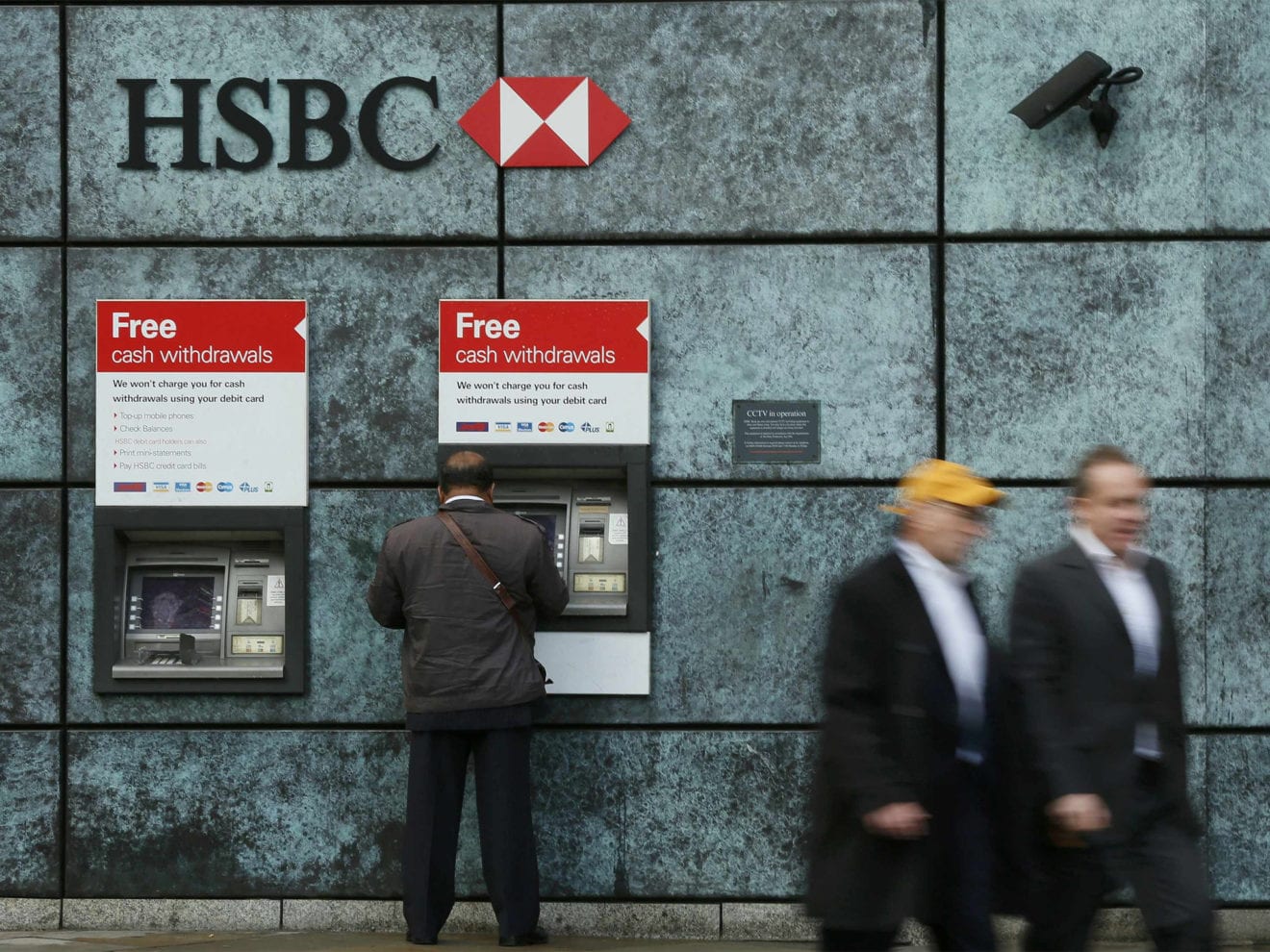
  • Asia Assets Climb Higher at HSBC Private Banking

    Asia Assets Climb Higher at HSBC Private Banking

    Assets under management at HSBC Private Banking climbed higher, driven in part by more than $9 billion of net new inflows in the first half of 2021.

    Asia assets under management at HSBC Private Banking grew 25 percent to $193 billion in the first half of this year, according to a statement, driven in part by $9.3 billion of net new money inflows.

    This accounts for over 45 percent of HSBC Private Banking’s total assets under management worldwide at $427 billion, according to its recent interim report.

    In addition to private banking, HSBC also saw growth across its affluent segments in Asia – Premier and Jade – with a 7 percent increase in the number of affluent and higher net worth clients to 1.7 million.

    Asian wealth revenues in the first half increased 26 percent and account for much of global wealth revenue growth.

    Asian wealth balances – the sum of client assets from HSBC’s Premier, Jade, and private banking segments – reached a new high of $810 billion and accounted for $49 percent of global assets.

    HSBC continues to pursue its ambitions of becoming a leading wealth manager by 2025.

    It has rolled out a series of mobile solutions and digital enhancements for wealth clients in key Asian markets.

    The bank also added around 600 full-time employees in the first half – including 350 personal wealth planners for its mainland China mobile services HSBC Pinnacle with plans to add another 100. The bank said it is on track to hire over 1,00 client-face wealth staff in Asia by the end of 2021.

    The positive momentum of our Asian Wealth business this year shows the traction we are seeing on-the-ground with our clients, as we forge ahead with our considerable investments in technology, products, and people,» said APAC regional head of wealth and personal banking Greg Hingston.

  • HSBC Private Banking Launches Online Trading in Asia

    HSBC Private Banking Launches Online Trading in Asia

    HSBC has opened access to online trading for private banking clients in Asia as part of $100 million of investment in its core banking and digital platforms in the coming two years.

    HSBC Private Banking has launched its online trading platform in Asia, according to a statement, opening access to 10 financial markets including Hong Kong, mainland China, Singapore, Japan, the Philippines, Australia, U.K., U.S., Germany, and France.

    Technology is redefining wealth management, giving greater access, flexibility, and control over the management of investments globally,» said APAC regional head of HSBC Private Banking Siew Meng Tan.

    The current offering will include cash equities and exchange-traded funds before expanding to listed warrants and callable bull bear contracts (CBBC), FX spot and forwards, structured notes, non-complex funds, dual currency instruments, and fixed income by 2022.

    Clients can buy and sell securities during market hours with a maximum trade of $2 million per transaction and $10 million per day.

    A dedicated support team will provide coverage of 20 hours per day across each market’s opening hours.

    According to Tan, the private bank will look to invest $100 million over the next two years to build and innovate its core banking and digital platforms.

    Earlier this year, HSBC announced that it planned to invest over $3.5 billion in the next five years in its wealth and personal banking unit which includes private banking.

    HSBC Private Banking has already made various upgrades over the last two years including a new internet banking application; integrated and direct client communications; an investment and research platform with personalized alerts; and instant messaging.

  • Google Messages gets new features including some from Apple’s Messages app

    Google Messages gets new features including some from Apple’s Messages app

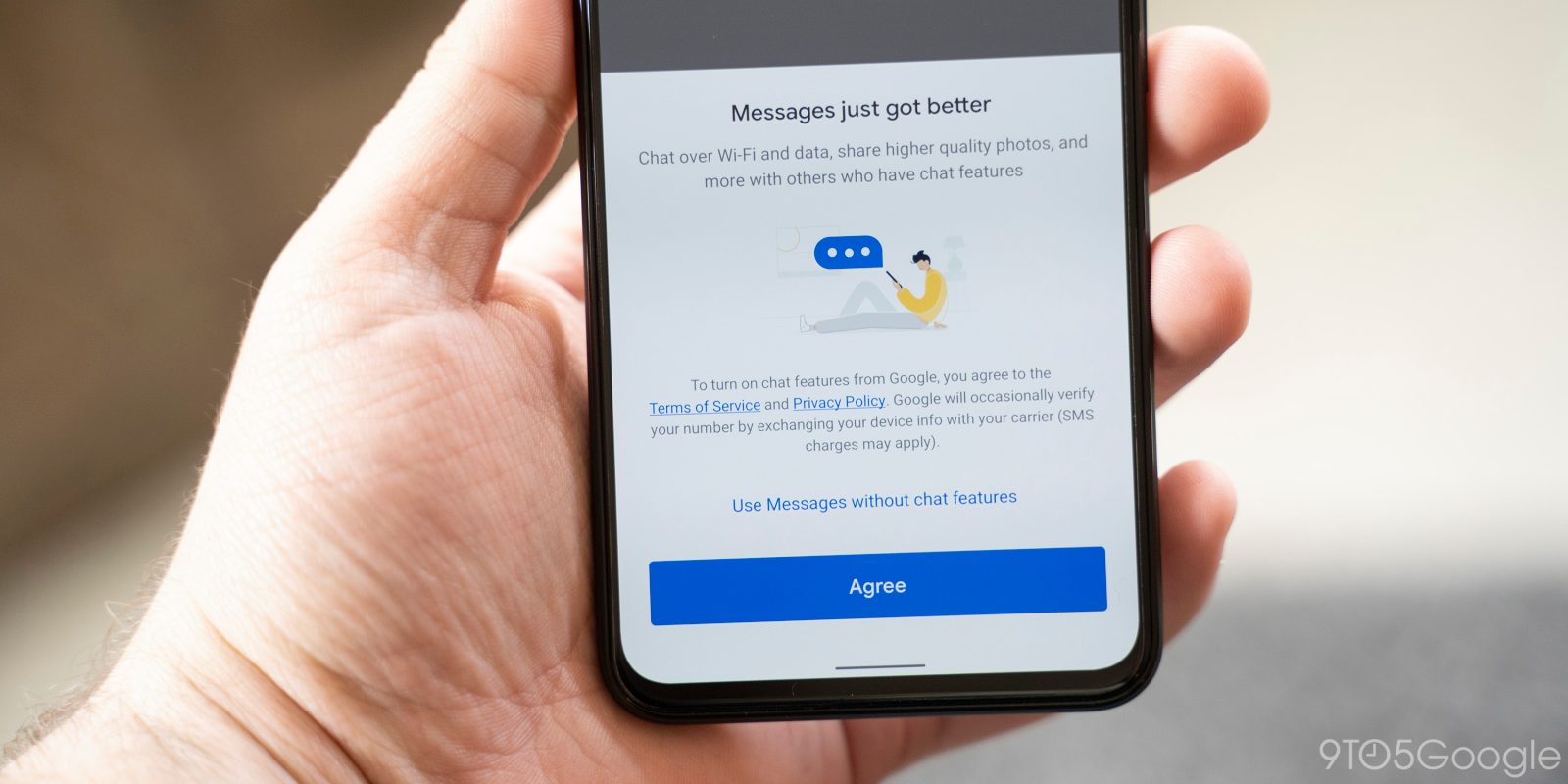
    On Wednesday, Google finally announced a feature we told you was being tested for Google Messages since back in May. Now when Android users receive a chat message, a video, or a photo, they can respond to it in a second. A long press on the message will show a box with animated love, laughter, surprise, sadness, anger, and dislike emoji. The reactions are available on those handsets that have chat features enabled. That is just one change out of a series of five new features now available for the Google Messages app.

    For example, if you have Smart Reply enabled, you can now send an animated sticker instead of using your words. The stickers will show up as you are texting so the perfect one will be ready right away for your use. The suggested stickers are currently available in English only.

    Ever want to personalize a conversation by including a photo that you marked up just for the occasion? Google has a media editor built into Messages. Simply take a photo using the in-app camera and type text or use brushes to paint on the image. You can share these with friends and family so you need to do your best to make them witty.

    Why type a message when you can say it better? Holding down the microphone button inside the compose bar will now allow you to record and send a voice message instead of having to type out a text.  Now let’s say that you’re engaging in an exchange of texts with someone and you want the conversation to continue as a video. Tapping the video call button at the top right of the app will activate Google Duo and allow you to see in real-time the person you have been chatting with.

    Make sure that you have the Google Messages app installed if you want to use all of these new features. Some carriers have their own messaging app, so check to see whether your phone has Google Messages installed. It can be downloaded on your Android phone. To make it your default messaging app, install it on your device, and go to Settings > Apps & notifications > Advanced > Default apps. Make sure that Google Messages is listed as the default SMS app on your phone.

  • HSBC Names Asia Private Banking COO

    HSBC Names Asia Private Banking COO

    HSBC continues to bolster its private banking business in Asia with the latest hire of chief operating officer, formerly with J.P. Morgan wealth arm.

    Sharon Oh joins HSBC Private Banking as its chief operating officer, replacing Gaurav Rao, who recently relocated to London for another role within the private bank. In her new role, Oh will report to Siew Meng Tan, APAC head of HSBC Private Banking, and Anil Venuturualli, global COO of the business. A spokesperson for the bank confirmed the hire.

    Oh was most recently with J.P. Morgan’s private banking arm where she was its chief of staff in the London-based global institutional client segment. Prior to this, Oh spent five years with J.P. Morgan Private Bank’s Hong Kong-based unit and was also previously Credit Suisse’s North Asia COO.

    Earlier this year, HSBC merged its retail, wealth management and private banking business into a single $1.4 trillion unit – «WPB» – in a bid to drive double-digit growth in client assets and revenue in the coming years.

    Oh will help us accelerate the delivery of our key initiatives and to harness the benefits of becoming part of WPB, Tan said in a statement.

  • Vietnamese car maker plans private share issue

    Vietnamese car maker plans private share issue

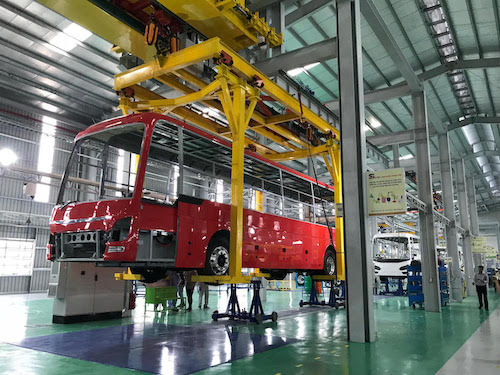
    Truong Hai Auto Corporation (THACO) is planning to issue more than 30.3 million shares to a strategic shareholder. The company is currently collecting shareholders’ opinions on a draft resolution to authorize a private placement worth an estimated total of VND3.89 trillion ($167.19 million) to Jardine Cycle & Carriage, a Singaporean diversified conglomerate that specializes in investment in car manufacturing.

    The share issue aims to raise additional capital to finance THACO’s investment and business plans this year, the company said in a circular issued to shareholders last week.

    The 30.3 million shares proposed in this placement make up 1.82 percent of THACO’s current chartered capital, and will raise the Singaporean shareholder’s stake in the car manufacturer to 26.57 percent.

    The share ownership of remaining shareholders will remain unchanged. Currently, 6.8 percent of THACO is owned by billionaire Tran Ba Duong, founder and chairman of the company, and another 60.6 percent by Tran Oanh JSC, a holding company owned by Duong and his family.

    The shares are expected to be issued soon after the State Securities Commission has confirmed the receipt of all documentation regarding the private placement.

    Dong Nai-based THACO was established as an auto and commercial vehicle maker in 1997. It has a plant in central province of Quang Nam and 89 showrooms and 53 dealerships.

    It makes trucks and buses and assembles cars for brands like Kia (South Korea), Mazda (Japan), and Peugeot (France).

    Jardine Cycle & Carriage Ltd, which is part of the Jardine Group of companies, has a diverse business portfolio. They have long term shareholdings in major manufacturers such as Jakarta based Astra International, as well as other interests in the refrigeration, cement and milk business.

    In Singapore, Jardine C&C is best known as the retailer of Mercedes Benz, Mitsubishi, Kia, Citroen, DS, and Maxus motor vehicles. The company has a current market capitalisation of S$14.55 billion (US$10.71 billion).

  • Indonesia’s Mandiri eyes Singapore private banking business

    Indonesia’s Mandiri eyes Singapore private banking business

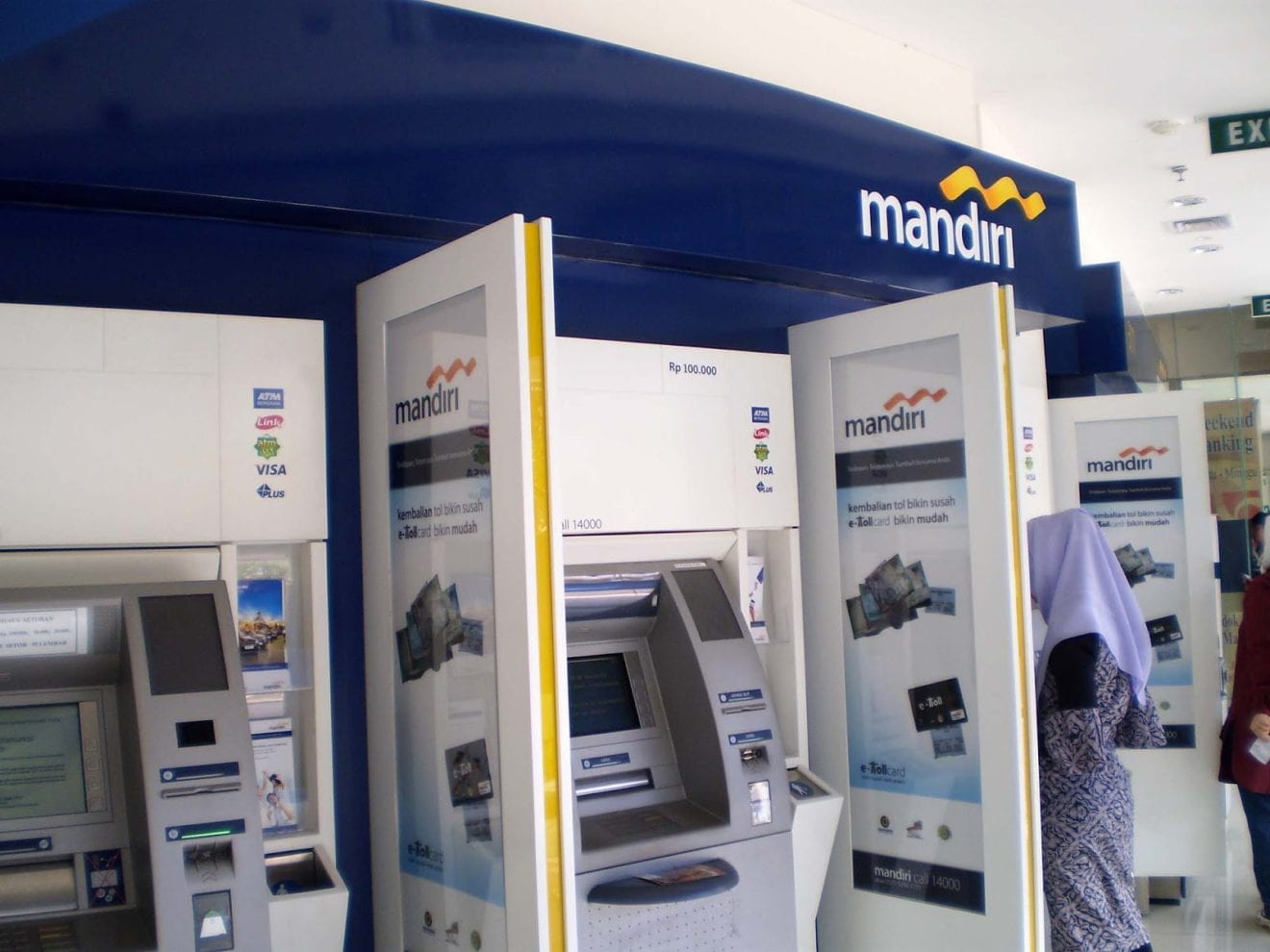
    Indonesia’s largest lender Bank Mandiri wants a piece of the lucrative private banking business in Singapore, particularly the accounts of wealthy Indonesian clients.

    Recent reforms in Indonesia, including a successful tax amnesty, have made ultra-rich citizens less averse to banking with state-owned institutions, said Mandiri chief executive Kartika Wirjoatmodjo.

    “In the past, they were worried that their undeclared wealth will be reported,” he told recently.

    “After the tax amnesty, everything is transparent so Indonesians who put money in Singapore are no longer worried about having us, a state-owned bank, as their banker.”

    Many wealthy Indonesians are believed to bank much of their fortune abroad and the local tax authorities believe some do so to avoid scrutiny and paying taxes.

    Finance Minister Sri Mulyani Indrawati said Indonesians have stashed about US$250 billion (S$346.5 billion) worth of assets overseas, of which a whopping 80 per cent is kept in Singapore.

    The tax amnesty, started in July last year, was introduced to encourage these rich citizens to come clean with the taxman on their assets at home and abroad by offering tax rates as low as 2 per cent.

    More than 4,000 trillion rupiah (S$417 billion) – about a third of Indonesia’s gross domestic product – of newly declared assets were recorded at the end of the scheme in March, with a small portion of the wealth repatriated from overseas.

    Mandiri, which operates in Singapore under an offshore bank licence granted by the Monetary Authority of Singapore (MAS), plans to apply for another licence to run private banking operations. This follows the opening of its securities subsidiary Mandiri Securities Singapore last October.

    Mr Kartika said Mandiri’s move into Singapore’s private banking sector will require a “limited retail banking licence” so that it can serve high-net-worth Indonesians there. “So we don’t want to deploy 200 ATMs in Singapore, perhaps just a couple of branches would do.”

    Mandiri also wants to make Singapore a hub for its corporate clients, most of whom have offshore financing, either bilateral bank loans or fund raising via capital markets, to access global investors.

    “Many investors operate their Asian accounts from Singapore, so by giving them access to the Singapore market, we automatically have global exposure,” said Mr Kartika.

    Besides growth in Singapore, the bank has been expanding its retail banking business in Malaysia and the Philippines.

    After long negotiations, Mandiri is set to get a full retail banking licence in Malaysia within the next two months which would allow it to open retail branches across the country, said Mr Kartika.

    In the Philippines, where the banking industry is less mature and saturated compared with Indonesia, Mandiri is betting on the country’s strong economic growth and is in talks with local banks for possible acquisitions of minority stakes.

    Analysts said Mandiri’s “Singapore strategy” will pave the way for it to become a regional player, just like DBS Bank or Malaysia’s CIMB.

    “It is a positive move if Bank Mandiri starts investing more in its international business,” said Mr Harry Su, head of strategy and research at stockbroker Bahana Sekuritas.

    But Mr Su added that while this is a part of the bank’s strategy to be a bigger player in South-east Asia, it is still early days as “contribution from such efforts will remain minimal to their overall earnings performance in the next three to five years”.

    Another analyst, who declined to be named because he is from a competing bank in Jakarta, said the top four banks control the majority of Indonesia’s total banking assets so the room for others is restricted.

    “This would make Malaysia, Singapore and the Philippines more competitive markets for Mandiri,” he said.

    “But it also means returns or profit margins from doing business there would be less, but as the biggest bank in Indonesia, Mandiri has to expand there.”
  • Honda spreads its wings into Southeast Asia’s private jet market

    Honda spreads its wings into Southeast Asia’s private jet market

    With the fastest growing ‘super rich’ group in the world, Vietnam is going to be a prime target for the HondaJet. Honda Motor has announced plans to start selling its HondaJet private aircraft in several Southeast Asian markets to capitalize on the region’s economic growth.

    The Japanese automaker said on Monday that it has chosen Thai Aerospace Services (TAS) as its first-ever HondaJet dealer in Southeast Asia.

    “We see great potential for the HondaJet in Southeast Asia, one of the world’s fastest growing regions,” Honda Aircraft Company President and CEO Michimasa Fujino said in a company report.

    TAS will provide sales, service and support for HondaJet customers in Vietnam, Thailand, Cambodia, Laos, Malaysia, Myanmar and Singapore, said the report.

    The seven-passenger HondaJet aircraft first hit the market in December 2015, and orders have topped 100, according to Nikkei.

    The design places the engines above the wings, granting the plane more interior space. Other selling points include speed and fuel efficiency.

    Honda has dealerships in North America, Latin America and Europe, and the company had delivered 41 jets as of mid-April.

    Vietnam’s ultra-rich population is growing faster than any economy in the world, and is on track to continue leading the growth in the next decade.

    The Wealth Report by the U.K.’s independent real estate consultancy Knight Frank found there are 200 ultra high net worth individuals (UHNWI) in Vietnam, who are defined as people with investable assets of at least $30 million, excluding personal assets and property such as a primary residence, collectibles and consumer durables.

    In Vietnam, this super rich group grew by 320 percent between 2000 and 2016, the fastest in the world compared to India’s 290 percent and China’s 281 percent, the report said.

    The number is expected to continue rising to 540, or by 170 percent, by 2026, the highest growth rate in the world. Millionaires in Vietnam are expected to jump to 38,600 from 14,300 over the same period.

  • Private hospitals struggle to stay open in Vietnam

    Private hospitals struggle to stay open in Vietnam

    Many private hospitals in HCM City are on the verge of shutting down as most average patients prefer cheaper prices at public hospitals. Diep Van Phat, chairman of the International Phuc An Khang Hospital (Ipak), ordered employees to stop receiving patients as the hospital will shut down on April 28.

    Ipak Hospital was converted into a modern hospital from five blocks apartment buildings with an investment of VND2.5trn (USD109m).

    It was hoped that Ipak could reduce the overload at several hospitals in District 2, District 9 and Thu Duc District and some patients from Dong Nai Province.

    However, hundreds of doctors and nurses haven’t received their wages for February and March as the hospital lacks patients.

    Two firms have been invited to invest in Ipak but nothing has progressed. The hospital has incurred VND60bn (USD2.6m) in debt.

    About 4,000 patients who have just registered their health insurance here will be transferred to other hospitals and 50% of the employees have no idea where to go to after the hospital is closed.

    The 72-story Phu Tho Hospital in Tan Phu District was closed several years ago after being put into operation for only six years.

    Debts to the employees and shareholders haven’t been settled.

    The hospital is being offered at VND390bn (USD17m) but hasn’t attracted any buyer.

    No one believes the hospital can thrive and the price is deemed too high for a regular real estate investment.

    City International Hospital in Binh Tan District is also struggling. It was opened in 2014 with an investment of USD80m.

    But now they have to cover USD1m in losses every month.

    Tran Thi Lam, chairman of Hoa Lam Corporation, the hospital’s investor, hopes that the city authorities and the Ministry of Health will support them with more access to funds and co-operation with public hospitals.

    Many private hospitals in Vietnam don’t participate in primary health care activities so patients can’t use their health insurance there and eventually are put off by private hospitals.

    Meanwhile, the people with health insurance in public hospitals are complaining about the treatment difference.

    Experts have also complained about private companies being hired to supply equipment in many public hospitals and can earn huge commission fees.

    Some tests, operations and health check-ups in public hospitals actually have higher fees than in private hospitals.

    It’s clear that with better equipment, the patients will be first to enjoy the benefits but it’s also creating a disparity as patients who don’t use health insurance are offered better customer services.

    61-year-old Nguyen Van Tuan said he felt self-pity sometimes. “I wait from morning until noon to have my name called and the health check-up is sloppy. People with money are guided by the hospital employees to the designated rooms and taken care of. The process is much quicker too,” he said.

    Dr Le Van Toan who retired from a local public hospital to opened a private clinic said it’s like there was a “private hospital” inside the public hospital where patients were treated like gods.

    But everywhere else is overcrowded and patients sleep or eat out in the hallways.

  • AirAsia establishes executive jet charter unit

    AirAsia establishes executive jet charter unit

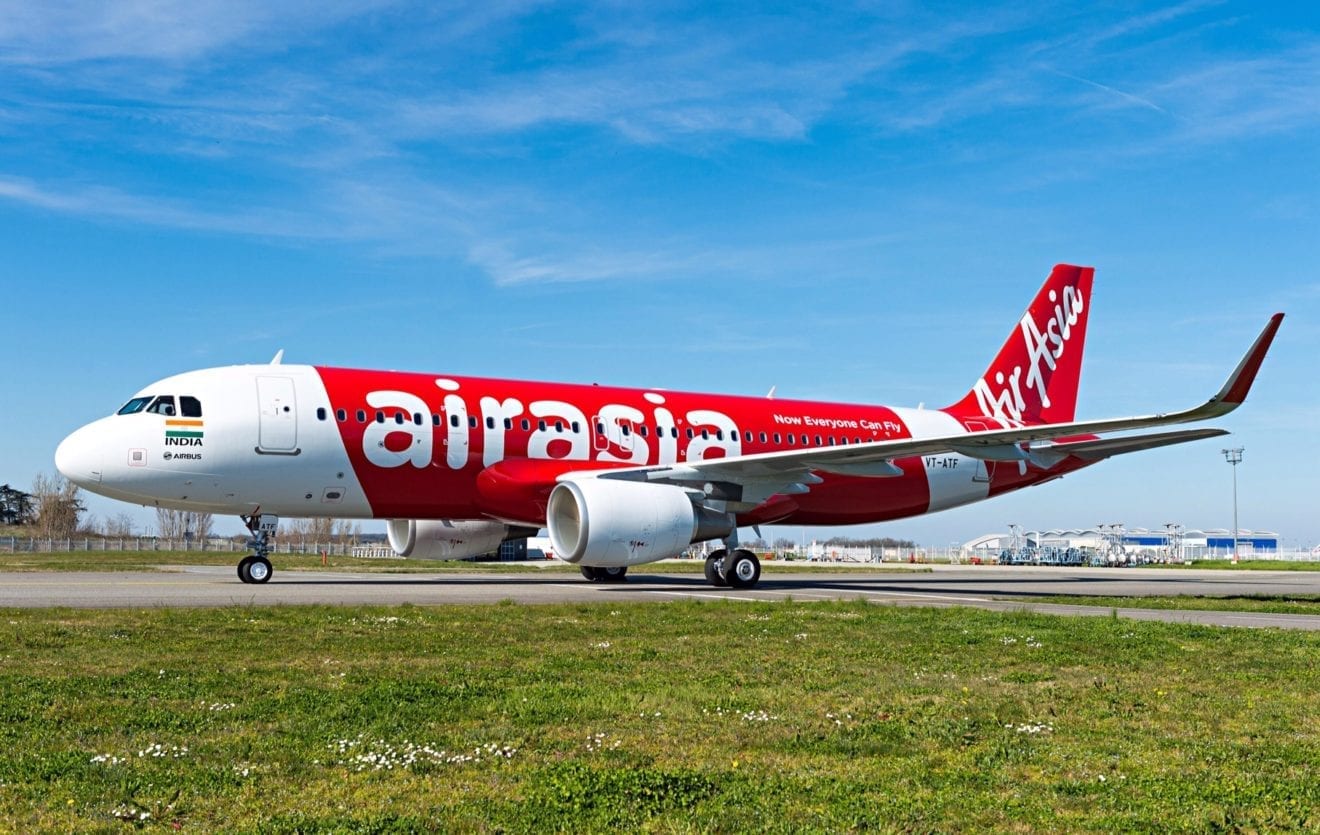
    AirAsia Group has announced it has incorporated a wholly-owned subsidiary company to acquire and manage a Bombardier Global Express executive jet.

    In a statement to the Bursa Malaysia, the conglomerate said AirAsia Corporate Charter (Kuala Lumpur Subang) had acquired 9M-CJG (msn 9013) from Caterham Jet (Kuala Lumpur Subang) with the aim of becoming a full-fledged charter and private unscheduled business jet operator.

    AACC’s directors are listed as Ms. Aireen Omar and Mr. Tharumalingam A/L Kanagalingam.

  • AirAsia revives plan to buy private jet for US$10mil

    AirAsia revives plan to buy private jet for US$10mil

    AirAsia has revived its earlier plan to buy the private jet used by its group chief executive officer Tan Sri Tony Fernandes and executive chairman Datuk Kamarudin Meranun, entering another sale and purchase agreement similar to the one inked in June last year.

    In a filing with Bursa Malaysia, the low-cost carrier said it had signed a deal on Thursday to buy the Bombardier BD-700-1A10 Global Express aircraft from charter provider Caterhamjet Global Ltd (CJG) for the similar cash consideration of US$10mil (RM44.4mil).

    CJG is ultimately owned by Fernandes and Kamarudin, who are both also AirAsia shareholders with a 32.2% stake each. CJG had bought the aircraft, which was manufactured in 1997, for US$24mil in July 2012 and refurbished it for US$0.7mil the following year.

    In June last year, AirAsia sealed an agreement to acquire the jet but that initial deal was not completed by mutual agreement of the parties. The latest announcement did not elaborate on the decision.

    AirAsia has a charter agreement with CJG, signed in April 2015, for the use of the aircraft as well as for maintenance support until June 30, 2017.

    The annual fee charged by CJG was US$3mil (RM13.3mil) plus the goods and services tax. On March 31, 2016, the AirAsia board approved CJG’s request to increase the annual fee from US$3mil to US$5.75mil (RM25.5mil) due to the rising operating costs of the aircraft.

    In its latest announcement, AirAsia said CJG was planning to sell the aircraft, which meant that unless AirAsia bought the jet, its group CEO and executive chairman would no longer be able to benefit from the convenience and efficient transport provided by the aircraft when travelling to AirAsia’s associates for work.

    The acquisition, the statement continued, would be novated to a soon-to-be-formed fully-owned subsidiary of AirAsia, which would act as the registered owner of the aircraft.

    AirAsia said operating the aircraft under its subsidiary would allow the subsidiary to have the option of either operating it under a private category or of signing a charter agreement with an approved aircraft operating certificate (AOC) holder without being constrained by the regulatory considerations of the commercial AOC of AirAsia.

    “The subsidiary is contemplating to apply for a charter AOC from the Department of Civil Aviation Malaysia to operate as a full-fledged charter and private unscheduled business jet operator,” it said.