Retail News CRM

Tag: Rate

  • Oil price drops as global economic concerns grip market

    Oil price drops as global economic concerns grip market

    Oil price fell about 2 percent on Thursday as the market was weighed down by concerns that global demand growth would lag in the coming year. A rebound from late December lows seemed to stall amid worries that a trade war between the U.S. and China would continue, weighing on demand. The market also contended with the possibility that oil producers would not adhere strictly to cuts agreed to last year.

    Brent crude futures fell $1.06 a barrel, or 1.7 percent, to settle at $61.63. U.S. crude futures fell $1.37 a barrel, or 2.5 percent, to settle at $52.64.

    “The correction is stalled, mainly on concerns about demand growth,” said Gene McGillian, director of Market Research at Tradition Energy in Stamford, Connecticut. “There seems to be uncertainty about what is going to happen with the trade talks, with global economic growth and demand in the coming year,” he said.

    In particular, he said, the market is worried about whether demand is sufficient to absorb growing crude production from the U.S.

    “Supply fundamentals have increasingly been turning supportive in recent weeks, but against this the market still worries about the yet-to-be-realised – if at all – impact on demand from weaker macroeconomic fundamentals,” said Ole Hansen, head of commodity strategy at Saxo Bank.

    Though the United States published robust jobs data last week, global markets remain nervous after China reported the lowest annual economic growth in nearly 30 years in January. That focuses yet more attention on the outcome of U.S.-China talks to end the trade war between the world’s top two economies.

    The oil price also came under pressure as weekly data published by the U.S. Energy Information Administration on Wednesday showed an unwelcome increase in stocks of crude oil.

    A decline in OPEC production and a squeeze on supply from Iran and Venezuela because of U.S. sanctions have led many analysts to forecast that the market will be balanced in 2019.

    The oil price is showing a 20 percent gain so far this year.

    Price support is provided by supply cuts led by the Organization of the Petroleum Exporting Countries (OPEC) to tighten the market.

    Saudi Arabia, the world’s top oil exporter, told OPEC it had pumped 10.24 million barrels per day (bpd) in January, two OPEC sources said, a deeper cut than targeted in the supply pact. The kingdom pumped 10.643 million bpd in December.

    “We believe that financial markets may be overestimating the risks of a global recession,” said Jean-Pierre Durante, Head of Applied Research at Pictet Wealth Management.

    “Moreover, lower oil prices – prices were between 14 percent and 18 percent lower in January than their 2018 average – are likely to stimulate economic activity and oil demand, particularly in emerging markets.”

    U.S. sanctions against Venezuela’s oil industry are expected to freeze sales proceeds of Venezuelan crude exports to the United States.


     

  • Facebook strikes deal with SK to pay data fees

    Facebook strikes deal with SK to pay data fees

    Facebook reportedly finally agreed to pay data traffic fees to SK Broadband after two years of negotiations. According to local media reports Sunday, the social media giant and internet provider agreed to a two-year network usage deal to set up a cache server for temporary data storage and provide fast Facebook access to SK Broadband users. While the two companies did not confirm the exact sum, Facebook will reportedly pay more than what it previously proposed during negotiations.

    SK Broadband is not the first internet provider that Facebook will be paying in the country. In 2015, it signed a contract with KT to open a cache server. The two companies are currently working on renewing the contract after it expired last July.

    The new deal with SK Broadband comes after Facebook faced negative press for inconveniencing users while trying to avoid paying network fees to SK Broadband and LG U+.

    In late 2016 and early 2017, the social media giant re-routed non-KT users to its server in Hong Kong when they tried to connect to the platform, slowing down access considerably. The Korea Communications Commission charged the company 396 million won ($353,900) in fines and ordered it to change its practices.

    Following the agreement with SK Broadband, the social media giant is expected to open up a cache server with the internet provider.

    The company is also reported to be working with LG U+ on a similar deal.

    The recent deal highlights the question of whether other foreign IT giants will follow suit and pay data traffic fees to Korea’s network providers.

    Many Korean businesses have complained that current laws and practices hurt domestic firms. Naver and Kakao, for example, pay around 70 billion won and 30 billion won every year to Korea’s three network providers to compensate for their high traffic volume, while Google and Netflix – which are thought to be responsible for half of Korea’s data traffic together with Facebook – pay none.

  • Gold rises as growth concerns, US govt shutdown weigh on dollar

    Gold rises as growth concerns, US govt shutdown weigh on dollar

    Gold prices rose on Thursday as the dollar declined due to concerns the prolonged U.S. government shutdown will limit economic growth at the same global growth is slowing as well. Spot gold was up 0.1 percent at $1,283.31 per ounce, as of 0326 GMT, while U.S. gold futures were down 0.1 percent at $1,282.60 per ounce. “We are seeing a weaker U.S. dollar for the moment, which is in general supportive for gold,” Michael McCarthy, chief market strategist at CMC Markets said.

    However, McCarthy cautioned that bullion price gains are limited by slowing investor buying as indicated by price charts used by technical traders.

    “The issue for gold is there is a very heavy resistance seen around $1,290 and $1,310. A further weakening of the U.S. dollar could be supportive. But, we need something to really push gold through the resistance level,” he said.

    The U.S. dollar index, which measures the greenback against a basket of six major currencies, fell for third day, dropping 0.3 percent during that period. However, Asian shares rose on Thursday after Wall Street managed to end higher.

    On Wednesday, U.S. President Donald Trump said that the United States was doing well in trade talks with China, saying at a White House event that China “very much wants to make a deal.”

    However, a prolonged U.S. government shutdown reminded investors of risks to growth to the economy.

    White House economic adviser Kevin Hassett said in a CNN interview the U.S. economy could see zero growth in the first three months if the partial government shutdown lasts for the whole quarter.

    Meanwhile, investor focus turned to the European Central Bank (ECB), which is widely expected to keep its monetary policy unchanged at its first policy meeting of 2019 that ends later on Thursday.

    Market watchers also expect ECB to acknowledge growing threats to the euro zone economy.

    “The ongoing trade war, Brexit and slow global growth narrative are supportive for gold at present levels, as is Chinese seasonal demand,” MKS PAMP Group said in a research note.

    “That being said, Comex non-commercial and exchange-traded fund (ETF) holdings remain extended, so we expect a bit of tug of war in the short-term between $1,270-$1,300.”

    Holdings of SPDR Gold, the largest gold-based ETF, was at its highest since June 2018.

    Among other metals, palladium, which hit a record high of $1,434.50 an ounce last week on low inventories and rising demand, rose 0.1 percent to $1,348.50 an ounce.

    Silver was down 0.1 percent $15.35 an ounce, while platinum was steady at $795.

  • Indian rice prices slip as demand lags; Vietnam awaits major harvest

    Indian rice prices slip as demand lags; Vietnam awaits major harvest

    Rice export prices slipped in India as the rupee weakened and demand waned, prompting buyers to turn to other markets such as Vietnam. India’s 5 percent broken parboiled variety eased to $379-$384 per tonne this week from the $382-$387 range last week. “Demand is still weak due to higher prices,” said an exporter based in Kakinada in the southern state of Andhra Pradesh, adding that despite the fall, prevailing high rates were prompting buyers to look at other markets, such as Vietnam.

    The Indian rupee hit a month low on Thursday, increasing exporters’ margins from overseas sales and thereby prompting a reduction in prices.

    Export prices in India had shot up after the central state of Chhattisgarh, a leading rice producer, raised minimum paddy buying prices to 2,500 rupees per 100 kg from 1,750 rupees.

    In neighboring Bangladesh, an increase in domestic rates for rice could prompt the government to cut the import duty on the staple grain, traders said.

    The south Asian country, which emerged as a major importer of the grain in 2017 after floods destroyed crops, imposed a 28 percent duty in June last year to support its farmers after local production revived.

    In Vietnam, rates for 5 percent broken rice fell to $355-$360 a tonne from $370-$375 last week ahead of the country’s largest harvest, expected to begin in two weeks.

    “Indonesia’s state food procurement agency’s recent announcement that it may not import rice this year has also weighed on prices,” a Ho Chi Minh City-based source said.

    “We are negotiating a deal for around 10,000 tonnes to be delivered late February, and we are stuck at pricing. We’re asking for $360 and they are offering $345,” the trader said, adding that the shipment would be bound for Africa.”

    Another trader said China’s move to limit rice shipments from Vietnam may not be as bad as some traders initially feared.

    “It’s only the beginning of the year now and importing countries can change their import plans, especially when hit by natural disasters,” the trader said.

    In second biggest exporter Thailand, prices of the benchmark 5 percent broken variety widened to $385-$400, free on board Bangkok, from $390-$400 the previous week, mostly due to fluctuations in the value of the domestic currency.

    “Demand remains flat, but some exporters are starting to talk about possible orders from the Philippines,” a Bangkok-based trader said.

    The Thai market is likely to see additional supplies flowing in toward the end of this month, from the seasonal harvest, and this could in turn move prices, another trader in Bangkok said.

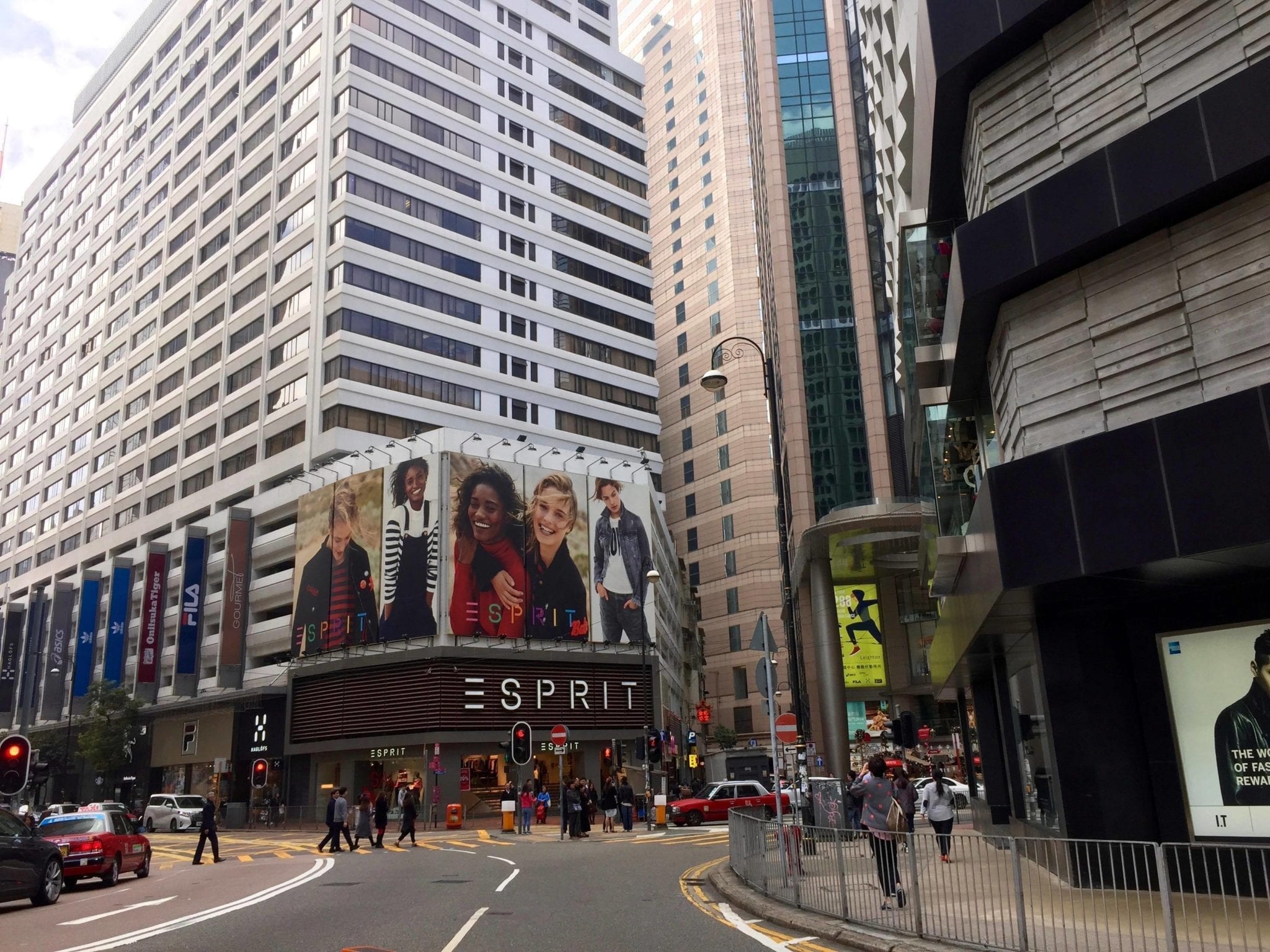
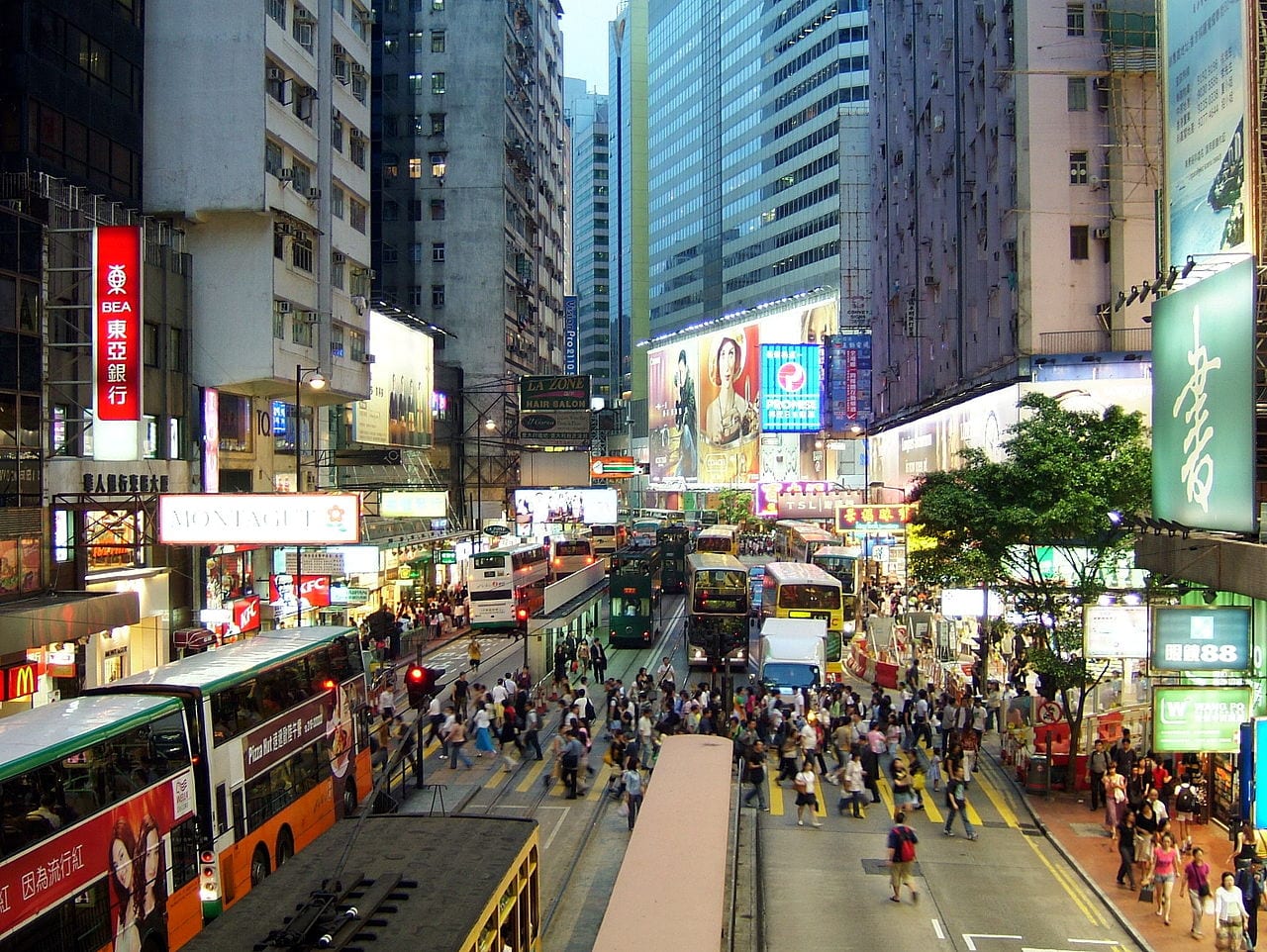
  • Hong Kong high-street retail rents ease

    Hong Kong high-street retail rents ease

    Vacancy rates in tier 1 streets in the four core retail districts edged up by 0.2 percentage points from 3.6 per cent in the third quarter to 3.8 per cent in the last quarter. However, the full-year vacancy rate fell by 0.3 percentage points to 3.8 per cent compared to 4.1 per cent a year earlier.

    CBRE said market sentiment weakened in the fourth quarter, impacted by the US-China trade conflict and volatility in the stock market.

    While retail sales rose by 6 per cent year on year in October, growth slowed to just 1.4 per cent in November – the slowest monthly increase since June 2017.

    “Visitor arrivals remained solid, recording 15.9 per cent growth year on year in October and November combined, the strongest quarterly growth last year,” said CBRE’s report.

    “This ensured continued strong leasing demand from health, personal care and cosmetics retailers.”

  • Hanoi, HCMC hotel rooms getting expensive

    Hanoi, HCMC hotel rooms getting expensive

    Hotel room rates in Hanoi and HCMC, at around $110 a night, are the second most expensive in Southeast Asia behind only Singapore. Real estate services firm CBRE Vietnam said at a recent conference that the performance of the four- and five-star hotel segments was very strong in 2018 due to limited supply but constantly increasing demand.

    By the end of the year the average rent in this segment reached $112.6 in Hanoi and $114.1 in HCMC. High-end rooms in Hanoi number 7,770, of which two thirds are in the five-star category, and their average occupancy rate last year was 78.4 percent.

    Most of them are concentrated in the downtown area and Ba Dinh, a central district where most government offices and embassies are located.

    CBRE said in recent years sharing economy models like AirBnB have been trending, with AirBnB supply in Hanoi and Ho Chi Minh City topping 24,000 units compared to 17,500 four- to five-star hotel rooms.

    “However, despite the rapid growth of this model, room-sharing has not a clear impact on business in the four-five-star segment.”

    As of 2017 there were 118 five-star hotels/resorts in Vietnam, almost twice the number in 2013.

    They had an occupancy rate of over 75 percent, 5 percentage points up from 2016, according to global consulting firm Grant Thornton.

    Vietnam National Administration of Tourism (VNAT) statistics show an upsurge in the number of foreign visitors to Vietnam in the last few years. Last year 15.5 million came to the country, a 20 percent rise from 2017.

  • AirAsia: High cost of unjustified PSC hike

    AirAsia: High cost of unjustified PSC hike

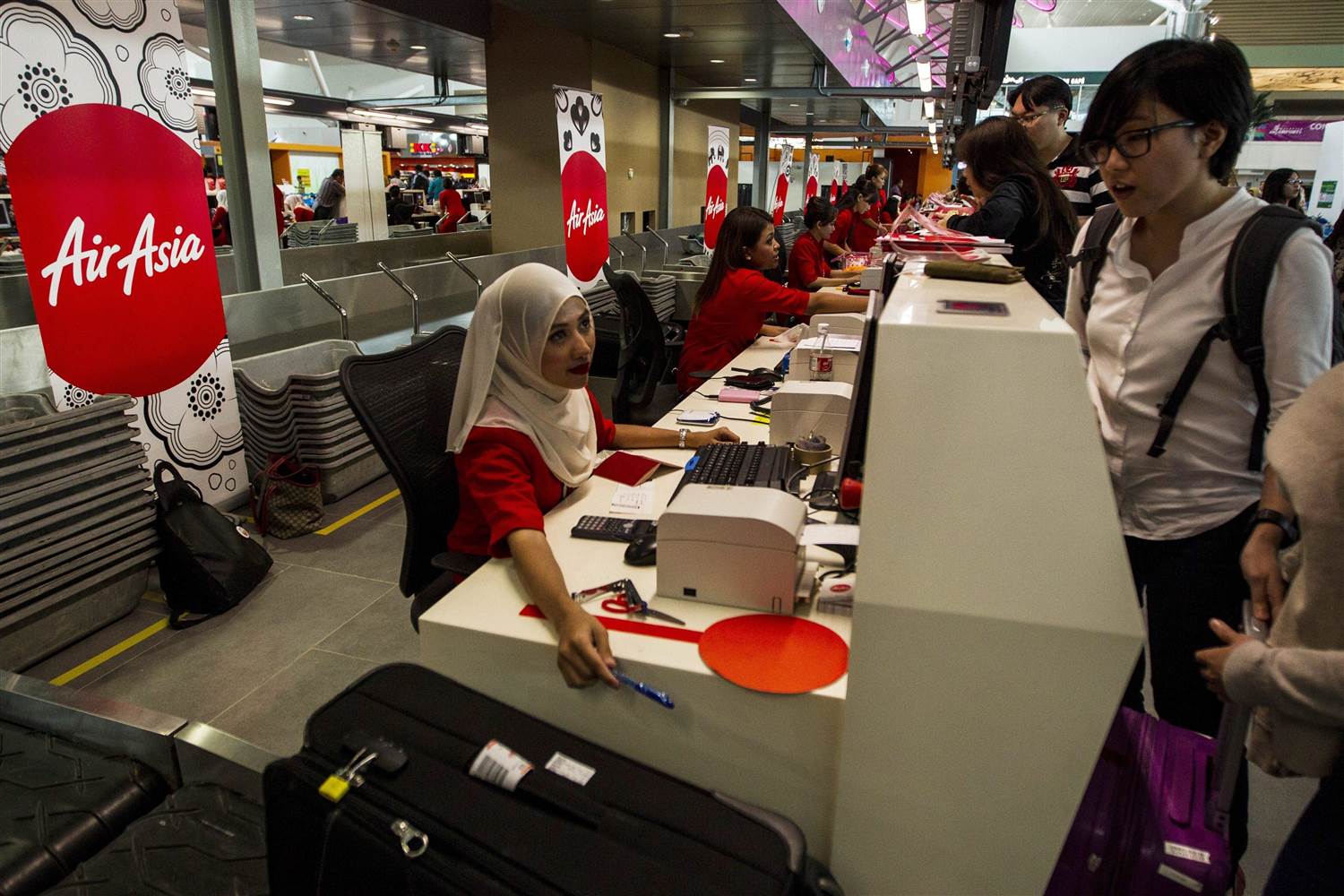
    Unjustified price increases such as the hike in passenger service charge (PSC) could result in airlines being squeezed out of business and subsequently affect tourism arrivals, said low-cost carrier AirAsia. In a strongly worded statement titled “MAHB’s record profits come at a cost to the Malaysian economy and tourism industry”, the airline said the PSC hike imposed by airport operator Malaysia Airports Holdings Bhd (MAHB) will lead to unintended consequences when MAHB’s clients, who have no choice but to use its services, are eventually squeezed out of business.

    “Then, everything will collapse – Malaysia’s tourism arrivals, billion in tourism receipts and revenues to MAHB’s own coffers (a fact it has failed to acknowledge). MAHB rewards itself with excessive monopoly profits, yet it provides the Malaysian public with embarrassingly low service levels,” it said.

    The two parties have been in a row over the additional PSC imposed by MAHB of RM23 per passenger at klia2, in a move to equalise the PSC rate at klia2 and Kuala Lumpur International Airport (KLIA).

    Last week, MAHB slapped AirAsia Group Bhd and AirAsia X Bhd (AAX) with a RM36.1 million lawsuit for refusing to collect the additional PSC and alleged arrears in PSC.

    AirAsia X Malaysia CEO Benyamin Ismail said more than 90% of the “millions” of passengers departing from klia2 who fly with AirAsia will attest to the long walks to the departure gates, labeling klia2 as a passenger-unfriendly airport with inferior facilities and unjustified high charges.

    He reiterated AirAsia’s complaints about the airport such as flight disruptions and cancellations due to major apron and runway defects, unscheduled closure of runways, ponding of water and fuel pipeline ruptures.

    “We were sued after we refused to collect the extra RM23 that MAHB has imposed for the sole benefit of its shareholders. We will vigorously fight this suit. We will not be part of this scheme to burden the travelling public by making them pay more for below par services,” he said.

    AirAsia noted that MAHB’s net profit more than tripled in 2017 to RM237 million from RM73 million in 2016, and estimates that MAHB’s returns on capital are well in excess of the level of the cost of capital set by regulators.

    AirAsia Malaysia CEO Riad Asmat urged regulators and policy makers to rebuff the “unfair and unreasonable” attempt by MAHB to use its monopoly to enrich itself further by revisiting and rescinding the decision to raise the PSC.

    “The overall tourism sector, one of Malaysia’s biggest revenue earners, and the interests of millions of Malaysians who have been able to fly because of the low fares pioneered by AirAsia, are being threatened by MAHB’s price hikes,” he said.

    He challenged MAHB’s argument of needing more profits to operate smaller loss-making airports on behalf of the government, noting MAHB’s “exponential” growth in profits over the last three years even after taking into account losses in its Turkish operations.

    “The additional RM23 to be collected will amount to more than RM100 million a year that will go straight to MAHB’s bottom line rather than to the government. MAHB will continue to be among the most profitable Malaysian companies for many years to come. But this will come at a cost to the wider Malaysian economy and at the expense of engines of growth such as AirAsia and AirAsia X,” he said.

  • Most Vietnamese graduates interested in startups: survey

    Most Vietnamese graduates interested in startups: survey

    About 75 percent of Vietnamese graduates have either started their own business or are interested in opening one. A survey released Tuesday by Navigos, a leading provider of executive search services in Vietnam, also found hat 52 percent of fresh graduates want to attempt a startup in the near future.

    One in five respondents, or 22 percent, said they have attempted a startup at least once before. Only 26 percent said that they have no plans for a start-up. The survey polled over 1,600 fresh graduates with less than two years of working experience.

    It found that a high number of fresh graduates are not satisfied with their current salaries, incentives and promotion opportunities.

    On a scale of five, they rated their satisfaction with salary at 2.95, and incentives at 2.99. Long-term development opportunities scored lowest at 2.88.

    Salaries and incentives are important factors for graduates in choosing their first jobs. Seventy percent of respondents selected “income and welfare policies” as one of the top criteria for job selection.

    Compatibility with personal strengths came second at 55 percent, while career prospects and opportunities for development come third and fourth at 53 percent and 52 percent respectively.

    The majority of fresh graduates, 34 percent, make VND5-7 million ($215-300) a month. Twenty-nine percent said their monthly salaries were VND7-10 million ($300-430). Only 12 percent made VND10 million ($430) or higher.

    The survey also found that candidates who are proficient in foreign languages have higher salaries. Only five percent of those whose jobs don’t require foreign language skills earn VND10 million ($430) or higher, while this figure is 37 percent among candidates who can speak another language.

    Young employees changed jobs more frequently, posing a retention challenge for employers. Eighty-one percent of the respondents said that “jumping jobs” helps them avoid wasting time on unsuitable or unsatisfactory positions.

    Forty-three percent claimed that switching jobs helped them gain diverse working experience and expand networks.

    Although young candidates value high salaries and benefit packages when choosing jobs, 57 percent said higher earnings was not the motivation for jumping jobs.

    Of the respondents who’d quit their jobs, 45 percent said the reason was personal plans like education or family issues.

    Four out of ten graduates said that they quit because they didn’t like their daily tasks, while almost one in four said they could not fit in with the corporate culture.

  • Hong Kong retail rent rises (too) fast

    Hong Kong retail rent rises (too) fast

    Prime Hong Kong street-shop rents rose 4 per cent in the first three quarters of this year, ahead of the up-to 3 per cent rise prediction by Savills a year ago. In a third-quarter real estate briefing released yesterday, Savills said shopping-centre retail rents, which Savills expected would fall as much as 5 per cent, have actually risen 2 per cent year to date.

    Savills expects prime Hong Kong street-shop rents and shopping centre rents will rise by about 2 per cent next year.

    “In the retail market, despite the headwinds of a weaker RMB, more competition from regional cities and elevated new supply in the New Territories, rents will rise modestly,” the company predicted.

    “New infrastructure in the form of the High Speed Rail Link and the Macau Bridge will improve accessibility for mainlanders, while domestic consumption expenditure is expected to remain reasonably robust. Online retail continues to make limited gains in the Hong Kong market.”

    Savills said prime street shops proved the only real estate category in Hong Kong to post a decline in sale value on a per square foot basis, falling 3 per cent – a stark contrast to the 10-12 per cent rise in flatted factories and warehouses, and 8 per cent rise in luxury apartments.

    The company predicts prices for prime high street shops are likely to fall by up to 5 per cent next year.

  • Vietnam retains current price ceilings on domestic flights

    Vietnam retains current price ceilings on domestic flights

    While several carriers want the price ceilings for domestic flights raised, inflation concerns have prevailed, for now. The current price ceiling, fixed by the Transport Ministry in August 2015, is set to remain unchanged for the time being as a new draft circular on air transportation rates.

    Under the draft circular on air transportation prices, prices for five different classifications range from VND1.6 million ($68) to VND3.75 million ($160) per one-way ticket.

    The lowest ceiling applies to flights for distances of 500 kilometers and less to remote rural areas, islands and mountainous areas that require a socioeconomic development boost.

    The highest price ceiling of VND3.75 million ($160) applies for flights of more than 1,280 kilometers.

    The maximum service charges listed above are for economy seats, not including value added tax and other charges like baggage, service and security fees.

    In July, several carriers had suggested that the price ceilings be raised since fuel prices were higher than when the current ceilings were introduced in 2015.

    But the Civil Aviation Administration of Vietnam (CAAV) advised that current price levels be maintained to follow the government’s directive on curbing inflation.

    As of now, the ticket prices listed by carriers are 76-79 percent of the ceiling.

    The CAAV acknowledged that the ceiling prices need to be adjusted, especially for long flights, adding that it will re-assess the situation next year and propose new price brackets if needed.

    Vietnam’s aviation industry has been booming in recent years. The country served more than 94 million air passengers in 2017, up 16 percent from the previous year, including 13 million foreigners.

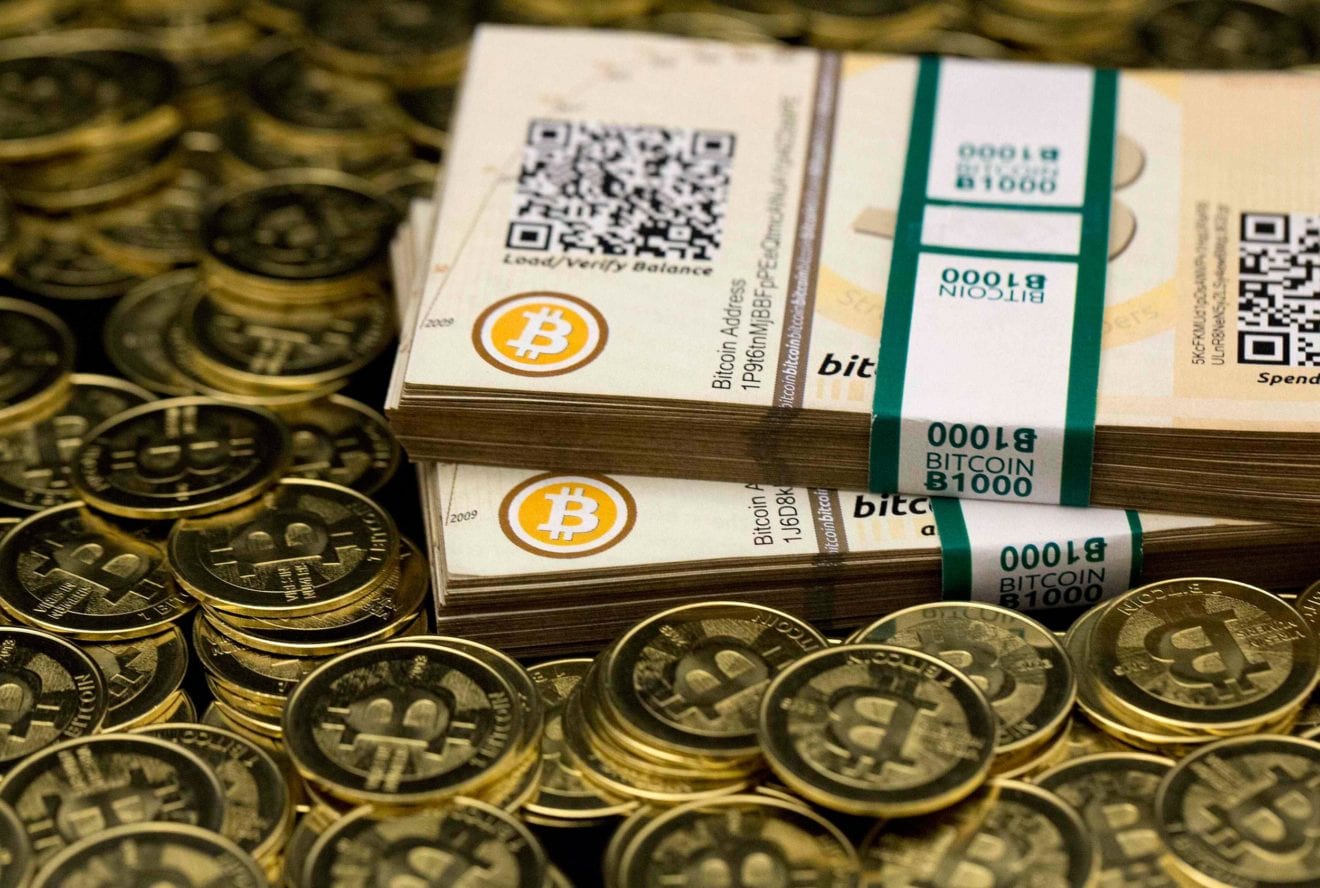
  • Bitcoin surges above $16,000 as concerns mount

    Bitcoin surges above $16,000 as concerns mount

    Bitcoin flirted with $17,000 on Thursday, triggering a warning the cryptocurrency was like a “train with no brakes” and prompting fresh concern about its looming launch on mainstream markets.

    Still under $14,000 in Asian trading hours, it smashed through $15,000 in European trading and got as high as $16,777 before pulling back, according to Bloomberg data. Near 2145 GMT, bitcoin stood at $16,070.

    The rally came just a day after the virtual currency, which has been used to buy everything from an ice cream to a pint of beer, hit the $12,000 mark for the first time. The eye-popping rise has seen the currency’s value soar more than 50 percent in just one week, and from just $752 in mid-January.

    Bitcoin — which came into being in 2009 as a bit of encrypted software — has no central bank backing it and no legal exchange rate.

    It has surged dramatically in the past month, driven by growing acceptance among traditional investors of an innovation once considered the preserve of computer nerds and financial experts, and sometimes more shady users.

    But some, including the U.S. Federal Reserve, have warned against dabbling in bitcoin as it could threaten financial stability, and fears of a bubble have increased as the price has soared.

    “Bitcoin now seems like a charging train with no brakes,” said Shane Chanel, from Sydney-based ASR Wealth Advisers. “There is an unfathomable amount of new participants piling into the cryptocurrency market.”

    But he warned: “Once the hype slows down, we will most certainly see some sort of correction.”

    Financial industry concerns 

    There also are mounting concerns about its introduction into the mainstream financial system after a U.S. regulator last week cleared the way for bitcoin futures to trade on major exchanges, a decision which analysts say has helped spur the recent rally.

    The Commodity Futures Trading Commission decision allows bitcoin derivatives to be offered on the Cboe Futures Exchange starting this weekend and on the world’s biggest futures venue, the Chicago Mercantile Exchange (CME), from December 18.

    But the Futures Industry Association, which groups some of the world’s biggest derivatives brokerages, criticized the CFTC’s move in a letter to the regulator, saying contracts are being rushed through without properly weighing the risks.

    “A more thorough and considered process would have allowed for a robust public discussion among clearing member firms, exchanges and clearing houses,” the association said.

    Bitcoin transactions happen when heavily encrypted codes are passed across a computer network.

    Goldman Sachs, an FIA member, plans to clear bitcoin futures contracts for some clients, meaning it will serve as intermediary to enable transactions, a spokeswoman said.

    “Given that this is a new product, as expected we are evaluating the specifications and risk attributes for the bitcoin futures contracts as part of our standard due diligence process,” she said.

    The NiceHash marketplace was meanwhile on Thursday investigating a security breach resulting in the theft of bitcoin.

    “Clearly, this is a matter of deep concern and we are working hard to rectify the matter in the coming days,” NiceHash said in a statement.

    “In addition to undertaking our own investigation, the incident has been reported to the relevant authorities and law enforcement and we are co-operating with them as a matter of urgency.”

    Bitcoin and other virtual currencies use blockchain, which records transactions that are updated in real time on an online ledger and maintained by a network of computers.

    In 2014 major Tokyo-based bitcoin exchange MtGox collapsed after admitting that 850,000 coins — worth around $480 million at the time — had disappeared from its vaults.

    Bitcoin’s use on the underground Silk Road website, where users could use it to buy drugs and guns, also raised suspicions about the virtual money.

  • Some banks in Vietnam enter new rate race

    Some banks in Vietnam enter new rate race

    VPBank announced it has offered a rate of 9.2 per cent per year for five-year certificates of deposit. VietA Bank has also listed a high rate of 8.2 per cent per year for certificates of deposit with tenure of just six to 18 months.

    The rate at Sacombank is also at 8.2 per cent per year; however, it is applicable for certificates of deposit with tenure of 5-7 years.

    The rate is much higher than the average deposit interest rates offered by other commercial banks. Currently, State-owned commercial banks offer a rate of 6.5-6.8 per cent per year for long-term deposits, while it is 7-7.5 per cent at large-sized joint stock commercial banks and 8-8.2 per cent at small-sized banks.

    Analysts attribute the hike to factors such as the need for medium- and long-term funds to grow lending this year.

    Many experts anticipated the scenario and warned there would be rising demand for long- and medium-term funding after they saw the economy clearly recovering and the Government signing a series of bilateral and multilateral trade agreements, which is likely to increase businesses’ demand for funds.

    Another reason is that 80-90 per cent of deposits currently are short-term while demand for long- and medium-term loans is growing rapidly.

    State Bank of Viet Nam (SBV)’s HCM City branch reported that last year the ratio between short-term and long- and medium-term loans was 44:56 per cent. It is normally 50:50.

    In addition, SBV’s amendments to Circular 36/2014/TT-NHNN reducing the ratio of short-term deposits that can be used for medium- and long-term loans from the current 60 per cent to 40 per cent has caused deposit interest rates to rise.

    Besides this, the risk weight for loans to the real estate sector has also been raised to 250 per cent from 150 per cent since 2017.

    As a result, banks have been forced to hike interest rates on long-term deposits so that they have enough funds to provide long- and medium-term loans.

    Expert Bui Quang Tin said the interest rate hike would put pressure on the central bank’s monetary management this year, especially when the central bank has to meet the three targets of controlling inflation, keeping foreign exchange rate and interest rate stable.

    Tin was also concerned it would be hard for lending interest rate, especially medium and long term, to be steady in the wake of the deposit rate hike. Both lending and deposit rate would rise by roughly 0.5-1.5 per cent per year this year, he forecast.

  • Bank Indonesia Prepares for Fed Rate Hike

    Bank Indonesia Prepares for Fed Rate Hike

    Bank Indonesia Governor Agus Martowardojo said the central bank is preparing for the impact of Fed Fund Rate (FFR) hike in March. Agus said there were clear signs of a US’ interest rates increase during The Federal Reserves’ monthly meeting in February.

    “The probability is 90 percent, that’s why all market participants are getting ready,” the former finance minister said yesterday.

    Agus said that although a Fed Rate hike will likely be followed by a rupiah correction, the impact will not negatively impact the domestic monetary situations.

    He claimed the country’s economic resilience is quite strong, referring to the sustained economic growth in the range of 5.0 percent. Similarly, inflation has been within a safe range of three to five percent in the last two years.

    Other defensive factors are Indonesia’s healthy balance of payments that goes well in hand with a controlled current account deficit. As of February 2017, the country’s balance of payment was at a surplus of US$4.5 billion. The foreign exchange reserve was around US$116.9 billion.

    Bank Mandiri chief economist Anton Gunawan predicts the Fed Fund Rate will rise three times this year. However, he said there is a tendency that investors will prefer Asian markets rather than return to America’s.

    Anton said the rupiah could still see a fairly stable exchange rate to trade between Rp13,200 and Rp13,400 per US dollar.

    “The hedging liability also serves to reduce pressure on the rupiah,” he said.

  • Vietinbank successfully issues bonds at low interest rate

    Vietinbank successfully issues bonds at low interest rate

    Vietnam Joint Stock Commercial Bank for Industry and Trade (Vietinbank) announced it successfully issued non-convertible five-year bonds worth VNĐ2 trillion (US$88.1 million) at annual interest rate of 5.8 per cent.

    Compared with the interest rates of other bond issued recently, the 5.8 per cent rate is considered the lowest rate. It is even lower than the interest rate of 7 per cent per year applicable for deposits of over three years in Vietinbank.

    Previously, in December 2016, Vietinbank also issued 10-year bonds worth VNĐ2.9 trillion at interest rate of 7.5 per cent in the first five years.

    Vietinbank reported a high profit of VNĐ8.25 trillion in 2016, 4 per cent higher than the target set at the bank’s general meeting of shareholders.

    As of December 31, 2016, the bank’s total merged assets were estimated at VNĐ947 trillion, up 22 per cent from the previous year.

    Also in 2016, the bank’s total outstanding loans were VNĐ720 trillion, a year-on-year rise of 18 per cent, while total mobilised capital reached VNĐ862 trillion, up 21 per cent. By the end of 2016, the bank continued to effectively manage the quality of assets with bad debt ratio of less than 1 per cent.

    The bank in 2017 has set a target of a 15-17 per cent rise in total assets and an 18 per cent increase in outstanding credit.

  • Indonesian unemployment rate down in 2016

    Indonesian unemployment rate down in 2016

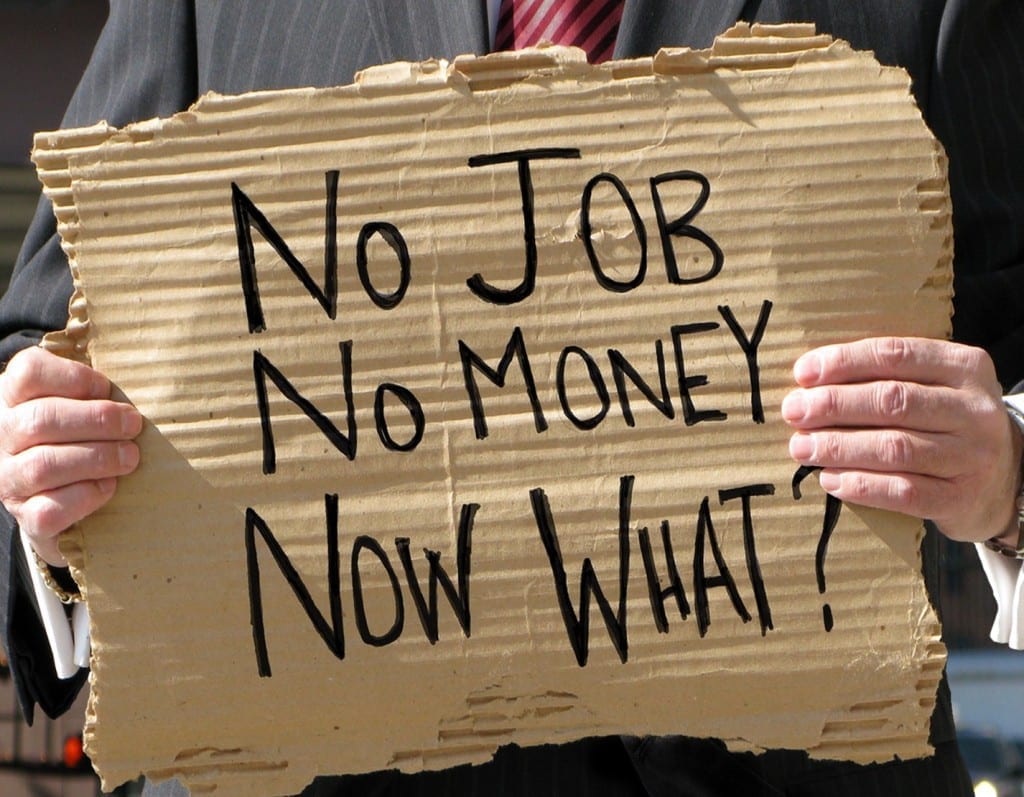
    The Indonesia Central Bureau of Statistics (BPS) said in August, 2016, the country had 7.03 million jobless people among 125.44 million of labor force.

    “Compared with August, 2015, the number of working people rose 3.59 million and the number of jobless people declined 530,000. The number of workforce, therefore, increased 3.06 million in August, 2016,” BPS chief Suhariyanto told reporters here on Monday.

    Suhariyanto said the number of working people rose in almost all sectors during the one year period excepting in the construction sector where the number of working people dropped 230,000 people or 2.8 percent.

    “The highest increase in number was recorded in the public service sector in which there were 1.52 million more working people or an increase of 8.47 percent, followed by an increase of 1.01 million or 3.93 percent in the trading sector, and 500,000 or 9.78 percent increase in the transport, warehousing and communications sector,” he said.

    Among the 118.41 million working people, the largest number was in the agriculture sector reaching 37.77 million or 31.9 percent, followed by the trade sector reaching 26.69 million or 22.54 percent and the service sector 19.46 million or 16.43 percent, industrial sector 15.54 million or 13.12 percent, the construction sector 7.98 million workers or 6.74 percent, the transport sector 5.61 million workers or 4.74 percent, the financial sector 3.53 million or 2.98 percent and mining sector 1.83 million or 1.56 percent.

    BPS said in August, 2016, Labor Force Participation Rate (TPAK) was 66.34 percent or every 100 working age people , around 66 were actively employed. Unemployment rate in the same period was 5.61 percent.

    The highest unemployment rate by provinces was in Banten reaching 8.92 percent , followed by West Java at 8.89 percent. The lowest unemployment rate was in Bali at 1.89 percent and Bangka Belitung at 2.6 percent.

    “Tourism sector contributed to low unemployment rate in Bali and Babel,” Suhariyanto said.

    He said in August 2016 , there were 50.21 million people or 42.4 percent of the working people in formal sector having business with permanent workers of 68.2 million.