Retail News CRM

Tag: regulators

  • “Tiger Triumphs over Puma: Singapore Regulators Dismiss Trademark Dispute Over ‘Big Cat’ Logos”

    “Tiger Triumphs over Puma: Singapore Regulators Dismiss Trademark Dispute Over ‘Big Cat’ Logos”

    In a recent trademark dispute involving two sportswear brands, Puma and Sun Day Red by Tiger Woods, both known for their “big cat” logos, Singapore regulators have concluded that there is no risk of causing confusion among consumers. The controversy was brought to an end by the Intellectual Property Office of Singapore (Ipos).

    Trademark Dispute Settlement

    The dispute was sparked by Sun Day Red’s trademark application, which was met with opposition from Puma. The trademarks, both featuring “big cat” designs, were scrutinized following an application submitted by Sun Day Red on January 18, 2024. Puma declared its opposition to the application just 11 days later.

    According to Ipos, the onus was on Puma to prove the likelihood of confusion between the two marks. To successfully oppose the trademark application, Puma needed to show similarities in the design of the logos, as well as in the goods and services associated with each logo.

    Brand Backgrounds

    The brand Sun Day Red was founded in 2024, with golf legend Tiger Woods and TaylorMade Golf as its creators. The brand name was inspired by Woods’ tradition of wearing red during the final rounds of golf tournaments. Puma, however, has been a staple in Singapore since 2007, when it set up its Southeast Asia hub in the city-state.

    In its defense, Sun Day Red argued that the animals depicted in the competing trademarks were distinct, highlighting that its logo features a tiger, indicated by a stripe pattern, whereas Puma’s logo is based on the animal of the same name.

    Regulator’s Ruling

    Upon reviewing the evidence presented by both parties, Ipos determined that the competing marks had significant visual differences. “The competing marks differ in terms of composition, shape, features, and movement, and these differences influence the consumer’s overall impression of the marks,” Ipos stated.

    In relation to the potential confusion among consumers, Ipos clarified that, due to the visual dissimilarities and the level of attention typically given during the purchasing process, consumers were unlikely to mistake one brand for the other.

    Questions & Answers

    What was the basis of the trademark dispute between Puma and Sun Day Red?
    The dispute centered around the “big cat” logos used by both brands, with Puma opposing Sun Day Red’s trademark application.

    Which factors did Ipos consider in resolving the trademark dispute?
    Ipos evaluated the visual similarities between the logos, the goods and services associated with each logo, and the potential for consumer confusion.

    What were the final conclusions of Ipos regarding the trademark dispute?
    Ipos concluded that the logos were visually different and that consumers would not likely confuse one brand for the other due to these differences and the degree of attention involved in the purchasing process.
  • EU Regulators Stoke Action Against Temu: Chinese Subsidy Probe Targets Dublin HQ

    EU Regulators Stoke Action Against Temu: Chinese Subsidy Probe Targets Dublin HQ

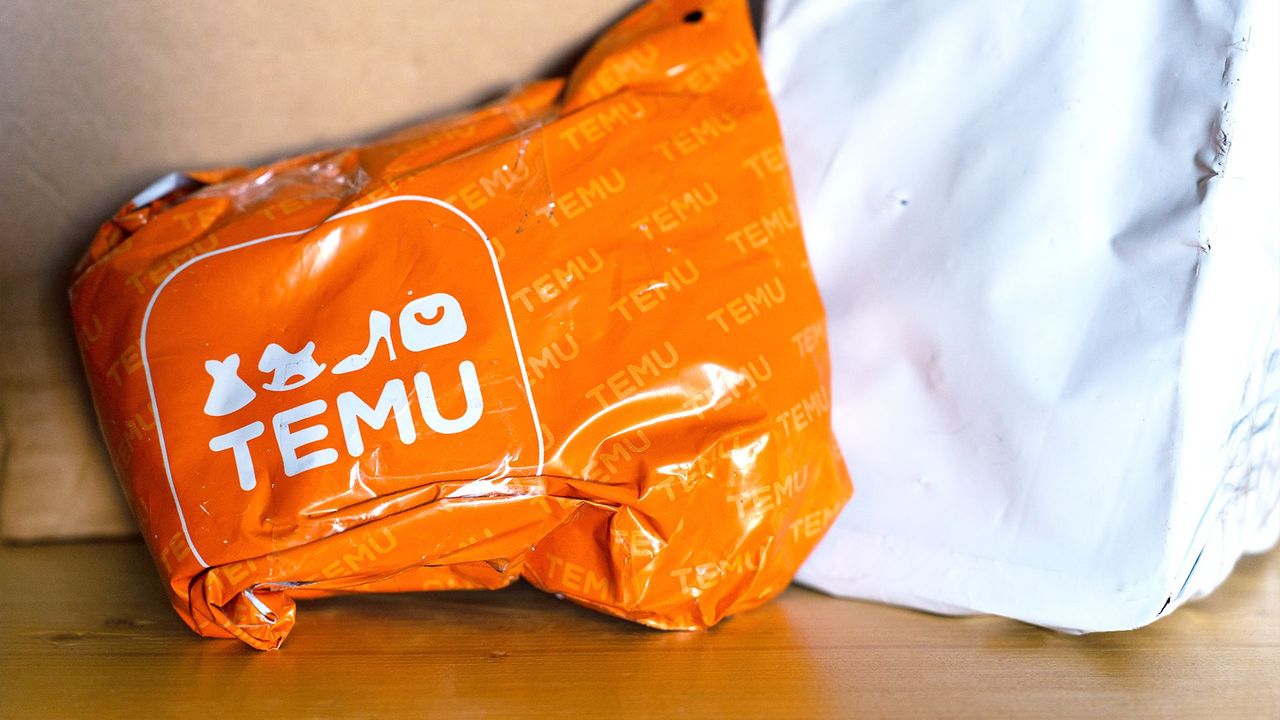
    Last week, EU regulators conducted an unannounced raid on the Dublin-based European headquarters of Temu, an online retailer and subsidiary of China’s e-commerce titan, PDD Holdings. The action arose from concerns regarding potential Chinese state subsidies extended to the company.

    As of yet, Temu has not issued a response to the matter.

    This event coincides with escalating concerns within the EU about an influx of inexpensive Chinese imports. The surge has come via low-value e-commerce shipments, largely due to a customs exemption on packages valued under 150 euros. European retailers argue that this waiver gives e-commerce platforms such as Temu and Shein an undue competitive edge. To address this, the EU executive intends to eliminate this duty exemption by year-end.

    The Foreign Subsidies Regulation (FSR)

    The European Commission’s Foreign Subsidies Regulation (FSR) has been enacted to address this issue. Its purpose is to curb competition from non-EU companies that receive subsidies from their respective governments. The FSR empowers the Commission to levy penalties equating to 10% of a company’s aggregated yearly turnover for any infractions.

    The Commission confirmed it executed an unannounced inspection on an EU-based e-commerce business under the FSR. However, they have not disclosed the identity of the company or the location of the raid.

    Temu’s Global Success and Troubles with EU Authorities

    Temu has amassed a global customer base in the tens of millions via its online store. The e-commerce platform sells a wide range of items from smartphones to duvet covers and leggings at incredibly low prices. This has even prompted Amazon to introduce its rival service, ‘Amazon Haul’.

    Under the tagline “shop like a billionaire”, Temu has attracted approximately 116 million average monthly users in the EU, according to its most recent transparency report. This is an impressive feat considering it only expanded into the European market in April 2023.

    EU regulators typically conduct raids when they have evidence of regulatory violations, which can originate from whistleblowers or their own investigations. These actions often result in companies offering concessions or cooperation in exchange for reduced penalties.

    However, this is not Temu’s first encounter with EU authorities. The Commission initiated an investigation into Temu under the Digital Services Act, a regulation overseeing online platforms, last year. In July, the Commission released preliminary findings claiming that Temu has not done enough to prevent the sale of illegal products on its platform.

    Foreign subsidies may come in various forms such as zero-interest loans, below-cost financing, tax breaks, or preferential tax treatment, among others.

    In November, China’s trade surplus exceeded US$1 trillion for the first time, with manufacturers rerouting more goods to non-US markets due to tariffs, resulting in an export boom to Europe, Australia, and Southeast Asia.

    Questions & Answers

    What spurred the raid on Temu’s headquarters by EU regulators?
    The raid was prompted by concerns regarding potential Chinese state subsidies to the online retailer.

    How does the EU’s Foreign Subsidies Regulation (FSR) aim to address competition from non-EU companies?
    The FSR aims to curb competition from non-EU firms that receive government subsidies. The regulation allows the Commission to impose fines of up to 10% of a company’s annual aggregated turnover for breaches.

    What were the findings of the European Commission’s previous investigation into Temu?
    The Commission’s preliminary findings suggested that Temu was not taking sufficient actions to prevent the sale of illegal products on its platform.

  • Shein files for Hong Kong IPO to pressure London’s listing regulators

    Shein files for Hong Kong IPO to pressure London’s listing regulators

    Fast-fashion retailer, Shein, founded in China, has reportedly submitted an application for an initial public offering (IPO) in Hong Kong. This move has been interpreted as a strategic effort to expedite their listing process and to put pressure on the UK’s regulatory bodies to greenlight their proposed debut on the London Stock Exchange.

    Striving for Regulatory Approval

    Shein allegedly filed a preliminary prospectus privately with the Hong Kong exchange last week. It was also reported that they sought approval from the China Securities Regulatory Commission (CSRC). However, these reports have not been independently confirmed.

    The company’s attempts to list in Hong Kong are seen as a strategy to coax the UK regulator into relaxing its risk disclosure regulations. This is crucial for Shein as it keeps the possibility of what could be London’s most significant IPO in years, alive.

    Previous Attempts for Listing

    In June, it was reported that Shein had plans to file a draft prospectus confidentially for its Hong Kong listing. This followed reports from May suggesting that the retailer was moving towards a Hong Kong listing after failing to secure approval from Chinese regulators for a proposed London IPO.

    According to reports, the UK’s Financial Conduct Authority might still be Shein’s preferred exchange if it is willing to accept a CSRC-approved prospectus. However, the possibility of this happening appears to be slim due to a significant discrepancy in the requirements of the respective regulators.

    Questions & Answers

    Why is Shein filing an IPO in Hong Kong?
    Shein has filed for an IPO in Hong Kong as part of a strategic move to expedite their listing process and to pressure the UK’s regulatory bodies into approving its planned debut on the London Stock Exchange.

    What is the significance of the UK’s Financial Conduct Authority in Shein’s IPO?
    The UK’s Financial Conduct Authority could still be Shein’s preferred exchange if it accepts a CSRC-approved prospectus. However, it has been reported that the likelihood of this happening is low due to differing regulatory requirements.

    What were Shein’s previous attempts for listing?
    Previously, Shein had planned to file a draft prospectus confidentially for its Hong Kong listing. This was after its proposed London IPO failed to secure approval from Chinese regulators.

  • Singapore and China Regulators to Boost Supervisory Cooperation

    Singapore and China Regulators to Boost Supervisory Cooperation

    The two sides reaffirmed their close ties and commitment to strengthening supervisory cooperation.

    The Monetary Authority of Singapore (MAS) and the China Banking and Insurance Regulatory Commission (CBIRC) made the commitment at their annual MAS-CBIRC Supervisory Roundtable, which was virtually on Wednesday, MAS said in a statement.

    The roundtable was chaired by MAS’ deputy managing director Ho Hern Shin and CBIRC’s vice chairman Zhou Liang.

    During the session, the two sides discussed regulatory and supervisory developments in the banking and insurance sectors in both jurisdictions and discussed opportunities for furthering collaboration in the areas of green finance, and the recovery and resolution planning for systemically important banks, MAS said.

  • Tesla To Recall 135,000 U.S. Vehicles Under Pressure From Auto Safety Regulators

    Tesla To Recall 135,000 U.S. Vehicles Under Pressure From Auto Safety Regulators

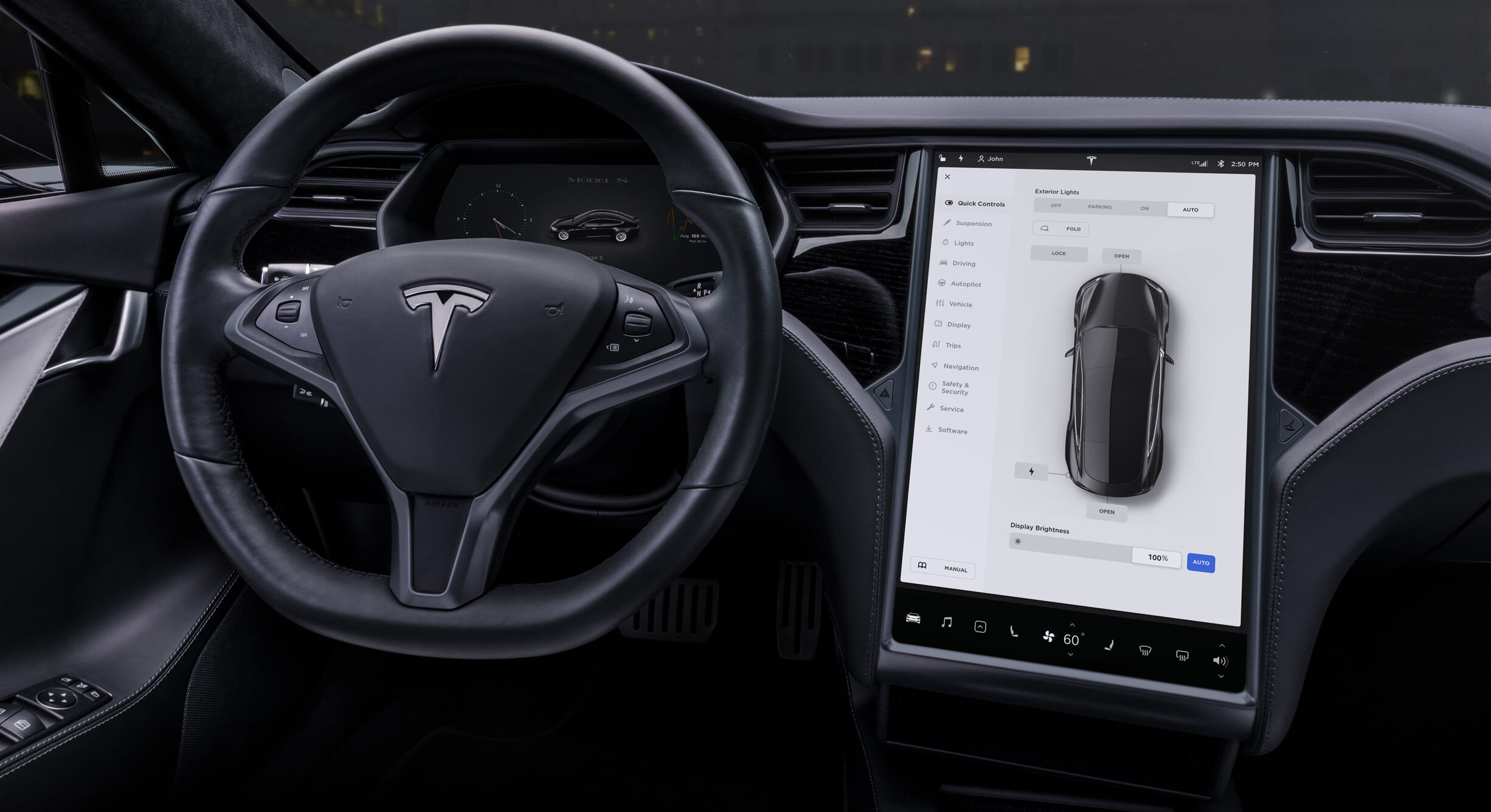
    Tesla Inc has agreed to recall 134,951 Model S and Model X vehicles with touchscreen displays that could fail and raise the risk of a crash after U.S. auto safety regulators sought the recall last month, according to a recall posted on a government website Tuesday.

    The National Highway Traffic Safety Administration (NHTSA) made the unusual recall request in a formal Jan. 13 letter to Tesla, saying it had tentatively concluded the 2012-2018 Model S and 2016-2018 Model X vehicles pose a safety issue. Automakers usually agree to voluntary fixes before the auto safety agency formally seeks a recall.

    The agency said touchscreen failures posed significant safety issues, including the loss of rearview or backup camera images, exterior turn-signal lighting, and windshield defogging and defrosting systems that “may decrease the driver’s visibility in inclement weather.”

    Tesla said in its filing with NHTSA that “in the interest of bringing administrative closure to the investigation and to ensure the best ownership experience for our customers” it agreed to a voluntary recall.

    NHTSA opened a probe in June 2020 into complaints that media control unit (MCU) failures led to touchscreen displays not working.

    The agency said other automakers issued numerous recalls for similar safety issues stemming from the touchscreen failure.

    NHTSA said in November when it upgraded its probe that it reviewed 12,523 claims and complaints about the issue.

    NHTSA said last month that “during our review of the data, Tesla provided confirmation that all units will inevitably fail given the memory device’s finite storage capacity.”