Retail News CRM

Tag: risk

  • J&J’s Talc-Cancer Lawsuits: 69,000 Cases at Risk of Dismissal as Judge Demands Stronger Evidence

    J&J’s Talc-Cancer Lawsuits: 69,000 Cases at Risk of Dismissal as Judge Demands Stronger Evidence

    A U.S. federal judge on Wednesday expressed skepticism regarding the accusations of roughly 69,000 individuals who assert that Johnson & Johnson’s baby powder and other talc-related products led to ovarian cancer. The judge stated that the plaintiffs must offer more definitive evidence or face the possibility of their lawsuits being dismissed.

    Doubts Over Evidence

    US Magistrate Judge Rukhsanah Singh, based in Trenton, New Jersey, noted that recent testimonies from two expert witnesses representing the plaintiffs raised questions about the validity of their claims. The experts had testified that talcum powder usage specifically caused the plaintiffs’ ovarian cancer. These expert testimonies were part of a preparation for a set of six pivotal, or ‘bellwether’, trials aimed at assessing the potential worth of the remaining claims and guiding settlement discussions.

    The experts in question, Judith Wolf and Daniel Clarke-Pearson, delivered their testimonies in May. Despite their involvement, they were unable to conclusively rule out other potential causes for the plaintiffs’ ovarian cancer, leading to further doubts about the lawsuits.

    Johnson & Johnson’s Stance

    Johnson & Johnson has consistently refuted the allegations that its talc products cause cancer. The company maintains its stand that talc is safe and asbestos-free. Erik Haas, Johnson & Johnson’s VP of litigation, stated that the recent decision edges these cases closer to a fair and suitable outcome – the complete dismissal of the talc lawsuits. At the time of writing, both a spokesperson for Johnson & Johnson and a lead attorney for the plaintiffs had not responded to requests for comments.

    Despite the concerns raised, Judge Singh stated that the ongoing debate over causation would not lead to an immediate dismissal of the consolidated federal lawsuits. Instead, the plaintiffs have been given until November 19 to provide a response and a reason why their case should not be dismissed due to the failure to provide an admissible expert opinion that Johnson & Johnson’s talc caused their specific cancer.

    In addition to these federal cases, Johnson & Johnson also faces lawsuits in state courts across the US. The company has seen victories in some recent trials, but large verdicts have also been awarded to plaintiffs in other cases. The litigation process resumed in March 2025 after being paused for over three years due to unsuccessful attempts by Johnson & Johnson to resolve the lawsuits through a shell company’s bankruptcy.

    As a response to the ongoing controversy, Johnson & Johnson ceased sales of talc-based baby powder in the US in 2020, opting instead for a cornstarch product.

    Questions & Answers

    What was the recent decision made by the US Magistrate Judge Rukhsanah Singh about?
    The decision expressed skepticism about the accusations made by individuals who assert that Johnson & Johnson’s talc products caused their ovarian cancer. The judge noted that the plaintiffs must provide more definitive evidence or risk their lawsuits being dismissed.

    What impact did the expert testimonies have on the case?
    The expert witnesses, Judith Wolf and Daniel Clarke-Pearson, were unable to rule out other potential causes for the plaintiffs’ ovarian cancer. This uncertainty has raised further questions about the validity of the lawsuits against Johnson & Johnson.

    What is Johnson & Johnson’s stance on the allegations about their talc products?
    Johnson & Johnson has consistently refuted the allegations, maintaining that their talc products are safe and asbestos-free. The company believes that a fair and suitable outcome would be the complete dismissal of the talc lawsuits.


  • Nestlé Initiates Global Recall of Infant Formula in 30+ Markets due to Potential Toxin Risk

    Nestlé Initiates Global Recall of Infant Formula in 30+ Markets due to Potential Toxin Risk

    Nestlé, the world’s largest food and beverage company, has initiated a widespread recall of select infant nutrition products across over 30 markets, including Australia, New Zealand, the Americas, and numerous European countries. The recall is attributed to the potential contamination of these products with a certain toxin.

    Investigating Quality Issues

    The decision for a recall came after an internal investigation discovered a quality issue related to one of the ingredients supplied by a prominent vendor. The ingredient in question, arachidonic acid (ARA) oil, which is often mixed with other oils, was found to potentially contain Cereulide. Cereulide is a bacterially derived substance known to cause foodborne illness, produced by certain strains of Bacillus cereus, a type of microorganism. Nestlé stated that the occurrence of cereulide in oils is quite rare and is currently working with the supplier to pinpoint the cause.

    Global Recall

    The recall, which began on January 7, affected 27 European countries, including the United Kingdom, Spain, and Italy. In the Asia-Pacific region, Hong Kong, Australia, and New Zealand were included and in the Americas, Argentina, Mexico, and Peru were impacted. However, Nestlé pointed out that this list may not be exhaustive and will be updated accordingly.

    Given that ARA oil is a component in various infant nutrition products sold around the world, the problem affects multiple brands. Among the brands impacted are SMA, BEBA, NAN, and Alfamino, but the specific products recalled vary from country to country.

    In Australia and New Zealand, the Alfamino Infant Formula (0-12 months) 400g is being recalled. The products have specific markings, including use-by dates from 17.04.2027 to 22.07.2027 and corresponding batch numbers.

    Advice for Consumers

    Customers have been advised to return any affected product to the place of purchase for a full refund. Anyone concerned about their health or that of their infant is encouraged to seek medical advice.

    Nestlé confirmed that there have been no reported illnesses connected with the recalled products so far. However, consumers are advised to watch out for severe or persistent vomiting, diarrhea, or unusual lethargy in infants, which typically appear between 30 minutes to six hours after exposure.

    Ensuring Health and Wellbeing

    The company is actively communicating with authorities in the affected countries to ensure necessary measures are taken to safeguard public health. Nestlé assures the public, especially parents and caregivers, that it is taking appropriate actions to prioritize the health and wellbeing of families and their children.

    Despite the recall, Nestlé notes that the financial impact of the situation is expected to be minimal, as the recalled products make up less than 0.5 per cent of the group’s annual sales.

    Questions & Answers

    What is Cereulide and why is it dangerous?
    Cereulide is a substance of bacterial origin, produced by certain strains of the Bacillus cereus microorganism. It is known to cause foodborne illnesses.

    What are the symptoms to watch out for in infants who may have been exposed to Cereulide?
    Symptoms include severe or persistent vomiting, diarrhea, or unusual lethargy, typically appearing between 30 minutes to six hours after exposure.

    What should consumers do if they have purchased one of the recalled products?
    Consumers are advised to return the product to the place of purchase for a full refund. Those who are concerned about their health or that of their infant should seek medical advice.

  • Riding on Risk: The Perilous Reality of Motorbike Travel in Vietnam

    Riding on Risk: The Perilous Reality of Motorbike Travel in Vietnam

    Motorbikes, possessing the rapidity of a car but the simplicity of a bicycle, inherently pose a high risk to safety, particularly when traversed on less than optimal roads. As an individual who has spent a significant time commuting through the city by both motorbike and car, I have come to deeply comprehend a sobering reality: motorbikes, the primary mode of transportation in Vietnam, are also the most perilous. The danger lies not only in their petite, vulnerable structure, but also in the habits and attitudes of the people and a transportation infrastructure that is inadequately equipped to provide adequate protection for riders.

    The Danger Lurking in Motorbikes

    In developed nations, cars are predominantly the preferred choice of transport. This preference is not solely attributed to the affluence of the people, but also to the inherent safety cars provide. The occupants in a car are shielded by a robust metal structure, airbags, seatbelts, anti-lock braking systems, collision sensors, rear-view cameras, and blind spot warnings. Motorbike riders, on the other hand, are left completely vulnerable to the tumult of traffic. A minor brush or an abrupt swerve can easily result in a fall, leading to grave injury or even fatality.

    In my personal observation, most roadway accidents in Vietnam invariably involve motorbikes. They occur on a daily basis, whereby a minor wobble, a sharp brake, or an inattentive pedestrian can rapidly escalate into catastrophe. Although car accidents are not unheard of, the possibility of fatal consequences is significantly less.

    A Closer Examination of the Risks

    Another factor contributing to the danger of motorbikes is their sheer volume. In major cities such as Hanoi and Ho Chi Minh City, it is commonplace for a family to own two or three motorbikes. The narrow city roads, swarming with millions of bikes, generate chaos. Riders are compelled to evade cars, dodge pedestrians, navigate around buses, and occasionally mount pavements when confronted with traffic jams. These behaviors are born out of the necessity for convenience and the habit of seeking shortcuts, yet they continually place riders in precarious situations.

    Further exacerbating the situation is the lack of traffic awareness amongst a subset of riders. Unconventional helmet use, running red lights, driving against the traffic, over-speeding, and phone usage while driving are prevalent practices. As motorbikes are compact and agile, riders often experience a sense of freedom, forgetting the grave implications one moment of negligence can bring about. Unlike car drivers, who are subjected to more stringent licensing procedures and have higher financial liabilities, many motorbike users obtain their license with minimal training. Some even resort to stand-ins for their tests or commence riding before achieving the legal age.

    The Psychological Aspect and Infrastructure Hurdles

    There is also a psychological element at play. Car drivers generally exhibit more caution as even a minor collision can result in costly repairs. Motorbike riders, conversely, often downplay minor incidents and adopt aggressive or reckless behavior to save a few minutes. This overconfidence often results in motorbike accidents that are unforeseen and frequently unavoidable.

    The infrastructure in Vietnam further exacerbates the risk. Numerous roads lack specially designated lanes for motorbikes, exhibit faded lane markings, inconsistent speed bumps, and poorly positioned traffic lights. Rain can render the roads slippery, while manhole covers and potholes, barely noticeable to cars, can easily cause a motorbike rider to lose control.

    Reassessing Motorbike Use

    Motorbikes undoubtedly play an integral role in Vietnamese life, especially in narrow lanes, rural regions, or areas with underdeveloped transport infrastructure. However, as urban areas aspire to more sophisticated transportation systems, it is imperative to alter our mindset. Rather than solely relying on motorbikes, we should consider public transport, small cars, e-bikes, or bicycles as safer and more sustainable alternatives. The authorities must also enact stronger measures: assign lanes for motorbikes, strictly enforce traffic regulations, and educate about road safety from an early age. Riders must comprehend that they are operating a high-risk vehicle and not simply indulging in convenient transportation.

    Observing from the safety of my car, as hundreds of motorbikes jostle under the rain, amid exhaust fumes and blaring horns, the realization is stark: a single wrong move or abrupt stop could swiftly result in tragedy.

    Motorbikes have been an integral part of Vietnamese life for generations, but they also present a significant risk that needs to be reconsidered. Traffic safety is not just the responsibility of the government; it is a personal choice. We can choose to decelerate, to exercise caution, and to opt for safer vehicles to safeguard ourselves and our loved ones. After all, the ultimate objective is not the speed or convenience of the journey, but to return home safely every time.

    Questions & Answers

    Why are motorbikes considered dangerous?
    Motorbikes are considered dangerous due to their small, exposed structure, the riders’ habits and mindset, and a transportation infrastructure that inadequately protects riders.

    What factors contribute to motorbike accidents in Vietnam?
    The sheer volume of motorbikes, lack of traffic awareness among some riders, psychological factors, and infrastructure issues contribute to motorbike accidents in Vietnam.

    What measures can be taken to improve safety for motorbike riders?
    To improve safety for motorbike riders, authorities can assign designated lanes for motorbikes, strictly enforce traffic regulations, and educate about road safety from an early age. Additionally, riders can choose safer vehicles and exercise more caution while driving.

  • Tasti Products Issues Global Recall Amid Safety Concerns Over Metal Fragments In Snacks

    Tasti Products Issues Global Recall Amid Safety Concerns Over Metal Fragments In Snacks

    Tasti Products, a popular snack company, has issued a recall for numerous items including snack bars, peanuts, and snack balls. This decision follows the discovery of wire-like metal fragments in some batches of these products.

    Recall Announcement

    The recall, which is being supported by the New Zealand Food Safety (NZFS), is a safety measure to avoid serious injuries that could possibly result from consumption of the affected products. Vincent Arbuckle, the NZFS deputy director-general, has issued a statement warning consumers to refrain from consuming these products. He further advised that customers should return any affected products to the point of purchase for a refund. If a return is not feasible, the products should be discarded.

    Distribution Information

    The recalled products have been widely distributed, reaching supermarkets and retailers not only in New Zealand but also in Australia, Fiji, India, and Singapore. The food safety authorities of these countries have been informed about the recall. The specific products and batch numbers being recalled have not been publicly released.

    Investigations Underway

    According to reports, no injuries related to the recalled products have been reported yet. Arbuckle added that NZFS, in line with their standard procedures, will be working closely with Tasti Products. The aim of this collaboration is to gain a comprehensive understanding of the circumstances that led to the contamination, and to implement measures to prevent similar incidents from happening in the future.

    Questions & Answers

    What should consumers do with the recalled Tasti Products?
    Affected products should be returned to the place of purchase for a refund. If this isn’t possible, the products should be discarded.

    What countries were the recalled products distributed to?
    The recalled products were distributed to supermarkets and retailers in New Zealand, Australia, Fiji, India, and Singapore.

    What measures are being taken to prevent future incidents?
    NZFS and Tasti Products are working together to understand how this incident happened. They will be implementing preventive measures to avoid similar occurrences in the future.

  • Dali Grocery Chain’s Financial Stability Under Siege Despite Revenue Growth: A Closer Look

    Dali Grocery Chain’s Financial Stability Under Siege Despite Revenue Growth: A Closer Look

    As the financial year closes, alarm bells are ringing for Dali Everyday Grocery Philippines, as the company’s financial stability comes under scrutiny. The grocery chain’s losses have widened this year, with liabilities creeping up to nearly match its assets.

    Dali’s local operator, Har Discount Philippines Inc (HDPI), has reported a net loss of US$34.56 million (PHP1.97 billion), marking an increase of 5% from $32.98 million in the previous year. Despite a significant revenue growth of 52.1% to reach $595.26 million, largely due to boosted sales, and a more than doubled gross income of $58.42 million, the company’s financial woes are far from over.

    Rising Expenses

    The grocery chain’s expenses, unfortunately, have seen a dramatic surge. The cost of sales alone shot up by 46.9% to a staggering $536.67 million, while operating expenses also saw a 60% rise to $84.39 million. Although the company’s total assets experienced a 70% boost to $368.77 million, liabilities have skyrocketed by 110.8% to a concerning $355.26 million.

    Dali’s equity also took a considerable hit, dropping 73% to $12.79 million after its deficit ballooned by 60% to $91.93 million.

    Concerns Over Financial Health

    Amid these numbers, independent auditor SyCip Gorres Velayo & Co. (SGV) has flagged the financial health of HDPI, indicating that the company’s ability to continue operations may be in significant jeopardy due to the material uncertainty surrounding its financial stability.

    The auditor pointed out the challenges the business might face in realizing its assets and discharging its liabilities in the course of normal business proceedings, spotlighting potential difficulties in meeting financial obligations.

    Company Response

    In the face of these financial concerns, HDPI remains optimistic, asserting its confidence in the company’s outlook. The company anticipates that profit margins will see improvement over the coming five years, courtesy of measures aimed at enhancing cost-efficiency.

    HDPI further reassured that their operations would generate sufficient cash flow to meet obligations as and when they become due.

    Questions & Answers

    **What are the causes of Dali Everyday Grocery Philippines’ financial troubles?**
    The chief causes of Dali’s financial troubles include a significant increase in sales costs and operating expenses, alongside a surge in liabilities.

    **What is the company’s plan to improve its financial situation?**
    Dali’s local operator, HDPI, plans to enhance cost-efficiency in an effort to improve profit margins over the next five years. The company also expects to generate enough cash flow from its operations to meet its due obligations.

    **What are the potential challenges Dali faces moving forward?**
    The company may face challenges in realizing its assets and discharging its liabilities under normal business circumstances, which could lead to difficulties in meeting its financial obligations.

  • Investors Overlook Risks as They Go All-In on Gold

    Investors Overlook Risks as They Go All-In on Gold

    Surge in Gold Prices Captivates Vietnamese Consumers Amid Growing Investment Frenzy

    In recent months, a wave of enthusiasm for gold has swept across Vietnam, particularly among young investors eager to secure their wealth. With prices recently hitting a historic peak, many consumers are turning to gold as a reliable asset. The dynamics of this trend reflect changing consumer behavior and highlight the evolving landscape of investment in the retail sector.

    Rising Interest in Gold Investments

    Hanoi resident Anh Nguyet, 28, has emerged as a case study in this trend. Over the past four months, she has taken out monthly loans of VND4 million (approximately $154) to purchase smaller quantities of gold. Once indifferent to this traditional asset, she now stocks up as soon as her salary arrives, driven by her belief that today’s high price could foreshadow a future dip.

    “I buy more gold, even if it means taking on more debt,” Nguyet admits. “The allure of rising prices and the fear of missing out are compelling.”

    The Burden of Investment Decisions

    Similarly, Nguyen Tuan and his wife from Hai Phong City find themselves in a precarious financial position. After borrowing VND200 million for home renovations, they now face mounting pressures with their initial gold investment untouched. Rather than cashing in on their two taels of gold during a peak price, they have opted for additional loans, anticipating further increases in value.

    “Selling now feels wrong when prices are climbing,” Tuan explains. “We’re committed to adding to our gold reserves, even if it means tightening our budget significantly.”

    A Broader Market Trend

    The experiences of Nguyet and Tuan reflect a larger phenomenon occurring across Vietnam. Recently, gold prices surged to an unprecedented VND124 million per tael, marking a staggering 45% increase since January. Market analysts attribute this trend to various factors, including low bank interest rates and a lack of diverse investment avenues for the general population.

    Ngo Tri Long, a market analyst and former director at the Institute for Market and Price Research, comments, “There is a significant fear of missing out among consumers. Many regret not investing earlier and feel compelled to buy at current rates, despite the inherent risks.”

    The Consumer Gold Rush

    As part of this retail news, a survey conducted among gold retailers in Hanoi reveals a frantic buying atmosphere, with many outlets running out of stock by midday. To secure purchases, customers are accustomed to booking appointments, waiting in line, and are often limited to buying minimal quantities.

    “Gold has become the default investment strategy for many,” says Long. “The increased demand has led to visible queues outside major retailers, illustrating a collective rush to secure gold as inflation continues to impact purchasing power.”

    Navigating the Gold Market Wisely

    However, this gold rush is not without its pitfalls. Investment experts urge consumers to approach gold purchases thoughtfully. Defining a clear purpose for buying—whether for long-term savings or short-term speculation—is essential for avoiding impulsive decisions driven by market fluctuations.

    Investors are advised against obsessively tracking gold prices on social media, as doing so can lead to unnecessary stress and anxiety. Balanced asset allocation remains a fundamental strategy, and Long emphasizes diversification—suggesting that individuals only allocate 5-10% of their total investments to gold.

    Conclusion: Implications for the Retail Sector

    The current gold trend in Vietnam highlights shifting consumer preferences toward tangible assets amid economic uncertainty. As more individuals seek refuge in gold, the implications for the retail sector are profound. Retailers may need to adapt strategies to meet increased consumer demand, balancing the dynamics of supply with a hyper-aware community of investors. The ongoing situation underscores the importance of informed decision-making in a market driven by fear and excitement, ultimately shaping the future landscape of consumer investment behavior.

  • StanChart Hires Technology Risk Expert

    StanChart Hires Technology Risk Expert

    The bank has brought on board a financial and telecommunications services technology risk, regulatory and security leader to support its business, functions and regions.

    Standard Chartered has hired technology expert David McLinton as its global head of Operations, Information and Cyber Security (ICS), effective 06 January 2020, subject to regulatory approvals, the bank announced in a statement on Wednesday.

    McLinton has over 25 years of industry experience joins from Singtel, where he was head of its Asia Pacific cybersecurity team. He was previously chief information security officer for Asia Pacific and Latin America for J.P. Morgan Chase.

    The position is based in Singapore. McLinton reports to Yuval Illuz, group chief information security officer and chief operating officer, Trust, Data and Automation.

  • Vietnamese government will share risks with startups, PM assures

    Vietnamese government will share risks with startups, PM assures

    The Vietnamese government is willing to make changes in regulations to facilitate timely funding of startups, Prime Minister Nguyen Xuan Phuc said. Addressing at the Youth Startups Forum 2018 in Hanoi on Thursday, he acknowledged the challenges that Vietnamese startups have highlighted, saying that it is the task of authorities to find a breakthrough solution for creative entrepreneurs to start and run a business.

    He asked the Ministry of Planning and Investment, the Ministry of Science and Technology, the Ministry of Finance and the State Bank of Vietnam to create more favorable conditions for startups by making changes in the legal framework.

    “We need a breakthrough innovation in policies from government bodies to help startups succeed with their ideas,” he told the forum, which attracted 300 entrepreneurs from across the country.

    The government is willing to share a part of the risks with startups, the PM added.

    He asked relevant ministries and other agencies to report in detail next month on the solutions they have identified for the problems that industry insiders have highlighted.

    Vietnam has seen an increasing number of startups in recent years. The country’s speed of startup development ranks third among ASEAN members. But regulatory obstructions are hindering their ability to attract funds they need to establish themselves and thrive in the market, entrepreneurs said at the forum.

    Thach Le Anh, founder of Vietnam Silicon Valley, a government-backed organization aiming to stimulate the growth of startups, said that angel investors are reluctant to invest due to a lack of incentives in tax and policies. Angel investors are people who inject money into a new business in the early stage.

    The early financial support is crucial for a startup to succeed, Anh said.

    Nguyen Manh Dung, a representative of the investment fund CyberAgent Veuntures in Vietnam, also said that many investors want to invest in Vietnam’s startups, as larger markets like the U.S., Japan and China require bigger capital and fewer opportunities.

    Investors are also reluctant about later stage investments, when profits can be extracted, because of slow administration procedures, he said.

    Disbursement procedures in Vietnam could take from six months to a year while the very nature of startups is that they need to act fast, he added.

    Dung also said that divestment was one the main concerns that investors have.

    “These challenges take opportunities away from startups,” he said.

    Dam Quang Thang, CEO of AgriTech Village, a company which assists local startups in agriculture, said that although startups often use new technological solutions, they have to go through a traditional testing method, which is more time consuming than it should be.

    A representative of Vietinbank, Vietnam’s fourth-biggest listed bank by market capitalization, said tight bidding procedures and long financial checks were preventing the bank from investing in a tech startup.

    “Startups struggle to sell their products to investors as they have to go through the traditional process. There must be a better way for them to sell their new solutions,” the representative said.

    Last year, Vietnamese startups received $300 million in investments in 92 different deals, according to startup accelerator program Topica Founder Institute (TFI).

  • Thousands of jobs at risk over spat between Vietnam coal corporation and power group

    Thousands of jobs at risk over spat between Vietnam coal corporation and power group

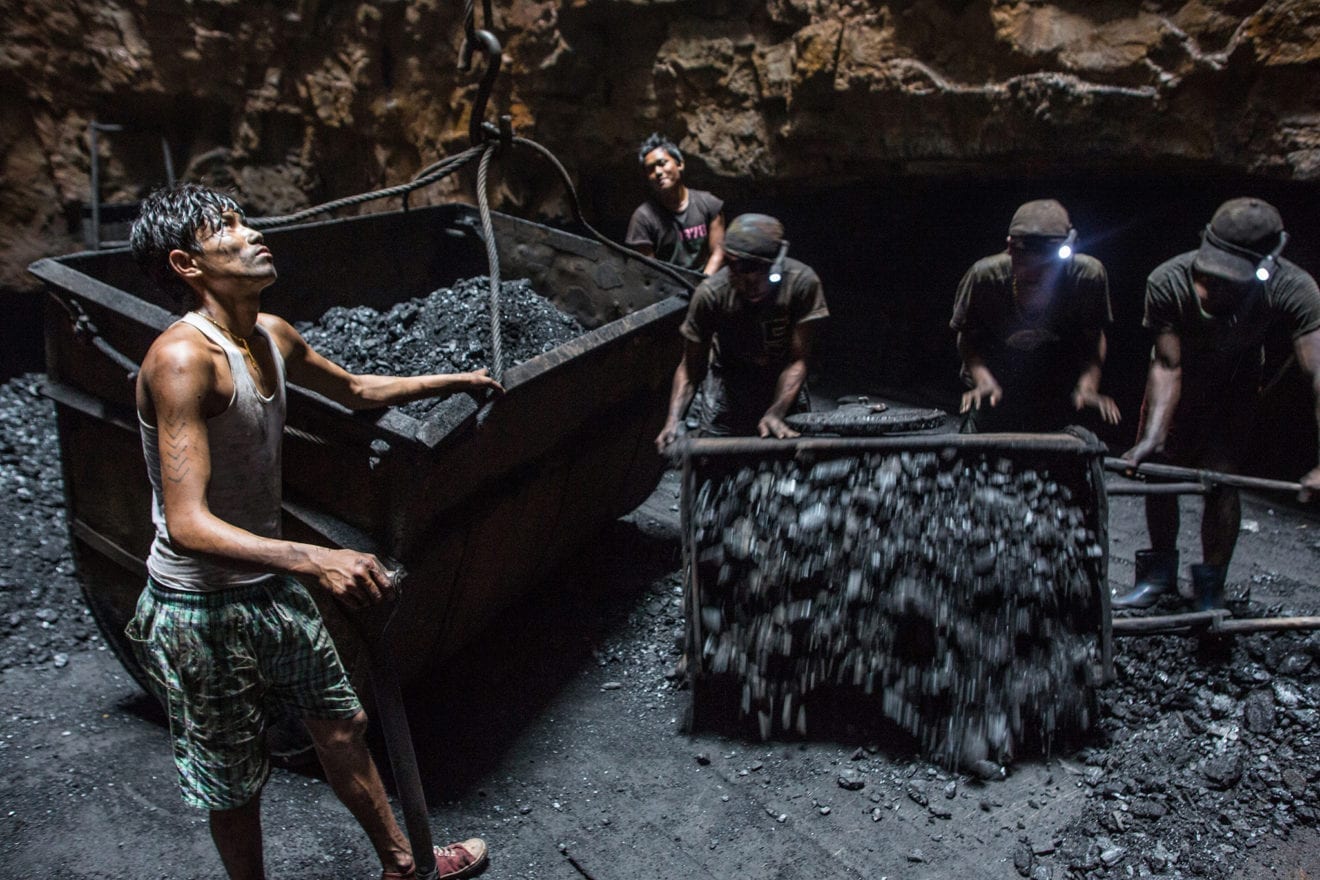
    Imported coal is currently cheaper than what’s available on the domestic market, so which industry should the government support? Thousands of workers at Vietnam National Coal-Mineral Industries Holding Corporation Limited (Vinacomin) could lose their jobs if the state-run power monopoly Electricity of Vietnam (EVN) slashes coal purchases this year.

    Vinacomin’s stockpile stands high at 9.3 million tons, largely due to reduced purchases by EVN, Vinacomin officials said at a meeting with government representatives on Monday.

    In May, EVN  reduced its planned purchases from Vinacomin by 2 million tons to 17.92 million tons, saying imported coal was cheaper.

    Vietnam is running out of hydropower sources so it plans to focus on developing coal-fired thermal power. The proportion of thermal power will rise to 49 percent by 2020 and 55 percent by 2025, said EVN

    According to Do Hoang Anh Tuan, deputy minister of finance, domestically produced coal currently costs more than imported coal, making it hard to compete. For example, a certain type of imported coal dust costs around VND 1.5-1.6 million ($66-71) per ton, while the same type produced by Vinacomin costs around VND 2 million each ton.

    “The price of domestic coal should be competitive; at least the same or lower than imported coal, but we still need to ensure international market commitments are met,” said Tuan.

    While insisting EVN should continue to buy its coal this year, Vinacomin officials warned that if EVN cancels the order for 2 million tons, some 4,000 workers could lose their jobs and a coal mine could be closed.

    Government Office Minister Mai Tien Dung came to Vinacomin’s defense, saying that while abiding by market rules, “we should ensure domestic production and protect established corporations like Vinacomin, otherwise 4,000 workers could be out of a job.”

    The government also asked Vinacomin to reduce its production costs and price to ensure they are competitive with imported coal.

    For its part, the Ministry of Industry and Trade has been asked to look at long-term measures to protect domestic coal, while Vinacomin should work with local authorities to fight illegal coal exploitation and smuggling.

    To end the meeting, Dung called on Vinacomin to reach its VND 110 trillion revenue and VND 2 trillion profit targets in 2017.

    According to a report by Vinacomin, the corporation produced some 19.87 million tons of raw coal in the first six months this year, accounting for 55.2 percent of the annual target.

  • More than 1 in 4 cloud apps are high risk

    More than 1 in 4 cloud apps are high risk

    More than a quarter (27%) of third-party apps can be classified as high risk, according to research from CloudLock Cyberlab.

    Analysis conducted across 10 million users, 1 billion files, and nearly 160,000 unique applications found that cybercriminals can exploit weaknesses in high-risk apps to gain programmatic access to corporate platforms impersonating end users. 

    The shadow IT dilemma is meanwhile only becoming more challenging as usage is increasing exponentially year over year, the company said.

    The past three years saw nearly a 30 times increase in the number of apps detected, from 5,500 to nearly 160,000. Each application instance represents a backdoor through which hackers can infiltrate and externalize sensitive corporate assets.

    CloudLock Cyberlab said an organization may embrace its employees’ “shadow” exploration of innovative technology solutions and sanction a subset of these apps as Productivity IT, but it’s essential to closely monitor the connected third-party apps and identify cloud native malware in real time.

    Security conscious enterprises recognize the high risk associated with connected third-party apps and take immediate action. While apps can be banned for any number of reasons, including concerns around productivity, a clear majority are banned because of the security vulnerabilities they introduce. 

    The key recommendation is to reduce cloud app risk by establishing an acceptable use policy, with which organizations can significantly reduce the application risk level organization-wide. Automating whitelisting or banning of potentially risky applications is an effective strategy. 

    “The shift to the cloud creates a new, virtual security perimeter that includes third-party apps granted access to corporate systems,” said Ayse Kaya Firat, CloudLock director of customer insights and analytics.

    “Today, most employees leverage a wide variety of apps to get their jobs done efficiently, unwittingly exposing corporate data and systems to malware and the possibility of data theft.”