Retail News CRM

Tag: Robust

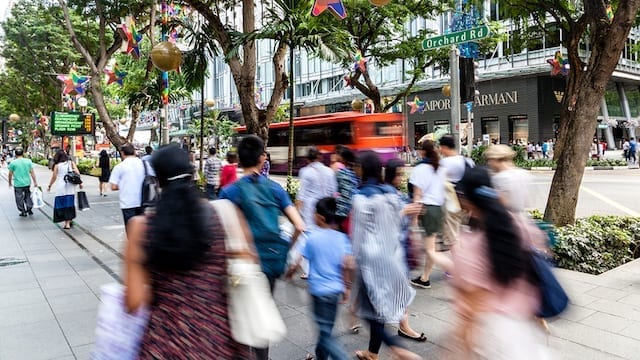
  • Singapore Retail Sales Soar in March with Robust Online Presence and Recreational Goods Demand

    Singapore Retail Sales Soar in March with Robust Online Presence and Recreational Goods Demand

    The retail sector in Singapore experienced further growth in March, building on the momentum gained in February. The Department of Statistics reports a 3.3% year-on-year increase in retail sales for March, not counting motor vehicles, parts, and accessories. This follows a significant 11.3% surge in February.

    The estimated total value of retail sales for the period was SG$3.8 billion (US$2.98 billion), with nearly a fifth (18.9%) coming from online sales. On a seasonally adjusted basis, retail sales also saw a 3.3% increase in March compared to the preceding month.

    Performance Across Various Sectors

    The growth in March was broad-based, with most sectors recording year-on-year sales growth. Recreational goods led the way with a 13.1% increase, followed by computer and telecommunications equipment, which saw an 11.9% boost, partly attributed to higher mobile phone sales.

    Other sectors that experienced single-digit growth include watches and jewelry, apparel and footwear, cosmetics and medical goods, supermarkets, and convenience stores.

    However, not all sectors fared well. Sales of food and alcohol saw a 6% drop, department stores reported a 5.7% decrease, and furniture and household equipment sales fell by 1.9%.

    Meanwhile, food and beverage services noted a 2.3% rise in sales during March, sustaining the upward trend seen in February.

    Questions & Answers

    What was the overall retail sales growth in Singapore in March?
    The overall retail sales in Singapore grew by 3.3% year-on-year in March.

    Which sectors recorded the highest sales growth in March?
    Recreational goods and computer and telecommunications equipment sectors recorded the highest sales growth in March, with an increase of 13.1% and 11.9% respectively.

    Did all sectors experience growth in March?
    No, sales in the food and alcohol, department store, and furniture and household equipment sectors experienced declines in March.

  • Kimberly-Clark Braces for $170M Blow from Rising Oil Prices Amid Robust Personal Care Product Demand

    Kimberly-Clark Braces for $170M Blow from Rising Oil Prices Amid Robust Personal Care Product Demand

    Kimberly-Clark, the multinational personal care corporation, announced on Tuesday that sustained high oil prices could tally an additional US$170 million in expenses for the second half of the year. Despite the warning, the company maintained its annual forecast, citing steady demand for personal care products.

    Higher Oil Prices to Impact Input Costs

    Concerns about escalating oil prices have been reverberating throughout the consumer goods industry, particularly among Kimberly-Clark’s competitors such as Procter & Gamble. The ongoing conflict in the Middle East continues to push up the price of oil. The company’s CFO, Nelson Urdaneta, asserted that if oil prices remain at $100-per-barrel for the remainder of the year, the company could witness a surge in gross input cost inflation of between $150 million and $170 million. Urdaneta clarified that the forecasted potential impact is not yet included in the company’s current outlook. However, management is reportedly exploring ways to mitigate these potential losses.

    Additional Risks and Challenges

    The manufacturer of Huggies diapers also anticipates a $50 million loss in the second quarter due to a recent fire at one of their distribution centers in California. This is in addition to the already mounting costs related to the Middle East conflict.

    Despite facing a slowdown in demand and stringent competition, Kimberly-Clark has managed to stay on course to complete its $40 billion acquisition of Kenvue, the maker of Tylenol, in the latter half of 2026. Rising product sales and a wider array of affordable options have helped the company weather these challenges.

    Company Outlook

    Chief Marketing Strategist at Zacks Investment ​Management, Brian Mulberry, noted that Kimberly-Clark’s transformation, with its focus on value across its product tiers, places the company in a better position compared to its counterparts.

    The company anticipates its organic sales growth for fiscal 2026 to be in line with or slightly ahead of the average growth in the categories and markets it competes. In the past 12 months, these markets have grown at a rate of approximately 2.5 per cent. The company’s annual adjusted profit forecast remains unchanged.

    Following the announcement that Kimberly-Clark surpassed first-quarter sales estimates, its shares rose about 1 per cent. The corporation reported sales of $4.16 billion, exceeding the average analyst estimate of $4.09 billion. However, the quarterly adjusted profit declined to $1.60 per share from $1.62 a year ago, affected by price reductions and investments in product innovation.

    Questions & Answers

    What is the projected impact of sustained high oil prices on Kimberly-Clark’s expenses?
    The company estimates an additional $150 million to $170 million in costs for the second half of the year if oil prices remain at $100 per barrel.

    What other challenges is the company facing aside from high oil prices?
    Kimberly-Clark is dealing with a slowdown in demand, intense competition, and a $50 million loss due to a fire at a distribution center in California.

    What is the state of Kimberly-Clark’s sales growth and forecast?
    Kimberly-Clark expects its 2026 organic sales growth to align with or surpass the average growth in its competitive markets. The company’s annual adjusted profit forecast remains consistent.

  • DFI Retail Group Sees Robust Sales Boost Driven by Beauty and Health Segment Amid Global Challenges

    DFI Retail Group Sees Robust Sales Boost Driven by Beauty and Health Segment Amid Global Challenges

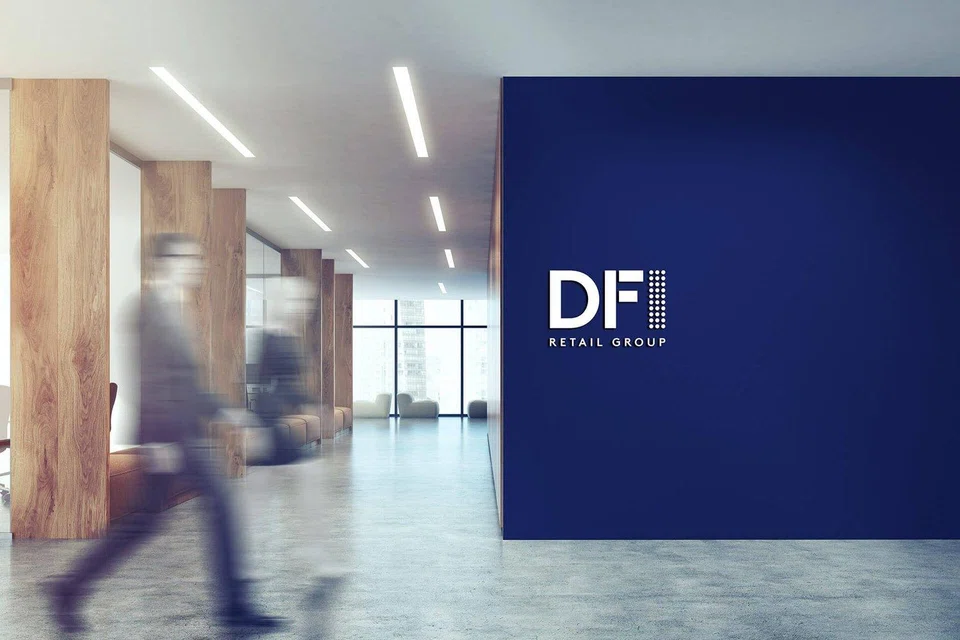
    The Hong Kong-based DFI Retail Group has recently announced a steady increase in sales for the first quarter of the year, primarily fueled by their health and beauty sector.

    Driving Growth with Health and Beauty

    Excluding cigarette sales, the DFI Retail Group reports a 4% sales rise on a year-on-year basis, using a constant currency, and a 3% increase on a like-for-like (LFL) basis. The health and beauty division is credited with a large part of this growth, with a 7% boost in LFL sales, thanks to increased transaction counts and larger basket sizes.

    In Hong Kong, Mannings saw notable growth due to a surge in tourist store sales, driven by an uptick in visitor arrivals. Similarly, Guardian’s sales in Southeast Asia reflected a robust performance in the wellness category. Standout growth was seen in Indonesia and Vietnam, which delivered double-digit LFL sales growth due to increased customer traffic.

    Divisional Performance and Growth

    Excluding cigarette sales, the convenience division, which includes 7-Eleven, saw a 2% growth on a LFL basis. Sales at 7-Eleven increased by 3% in both Hong Kong and Singapore, while sales in South China remained stable.

    The food division showed signs of improvement, with a reported 1% sales increase in Hong Kong. Home furnishings (Ikea) also showed positive trends, with a 4% growth. Both Hong Kong and Taiwan saw mid-single-digit LFL sales growth, owing to Chinese New Year promotions. Meanwhile, Indonesia bolstered its omnichannel strategy with robust online sales growth.

    Profit Growth Despite Market Challenges

    Operating profit from continuing businesses, excluding impacts from the divestment of the Singapore food business and the closure of Mannings China, grew by 12%. The underlying profit from ongoing businesses significantly increased by 49%.

    Despite a dynamic trading environment and increasing geopolitical uncertainties, DFI management stated the group remained resilient. This resilience was attributed to sourcing improvements and cost optimization, which supported price competitiveness and mitigated the impact of oil price volatility.

    DFI confirmed its full-year guidance of an underlying profit in the range of US$270 million to $300 million, supported by an organic revenue growth of approximately 2-3%.

    Questions & Answers

    What division drove the most growth for DFI Retail Group in the first quarter?
    The health and beauty division was the primary driver of growth in the first quarter, with a 7% increase in LFL sales.

    How did geopolitical uncertainties impact DFI Retail Group’s performance?
    Despite geopolitical uncertainties, DFI remained resilient due to sourcing improvements and cost optimization, which helped maintain price competitiveness and minimize the impact of oil price volatility.

    What is the projected full-year guidance for DFI’s underlying profit?
    DFI’s projected full-year guidance for underlying profit is in the range of US$270 million to $300 million, supported by an expected organic revenue growth of about 2-3%.

  • Hermès Soars with Robust Q1 Sales Amid Global Economic Uncertainties: A Revealing Peek into Luxury Fashion Resilience

    Hermès Soars with Robust Q1 Sales Amid Global Economic Uncertainties: A Revealing Peek into Luxury Fashion Resilience

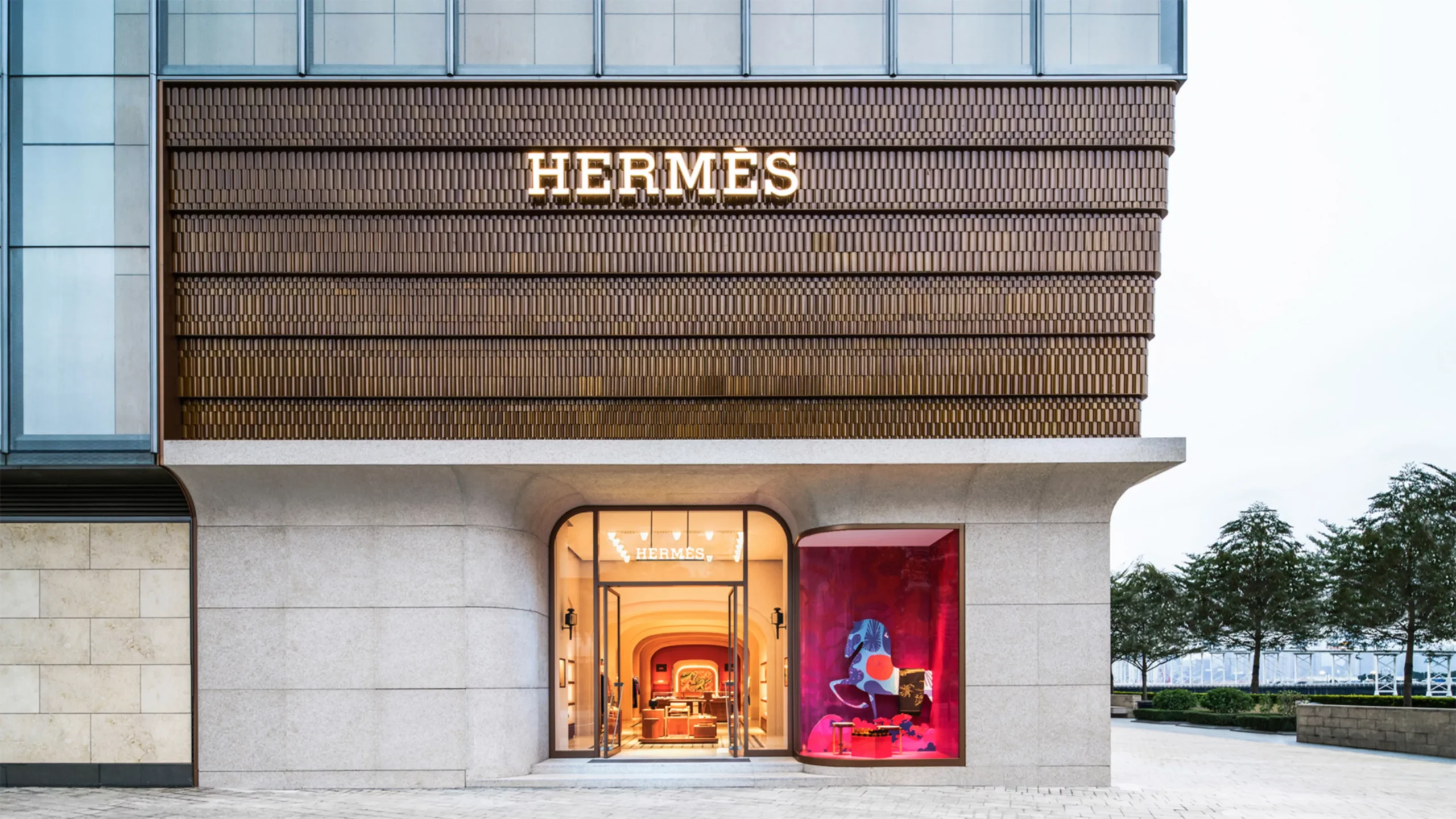
    Despite geopolitical tensions affecting the Middle East, Hermès, the renowned French luxury fashion brand, has reported a strong performance in its Q1 sales. The company’s consolidated revenue stood at €4.1 billion (US$4.8 billion) for the quarter ending March 31, marking a 6% increase at constant exchange rates. However, on a reported basis, revenue dipped by 1% due to the adverse effects of currency fluctuations.

    Regional Performance

    The company attributed much of its growth to impressive gains in Japan, the Americas, and Europe, excluding France. Japan saw a 10% increase in sales, while the Americas and Europe, excluding France, each reported a 17% and 10% sales increase, respectively.

    Sales in Asia, excluding Japan, also rose slightly by 2%, with Greater China maintaining its marginal growth. However, France’s revenue decreased by 3%, a decline influenced by a reduced tourist flow, particularly in March. This downturn is mainly linked to the unfolding situation in the Middle East.

    The Middle East, classified under the ‘Other’ region in the company’s report, experienced a 6% decline in sales. The geopolitical developments in countries such as the UAE, Kuwait, Qatar, and Bahrain have had a significant impact on the region’s performance.

    Sales Channels

    Despite these challenging conditions, sales in the group’s stores increased by 7%. In contrast, wholesale activity was significantly affected, recording lower sales to concession stores, especially in the Middle East and airports.

    According to Axel Dumas, Executive Chairman of Hermès, the brand remains steadfast in its long-term strategy, even amidst a tense geopolitical environment. The company’s abundant creativity, unwavering quality standards, and loyal customer base enable Hermès to continue its profitable growth trajectory into 2026 with confidence. He further emphasized that the fundamentals of the Hermès model are a distinguishing strength more than ever.

    In the medium term, the group has confirmed its goal to achieve revenue growth at constant exchange rates. This is notwithstanding the persistent economic, geopolitical, and monetary uncertainties that pervade the global landscape.

    Questions & Answers

    What were Hermès’ consolidated revenue figures for Q1?
    The consolidated revenue for Hermès in Q1 stood at €4.1 billion (US$4.8 billion), marking a 6% increase at constant exchange rates.

    Which regions reported the most growth for Hermès?
    The regions that reported the most growth for Hermès were Japan, the Americas, and Europe (excluding France), with sales increases of 10%, 17%, and 10% respectively.

    How did the geopolitical situation affect Hermès’ sales in the Middle East?
    The geopolitical situation in the Middle East led to a 6% decline in Hermès’ sales in the region. This was particularly notable in countries such as the UAE, Kuwait, Qatar, and Bahrain.

  • Robust Growth for Luckin Coffee Driven by Strategic Network Expansion and New Store Openings

    Robust Growth for Luckin Coffee Driven by Strategic Network Expansion and New Store Openings

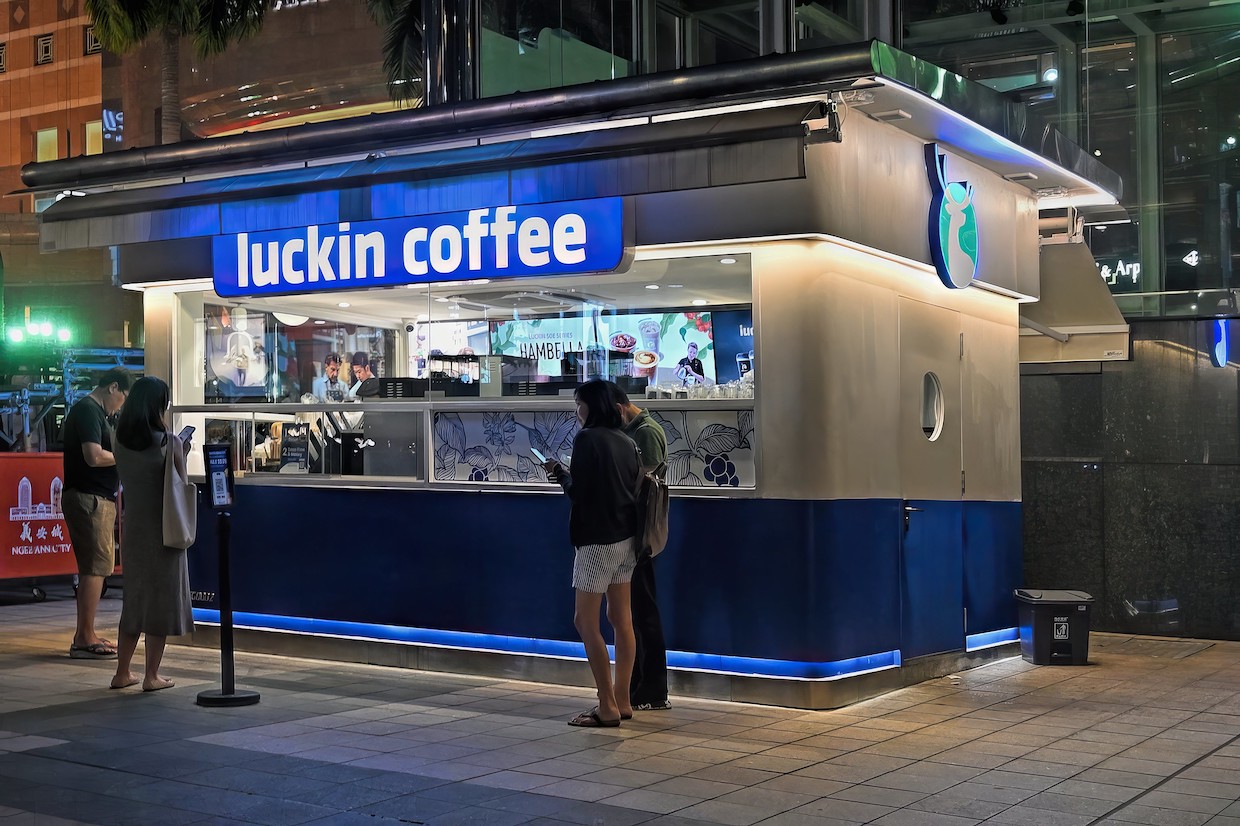
    Luckin Coffee, a reputable coffee chain, has disclosed another quarter of impressive double-digit revenue growth. This growth is mainly attributed to the company’s strategic focus on expanding its reach across various regions.

    Growth Metrics

    In the fourth quarter, which concluded on December 31, the company’s net revenues climbed by 32.9 per cent, reaching RMB12.7 billion (US$1.8 billion). The primary driver of this growth was the net opening of 1834 new stores, of which 1792 are in China, 13 in Singapore, 25 in Malaysia, and four in the United States. By the end of the quarter, the total count of stores stood at 31,048. This includes 20,234 company-operated stores and 10,814 locations in partnership.

    The same-store sales of company-operated outlets grew by 1.2 per cent. This presents a significant improvement from the 3.4 per cent decrease experienced in the same period last year.

    During the quarter, the Gross Merchandise Value (GMV) witnessed a 32.8 per cent rise. Concurrently, the average number of monthly transacting customers surged by 26.5 per cent.

    Financial Performance

    However, the GAAP operating income demonstrated an 18 per cent fall, amounting to RMB821.4 million. Additionally, the net income decreased by 39 per cent to RMB518.2 million.

    For the entire year, the net revenues escalated by 43 per cent, reaching RMB49.2 billion. This increase was accompanied by the opening of 8708 net new stores. The net income demonstrated a 22 per cent rise, standing at RMB3.6 billion.

    Leadership Insights

    Jinyi Guo, the co-founder and CEO of Luckin Coffee, offered insights into the company’s performance. Guo highlighted the strength of the company’s execution focused on scale, which enabled it to achieve robust growth amidst fluctuating market dynamics.

    Guo stated, “We concluded the year on a strong note, achieving the milestone of our 30,000th store and expanding our cumulative transacting customer base to over 450 million.”

    He further noted that the company’s increased scale strengthened its market leadership and boosted its capability to harness the structural tailwinds of China’s coffee market.

    Questions & Answers

    What contributed to Luckin Coffee’s impressive growth in the fourth quarter?
    The company’s significant growth was primarily driven by the net opening of 1834 new stores across various regions.

    How did the company’s financial performance fare in this period?
    Despite the impressive revenue growth, Luckin Coffee saw a decrease in GAAP operating income by 18 per cent and net income by 39 per cent.

    What does the company’s expansion signify?
    The expansion of Luckin Coffee’s scale has fortified its market leadership and equipped it to tap into the structural tailwinds of China’s coffee market effectively.

  • 2026 Health Sector Boom: Five Key Drivers Powering a Robust Year in Healthcare

    2026 Health Sector Boom: Five Key Drivers Powering a Robust Year in Healthcare

    The healthcare industry is entering the new year with a strong momentum, backed by increased transparency surrounding government healthcare policies and a surge of investor interest. The sector’s future earnings prospects are on the rise, spurred by a robust innovation pipeline and the emergence of new market segments. Despite this, healthcare stocks continue to trade at a discount relative to the global market, creating a re-evaluation underway that is accelerating. At present levels, there are still appealing opportunities for increasing exposure to the healthcare sector.

    Five Key Developments Driving the Sector’s Momentum

    The sector’s momentum is being bolstered by five key developments:

    Firstly, policy clarity is attracting investors back to the sector. The pricing agreement reached between the US administration and Pfizer in September, and subsequent agreements with Eli Lilly and Novo Nordisk in November, marked a significant turning point. These developments have resulted in a predictable framework for drug pricing and reimbursement policies, thereby reducing uncertainty and improving planning visibility. Reaction from investors was swift, with healthcare emerging as one of the strongest global stock market performers this quarter, attracting an additional $8 billion in capital to healthcare ETFs worldwide in just three months.

    Secondly, a re-evaluation process has begun, with further potential for catch-up. Healthcare valuations are moving back towards historical averages, but the sector is still valued approximately 13% lower than global stocks. The future looks bright for healthcare companies, with average profit growth predictions for biopharmaceuticals and life science tools between 2024 and 2027 standing at approximately 15%, more than double the historical growth rate of about 7% per year.

    Thirdly, the biopharma sector is set to benefit from formidable growth drivers and high M&A capacity. Looking ahead to 2026, this sector stands to gain from various structural trends such as new oncology treatment classifications, advances in obesity and diabetes treatments, and therapeutic innovations in cardiovascular care.

    Fourthly, the medical technology sector continues to be a key growth driver, spurred by high demand in established markets and the emergence of new billion-dollar niches. Markets such as robot-assisted surgical systems, glucose monitoring devices, and structural heart disease treatment continue to register double-digit growth rates.

    Lastly, emerging markets are boosting their innovation capabilities and market clout. These markets are steadily transforming into innovation powerhouses in their own right. China, for instance, is transitioning from an out-licensing partner to a global pharmaceutical player, while India’s rapidly growing middle class and substantial government healthcare infrastructure spending stand out as growth engines.

    Conclusion

    Entering 2026, the healthcare sector is backed by strong structural growth drivers and improved earnings visibility. Innovation continues to be key, supported by robust pipelines, new therapy platforms, and tech-enhanced solutions. However, the sector’s performance disparity, as measured by the MSCI World Healthcare Index, is also noteworthy, with a performance gap of +72% and -38% between the best and worst-performing stocks in the first half of 2025.

    After a recent period of policy uncertainty, the healthcare sector is back in its historical position of innovation, growth, and high operational visibility, a position from which it has consistently delivered tangible value.

    Questions & Answers

    What has attracted investors back to the healthcare sector?
    Investors are being drawn back to the healthcare sector due to increased policy clarity, including agreements on drug pricing and reimbursement policies between the US administration and pharmaceutical companies.

    What are some key growth drivers for the biopharma sector looking ahead to 2026?
    Key growth drivers for the biopharma sector include new classifications of oncology treatments, advancements in obesity and diabetes treatments, and therapeutic innovations in cardiovascular care.

    How are emerging markets contributing to the growth of the healthcare sector?
    Emerging markets like China and India are increasingly becoming innovation powerhouses in their own right. China is transitioning from an out-licensing partner to a global pharmaceutical player, while India’s growing middle class and substantial government spending on healthcare infrastructure are key growth drivers.
  • Miniso Triumphantly Surpasses Expectations with Robust Sales and Over 8000 Stores Worldwide

    Miniso Triumphantly Surpasses Expectations with Robust Sales and Over 8000 Stores Worldwide

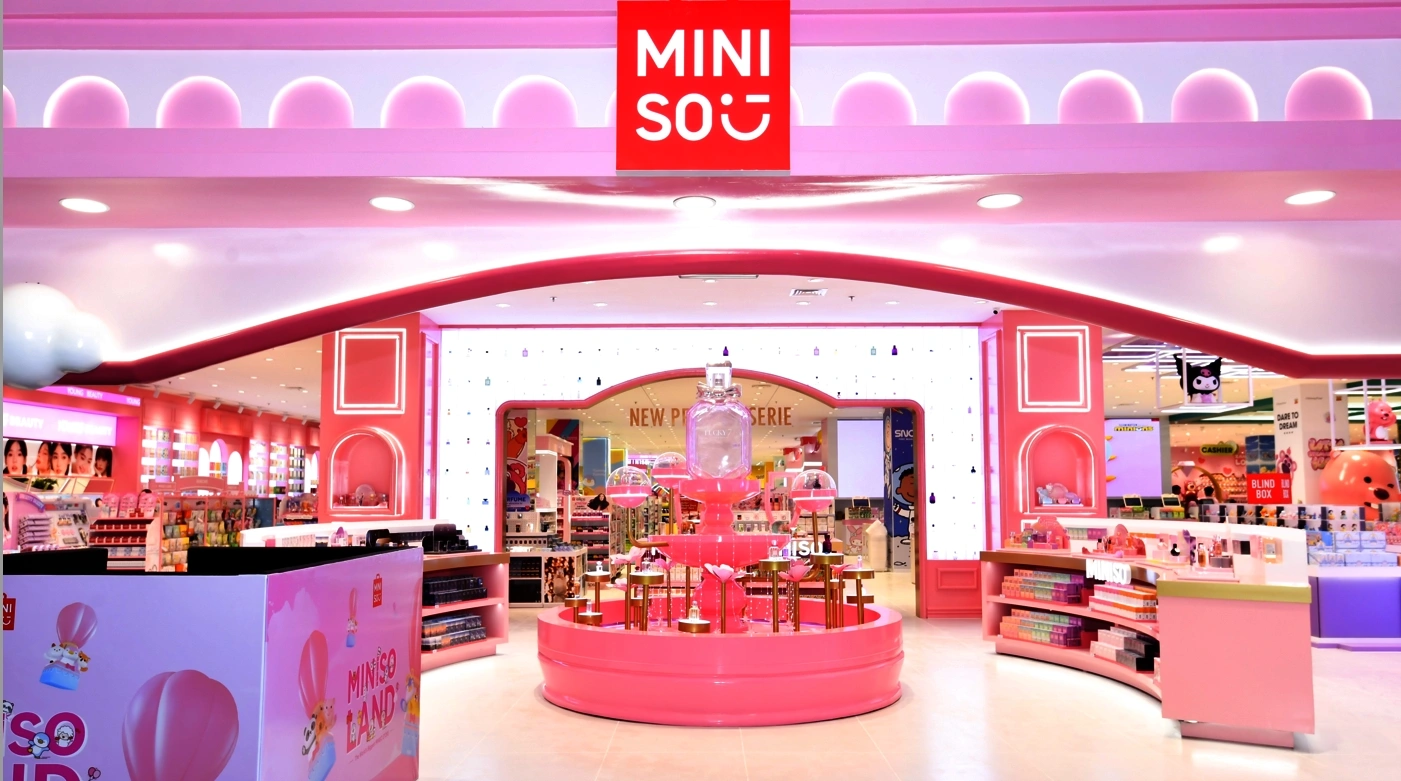
    The third fiscal quarter has proven to be a successful one for Miniso, as their sales growth exceeded initial projections. The company’s expansion strategies have also reached a pivotal point.

    For the third fiscal quarter, which concluded on September 30, the variety retailer saw its revenue skyrocket by 28.2% to RMB5.8 billion (US$814.3 million). This revenue increase sits at the top end of their projected range of 25-28%.

    The Miniso brand itself experienced a rise in revenue of 22.9%, reaching RMB5.2 billion. This includes a substantial 19.3% increase in Mainland China along with a 27.7% surge in international markets. Additionally, Top Toy, another brand of the company, has seen its revenue surge by 111.4% to RMB574.5 million.

    Every operating segment of the company exhibited positive momentum in the same-store GMV throughout the quarter. This has resulted in group-level statistics rising to a mid-single digit level.

    Store Count Increases

    At the group level, the total number of stores reached 8138 by September 30. This marks an annual rise of 718 net new stores.

    The current Miniso store count is 7831, including 4407 in Mainland China and 3424 overseas. Meanwhile, Top Toy has a total of 307 stores.

    “We are thrilled to have reached two significant milestones for Miniso Group this quarter. For the first time, our quarterly revenue surpassed RMB5 billion. Additionally, our global store count now exceeds 8000,” stated CEO Guofu Ye.

    However, despite these significant achievements, the company’s net profit declined by 31% to RMB443.2 million. Nonetheless, the adjusted net profit demonstrated a rise of 11.7% to RMB766.8 million.

    Questions & Answers

    What was Miniso’s growth in the third quarter?
    Miniso’s revenue soared by 28.2% to RMB5.8 billion (US$814.3 million) in the third quarter.

    How many new stores did Miniso open in the last year?
    Miniso opened 718 new stores in the past year, bringing their total to over 8000.

    Despite the growth, did Miniso’s profits decline in the third quarter?
    Yes, Miniso’s net profit declined by 31% to RMB443.2 million. However, the adjusted net profit was up by 11.7% to RMB766.8 million.

  • Vietnam’s Economy Soars: Standard Chartered Forecasts 7.5% GDP Growth in 2025 Amid Robust Trade and FDI Inflow

    Vietnam’s Economy Soars: Standard Chartered Forecasts 7.5% GDP Growth in 2025 Amid Robust Trade and FDI Inflow

    Standard Chartered Bank has revised its economic growth forecast for Vietnam this year from an initial prediction of 6.1% to a more promising 7.5%. In its most recent macroeconomic report, Standard Chartered also adjusted its growth prospect for the country for 2026, from 6.2% to a promising 7.2%.

    Increasing Role in the Global Supply Chain

    A key factor highlighted by Standard Chartered Bank was Vietnam’s expanding role in the global supply chain. This elevation is largely fueled by the country’s robust trading performance and deepening integration into international commerce through various free trade agreements. In September, Vietnam’s exports reached a staggering US$42.7 billion, a 24.7% increase compared to the previous year. This impressive growth was spearheaded by key sectors such as electronics and computers (up 66.2%), telephones (17.5%), and machinery (11.6%).

    Simultaneously, imports saw a 24.9% increase to $39.8 billion, with electronics and computer supplies (up 43.6%) and machinery (up 33.6%) leading the charge. These numbers indicate a consistent expansion in production and industrial capacity in Vietnam.

    Resilient External Position and Economic Recovery

    Standard Chartered Bank highlighted Vietnam’s resilient external position, bolstered by solid trade and a stable foreign exchange outlook. After previously being depleted due to the strengthening of the U.S. dollar, it is anticipated that the country’s FX reserves will be rebuilt. This reflects an improved macroeconomic stability and a healthy trade performance.

    As another positive economic indicator, the growth of domestic credit has also sped up, suggesting a continued economic recovery without requiring policy rate cuts. Current credit growth surpasses 15% year on year, which indicates growing business confidence and a higher demand for finance. The bank also pointed out that lending growth continues to be robust, supported by favourable liquidity conditions and government initiatives to stimulate growth.

    Foreign Direct Investment as Key Growth Driver

    Foreign direct investment (FDI) remains a significant contributor to growth. In the first nine months of 2025, the amount of disbursed FDI increased by 8.5% year on year, amounting to $18.8 billion, while registered FDI surged by 15.2% to $28.5 billion.

    Looking ahead, Standard Chartered economists predict the refinancing rate to remain at 4.5% for the remainder of this year and 2026, with favourable conditions encouraging investment and expansion. Tim Leelahaphan, senior economist for Vietnam and Thailand at Standard Chartered, praised Vietnam’s resilience and adaptability, which have been demonstrated through its strong FDI inflows and robust export growth. These factors have reinforced its strategic role in the diversification of the global supply chain and suggest an optimistic outlook for continued economic expansion.

    The bank also maintained its forecast for the USD/VND exchange rate at VND26,300 for this year and VND26,750 for 2026, while lowering inflation projections to 3.4% for 2025 and 3.7% for next year. These updated figures were based on stronger-than-expected growth momentum and easing price pressures.

    Questions & Answers

    What is the revised economic growth forecast for Vietnam in 2026?
    Standard Chartered Bank has revised the economic growth forecast for Vietnam in 2026 from 6.2% to 7.2%.

    What factors have led to the growth of Vietnam’s role in the global supply chain?
    The growth of Vietnam’s role in the global supply chain is primarily due to its strong trading performance and its deepening integration into international commerce through several free trade agreements.

    How is the Foreign Direct Investment (FDI) contributing to Vietnam’s economy?
    FDI is a significant contributor to Vietnam’s economy. In the first nine months of 2025, discharged FDI increased by 8.5% year on year, reaching $18.8 billion whereas registered FDI surged by 15.2% to $28.5 billion. This robust FDI inflow is a testament to Vietnam’s resilience and adaptability, indicating a positive outlook for continued economic expansion.

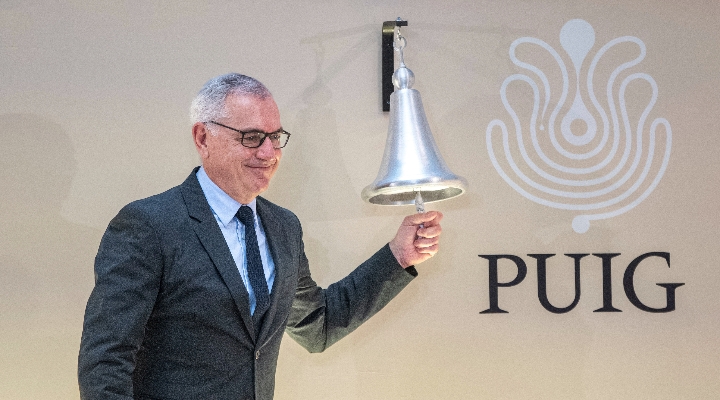
  • Puig Shatters Fiscal Year Predictions: Robust Sales Boost And Profit Surge In First Half Of 2025

    Puig Shatters Fiscal Year Predictions: Robust Sales Boost And Profit Surge In First Half Of 2025

    Global beauty conglomerate Puig has announced robust interim results for fiscal year 2025, surpassing predictions with a stable surge in sales and a significant boost in profitability.

    In the first half of the year, net revenue increased by 7.6% to reach €2.3 billion (~US$2.7 billion), primarily boosted by a weaker US dollar. The adjusted net profit climbed to €247 million (~US$289 million), while the reported net profit witnessed an impressive leap of almost 79% to €275 million (~US$322 million).

    Impressive Growth and Noteworthy Profitability

    The group’s adjusted EBITDA also saw an increase of 8.6%, amassing €445 million (~US$521 million). The EBITDA margin improved to 19.4%, bolstered by revenue enhancement, cost management, and strategic promotional investments.

    The company’s fragrance and fashion sectors led the growth, making up 73% of the total revenues. Exceptional performances were seen from niche brand Byredo and the prelaunch of Carolina Herrera’s new perfume, La Bomba.

    After a period of stagnation, the makeup sector experienced a resurgence with a 2% like-for-like growth, driven by high demand for Charlotte Tilbury’s Super Nudes and Unreal collections. Skincare also experienced a substantial increase of 8.6%, propelled by Uriage’s sun care range and an expanded product line from Charlotte Tilbury.

    Geographic Expansion

    Puig has experienced considerable growth across different regions. The Americas saw a 10.9% like-for-like increase, Asia-Pacific revenues grew by 16.5%, and EMEA witnessed a 3.6% rise.

    The company also announced the appointment of Jose Manuel Albesa as the deputy CEO to supervise all divisions. Albesa, a veteran in the company since 1998, and instrumental in rebranding major labels, will directly report to Marc Puig, the chairman and CEO.

    Forecast for Second Half of FY 2025

    Puig anticipates maintaining its upward trajectory in the second half of the year, powered by the holiday season and the full launch of La Bomba. The firm aims for a 6-8% like-for-like revenue growth, alongside further expansion of adjusted EBITDA margin, with a keen focus on M&A strategies.

    Marc Puig, Chairman and CEO, expressed that the second half is typically their most active period, with holiday demand and the full launch of Carolina Herrera’s new fragrance, La Bomba still in the pipeline. He added, “The appeal of our brands, combined with our ongoing cost discipline, enables us to invest in them to ensure sustainable long-term growth. This reaffirms our optimism for the year’s forecast.”

    Questions & Answers

    What led to Puig’s strong first-half performance in FY 2025?
    A weaker US dollar, strategic marketing investments, and cost control strategies contributed to Puig’s impressive performance. Noteworthy performances from the fragrance and fashion sectors also played a key role.

    What are the growth expectations for Puig in the second half of FY 2025?
    Puig aims to continue its momentum by targeting a 6-8% like-for-like revenue growth. This will be largely driven by the holiday season and the full release of Carolina Herrera’s new fragrance, La Bomba.

    Who has Puig appointed as the new Deputy CEO?
    Puig has appointed Jose Manuel Albesa as the deputy CEO. Albesa has been with the company since 1998 and has played a crucial role in repositioning major brands.