Retail News CRM

Tag: Selling

  • Thai Giant Central Retail Waves Goodbye to Vietnam’s Electronics Market, Selling Nguyen Kim Amid Mounting Losses

    Thai Giant Central Retail Waves Goodbye to Vietnam’s Electronics Market, Selling Nguyen Kim Amid Mounting Losses

    Thai conglomerate Central Retail has finalized the sale of its entire share in Nguyen Kim Electronics, signifying its departure from the consumer electronics industry in Vietnam following successive years of financial losses.

    Deal Details

    The transaction, which reached completion in the latter part of last year, resulted in the transfer of full ownership of Nguyen Kim to Pico Holdings, a domestic retailer. The deal’s value is believed to be approximately $36 million, equating to a $190 million loss in comparison to the original purchasing price Central Retail paid for the company, without considering any losses incurred through trading activities.

    Strategic Shift

    Insiders from Vietnam suggest that this sale aligns with Central Retail’s strategic vision to refocus its Vietnamese operations towards sectors with more promising growth trajectories. These sectors include supermarkets, food retail, and shopping center management. Central Retail is the parent company of the Go hypermarket and Tops supermarket brands.

    Historical Context

    Central Retail first penetrated the Vietnamese electronics sector over a decade ago. In 2015, the company acquired a 49% stake in Nguyen Kim, before ultimately gaining full control in 2020 after purchasing the remaining 51% of shares.

    Market Challenges

    Industry analysts have pointed out that the electronics chain has grappled with numerous challenges in recent years. These include intensified market competition and weakened consumer demand, both of which significantly contributed to Central Retail’s resolution to exit the market.

    Questions & Answers

    Why did Central Retail sell its stake in Nguyen Kim Electronics?
    Central Retail sold its stake in Nguyen Kim Electronics due to cumulative financial losses and the company’s decision to reorient its focus towards more profitable sectors in Vietnam such as supermarkets, food retail, and shopping center management.

    What was the financial impact of this deal?
    The deal’s estimated value is around $36 million, indicating a $190 million loss for Central Retail when compared to their initial investment, excluding any trading losses.

    What challenges did Central Retail face in Vietnam’s consumer electronics market?
    Central Retail faced numerous challenges in the Vietnamese electronics sector, including increased competition and a decline in consumer demand.


  • High-End Health: Nestlé’s Vitamin Business on the Selling Block Amid Consumer Shift to Premium Supplements

    High-End Health: Nestlé’s Vitamin Business on the Selling Block Amid Consumer Shift to Premium Supplements

    Nestlé, the Swiss food giant, is facing a challenge in its attempt to divest from its mass-market vitamin brands. The rise in demand for expensive, scientifically-backed products among health-conscious consumers is complicating the corporation’s efforts to secure a high price for its low-growth, low-margin brands.

    A Shift in Consumer Preferences

    In July, Nestlé announced a strategic review of its brands in the vitamins, minerals, and supplements category with an eye towards a potential sale. This decision, reaffirmed by new CEO Philipp Navratil, is driven by a growing consumer trend. Global supplement market trends indicate a shift towards brands offering supplements with scientifically proven ingredients. This trend is a potential hurdle for Nestlé, as it considers the sale of affordable mainstream brands such as Nature’s Bounty, Osteo Bi-Flex, and Puritan’s Pride, as well as its US private label business.

    The supplement market itself is quite fragmented, with its regulatory landscape continually changing. This adds an element of risk to any potential acquisition. Although industry players are showing a lack of interest, private equity funds appear more likely to be potential purchasers.

    The brands Nestlé is contemplating selling account for 2.8 per cent of its yearly sales, approximately $1.25 billion. Nestlé intends to increase its focus on premium dietary supplement brands, like Solgar, which offers a range of products from standard vitamins to those aimed at promoting brain health, hair growth, and stress reduction.

    A Potential Opportunity for Private Equity

    Nestlé’s acquisition of these vitamin brands in 2021, for US$5.75 billion, was the third-largest transaction in the vitamin, mineral, and supplement space of the last 12 years. However, matching these valuations could be challenging given the high consumer interest in brands offering products that have undergone rigorous clinical testing.

    Competitors such as Danone and Unilever are showing a preference for high-end brands with evident growth potential. Both companies are exercising caution regarding the mass supplements market due to the stringent European consumer protection regulation, which poses challenges to making promises about a product’s health benefits.

    Moreover, the return on investment is uncertain in such a fragmented industry. No brand that Nestlé is considering selling owns more than 2.1 per cent of the US vitamin market.

    Future Regulatory Challenges

    The future US regulatory landscape is another factor to consider. In March, the US Health Secretary expressed a desire to tighten the federal approval process for new food additives. Should this be finalized, it could increase scrutiny of new ingredients, making it more difficult for companies to market new food additives without US Food and Drug Administration review. This has elicited opposition from the Council for Responsible Nutrition, a supplement industry trade group.

    The preference against Nestlé’s mass-market vitamins is not limited to direct competitors in the packaged goods arena. GNC, a supplement retailer, is focusing on innovation within its own range and aligning with science-backed standards.

    Despite these challenges, the potential upside is significant. The global dietary supplement market, valued at US$192.7 billion in 2024, is projected to surge to $414.5 billion by 2033. This could attract buyout funds, but they are likely to drive a hard bargain.

    Questions & Answers

    What is the main hurdle Nestlé is facing in selling its vitamin brands?
    The main hurdle is the shift in consumer preferences towards expensive, scientifically-backed supplement products, which contrasts with the affordable, mass-market positioning of the brands Nestlé is considering selling.

    What are the potential regulatory challenges for the supplement industry?
    The regulatory landscape is continually changing, and there is talk of tightening the federal approval process for new food additives in the US. This could increase scrutiny of new ingredients and make it more difficult for companies to market new food additives without review.

    What is the potential future growth of the global dietary supplement market?
    The global dietary supplement market, valued at US$192.7 billion in 2024, is projected to increase to $414.5 billion by 2033. This substantial growth could attract potential buyers despite the current challenges.

  • Vietnamese Jewelry Store Fined For Selling Counterfeit Chanel Items Amidst Gold Price Surge

    Vietnamese Jewelry Store Fined For Selling Counterfeit Chanel Items Amidst Gold Price Surge

    In central Vietnam, a gold and jewelry store has been hit with a substantial fine of VND55 million (US$2,088.08) and has been instructed to obliterate its existing stock for engaging in the sale of falsified Chanel brand jewelry.

    Counterfeit Jewelry Seized

    The Market Management Department of Gia Lai Province reported that they recently discovered bracelets with the logo of Chanel, a renowned French fashion brand that has registered for protection in Vietnam, in the store. The provincial authority refrained from revealing the name of the establishment.

    The estimated total value of the seized goods is around VND35.7 million. The authority highlighted that all the seized jewelry items were counterfeit and lacked the requisite documentation to verify the origin.

    Surprise Raid and Future Plans

    These surprising findings resulted from an unexpected raid. In the aftermath of this event, the department has announced plans to maintain strict vigilance and continue inspecting other gold enterprises to prevent any further violations of intellectual property rights.

    Gold Prices Reach Record High

    In a related development, the prices of Vietnamese gold have witnessed a significant surge of 76% this year, reaching an all-time high of VND148 million per tael (equivalent to 37.5 grams or 1.2 ounces).

    Questions & Answers

    What was the penalty imposed on the jewelry store for selling counterfeit Chanel brand jewelry?
    The jewelry store in central Vietnam was fined VND55 million (US$2,088.08) and was ordered to destroy its existing stock.

    What did the Market Management Department of Gia Lai Province discover during their raid?
    During their surprise raid, the Market Management Department of Gia Lai Province discovered counterfeit Chanel brand bracelets being sold in the store.

    What are the future plans of the Market Management Department of Gia Lai Province?
    Following the discovery of counterfeit jewelry, the department plans to continue monitoring gold businesses to prevent any violations of intellectual property rights.

  • After Flipkart, Royal Enfield Begins Selling 350 CC Motorcycles On Amazon

    After Flipkart, Royal Enfield Begins Selling 350 CC Motorcycles On Amazon

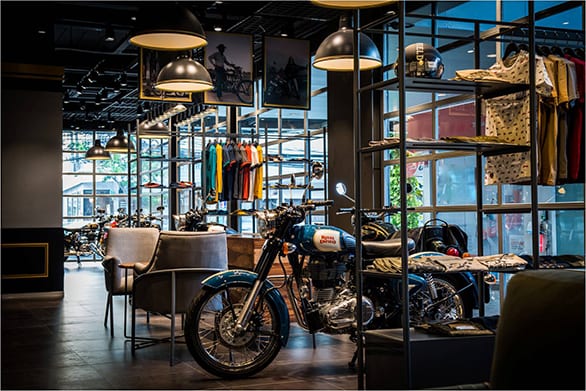
    Royal Enfield, a well-known motorcycle manufacturer, has recently made its entry into the online retail sector by offering its motorcycles for sale on Flipkart. Advancing its ventures in the e-commerce domain, the company has now disclosed its collaboration with Amazon India. This partnership expands consumers’ options for purchasing the company’s 350 cc range of motorcycles directly from these platforms.

    The array of motorcycles now accessible on Amazon includes the Royal Enfield Classic 350, Hunter 350, Bullet 350, Meteor 350, and Goan Classic 350. This offering mirrors the company’s previous approach with Flipkart, which excluded the more costly and larger models such as the Himalayan 450, Guerrilla 450, Scram 440, and the 650 cc range, including models like the Continental GT650, Interceptor 650, among others.

    Partnership Benefits

    Royal Enfield has communicated that its partnership with Amazon India will yield flexible payment options, thereby simplifying the process for customers to acquire a motorcycle. At present, these models are available in five cities, specifically Ahmedabad, Chennai, Hyderabad, New Delhi, and Pune, via a dedicated Royal Enfield brand store on Amazon.

    The company assures that deliveries and after-sales services will be handled by the dealership chosen by the customer in their city. Besides motorcycles, the online store also presents a range of accessories, riding gear, and merchandise. This step follows the company’s previous collaboration with Flipkart, which catered to customers in Bengaluru, Gurugram, Kolkata, Lucknow, and Mumbai.

    Questions & Answers

    What does Royal Enfield’s partnership with Amazon India entail?
    This collaboration enables the company to offer its 350 cc range of motorcycles directly on the Amazon platform. It also provides flexible payment options for customers.

    Which models are available through this online offering?
    The range includes the Royal Enfield Classic 350, Hunter 350, Bullet 350, Meteor 350, and Goan Classic 350.

    What additional services does Royal Enfield provide to online customers?
    In addition to delivering motorcycles, the company also offers after-sales services to be handled by the chosen dealership in the customers’ city. The online store features a variety of accessories, riding gear, and merchandise.

  • Openai’s Chatgpt Enters E-commerce With Instant Checkout: Opportunities, Risks, And Future Prospects

    Openai’s Chatgpt Enters E-commerce With Instant Checkout: Opportunities, Risks, And Future Prospects

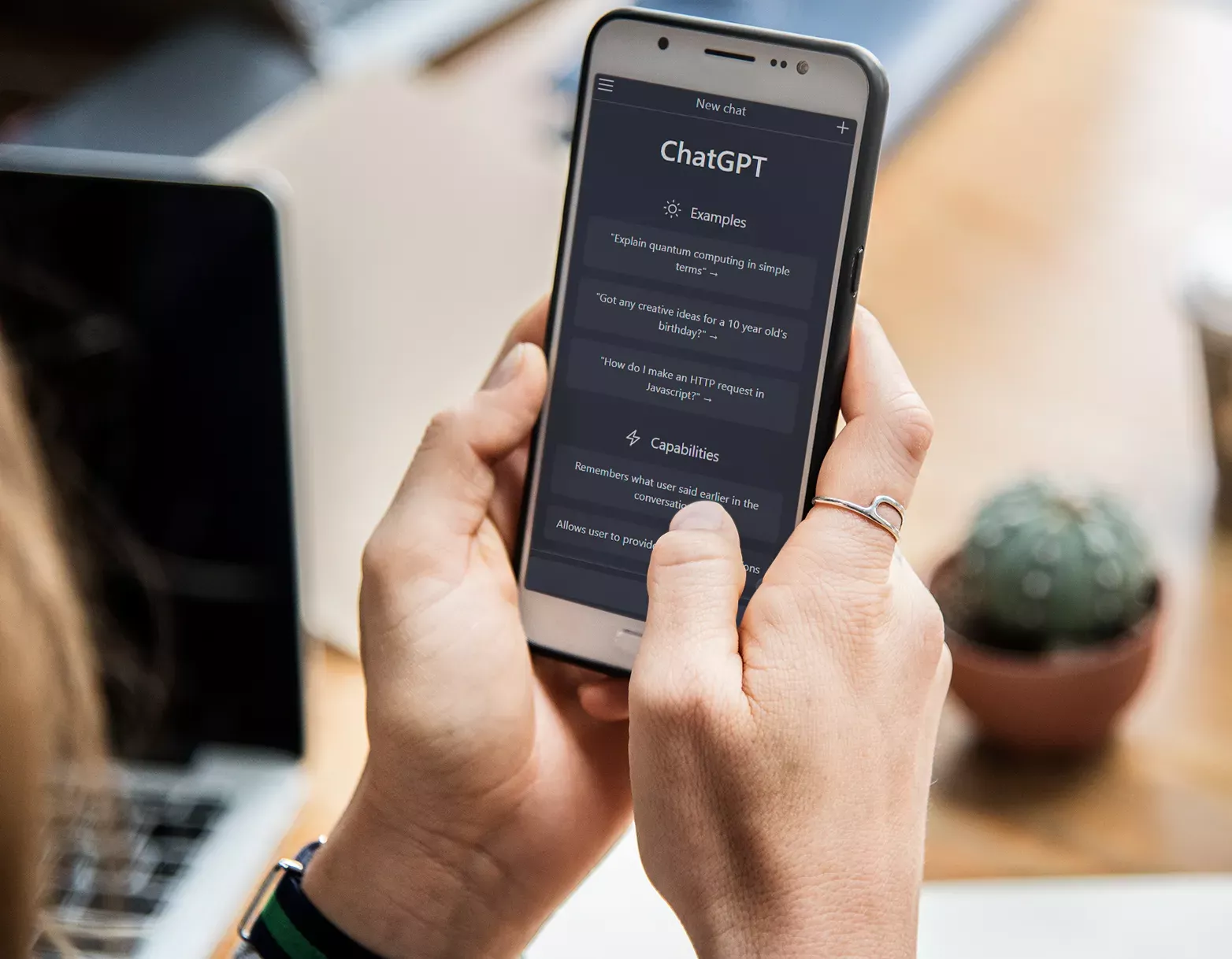
    OpenAI is broadening the horizons of its ChatGPT capabilities. Instead of simply responding to inquiries and maintaining dialogues, the artificial intelligence system is now making its entrance into the e-commerce sector. The newly added Instant Checkout feature now allows U.S. users to buy items from select Etsy and Shopify stores directly within the ChatGPT interface.

    Understanding the Instant Checkout Feature

    The Instant Checkout feature enables ChatGPT to locate items in response to a user’s search queries. If the product is available through Etsy or Shopify and the merchant has enabled Instant Checkout, a “Buy” button will appear directly in the chat interface. The transaction can then be completed without exiting the ongoing conversation, with the user paying via their credit card or other available options.

    The feature operates on the Agentic Commerce Protocol from Stripe to manage payments and interact with merchants. As of now, Instant Checkout only supports the purchase of single items, although OpenAI is said to be developing capabilities for multiple-item transactions.

    How Sellers Can Use Instant Checkout

    Sellers intending to use the Instant Checkout feature need to integrate it into their system and agree to the transactional fee imposed by OpenAI on completed purchases. OpenAI maintains that it does not favor Instant Checkout items in its search results. When different sellers offer identical items, ChatGPT takes into consideration the price, availability, quality, and whether Instant Checkout is enabled when deciding which product to display.

    Implications for Business and Users

    For OpenAI, this development transforms ChatGPT from a purely informational tool to a transactional one, essentially creating an integrated shopping assistant. While this could enhance user convenience, it also brings up issues regarding trust, privacy, and bias.

    In terms of user trust and safety, allowing transactions within a chat interface offers seamless convenience but also potentially increases risks such as fraud, accidental purchases, and unwanted upselling.

    There could also be concerns about algorithmic bias, as the products that appear may subtly favor merchants who integrate the Instant Checkout feature or pay elevated fees.

    Furthermore, this development could blur the lines between AI assistants, search engines, and marketplaces even more, and ChatGPT may start to compete directly with platforms such as Amazon and Google Shopping.

    Present Restrictions and Future Prospects

    Currently, the Instant Checkout feature is only available to U.S. users and supports only single-item purchases. OpenAI intends to extend support for more merchants, regions, and the capability to process multiple items in one transaction.

    Questions & Answers

    How does the Instant Checkout feature work in ChatGPT?
    The Instant Checkout feature allows ChatGPT to find items based on user queries. If the product is available on Etsy or Shopify and the merchant supports Instant Checkout, a “Buy” button will appear, enabling the user to complete the purchase without leaving the chat.

    What are the implications of ChatGPT’s expansion into e-commerce?
    This development could increase user convenience by providing an integrated shopping assistant. However, it also raises issues of trust, privacy, and bias. Potential risks include fraud, accidental purchases, and unwanted upselling.

    What are the current limitations and planned expansions for the Instant Checkout feature?
    Currently, Instant Checkout supports only U.S. users and single-item purchases. OpenAI plans to expand this feature to more merchants and regions and add the ability to handle multiple items in a single transaction.

  • Man arrested for making and selling 200,000 counterfeit Nike, Adidas, and Uniqlo socks

    Man arrested for making and selling 200,000 counterfeit Nike, Adidas, and Uniqlo socks

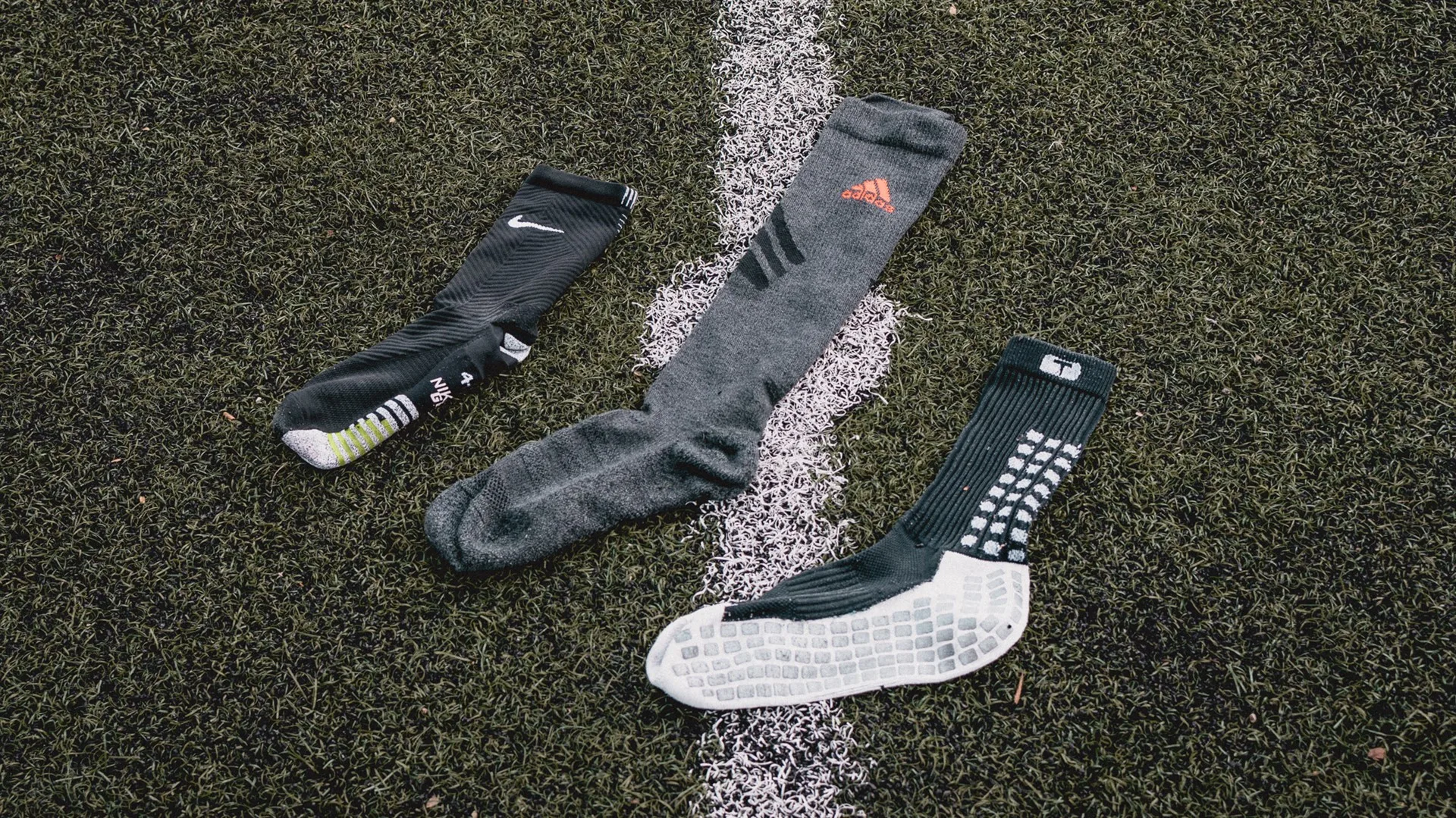
    In a recent case of intellectual property rights violation, a man in Hanoi was found guilty of manufacturing and selling 200,000 fake Nike, Adidas, and Uniqlo socks. The counterfeit items were being retailed at wholesale prices between VND4,500–5,000 (US$0.18–0.20) per pair.

    Investigation and Prosecution

    The Economic Police Department in Hanoi reported the prosecution of Nguyen Van Thien, 51, for the aforementioned offense. The investigation divulged that Thien had initiated a sock manufacturing and trade business in Quoc Oai District in 2015. He initially supplied socks to various companies under his own brand named “Thien Duong”.

    In 2018, Thien observed the surging demand for socks adorned with popular brand logos such as Nike, Adidas, and Uniqlo. Consequently, he started producing counterfeit versions of these highly sought-after socks.

    Fraudulent Business Operations

    Thien arranged for the procurement of knitting machines, instructing the suppliers to pre-install the logos of Nike, Adidas, and Uniqlo into the machine software. He also sourced labels and tags from unregulated producers and hired four workers to operate the machines and manage the packaging process.

    A raid conducted on January 4 unveiled a large stock of counterfeit socks. The authorities confiscated 3,450 pairs of socks with the Adidas logo, 14,400 pairs with the Nike logo, and 2,100 pairs bearing the Uniqlo brand. They also found 1,500 loose socks branded with Nike logo. The authorities seized over 10 machines, 200 heat-molding frames, and nearly 70 kg of labels in total.

    Extent of the Counterfeit Operations

    The investigators discovered that Thien had been producing and distributing counterfeit socks since 2022. He is estimated to have sold around 200,000 counterfeit socks with a total market value of more than VND240 million (US$9,400).

    These fake socks were primarily sold at a profit margin of about 25% via various e-commerce platforms, social media, and suburban markets.

    Questions & Answers

    What was Nguyen Van Thien charged with?
    Nguyen Van Thien was prosecuted for violating intellectual property rights by manufacturing and selling counterfeit Nike, Adidas, and Uniqlo socks.

    How did Thien manage to manufacture the counterfeit socks?
    Thien procured knitting machines and instructed the suppliers to pre-install the logos of Nike, Adidas, and Uniqlo into the machine software. He also procured labels and tags from unregulated vendors and hired workers to manage the production process.

    Where and how were the counterfeit socks sold?
    The counterfeit socks were predominantly sold in bulk through e-commerce platforms, social media, and suburban markets, allowing for a 25% profit margin.

  • Amazon, Alibaba race to recruit Vietnamese merchants

    Amazon, Alibaba race to recruit Vietnamese merchants

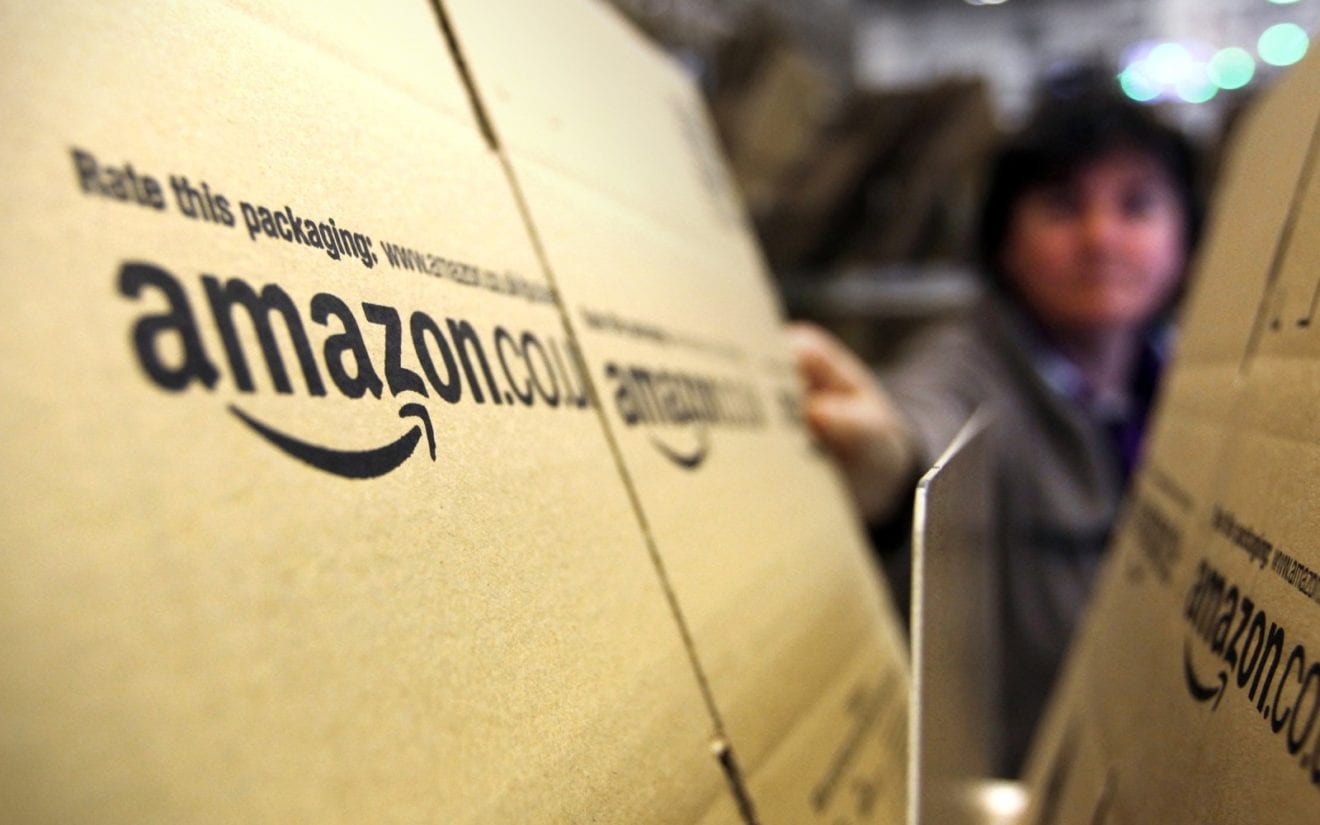
    Global giants Amazon and Alibaba are racing to recruit more Vietnamese vendors on their platforms seeking to boost their share of a booming e-commerce market.

    Amazon saw the number of Vietnamese merchants exporting at least $1 million worth of goods from Vietnam triple last year. The surge was driven by demand for tools, kitchenware, handicrafts, home goods, and apparel.

    “Vietnamese sellers have enriched our global product selection,” Gijae Seong, head of Amazon Global Selling in Vietnam, told Nikkei Asia.

    Amazon Global Selling is a business set up to recruit more Vietnamese merchants on Amazon, seeking to boot e-commerce trade between Vietnam and its largest export market the U.S.

    The company opened a Hanoi office in March to train new sellers, adding to its Ho Chi Minh City branch.

    Seong said companies “have competitive advantages in manufacturing” in Vietnam, where a wave of factories have relocated from China to sidestep the trade war with the U.S. and to reduce other costs and risks.

    China’s Alibaba has also been making moves to have more Vietnamese sellers.

    In March, a company representative said that it planned to have over 10,000 Vietnamese small and medium-sized enterprises selling on its platform by 2025.

    It has been working with government authorities since last year to run training programs for Vietnamese vendors.

    As of March, over 300 companies have been provided consultancy in online cross-border sales.

    The competition between the two giants is heating up as e-commerce booms in Vietnam with rising demand for online shopping amid the Covid-19 pandemic.

    It’s e-commerce market expanded by 18 percent last year to $11.8 billion, the only country in Southeast Asia to record double-digit growth amid the Covid-19 pandemic, according to the Vietnam e-Commerce and Digital Economy Agency.

  • E-Mart plans to sell several stores

    E-Mart plans to sell several stores

    South Korean big-box retailer E-mart will sell 13 store buildings and land to improve its financial situation.

    The firm will sell the properties to Mastern Investment Management for KRW952.48 billion (US$802.65 million) in the face of plummeting sales and intensifying competition from e-commerce. It will continue to operate its businesses on the properties under a lease arrangement.

    The properties constitute 5.7 percent of the Shinsegae-owned firm’s total assets.

    E-mart will use the funding to pay debt and diversify its operations into e-commerce.

    “As the current retail market is dominated by e-commerce platforms, retailers have no choice but to continue to reduce their offline business,” said Hyundai Motor Securities analyst Park Jong-ryul. “With the fresh funds, they focus on venturing into the online market.”

  • Big Big Shop partnering up with Circle K

    Big Big Shop partnering up with Circle K

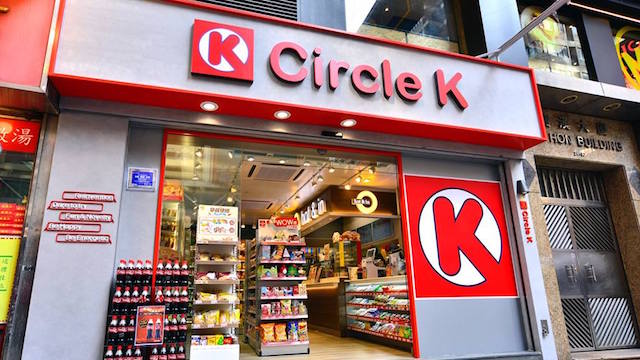
    Shoppers buying goods online from Television Broadcasts Limited’s Big Big Shop will be able to collect their purchases at any Circle K Convenience store across town.

    The click-and-collect service results from a partnership between TVB and Convenience Retail Asia signed this week. Big Big Shop was launched in July last year.

    “Circle K is a perfect match for Big Big Shop which will provide our customers with a convenient click-and-collect service,” said Mark Lee, group CEO at TVB.

    “Location is everything. Circle K has more than 330 stores conveniently located in Hong Kong.”

    Lee said synergising with TVB’s promotional power, Big Big Shop adopts a ‘show-and-sell strategy’ by marketing advertiser-sponsored products on TVB’s prime-time shows.

    “During the eight months’ operation of Big Big Shop, the show-and-sell strategy has proven to be a success in motivating viewers to buy online, notably in the sales of kitchen appliances by German Pool; quality frozen meat and seafood by Gourmet; package tours by Big Line Holiday; and George Lam concert tickets.

    “With Circle K as our logistics partner, we will be able to greatly expand the range of products available at Big Big Shop by including more vendors who don’t necessarily have the delivery capability. The partnership with Circle K will offer an even better shopping experience to our customers. It marks an important step in our e-commerce fulfillment and development of online-to-offline business strategy,” Lee said.

    CRA CEO Richard Yeung said Circle K is committed to providing convenient, efficient and quality services that enable Hong Kong consumers to enjoy better and easier lives.

  • Bookseller Dymocks to close flagship IFC Mall store and HK office

    Bookseller Dymocks to close flagship IFC Mall store and HK office

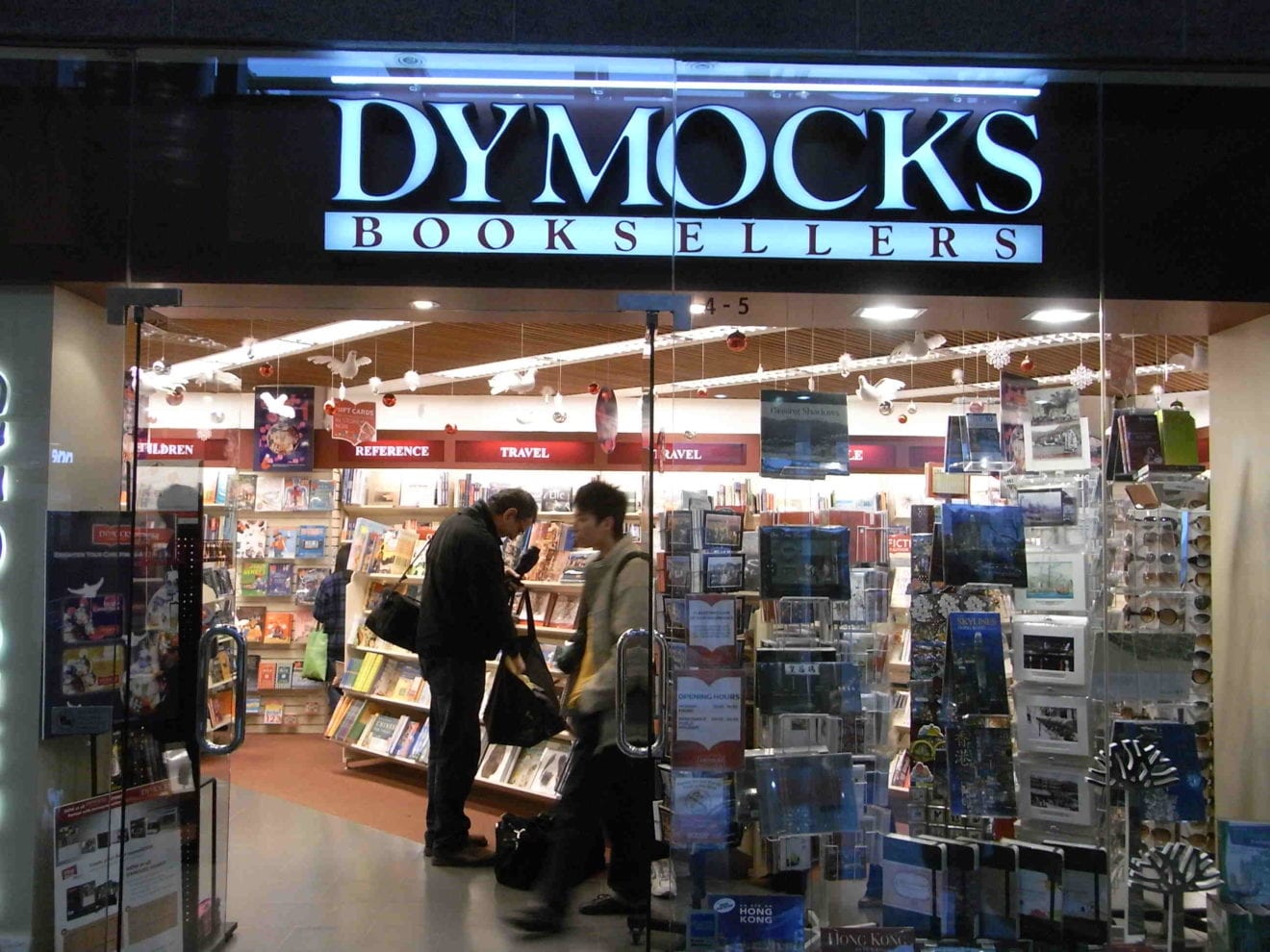
    Hong Kong’s largest English- language bookseller, Dymocks, is to end its 15-year local presence in an industry battered by high rents and shifting reading habits.

    To view the full article (note: you must be an scmp.com subscriber), visit scmp.com. (From seven days after publication, this article will appear in Archive Search.)