Retail News CRM

Tag: Shareholders

  • Fonterra Farmer Shareholders Green-Light $4.22 Billion Consumer Division Sale to Lactalis

    Fonterra Farmer Shareholders Green-Light $4.22 Billion Consumer Division Sale to Lactalis

    Fonterra’s farmer shareholders have granted approval for the company’s proposal to divest its consumer products division. The Mainland Group and its associated businesses are set to be sold to Lactalis for a sum of $4.22 billion.

    High Support for Divestment

    A resounding 88.47% of farmer shareholders voted in support of this divestment decision in a special virtual meeting. The company asserts that this level of shareholder support exemplifies one of the core principles that sets Fonterra apart from other processors in the market.

    Fonterra Chairman Peter McBride voiced his appreciation for the active participation of the farmer shareholders throughout the decision-making process. Since the exploration of divestment options was initiated in May of the previous year, and especially over the past few weeks when the full details were made available, there has been a significant uptick in discussion and engagement from the farmers.

    McBride commented on the strategic implications of the divestment, stating, “We have thoroughly examined our strategic context, our strengths, and the way we create value for our farmer owners as a cooperative. This divestment will result in a more simplified and focused business, the value of which cannot be overstated.”

    To approve the sale, Fonterra required more than half of the total votes, a condition that was met with ease due to the high percentage of votes supporting the divestment.

    Final Steps and Future Investments

    The divestment process of Mainland Group’s business from Fonterra is now pending regulatory approvals. These approvals are currently underway, and the completion of the transaction is expected to occur in the first half of the coming year.

    In addition, Fonterra has revealed plans to make a significant investment in its dairy operations. The company intends to allot NZ$75 million ($66 million) towards expanding butter production at its Clandeboye site located in South Canterbury.

    Questions & Answers

    What percentage of Fonterra’s farmer shareholders voted in favour of the divestment?
    Approximately 88.47% of Fonterra’s farmer shareholders voted in favour of the divestment.

    What will the divestment result in for Fonterra?
    The divestment will lead to a more simplified and focused business for Fonterra.

    What significant investment has Fonterra planned following the divestment?
    Fonterra has planned to invest NZ$75 million ($66 million) in expanding butter production at its Clandeboye site in South Canterbury.
  • Hermès Hopes For China Demand Revival Despite Slight Slip In Quarterly Sales

    Hermès Hopes For China Demand Revival Despite Slight Slip In Quarterly Sales

    Renowned for its Birkin bags, Hermès reported a potential upturn in demand from China, despite quarterly sales falling slightly short of estimates, resulting in a 4% decline in its shares on Wednesday.

    The mild optimism regarding Chinese demand, which contributes to approximately a third of worldwide luxury sales, is also reflected by competitors LVMH and L’Oreal.

    “There was a very mild improvement in the third quarter,” commented Eric de Halgouet, the Finance Chief of Hermès, attributing this to stable real estate prices in major cities and positive trends in the stock market.

    Last week, LVMH’s sales report initiated an $80 billion surge in luxury shares, fostering hopes of a revival of the industry in China. However, analysts have expressed caution, stating it might be premature to declare an end to the industry’s two-year decline.

    Meanwhile, in the United States, foot traffic in Hermès stores has increased evenly across all regions, de Halgouet reported, adding that the company plans to continue investing in the US, having recently inaugurated a new store in Nashville.

    The brand has refrained from raising prices domestically this year, following a 5% increase in May intended to pass the burden of tariffs onto its customers, as per de Halgouet.

    Growth Falls Short of Expectations

    The sales for the quarter ending in September totaled 3.88 billion euros ($4.52 billion), a 9.6% increase, bolstered by growth in the US. However, this was marginally below the predicted 10% growth, as per the Visible Alpha consensus cited by UBS.

    Hermès shares decreased by 4.2% at 0832 GMT, following the trading update. The company’s control over its production, which has served as a buffer against a broader downturn, is anticipated to restrict its growth rate as consumer demand recovers more generally.

    Sales of leather goods, including the signature Birkin, Constance, and Kelly handbags, grew by 13.3%, slightly below expectations. De Halgouet attributed this to limited inventory, which he assured would be replenished before the Christmas season and Chinese New Year.

    While Hermès’ consistent performance may be viewed as uninteresting compared to the ongoing transformations at other brands, its shares briefly surpassed LVMH’s earlier this year, making it the largest luxury group in terms of market capitalisation. Nevertheless, the company’s shares have trailed competitors in the past three months, as investors shifted their focus to the improving performance of LVMH and Kering, which have increased by 31% and 65% respectively.

    Unlike competitors such as Chanel and Dior, Hermès, which raised its prices less aggressively during the post-pandemic surge, increased its prices globally by 7% this year.

    Sales of clothing, jewellery and silk scarves, products that appeal to a broader customer base than the exclusive handbags, experienced a slight increase in the third quarter.

    Questions & Answers

    What is the cause of the slight increase in Hermès’ sales?
    The sales growth is attributed to the steady foot traffic in Hermès stores across all regions in the United States and a potential increase in demand from China.

    What is the company’s response to the slight shortfall in sales growth?
    Hermès plans to continue its investments in the United States and replenish its inventory of leather goods before the Christmas season and Chinese New Year to boost sales.

    How did Hermès’ shares compare with its competitors?
    While Hermès’ shares have trailed its competitors in the past three months, they briefly surpassed LVMH’s earlier this year, making it the largest luxury group in terms of market capitalisation.

  • UBS Opts for Digital Shareholder Meeting

    UBS Opts for Digital Shareholder Meeting

    The world’s largest wealth management giant UBS is canceling plans for a physical shareholder meeting at the end of next month. It is holding fast to a hefty dividend.

    Swiss-based UBS will conduct its annual general meeting on April 29 online, it said in a statement on Monday. The outbreak of the novel coronavirus is stopped assemblies of more than five people in Switzerland until at least April 19.

    The bank also said it will hold to plans to pay $0.73 per share as a dividend. UBS’ lead regulator Finma last week urged Swiss financial firms to rethink their 2019 payouts in order to spare their capital for the economic fallout of the pandemic.

    Holding its shareholder meeting online means UBS is avoiding public criticism of its pay policies and of its handling of a high-stakes French criminal trial. UBS’ investors last year denied directors and top management an all-clear because of the case, which is due to head into appeal in June.

    UBS said it would ask shareholders to vet management and its board for 2019 on all issues – except on the French case. As previously disclosed, directors David Sidwell, Isabelle Romy, and Robert Scully aren’t standing for reelection, while UBS is proposing Mark Hughes and Nathalie Rachou in their place.

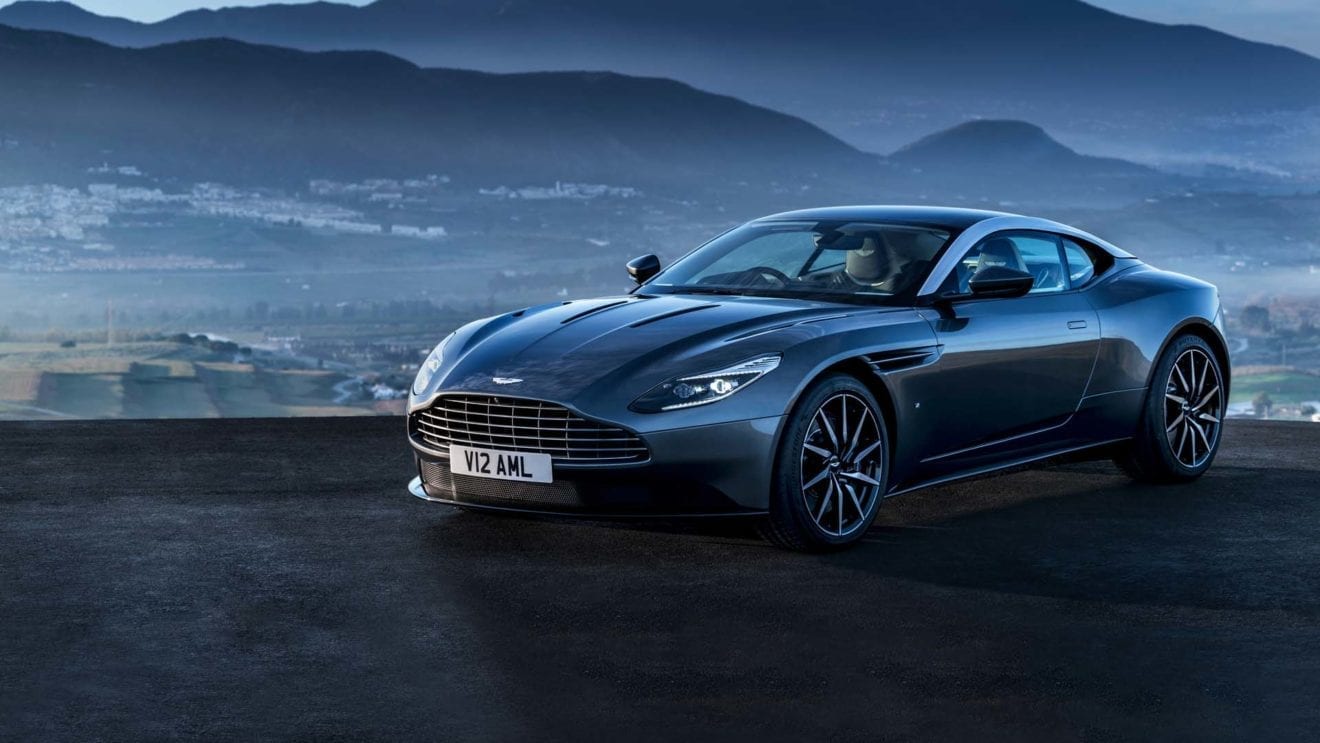
  • Aston Martin’s Biggest Investor Considers Acquiring Another Stake

    Aston Martin’s Biggest Investor Considers Acquiring Another Stake

    The biggest investor in Aston Martin is considering buying another 3% stake, offering to increase its holding after shares in the luxury carmaker crashed almost 50% since its listing nine months ago.

    Strategic European Investment Group, part of the Italian private equity group Investindustrial, owns 31% of Aston Martin. It only wants to buy a maximum 3% stake but has to make an offer to all shareholders due to its already large holding.

    It has secured agreements from existing shareholders such as a group of Kuwait-based investors to back the move.

    It is offering to pay 10 pounds ($12.68) per share, the price at which the shares closed on Friday. It must make a decision by July 29.

    Aston Martin has struggled since it listed in October last year. Its shares fell on the opening day and are now down 47 percent. The company’s recent results have been hit by a need to invest more in its manufacturing plants and expand its vehicle offering, leading to higher costs.

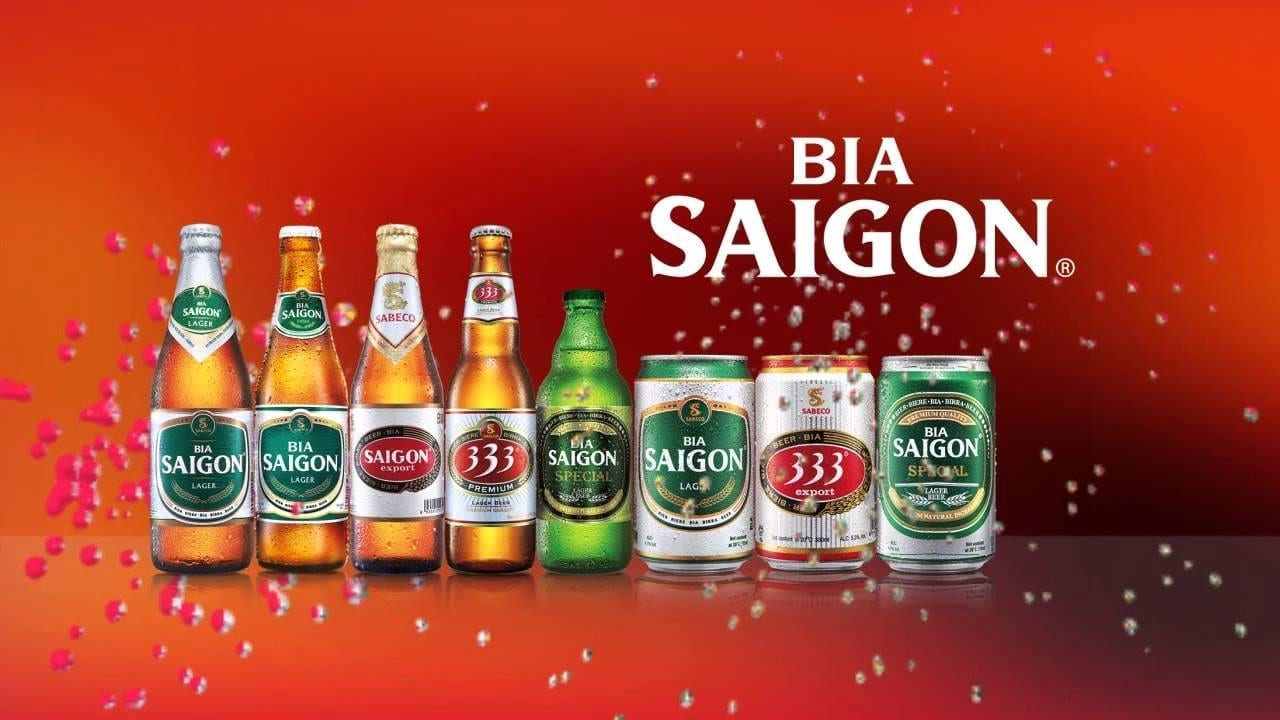
  • Habeco forecasts profit to drop a third to 10-year low

    Habeco forecasts profit to drop a third to 10-year low

    The Hà Nội Beer-Alcohol-Beverage JSC (Habeco) has forecast its post-tax profit will fall 36 per cent year-on-year to VNĐ310 billion (US$13.3 million) in 2019, the lowest in 10 years.

    The announcement will be reported at the firm’s annual shareholder.

    Other topics that will be brought up at the meeting include the projection of total production, total revenue and dividend payouts.

    In 2019, total production is projected at 438 million litres, including 434.5 million litres of beer and 3.6 million litres of mineral water.

    Total revenue for 2019 is predicted to reach VNĐ8.27 trillion and pre-tax profit is expected to touch VNĐ384.5 billion.

    The company will also ask shareholders to pass a 10 per cent dividend payout for 2019.

    According to the company’s board of directors, the beer industry has gradually approached its break-even point with annual growth rate of 5 per cent.

    Habeco’s sales volume in the north and central regions in 2018 fell 3 per cent year-on-year. The company has also encountered strong competition from other firms such as the Saigon Beer-Alcohol-Beverage JSC (Sabeco) and Heineken Vietnam.

    In addition, increases to the special consumption tax and production costs had also hit home.

    In 2019, the board of directors will keep restructuring the company and developing local retailers in the central and southern regions.

    The company will strive to maintain its market share in the traditional markets in the northern and northern coastal regions.

    In 2018, Habeco recorded VNĐ484 billion in total post-tax profit, down 26.4 per cent year-on-year. It plans to pay a 8 per cent dividend for 2018.

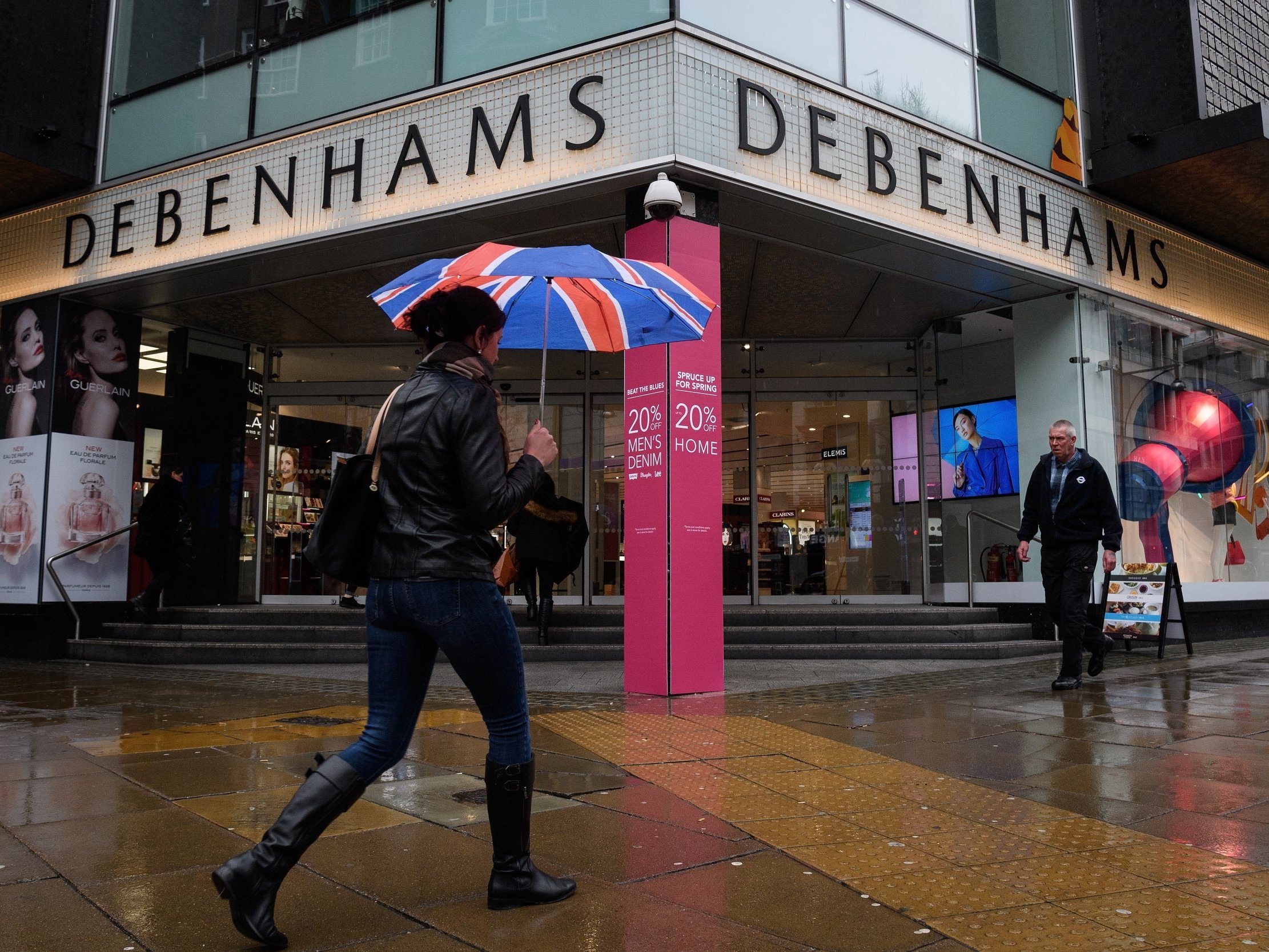
  • Debenhams warns shareholders could lose investments

    Debenhams warns shareholders could lose investments

    Struggling department store chain Debenhams said shareholders could lose their entire investment as a result of some of the restructuring options it is considering. The 200-year-old retailer said it is trying to refinance its debt, restructure its estate after a series of profit warnings and seek a cash injection of up to £200 million (A$373.1 million) from existing lenders at it tries to fend off a bid by Sports Direct’s Mike Ashley. Ashley had offered a £150 million loan to Debenhams, but as part of the deal, he would have to be in charge of the chain.

    The department store retailer said certain restructuring options “would result in no equity value for the company’s current shareholders”. Lenders have until this Thursday to approve Debenhams’ cash call, which it says will allow it to restructure. The company had warned its shareholders that some of their restructuring options could see their investment wiped out.

    Last Friday, Debenhams posted an announcement on the London Stock Exchange, confirming that it has received a proposal from Sports Direct International in connection with a proposed acquisition of Magasin du Nord, conditional upon Mike Ashley being appointed as the CEO of Debenhams.

    “This proposal comes without any commitment to participate in the wider financing solution,” Debenhams said.

    The department store chain said the board has responded to Sports Direct directly, that, as with all other proposals received to date from Sports Direct, it does not address the company’s funding and restructuring requirement, while balancing the interests of all stakeholders.

    “Magasin is a key part of the Debenhams group, is cash flow generative and a meaningful contributor to group profits,” Debenhams said. “As such, Magasin is an important part of any lending proposition and therefore any broader solution that protects value for the group.”

    “Further, there are obvious concerns with the proposal that Mike Ashley becomes CEO of Debenhams given that Sports Direct owns our direct competitor House of Fraser.”

    Debenhams said the board has remained open to engagement with Sports Direct throughout its refinancing process and has provided clear guidance on what would represent workable solutions that would allow Sports Direct to participate while also protecting the interests of other stakeholders.

    But, according to Debenhams, this guidance has been repeatedly ignored by Sports Direct.

    Debenhams said it continues to make progress with its refinancing and restructuring discussions with existing lenders, noteholders and other stakeholders.

    “The board remains open to constructive involvement from Sports Direct and other stakeholders in this process.”

    Magasin du Nord has been put up for sale by Debenhams last year and Sports Direct offered to purchase the business . Under the proposal, Debenhams would have a 12-month option to buy it back at the price it was sold.

    Debenhams would also have the right to continue to market the business, gaining the benefit from any uplift above the initial sale consideration were it sold to a third party in that 12 month period.

    In connection with the above, it is proposed that Ashley would become a director and the CEO of Debenhams to assist Debenhams through its restructuring process.

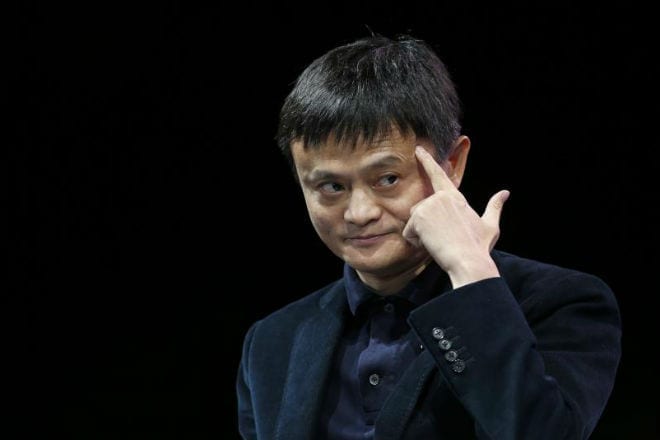
  • Jack Ma’s strategy in final letter to shareholders

    Jack Ma’s strategy in final letter to shareholders

    In his final letter to shareholders, Alibaba founder and executive chairman Jack Ma made a case for globalisation despite recent uncertainties in US-China trade relations, consumer trends, stock markets and the manufacturing industry.

    This is the third time that Alibaba has faced a setback in the global economy over the 19 years, but experience suggests there are opportunities behind the anxiety and friction.

    “The only question is how we should pivot,” he said.

    “Monumental challenges give rise to monumental opportunities, and Alibaba is well-positioned because we are adept at weathering adversity.”

    Ma added that Alibaba’s mission to make it easy to do business anywhere is precisely suited to the current environment, in which doing business is becoming harder.

    “We have spent the past three years to develop a trading system that serves small and medium enterprises and consumers around the world,” he said, referencing the company’s goals of ‘global buy’, ‘global sell’, ‘global delivery’ and ‘global travel’.

    “I am excited that we are able to deploy Alibaba’s technology, experience and resources, thereby establishing and improving a new and inclusive global trade system for the future.”

    Alibaba claims to have helped 200,000 brick-and-mortar retailers to implement online and offline integration in line with its New Retail vision.

    Ma reaffirmed the company’s commitment to sustainable growth for at least 102 years, with the goal of serving two billion global consumers, empowering 10 million profitable businesses and creating 100 million jobs by 2036, even as he prepares to step down from the board in September 2019, when CEO Daniel Zhang will take over his role as executive chairman.

    But Ma said he will “always be happy to engage in any discussion about the company at any time in the future” and will remain a shareholder in the company and partner in the Alibaba partnership.

    He thanked Alibaba’s shareholders for their trust and support and promised that the company would not stop innovating to solve problems and create value, market opportunity and profitability.

  • Berlin Jucker’s Metro deal stalls

    Berlin Jucker’s Metro deal stalls

    An attempt by Berli Jucker Plc (BJC) to buy Metro Group’s cash-and-carry unit in Vietnam was aborted on Thursday after its shareholders voted unanimously to reject the EUR655-million (USD775.7 million) deal.