Retail News CRM

Tag: shares

  • Xiaomi retail share offer 9.5-times oversubscribed

    Xiaomi’s highly-anticipated initial public offering in Hong Kong drew nearly ten times more applications for share purchases than what it made available for retail investors, after the Chinese tech giant priced at the bottom end of its target range.

    The company received applications for more than 1bn shares, about 9.5 times the 108.9m shares the company made available under its IPO in Hong Kong, according to a regulatory filing.

    That came after Xiaomi, touted as the biggest tech listing since 2014, was valued at just half its original $100bn ambition with its shares offered at HK$17 (US$2.16) each. The offering implies a market capitalisation of $53.9bn, compared with a $45bn valuation at its last private funding round in 2014. Shares in the lossmaking company start trading in Hong Kong on Monday.

  • Asian shares rattled by Trump policy worries, dollar soft

    Asian shares rattled by Trump policy worries, dollar soft

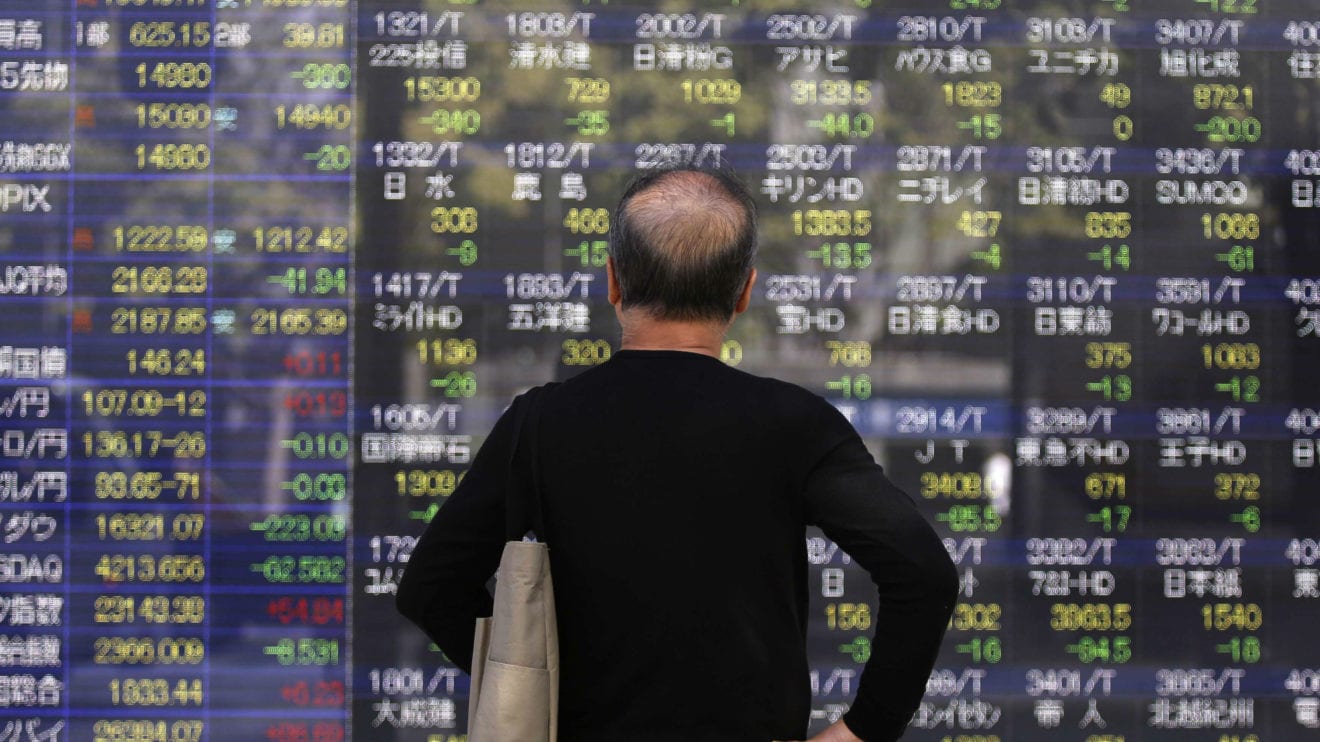
    Asian shares slipped on Tuesday as stringent curbs on travel to the United States ordered by President Donald Trump brought home to investors that he is serious about carrying out his controversial campaign pledges.

    Global stocks posted their biggest loss in six weeks on Monday after Trump signed an executive order to bar Syrian refugees indefinitely and suspend travel to the United States from seven Muslim-majority countries, sparking widespread protests.

    European bourse are expected to remain fragile after big losses on Monday, with spread-betters seeing opening losses of as much as 0.1 per cent in major indexes, including Britain’s FTSE, Germany’s DAX and France’s CAC.

    “Investors are becoming worried as it appears as if he was setting fire to geopolitical risks that already exist,” said Yoshinori Shigemi, global market strategist at JPMorgan Asset Management.

    Trump’s move drew criticism from some US policymakers, and business leaders, with technology companies, which depend on talent from around the world, planning to discuss a legal challenge.

    “His stance is really inward-looking, making investors nervous about his ’moderateness’,” said Masahiro Ichikawa, senior strategist at Sumitomo Mitsui Asset Management.

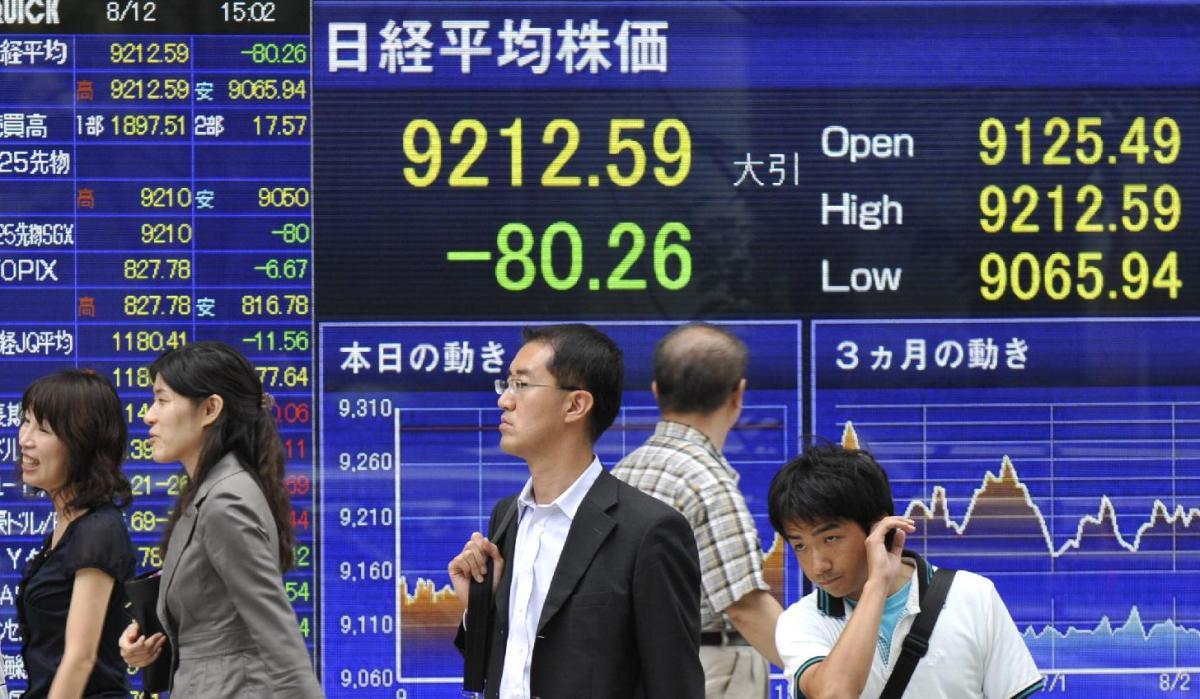
    MSCI’s broadest index of Asia-Pacific shares outside Japan fell 0.5 per cent while Japan’s Nikkei dropped 1.7 per cent, its biggest fall in almost three months.

    On Monday, the US S&P 500 Index fell 0.6 per cent, its biggest fall in a month, though it remained well above levels seen before the November 8 presidential election.

    MSCI’s gauge of the world’s 46 stock markets shed 0.6 per cent, its largest loss in a month and a half.

    The mood soured further when Trump fired the federal government’s top lawyer after she took the extraordinarily rare step of defying the White House.

    US stock futures ESc1 shed 0.3 per cent on Tuesday and the dollar extended losses against the yen.

    Still, most share prices were up on the month, supported by signs of accelerating momentum in the global economy and hopes of large fiscal stimulus from Trump.

    MSCI’s ex-Japan Asian shares index was up 5.7 per cent this month while its index of world markets was up 2.5 per cent. They were also higher than their levels before the US elections.

    In the currency market, the dollar was broadly weak and fell 0.3 per cent against the yen to 113.49 yen. It was down 3.1 per cent so far this month, after three straight months of sizable gains.

    The Japanese currency showed no reaction after the Bank of Japan kept its policy on hold, as expected. A string of recent data has suggested the economy is slowly regaining traction.

    The euro edged up to US$1.0710, consolidating after its rebound this month from its 14-year low of $1.0340 set on January 3.

    In a possible sign of increased anxiety among investors, the safe-haven Swiss franc strengthened to a seven-month high of 1.0637 franc per euro on Monday.

    Worries are also growing about a political shift to populist leaders in Europe.

    French bond yields rose to the highest level since September 2015, on rising uncertainty over the Presidential election later this year.

    Conservative leader Francois Fillon, seen as the front-runner, is now battling to contain a scandal over allegedly unlawful payments to his wife while the Socialists on Sunday picked a hard-left candidate, possibly helping popular far-right leader Marine Le Pen.

    Italian debt yields climbed to 1 1/2-year highs partly as early elections could be called following a ruling from the country’s constitutional court last week.

    Italian assets have also been hit by worries over its banking sector after UniCredit, the country’s biggest bank, revealed on Monday it expects to book a net loss of around 11.8 billion euros ($12.6 billion) for 2016 and fall short of European Central Bank capital requirements.

    By contrast, the yield on German debt fell on Monday even as data showed inflation in Germany hit a 3 1/2-year high in January.

    News that Germany posted a national inflation rate of 1.9 per cent stoked talk of an unwinding of monetary stimulus by the ECB, even though the inflation outcome was below expectations.

    Elevated uncertainty about Trump’s policies, including a lack of detail so far on his plans for tax cuts and fiscal spending, offset optimism on the US economy.

    Data on Monday showed US consumer spending accelerated in December while inflation showed some signs of picking up last month.

    The core PCE price index, the Federal Reserve’s preferred inflation measure, rose 1.7 per cent on a year-on-year basis after a similar gain in November.

    “We’ve seen a jump in US economic sentiment after Trump’s victory. But the improvement in hard economic data remains moderate,” said Haruka Kazama, senior economist at Mizuho Research Institute.

    “And if Trump takes more steps to limit permits for immigrants, that would surely boost inflation as the US is now near a full employment,” she added.

    The Federal Reserve, which will start its two-day policy meeting today, is widely expected to keep interest rates unchanged as it awaits greater clarity on Trump’s economic policies.

    Oil prices dipped as rising US drilling activity offset efforts by OPEC and other producers to cut output in a move to prop up the market.

    Brent crude futures LCOc1, the international benchmark for oil prices, were trading at $55.14 per barrel, down 0.2 per cent from Monday’s settlement price.
  • ANZ share rating still retained

    ANZ share rating still retained

    The divestment was consistent with the bank’s strategy of simplifying its business and narrowing the focus of its Asian operations on institutional business, analyst David Ellis said in a research note released yesterday.

    The sale followed those of five Asian retail and wealth businesses in Singapore, Hong Kong, China, Taiwan and Indonesia at the end of October last year.

    Mr Ellis expected ANZ’s four remaining retail and wealth businesses in the Philippines, Vietnam, Cambodia and Laos, which were under review, to eventually be sold.

    Following the sale of Shanghai Rural, ANZ would have minority stakes in three Asian financial services groups in Malaysia, Indonesia and China with a combined book value of about $A3billion ($NZ3.13billion).

    ”We would not be surprised if these investments were also divested,” Mr Ellis said.

    ANZ deputy chief executive Graham Hodges said the bank had sold its 20% share in Shanghai Rural to China Cosco Shipping and Shanghai Sino-Poland Enterprise Management Development Corporation for $A1.84billion.

    ANZ had invested a total of $A568billion in Shanghai Rural. Since 2007, ANZ had recognised $A1.3 billion of equity-accounted earnings and received $A178 million in dividends.

    ”This partnership has been beneficial for both ANZ and for Shanghai Rural. Shanghai Rural is now a strong, successful bank with a prosperous future.”

    Mr Ellis assigned a wide commercial advantage (economic moat) rating to ANZ, mainly because of its sustainable structural advantages of the Australian and New Zealand banking sectors.

    The wide moat rating recognised the structural and superior competitive advantages Australia’s four banks possessed.

    ”The four major banks dominate a regulated and rational oligopoly, bestowing structural advantages that are strong and durable.”

    New Zealander Shayne Elliot started as ANZ chief executive on January 1, 2016 and wasted no time making changes to strategy, organisational structure and the senior leadership team, Mr Ellis said.

    Mr Elliot was an ”excellent choice” to lead the group through the next stage of its growth phase.

  • Shell completes the sale of Shell Refining Company in Malaysia

    Shell completes the sale of Shell Refining Company in Malaysia

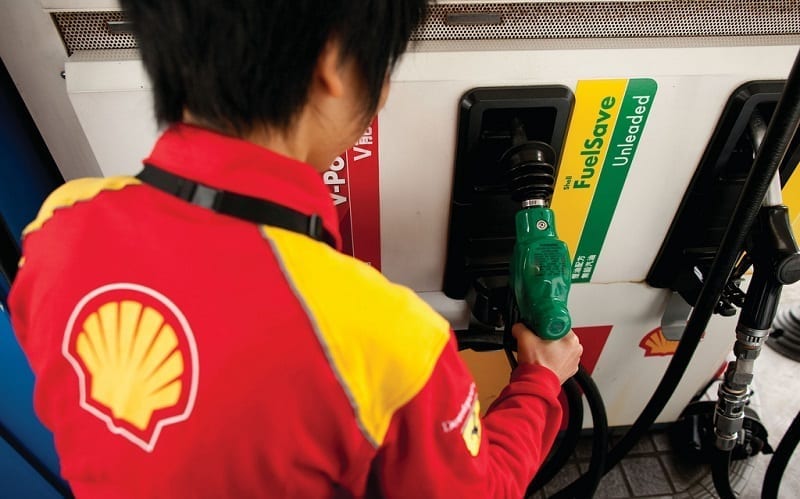
    Shell is the leading retail fuels and lubricants provider in Malaysia, which remains an important market for the company. Shell will maintain supply to its retail and commercial customers, and will honour all current commercial arrangements through existing comprehensive supply agreements in the country.

    This divestment is consistent with Shell’s strategy to concentrate its global downstream operations in areas where it can be most competitive.

  • Thai Airways International Shares Take A Dive Last Week

    Thai Airways International Shares Take A Dive Last Week

    The President of Thai Airways Charamporn Jotikasthira has told reporters that the full-year target of 180 billion baht is unlikely to be achievable.

    A report posted with regard Thailand’s crackdown on China’s so-called zero-dollar tours has led to a sharp decline in Chinese tourists. These tours were offered below cost, with operators making big profits through kickbacks from affiliated souvenir shops and service providers from which travelers were forced to buy at inflated prices.

    Thai Airways revenue from Chinese passengers has dropped by 25% over the past several months because of this crackdown.

    There are obviously other factors involved as Charamporn also said many economizing steps have not yet been fully implemented, suggesting that the full-year cost-cutting target may also be missed.

  • Malaysian shares rise after 2017 budget sticks to consolidation path

    Malaysian shares rise after 2017 budget sticks to consolidation path

    Malaysian shares edged higher Friday, as investors cheered Prime Minister Najib Razak’s resolve to narrow the budget deficit next year.

    Najib, who pledged to hand out cash aids and push for infrastructure development to stoke growth in an uncertain global environment, expects the nation’s gross domestic product to expand 4% to 5% in 2017. He forecast fiscal deficit to narrow to 3% of GDP from the 3.1% target for this year.

    The nation’s benchmark FTSE Bursa Malaysia KLCI ended 0.2% higher at 1,669.98 points Friday. The index rose 0.7% for the week, tracking gains in most regional indexes.

    CIMB Group Holdings, British American Tobacco Malaysia and plantation stocks led gains on Friday, while YTL Corp, Genting and Genting Malaysia slipped.

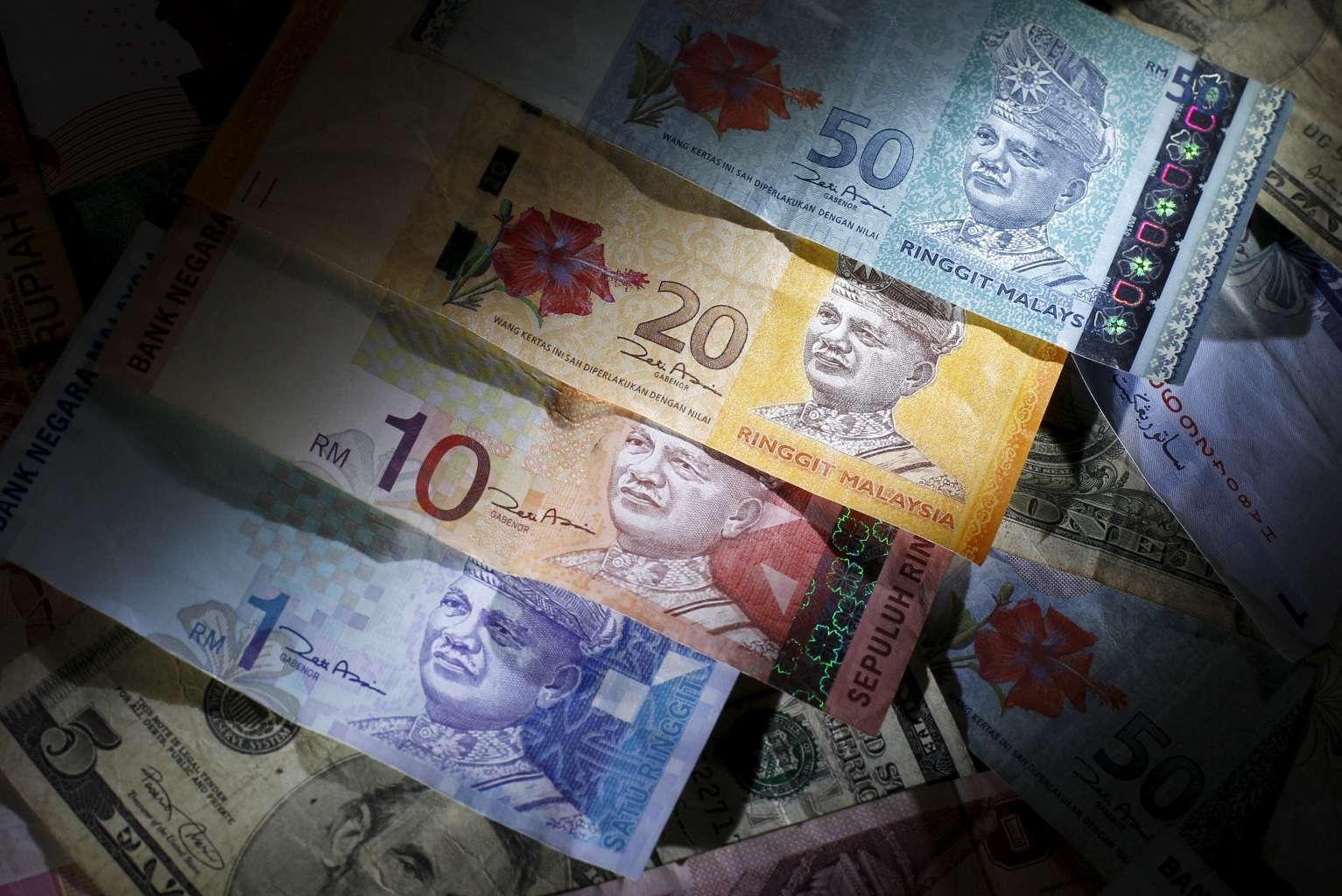
    The ringgit declined 0.05% to 4.183, tracking broad gains in the dollar as the European Central Bank’s post-policy comments pushed the euro to seven-month lows.

    Data released Friday showed Malaysia’s retail inflation rate rose a lesser-than-expected 1.5% last month, unchanged from August’s reading. Economists had expected a 1.7% increase in September.

    “At this juncture, the balance of risks is still skewed towards growth disappointment, not to mention possible fiscal slippage, with inflation pressures of second-order concern,” said Weimen Ng, an economist at ANZ Research, in a note. “A key trigger that will bring Bank Negara Malaysia back to the rate cut table at the final meeting of the year on 23 November is a significant slowdown in private consumption.”

    At today’s budget, inflation was projected at be between 2% to 3%. Malaysia’s central bank stood pat on interest rates at its September review, after delivering a surprise rate cut in July.

    Regional sentiment was tepid on Friday, weighed down by broad strength in the dollar and sliding crude prices.

    Crude oil prices slipped over 2% on Thursday, reversing the previous day’s gains.

    The dollar index, measured against a basket, rose to its highest level since February on Friday as the euro remained under pressure after the ECB stood pat. Chatter about a possible plan to taper the central bank’s 80 billion euro a month bond-buying program rattled markets earlier this month.

    ECB President Mario Draghi’s comments that a long-awaited rise in inflation required “very substantial” monetary policy accommodation also weighed on the euro.

    In Southeast Asian markets Friday, Philippine’s PSE Composite and Singapore’s Straits Times slipped 0.8% and 0.4%. Indonesia’s Jakarta Stock Exchange Composite rose 0.1%, while Thailand’s SET index advanced 0.5%.

    In rest of Asia, South Korea’s KOSPI and Japan’s Nikkei 225 declined 0.4% and 0.3%. China’s Shanghai Composite advanced 0.2%. Hong Kong markets were closed due to a typhoon.

    On the KLCI, 15 of the 30 constituents ended lower Friday and four closed unchanged, while overall declining issues outnumbered advancing ones 392 to 327.

    Foreign investors sold 15.5 million ringgit ($3.7 million) in Malaysian shares on Thursday, according to Kenanga Research.

    British American Tobacco Malaysia advanced 2.7% to 49.8 ringgit, leading gains on the KLCI. The cigarette maker reports third-quarter earnings on Monday.

    CIMB rose 2.2% to 5.04 ringgit. The banking major is trading at its highest level this year, helped by expectations of lower credit costs in Malaysia and Indonesia, especially in the second half of next year, analysts said.

    Plantation majors Kuala Lumpur Kepong and IOI Corp rose 1.8% to 24.36 ringgit and 0.5% to 4.51 ringgit. On Friday, the government said palm oil production in Malaysia is expected to rise 5.6% in 2017. Palm oil futures were up 0.4% at 2,728 ringgit per tonne.

    Plantations-to-motoring conglomerate Sime Darby ended 0.3% higher at 7.98 ringgit.

    Genting Malaysia slipped 1.7% to 4.71 ringgit Friday. The leisure and hospitality major declined 1.7% for the week, trimming last week’s 2.8% rally.

    Choppy trading in resort-to-rail conglomerate YTL Corporation continued Friday, with the stock closing 1.1% lower at 1.75 ringgit. The stock has alternated between losses and gains this week, ending the week 1% lower.

    Gaming conglomerate Genting slipped for the second day, falling 1% to 7.87 ringgit.

  • Fashion retailer French Connection’s shares jump on takeover hopes

    Fashion retailer French Connection’s shares jump on takeover hopes

    Shares in UK-based fashion retailer French Connection Group Plc rose more than 20 percent on Monday after a media report said overseas investors were looking to buy the lossmaking firm.

    The Telegraph newspaper had said on Saturday that interested buyers were thought to be a mix of European and U.S. private equity firms, as well as investment manager Neuberger Berman, and that French Connection had approached investment bank Moelis & Co (MC.N) for advice.

    French Connection and Moelis declined to comment. Neuberger Berman did not immediately respond to a request for comment.

    French Connection has struggled to compete in recent years against fast-fashion rivals such as ASOS, Forever 21 and Inditex’s Zara and has failed to report a pretax profit since the year ended Jan. 31, 2012 with critics saying it should ditch its 25-year-old FCUK logo.

    Private equity firms could be a natural fit for French Connection as they could push through operational changes to extract profit, and revive the company’s brand appeal, said Neil Saunders from retail consultant Conlumino.

    The retailer has been the source of takeover speculation in the past, and some industry experts said there was now more pressure on the company following years of underperformance and little sign of underlying issues being addressed, despite turnaround measures including store closures and the hiring of new management and design teams.

    Activist investment firm Gatemore Capital Management (GCM), which has an 8 percent stake in French Connection, would be supportive of running an open sales process, Liad Meidar, managing partner at GCM said in an emailed statement.

    GCM said it would be interested in a potential buyer looking to focus on increase the rate of store closures and improve gross margins in French Connection’s retail and wholesale business.

    French Connection needed to focus on fashion for 25- to 35- year-olds, said Gatemore, which last month urged the retailer to speed up its store closure program after its first-half results showed another loss.

    As of Friday’s close of 32.75 pence – a fraction of highs of more than 500p set in 2004 – French Connection had a stock market value of 31.5 million pounds.

    Any buyer will have to gain the backing of founder and executive chairman Stephen Marks, who still holds a 41.65 percent stake in the company as of March 15, according to Thomson Reuters data.

    British companies have become cheaper for overseas buyers in recent months as Britain’s vote to leave the European Union has driven the pound GBP= to its lowest in about three decades.

    French Connection shares were up 10 percent at 36p by 0721 ET on Monday.

  • Ooredoo plans stake sale in Indonesian unit Indosat

    Ooredoo plans stake sale in Indonesian unit Indosat

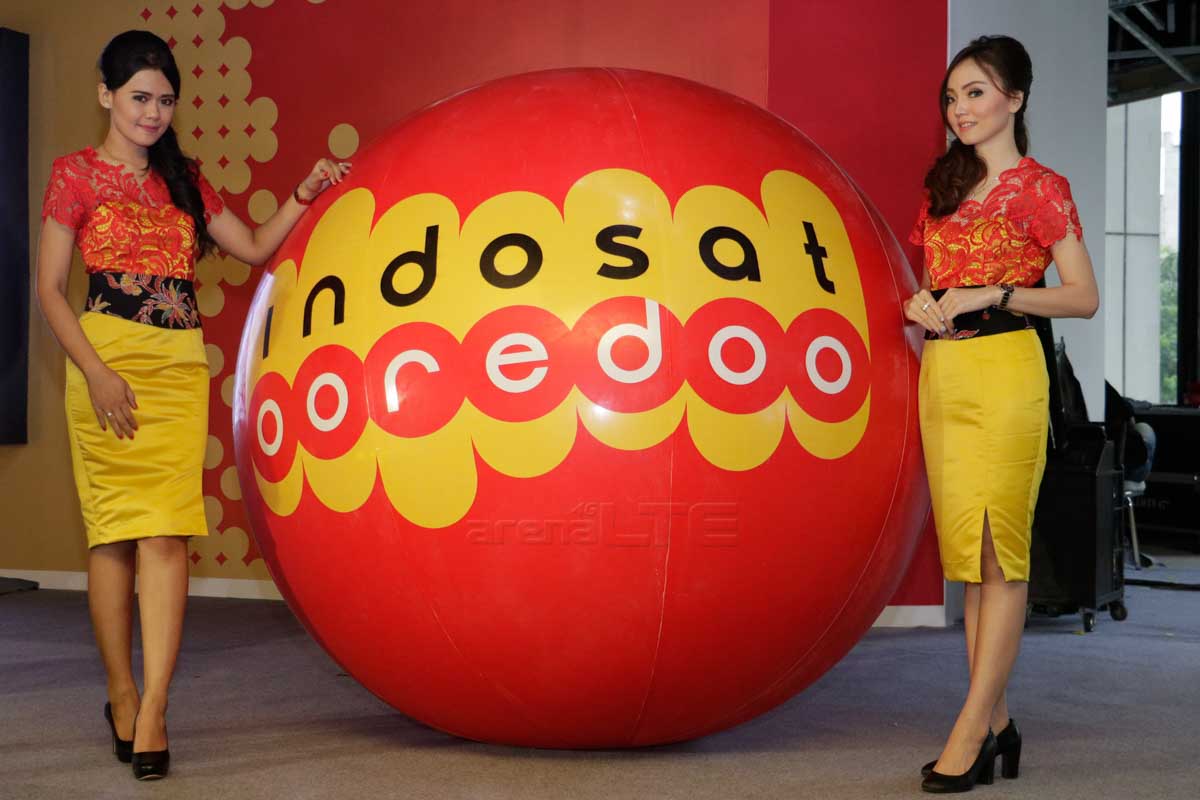
    Ooredoo plans stake sale in Indonesian unit Indosat. Ooredoo is exploring options including a sale of its controlling stake in Indonesia’s phone carrier PT Indosat as the Qatari phone company seeks to raise cash and focus on its more profitable Middle Eastern markets, according to people familiar with the matter.

    The carrier could sell its 65 per cent stake in Indosat to another phone company willing to expand in the region, the people said, asking not to be identified because the deliberations are private. The holding has a market value of about $1.4 billion. No final decision has been made and deliberations are still at a preliminary stage, the people said.

    Ooredoo said it has no intention of selling its interest in Indosat, according to a statement dated September 20 on its website. Indosat shares rose as much as 2.9 per cent, the most in a week, in Jakarta trading on Wednesday.

    Ooredoo, which has operations spanning Algeria to Myanmar, is also considering a sale of its indirect stake in Singapore’s StarHub, people with knowledge of the matter said in July. Ooredoo is majority owned by the Qatar Investment Authority sovereign wealth fund and other government related entities. Investment funds in many Middle Eastern countries are raising cash through asset sales to combat declining oil prices.

  • Axiata may sell up to $700m in shares in three units

    Axiata may sell up to $700m in shares in three units

    Malaysia’s Axiata Group is said to be seeking buyers for stakes in its Asian telecoms assets worth up to $700 million as part of efforts to reduce debt.

    The group may sell around 11% of Indonesia’s XL Axiata and up to 30% each of Sri Lanka’s Dialog Axiata and Cambodia’s Smart Axiata, Bloomberg reported, citing unnamed sources.

    According to the report, Axiata is seeking to cut down its debt, which had grown to 21.5 billion ringgit ($5.2 billion) as of the end of June.

    Axiata Group currently owns 83.3% of Dialog Axiata, 95.4% of Smart Axiata and 66.4% of XL Axiata, on top of its operations in Bangladesh and Pakistan and minority stakes in Singapore and India.

    In a statement responding to the report, Axiata said the company “continuously reviews various strategic options to enhance shareholders’ value.”

    The company confirmed that it has been exploring options to optimize its balance sheet since the middle of last year, “potentially including, but not limited to, the portfolio rebalancing and review of shareholding across subsidiaries.”

    But Axiata added that any reports are “speculative” unless and until any transactions are entered into and disclosed to the market.

  • Axiata may lift stake in Singapore’s M1

    Axiata may lift stake in Singapore’s M1

    Malaysia’s Axiata Group is considering increasing its stake in Singapore’s M1 as a strategic investment.

    Axiata CEO Tan Sri Jamaludin Ibrahim told that the company would “seriously consider” lifting its stake in M1 “if the price is right”.

    Axiata is already M1’s largest shareholder with a 28.5% stake. M1’s second largest shareholder Keppel Corp’s parent company Temasek Holdings is meanwhile reportedly considering selling Keppel’s stake in the operator.

    But the prospect of heightened competition in Singapore’s mobile market arising from the award of the nation’s planned fourth mobile license may limit the attraction of a potential deal.

    Jamaludin told that the company is not pursuing any major mergers and acquisitions, noting that even if the group wanted to expand into another country, the opportunity is not there.

  • Singtel to lift stakes in AIS, Airtel

    Singtel to lift stakes in AIS, Airtel

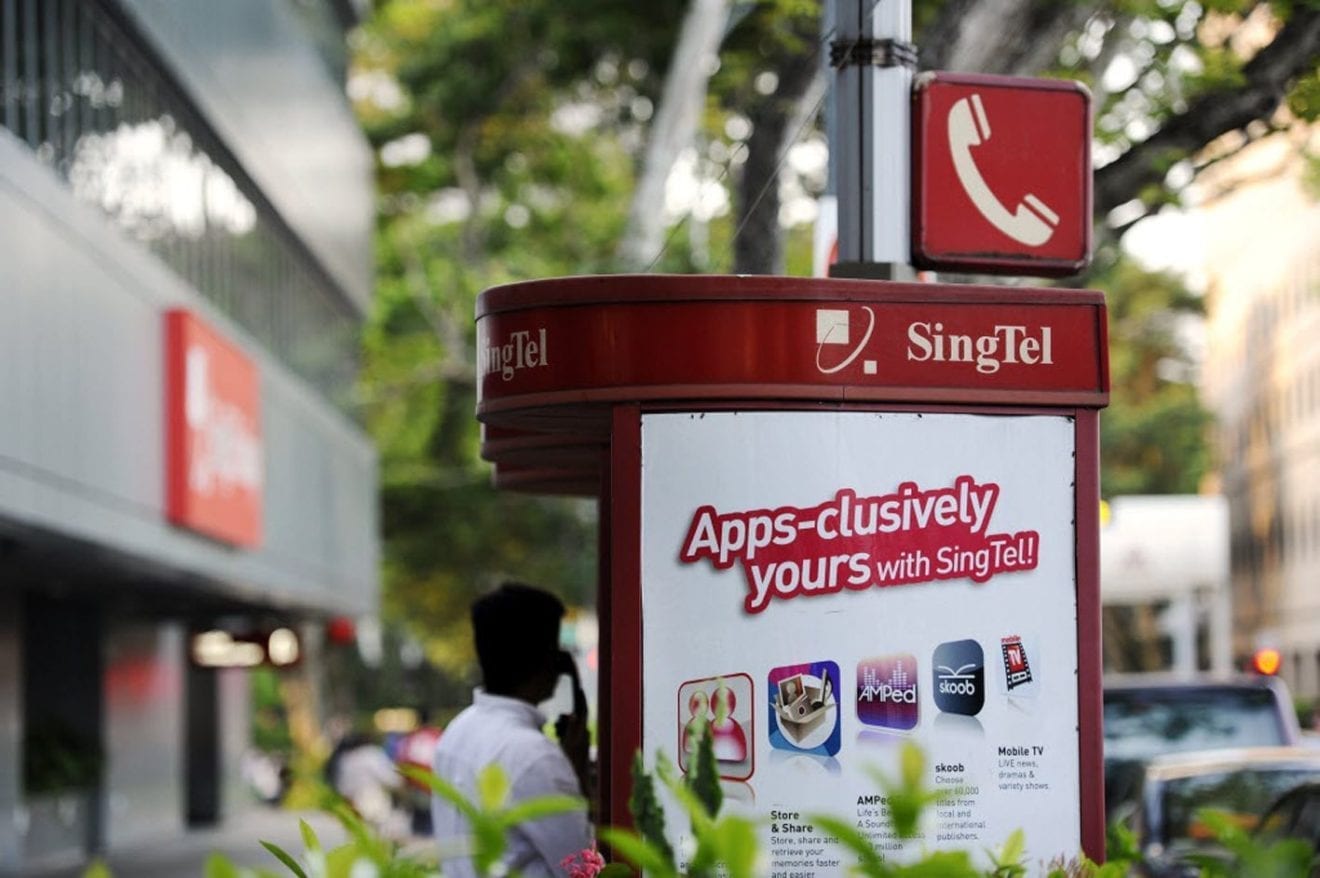
    Singtel has confirmed it has arranged to indirectly increase its stake in Thai mobile affiliate AIS, and revealed it will also increase its share in India’s Bharti Airtel.

    The operator announced it has entered a conditional agreement to acquire 21% of Thai operator AIS’ largest shareholder Intouch Holdings from Singtel’s majority shareholder Temasek Holdings, confirming reports from earlier in the week.

    Intouch is AIS’ largest shareholder with a roughly 40% stake, while Singtel owns a 23% stake in AIS.

    Singtel has meanwhile also agreed to acquire a 7.39% stake in Bharti Airtel’s holding company Bharti Telecom, adding to the 39.78% it already owns.

    The acquisitions have a total value of S$2.47 billion ($1.84 billion). Singtel will pay cash, and fund the acquisition through a combination of internal cash, short-term debt and proceeds from a S$1.6 billion placement of new Singtel shares to Temasek. The deal still requires shareholder and regulatory approvals.

    “Singtel has been a strategic partner to both AIS and Airtel for more than 15 years. We have built deep and trusted relationships, worked well together through the years, sharing knowledge and expertise and we have grown together, from strength to strength,” Singtel Group CEO Chu Sock Koong said.

    “Today, they have a combined mobile customer base of more than 380 million across Asia and Africa. This is a unique opportunity for us to deepen our relationships with two great market leaders.”

  • Singtel said to plan to increase stake in AIS

    Singtel said to plan to increase stake in AIS

    Singtel is reportedly in talks regarding indirectly increasing its stake in Thailand’s top mobile operator AIS.

    The operator is negotiating with Temasek Holdings regarding a sale of part of the investment company’s 41% stake in Intouch, a major shareholder in AIS.

    Temasek Holdings is a Singaporean state-owned investment company which holds a 51% majority stake in Singtel. Temasek is also Intouch’s biggest shareholder with a 41% stake, while Intouch itself owns 40% of AIS. Singtel’s stake in AIS is currently 23%.

    Singtel and AIS previously held discussions regarding the Singaporean group increasing its stake in the Thai operator in 2014, but the negotiations were put on hold due to political and economic instability in the nation.

    But Bloomberg’s source stated that the companies involved believe there is renewed opportunity to pursue a deal now that the situation is becoming more stable.

    Singtel’s regional mobile associates are important to the operator’s financial performance. The company’s recently announced first quarter results  show that while the company’s net profit grew just 2%, pre-tax earnings contributions from the company’s regional associates climbed 19%.

    Temasek is meanwhile under pressure to pursue investments with a greater potential for returns after reporting the first decline in its portfolio for seven years during the financial year ending in March.

  • Thai BJC shareholders approve $6.2 billion Big C buy

    Thai BJC shareholders approve $6.2 billion Big C buy

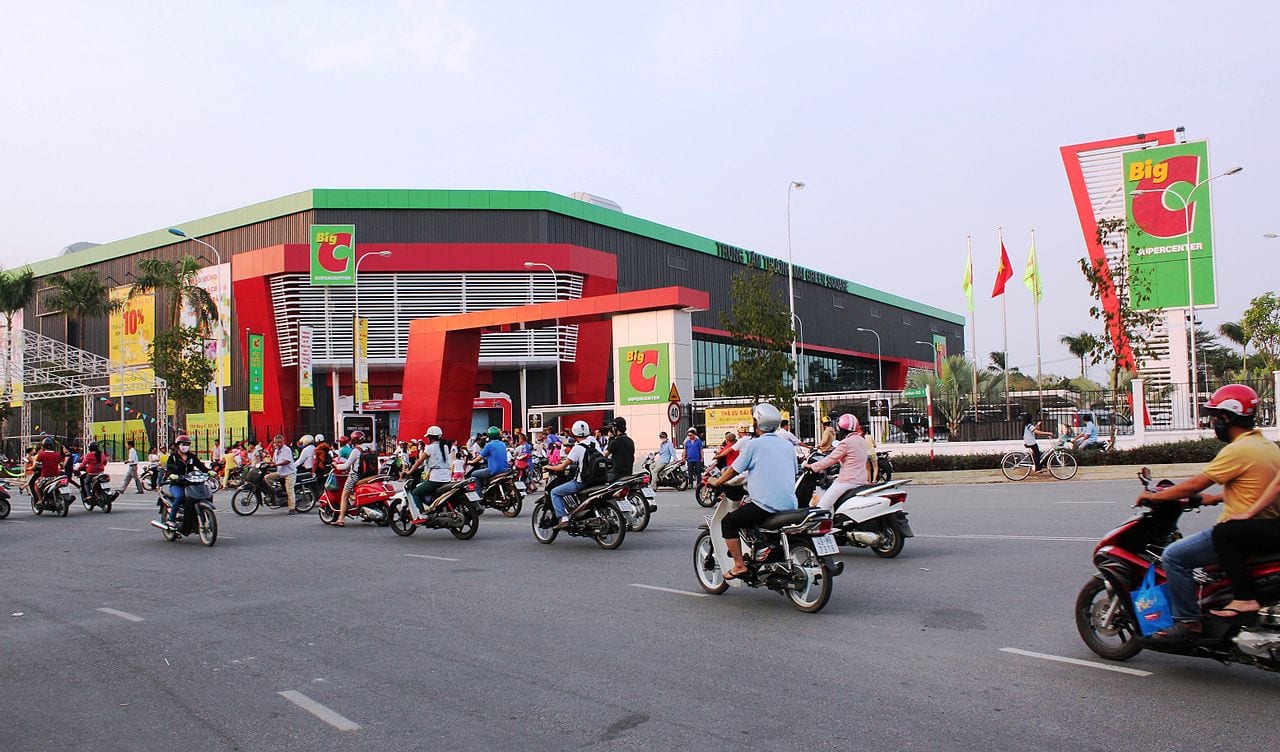
    Thailand’s Berli Jucker shareholders have voted in favor of a $6.2 billion acquisition of hypermarket operator Big C Supercenter Pcl (BIGC.BK) from France’s Casino Group.

    Some 99.99 percent of voters approved the plan at Monday’s meeting, two financial sources who attended it said.

    Berli, the core retail business of Thai tycoon Charoan Sirivadhanabhakdi’s TCC group, won a hotly contested auction for Casino’s 58.6 percent stake in Big C.

    Earlier, Casino said it was on track to reduce debt as promised after Standard & Poor’s cut the French retailer’s credit rating to junk, citing falling profits, weakness in Brazil and competition at home.

    The Thai group secured $6.2 billion short-term financing deal with 15 banks to fund the Big C acquisition on Wednesday.

    Berli is expected to pay Casino by the end of March and the company will buy the remaining shares from minority shareholders in a tender offer, to be completed by May, one source said.

  • Thai Central says keen to bid for Casino’s units in Thailand, Vietnam

    Thai Central says keen to bid for Casino’s units in Thailand, Vietnam

    Thailand’s largest retail conglomerate Central Group is keen to bid for Casino Group’s Thai and Vietnam operations, a company executive said.

    Casino owns 58.6 percent of Big C Supercenter Pcl, which has a total a market value of $5.5 billion. Casino said last week it was keen to sell this stake after announcing it would sell its Vietnam unit in the first quarter.

    “We are interested in both Big C in Thailand and Vietnam,” Prin Chirathivat, deputy chief executive officer told Reuters.

    “If the prices are not too expensive, we will be keen to bid,” Prin said adding his family, the Chirathivats, has a combined 25 percent stake in Big C. Central has been actively looking to buy assets overseas as it wants to expand into Southeast Asia and Europe.


  • Asia shares fall led by Shanghai as investors eye safety ahead of Greece

    Asia shares fall led by Shanghai as investors eye safety ahead of Greece

    Shares in Shanghai slumped on Friday, leading other Asian markets lower as investors headed for safety ahead of a weekend referendum that could decide whether Greece stays in the euro zone that is now too close to call.

    The Shanghai Composite fell 5.57% before the break, while the Hang Seng index eased 0.55% and the S&P/ASX 200 was down 1.78%. The Nikkei 225 was down 0.44%.

    Prime Minister Alexis Tsipras on Wednesday urged Greeks to reject an international bailout deal in a referendum due to be held on July 5, souring hopes of any breakthrough.

    Less than 24 hours before, Tsipras had written a conciliatory letter to creditors asking for a new bailout that would accept many of their terms.

    On Wednesday Greece became the first developed country to default on the International Monetary Fund after its second bailout program expired late Tuesday. The IMF confirmed that the Greek government failed to make a scheduled €1.6 billion loan repayment.

    In Australia, May retail sales data showed a 0.3% increase month-on-month, below a forecast for retail sales up 0.5% month-on-month.

    Earlier in Australia, the June AIGroup services index rose 1.6 points to 51.2.

    “The improvement in services-industry conditions so far this year has been concentrated in consumer services,” AI Group Chief Executive Innes Willox said.

    “Increased housing-market activity and very low interest rates are now assisting retail and personal and recreational services – although consumer-confidence and household-income growth are still below par. For the more business-oriented services subsectors weak business confidence, an uncertain outlook and low private and public investment are still weighing on demand across a range of design, consulting, personnel and administrative services.”

    U.S. markets are shut on Friday.

    Overnight, U.S. stocks were lower after the close on Thursday, as losses in the Financials, Healthcare and Basic Materials sectors led shares lower.

    At the close in New York, the Dow Jones Industrial Average lost 0.16%, while the S&P 500 index declined 0.03%, and the NASDAQ Composite index declined 0.08%.

    The best performers of the session on the Dow Jones Industrial Average were Intel Corporation (NASDAQ:NASDAQ:INTC), which rose 1.24% or 0.38 points to trade at 30.55 at the close. Meanwhile, Exxon Mobil Corporation (NYSE:NYSE:XOM) added 0.93% or 0.77 points to end at 83.14 and Visa Inc (NYSE:NYSE:V) was up 0.57% or 0.39 points to 68.24 in late trade.