Retail News CRM

Tag: skyrocketing

  • Cathay Pacific Airways Sees Skyrocketing Profits on the Horizon Amidst Rising Global Demand

    Cathay Pacific Airways Sees Skyrocketing Profits on the Horizon Amidst Rising Global Demand

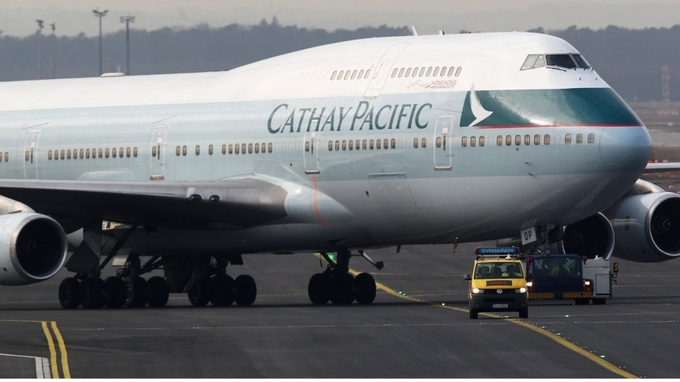
    Cathay Pacific Airways, the third most highly ranked airline globally last year, has announced its potential to realize a profit surge of up to 76% for the first half of this year. This surge, driven by robust passenger and cargo demand, is in comparison with the corresponding period last year.

    Financial Forecasts and Market Performance

    On Wednesday, the airline group projected a profit ranging from HKD6 billion to HKD6.5 billion ($765.39 million to $829.12 million) for the six months concluding on June 30. This projection marks a significant jump from HKD3.7 billion recorded during the same period last year. These estimations integrate a one-off gain of around HKD1.4 billion, attributable to the airline’s partial dilution of its stake in Air China.

    Without this one-off item, the sound underlying performance is reliant on robust demand within both passenger and cargo operations. This prediction shows resilience, as the wider aviation industry contends with a drastic surge in fuel costs. The International Air Transport Association (IATA) had projected that airlines’ fuel expenditures would skyrocket to $350 billion this year from $252 billion in 2025, driven by average jet fuel prices of $152 per barrel—nearly 70% higher than 2025 levels. Despite this, Cathay has acknowledged this hurdle whilst also reporting stronger earnings.

    Shares of Cathay, listed in Hong Kong, climbed more than 3% in the afternoon session after experiencing a slight dip in the morning. This rise was attributed to the optimistic profit prediction, which outperformed some analysts’ forecasts.

    Operational Performance

    The cargo division of Cathay, in June, transported 9% more cargo than the previous year, resulting in a 9% increase in total tonnage for the first half of the year. Lavinia Lau, Chief Customer and Commercial Officer, attributed this growth to semiconductor and pharmaceutical shipments which fuelled their specialist product lines, Cathay Expert and Cathay Pharma.

    On the passenger front, Cathay Pacific recorded a 12% increase in passenger numbers in June year-on-year, coupled with a 6% rise in available seat kilometers. For the first half of the year, passenger numbers swelled by 17%.

    Despite June traditionally being a more relaxed month, load factors remained stable, partially boosted by rerouted traffic via Hong Kong amidst the ongoing Middle East conflict. Demand in premium cabins also sustained strong corporate and premium leisure travel. “The outlook for the summer peak remains encouraging, particularly across our long-haul network,” Lau stated.

    HK Express, the group’s budget unit, experienced a slight dip with passenger numbers falling by 4% in June after the carrier reduced capacity to counterbalance higher fuel costs. However, Lau stated that bookings for July were trending ahead of the previous year.

    The group’s complete interim results are anticipated to be released in August. Cathay Pacific Airways clinched the third spot in 2025’s Skytrax’s ranking of the world’s best airlines, only surpassed by Qatar Airways and Singapore Airlines.

    Questions & Answers

    What is Cathay Pacific’s projected profit for the first half of this year?
    Cathay Pacific predicts a profit ranging from HKD6 billion to HKD6.5 billion ($765.39 million to $829.12 million) for the first half of this year.

    What contributed to Cathay Pacific’s robust performance?
    The airline attributed its sound performance to strong demand across both its passenger and cargo operations, along with a one-time gain from partially diluting its stake in Air China.

    Despite a dip in June, how is HK Express, Cathay Pacific’s budget unit, performing in July?
    July bookings for HK Express are currently outpacing those from last year, despite a 4% drop in passenger numbers in June.
  • Skyrocketing Lychee Prices: A Sweet Yet Sour Tale Amid Plummeting Yields

    Skyrocketing Lychee Prices: A Sweet Yet Sour Tale Amid Plummeting Yields

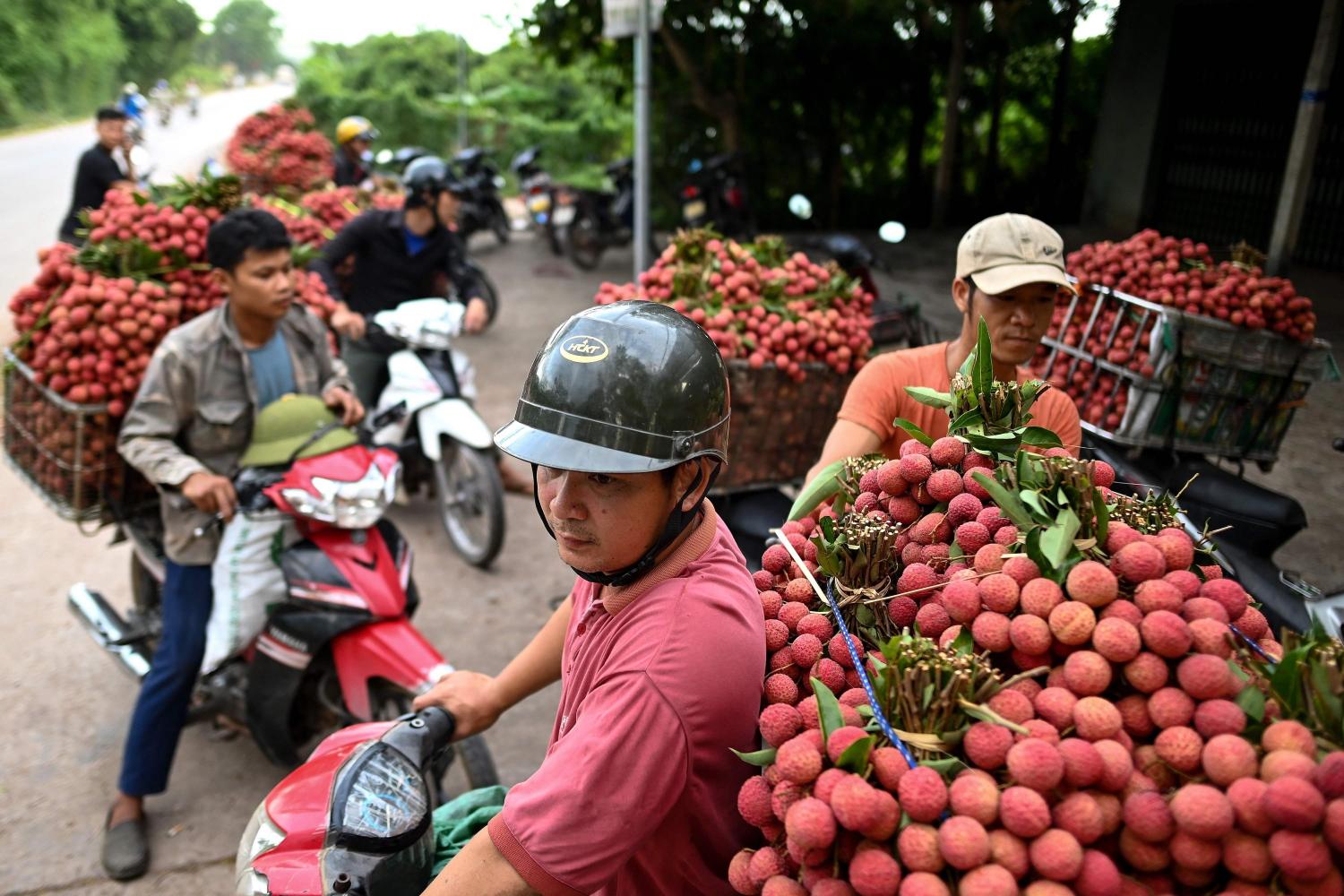
    The cost of lychees has increased by 20% compared to last year due to a decline in production brought about by unfavorable weather conditions. This information comes from Manh, a lychee orchard owner in the Thanh Ha Commune, Hai Phong City, who has seen his yield decrease by 30%, even though he recently sold a ton of the fruit for VND95,000 (US$3.61) per kilogram.

    Harvest Decline

    Pham Thi Van, a fellow farmer in the region, has reported a similar experience. She has only been able to harvest a ton of fruit so far this season, which is only half of last year’s yield.

    Although prices have dropped slightly since mid-April before the harvest, they remain at their highest in years, according to Van.

    Rising Profits

    In the Central Highlands province of Dak Lak, lychees are selling between VND60,000-80,000 per kilogram at the farm gate, which is considerably higher than in previous years. An orchard owner in the province confirmed that profits have increased as traders are proactively sourcing supply and placing advance orders.

    In Ho Chi Minh City, lychees from Dak Lak are selling for VND140,000-150,000 per kilogram, while specialty egg-shaped lychees from Thanh Ha are selling for VND150,000-180,000 per kilogram. Some stores that transport lychees by air to preserve freshness are charging as much as VND210,000.

    Weather Impact

    The Hai Phong Department of Crop Production and Plant Protection has said that the city has approximately 9,350 hectares of lychee trees, with 35% currently bearing fruit. According to them, a milder winter combined with a lack of cold weather has affected the flowering and fruit set rates of the lychee trees.

    Local authorities have advised farmers to improve crop care procedures and are urging businesses to collaborate with farmers to ensure a stable supply.

    Questions & Answers

    What has caused the increase in lychee prices?
    Poor weather conditions have resulted in a decrease in lychee production, leading to a 20% increase in the cost of the fruit.

    What measures are being taken to ensure a stable supply of lychees?
    Local authorities are encouraging better crop care techniques and pushing for partnerships between farmers and businesses to maintain a steady supply.

    How has the weather impacted the yield of lychee trees?
    A milder winter and a lack of cold weather have negatively impacted the flowering and fruit set rates of the lychee trees, leading to lower yields.

  • Skyrocketing Fuel Prices Push Global Airlines into Fare Hike: Vietnam’s Aviation Sector Braces for Impact

    Skyrocketing Fuel Prices Push Global Airlines into Fare Hike: Vietnam’s Aviation Sector Braces for Impact

    As global aviation fuel costs rise due to increased geopolitical instability, more than 60% of international airlines have already increased their fares or are planning to do so from mid-March, according to the Civil Aviation Authority of Vietnam (CAAV). The soaring fuel prices have resulted in mounting operational costs, leading many international carriers to utilize fuel surcharges to balance their expenses and maintain consistent service levels.

    The Impact of Rising Fuel Prices

    The CAAV conducted a swift survey on March 20, covering nearly 40 international and regional airlines operating routes to Vietnam. The survey revealed that over 60% of these airlines have already implemented, are in the process of implementing, or are planning to introduce fare adjustments or fuel surcharges, starting from mid-March.

    This trend is notable in significant aviation markets across Asia, Europe, and North America, highlighting the extensive financial pressure experienced by airlines globally. In Northeast Asia, which includes Taiwan, China, Japan, and the Republic of Korea, ticket prices have significantly increased, with hikes ranging from $11.5 to nearly $115 per ticket.

    Regional Variations in Fare Hikes

    In contrast, fare increases in Southeast and South Asia have been more moderate, typically fluctuating around $5 to approximately $70 per ticket. For long-haul flights to Europe and North America, fuel surcharges are considerably higher, generally ranging from around $43 to over $215 per ticket, with even greater increases for business-class passengers.

    The air cargo sector is also feeling the impact, with some airlines introducing fuel surcharges calculated on a per-kilogram basis. Despite these adjustments being seen as a short-term response to fluctuating fuel prices, they are expected to elevate both passenger airfares and cargo costs in the upcoming months.

    Questions & Answers

    What is driving the increase in global aviation fuel prices?
    Geopolitical instability is the primary factor contributing to the rise in global aviation fuel prices.

    How are airlines offsetting the rising operational costs?
    Many international airlines are introducing fuel surcharges or adjusting their fares to counterbalance the increased operational costs.

    What impact will these adjustments have on the aviation industry?
    These adjustments are expected to increase both passenger airfares and cargo costs in the near future.

  • Vietnam’s VN-Index Takes Steepest Dive in a Year Amid Geopolitical Tensions and Skyrocketing Oil Prices

    Vietnam’s VN-Index Takes Steepest Dive in a Year Amid Geopolitical Tensions and Skyrocketing Oil Prices

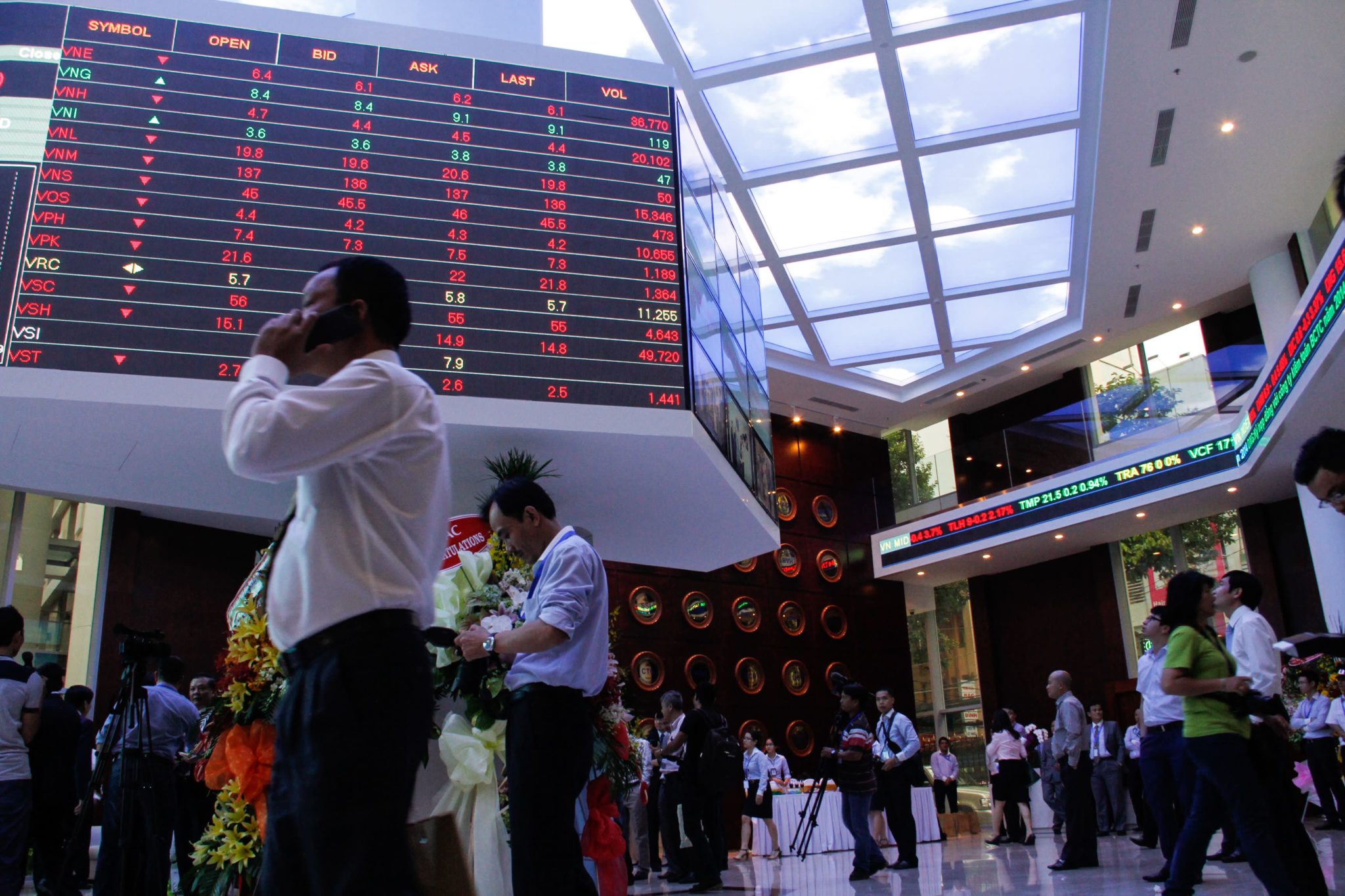
    Vietnam’s primary stock index, the VN-Index, experienced a significant drop of 5.86% during Monday morning trading, as investors initiated a sell-off due to geopolitical uncertainties and rising oil prices.

    Steep Fall of VN-Index

    On Monday, the VN-Index experienced a 6.38% fall from its reference level, marking the sharpest dip in almost a year. The last substantial drop was seen on April 8, when the index declined by 6.43%. This was a result of a prolonged market correction after the announcement of reciprocal tariffs by the U.S. President.

    Despite pessimistic predictions regarding short-term market developments from many securities companies prior to Monday’s trading, a drastic drop in the VN-Index was not anticipated. Amidst pressure from negative events at home and abroad, MBS analysts predict that the index may drop to around 1,700–1,750 points, a decline of about 20–70 points compared to the previous week’s closing level.

    Similarly, Yuanta Securities Vietnam suggested that the index could decline to a support zone of 1,715–1,740 points before a potential technical rebound occurs.

    Various Factors Influencing the Index Drop

    An MBS analyst pointed out that the domestic stock market showed strong resilience to the pressure of slightly increasing deposit interest rates before the Middle East conflict. The VN-Index had reached the 1,900-point level. However, the market now faces risks related to inflation, exports, financial instability, and supply chain disruptions due to the interest-rate pressure and the Middle East conflict.

    Tyler Nguyen Manh Dung, Senior Director of Market Strategy Research at HSC Securities, attributed the sharp market correction to a sudden increase in margin calls from securities firms. Dung warned of a potential sharp market fall tomorrow if there is a lack of capital to absorb the volume of shares waiting for forced liquidation at floor prices.

    Le Vu Kim Tinh, branch director at Phu Hung Securities, echoed Dung’s thoughts, adding that the deeper cause of the market correction is a series of negative developments related to geopolitical tensions.

    Signs of Hope Amid the Market Decline

    Despite the shocking correction, there are still some positive market signals. Tinh noted that oil and gas stocks continue to act as a market pillar due to benefits from the escalating Middle East conflict.

    Dung also highlighted that shares of some banks and many securities companies have corrected to levels that present attractive buying opportunities.

    Despite the widespread decline, 16 stocks remained in positive territory after an hour of trading on the HoSE, with oil and gas shares accounting for most of these gainers. The rally in oil and gas stocks is expected to continue as Brent crude oil prices surged nearly 20% to $111 due to escalating conflict in the Middle East raising investor concerns that supply could tighten further.

    Questions & Answers

    What was the extent of the drop in the VN-Index?
    The VN-Index experienced a significant drop of 5.86% during Monday morning trading.

    What factors led to the drop in the VN-Index?
    The drop in the VN-Index was attributed to a series of negative developments related to geopolitical tensions and a sudden increase in margin calls from securities firms.

    Despite the market decline, what positive signals were identified?
    Despite the market correction, oil and gas stocks continue to act as a market pillar, and shares of some banks and many securities companies present attractive buying opportunities.

  • Singapore Eateries Appeal for Increased Subsidies and Rent Control Amid Skyrocketing Business Closures

    Singapore Eateries Appeal for Increased Subsidies and Rent Control Amid Skyrocketing Business Closures

    Amid numerous business closures, the restaurant industry in Singapore is urging the government for additional labor cost subsidies and measures to control excessive rental hikes for the food and beverage sector. This appeal was recently put forward by The Restaurant Association of Singapore, which suggested an increase in subsidies under the Progressive Wage Credit Scheme to 75% for 2026 to 2028, a notable rise from the current 50%.

    The Impact on Singapore’s Food Scene

    As patrons review menus outside a local restaurant in a Singaporean shopping center, the underlying struggles of the industry are far from view. The association has proposed numerous changes, including the elimination of foreign worker levies, reducing the wait time for Progressive Wage Credit Scheme payouts, and allocating additional funding to support employees’ parental leave.

    The restaurant industry in Singapore is weathering what the association refers to as a “perfect storm” of escalating costs, labor shortages, and evolving consumer habits. The situation has led the association to seek government intervention to enhance cost predictability and stimulate domestic demand in the food and beverage sector.

    According to government data, the food scene in Singapore suffered 2,431 closures within the first ten months of the previous year, with 63% of these businesses failing to make it past the five-year mark. With the sector’s contraction in 2024 and record-breaking business closures, the association warns of potential threats to the long-term sustainability of food and beverage businesses, especially small and medium-sized enterprises (SMEs).

    Addressing High Rental Costs

    Another key focus of the association’s proposal is rental stabilization. Maintaining a consistent rental cost is a significant issue for the industry, as it represents a major fixed expense for businesses. The association asserts that providing “essential cost predictability” would equip businesses with the necessary information to make informed, long-term financial decisions.

    The association has suggested policy interventions to address exorbitant rental renewal increases. These include introducing caps on increases or linking them to macroeconomic indicators such as gross domestic product growth.

    In an effort to further support local businesses, the association is advocating for stronger measures, including raising foreign worker quotas and simplifying licensing fees.

    Benjamin Boh, President of the association, stated, “A vibrant and thriving food and beverage industry is crucial to making Singapore an attractive place to live and visit for both residents and tourists.” He emphasized that the proposed measures would offer business owners and operators a much-needed “breathing room” to fortify their business structures while managing external market pressures.

    Since its establishment in 1980, the Restaurant Association of Singapore has represented over 500 members and roughly 800 brands, covering more than 5,000 outlets.

    Questions & Answers

    What is the Progressive Wage Credit Scheme?
    This is a government initiative in Singapore designed to subsidize labor costs in various sectors, including food and beverage.

    What policy interventions has the Restaurant Association of Singapore proposed to address high rental costs?
    The association has suggested measures such as introducing caps on rental increases or linking them to macroeconomic indicators like gross domestic product growth.

    What was the impact of business closures on Singapore’s food scene last year?
    The food scene in Singapore witnessed 2,431 closures within the first ten months of the previous year, with 63% of these businesses failing to survive beyond five years.

  • New Zealand Grapples with Skyrocketing Cheese Prices Amid Rising Food Inflation

    New Zealand Grapples with Skyrocketing Cheese Prices Amid Rising Food Inflation

    Over the past year, food prices in New Zealand have witnessed a substantial rise of 4.7%, an increase from the 4.1% rise recorded in September, as reported by Stats NZ.

    Significant Rise in Grocery Prices

    The hike in food prices has been particularly noticeable in grocery items. A significant 25.5% increase was observed in the price of instant coffee, with an average price of NZ$7.88 (A$6.85) per 100 grams. The price of a 1kg block of cheese also reflected a 30.1% surge, costing $12.71 ($11.05).

    The highest rise was seen in the cost of grocery foods, with an annual increase of 4.9%. This was closely followed by the cost of meats, poultry, and fish, which rose by 7.6%.

    Heightened Dairy and Poultry Prices

    Stats NZ, the national statistical agency, provided additional data on the prices of dairy and poultry products. The average price of a two-litre bottle of milk rose by 13.5% over the year, reaching a price of $4.78 ($4.16).

    Similarly, the cost of a dozen fresh eggs also saw a significant annual increase of 18.5%, with the average price being $9.88 ($8.60).

    Questions & Answers

    What was the overall increase in food prices in New Zealand over the past year?
    Over the past year, there was an overall increase of 4.7% in food prices in New Zealand.

    Which food categories witnessed the highest price increases?
    Grocery food costs saw the highest increase at 4.9%, followed by meats, poultry, and fish prices, which increased by 7.6%.

    What was the price increase for dairy and poultry products?
    The average price of a two-litre bottle of milk increased by 13.5%, while the cost of a dozen fresh eggs saw an 18.5% increase annually.