Retail News CRM

Tag: Sri Lanka

  • Sri Lanka instructs cellcos to register SIMs

    Sri Lanka instructs cellcos to register SIMs

    The Telecommunications Regulatory Commission of Sri Lanka (TRCSL) has instructed the nation’s operators to register their customers SIMs in order to curb fraud and crime.

    The operators have been told to register SIMs with owners’ personal details and photocopies of their National Identity Cards, the Daily Mirror reported.

    President Maithripala Sirisena had proposed the SIM registration scheme after it was observed that a large number of active SIMs have been issued without proper documentation on the identity of the customers.

    Sri Lanka will be following other APAC nations in implementing a mandatory SIM registration scheme, such as Thailand, Bangladesh and Cambodia.

    Sri Lanka’s mobile market is dominated by the big three operators Dialog Axiata, Mobitel and Etisalat. Mobitel is in the process of being separated from parent company Sri Lanka Telecom (SLT) and listed on the Colombo Stock Exchange. The government currently owns a 49.5% stake in SLT.

  • Mobitel to be split from SLT and publicly listed

    Mobitel to be split from SLT and publicly listed

    Sri Lanka’s Mobitel plans to separate from parent company Sri Lanka Telecom (SLT) and list on the Colombo Stock Exchange.

    The operator is gearing up for a public listing this year with the goal of diversifying its ownership beyond SLT, citing official sources.

    The government of Sri Lanka, which owns a 49.5% stake in SLT, plans to exit partially or fully from Mobitel as part of a broader sell-off of its investments in state-owned enterprises.

    The government is seeking to raise at least $1 billion to settle what it says is uneconomical debt it inherited from its predecessor.

    Minister of telecommunications and digital infrastructure Harin Fernando meanwhile told that the separation is also aimed at helping tackle overcrowding in the nation’s telecoms industry and improving the competitiveness of Mobitel.

    Mobitel commenced operations in 1993 and became a fully-owned subsidiary of SLT in 2002. The company currently accounts for around 45% of SLT’s annual revenues, the highest contribution among the group’s eight subsidiaries.

  • Mobitel appoints Nalin Perera as CEO

    Mobitel appoints Nalin Perera as CEO

    Sri Lankan mobile operator Mobitel has appointed Nalin Perera as its CEO. Perera started his career at Mobitel in 2001 as general manager of marketing and was later promoted to the positions of senior general manager of marketing and senior general manager of contact center operations respectively. He also held the position of CMO and took over the responsibilities of COO at Mobitel in 2015.

    Commenting on the appointment, Mobitel said Perera’s strong track record “makes him the natural choice to lead the company on a forward momentum to the next phase of its evolution.”

    “He brings to the table strong insights into product and channel development, human resource management and more importantly, his understanding of the telecommunication industry as a whole, apart from his expertise in mobile telephony. His contribution to Mobitel has earned the company many accolades, including several local and international awards.”

    Perera brings 30 years of experience in mobile industry to his CEO role. He commenced his career in mobile telephony with Celltel in 1989, and led the introduction of the prepaid concept to Sri Lanka and its entire supportive ecosystem, which revolutionized the mobile industry and was the main contributor for the rapid growth in the sector in the country.

    BT appoints James Hennah to head Southeast Asia operations

    BT has appointed James Hennah as managing director for its South East Asia operations. He succeeds Ron Totton, who has recently taken on a new role as vice president in charge of BT’s operations in Switzerland, Nordics, Central & Eastern Europe and Russia (SNCR).

    Hennah will lead BT’s South East Asia team from Singapore, focusing mainly on Singapore, Malaysia, Indonesia, Vietnam, Thailand and the Philippines.

    Hennah joined BT in 1997, and was most recently CEO for BT’s global Media & Broadcast business and MD of carrier, channel and MVNO sales in BT’s Wholesale & Ventures division.

    Mark Russell to have an expanded role as MD of GCX International

    Mark Russell, president of Europe at Global Cloud Xchange (GCX), is expanding his role at the company after working for the Reliance Communications subsidiary for two years.

    Russell will take over the role as managing director of GCX International in charge of the company’s global sales across all segments, while continue to working for the company as president of Europe, GCX said Wednesday in announcing the appointment.

    Russell joined GCX in 2015 as president of Europe, where he has been instrumental in building the company’s capabilities and driving organic and inorganic growth across GCX’s European footprint, the company added.

    Russell has over 25 years of telecoms and technology experience. Prior to joining GCX, he had held senior management roles at companies including NetApp, UK software company Empower Interactive and MCI (now Verizon Business).

  • Dialog Axiata lifts FY16 profit by 74%

    Dialog Axiata lifts FY16 profit by 74%

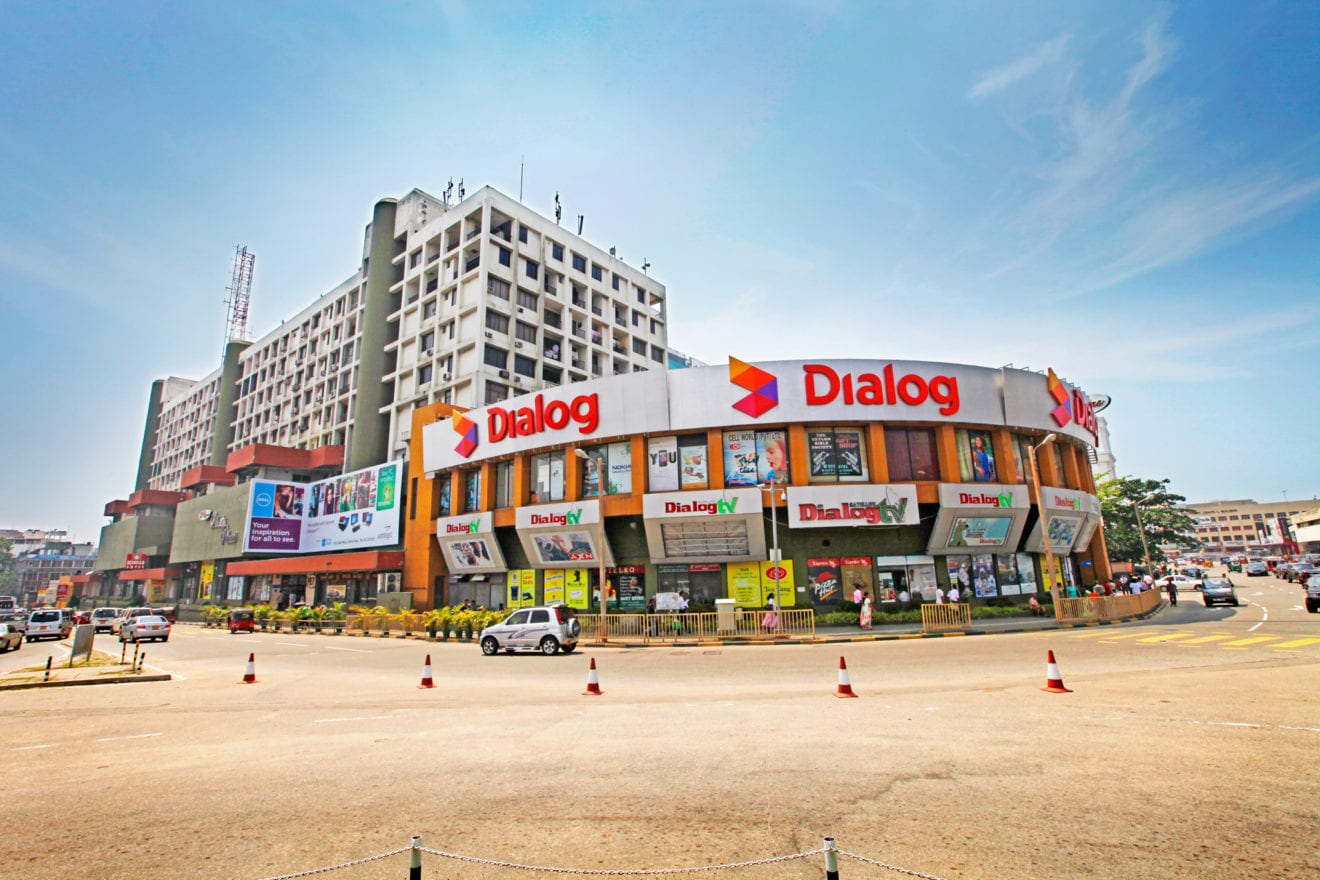
    Sri Lanka’s Dialog Axiata boosted its net profit for FY16 by 74% year-on-year to 9 billion rupees ($59.4 million), recording strong growth across all its business segments.

    The operator reported total revenue of 86.7 billion rupees, up 17% year-on-year, with revenue from its core business increasing 16% to 73 billion. Mobile customers increased to 11.8 million.

    Dialog Broadband Networks revenue grew 28% to 9.3 billion rupees, but the division’s net loss more than doubled to 385 million rupees due to higher depreciation and finance costs.

    Dialog Television revenue meanwhile grew 5% to 6.1 billion rupees, but its net loss also more than doubled to 644 million rupees.

    The group’s total capex for the year reached 23.2 billion rupees, representing a capex to revenue ratio of 27%. The bulk of spending went towards investments in high speed broadband infrastructure aimed at strengthening Dialog’s position in Sri Lanka’s broadband sector.

    For the fourth quarter, Dialog reported a 5% increase in revenue growth to 7.4 billion rupees. The company attributed the slower growth to the reintroduction of Sri Lanka’s value added tax at the start of November.

    Net profit for the quarter meanwhile declined 56% quarter-on-quarter to 1.3 billion rupees, due to lower pre-tax earnings, increased depreciation and higher non-cash forex losses.

  • Spa Ceylon opens nine POS operations in Asia

    Spa Ceylon opens nine POS operations in Asia

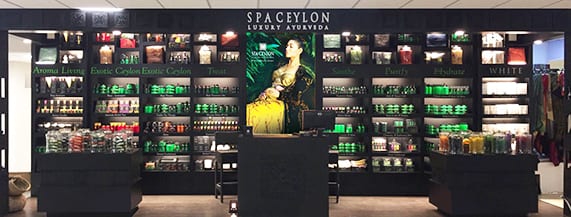
    Sri Lanka’s Spa Ceylon Ayurveda retail and spa company has opened nine new points of sale in Asia, including business with standalones, kiosks and airlines since it exhibited at last May’s Tax Free Asia Pacific show and it is expecting five more new presences in early 2017.

    Spa Ceylon says this progress follows the debut presence of its range of body, bath, beauty, aroma and wellness products to travel retail, which has been built on ‘success across ten countries with 55 boutiques and spas already in operation in downtown retail’.

    SPECIAL TRAVEL RETAIL OFFERINGS

    Commenting on the offering, company management said: “The all natural range of products offer a fresh new aspect to travel retail through Ayurveda-based formulae, using exotic herbs, fruits and minerals from their island home of Ceylon.

    Spa Ceyon has a strong presence at Bandaranaike International Airport in Colombo, Sri Lanka.

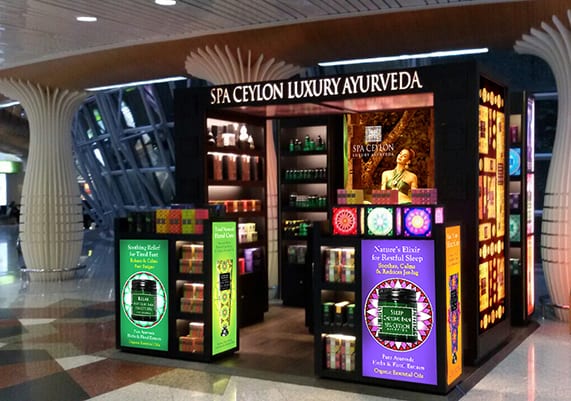
    KLI Airport 2

    Spa Ceylon at Kuala Lumpur International Airport in Malaysia.

    AMBITIOUS EXPANSION PLANS

    “The vibrant packaging in jewel-hued bottles and gift boxes adorned with colourful traditional palace art makes the brand stand out and has soon become a popular gift purchase among travellers.”

    By contrast, the impulse offering comprises the Spa Ceylon Palace Art range which is a collection of lip balms, hand creams, soaps, solid perfumes, coconut butters and balms with rich tropical scents made with fruit butters, herbs and oils.The company describes the core of its travel retail offering based on wellness and impulse. It adds that the wellness ranges such as ‘Sleep, De Stress and Detox’ offer an array of products suited for travel weariness and wellness needs.

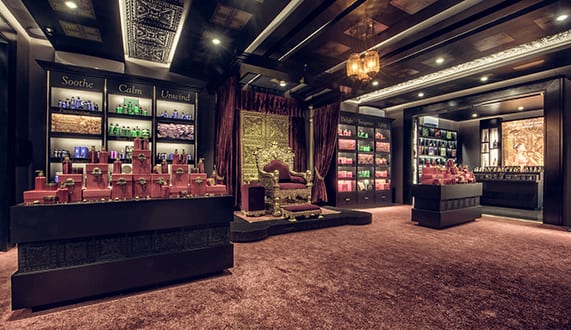
    The Spa Ceylon store in the prestigious Royal Court, in Colombo, Sri Lanka.

    GROWING TR FOOTPRINT IN JAPAN

    Spa Ceylon’s management says it has continued to grow its global foot print within travel retail and downtown retail with the opening of its first retail store in Tokyo in October 2016, followed by a 3,000sq ft flagship store in Tokyo’s premium shopping district in the Ginza in November 2016.

    A further 10 locations are planned in the next calendar year in Japan and Spa Ceylon also intends to expand rapidly over the next 24 months, reaching a milestone of 100 stores internationally by 2018, across 20 countries.

  • Dialog Axiata revenue grows 19% in 9M16

    Dialog Axiata revenue grows 19% in 9M16

    Sri Lanka’s Dialog Axiata has reported a 19% increase in revenue for the first nine months of the year to 64 billion rupees ($430.9 million) as a result of a temporary suspension of value-added tax (VAT) and strong growth momentum across the operator’s business.

    Net profit for the period grew 71% to 7.8 billion rupees as a result of improving profit margins and significantly lower forex losses.

    Dialog Axiata increased its mobile subscriber base by 10% year-on-year to 11.3 million, mostly from prepaid services. The company also recorded 43,000 net additions to its subscription TV service.

    Broadband revenue for the nine-month period grew 27% to 6.76 billion rupees, but the broadband segment recorded a net loss of 62 million rupees due to aggressive fixed LTE and fiber expansion.

    Total group capex for the nine months reached 12.7 billion rupees, with the high-speed broadband investments dominating spending.

    Blended ARPU grew 3.8% during the third quarter to 406 rupees, while average minutes of use edged up by 1 minute to 133.

  • Sri Lanka Telecom to build government fiber network

    Sri Lanka Telecom has secured a contract to build a fiber network connecting government offices in the nation.

    The operator has been selected to build the LGN2.0 (Lanka government network 2.0).

    As well as connecting government agencies and public institutions, the network will be used to provide free public Wi-Fi to citizens.

    The LGN2.0 project is being overseen by the Information and Communication Technology Agency of Sri Lanka (ICTA). It has a total budget of 12.7 billion rupees ($86.1 million) over the next two years.

    Sri Lanka’s Minister of Mass Media Gayantha Karunathilaka has stated that the project aims to address concerns that the existing LGN is not fast enough to support Sri Lanka’s ambitions to digitize the national economy.

    The original LGN was deployed between 2007 and 2012. It is managed by the government-owned entity Lanka Government Information Infrastructure (LGII).

  • Mobitel, Dialog Axiata trial 1Gbps+ 4.5G

    Mobitel, Dialog Axiata trial 1Gbps+ 4.5G

    In a South Asia first, Sri Lanka’s Mobitel and Dialog Axiata have each completed successful trials of 4.5G technology capable of speeds of over 1Gbps.

    Mobitel announced it has tested a technology it calls LTE-A Pro at the operator’s test lab.

    The operator partnered with Huawei and ZTE to test LTE-A technology capable of using a combination of up to five-carrier aggregation, 4×4 MIMO and 256 QAM. The company plans a commercial deployment in the near future.

    Dialog meanwhile revealed it has completed capability testing on Huawei’s LTE equipment, demonstrating the ability to deliver throughputs exceeding 1Gbps over the LTE radio interface.

    Mobitel asserts it was the first operator in South Asia to trial LTE technology in 2011, while Dialog Axiata said it was the first in the region to launch commercial LTE services in 2014. Dialog’s LTE network now covers more than 50% of the population.

    Dialog and Mobitel are Sri Lanka’s first and second largest mobile operators by subscribers respectively.

    The ITU has named Sri Lanka as having the lowest broadband tariffs among operators in the Asia-Pacific region.

  • Indonesia grants visa free entry to Sri Lankans

    Indonesia grants visa free entry to Sri Lankans

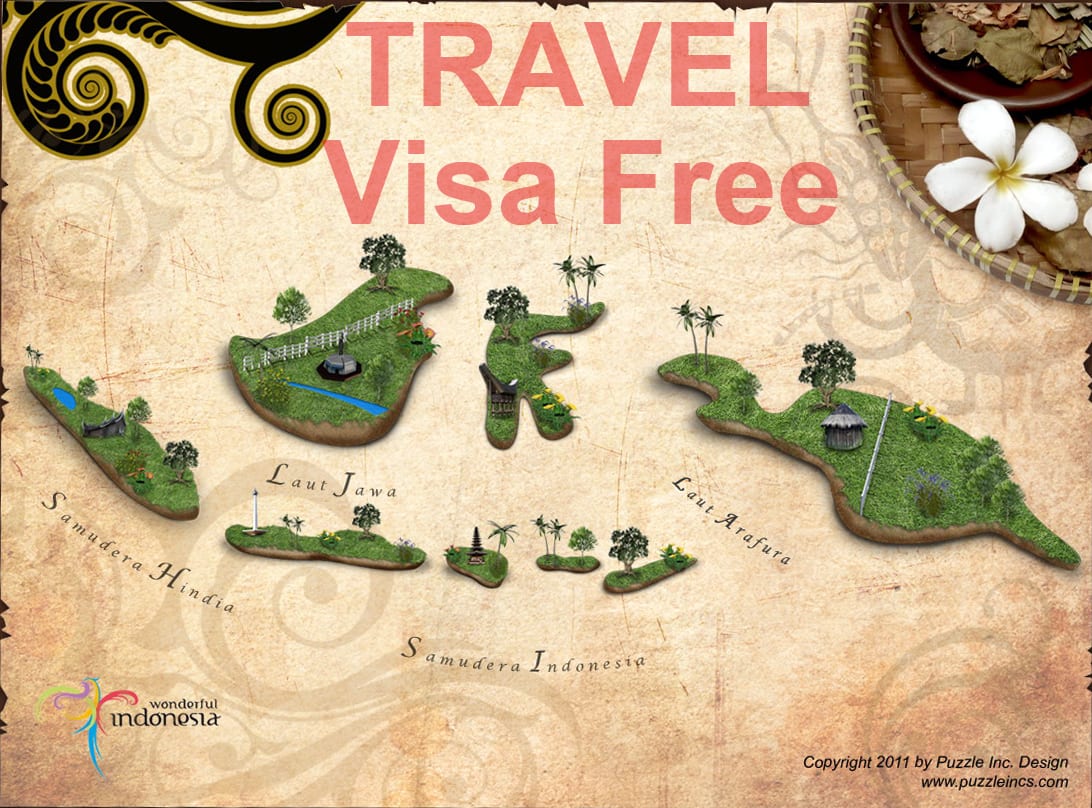
    Indonesia has granted visa-free facility to 169 countries including Sri Lanka under a new visa regulation. Indonesian President Joko Widodo has signed Presidential Regulation concerning Visit Visa Exemption early last month adding 79 countries to the list.

    Indonesian immigration office said passport holders of these countries are exempt for having a visa to enter Indonesia.

    “The visa exemption is valid only for 30 days, non-extendable or convertible into another kind of stay permit,” immigration office said.

    “Foreigners from 169 countries can enter and exit Indonesian Territory through 124 Immigration Checkpoints in airports, seaports and land border.”

    The visa exemption facility can be used for tourism, family visit, social visit, art and cultural, government duty, to deliver a speech or attend a seminar, international exhibition, meetings with head office or representative office in Indonesia, or transit.

    If the 30 days of Visit Visa Exemption facility feels insufficient, visitor still can apply for Visa on Arrival (given for 30 days and extendable for another 30 days) or Visit Visa.

    The 169 countries, special administrative regions of a country, and entities are:

    Albania, Algeria, Andorra, Angola, Antigua and Barbuda, Argentina, Armenia, Australia, Austria, Azerbaijan, Bahamas, Bahrain, Bangladesh, Barbados, Belarus, Belgium, Belize, Benin, Bhutan, Bolivia, Bosnia and Herzegovina, Botswana, Brazil, Brunei Darussalam, Bulgaria, Burkina Faso, Burundi, Cambodia, Canada, Cape Verde, Chad, Chile, China, Czech Republic, Comoros, Costa Rica, Croatia, Cuba, Cyprus, Denmark, Commonwealth of Dominica, Dominican Republic, East Timor, Ecuador, Egypt, El Salvador, Estonia, Fiji, Finland, France, Gabon, Gambia, Georgia, Germany, Ghana, Greece, Grenada, Guatemala, Guyana, Haiti, Holy See (Vatican City), Honduras, Hong Kong (SAR of China), Hungary, Iceland, India, Ireland, Italy, Ivory Coast, Jamaica, Japan, Jordan, Kazakhstan, Kenya, Kiribati, Republic of Korea, Kuwait, Kyrgyzstan, Laos, Latvia, Lebanon, Lesotho, Liechtenstein, Lithuania, Luxembourg, Macao (SAR of China), Macedonia, Madagascar, Maldives, Malawi, Malaysia, Mali, Malta, Marshall Islands, Mauritania, Mauritius, Mexico, Moldova, Monaco, Mongolia, Morocco, Mozambique, Myanmar, Namibia, Nauru, Nepal, New Zealand, Netherlands, Nicaragua, Norway, Oman, Palau, Palestine, Panama, Papua New Guinea, Paraguay, Peru, Philippines, Poland, Portugal, Puerto Rico, Qatar, Romania, Russia, Rwanda, Saint Kitts and Nevis, Saint Lucia, Saint Vincent and the Grenadines, Samoa, San Marino, Sao Tome and Principe, Saudi Arabia, Senegal, Serbia, Seychelles, Singapore, Slovakia, Slovenia, Solomon Islands, South Africa, Spain, Sri Lanka, Suriname, Swaziland, Sweden, Switzerland, Taiwan, Tajikistan, Tanzania, Thailand, Togo, Tonga, Trinidad and Tobago, Tunisia, Turkey, Turkmenistan, Tuvalu, Uganda, Ukraine, United Kingdom, United States of America, United Arab Emirates, Uruguay, Uzbekistan, Vanuatu, Venezuela, Vietnam, Zambia, and Zimbabwe.
  • Carl Cruz assumes duties as Chairman of Unilever Sri Lanka

    Carl Cruz assumes duties as Chairman of Unilever Sri Lanka

    With effect from March 1, 2016, Carl Cruz assumed duties as Chairman of Unilever Sri Lanka, taking the helm from his predecessor, Shazia Syed who has returned to Pakistan to assume her duties as the Chief Executive Officer of Unilever Pakistan.

    Carl arrived in Sri Lanka from the Philippines, where he last served as the Vice President of Customer Development for Unilever Philippines. Under his leadership, the function was transformed into an execution and talent powerhouse for the business, while simultaneously achieving sustainable double digit growth.

    Joining Unilever immediately after graduating from university in 1992, Carl began his career in General Trade before eventually becoming the company’s first General Trade Development Manager. In 1999 as the Sales Development and Trade Marketing Manager, he setup Unilever’s Category Management and Retail Solutions capability which was critical in attaining thought leadership in the Philippines Retail Trade Industry. In his 24 years with the organization Carl has gained an extensive breadth and depth of experience in Customer Development and Marketing in the Philippines, Thailand and India.

    Speaking about the business he has inherited, Cruz said, “Sri Lanka is an important market for us and these are exciting times for the country. Over the last two years, the Unilever Sri Lanka teamhas worked diligently to ensure the growth of the business and delivered exceptional results. We have the right mindset and ambition to capitalize on the current situation. I look forward to energizing our team, building on the gains we have made and bringing to life our vision of improving the lives of Sri Lankan consumers.”

  • Woodland looking at franchising

    Woodland looking at franchising

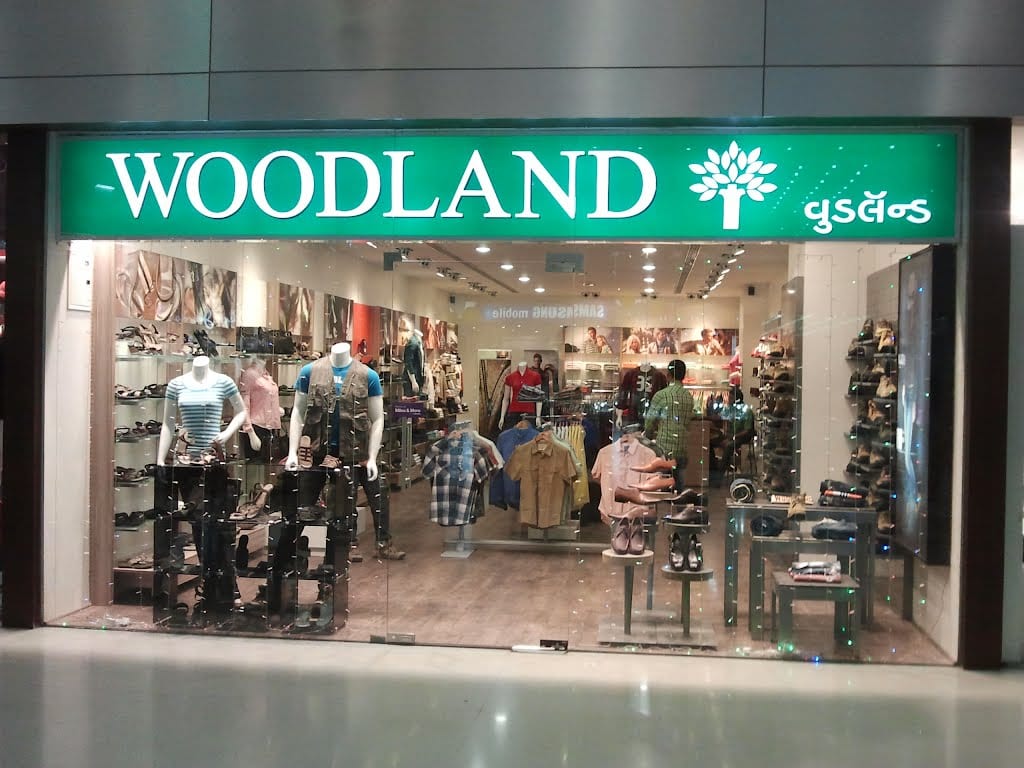
    Indian footwear and outdoor gear brand Woodland is planning to open stores in China, Malaysia and Singapore along with franchising its brand in other markets.

    Woodland is also taking the eCommerce route as part of its expansion, and is hiring social-media teams to run campaigns and online selling platforms in local languages.

    After announcing plans two years ago to launch 25 stores across China, it has subsequently opened “about a dozen stores” in Hong Kong. Its products are available through distributors in Singapore, and the company plans to enhance its global distributor networks. It aims to add at least 10 retail outlets internationally over the next two years.

    While the first few international stores will be company owned, MD Harkirat Singh says Woodland is open to franchisee formats for serious investors. The global stores will be a mix of independent stores and shops in shops.

    Singh says the product line in international markets will be customised to suit the region’s climate. according to the climatic conditions of the region. Woodland looks to tap the fast-growing extreme-weather outdoor gear market both in national and international markets, and claims to already have an 80 per cent market share in this segment in India.

    “While we have grown at an average of 15 to 20 per cent year-on-year in the past two to three years, the outdoor category has grown exceptionally in the past five years, says Singh. “Outdoor gear has become a lifestyle item, making our brand more popular.”

    Founded in Canada in 1992, Woodland is owned by Delhi-based Aero Group, which has its own leather-tanning and production units in Bangladesh, Canada, China, Indonesia, Macau, Malaysia, Sri Lanka, The Philippines and Vietnam, and as well as India.

  • The Body Shop Sri Lanka marks brand debut

    The Body Shop Sri Lanka marks brand debut

    The Body Shop has entered Sri Lanka, with conglomerate Softlogic Group signing up for the franchise.

    Founded by Dame Anita Roddick 40 years ago, The Body Shop introduced fair trade to the cosmetics and toiletries industry in 1987, and was the first cosmetics brand to be recognised under the Humane Cosmetics standard for its stand against animals being used for product testing. It has more than 3000 stores in 60 countries.

    Body Shop Sri Lanka 1

    While it has yet to open its first store, Body Shop Sri lanka already has a brand ambassador – Miss Sri Lanka 2006, Jacqueline Fernandez. At a launch event, she spoke about using The Body Shop products since she was a teenager.

    Body-shop

    Also at the launch, CEO Ashok Pathirage said the group had found a “kindred spirit”.

    “Thanks to the synergy of our values, vision and culture, we will have the opportunity to greatly accelerate the business in Sri Lanka.”

  • Singapore to help revive Lak Sathosa

    Singapore to help revive Lak Sathosa

    Singapore has extended its support to revive Lak Sathosa, Sri Lanka’s sole State-owned retail chain In a significant development affecting Sri Lanka’s retail market segments. The immediate offer of support comes in the wake of a Ministerial level call made recently in Colombo, High Commissioner Chandra Das, the former Member of Parliament of Singapore from Chong Boon said.

    In 2014, Singapore was in fourth place in the list of Sri Lanka’s main importing countries representing 6.6% of Sri Lanka’s total imports.

    The LakSathosa retail chain has over 310 outlets.

  • Sri Lanka to revive Sathosa with help from Singapore

    Sri Lanka to revive Sathosa with help from Singapore

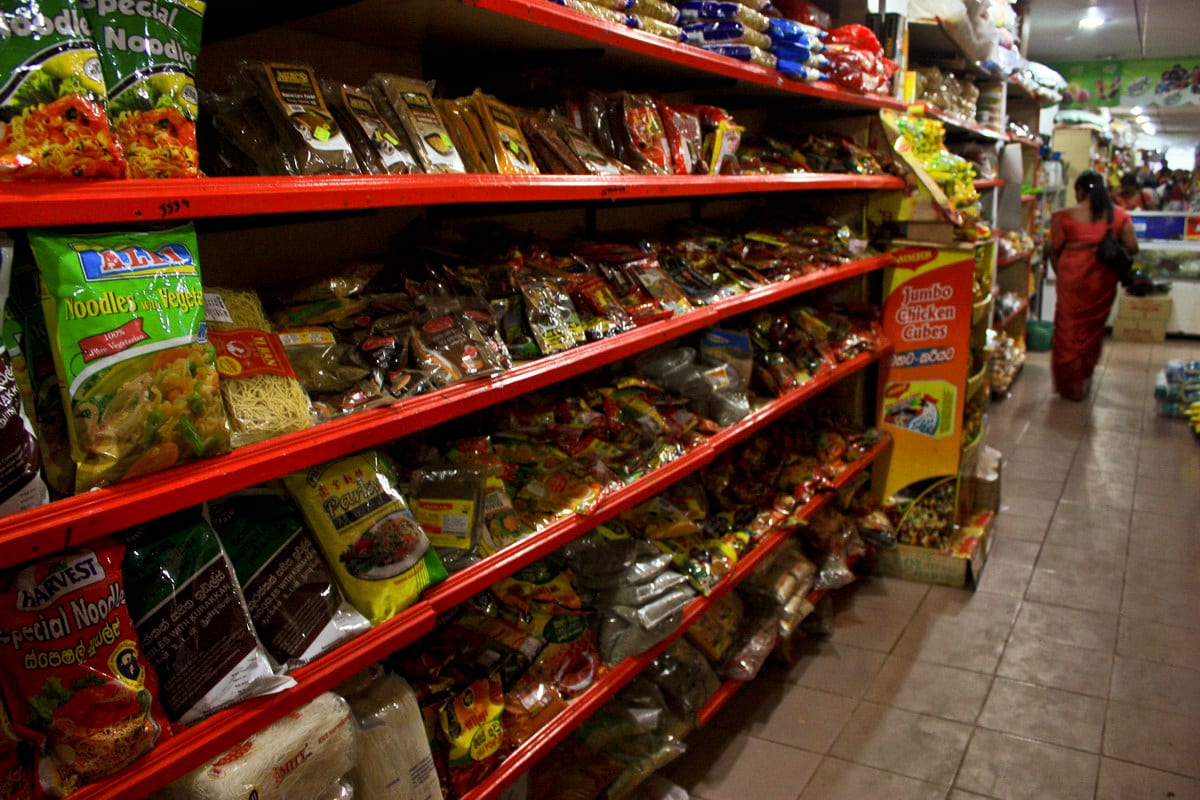
    Sri Lanka’s state owned retail chain Lanka Sathosa, plans to get support to revive from Singapore as the retail chain is making continues losses, ministry of industry and commerce said in a release.

    Lanka Sathosa owned more than 310 outlets around the Island.

    “We are restructuring LAKSATHOSA and are still experiencing monthly losses,” Rishad Bathiudeen, minister of industry and commerce was quoted saying in the release.

    In 2014, Singapore became the fourth in importing products and services to Sri Lanka representing 6.6 percent of Sri Lanka’s total import.

    Sri Lanka import petroleum oils, milk & creams, fertilizers, iron, steel and plastics from Singapore at around 1.2 billion dollars.

    “I recommend you to follow Singapore’s NTUC Fairprice Co-operative model for LAKSATHOSA. NTUC Fairprice is Singapore’s largest retailer with multiple retail formats,” Chandra Das, High Commissioner of Singapore and the former Member of Parliament of Singapore from Chong Boon was quoted saying in the release.

    “I see that SATHOSA too is basically a cooperative model. I was NTUC Chairman for 33 years therefore I can see that it’s a good model you can adopt. We have made NTUC Fairprice shops world-class. NTUC Fairprice competes on a “patronage rebate and a 10 percent lower price than comparable popular brands” model of retail, which brought it a revenue of 2.2 billion dollars in 2014,”

    “NTUC Fairprice belongs to workers and trade unions and NTUC profits are given back to Singaporeans who buy its shares,”

    “I notice that there is no central warehouse for LAKSATHOSA! You need to establish central logistics,”

    Das had asked to send a study team from sathosa to Singapore for a NTUC Fairprice training.

    “We’ll do this for Sri Lanka. Singapore is pleased to support LAKSATHOSA.” He added.

    Since it was founded by the labour movement in 1973, NTUC Fairprice today sells more than 2000 house-brand products across 120 outlets in Singapore serving more than 400,000 shoppers daily.

    However in June the industry and commerce ministry said the Lanka Sathosa, will be given a 7.5 billion rupee bail out from the treasury and audit firm  KPMG has been appointed to look into ways of re-structuring it.

    “The Finance Minister Ravi Karunanayake had agreed to give 7.5 billion rupees from the treasury to keep the firm out of trouble,” Rishard Bathiudeen, Minister of Trade and Commerce said in June.

    “Lanka Sathosa owes 10 billion rupees to two state banks and three billion rupees to suppliers and we are facing problems to keep it profitable,”

    “KPMG is expected to find ways to sustain Lanka Sathosa in a profitable manner.”

  • Odel to build Mega Mall in 3 years

    Odel to build Mega Mall in 3 years

    Sri Lanka’s Odel PLC (Odel) is aiming at upgrading its Ward Place Odel flagship store to improve quality of offerings to customers and plans to build a Mega Mall of 300,000 sq. feet adjoining the Odel flagship store along with car park amenities. Addressing shareholders at the release of the 2014 Annual Report, Chairman of Odel PLC (Odel), Ashok Pathirage said the Mall is projected to be completed within three years.

    “We intend to bring our Softlogic Brands portfolio to Odel. During the year, ‘Mothercare’ has already been promoted inside Odel stores. We continue to develop customer care to enhance and facilitate standards and to bring our retail store floor space to international standards. We will be also launching Bodyshop branded products at Odel in the Q3 of FY2015/2016,” Pathirage said.

    He noted that whilst the company serves customers through 20 stores, their new Business Model aims at smaller outlets and one Big Mall.

    “Thus, we have closed down some of our bigger outlets including Maharagama and Jaela, with other outlets currently under evaluation,” Pathirage said.

    Softlogic Holdings Plc initially acquired nearly a 45% stake in Odel for over Rs.2.7 billion and since then has gradually increased its stake to 93% of issued share capital of the company by acquiring a further 47.46% stake for over Rs.2.8 billion from Parkson Retail Asia Ltd (PRA), the Singapore-listed department store subsidiary of Parkson Holdings Bhd. The total investment in acquisition that was concluded in mid-September 2014 amounted to over Rs.5.5 billion.

    Odel acquired 99.99% of Softlogic Brands Private Ltd on 20th March 2015 for a total consideration of over Rs. 599.99 million from Softlogic Retail Pvt Ltd and Dai Nishi Securities, which are subsidiaries of Softlogic Holdings PLC.

    Analysts have outlined that the retail sales worldwide will reach US $22.492 trillion this year, and that the global retail market will see steady growth over the next few years. In 2018, worldwide retail sales are projected to increase by 5.5% to reach US $ 28.3 trillion.

    “We will continue to invest in the businesses that give us profitable returns and opportunities for capital appreciation over the next 3 – 5 years. Softlogic’s Retail operations have plans to increase island-wide expansion of retail space and our brand acquisitions are backed by careful assessments. Softlogic Retail has ambitious plans to target a total retail space of 335,000sq.ft. in three years,” Chairman Pathirage said.