Retail News CRM

Tag: Strengthens

  • UOB Strengthens Asia Operations with New CEOs for China, Hong Kong

    UOB Strengthens Asia Operations with New CEOs for China, Hong Kong

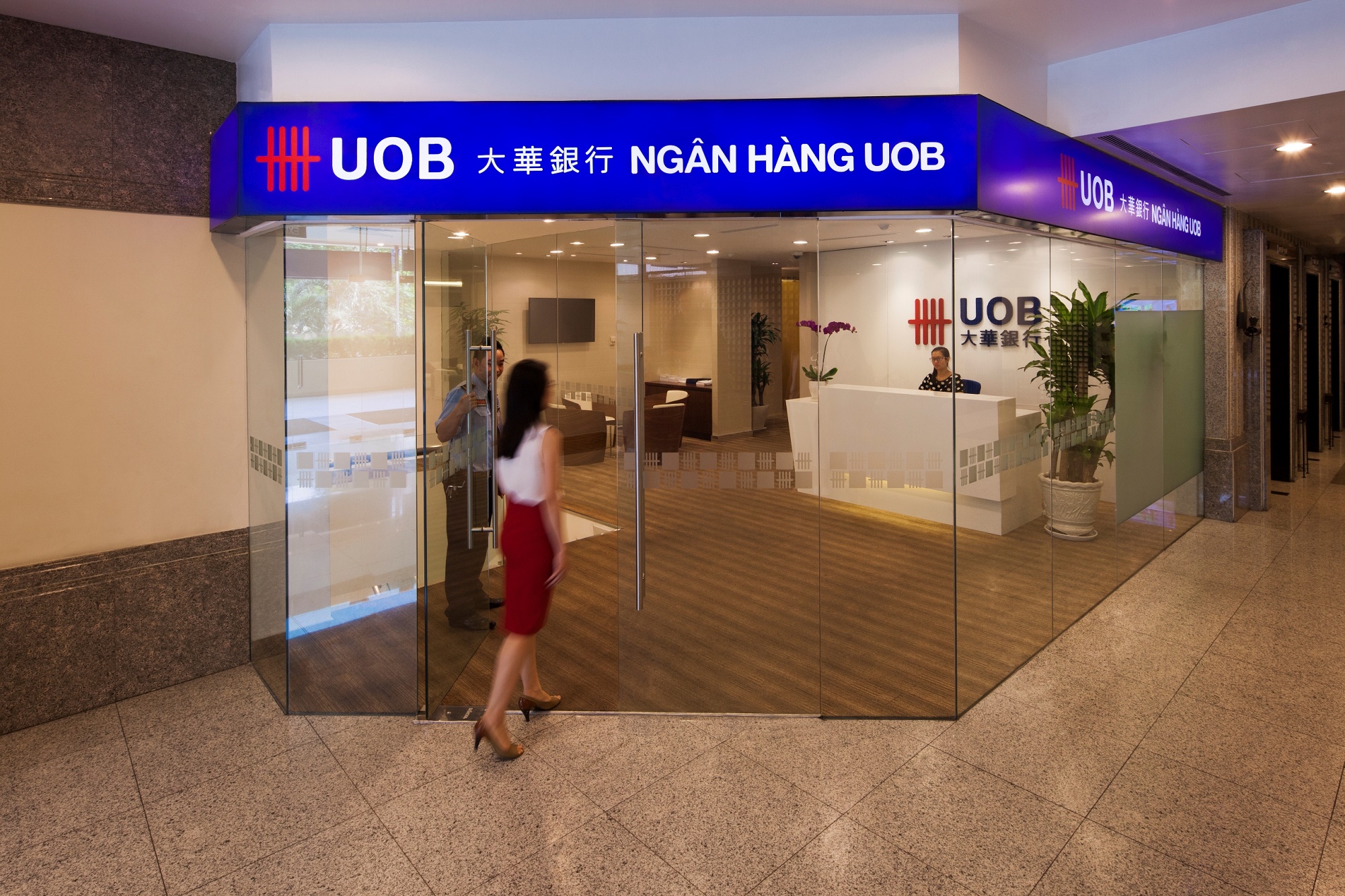
    United Overseas Bank (UOB) recently unveiled a series of significant leadership shifts within its operations in China and Hong Kong. This announcement is a testament to the bank’s dedication to fortifying its cross-border business operations between China and Southeast Asia.

    Adaline Zheng, currently presiding as the Chief Executive Officer of UOB’s Hong Kong Branch, is poised to step into the role of CEO for UOB China as of July 1. She will be taking over from Peter Foo, who draws his 15-year tenure with the bank to a close with his impending retirement. Concurrently, George Tung, currently UOB’s Country Manager for South Korea, is slated to assume the position of CEO for the Hong Kong Branch.

    UOB is making these strategic moves as part of its effort to amplify its role in fostering trade, investment, and financial connectivity between China and the ASEAN markets.

    Leadership at the Helm of UOB’s Expansion

    Deputy Chairman and Chief Executive Officer of UOB, Wee Ee Cheong, stated that China plays a pivotal role in trade, investment, and cross-border dealings with ASEAN. As the most interconnected bank in ASEAN, the deep-rooted local knowledge and leading cross-border capabilities of UOB put the bank in a strong position to usher in the next stage of business growth and momentum.

    Wee confirmed that the bank plans to continue improving its capabilities to cater to the escalating cross-border needs of its customers. This comes as economic ties strengthen between China and ASEAN. In Hong Kong, UOB aims to enhance its role as a conduit between mainland China and Southeast Asia, while augmenting its private banking and wealth management services.

    Meet the New Leaders

    Zheng brings to the table over twenty years of banking experience, with a heavy focus on mainland China and Hong Kong. She first joined UOB China in 2018 as Head of Wholesale Banking before her appointment as CEO of the Hong Kong Branch in March 2024. In her new capacity, she will be in charge of UOB’s mainland China endeavors and will spearhead efforts to broaden the bank’s cross-border abilities and aid clients in seeking regional growth opportunities.

    In the meantime, Tung will be returning to Hong Kong after a stint as Country Manager of UOB South Korea since 2021. During his tenure in South Korea, he concentrated on establishing strategic alliances and boosting business connections between Korean institutions and ASEAN markets. With a history at UOB dating back to 2010, Tung had spent a decade helming the Hong Kong Branch’s Wholesale Banking business.

    As the incoming CEO of UOB Hong Kong Branch, Tung will focus on advancing business growth, fortifying client relationships, and broadening the bank’s wholesale and private banking ventures. He will also spearhead engagement with regulators and bolster Hong Kong’s role as a strategic hub connecting mainland China and ASEAN.

    Questions & Answers

    Who will succeed Peter Foo as CEO of UOB China?
    Adaline Zheng, currently the Chief Executive Officer of UOB’s Hong Kong Branch, will succeed Peter Foo as the CEO of UOB China effective July 1.

    Who will take over as CEO of the Hong Kong Branch?
    George Tung, currently UOB’s Country Manager for South Korea, will take over as CEO of the Hong Kong Branch on the same date.

    What will be the primary responsibilities of the new CEOs?
    Adaline Zheng will oversee UOB’s mainland China business and lead efforts to expand the bank’s cross-border capabilities. George Tung will focus on driving business growth, strengthening client relationships, and expanding the bank’s wholesale and private banking businesses in Hong Kong.

  • Citi Strengthens Bonds with Vietnam: A New Era of Financial Growth and Digital Transformation

    Citi Strengthens Bonds with Vietnam: A New Era of Financial Growth and Digital Transformation

    Catherine Simmons, a significant figure in the U.S.-ASEAN Business Council, shared her insights following a recent delegation visit to Hanoi. Simmons discussed the importance of the visit, the financial sector’s key messages, and Citi’s future forecasts for Vietnam.

    Assessing the Importance of the Delegation Visit

    Simmons classified the visit as both relevant and substantive. It provided the first opportunity for a public-private dialogue between the freshly appointed Vietnamese government and the U.S. business community, allowing for an early engagement to reaffirm the private sector’s commitment to Vietnam’s ongoing development.

    The visit saw the participation of 52 U.S. companies and 120 delegates, showcasing the strong and growing interest in Vietnam. Not only is Vietnam perceived as a strategic supply chain hub and a domestic market with a population over 100 million, but it’s also viewed as a key long-term growth opportunity in the region.

    As for Citi, the delegation visit provided an excellent opportunity to strengthen its relationship with policymakers and reinforce its long-standing commitment to Vietnam.

    Key Takeaways from the Dialogue with Vietnamese Government

    During the discussions, the financial services industry – represented by Citi, ClearOne, Manulife, Warburg Pincus, Mastercard, and Visa – highlighted the importance of a modern, connected, and robust financial system for economic infrastructure. They expressed their support for Vietnam’s initiatives to further digital transformation, regulatory modernization, and innovation in both public and private sectors.

    The group also urged for ongoing consultations with industry stakeholders as Vietnam formulates laws and policies that will impact the financial markets. They showed their readiness to offer technical expertise and practical solutions to issues concerning settlement infrastructure, payments interoperability, cross-border data flows, and alignment with international standards.

    These issues are crucial to Vietnam at this time as the country is at a critical development stage. As it integrates deeper into the global markets, it will need a more advanced financial infrastructure to sustain increasing investment flows, broader capital market participation, and the evolving needs of a rapidly changing digital economy.

    Questions & Answers

    What was the Vietnamese government’s reaction to the delegation’s recommendations?
    The Vietnamese Prime Minister, Le Minh Hung, assured that the government is committed to rapid and sustainable growth. He emphasized that science, technology, innovation, and digital transformation are at the core of their development strategy and called on ministries and agencies to address the issues raised by the delegation promptly.

    What does this visit signify for Citi’s future in Vietnam?
    The visit gave Citi an opportunity to strengthen its relationships with various government ministries and agencies in Vietnam. In addition to providing financial services, the bank contributes to policy dialogue, supports market development, and facilitates connections to global capital and trade flows. Citi views Vietnam as a strategically important market with significant opportunities to support the country’s growth as reforms continue.

    What is the potential impact of the delegation’s visit on the U.S.-Vietnam relations?
    The delegation’s visit signifies an important step towards strengthening U.S.-Vietnam relations. Its success has laid the groundwork for continued engagement between policymakers and the business community, reflecting Vietnam’s clear ambition to modernize and strengthen economic competitiveness.

  • HSBC Strengthens Asian Market Strategy with Appointment of Desmond Kuang as Chief Investment Officer

    HSBC Strengthens Asian Market Strategy with Appointment of Desmond Kuang as Chief Investment Officer

    HSBC has recently publicized the appointment of Desmond Kuang to the position of Chief Investment Officer for Asia, in its Private Bank and Premier Wealth division. Kuang will officially take over his new role, based in Singapore, on July 6, 2026.

    Regional Appointment

    This appointment is a strategy by HSBC to bolster the delivery of investment insights and strategies to the Private Banking and Premier clients across Asia. HSBC’s choice of Singapore for this role is strategic, as the city-state is one of the essential international wealth hubs for the bank, with robust connectivity across Asia. In this capacity, Kuang will be collaborating extensively with teams and clients across multiple markets in Asia.

    Role and Responsibilities

    In his new role, Kuang will be responsible for crafting regional investment strategies and themes across all asset classes. His target audience will be the private banking and premier clients in the region, excluding Hong Kong.

    Experience and Expertise

    Kuang has a robust 20-year career in the banking industry, during which he held several leadership positions in the asset management and investment research sectors. He is currently serving as the Chief Investment Officer for China and Interim Head of Wealth and Premier Solutions in China.

    Before joining HSBC, Kuang demonstrated his portfolio management skills at Income Partners Asset Management. He later ascended to the role of General Manager and Head of Investment in Mainland China.

    Questions & Answers

    Who has HSBC appointed as the new Chief Investment Officer for Asia?
    Desmond Kuang has been appointed as the Chief Investment Officer for Asia at HSBC.

    What will be the primary responsibility of Desmond Kuang in his new role?
    Desmond Kuang will be responsible for crafting regional investment strategies and themes across all asset classes for the private banking and premier clients in Asia, excluding Hong Kong.

    What is the relevance of Singapore in this appointment?
    Singapore is considered one of the key international wealth hubs for HSBC, with robust connectivity across Asia, making it an appropriate base for this role.

  • Asia Pacific Bolsters Global Trade Resilience Amid Policy Fluctuations: DHL Tracker Reveals

    Asia Pacific Bolsters Global Trade Resilience Amid Policy Fluctuations: DHL Tracker Reveals

    The Asia Pacific region is becoming an increasingly significant catalyst in bolstering worldwide trade resilience, despite international commerce encountering numerous challenges due to policy fluctuations. This finding is part of a recent update to the DHL Global Connectedness Tracker, produced in collaboration with New York University’s Stern School of Business. This update is the first systematic evaluation of the responses of international trade and business investment to alterations in U.S. trade policy during the second term of President Trump.

    Asia Pacific’s Strategic Adaptability

    According to Ken Lee, DHL Express’s CEO for Asia Pacific, the region has exhibited unique adaptability and strategic positioning. “The latest data illustrates how cooperation within the region is intensifying, even amidst global uncertainty,” said Lee. He pointed out that businesses in the Asia Pacific are demonstrating agility and a forward-thinking attitude, from the ASEAN’s growing role in accommodating trade flows to Asia Pacific countries engaging more intensively with neighboring nations. Lee emphasised that DHL is well-placed to assist its customers in navigating any changes in trade patterns and pledged to continue developing capabilities in customer-preferred locations.

    Global Trade Growth Amidst Tariff Uncertainty

    In the first half of 2025, the DHL Global Connectedness Tracker indicated that international trade grew at an unprecedented pace, unmatched by any previous half-year since 2010, barring the pandemic recovery. There was a significant surge in U.S. imports early in 2025 as purchasers hastened to make purchases before the impending tariff increases. After this initial rush, global trade volumes continued to exceed the levels of the previous year.

    On examining the world’s 100 largest trade routes, six out of the ten fastest-growing were exports from an Asian economy, emphasising Asia’s integral role in propelling global trade. Notably, Hong Kong SAR, Thailand, Malaysia, and Vietnam were among the top 10 fastest-growing markets, underlining Asia Pacific’s increasing influence and durability in supply chain networks.

    Rise of Intra-Asia Trade

    Intra-Asia trade demonstrated ongoing integration and burgeoning connections. The intra-regional trade share of East Asia & Pacific rose from 55% to 56%. Furthermore, the greatest reductions in trade distances were observed in countries including Thailand, China, Singapore, and Hong Kong SAR. These shifts represent Asian economies’ redirection of trade flows towards regional partners to sustain growth and their efforts to boost infrastructure and connectivity, thereby enhancing the attractiveness of participating in cross-border trade.

    ASEAN’s Growing Role in Chinese Exports

    Despite a 15% decrease in exports to the U.S. during the first eight months of 2025, China fully balanced this loss with a 15% rise in exports to the ASEAN region. ASEAN emerged as a significant growth destination for Chinese exports, signifying the region’s increasing relevance in China’s trade portfolio. Vietnam, Thailand, and India witnessed the most substantial increases in their share of China’s exports, while the U.S., Russia, Korea, Brazil, and Mexico experienced decreases.

    Reflecting on the latest trends, Prof. Steven A. Altman, Director of the DHL Initiative on Globalization at NYU Stern’s Centre for the Future of Management, stated, “The trends in trade and international business investment thus far in 2025 do not substantiate the belief that globalisation is in regression.” He noted that despite existing policy threats to globalisation, companies are not generally retreating from international markets. Instead, they are managing risks and opportunities in a connected world.

    Questions & Answers

    What factors have contributed to the Asia Pacific region’s role in driving global trade resilience?
    Adaptability, strategic positioning, and increased collaboration among countries in the region have played major roles in solidifying the Asia Pacific’s position in global trade.

    How has the ASEAN region become a crucial aspect of China’s export strategy?
    Despite a drop in exports to the U.S., China has compensated by increasing exports to the ASEAN region by 15%. This shift highlights the growing importance of ASEAN in China’s trade portfolio.

    What trends in global trade have been observed during 2025?
    Despite policy shocks and tariff turbulence, global trade has grown significantly. Asian economies, in particular, have demonstrated resilience by adjusting trade flows towards regional partners and enhancing infrastructure and connectivity.

  • Korean Air Leverages Airbus’ Advanced Data-driven Maintenance Program To Boost Operational Efficiency

    Korean Air Leverages Airbus’ Advanced Data-driven Maintenance Program To Boost Operational Efficiency

    Korean Air recently entered into a contract to implement Airbus’ sophisticated data-driven predictive maintenance program, Skywise Fleet Performance+ (S.FP+). The agreement was finalized on October 16.

    Upgraded Platform

    This advanced solution is an enhancement of the airline’s existing systems, Skywise Predictive Maintenance+ (SPM+) and Skywise Health Monitoring (SHM). Through the introduction of S.FP+, the airline aims to improve operational efficiency and harmonize maintenance systems. This move is critical in preparing for the anticipated expansion of the airline’s fleet, which will occur following the merger with Asiana Airlines.

    S.FP+ is designed to optimize aircraft availability and operational reliability by employing advanced data analytics. This system identifies potential component issues before they arise. The “Control” tier, chosen by Korean Air, offers features like pre-departure check support and smart troubleshooting tools powered by natural language processing (NLP). The proactive strategy is projected to noticeably decrease Aircraft on the Ground (AOG) situations and their related costs.

    Application to Fleets

    This solution will be used on Korean Air’s A321neo, A330, A350, and A380 fleets. After the full integration of Korean Air and Asiana Airlines, the tool will also be applied to the Asiana Airlines’ Airbus fleet.

    The head of the Predictive Maintenance Team at Korean Air, Jong Hoon Oh, highlighted the success of their data-driven maintenance strategy. He said, “This approach has successfully prevented over 100 potential flight disruptions in 2024 alone. This advancement to S.FP+ is a strategic move as we prepare for the incorporation of the Asiana fleet. We aim to uphold the highest levels of operational reliability and efficiency on a larger scale.”

    The partnership underscores a mutual dedication to innovative solutions, and Airbus is honored to assist Korean Air in achieving higher levels of operational reliability through data-driven maintenance.

    Questions & Answers

    What is the Skywise Fleet Performance+ (S.FP+) program?

    The S.FP+ program is an advanced data-driven predictive maintenance solution developed by Airbus to enhance operational efficiency and unify maintenance systems.

    What benefits does the “Control” tier of S.FP+ offer?

    The “Control” tier, chosen by Korean Air, provides pre-departure check support and intelligent troubleshooting tools powered by natural language processing. This proactive approach is aimed at decreasing Aircraft on the Ground (AOG) situations and associated costs.

    What is the impact of the data-driven maintenance strategy on Korean Air’s operations?

    The data-driven maintenance strategy has proved effective in preventing potential flight disruptions. In 2024 alone, it averted over 100 possible flight interruptions. This strategy is anticipated to maintain high levels of operational reliability and efficiency as the airline expands.

  • Singapore Strengthens Europe-asia Link, Promotes Sustainability & Innovation At Inaugural Conference

    Singapore Strengthens Europe-asia Link, Promotes Sustainability & Innovation At Inaugural Conference

    Singapore, during the maiden “Europe Conference 2025”, solidified its position as a reliable conduit connecting Europe and Asia, fostering sustainability, innovation, and enduring collaboration across the continents. The Singapore Business Federation (SBF) and the European Chamber of Commerce Singapore (EuroCham) co-hosted this event, which served as a tribute to six decades of robust relations between Europe and Singapore. The event, held on October 14, 2025, garnered participation from more than 300 individuals across seven nations, underlining the profound engagement between the two regions.

    Future Anchored in Sustainability and Innovation

    The conference, underpinned by the theme of “Sustainability & Innovation”, brought together industry pioneers, policymakers, and innovators to delineate strategies for creating resilient, future-proof economies. The speakers emphasized the dire necessity of cross-border collaboration and partnerships spanning diverse sectors to sail through global uncertainties and stimulate sustainable growth.

    Building Bridges in a Changing World

    Singapore’s Minister for Foreign Affairs, Vivian Balakrishnan, initiated the conference with a keynote focusing on intensifying Europe-Singapore relationships. Balakrishnan underscored the importance of enhanced cooperation in digital and green economies, robust backing for multilateralism, and tighter ASEAN-EU collaboration. He also motivated European firms to leverage Singapore as a launchpad for their Southeast Asian ventures.

    Family Businesses as Catalysts of Change

    A stand-out session, steered by Federico Donato of MG Partners MFO, highlighted the escalating role of family-owned entities in fortifying Europe-Asia connections. Speakers including Peter Vyncke of Vyncke NV and Gan See Khem of HMI Medical elucidated how family businesses strike a balance between tradition and transformation, from handling generational transitions to embracing innovation without compromising their core values.

    Scaling Innovation Through Partnerships

    In an additional panel, headed by Marcus Lam, Executive Chairman of PwC Singapore, business leaders discussed how the Singaporean ecosystem can propel innovation. Industry experts, including Lawrence Wu of EDP Renewables APAC and Juliana Kua of the Ministry of Trade and Industry, shared practical strategies to assist businesses at various stages of their transformation journeys.

    Hub for Collaboration and Growth

    The conference served not just as a dialogue platform but also a networking opportunity. Participants engaged in cross-industry networking, explored foreign market prospects, and formed partnerships aimed at crafting resilient, future-proof business ecosystems. SBF Chairman S. S. Teo said, “The inaugural Europe Conference 2025 accentuates Singapore as a link connecting Europe and Asia. By collaborating with our European counterparts, we are cementing a foundation of trust, innovation, and long-term collaboration.”

    Milestone for Europe-Asia Connectivity

    The event, supported by partners such as Gulf Air, BPM LLP, EDP, Jason Marine, and PSA International, denoted a crucial landmark in promoting Europe-Asia connectivity. It highlighted Singapore’s persistent role as a strategic hub fuelling digitalisation, resilience, and sustainability – the primary forces moulding the future of international business.

    Questions & Answers

    What was the focus of the inaugural Europe Conference 2025?
    The conference focused on “Sustainability & Innovation” and aimed at bringing together industry leaders, policymakers, and innovators to chart strategies for creating resilient, future-ready economies.

    What role does Singapore play in connecting Europe and Asia?
    Singapore acts as a strategic hub that drives sustainability, innovation, and long-term collaboration between Europe and Asia.

    How can European firms leverage opportunities in Southeast Asia via Singapore?
    European firms are encouraged to use Singapore as a springboard for their ventures into the rapidly evolving Southeast Asian market.