Retail News CRM

Tag: success

  • Every Half Brews Fresh Success: Scores $8M Series A Funding for Rapid Vietnamese Coffee Expansion

    Every Half Brews Fresh Success: Scores $8M Series A Funding for Rapid Vietnamese Coffee Expansion

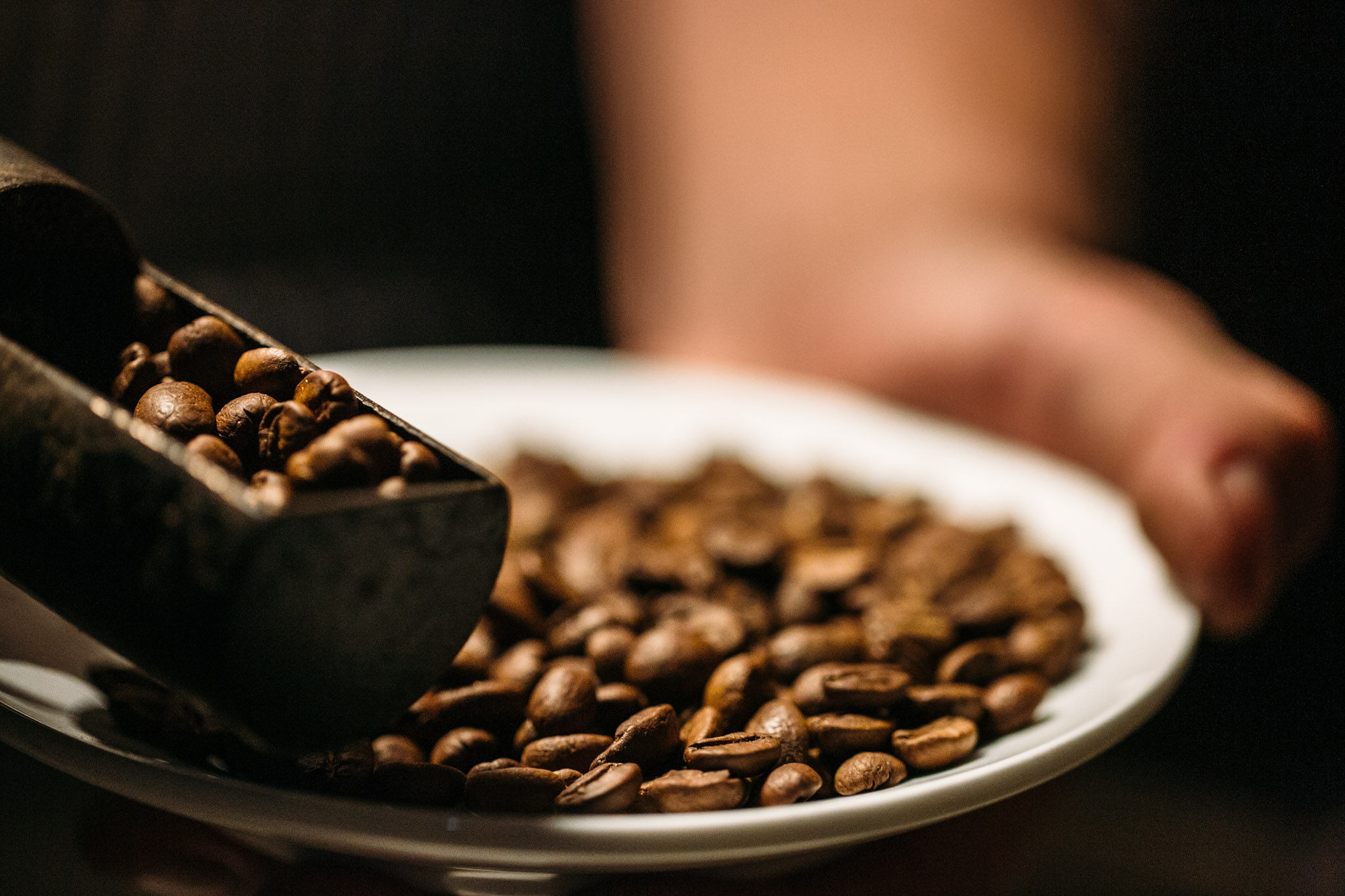
    Vietnamese coffee brand, Every Half, has recently raised a total of US$8 million in a Series A funding round. The considerable investment comes courtesy of existing investors Openspace Capital and DSG Consumer Partners.

    The new capital will be used to facilitate comprehensive expansion across Vietnam, as well as deepening the company’s investment into its vertically integrated supply chain. Plans are also in place to increase the reach of its packaged coffee business.

    Diversifying the Coffee Sector

    Every Half is well on its way to extending its business operations beyond traditional cafes. The company is actively investing in coffee farming, proprietary fermentation technology, e-commerce, and business-to-business distribution.
    As of now, Every Half manages 36 stores in numerous locations including Ho Chi Minh City, Hanoi, Danang, and Hoi An. The company is projected to almost triple its revenue this year. In addition to this, it has expanded its range of consumer products. From selling roasted coffee beans and brewing equipment online to exporting to markets such as Singapore, Thailand, and Taiwan.

    The latest funding round builds on previous investments from Openspace and DSG Consumer Partners. This follows an undisclosed seed round in 2024 topped by a $3 million pre-Series A funding round last year.

    Every Half was established in 2021 by ex-The Coffee House executives Vo Duy Phu and Tran Le Minh Truc. The company’s primary aim is to promote Vietnamese-grown specialty coffee through a wide-ranging business model that covers sourcing, processing, roasting, and retail.

    In 2024, when Openspace made its initial investment, it expressed support for Every Half’s ambition to transform Vietnamese coffee from a mere commodity export into a globally recognized premium brand. This highlighted the founders’ extensive experience in coffee sourcing, product development, and retail.

    DSG Consumer Partners echoed this sentiment, emphasizing the firm’s focus on specialty coffee, sustainable sourcing, and brand building as essential drivers of its long-term growth potential.

    Questions & Answers

    What is the primary focus of Every Half?
    Every Half aims to transform Vietnamese-grown specialty coffee into a globally recognised premium brand.

    How does the company intend to use the funds from the recent Series A funding round?
    The brand plans to use the funds to facilitate expansion all over Vietnam and to deepen their investment in their vertically integrated supply chain.

    What are some of the additional business avenues Every Half is exploring?
    Every Half is diversifying with investments in coffee farming, proprietary fermentation technology, e-commerce, and business-to-business distribution.
  • Sweet Success: Honey Australia Buzzes into Middle East Market with Exclusive Lulu Hypermarket Partnership

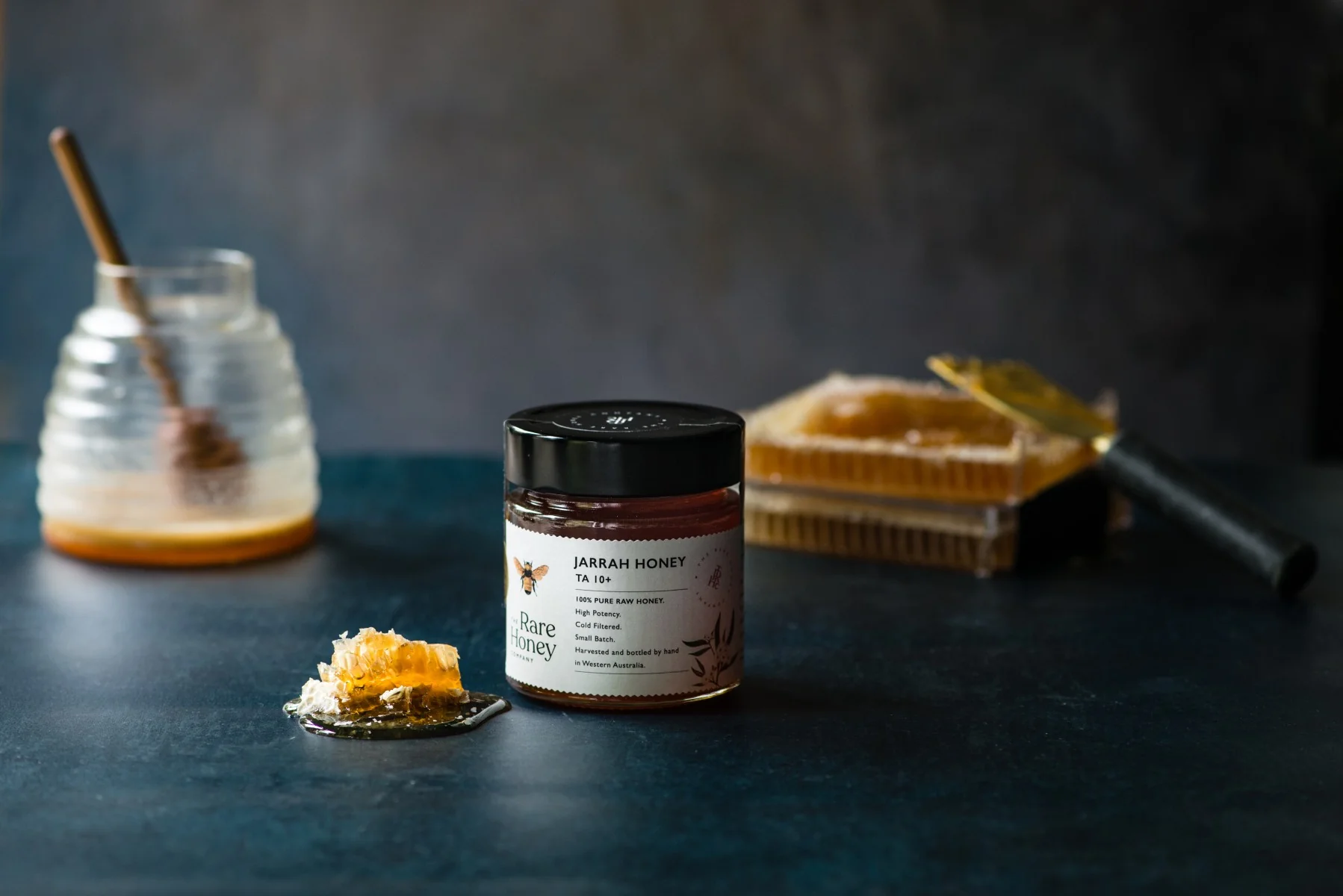
    Sweet Success: Honey Australia Buzzes into Middle East Market with Exclusive Lulu Hypermarket Partnership

    The family-owned Australian brand, Honey Australia, has recently extended its reach into the Gulf Cooperation Council (GCC) through an exclusive collaboration with the Lulu Group.

    Honey Australia’s premium products are now widely available across Lulu Hypermarket locations throughout the GCC. The launch of their partnership was celebrated with an in-store event in Qatar.

    Nick Maiolo, the co-founder of Honey Australia, expressed immense pride in this exclusive partnership with the Lulu Group for the brand’s GCC expansion. He stated, “As a family-owned enterprise that has been closely working with Australian beekeepers for several generations, it’s an honor to have our products included within Lulu’s premium Australian range, and being introduced to customers across the Middle East.”

    The regional introduction of Honey Australia is in line with the company’s participation at Gulfood, a leading food and beverage industry event. This provided the company an opportunity to connect with buyers and distribution partners to further fortify its market presence.

    Honey Australia’s expansion is not limited to the Middle East alone, as the company also has plans to extend its reach in other regions worldwide.

    Questions & Answers

    What is Honey Australia’s new partnership?
    Honey Australia has entered an exclusive partnership with the Lulu Group, helping them expand into the Gulf Cooperation Council (GCC) region.

    What event marked the launch of this partnership?
    The launch of the partnership was celebrated with an in-store event in Qatar.

    What is Honey Australia’s future expansion plan?
    While they have recently expanded into the GCC, Honey Australia intends to further increase their global presence by branching out into other regions around the world.

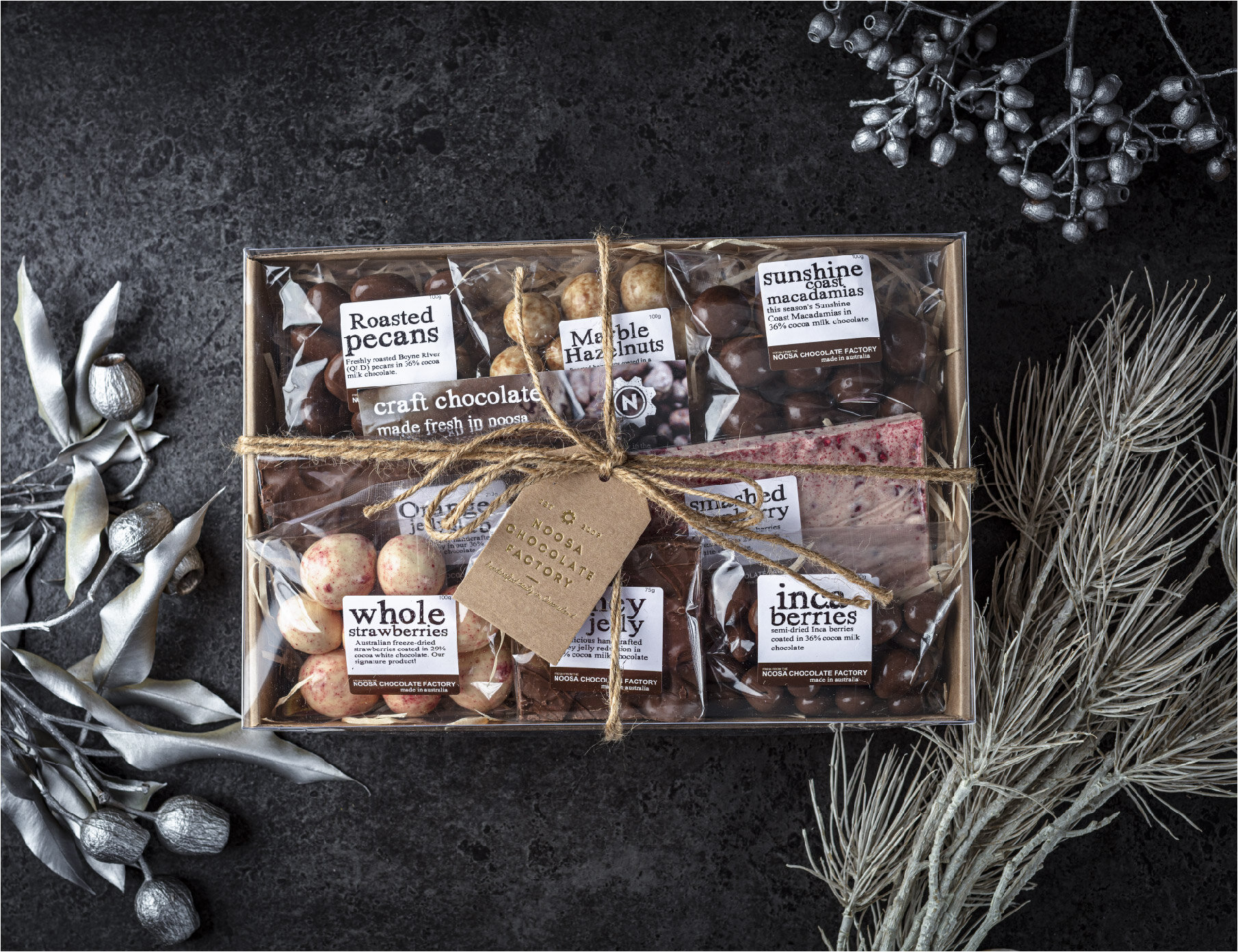
  • Marcus Raward: Steering Noosa Chocolate Factory Towards New Commercial Heights Amid Market Challenges

    Marcus Raward: Steering Noosa Chocolate Factory Towards New Commercial Heights Amid Market Challenges

    Marcus Raward has been appointed as the new Chief Executive Officer of Noosa Chocolate Factory, marking a new era in the company’s top leadership.

    Delivering Growth Through Strategic Leadership

    Known for his commercial strategy and business growth expertise, Raward is set to steer the company through its current operational phase. His responsibilities include honoring the company’s rich heritage while readily adapting to the prevailing economic landscape.

    Raward expressed his vision for the company, stating, “The goal is to honor the roots of our brand, highlight the unique qualities that set our products apart from other chocolate and confectionery brands, while propelling the business into a stronger commercial position.”

    Addressing Market Challenges and Opportunities

    The chocolate industry is currently undergoing a transition as it rebounds from significant price volatility in the global cocoa market. Raward pointed out that the market is beginning to stabilize, a shift that has been felt by manufacturers worldwide.

    Addressing this issue, Raward commented, “Cocoa prices have posed a tough challenge for the entire sector, but now we’re seeing signs of a plateau. Simultaneously, the demand for quality chocolate continues to be robust, which opens up a real opportunity for a brand like Noosa Chocolate Factory.”

    Expansion Plans

    As part of its growth strategy, Noosa Chocolate Factory has inaugurated a new outlet at Westfield Chermside and refurbished its store at Sunshine Plaza, which is anticipated to reopen early this month.

    Questions & Answers

    What is Marcus Raward’s vision for Noosa Chocolate Factory as its new CEO?
    Raward’s vision is to honor the brand’s roots, highlight its unique product qualities, and propel the company into a stronger commercial position.

    How is the global cocoa market impacting the chocolate industry?
    Significant price volatility in the global cocoa market has posed challenges for the chocolate industry. However, signs of a stabilizing market present new opportunities for brands like Noosa Chocolate Factory.

    What are some of Noosa Chocolate Factory’s recent expansion efforts?
    As part of its growth strategy, Noosa Chocolate Factory has opened a new store at Westfield Chermside and renovated its Sunshine Plaza store.

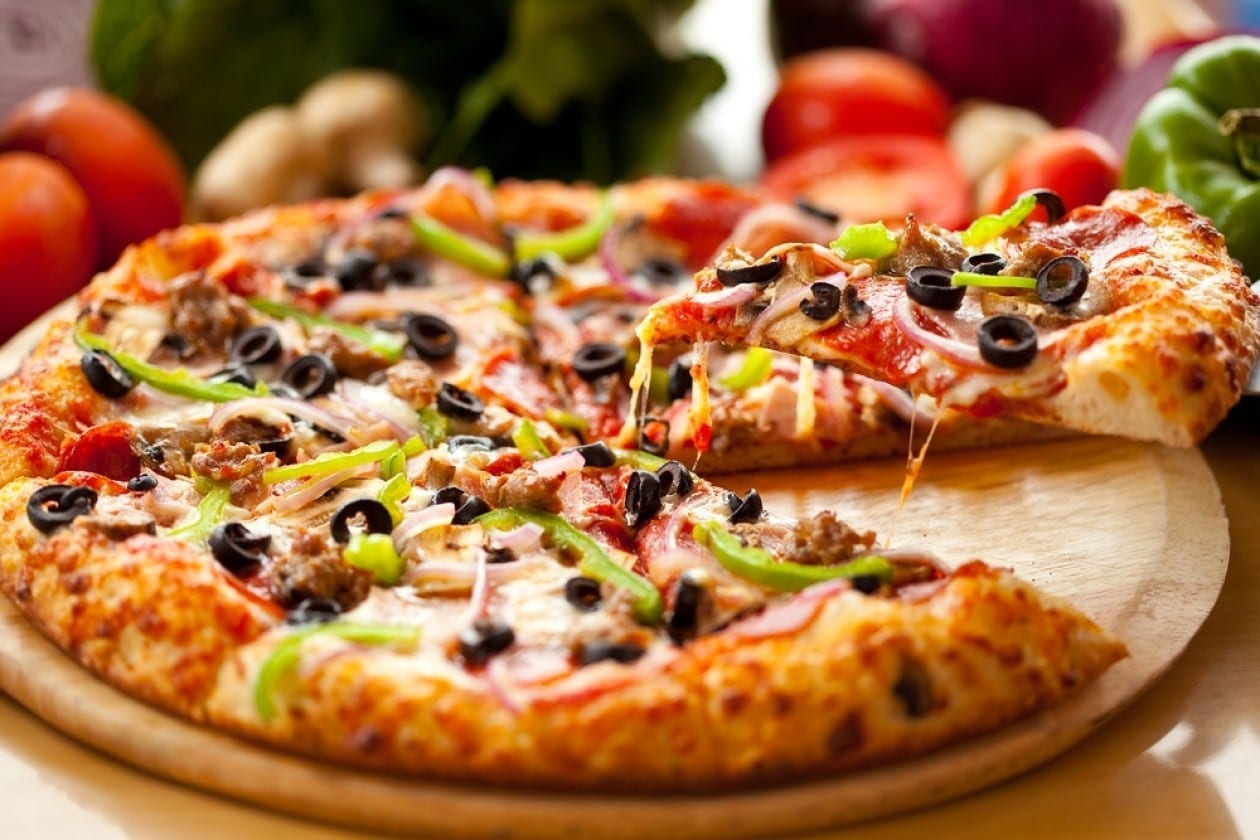
  • Domino’s Pizza China Celebrates Expansion Success with 1400th Store Milestone

    Domino’s Pizza China Celebrates Expansion Success with 1400th Store Milestone

    Domino’s Pizza China (DPC Dash) has successfully surpassed its 1400th store landmark as it steadily propels the progression of its network.

    DPC Dash is identified as the sole master franchisee for Domino’s Pizza in Mainland China, Hong Kong, and Macau. The company recently inaugurated its 1405th store in Sanya, located in the Hainan Province. This establishment not only denotes its entrance into the 72nd city within the Chinese Mainland but also aligns with its marker on the Hong Kong Stock Exchange (1405.HK).

    According to DPC Dash, this milestone symbolizes the triumph of its ‘go broader, go deeper’ expansion strategy for its store network and the robust customer demand for the pizza brand. This accomplishment comes after the company’s impressive performance the previous year, during which it added 307 new stores net and broadened its reach into 21 new cities.

    The company has stated that it will persist with further developing its 4D strategy, which includes ‘Development, Delicious Pizza at Value, Delivery, and Digital’. This approach aims to tap into China’s market consumption potential while ensuring continuous innovation and sustainable operations.

    Questions & Answers

    What is Domino’s Pizza China’s (DPC Dash) expansion strategy?
    – Domino’s Pizza China or DPC Dash follows a ‘go broader, go deeper’ expansion strategy. This method focuses on increasing the number of stores and expanding into new cities.

    What is the 4D strategy that Domino’s Pizza China (DPC Dash) is focusing on?
    – The company’s 4D strategy consists of ‘Development, Delicious Pizza at Value, Delivery, and Digital’. This approach aims to capitalize on the potential of China’s market consumption while maintaining continuous innovation and sustainable operations.

    What recent milestone has Domino’s Pizza China (DPC Dash) achieved?
    – The company recently surpassed its 1400-store milestone, with the opening of its 1405th store in Sanya, located in the Hainan Province. This accomplishment also marked its entrance into the 72nd city in the Chinese Mainland.

  • Vietnam-Singapore Trade Skyrockets to Historic $36B in 11 Months: A Booming Bilateral Success

    Vietnam-Singapore Trade Skyrockets to Historic $36B in 11 Months: A Booming Bilateral Success

    The trade relationship between Vietnam and Singapore has flourished, with bilateral trade hitting a new high of $27.8 billion in the first 11 months of this year. This marked a significant upsurge of 25.7% from the previous year and is 13.56% over the $31.67 billion reported for the entire of 2024. As a result, Vietnam has retained its position as the 10th largest trading partner of Singapore throughout this period.

    November Trade Growth

    In November alone, bilateral trade between the two nations totalled $2.9 billion, indicating a 15.8% rise from the corresponding month in the previous year. Singapore’s exports to Vietnam were valued at $1.8 billion, a marginal 0.1% increase year-on-year, while its imports from Vietnam saw a substantial surge of 55.2% to $1.1 billion. Among these, the value of domestically manufactured goods fell 13.4% to $450.3 million, while re-exports rose 5.6% to $1.4 billion.

    Impressive Year-to-Date Performance

    The 11-month period saw Singapore’s exports to Vietnam reach $24.5 billion, marking a 17.7% increase year-on-year. Meanwhile, its imports from Vietnam soared to $11.5 billion, posting a massive 47.2% growth. Domestically manufactured exports were valued at $6.6 billion, a 4.8% rise, while re-exports shot up 23.3% to $17.9 billion.

    In terms of trade accounting, Singapore recorded a trade surplus of approximately $13 billion with Vietnam, similar to the preceding year’s figure. However, as re-exports constituted more than 73% of Singapore’s exports to Vietnam, when considering only goods of Singaporean and Vietnamese origin, Vietnam ended up with a trade surplus of $4.88 billion.

    Key Trade Categories

    Machinery and electrical equipment parts, along with mineral fuels, oils and related products, continue to be the two largest export categories from Singapore to Vietnam. These represented a combined value of $16.5 billion, or 67.5% of total exports. Furthermore, machinery and electrical equipment emerged as the top import category from Vietnam for Singapore, with its value more than doubling year-on-year to nearly $5.9 billion.

    Cao Xuan Thang, the Trade Counselor of Vietnam in Singapore, noted that while Singapore’s economic growth in 2026 may decelerate compared to 2025, maintaining product quality, improving design and packaging, employing technology for enhanced efficiency, and protecting brand reputation will be crucial for Vietnamese businesses to sustain export growth in this important trans-shipment market.

    Questions & Answers

    What was the total amount of bilateral trade between Vietnam and Singapore in the first 11 months of the year?
    The total amount of bilateral trade between Vietnam and Singapore in the first 11 months of the year was $27.8 billion.

    What was the percentage increase in Singapore’s imports from Vietnam in the first 11 months compared to the previous year?
    Singapore’s imports from Vietnam witnessed a significant increase of 47.2% in the first 11 months compared to the previous year.

    Which were the two largest export categories from Singapore to Vietnam?
    The two largest export categories from Singapore to Vietnam were machinery and electrical equipment parts, along with mineral fuels, oils and related products.

  • Highlands Coffee Brews Up Success with Record 17% Earnings Jump in Q3

    Highlands Coffee Brews Up Success with Record 17% Earnings Jump in Q3

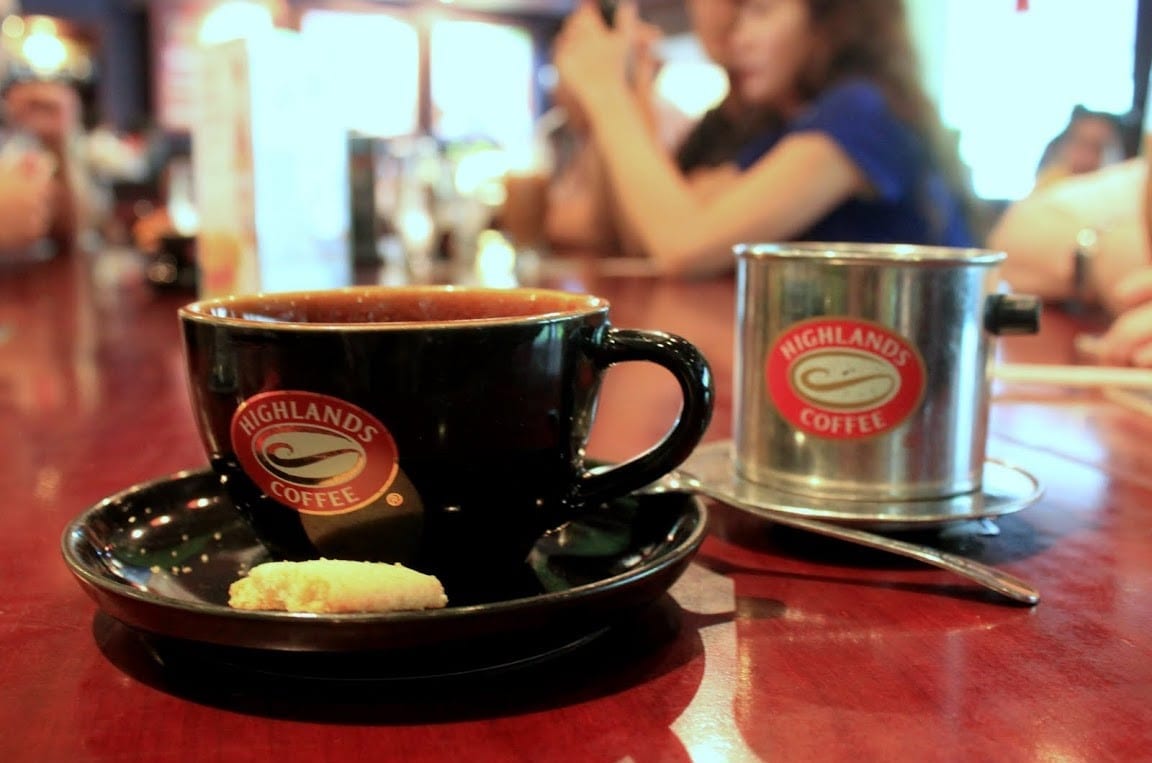
    Highlands Coffee, the biggest coffeehouse chain in Vietnam, noted an earnings before interest, taxes, depreciation and amortization (EBITDA) of 666 million Philippine pesos, equivalent to US$11.3 million, for the third quarter. This demonstrates a 17.1% growth compared to the same period last year and is the highest quarterly EBITDA since Q3 2023 when Jollibee Foods Corporation, its parent company, started releasing its financial data separately.

    Contribution to Parent Company’s Earnings

    The Vietnamese coffee brand contributed about 6.1% to the total EBITDA of Jollibee Foods Corporation, which is based in the Philippines. Moreover, it made up 29% of the corporation’s coffee and tea sector. Sales at locations that have been in operation for a minimum of 15 months saw a 17.2% increase.

    The EBITDA of Highlands Coffee for the first three quarters of 2025 experienced a 9.5% rise, amounting to 1.9 billion Philippine pesos.

    Chain Expansion

    The coffee chain operates 928 branches both domestically and internationally, 109 of which were inaugurated within the first nine months of the year. Originally established in 1999 as a packaged coffee vendor in Hanoi, the business transitioned into the coffeehouse industry in 2002 with its pioneer branch in Ho Chi Minh City. The chain was later acquired by Jollibee Foods Corporation in 2012.

    Business Strategy

    David Thai, the founder and CEO, acknowledged earlier this year that the coffee chain has witnessed positive outcomes due to its business model, customer-centric approach, and well-defined positioning in terms of products, pricing, and taste. The company streamlined its operations and expanded methodically. Moreover, the firm primarily focuses on enhancing its flavor profiles before investing in marketing efforts.

    Highlands Coffee is planning to go public in Vietnam, Thai confirmed, although a specific timeline was not provided. Industry analysts and securities agencies forecast that it will likely be listed in 2026-2027, coinciding with an anticipated wave of initial public offerings.

    Vietnamese F&B Market

    In the first half of the current year, the food and beverage sector in Vietnam generated VND406.1 trillion, equivalent to US$15.4 billion in revenues, a slight increase from the VND403.9 trillion recorded a year earlier, as stated by digital management solution provider iPOS.

    Despite major holidays such as the Lunar New Year in February and the Reunification Day at the end of April not boosting sales as expected, Vietnamese consumers seem to be maintaining their F&B expenditures. However, the report also indicated that the number of F&B locations is dwindling and the market is heading towards intense competition.

    Questions & Answers

    What is the current contribution of Highlands Coffee to Jollibee Foods Corporation’s total EBITDA?
    Highlands Coffee contributes approximately 6.1% to Jollibee Foods Corporation’s total EBITDA.

    What is the business strategy of Highlands Coffee according to its CEO, David Thai?
    The business strategy of Highlands Coffee is based on its unique business model, customer-centric approach, and distinctive positioning in terms of products, pricing, and taste. The company prioritizes developing its flavor profiles before allocating resources to marketing.

    What is the projected timeline for Highlands Coffee to go public in Vietnam?
    Securities firms and analysts predict that Highlands Coffee will go public in Vietnam between 2026 and 2027.

  • Starbucks Strikes Success: Turnaround Strategy Brews Positive Sales Growth After Two Years

    Starbucks Strikes Success: Turnaround Strategy Brews Positive Sales Growth After Two Years

    Starbucks has finally shown a surge in comparable sales growth, marking the first increase in nearly two years. This promising development suggests the early success of the renowned coffee company’s turnaround strategy.

    Turnaround Indicators

    The fourth quarter, which ended on September 28, witnessed a 1 per cent increase in global comparable store sales. This significant growth, the first in seven quarters, was mainly due to an increase in comparable transactions.

    In North America, and particularly in the US, comparable store sales remained steady. There was a 1 per cent rise in the average ticket, which was counterbalanced by a 1 per cent drop in comparable transactions. This is a notable improvement from a 2 per cent dip in the third quarter, a change credited to the positive momentum generated by the ‘Back to Starbucks’ initiative. Moreover, the company pointed out that comparable sales in the market began to show positive growth as of September.

    International Growth

    International comparable store sales saw a 3 per cent increase, with China’s comparable store sales experiencing a 2 per cent hike.

    The consolidated net revenues for the quarter grew by 5 per cent, amounting to US$9.6 billion, thus extending the 4 per cent rise witnessed in Q3.

    Brian Niccol, the chairman and CEO, expressed his optimism regarding the progress of the ‘Back to Starbucks’ strategy. He stated, “It’s clear that our turnaround is taking hold. Our return to global comp growth and the momentum we are building give me confidence that we are on the right path to deliver the very best of Starbucks for our customers, partners and shareholders.”

    However, for the entire year, comparable store sales witnessed a 2 per cent fall, with a 2 per cent decline in North America and the US, a flat growth in international markets, and a 1 per cent decrease in China.

    Financial Summary

    On the financial front, net earnings plummeted by 85 per cent to $133 million in the fourth quarter and fell by 50 per cent to $1.8 billion for the entire year.

    Starbucks closed 107 net stores in Q4, including 627 stores, with a majority (90 per cent) being in North America. This aligns with the restructuring plan announced earlier, where Starbucks unveiled its plans to cut its North American store network by approximately 1 per cent and eliminate around 900 non-retail partner roles.

    At the quarter’s end, Starbucks’ global portfolio consisted of 61 per cent of stores located in the US and China, including 16,864 stores in the US and 8,011 outlets in China.

    Questions & Answers

    What is the ‘Back to Starbucks’ strategy?
    The ‘Back to Starbucks’ strategy is a turnaround plan designed to boost the company’s sales growth and profitability.

    How has this strategy impacted Starbucks’ performance?
    The ‘Back to Starbucks’ strategy has positively impacted the company, resulting in a 1 per cent increase in global comparable store sales and a 5 per cent rise in consolidated net revenues in Q4.

    What is the future plan of Starbucks in light of the recent restructuring?
    Starbucks plans to focus more on the US and Chinese markets, which currently comprise 61 per cent of the company’s global portfolio. The company also intends to reduce its North American store network by about 1 per cent and cut 900 non-retail partner roles as a part of its restructuring plan.

  • Supercharged Supermarket Sales Propel Coles’ First Quarter Success

    Supercharged Supermarket Sales Propel Coles’ First Quarter Success

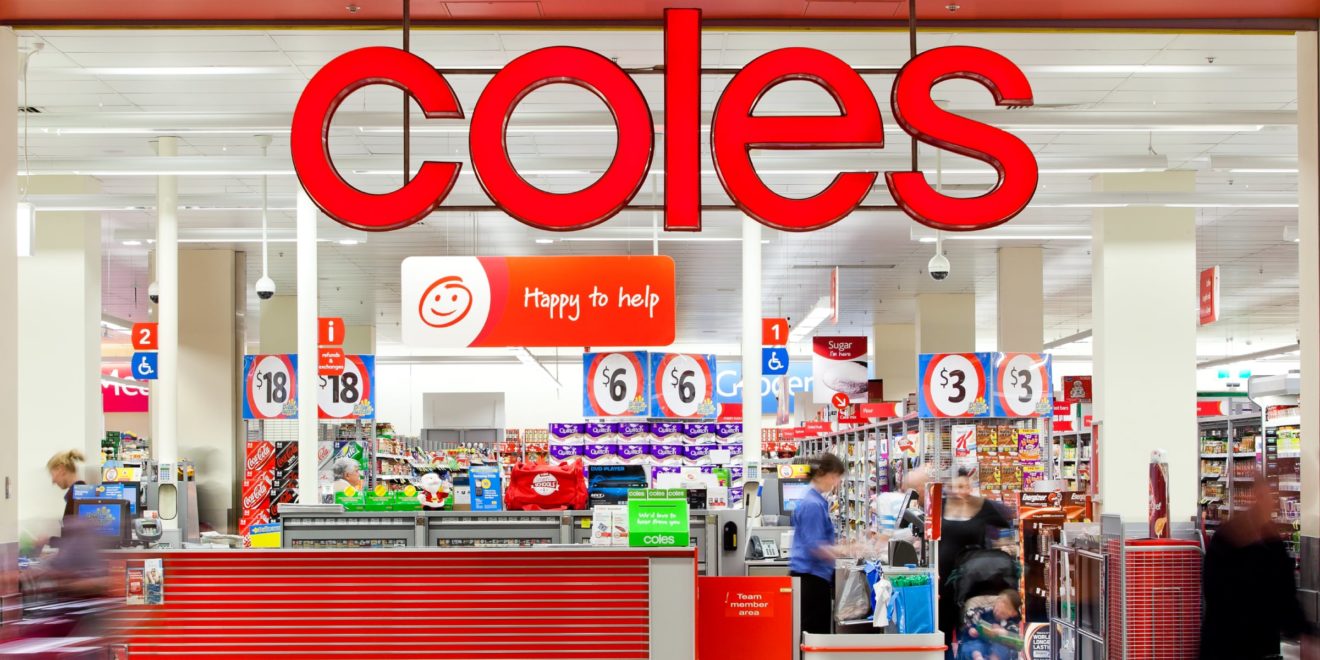
    Coles, the prominent Australian supermarket chain, reported an increase in sales for the first quarter, primarily fueled by the robust performance of its supermarket division.

    Sales Increase in the First Quarter

    Coles experienced a 3.9% rise in sales for the 13 weeks ending September 28, totaling $10.9 billion. The supermarket division was the primary driver for this growth, where the sales surged by 4.8% reaching $9.9 billion.

    Dynamic Competitive Market

    Excluding tobacco, the supermarket sales increased by 7%, which was supported by a concentrated effort on product selection and value, enhanced availability, and a 28% increase in e-commerce sales. Amid an ever-changing competitive market, Coles has adjusted its pricing structure across various categories to adapt to the evolving landscape. The retailer has expanded the number of products in its everyday low price (EDLP) range to cater to customer needs.

    Decrease in Tobacco Sales

    The sales of tobacco drastically fell by 57% due to new legislation and growth in the illicit market. Excluding tobacco, the inflation of supermarket prices moderated to 1.2% from 1.5% in the previous quarter.

    Liquor Segment Sales

    Despite the overall sales growth, the liquor segment experienced a minor slip, with sales dropping 1.1% to $842 million. Additionally, the ‘other’ segment, related to the product supply agreement with Viva Energy, witnessed a 17.9% decrease in sales to $156 million.

    CEO’s Comments on Performance

    Coles Group CEO Leah Weckert expressed satisfaction with their performance, attributing the supermarket sales growth to the focus on value, quality, and customer experience. Noting the positive impact of major transformation projects, Weckert mentioned that availability had reached its highest levels since pre-Covid, with e-commerce sales penetration reaching 13.3%.

    Looking Forward

    As Coles enters the second quarter, supermarket sales growth remains at similar levels to the first quarter, whereas the liquor market continues to be challenging with customers staying budget-conscious. As the holiday season approaches, Coles aims to cater to every taste and budget with their Christmas range and continue to focus on improving the omnichannel customer experience.

    Questions & Answers

    What was the key driver for Coles’ sales growth in the first quarter?
    The supermarket segment was the primary driver for first quarter sales growth, accounting for a 4.8% rise.

    What changes did Coles make to adapt to the changing competitive market?
    Coles has adjusted its pricing structure across various categories and expanded the number of products in its everyday low price (EDLP) range.

    How has Coles been performing in the second quarter?
    In the early part of the second quarter, supermarket sales growth has remained at similar levels to the first quarter. However, the liquor market continues to be challenging with budget-conscious consumers.

  • Kopi Kenangan Brews Global Expansion Plan After Tasting Success in Malaysia

    Kopi Kenangan Brews Global Expansion Plan After Tasting Success in Malaysia

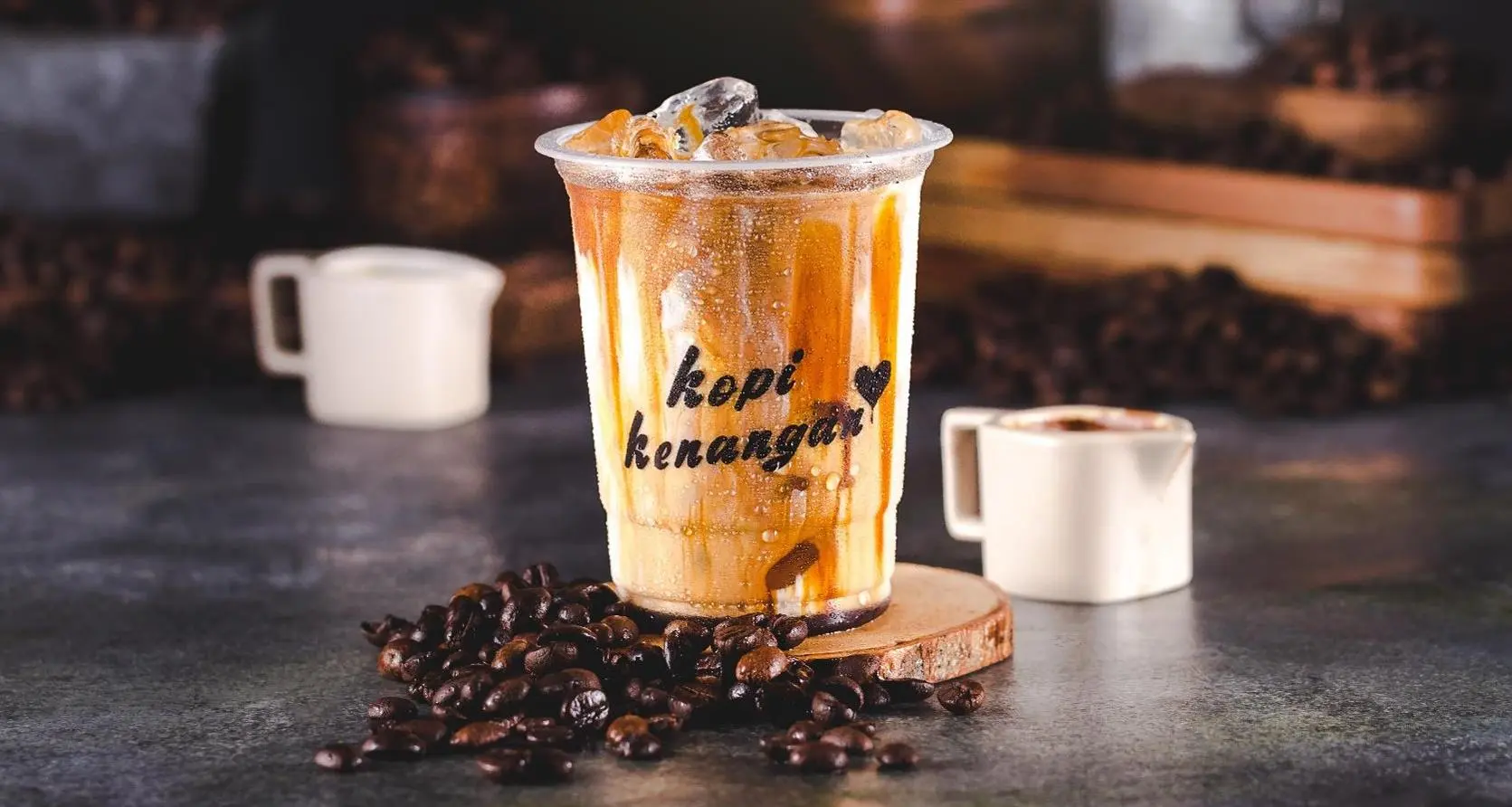
    Kopi Kenangan, an Indonesian coffee chain, is broadening its presence in Asia, subsequent to achieving profitability in Malaysia, three years after its market launch. Edward Tirtanata, the co-founder and CEO of the company, anticipates closing the current year with 150 branches in Malaysia, before broadening that number to 200 venues next year.

    Tirtanata shared that the company has been persistently opening more than one location per day this year, with approximately 70 new stores expected to launch within the next month.

    Continuing its regional expansion, Kopi Kenangan is planning to penetrate the markets of Taiwan and a Gulf Cooperation Council (GCC) country by mid-next year. Earlier this year, the brand made its first appearance in Australia and anticipates having four stores in operation by the end of the year. Meanwhile, roughly 20 additional outlets are scheduled to open in the Philippines in the latter part of this year and early next year.

    The third quarter of this year saw the company’s revenue increase by 40% year-on-year, a growth attributed to its strategy of adapting flavors, recipes, and prices to accommodate local markets. Tirtanata stated, “If you drink our coffee in Singapore, Jakarta, Malaysia, or New Delhi, it will taste different.” He further emphasized the company’s readiness to innovate and revise their recipes to cater to their diverse customer base.

    Questions & Answers

    What is the planned expansion of Kopi Kenangan within the next year?
    Kopi Kenangan aims to increase its Malaysian outlets to 200 stores. Also planned is the opening of approximately 70 new stores within the next month. Furthermore, the company is set to launch in Taiwan and a Gulf Cooperation Council (GCC) country by mid-next year.

    What contributes to Kopi Kenangan’s revenue growth?
    The company’s strategy of adapting its coffee flavors, recipes, and pricing to fit local markets has played a significant role in its revenue increase of 40% year-on-year in the third quarter.

    What differentiates Kopi Kenangan’s coffee in various locations?
    Kopi Kenangan’s coffee taste differs in various locations such as Singapore, Jakarta, Malaysia, and New Delhi. This is due to the company’s strategy of innovating and revising their recipes to cater to local tastes and preferences.

  • Surprising Leader: Southeast Asia’s Smallest Nation Outshines 500 Major Companies in Revenue Rankings!

    Surprising Leader: Southeast Asia’s Smallest Nation Outshines 500 Major Companies in Revenue Rankings!

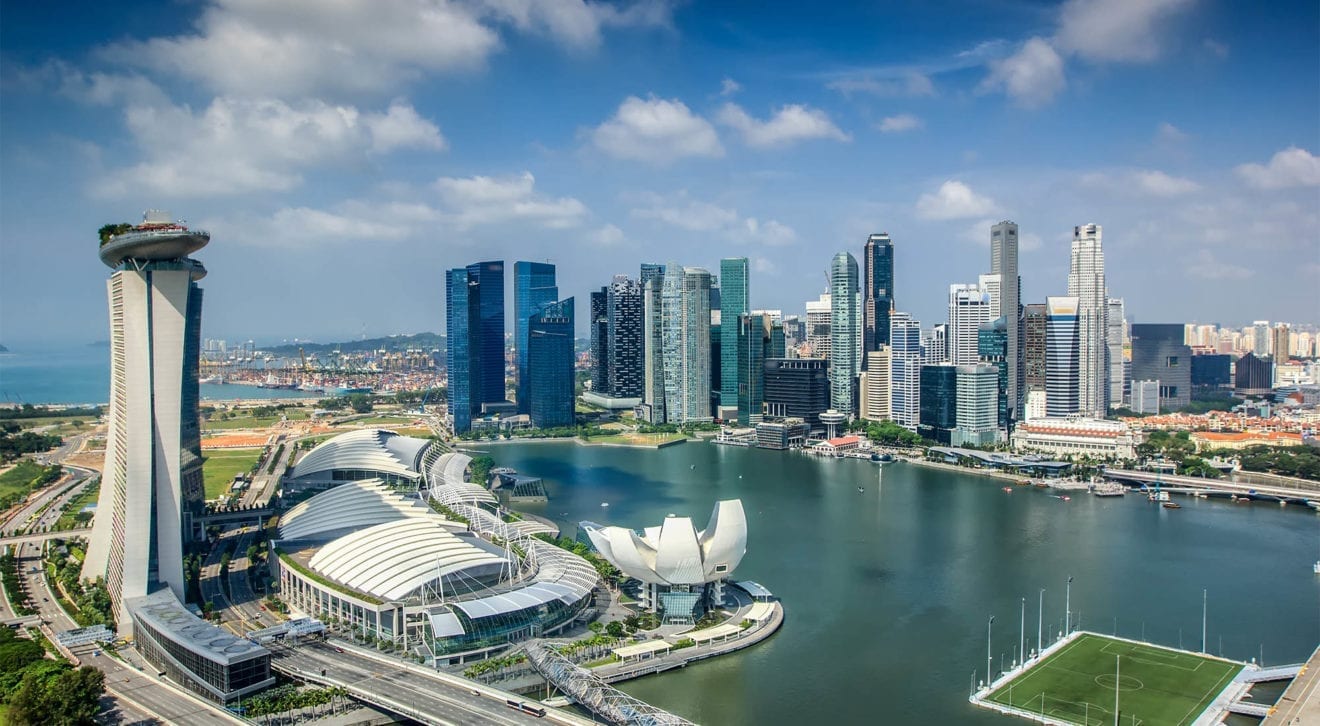
    While the city-state claimed the fourth spot in the rankings, Singapore’s 81 companies amassed an impressive US$637 billion in revenue last year, according to a recent report by a prominent U.S. business magazine. This staggering sum represents a third of the total revenue of $1.8 trillion collected by all firms listed and is nearly double that of Thailand, which came in second with revenues of $352 billion.

    Leading the Charge

    At the helm of this economic powerhouse is Trafigura Group, Southeast Asia’s largest company, specializing in commodities such as oil, gas, metals, and minerals. For the second consecutive year, Trafigura secured the top position with a remarkable revenue of $243.2 billion, nearly quadrupling the revenue of Singapore’s second-largest firm, agribusiness giant Wilmar.

    Profitable Banks Shine

    Despite not holding the highest revenue figures, three major Singaporean banks—DBS, OCBC, and UOB—emerged as the most profitable firms in the region, as reported by Singapore Business Review. It’s a fascinating twist that highlights profitability can sometimes outshine sheer revenue.

    An Evolving Landscape

    The Southeast Asia 500, now in its second year following its launch in 2024, spotlights a diverse array of businesses from Cambodia, Indonesia, Malaysia, the Philippines, Singapore, Thailand, and Vietnam. The total revenue generated by this year’s top 500 firms saw a modest increase of 1.7%, trailing the more robust 4.1% GDP growth witnessed across the economies represented in the ranking.

    Clay Chandler, Executive Editor for Asia at Fortune, noted the magazine’s increasing interest in the region. He explained that Southeast Asia is becoming a pivotal engine for global growth. “The region has become a crucial manufacturing and export hub, which is drawing significant capital flows,” he stated, adding that Trump-era tariffs have reshaped global trade dynamics and spurred a pivot towards Southeast Asia.

    Singapore’s strategic positioning as a regional hub enhances its appeal for businesses looking to expand into neighboring markets like Malaysia and Indonesia. Amidst this dynamic backdrop, it’s clear that the Lion City continues to roar as a key player in the Asian economy.

    Questions & Answers

    Which company topped the revenue rankings in Singapore?
    Trafigura Group led the charge, generating an impressive $243.2 billion in revenue.

    How do Singapore’s banks compare in terms of profitability?
    Despite not having the highest revenue, DBS, OCBC, and UOB were noted as the most profitable companies in the region.

    What is the significance of the Southeast Asia 500 ranking?
    This ranking highlights the growing importance of Southeast Asia as a critical manufacturing and export hub and showcases a mix of various types of businesses from across the region.

  • Allianz Achieves Unprecedented Financial Success with Record-Breaking Results

    Allianz Achieves Unprecedented Financial Success with Record-Breaking Results

    Allianz has kicked off 2025 with an impressive bang, announcing record results for the first quarter. The insurance giant posted an operating profit of €4.2 billion, despite facing a one-off negative tax impact related to the expected sale of its holdings in India. This remarkable achievement marks a 6.3 percent increase compared to the €4.0 billion recorded in Q1 2024, as growth dollars flowed in from all segments.

    Strong Results Across All Segments

    The numbers tell a compelling story of resilience and expansive growth. In the Property and Casualty Insurance sector, Allianz achieved an operating profit of €2.17 billion, up by 5 percent. Notably, the company also improved its combined ratio to 91.8 percent, well below its target of 93 percent. Meanwhile, the Life and Health Insurance segment reported an operating profit of €1.43 billion, rising 8 percent, with the value of new business soaring by 13.6 percent to €1.44 billion. In Asset Management, Allianz saw an operating profit of €811 million, marking a solid 4.8 percent rise, coupled with net inflows of €28.7 billion and steady third-party assets under management at €1.91 trillion.

    Sharing the Wealth

    Looking ahead, Allianz is optimistic about the financial year 2025, maintaining its outlook with a target operating profit of €16 billion, give or take €1 billion. In a bid to reward shareholders, the company initiated a share buyback program, repurchasing its own shares worth €0.1 billion out of a total planned investment of €2 billion.

    With these promising figures and a confident stance for the future, Allianz seems poised to steer through challenges and emerge as a formidable player in the financial landscape. Who knew the world of insurance could appear so vibrant?

    Questions & Answers

    What was Allianz’s operating profit in the first quarter of 2025? Allianz reported an operating profit of €4.2 billion for the first quarter of 2025.

    How did Allianz’s operating profit in Q1 2025 compare to Q1 2024? The operating profit in Q1 2025 marked a 6.3 percent increase from €4.0 billion in Q1 2024.

    What are Allianz’s plans for shareholder returns in 2025? Allianz has initiated a share buyback program targeting up to €2 billion, with €0.1 billion already repurchased in the first quarter.

  • Xin Yun Tan Emphasizes Self-Growth and Self-Care for Retail Success

    Xin Yun Tan Emphasizes Self-Growth and Self-Care for Retail Success

    Embracing Growth and Purpose: Insights from Xin Yun Tan

    A Dynamic Leadership Journey

    In a candid interview, Xin Yun Tan, Partner for Operations at Multipolitan, shares her perspectives on personal growth, resilience, and the art of leadership. Known for her collaborative spirit and adaptability, Tan emphasizes the importance of self-care and authenticity in today’s fast-paced work environment.

    The Joy of Diversity in Team Dynamics

    Tan revels in the opportunity to collaborate with a diverse team, describing her colleagues as unique, passionate, and full of life. This dynamic environment fuels her creativity and drives innovation, making each day at work inspiring and fulfilling.

    Advice to the Younger Generation

    When asked what advice she would give to her 20-year-old self, Tan encourages embracing change as a catalyst for growth. “Never let fear hold you back,” she advises, emphasizing that every challenge is an opportunity for self-improvement.

    Resilience: A Personal Triumph

    Proud of her ability to quickly bounce back from setbacks, Tan reflects on her past struggles with fear and doubt. What once felt like a defeat became a critical turning point, teaching her the importance of self-trust and resilience.

    Bold Challenges Ahead

    Currently, Tan is pushing her limits by confronting her fears head-on, including a daring skydiving experience planned for her upcoming trip to Dubai. “It’s all about challenging yourself to grow,” she states, embodying her philosophy of self-advancement.

    Sustainable Fashion Choices

    As a champion of sustainability, Tan favors the local brand “Little Match Girl,” which prioritizes eco-friendly materials and waste-minimizing production methods. Her choice reflects a growing consumer trend towards ethical fashion in today’s retail landscape.

    A Multidimensional Role

    Describing her role at Multipolitan, Tan highlights the unique blend of high-level strategy and hands-on problem-solving that defines her daily tasks. This multidimensional approach requires agility and quick thinking, keeping her on her toes.

    Driven by Purpose

    Tan’s personal drive stems from a profound desire to make a meaningful impact while staying true to herself. She emphasizes the importance of aligning one’s purpose and passion in a way that fosters positive change and personal satisfaction.

    Building Strong Relationships with Employees

    Valued for her empathy and support, Tan is committed to her employees’ growth beyond just performance metrics. “I invest in their development,” she shares, fostering a work environment centered around collaboration and open communication.

    Investing in Self

    For Tan, the best investment is always in herself. She prioritizes self-care and mindfulness, believing that maintaining a healthy mindset is key to achieving long-term success and fulfillment.

    Conclusion: A Leader Shaping the Future of Retail

    Xin Yun Tan’s insights highlight a transformative approach to leadership, emphasizing resilience, empathy, and sustainability. As retail continues to evolve, her philosophy could inspire others in the industry to prioritize personal growth and consumer-conscious practices, paving the way for a more ethical and responsive retail sector.

  • First-ever Myanmar Study Highlights Factors for Brand Success & Future Game Changers

    In a nascent marketplace where local brands hold their own against foreign competitors, Apple has emerged as the most differentiated brand whereas local telecom player MPT ranks as the most loved. Brands like mobile provider Telenor have also earned recognition for innovation, despite being a recent market entrant.

    Myanmar’s rapid transformation also means businesses need to ready themselves for game-changing scenarios propelled by technology and infrastructure advancements. Myanmar is set to become the first country in the world to go straight to smartphone as part of its “leapfrog” development. Key changes affecting marketing and brands include the rise from almost zero mobile penetration to nearly 50% in just a couple of years. Technology will likely direct a new generation of digital growth, from retail to banking to social communications.

    The Spotlight on Myanmar findings are based on everyday buying decisions such as coffee, soft drinks as well as long-term purchase decisions around mobile service and handset sectors. Research shows that the most effective messages come from brands that put their products and benefits front and centre. Key differentiators behind the strongest brands are those that project idealism, desirability and a sense of adventure.

    BrandZ research in Myanmar includes 1,660 consumer interviews and covers 42 key international and regional brands that are already building a sense of meaningful difference in Myanmar, based on either their global profile or their local activity. Findings show that:

    • Apple is the most differentiated brand in Myanmar followed by Coca-Cola and Samsung. Apple indexed 232, where the average brand indexes at 100.
    • Mobile network Telenor is the most innovative brand in the survey, indexing 125, with rivals MPT and Ooredoo coming second and third respectively.
    • MPT is the most loved brand in the survey, indexing 129, nine points ahead of Samsung and 11 points ahead of Telenor and Huawei.
    • Samsung’s brand proposition scored the highest at129, ahead of Apple on 125 and MPT on 118.
    • Huawei scored highest on brand power -a brand’s ability to boost sales or gain market share due to consumers’ predisposition to choose this brand over another – indexing 436, significantly higher than its global average score of 81. Huawei performs better in Myanmar than it does in its home market, China, on this measure.

    “There are huge opportunities for international brands to be successful in Myanmar, if they get their cultural message right and understand the diversity of the country, particularly in the border areas. Our teams have identified comparisons with the India of 30 years ago and indeed some aspects of rural India today. Also valid are comparisons with Indonesia, which also has a large population that lives off the land as well as a huge range of different climatic regions,” said David Roth, CEO at The Store, EMEA and Asia.

    The report also highlighted a number of key trends that will change how brands and agencies should approach this market, now and in the next few years, including:

    • Rapid improvement in infrastructure. It has taken just three years to build a national mobile network; other changes including the arrival of greater electrification and improved transportation links will happen much faster than would be expected in many markets.
    • e-tailing is coming. Despite the current poor retail infrastructure, the rapid growth in e-commerce in other developing markets acts as an indicator that the speed will be similar in Myanmar.
    • The world’s first mobile-only market. Consumers are increasingly looking to mobile for both information and entertainment. While TV is important, brands need to consider Myanmar as not just a mobile-first environment but also a mobile only market.
    • Sell the effect, not the spec. Consumers are new to choice in Myanmar so they will navigate the new landscape differently. Brands need to focus on how the product will meet their needs and make it easier to compare functions and prices.
    • Appreciate the diversity of Myanmar. This is not a homogenous nation. Although 88% of the urban population is Buddhist, there is a huge range of ethnic, climatic and cultural variety, which will be particularly critical in the personal care sector.

    “BrandZ’s first research in Myanmar will help international and regional marketers understand the challenge of building strong brands in this new market. Experience in other fast emerging markets shows that first mover advantage and the loyalty it engenders in consumers can last for decades. Myanmar is a long-term commitment but one that will pay off for the brands that get it right,” said Doreen Wang, Head of BrandZ, from Millward Brown.