Retail News CRM

Tag: talks

  • Gasoline Prices Skyrocket Amid Ongoing Middle East Conflict and Peace Talks Uncertainty

    Gasoline Prices Skyrocket Amid Ongoing Middle East Conflict and Peace Talks Uncertainty

    Biofuel E5 RON92 has experienced an upsurge of 5.17%, setting its current price at VND23,790. On the contrary, the cost of Diesel has seen a decrease, falling by 2.42% to VND27,490.

    Global Oil Market Trends

    Shifting focus to the global oil market, it continues to be influenced by several geopolitical factors. Foremost is the ongoing conflict in the Middle East, which has dramatically impacted oil prices. Additionally, the continued peace negotiations between U.S. and Iran, coupled with the tensions in the Strait of Hormuz, are also consequential.

    A positive shift was observed on Thursday when oil prices surged by over $1, bouncing back from the considerable losses experienced the day prior. This rise was due to the market’s contemplation over the potential success of a Middle East peace deal. Brent crude futures experienced an increase of 54 cents, or 0.5%, reaching $101.81 per barrel. Similarly, U.S. West Texas Intermediate saw a 45 cent gain, or 0.5%, bringing it up to $95.53 per barrel.

    Future Speculations

    Hiroyuki Kikukawa, the chief strategist at Nissan Securities Investment, indicated that peace negotiations will likely persist until at least the upcoming U.S.-China summit. However, he expressed that the outlook beyond this event remains uncertain. Kikukawa’s primary prediction is that oil prices will continue to stay at a heightened level for the foreseeable future.

    Questions & Answers

    How much has the price of Biofuel E5 RON92 increased?
    The price of Biofuel E5 RON92 has increased by 5.17%.

    What factors are currently influencing the global oil market?
    The global oil market is primarily influenced by the ongoing Middle East conflict, peace negotiations between the U.S. and Iran, and tensions in the Strait of Hormuz.

    What predictions have been made for future oil prices?
    The prevailing expectation, as per Hiroyuki Kikukawa of Nissan Securities Investment, is that oil prices will remain elevated in the foreseeable future.


  • Vietnam Gold Rates Surge as Global Bullion Takes a Dip: U.S.-Iran Peace Talks Light Up Market Optimism

    Vietnam Gold Rates Surge as Global Bullion Takes a Dip: U.S.-Iran Peace Talks Light Up Market Optimism

    On Wednesday, there was an uptick in Vietnam’s gold prices as global bullion rates experienced a slight decrease. The gold bar price from Saigon Jewelry Company witnessed an increase of 0.87%, reaching VND174.5 million (US$6,626.79) per tael. This valuation was shared by other sellers in the market.

    Gold Ring Prices

    The increase in gold prices was not limited to gold bars alone. Gold ring prices also saw an increase, valuing at VND174.2 million per tael. To clarify, a tael equals to 37.5 grams or 1.2 ounces.

    Global Gold Prices

    On the international front, gold prices experienced a slight decrease on Wednesday. This followed an earlier one-month high, as the US dollar began to regain its strength. The possibility of another round of peace dialogues between the United States and Iran also contributed to an increased risk appetite.

    Spot gold decreased by 0.3%, standing at $4,828.07 per ounce after hitting its highest peak since March 18th earlier in the day. Meanwhile, U.S. gold futures for June delivery, remained steady at $4,851.30.

    Effect of Middle East Headlines

    Gold prices have been fluctuating in response to recent events in the Middle East, with hopes that the United States and Iran will soon engage in peace talks.

    There are indications that discussions to end the ongoing conflict in Iran could recommence in Pakistan in the next two days. This follows the recent unsuccessful negotiations, leading to the imposition of a blockade on Iranian ports by Washington.

    Week’s Gold Price Performance

    Despite the minor drawdown, gold prices have increased by 1.6% this week on the back of renewed optimism regarding peace talks between the U.S. and Iran.

    Questions & Answers

    What caused the increase in Vietnam’s gold prices?
    The increase was due to a decrease in global bullion rates.

    What were the gold prices for Saigon Jewelry Company and gold rings respectively?
    The gold bar price from Saigon Jewelry Company reached VND174.5 million (US$6,626.79) per tael, while gold ring prices valued at VND174.2 million per tael.

    What has been the week’s overall performance for gold prices?
    Despite a slight pullback, gold prices have increased by 1.6% this week on the back of renewed optimism regarding peace talks between the U.S. and Iran.

  • Australia And Eu Resume Free Trade Talks: Farming, Food Labeling, And Intellectual Property Rights In Focus

    Australia And Eu Resume Free Trade Talks: Farming, Food Labeling, And Intellectual Property Rights In Focus

    Trade Minister Don Farrell has announced that Australia and the European Union (EU) are set to resume negotiations for a free trade agreement immediately. This comes two years after Australia withdrew from discussions due to an unsatisfactory market access proposal for its beef, sheep, dairy, and sugar sectors.

    Changing Global Trade Landscape

    The global market has reshaped in unexpected ways due to the unanticipated tariff hikes imposed by the United States under President Donald Trump. As a result, the prospects for fruitful negotiations between Australia and the EU, specifically centered on enhancing access for select agricultural products and reducing bureaucratic hurdles, have considerably improved.

    One of Australia’s prime objectives is to amplify its beef and lamb exports to Europe. However, this is a task easier said than done, considering the significant political sway held by European farmers. An offer made by the EU in 2023 accounted for a scant 0.3% of its agricultural imports and was inferior to what it proposed to other trade partners.

    Contentious Discussion Points

    Another significant obstacle has been the EU’s insistence that Australia relinquish naming rights for hundreds of food and beverage products. The EU is pushing for Australia to adopt its system of controlling the names of region-specific food and spirits specialties, which, if agreed upon, could adversely affect Australian consumers, dairies, and boutique spirit manufacturers.

    The EU is advocating for Australia to implement its “geographical indications” model to safeguard the names of European goods. This includes a list of 170 food names and 236 spirit names that the EU wishes Australia to concede.

    The EU’s proposition is that only Greek feta should be allowed for sale in Australia; currently, Australian, Greek, Danish, and Bulgarian feta are sold nationally. It also seeks to reserve the names prosecco and parmesan exclusively for European manufacturers.

    Australia’s approach to food labeling is primarily driven by consumer protection laws and there is minimal history of fraud. By contrast, Europe initially introduced this system for wines due to rampant fraud, before extending it to food products.

    Intellectual Property Challenges

    Issues arise with the specific food and spirits names that the EU wishes to reserve for its producers. Australia contends that these are common names for the food items and it should not lose access to them. The country’s trade agreements allow for an objection process in situations where intellectual property rights limit what other producers can do. However, the government has thus far failed to offer a resolution process or feedback for those affected by the EU’s naming demands, hindering due process of law.

    Questions & Answers

    What impact could the EU’s naming demands have on Australian producers and consumers?

    It could negatively affect Australian dairies and boutique spirit manufacturers, as well as consumers who are accustomed to products with certain names.

    Why is Australia resisting the EU’s naming demands?

    Australia argues that these are common names for food items and that they should not lose access to them. The country also maintains that its approach to food labeling, driven by consumer protection laws, is adequate.

    What concessions could Australia potentially make to reach an agreement?

    Australia could follow the precedent set by Canada by accepting feta as a geographical indication while allowing existing Australian producers to continue producing and selling feta. Similar safeguards could be sought for other products.

  • Vietnam and U.S. Conclude Dynamic Second Round of Ministerial Trade Talks

    Vietnam and U.S. Conclude Dynamic Second Round of Ministerial Trade Talks

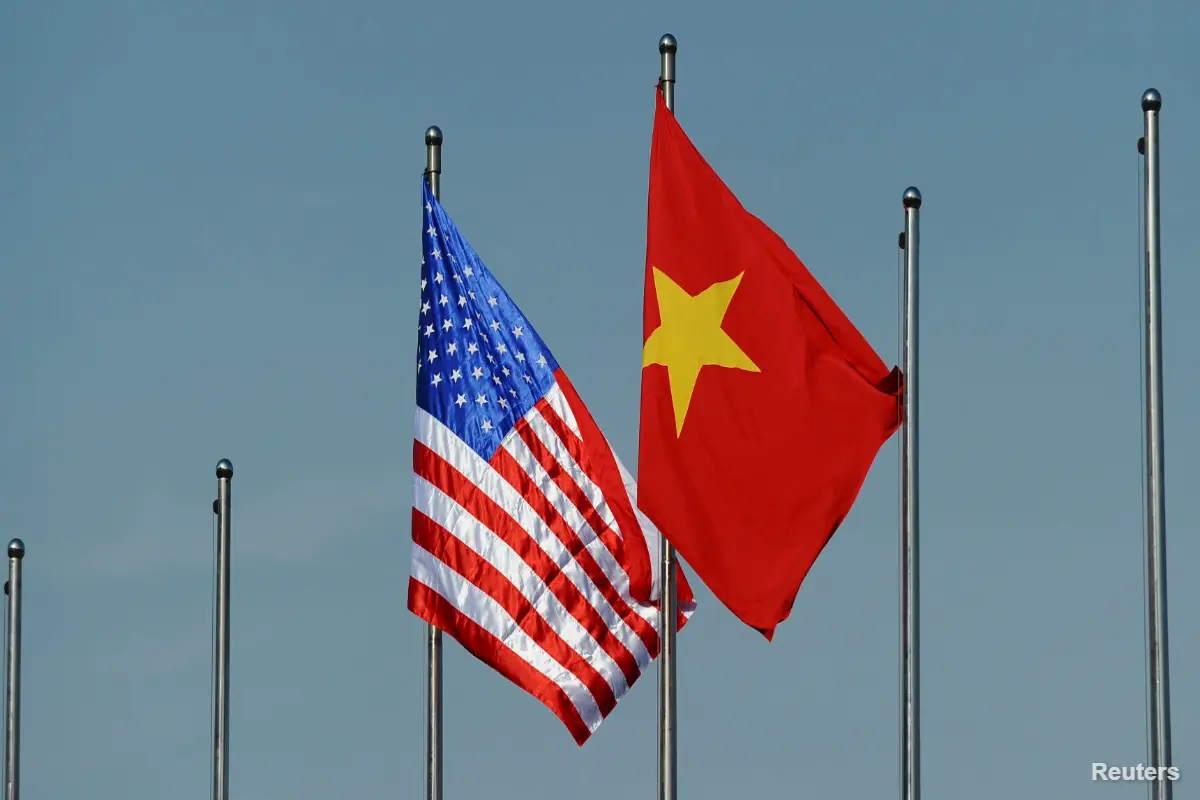
    Vietnam and the U.S. have wrapped up their second ministerial-level meeting focused on a reciprocal trade agreement, which took place on June 4 in the enchanting city of Paris. This pivotal discussion featured Vietnamese Minister of Industry and Trade Nguyen Hong Dien and U.S. Trade Representative Jamieson Greer, who led their negotiation teams with a shared purpose: to elevate trade relations between the two nations.

    As the talks unfolded, Minister Dien presented Vietnam’s formal responses to additional proposals from the U.S., emphasizing the nation’s commitment to reaching a consensus beneficial to both parties. He expressed a strong determination to navigate the complexities of the agreement while looking out for Vietnamese interests.

    Greer reciprocated with gratitude for Vietnam’s willingness to engage in constructive dialogue and address U.S. concerns. Highlighting the strategic partnership between the two nations, he stressed the urgency of finalizing reciprocal taxation policies, which are crucial at this juncture. Greer acknowledged Vietnam’s key issues and offered potential solutions to the trickier aspects of the negotiations.

    In a spirited commitment to expedite the process, both ministers agreed to ramp up discussions before the third technical round slated for mid-June. They also directed their technical teams to enhance virtual coordination, aiming to resolve outstanding differences and foster further advancements in the negotiations.

    Ultimately, both sides reaffirmed their dedication to close collaboration and the possibility of additional high-level meetings in pursuit of a mutually advantageous outcome. As the cups of café au lait cooled, the atmosphere buzzed with optimism for the future of U.S.-Vietnam trade relations—could this be the start of a beautiful friendship?

    Questions & Answers

    What was the main focus of the recent Vietnam-U.S. meeting?
    The meeting concentrated on advancing a reciprocal trade agreement, specifically discussing previous proposals and ensuring both nations’ interests were addressed.

    Why is the issue of reciprocal taxation policies considered critical?
    Reciprocal taxation policies are seen as vital for facilitating smoother trade operations and enhancing economic relations between Vietnam and the U.S., especially as both nations navigate more complex trade dynamics.

    When is the next round of negotiations scheduled?
    The third technical round of talks is scheduled for mid-June, with both sides eager to make significant progress ahead of that meeting.

  • Vietnam and US Set to Launch Trade Talks on May 7

    Vietnam and US Set to Launch Trade Talks on May 7

    Vietnam Navigates Tariff Challenges with Strategic Growth Initiatives

    Vietnam’s Prime Minister Emphasizes Proactive Measures Amid Global Economic Uncertainties

    In a recent address to the National Assembly, Vietnam’s Prime Minister Nguyen Xuan Phuc highlighted the country’s resilience in the face of shifting global economic conditions, particularly referencing the impact of high reciprocal tariffs imposed by the United States. As the U.S. defers its tariff schedule for trade partners (excluding China), Vietnam is strategically positioning itself to safeguard its trade interests.

    Addressing Tariff Impacts on Vietnam’s Economy

    Phuc underscored the negative repercussions of the U.S. tariffs on global economic growth, warning that they threaten supply chains and international trade. Despite these challenges, Vietnam’s government remains calm and adaptive, implementing timely strategies that have yielded positive outcomes thus far.

    A recent Vietnamese delegation visited the U.S. to engage with key agencies, focusing negotiations on protecting Vietnam’s rights while ensuring sustainable trade that aligns with its international commitments.

    Notable Growth in Exports and Imports

    The data reveals that Vietnam’s exports to the U.S. surged to $31.4 billion in the first quarter of this year, marking a 22% year-on-year increase. Meanwhile, imports also grew, reaching $4.1 billion. However, the repercussions of U.S. tariffs have hit critical sectors such as textiles and furniture, highlighting the fragile recovery of domestic demand.

    Strategic Responses to Economic Pressures

    Phuc acknowledged the challenges ahead, especially as Vietnam’s highly open economy grapples with global uncertainties. He pointed out that economic management pressure remains elevated in key areas like interest rates, exchange rates, and inflation, with production activities facing significant hurdles.

    To combat the adverse effects of tariffs, the government plans to implement a strategic trade policy decree, enhance inspections of product origins, and explore new markets to boost the competitiveness of Vietnamese goods and services. Initiatives to support affected businesses and workers are also in the works.

    Future Economic Goals

    Vietnam aims for a remarkable GDP growth of 8% or higher by 2025, targeting a total economy exceeding $500 billion and lifting per capita GDP above $5,000. This vision includes expanding revenues by more than 15%, managing budget deficits prudently, and prioritizing development investments.

    To reinforce growth, the government is committed to designating the private sector as a pivotal economic driver, encouraging local companies to integrate more fully into global value chains. Future reforms will emphasize science, technology, and innovation as the bedrock of economic restructuring.

    As Vietnam continues to adapt to the evolving global landscape, its resilient approach could serve as a blueprint for other nations facing similar economic pressures.

    Potential Impact on the Retail Sector

    The ongoing developments within Vietnam’s economy, coupled with strategic government initiatives, could lead to enhanced consumer confidence and spending. As the nation strengthens its position in global trade, retail businesses may see opportunities for expansion and increased consumer engagement.

    Questions & Answers

    1. What key challenges is Vietnam facing due to U.S. tariffs? Vietnam is experiencing negative impacts on its key sectors like textiles and furniture due to the U.S. tariffs, although it still sees growth in exports and imports.
    2. What measures is the Vietnamese government taking to address these challenges? The government is implementing a strategic trade policy, enhancing product inspections, and rolling out support measures for affected businesses and workers.
    3. What are Vietnam’s economic growth targets for the future? Vietnam aims for an 8% GDP growth by 2025, hoping to surpass a GDP of $500 billion and achieve a per capita GDP exceeding $5,000.

  • US-Vietnam Trade Talks Fuel Optimism for Retail Sales Growth

    US-Vietnam Trade Talks Fuel Optimism for Retail Sales Growth

    U.S. Trade Office Reports “Productive” Talks with Vietnam on Bilateral Trade Relations

    The U.S. trade office has announced a positive outcome from a recent virtual meeting with Vietnamese authorities, aimed at strengthening the bilateral trade relationship between the two countries.

    Key Discussions Between Trade Representatives

    U.S. Trade Representative Jamieson Greer engaged in dialogue with Vietnam’s Minister of Industry and Trade, Nguyen Hong Dien. This conversation stems from an earlier call between U.S. President Trump and General Secretary of the Communist Party of Vietnam, To Lam, on April 4.

    During the discussions, both parties recognized the necessity of facilitating reciprocal and balanced trade. They agreed to enhance market access and address unfair trade practices through ongoing technical discussions.

    Temporary Tariffs and Strong Commitment from Vietnam

    As negotiations progress, the Trump administration has decided to postpone imposing high retaliatory tariffs on several countries, including Vietnam, for an additional 90 days. Currently, a temporary tariff rate of 10% is in effect.

    Minister Dien reaffirmed Vietnam’s dedication to strengthening its Comprehensive Strategic Partnership with the U.S., emphasizing the country’s desire for economic relations that are balanced, stable, sustainable, and effective. He underscored the readiness of Vietnamese ministries to address concerns from the U.S. and work towards mutually beneficial solutions, guided by the principle of “harmonized benefits and shared risks.”

    Implications for Retail and Consumer Trends

    The outcome of these discussions could significantly influence the retail sector and consumer trends in both countries. As the dialogue progresses, potential tariff reductions may boost trade volumes, enhancing product availability for U.S. consumers and fostering brand expansion opportunities for businesses. The collaborative spirit between the U.S. and Vietnam may not only stabilize their trade relationship but also pave the way for future economic partnerships.

  • Huawei, Intel chiefs talk the future of ICT

    Huawei, Intel chiefs talk the future of ICT

    In today’s digitally intelligent world, the age of enterprises shoring up their singular competitive advantages is over. With industries converging and consumer requirements constantly evolving, today’s businesses need to be more open, flexible, and build on their “ecological advantages” as well.

    This was the key message delivered by Huawei CEO Guo Ping during his keynote speech at Huawei Connect 2016.

    “Today we are in the cloud era, and while we do not yet know what things will be like in the future, one thing is sure—every modern industry system will become interconnected and complicated,” Guo said.

    “As data, IoT, mobility and cloud entities develop, businesses that are not even connected with one another will have more interactions. Hence, advantages will not only come from within the organization as has traditionally been the case, but also by the effective use of its external resources.”

    Guo predicted that in the many complicated scenarios that industries such as transportation, healthcare, and education will face, companies in these sectors will eventually develop and evolve toward an open ecosystem.

    The same can be said for the ICT industry, whereby in the cloud era the sector has already transformed from a single vertical industry and into an enabler of digital transformation. A report from the World Economic Forum revealed that in 10 years, the opportunities brought upon by the digital transformation of industries will reach $100 trillion, with the world seeing the rise of even more new applications.

    “Vertical integration of the value chain is a thing of the past,” stated Guo. As the ICT industry cultivates a new ecosystem, the Huawei CEO believes it will have three key features—open, dynamic, and symbiotic—wherein enterprises, big or small, “can take part in this interdependent, symbiotic, and regenerative community of common interests, as long as it has its own unique value and makes its own unique contribution.”

    As for Huawei’s role in this cloud-driven ecosystem, Guo stressed his company’s primary principle is to prioritize “creating a bigger pie (market) over fighting for a larger piece of a shaky pie.”

    “It’s the path we must take to build our future ecological advantages,” stated the CEO. “Our responsibility as an industry leader is to leverage our core competency, and use insights gleaned from our customers as basis of development to increase the size of the market. We don’t emphasize on whether the resources will be owned by us, but instead we emphasize on would be what can we leverage and effectively connect with external resources to bring the future together.”