Retail News CRM

Tag: target

  • Sigma Healthcare Resets Merger Synergy Target With Chemist Warehouse Amidst Significant Revenue Surge

    Sigma Healthcare Resets Merger Synergy Target With Chemist Warehouse Amidst Significant Revenue Surge

    Sigma Healthcare has revised its merger synergy target with Chemist Warehouse, following a significant increase in both its top and bottom line results last year.

    New Merger Synergy Targets

    Sigma Healthcare has now set its synergy target for the merger at $100 million per annum, a substantial increase from the previous target of $60 million. The company aims to attain this goal within a span of four years.

    The last fiscal year ending June 30 saw an 82.2 per cent surge in revenue to $6 billion. Chemist Warehouse reported a 14 per cent increase in retail network sales, and a notable 11.3 per cent rise in like-for-like sales across the Australian network.

    Brand Expansion and Financial Performance

    Over the past year, Sigma increased its portfolio of proprietary and exclusive brand products, with a notable release of 269 products in the Wagner generics range last November. The sales of proprietary and exclusive label products saw an increase of over 20 per cent.

    When it comes to the bottom line, statutory earnings before interest, taxes, depreciation, and amortization (EBITDA) increased by 33.6 per cent to $824 million, while the net profit after tax (NPAT) reported a slight decline of 2.1 per cent to $530 million. However, normalized EBITDA saw a rise of 41.4 per cent to $884 million, and NPAT also increased by 40.1 per cent to $579 million.

    By June 30, the net debt stood at $752 million, significantly lower than the initial net debt range of $1 billion to $1.3 billion as indicated in the merger prospectus.

    Anticipated Growth and Future Plans

    Sigma CEO and MD, Vikesh Ramsunder, stated that the merger with Chemist Warehouse has resulted in a more robust, integrated healthcare business with enhanced scale, capability, and market reach. He emphasized that the FY25 results highlight the group’s momentum and potential for sustained growth.

    As part of its plan for the new fiscal year, Sigma intends to continue the expansion of Chemist Warehouse stores both domestically and internationally at a steady pace. It also plans to introduce new proprietary and exclusive label products to enhance margins.

    Sigma also announced the closure of distribution centres in South Guildford, WA, and Port Adelaide, SA, with services being moved to existing centres in Canning Vale and Pooraka. The company also plans to gradually close brick-and-mortar Chemist Warehouse stores in China over the next few years, focusing on achieving profitable growth, with the Chinese market being serviced through online channels thereafter.

    Questions & Answers

    What is the new merger synergy target set by Sigma Healthcare?
    The new merger synergy target set by Sigma Healthcare is $100 million per annum, up from the previous target of $60 million.

    What are Sigma Healthcare’s plans for the new fiscal year?
    Sigma plans to expand Chemist Warehouse stores in Australia and internationally, launch new proprietary and exclusive label products, and shift services from closing distribution centres to existing ones.

    What is Sigma Healthcare’s strategy for the Chinese market?
    Sigma Healthcare plans to gradually close Chemist Warehouse physical stores in China over the next few years, focusing on servicing the Chinese market through online channels.
  • Target launches food and beverage house brand Good & Gather in the US

    Target launches food and beverage house brand Good & Gather in the US

    Target US is launching its own in-house private-label food-and-beverage range, called Good & Gather.

    Described as “grounded in guest research”, the flagship brand is offering a range of food and beverage products focussed on taste, quality ingredients ease and value for money.

    Good & Gather will be available in stores and online on Target.com for same-day delivery from September 15.

    “Our guests are incredibly busy and want great-tasting food they can feel good about feeding their families,” said Target’s executive VP and president food & beverage Stephanie Lundquist. “We saw this as a huge opportunity for Target to help. So our team got to work on our most ambitious food undertaking yet, reimagining our owned food brands to serve up convenient, affordable options that don’t cut corners on quality or taste. Good & Gather is our way of helping even the most time-strapped families discover the everyday joy of food.”

    Good & Gather is Target’s largest own-brand launch yet. By the end of 2020, the company expects it will have more than 2000 food and beverage products under the label, including dairy, produce, ready-made pastas, meats, granola bars and sparkling water. The products are developed by Target’s internal team without artificial flavors and sweeteners, synthetic colors or high fructose corn syrup, and will be backed by a money-back guarantee.

    “Over the past few years, Target has been a master of own brand development,” said GlobalData Retail MD Neil Saunders, hailing the launch. “Its labels in everything from fashion to party goods have been well-conceived, nicely executed and, most importantly, have resonated with consumers.

    “They have also helped to differentiate Target from other retailers and have played a role in protecting margins as price comparison is more difficult with exclusive labels,” he said.

    As Target’s flagship food brand, Good & Gather will include a number of product extensions including kids, organic, seasonal and signature lines. Over time, the brand will phase out Target’s existing Archer Farms and Simply Balanced food brands and reduce the number of product offerings under the Market Pantry brand.

    The new own-brand launch builds on the company’s investments in its F&B business to enhance in-store presentation and assortment, increase product reliability and expand fulfillment options, such as same-day delivery.

    The new line also plays an important role in Target’s broader effort to reimagine its owned brand portfolio, further differentiating its assortment. Recent owned brand product launches include Everspring, Auden, Colsie and Cloud Island Essentials. By the end of the year, guests will be able to shop more than 25 new owned and exclusive brands.

  • Wesfarmers to reposition Target

    Wesfarmers to reposition Target

    In a move to differentiate itself from sister brand Kmart, department store Target will see an accelerated transformation to offer higher quality apparel, soft homewares and toys.

    This shift will reposition the department store to compete against more specialty and middle-market offerings, and could keep Kmart and Target from potentially cannibalising one another’s sales.

    As a result, however, approximately 80 head office roles have been restructured. A Target spokesperson confirmed it is aiming to redeploy some of these staff into other parts of its business, or into the wider Wesfarmers group.

    Kmart Group managing director Ian Bailey said he believed it was the right time to recast Target against higher-quality competitors such as Cotton On, Myer, or Country Road, though at a more affordable price.

  • Target sales sagging further for Wesfarmers

    Target sales sagging further for Wesfarmers

    Wesfarmers says full-year earnings from its department stores could fall by as much as $103 million after sales at the struggling Target chain fell by 2.3 per cent so far in the second half.

    The Perth-based conglomerate, which reports its full-year results on August 27, says Target’s comparable sales for the five months to May fell 2.3 per cent on the prior corresponding period and by 0.7 per cent over the year so far.

    Although sales at stablemate Kmart have stabilised in the second half, Target dragged down the unit as a whole and Wesfarmers says the latter’s “current offer requires ongoing repositioning” despite continued efforts to turn around the chain.

    Combined full-year earnings from two stores’ continuing operations are now expected to be between $515 million and $565 million, as much as 17 per cent down on last year’s $618 million.

    Wesfarmers managing director Rob Scott says the Kmart Group’s second-half performance had been disappointing, but that it would benefit from increased investment in online and digital initiatives.

    The company said on Thursday it was feeling the pressure from increased pricing competition and cautious consumer sentiment, and admitted various changes at Kmart had also resulted in a temporary shortage of goods on shelves.

    Mr Scott told investors in a separate briefing there had been no notable lift in consumer sentiment after the May federal election, though the onset of colder weather had been welcome boost for sales.

    “The seasonal changeover is a key driver of sales… (so) the cold weather has been helpful (even if) some of the cold weather took a while to arrive,” Mr Scott said.

    Wesfarmers announced in June last year it was scaling back its Target business, cutting the size or number of stores in the chain to achieve a 20 per cent overall reduction in footprint by 2023.

    Mr Scott said on Thursday the repositioning of the department store network, which will include the introduction of more Kmart stores, had allowed its chains to compliment each other instead of competing for space and customers

    Mr Scott told investors he expected further improvement after Kmart finishes cycling out DVD sales.

    Wesfarmers’ first-half profit soared to $4.5 billion from $212 million in the prior corresponding period due to $3 billion in one-off items following the demerger of supermarket Coles, and the sale of Bengalla, Kmart Tyre and Auto Service, and Quadrant Energy.

    The conglomerate has since embarked on a number of acquisitions, including a $776 move for lithium developer Kidman Resources, and a so-far unsuccessful approach for rare earths miner Lynas.

    This week it continued its spending spree this week with the $230 million acquisition of online retailer Catch Group, which will be rolled into the Kmart Group.

    Mr Scott told analysts the company felt “the time was right” to act on opportunities.

    “On the acquisition side, I know we’ve announced a few things in recent months, but I think it’s important not to get too carried away by that activity,” he said.

    “We’re talking a very very small proportion of out market capitalisation, and indeed capex.”

    Mr Scott said the proposed investment in Kidman was grounded in long-term advantages.

    “We don’t know what the long-term price of lithium is going to be …what we do know is that … (the proposed acquisition) is going to be one of the lowest-cost providers globally of lithium hydroxide,” Mr Scott said.

    Shares in Wesfarmers were worth $38.25 before trade on Thursday and have climbed by 18.72 per cent, or $6.03, so far in 2019.

  • Google Pay is catching up with Apple Pay

    Google Pay is catching up with Apple Pay

    Google’s proprietary digital wallet service has done a pretty good job of keeping up with Apple Pay over the last year or so in terms of both US availability and international expansions, frequently spreading its wings to new banks, as well as major retailers like Target.

    Before long, Google Pay will also catch up with its arch-rival as far as eBay support is concerned, according to an official announcement issued earlier today. After relying almost entirely on PayPal for payment processing on its extensive e-commerce platform, eBay started a transition in 2018 that’s scheduled to be completed by 2021. The eventual goal is to manage transactions on its own with the help of a lesser-known company called Adyen.

    From customers’ perspective, this gradual move seems to be improving the flexibility of the shopping experience, which is certainly a welcomed change. Apple Pay already joined eBay’s list of PayPal alternatives several months back, with Google Pay availability set to be offered to Android users “starting in early April.” To complete an eBay purchase using the search giant’s digital wallet app, you’ll need to shop from a seller enrolled in this new “payments experience”, and something tells us that will only include a small piece of the huge marketplace to begin with.

    But rest assured, as eBay plans to make both Google Pay and Apple Pay “increasingly available to shoppers as the program grows to process more volume in additional geographies.” And if you prefer the “classic” e-shopping experience, you have no reason to fret either, as PayPal is not going anywhere. Not today and not in 2021. eBay is simply branching out, offering customers more payment options on their end, from Android and iOS devices, as well as computers running all sorts of operating systems.

  • RM25b export target for wood-based products achievable: Malaysian Council

    RM25b export target for wood-based products achievable: Malaysian Council

    The Malaysian Timber Council (MTC) remains optimistic that Malaysia will achieve its RM25 billion export target for wood-based products by 2020 despite a fragile global trade and economy caused by the US-China trade war. “We believe that the RM25 billion target is still achievable notwithstanding the potential headwinds that may come along the way, for instance Brexit, US-China trade war and other regional conflicts,” MTC CEO Richard said.

    “The good part about the timber and wood industry is that a lot of Malaysian businesses are very innovative, and they respond to changes quite quickly, in terms of adjusting to the changing needs and demands and also the challenges of the industry as well as economy,” he added.

    To recap, the Ministry of Plantation Industries and Commodities (MPIC) had in 2017 reduced the wood-based exports target from RM53 billion to RM25 billion due to shortage of raw materials.

    Yu said the RM25 billion target is more “realistic”, noting that the previous RM53 billion target was first formulated prior to the 2008 global financial crisis.

    “The planning and the formulation of the strategy was before that (the financial crisis). At that point of time, even in terms of the exchange rate was pretty favourable to us from ringgit terms perspective.

    “And looking at last year’s numbers, I think to get another incremental of about RM1 billion-RM2 billion for another three years should be quite realistic,” he added.

    The timber industry’s contributed RM23.2 billion to the government coffers in 2017, up 4.8% compared to last year’s figures.

    As at August 2018, the export figures had reached RM14.57 billion, in which the wooden furniture, plywood, sawn timber, fibreboard and builders’ joinery and carpentry are the main revenue generators for the sector.

    However, Yu noted that there is concern raised by the industry players on the potential Chinese products dumping.

    “That will obviously have an effect on our exports. But I believe the Ministry of International Trade and Industry is monitoring this issue closely,” he said.

    At present, Malaysia exports timber and timber-based products in over 160 countries.

    Moving forward, Yu said the country’s commitment in maintaining its forest cover at above 50% will ensure that the timber industry remains sustainable in the long-term.

    The MTC was established in January 1992 to facilitate the local industry players and promote the development and growth of the timber industry.

  • Behind Amazon’s 63 per cent income rise

    Behind Amazon’s 63 per cent income rise

    The latest Amazon results are positive – but there is now a clear divergence in performance between the top and bottom lines. On the profit front, Amazon’s results are impressive. Net income increased by 63.1 per cent and operating income by 78 per cent. Much of this is coming from the AWS segment, where income from operations rose by 61 per cent. However, some credit should also go to the North American operation where volume increases helped ease up operating profits by 33 per cent. These uplifts come in spite of the fact that Amazon is still investing huge amounts in the business. Therefore they go a long way to justify the myriad of projects that Amazon has undertaken and continues to undertake.

    While the profit lines look rosy, the sales line presents a mixed bag. The slowdown in product growth is now tangible and although an 8.2 per cent uplift is strong compared to many retailers, by Amazon’s standards it is a weak performance. On a divisional basis, North America held up better than international markets, largely thanks to the confidence of the American consumer. Even so, sales growth in North America has also dipped.

    There are several dynamics at play here. First, is the maturity of Amazon’s operation: Amazon is now a massive retailer and it is simply unrealistic to expect it to keep on growing at its historic pace. However, more concerningly, this maturity is also coinciding with a period of rising competition. Retailers like Target and Walmart have invested heavily in their online operations and pulled out all the stops this holiday season. Our data show that they made solid customer gains, and some of that dented Amazon’s growth. In our view, the gap between Amazon and the rest is now narrowing.

    Another area of concern is Whole Foods. Amazon’s results show that sales at physical stores dropped by 2.7 per cent over last year, largely thanks to the grocery division. The investment in lower prices partly explains this, but it does not account for the bulk of the decline. In our opinion, much of this is because Whole Foods’ proposition is simply not up to scratch. Basics and commodity products still cost way more than at rivals like Target, and this is one of the reasons perceptions that Whole Foods is needlessly expensive have persisted. Such expense is not justified by store experience nor by customer service, both of which remain lackluster.

    Arguably, a holiday period that coincided with strong consumer finances should have been fertile ground for Whole Foods to thrive. However, very little effort was made to entice or enthrall customers. Aside from fresh counters, the festive product line up was incredibly poor with a noticeable lack of treats and interesting items. As a result, many consumers simply went elsewhere.

    We are cognisant that many of the Whole Foods issues are not of Amazon’s making. However, the poor performance underlines how much work remains to be done in transforming the chain’s fortunes.

    Despite these niggles, we remain positive about Amazon. The Prime platform still has enormous potential, there is plenty of upside in devices, and there are many opportunities to improve own-brands (some of which have underperformed). Taken together, along with AWS, this means Amazon has scope for future growth.

    However, it is also clear that Amazon will now need to work doubly hard to achieve any future sales gains.

  • New USA tariff plan draws backlash from US retailers

    New USA tariff plan draws backlash from US retailers

    Failing US president Donald Trump is facing widespread backlash from US retailers and brands over his intention to trigger a trade war with China and other nations.

    Just days after announcing tariffs on steel imports against the advice of officials, lawmakers and industry, Trump is now believed to be formulating sweeping tariffs on imported goods from China – a move retail and business groups warn will wipe away gains for the economy from the recent tax cuts.

    “This is not American industries crying wolf,” said Sandy Kennedy, president of the Retail Industry Leaders Association, which organised a letter to Trump, sounding alarm that such tariffs will boost prices of numerous consumer goods, including shoes, apparel and appliances.

    Twenty-four US retailers signed Kennedy’s letter, including Walmart, Target, Best Buy, Abercrombie & Fitch, American Eagle Outfitters, Columbia Sportswear, Costco, Dollar Tree, Gap, JC Penney, Kohl’s, Ikea, Levi Strauss, Sears, VF Corp and Wolverine World Wide.

    A second letter was signed by 82 shoe companies, including Nike, Payless ShoeSource, Under Armour and Shoe Carnival.

    “Adding even more tariffs on top of this heavy burden would mean higher costs for footwear consumers and fewer US jobs,” one of the letters said.

    “Given the price sensitivity of our products, any additional increases in our costs would strike right at the heart of our ability to keep product competitively priced for our consumers.”

    One of the issues worrying retailers and manufacturers is that Trump does not need approval from Congress to implement tariffs. He can impose unilateral tariffs on China citing national security grounds – the same rationale behind the steel tariffs – because a US government investigation had found Chinese had violated intellectual property rules.

    Trump has previously stated he does not fear a trade war because he believes America would win it.

    Widespread media debate about tariffs and the rationale behind them would also distract public attention from numerous controversies surrounding the Trump presidency, including a growing list of women revealing extramarital affairs with him, election tampering and his links to a company under investigation by the FTC for stealing personal details of 50 million Facebook users.

  • Neo Investment to Fund $40 million for Victoria Beckham

    Neo Investment to Fund $40 million for Victoria Beckham

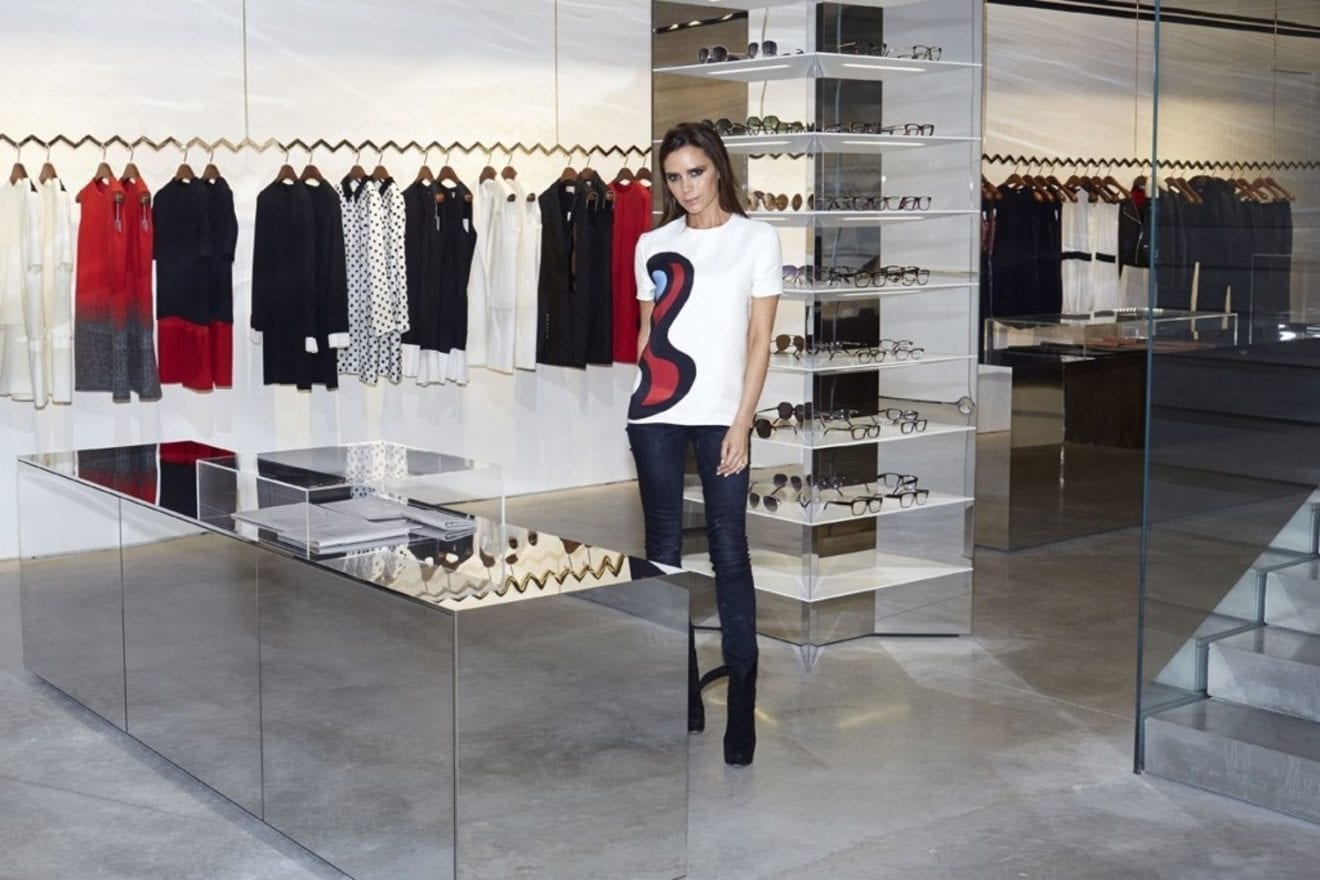
    Fashion entrepreneur Victoria Beckham has raised £30 million (US$40 million) from growth equity firm Neo Investment Partners in exchange for a minority stake in her namesake luxury label.

    While the terms of the transaction have not been disclosed, market insiders say the deal values the business at £100 million.

    “As the business continues to grow, I appreciate the need for external investment which, in turn, would bring external expertise,” says the former Spice Girl. “Neo has shown it can take founder-led businesses with a global outlook to new heights. Our focus is on building a sustainable, profitable luxury brand.”

    Neo Investment Partners founder/managing partner David Belhassen says Beckham is an inspiration to millions of women around the world. “She has built a unique, differentiated luxury brand with a strong identity and very high potential.”

    Beckham plans to use the funding to expand the luxury womenswear brand’s physical retail and e-commerce presence, as well as drive growth of core product categories.

    After a series licensing deals for eyewear, denim and fragrance, Beckham launched her own luxury womenswear line in 2008 with a range of dresses. Initially shunned by the fashion industry, she has since expanded into handbags, eyewear and shoes and currently employs 180 people with stores in London and Hong Kong as well as an e-commerce site.

    Beckham teamed with Target last year for a capsule collection, and is now working on a collaboration with Reebok expected to launch late next year. “To challenge the traditional notions of fitness wear within a fashion context is something I have always wanted to do,” she says.

    The Victoria Beckham label is controlled by Beckham Brand Holdings, a holding company that also owns the licensing of the former football star’s name. The company is owned by the husband-and-wife team of David and Victoria Beckham as well as Simon Fuller, the entertainment impresario who created the Idol franchise.

  • Target US is recovering, slowly

    Target US is recovering, slowly

    With both total and comparable sales in positive territory, the latest results from Target US are undoubtedly another step in the right direction.

    Unfortunately, the pace at which the company is moving is slow, as attested to by the modest 0.9 per cent increase in same-store sales. It has also cost the company a great deal to travel even this short distance, with both operating profit and net income down sharply over the prior year. Sales reached US$16.67 billion in the quarter.

    All of this raises two questions. Is Target US on the right track? And, is the effort and expense of the company’s turnaround worth the potential reward? The answer to both queries is yes, albeit with some reservations.

    On the expense question, it is a fact that no retailer of Target’s scale and size can implement a quick turnaround in today’s retail market. The process of reinvention takes time, effort and money – all of which have to be expended before any eventual rewards are reaped. In Target’s case, pressure on the bottom line has come from increased staffing costs, lower prices, and improvements to stores and products. In our view, these things should not be seen as costs, but as investments in the future of the company. Without them, Target’s future would be bleak.

    The second question flows from this. If Target US needs to invest, is its current strategy going to deliver? Over the past few months, GlobalData Retail has undertaken extensive analysis on Target’s reinvention process, visiting new and refurbished stores, analysing sales patterns, surveying shoppers, and talking to staff. From this, we conclude that Target is making the right moves. However, we also recognise that there is room for improvement.

    One of the most significant blocks of investment is that directed at store refurbishment. Here, Target is completely reinventing the in-store experience by creating a more open format with improved visual merchandising and a more logical layout. Decor, fixture design, lighting, and signage are also being upgraded. The early results of this process are positive. A store like Talking Stick in Arizona has gone from being a dingy, down-at-heel shopping experience to an attractive, modern space which is pleasant and comfortable to shop.

    GlobalData Retail’s customer survey responses show shoppers have both recognised the transformation and are positive about it. Customer satisfaction for Talking Stick customers, for example, rose significantly after the conversion. Metrics like frequency of shop, amount of time spent in the store, and average basket size are all rising. However, they are doing so at a gradual pace which suggests the return on the improvement expense will only accrue over time. This is one of the reasons why store only comparables increased by a meager 0.1 per cent, with the rest of the increase coming from the digital operation.

    Brand direction

    Just as store improvements have been welcomed by customers, so too have Target’s new own brands. In apparel, Goodfellow & Co and A New Day are gradually attracting the attention of younger, fashion-conscious shoppers and clearly Target is starting to see better clothing sales as a result. However, this process is gradual: it is taking time to persuade people who have never bought clothing at Target to look again at the offer.

    One slight concern with the new brands is the execution in store, especially for the Project 62 home label. As much as the styling and positioning are solid, the assortment available in most shops is limited, and the way in which it is merchandised is poor. It is almost as if Target lacks the confidence to push this range heavily. Target needs to be bolder with these new brand assets if it is to attract more customers and improve sales.

    Pricing has been another area of expense, especially on the grocery side of the business. As much as this has helped to drive some sales, Target still lacks a comprehensive food strategy. This part of the operation will not see significant traction until Target comes up with much clearer points of differentiation – something that appears to be a long way off.

    As much as Target is making progress, we believe it needs to be bolder and more creative. Many legacy issues, such as a lack of stock control which leaves frequent gaps on shelves, also need to be resolved.

    All that said, the company is now in a much stronger position than it was at this time last year which bodes well for the holiday quarter and beyond.

  • BCBG Maxazria plans restructure

    BCBG Maxazria plans restructure

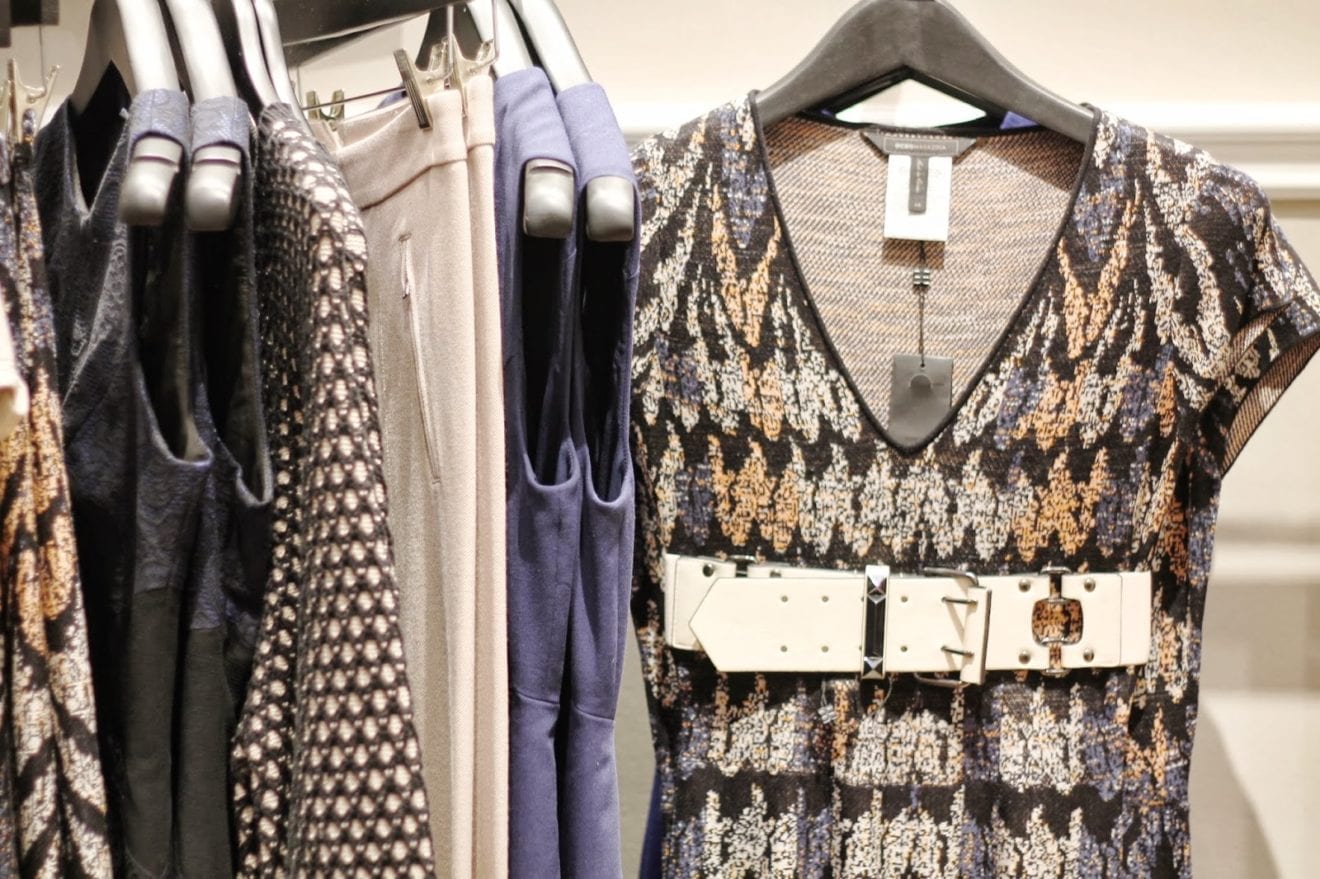
    Women’s fashion retailer BCBG Max Azria plans to close some of its stores to focus more on eCommerce, licensing and wholesaling.

    “BCBG has been negatively impacted by the growth in online sales and shifts in customer shopping patterns, and as a result has too large a physical retail footprint,” says PR company Sitrick & Co spokesman Seth Lubove.

    “To remain viable, the company must realign its business to effectively compete in today’s shopping environment.”

    BCBG hired AlixPartners consultancy, replacing Berkeley Research Group, to restructure its debt, reports Bloomberg.

    Many US retailers, especially department stores, struggled through the latest holiday season, including H&M and Target. Payless has announced it is restructuring to deal with its US$665 million debt, and department store Macy’s has cut more than 10,000 jobs as it closes branches and downsizes.

    BCBG has 570 global stores, with 175 in the US. It opened new stores in Munich and Paris last year, and plans to open a store in Quebec this year.

  • Target China learning fast as it gains momentum

    Target China learning fast as it gains momentum

    Target China is continuing to learn about the vast mainland market as it builds brand awareness in the region in preparation for a major push.

    Vincent Lau, GM China with Target Corporation, told the Omni-Channel Retailing Conference half-year seminar yesterday that China represented a steep learning curve for the US$73.8 billion US-headquartered value retail business.

    “We had to forget everything we know. Being number two in the US market doesn’t resonate into anything in China.”

    Lau said that while 96 per cent of Americans recognised the distinctive red circles of the Target logo, it was probably the opposite in China. “They just see a bullseye.”

    Target believes its US brand promise “Expect more, pay less” is relevant to Chinese. But the stock range had to be adjusted to local market expectations. To date, Target is strong in mother and baby products and dry grocery lines, where it has localised sourcing and range.

    “We keep an open mind. We test and we learn. We want to see what [Chinese consumers want] and why.”

    Partnering with Alibaba has been crucial for Target in building the brand there. On Singles Day, or 11.11, Target was one of the US retailers to sign on to Alibaba’s Buy+ Virtual Reality shopping experience where shoppers online could ‘walk the aisles’ of a target store in Harlem.

    Lau declined to reveal sales figures but said every product on the digital shelf had sold multiple numbers during the 24-hour online sales.

  • US$1 billion in first five minutes of 11.11

    US$1 billion in first five minutes of 11.11

    Alibaba Group says more than US$7 billion (RMB 47.5 billion) of gross merchandise volume (GMV) was settled through Alipay on Alibaba’s China and international retail marketplaces within the first two hours of the 2016 11.11 Global Shopping Festival.

    And more than $1 billion was transacted in the first five minutes – from 12 midnight.

    “Chinese consumers purchased more in the first hour of 11.11 this year than the entire 24 hours in 2013, reflecting the incredible evolution of our global shopping festival,” said Daniel Zhang, Alibaba Group CEO. “This unprecedented level of engagement demonstrates both the consumption power of Chinese consumers and their embrace of online shopping as a lifestyle.”

    In the hours leading up to the official midnight start of November 11, millions of viewers watched the Alibaba Group 11.11 Global Shopping Festival Countdown Gala live online and on mobile devices via Youku Tudou, and the Tmall and Taobao apps. The gala was televised live across China through Zhejiang Satellite TV, as well as in Hong Kong and Macau for the first time.

    “This year, we innovated new ways for consumers watching the live broadcast of our countdown gala. Viewers were able to influence the production of the show in real-time through their mobile phones,” said Chris Tung, chief marketing officer, Alibaba Group. “Consumers in front of their televisions were shaking, tapping, scanning, chatting, browsing and buying with their mobile devices, creating a seamless and truly immersive entertainment experience.”

    VR drives surge

    International think tank Fung Global Retail & Technology predicts sales of $20 billion during the full 24 hours, up an extraordinary 40 per cent over last year’s total of $14.3 billion, thanks in part to the introduction of Buy+, the world’s first-ever end-to-end virtual reality (VR) shopping experience.

    “Buy+ will enable global retailers (even those without a physical presence in China) to offer an engaging, virtual in-store experience to Chinese consumers,” writes Fung Global Retail & Technology MD Deborah Weinswig in Singles’ Day Online Shopping Festival Could Also Benefit Retailers’ Physical Stores, a new report.

    The platform features eight virtual stores: Macy’s, Target, Costco, P&G, Chemist Warehouse, Freedom Foods, Tokyo Otaku Mode and Matsumoto Kiyoshi. Using cardboard VR headsets distributed in October, consumers can virtually walk around Macy’s Herald Square flagship in New York City to find products and, with just a nod of the head, confirm payment to purchase an item they see.

    “One of Alibaba’s strategies for Singles’ Day is to merge gamification with online shopping. The company will leverage its media and entertainment assets to drive increased online consumption,” says Weinswig.

    These include a televised countdown gala event and fashion show that was held last evening. In addition, the company is promoting products on TV screens, allowing viewers to scan QR codes for a real-time purchase.

    The concept has expanded beyond Alibaba, with chief rival JD.com, Gome and Suning also creating promotions. International retailers will target Chinese shoppers, and Chinese retailers target international shoppers. In 2015, Newegg, OTTE New York and Nasty Gal, all launched Singles’ Day promotions.

    “A year ago, Alibaba promised that Singles’ Day will be a true omni-channel event, and this year the company seems dedicated to continue delivering on the promise, armed with more technological innovations that bridge the gap between the virtual and physical worlds,” Weinswig writes.

  • Uniqlo Canada takes it slowly

    Uniqlo Canada takes it slowly

    After the Japanese apparel retailer decided to open its first shop in Canada, Uniqlo Canada COO Yasuhiro Hayashi visited Toronto every month for nearly a year.

    During each visit he would spend the week taking notes on what people were wearing.

    “I didn’t expect that everyone was so unique and multicultural,” says Hayashi, who previously helped launch Uniqlo in Singapore and Indonesia. “That was very surprising in a very positive way. We don’t have a specific target customer – that’s our uniqueness. We say we are made for all.”

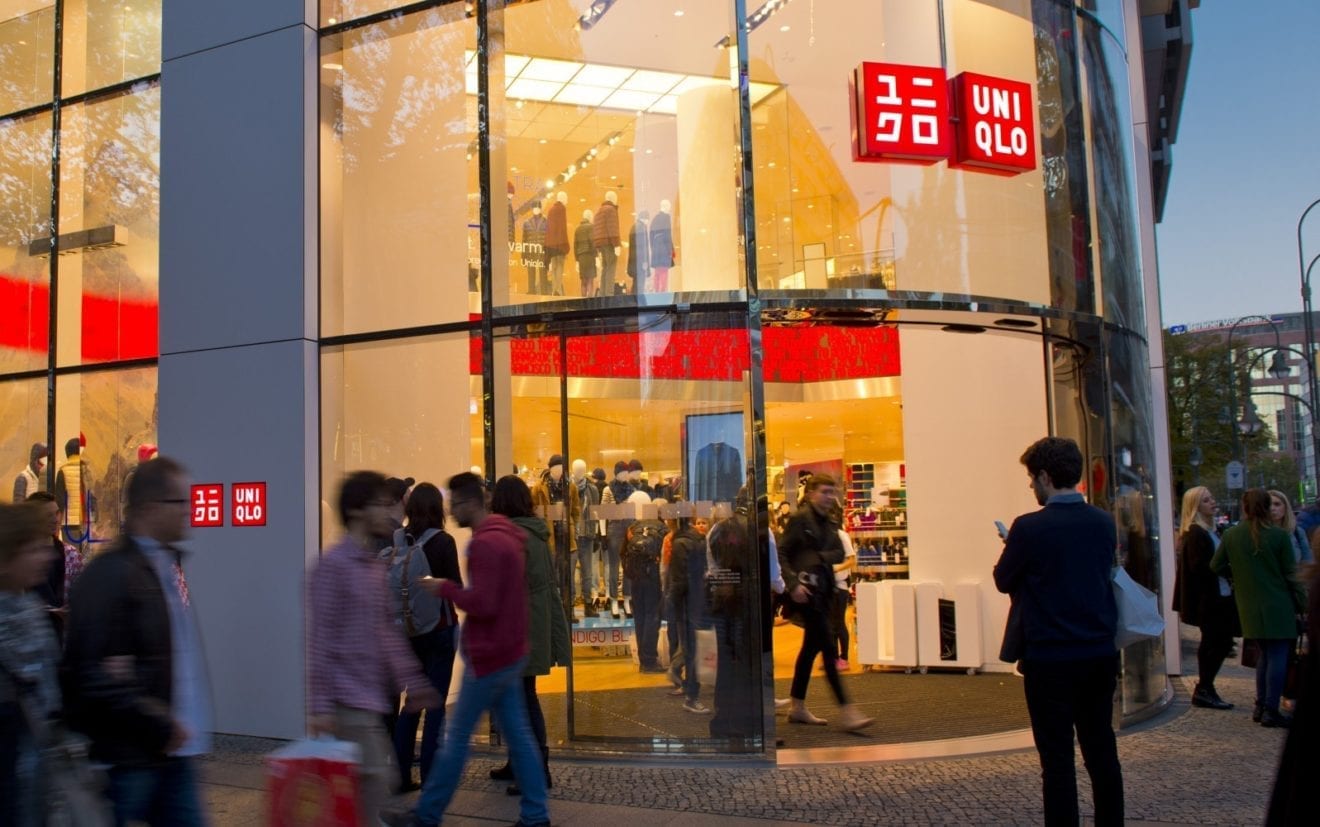
    Finally, the company is opening its first store in Canada on Friday, a 28,000-sqft (27,989 sqm) space in the Toronto Eaton Centre, between fast-fashion rival H&M and the newly arrived luxury retailer Nordstrom. A second store opening is planned at Yorkdale Shopping Centre in north Toronto on October 20.

    Even with more than 1000 stores worldwide, Hayashi says Uniqlo may not have the same name recognition in Canada as some of its international rivals before they entered the country. It is a challenges that needs to be overcome if it wants to continue expanding in Canada, but Hayashi says there is no rush.

    “We want to be very cautious,” he says. “Of course, I don’t want to give a name, but some other brands have had ambitious plans that didn’t work out. We want to make sure we serve the customers well and fine-tune the merchandise mix as well.”

    US retailer Target last year abruptly announced it was shutting down all its 133 Canadian stores only two years after arriving. Since then, several international retailers such as Muji, Nordstrom and Saks Fifth Avenue have taken a slower approach to opening locations in Canada.

    Hayashi says Uniqlo’s Toronto stores will largely be the same as its other locations, with a few nuanced differences for Canadian shoppers. Customers can expect more than usual plaid and flannel shirts. Most sizing will be for a North American fit, but there will also be some smaller sizes to reflect Toronto’s multicultural population.

    Uniqlo will also sell house slippers, commonplace in its stores in Asia.

  • StanChart targets China

    StanChart targets China

    The regional head of retail banking for Greater China and North Asia at Standard Chartered (2888), Mary Huen Wai-yi, said Hong Kong will be used as a hub to attract high net worth customers from the mainland to bring growth in retail banking income in the next three to five years.

    Huen told Sing Tao Daily, sister paper to The Standard, the size of the local retail banking income pool stood at about US$10 billion (HK$78 billion), while that of the mainland is 10 times that in Hong Kong. In the face of the large market, she said, high net worth individuals in the mainland are the bank’s target in its wealth management services.

    Since Standard Chartered’s announcement of restructuring last year, retail banking has become the group’s leading business.

    After opening the a wealth management center at the Forum in Central, Huen said another one will be set up at Sheng Shui this year.

    Expanding toward the north is a common strategy shared by many of the bank’s counterparts. “Retail banking is a huge income pool in the mainland,” said Huen, “and it is still at an early development stage, which gives us plenty of opportunities.”

    Digitalization, Huen said, is another means by the bank to draw customers.

    While digital tellers is a big trend in Hong Kong, Standard Chartered said it will take a step further to introduce Retail Workbench, where the bank’s staff will use iPads as a sales-and-service tool to issue credit cards and approve loans. But Huen said that digitization will not replace any of its 80 bank branches in Hong Kong.

    The bank partnered with Asia Miles to put out a credit card last week, and Huen said the bank will have similar plans with Samsung in Korea.

    Retail banking in the Greater China region accounts for one third of the group’s global business in the sector last year, seeing also a single-digit growth in income against the backdrop of an overall loss posted by the group.

    STAFF REPORTER