
Retail News CRM

Tag: taxfree

  • Online platform ready to recover lost Malaysia Airports retail earnings

    Online platform ready to recover lost Malaysia Airports retail earnings

    Malaysia Airports Holdings has launched a travel retail e-commerce platform shopMYairports, aiming to recover some US$67 million from sales lost through its airport network due to passenger volumes plummeting.

    Still smarting from the loss of $671 million in revenues from retail in the year prior to the advent of Covid-19, the airport operator is hoping for significant potential growth from the initiative, which is part of a broader Airports 4.0 plan for digital transformation to enhance passenger retail experiences and support the recovery of its airport retail tenants.

    The move serves to allow consumers to buy travel-exclusive and duty-absorbed products online, having purchases delivered directly to their homes.

    “The launch of shopMYairports is an important step in our journey to make our airports future-ready,” said group CEO Datuk Mohd Shukrie Mohd Salleh.

    “As Malaysia’s main airport operator, we have to ensure that we remain agile and relevant while navigating within a fast-changing consumer landscape.”

    Future services available on the platform are expected to include click-and-collect services, allowing travelers to pick up purchases at designated airport counters, and concierge services to deliver products to passengers’ boarding gate or aircraft seat.
  • Japanese tax-free store operator Laox Expanding in China

    Japanese tax-free store operator Laox Expanding in China

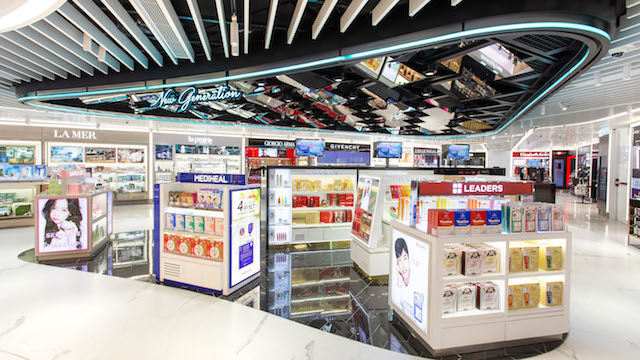
    Japanese tax-free store operator Laox plans to raise US$94 million to expand its activities in China and boost its e-commerce footprint.

    The company will issue shares to Granda Galaxy (a wholly-owned subsidiary of Suning Appliance Group), and Global Worker (a wholly-owned subsidiary of Chuben Sangyo).

    Once the funds are in the bank, Laox will further increase its investment in the Chinese market and expand its e-commerce business worldwide. Since entering the Chinese market in 2011, Laox has introduced high-quality Japanese goods and services to China through Suning’s online and offline platforms and its Tmall flagship store. In the future, Laox aims to become one of the largest suppliers of “Made-in-Japan” goods to better serve more Chinese local consumers, and plans to promote more quality products and consumption experience to other countries and regions through the Belt and Road Initiative.

    Suning believes Laox will further strengthen its close cooperation with the company in overseas purchase, commodity procurement, marketing and logistics services, thus increasing the Suning’s international influence and attracting more customers who are looking for better-quality goods.

    By the end of last year, Laox had 38 retail stores in the Japanese market, which had attracted nearly 2.5 million shop visitors in the year and achieved annual sales of about $1.12 billion.

  • Tmall targets 1000 online cosmetics stores this year

    Tmall targets 1000 online cosmetics stores this year

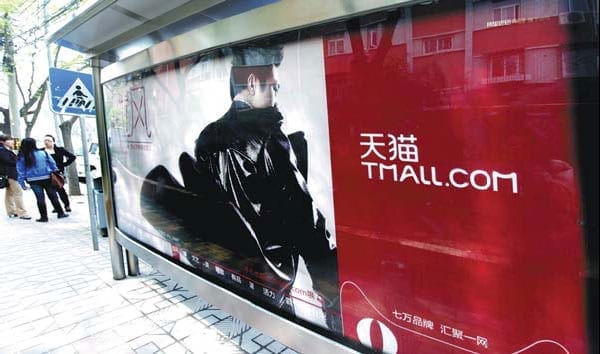
    Alibaba’s Tmall has announced that it expects international and domestic cosmetics brands to open 1000 online cosmetics stores this year to meet burgeoning demand from Chinese consumers. At its annual beauty summit, Tmall announced that seven international cosmetics companies have signed agreements to open flagship stores on Tmall this year. Another five beauty companies signed New Retail partnerships with Tmall during the summit, giving them a complete view of their customer base by integrating insights from digitised offline promotion activities and storefront information with online information.

    “We are honoured to be trusted by 180,000 brands on our platform, empowering them to accelerate their digital transformation and grow their business in China,” said Tmall president Jet Jing. “As China continues its consumption upgrade, more and more people from different age groups and geographic locations are willing to spend on high-quality beauty products. We are looking forward to working with more brands to address the opportunity.”

    Tmall’s sales of beauty products via its online cosmetics stores jumped by more than 60 per cent last year, surpassing the industry’s average growth rate. Online sales of cosmetics, skincare and personal care products grew by 46 per cent, 40 per cent and 37 per cent in China respectively last year, which was also ahead of the whole fast-moving consumer goods sector average of 34 per cent, according to a report jointly released by Tmall and retail market research firm Kantar during the summit.

    The report also highlighted the untapped potential in Generation Z. Aged between 15 to 19 years old, Generation Z female consumers are newcomers to the beauty market and are willing to spend more on high-end lipsticks than women in other age groups, representing an opportunity for cosmetics companies.

    Last year, some 80 per cent of Tmall brands chose the marketplace to launch new products, proof of the platform’s ability to identify new markets and demand. Two new emerging domestic beauty brands were among more than 30 beauty and personal care brands whose sales topped RMB 100 million (US$14.9 million) at last year’s 11.11 Global Shopping Festival.

    Also at the summit, Tmall showcased a one-stop solution, the Alibaba Business Operating System, as part of a new effort to help beauty brands succeed in China. The system helps brands digitally transform themselves in sales, logistics and supply-chain management, payment, marketing, cloud computing and other supporting services.