Retail News CRM

Tag: terminal

  • Thailand Plans $362M Mega Cruise Terminal on Koh Samui to Boost Tourism

    Thailand Plans $362M Mega Cruise Terminal on Koh Samui to Boost Tourism

    Thailand is advancing a significant cruise terminal project, valued at THB12.2-billion (US$362-million), on Koh Samui, the country’s second-largest island. The terminal has been designed to accommodate large cruise ships and is part of 262 substantial transport initiatives slated for completion by 2027. The collective investment for these projects totals THB229.76 billion, as divulged by the Transport Ministry.

    Project Management and Approval Process

    The Marine Department is overseeing this major development, which aims to bolster maritime transportation, host larger cruise vessels and facilitate the growth of Thailand’s cruise tourism industry. The project is presently under review by the Transport Ministry, and once approved in principle, it will be put forward to the Cabinet for further approval.

    Simultaneously, applications for land usage under the jurisdiction of pertinent agencies such as the Royal Forest Department are being processed. The ministry expects Cabinet approval by 2027, followed by the bidding process in 2028. Construction is anticipated to begin shortly after and operations are projected to start by 2032, with an operational period of 30 years.

    Projected Benefits and Economic Impact

    Upon completion, the terminal is slated to serve between 200,000 and 400,000 tourists annually and should be able to manage approximately 240 cruise ship dockings each year. A study of the project estimates that the terminal could produce around THB46 billion in economic value over its 30-year lifespan, with an economic rate of return exceeding 15%.

    Koh Samui, located in the Gulf of Thailand and approximately 700 kilometers south of Bangkok, is the country’s second-largest island after Phuket. The island is renowned for its stunning beaches, luxurious resorts, vibrant nightlife, and access to nearby marine attractions such as the Mu Ko Ang Thong National Marine Park.

    Questions & Answers

    What is the main purpose of the cruise terminal project on Koh Samui?
    The cruise terminal project aims to enhance maritime transportation, accommodate larger cruise vessels, and support the growth of Thailand’s cruise tourism industry.

    When is the terminal expected to commence operations?
    The terminal is projected to start operations by 2032, with an operational period of 30 years.

    What is the expected economic impact of the terminal?
    The terminal could generate approximately THB46 billion in economic value over 30 years, with an economic rate of return surpassing 15%.

  • AirAsia to transfer International flights to MCIA’s new Terminal 2

    AirAsia to transfer International flights to MCIA’s new Terminal 2

    With the opening of the new Terminal 2 of the Mactan Cebu International Airport (MCIA) next month, AirAsia Philippines has announced its transfer of international flights to and from Cebu at the new terminal by July 1.

    In an interview on Tuesday morning, AirAsia Philippines CEO Captain Dexter Comendador said they are excited to transfer to the new P17.5 billion terminal.

    “We are delighted to be moving to a new terminal, which will provide our guests with enhanced travel experience. The relocation to the new terminal also provides us with great capacity for long-term growth and expansion in Cebu as AirAsia’s hub,” he said.

    The low-cost airline is advising their passengers traveling from Cebu starting July to be at the Terminal 2 at least three hours before their scheduled flights.

    Currently, AirAsia already operates several international flights in Cebu including Kuala Lumpur, Singapore, Taipei, Incheon, Shenzhen, Hangzhou.

    They will also be having their inaugural flight from Cebu to Shanghai in China this coming July 7.

  • Ethiopian cargo terminal set for operation by April ‘17

    Ethiopian cargo terminal set for operation by April ‘17

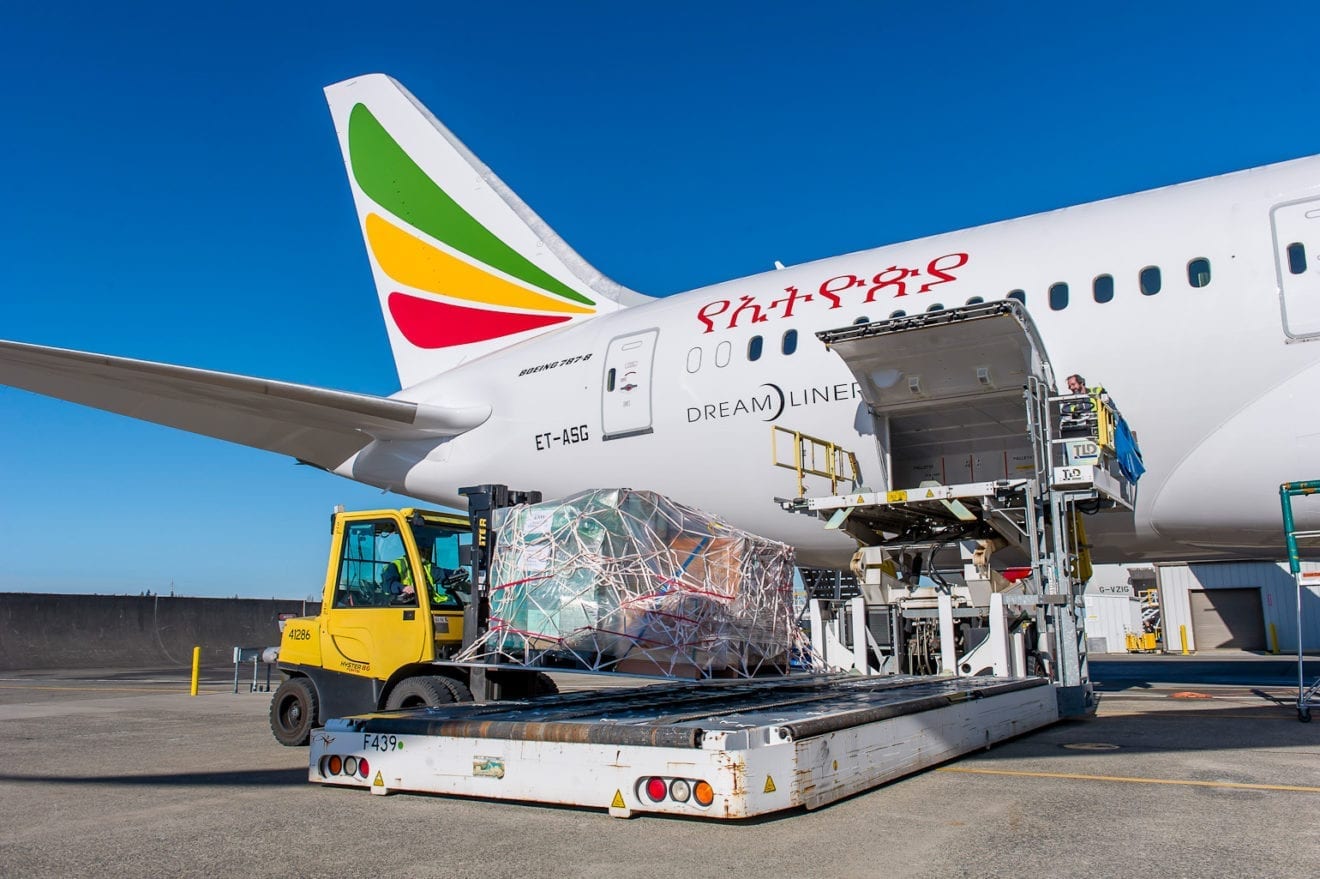
    Ethiopian Airlines Cargo Terminal, which is under construction currently, has reached 82 per cent completion and it is scheduled to be operation by April 2017, the African carrier said. The first phase of the Addis Ababa terminal cost around US$150 million.

    The terminal will have an capacity of 1.2 million tonnes of cargo including facilities for perishable goods. The facility can also handle up to eight B747-400 freighters at one time. Commenting on the the new facility, Ethiopian Airlines Group CEO Tewolde Gebremariam said: “Upon completion, our uplifting capability will be equivalent to the cargo terminals at Amsterdam Schiphol, Singapore Changi or Hong Kong.”

    The new cargo terminal is part of Ethiopian Cargo’s Vision 2025, aimed to support the country’s export of perishables including flowers, fruits, vegetables and meat. That plan includes expansion of its freighter network to eighteen aircraft serving 37 international cargo destinations by 2025.

    “At Ethiopian, we are very proud of the new heights Ethiopian has flown in the year,” Gebremariam said. “We celebrated our 70th anniversary, inaugurated the largest and the finest Aviation Academy in Africa and a state-of-the-art In-flight Catering facility which is the largest in the continent of Africa, introduced Africa’s first Ethiopian Airbus A350, and spread our wings to more countries on five continents”.

    Ethiopian has also constructed a flight simulator building and installed five of the latest full flight simulators, which includes Boeing 787, 777, 757, 767, 737NG and the Bombardier Q400. It plans to add simulators for the Airbus A350 XWB and Boeing 737 MAX aircraft.

  • Burger King sets up second store at new domestic terminal

    Burger King sets up second store at new domestic terminal

    Myanmar is getting its first ever publicly-accessible Burger King outlet, although whopper-enthusiasts will have to make their way to Yangon International Airport’s new domestic terminal to slake their hunger.

    The new Asia World-built domestic terminal – T3 – opened yesterday, with the first flights scheduled to take off later this week, according to Asia World.

    T3 spans some 44,000 square metres, boasts 38 check-in counters and will offer domestic passengers a “well-curated mix of world-renowned and local retail outlets and food and beverage options”, the firm said.

    Among the food options is the country’s “first public Burger King outlet”, according to Asia World. The new international terminal, T2, which opened earlier this year, hosts the country’s first Burger King. But that store is only accessible after going through passport control and customs.

    Thai firm Minor Food Group (MFG) has the franchise rights for Burger King in Myanmar, but could not be reached for comment on the new store. Asia World was also unavailable for comment on whether the new outlet was already up and running.

    Prapat Siangjan, MFG’s general manager for Burger King Thailand, told in August that MFG was considering a second outlet in the domestic terminal. That store would have prices denominated in kyat, and help MFG better gauge public demand, he said.

    Prices at the international terminal restaurant are dollar-denominated and geared towards international tourists, with a standard value whopper meal going for US$8.50.

    The new domestic terminal will also boast international brands including Gloria Jean, Coffee Bean and KFC. The latter chain, operated by Yoma Strategic, is well established in Myanmar, with seven outlets in Yangon and a new store in Mandalay scheduled for 2017.

    T3 opens just a few months after T2 – also Asia World-built – started operations. Passenger numbers at Yangon International Airport terminals have risen three-fold over the past five years, according to Asia World. Yangon’s airport handled 4.68 million passengers in 2015, the firm said.

    All domestic airlines are expected to move their operations to the new terminal, Department of Civil Aviation deputy director general U Ye Htut Aung previously told us. Asia World said the first domestic flights are scheduled to take place from December 9.

    Myanmar has 10 airlines operating domestic flights to 26 local destinations, according to Asia World.

  • Indonesian capital’s airport opens $560 million terminal

    Indonesian capital’s airport opens $560 million terminal

    The Indonesian capital’s airport opened a new terminal Tuesday after years of operating at far above its passenger capacity.

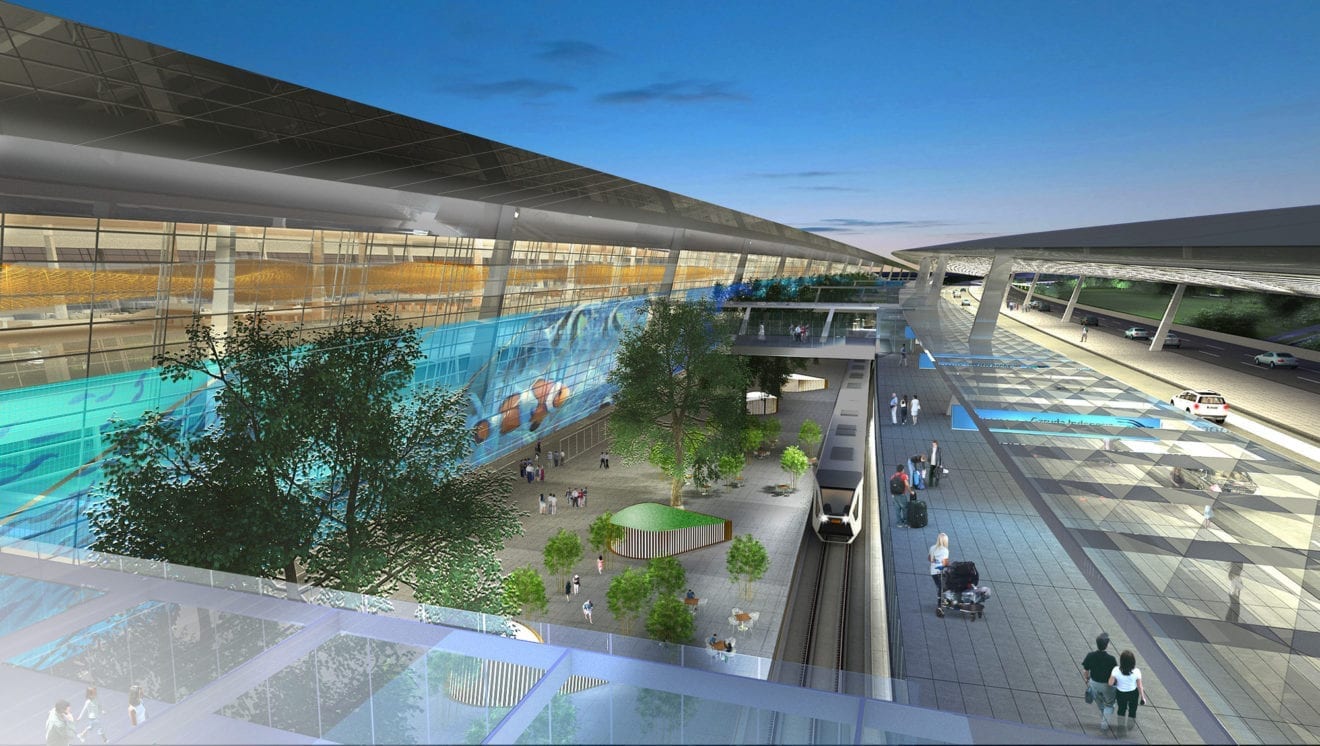
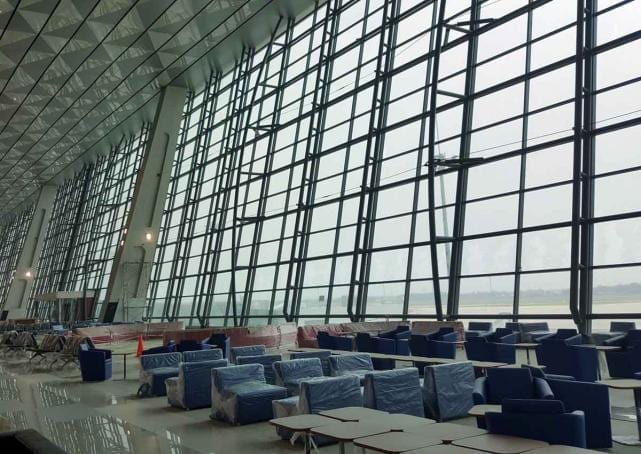
    Domestic flights for national carrier Garuda began operating in the morning from Soekarno-Hatta airport’s steel and glass $560 million Terminal 3. Its international flights will shift to the new terminal next month.

    Other airlines will gradually move their flights to the terminal and the airport company plans to start refurbishing two old terminals, built in 1984 and 1992, later this year.

    Indonesia, an archipelago of more than 250 million people, is one of world’s fastest growing air travel markets.

    But many international airlines bypass the capital Jakarta in favor of modern, high-capacity airports at Bangkok, Singapore or Kuala Lumpur for their Southeast Asian stopovers.

    The airport operator and government hopes the new terminal, and a third runway that is under development, will change that.

    Budi Karya Sumadi, Indonesia’s transport minister and former president of the airport company, said “this terminal was built to change the image of the capital Jakarta.”

    Soekarno-Hatta airport will be able to handle 62 million passengers a year once the renovated terminals are fully operational again in early 2018. The airport handled about 54 million passengers last year, making it the 18th busiest in the world, according to Airports Council International.

    An electric train from the airport to the city is slated for completion in early 2017.

  • Indonesia capital’s airport to open new terminal next week

    Indonesia capital’s airport to open new terminal next week

    Air passenger numbers are soaring in Indonesia, the world’s biggest archipelago nation, as a growing middle class increasingly chooses to fly but ageing infrastructure is struggling to keep up.

    The main airport serving the Indonesian capital Jakarta will next week open a new terminal to ease the burden on the country’s busiest aviation hub, the airport operator said Wednesday.

    The $380 million terminal at Soekarno-Hatta International Airport, which will start operations at about midnight Monday, will have a capacity of 25 million passengers a year once fully operational, said state-owned airport operator Angkasa Pura II.

    The other terminals are currently handling a total of about 60 million passengers a year, way over their capacity.

    The new Terminal 3 will start off handling only flights operated by Indonesian flag carrier Garuda, and it is hoped it will be fully operational by March next year.

    “This will be the biggest terminal in Indonesia,” Angkasa Pura II chief executive Djoko Murjatmodjo told AFP.

    It will eventually be connected to central Jakarta, about 30 kilometres (18 miles) away, by a rail link. There is currently no rail line between the airport and city centre, leaving passengers facing monster traffic jams to get into Jakarta at busy times.

    The terminal’s opening has been delayed for more than a month after the government ordered alterations following the discovery that an important part of the airport was not visible from the air traffic control tower.

    As well as ageing infrastructure, the Indonesian aviation sector also faces problems with safety and has suffered a string of deadly crashes in recent years.

  • Myanmar National Airlines To Yangon Airport New Terminal

    Myanmar National Airlines To Yangon Airport New Terminal

    Asia World Group has opened the first phase of a new airport terminal in Yangon that will be capable of handing up to 20 million passengers a year when complete, with US fast-food chain Kentucky Fried Chicken the first international restaurant confirmed to open in the new space.

    President U Thein Sein (right) and Steven Law (left) attend the new airport terminal opening. Photos: Aung Myin Ye Zaw / The Myanmar Times

    Yangon Aerodrome Company Limited (YACL), an Asia World subsidiary, built the airport in less than two years, completing the project in time to be claimed as one of the final achievements of the outgoing administration. U Thein Sein opened the terminal, which will be known as T1, on March 12, in one of his last public appearances as president as his five-year term draws to a close.

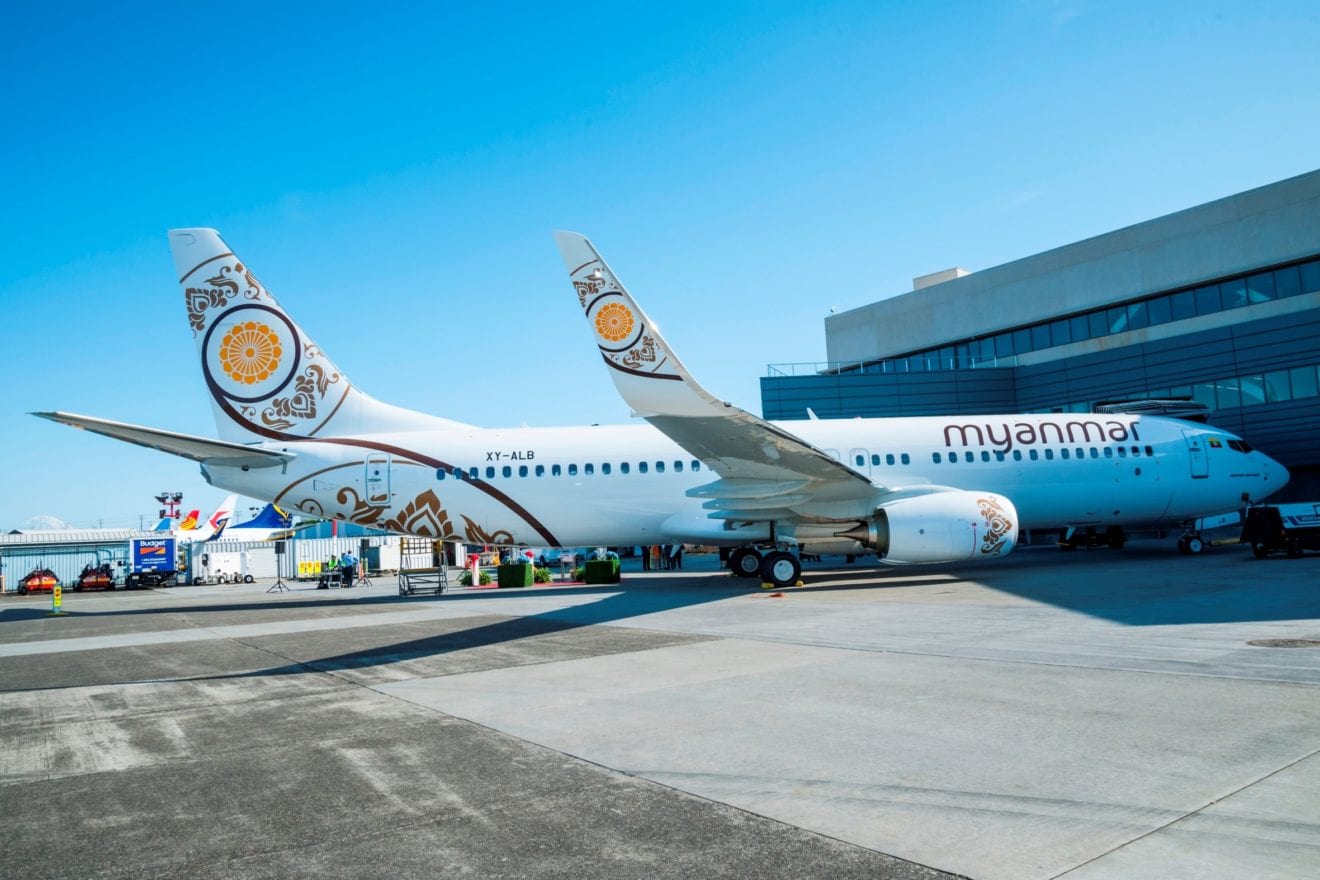
    Myanmar National Airlines, the recently rebranded national carrier, will be the first to move into the new terminal, officials said, with the airline’s maiden departure scheduled for March 20.

    Yangon’s existing international terminal, which is also managed by Asia World Group, will be rebranded as Terminal 2. Work on a new domestic terminal has already begun and plans are being drawn up for an “airport city” comprising a cultural centre, hotels, commercial and retail space.

    A view over the new Yangon International Airport Terminal 1.

    US-blacklisted Asia World was awarded a contract to build the US$660 million project in 2013 in controversial circumstances – the tender committee did not award it the highest mark, favouring a bid by a Japanese consortium, asreported last year.

    In response to a question about the tendering process, project manager Jerzy Wilk told The Myanmar Times that the company had no influence over the DCA’s decision-making, and that the tender was carried out in the public domain. The company’s track record demonstrates its capability, he said.

    YACL was awarded the contract in 2013 and signed a concession agreement with the Department of Civil Aviation in 2015. The group has provided 100 percent of the funding, through equity and loans from banks, said Mr Wilk.

    Balloons mark the opening of the new international airport.

    YACL chair U Htun Myint Naing, who also goes by the name Steven Law, said in a speech on March 12 that in building the airport the company had been confronted with several challenges.

    “First, as everybody is aware, this is not a greenfield project. It is an in-operation project and we needed to carefully deliver during this period,” he said.

    “Another challenge is our airport is a city airport, so we had a lot of limitations in the master plan and design … Also we built all these things within a short time period.”

    The company is operating with limited space – much of the land around the airport is taken up with military compounds and golf courses. Singapore’s CPG Corporation, which designed the world-class Singapore Changi Airport, helped with the design and planning, as did Surbana, said Mr Law in his speech.

    Around 88pc of flights into Myanmar land in Yangon. The airport has seen passenger numbers rise from 1.99 million in 2010 to 4.68 million in 2015, according to literature distributed by YACL.

    Guests ascend an escalator in the new terminal building.

    Weekly international flights from Yangon increased 3.88 times between 2010 and 2015. Twenty-eight international airlines now fly into Yangon and several more have confirmed new routes – Emirates Airlines, for example, will begin daily flights to Dubai in August and Hong Kong Express will launch flights later this year.

    YACL targets 8 million international arrivals through the airport in three years, according to YACL’s chief operating officer, Sulaiman Zainul Abidin.

    Last May, Singapore Myanmar Investco signed a 10-year agreement with DFS Group to develop and operate duty-free retail outlets at Yangon and Nay Pyi Taw airports and the company will be responsible for bringing in international brands.

    A tender has been called for the 7800 square metres of retail space with 50 retail outlets, and 3400 sq m of space across 16 restaurants. KFC has already set up its restaurant on the airport’s ground floor, and plans to open from the end of this month, said Mr Abidin.

    While Asia World Group and Mr Law are on the US Specially Designated Nationals list, YACL is not. Company officials did not explain how KFC has been able to sign with the group, and KFC’s local partner Yoma Strategic had not responded to questions by press time.

    Staff talk beside new baggage reclaim belts.

    Asked whether US sanctions had an impact on international demand to open outlets in the new terminal, Mr Abidin said it had not. “We conducted a tender. So far the response is from almost any country you can find … I don’t see any problems.”

    Despite the sanctions link, international trade will be able to pass freely through the airport, under the US Treasury’s General Licence 20, issued in December. While the license is only valid for six months, it is widely expected to be renewed in June.

    Mr Law has benefited more than most sanctioned companies from the license, which also allows trade to pass through his Yangon port terminal.

    The license is aimed at promoting trade and does not cover business deals between Asia World and US companies beyond transactions “ordinarily incident” to trade, officials from the Office of Foreign Assets Control said on a media call last December.
  • Changi continues with new T4 leasing process

    Changi continues with new T4 leasing process

    The Changi Airport Group (CAG) has received its first expressions of interest from ‘established travel retail companies as well as popular international and local brands’ interested in concessions at its new 195,000sq m Terminal 4, which is due to open in 2017.

    As reported, the S$985m ($741m) terminal with a planned annual 16m passenger capacity will comprise 17,000sq m of retail and F&B space for more than 80 outlets, with expectations that the overall quality standards will be at least comparable to those offered in Changi’s other terminals.

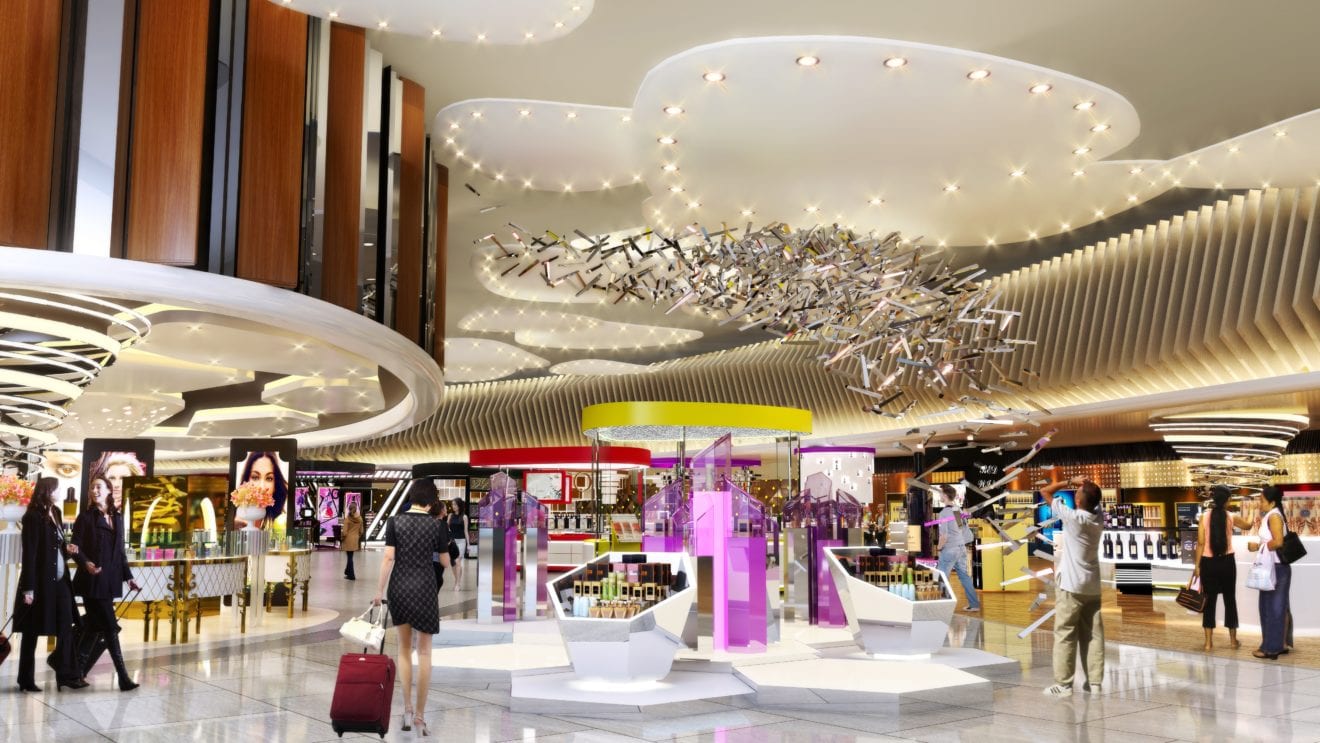
    Interestingly, airport management added: “In another Changi first, passengers will have a unique walk-through experience shopping for Liquor & Tobacco and Cosmetics & Perfumes. There will also be a cluster of double-volume retail shop fronts, as well as innovative design concepts for a differentiated shopping experience.

    Meanwhile, Changi reports ‘good progress’ with its T4 project development and construction works, which started last year. The terminal building is now reported to be more than 70% complete, with the main superstructure now recognisably visible. The actual completion of the superstructure is now expected before the end of this year.

    This will then trigger the next phase, which will include the installation and testing of key airport systems such as kiosks for check-in and bag-drop, plus the baggage handling system, as well as the preparation of Terminal 4’s commercial spaces.

    It has also been confirmed that five more airlines – AirAsia Berhad, Indonesia AirAsia, Thai AirAsia, Korean Air and Vietnam Airlines – will all operate at T4, joining with Cathay Pacific.

    CAG said: “In total, these six airlines currently operate almost 800 flights every week at Changi Airport and collectively accounted for close to 7m passenger movements in 2014. With T4’s breakthrough terminal design and innovative concepts, passengers of these airlines can expect enhanced travel experiences at T4.”

    Airport management adds that it expects a few other airlines will also operate at T4 when it opens and it is forecasting between 8m and 10 m passenger movements in the initial period of operations.

    Changi Airport Group (CAG) Executive Vice President Commercial, Lim Peck Hoon underlined the high expectations that the airport’s commercial team has for its new retail and F&B offerings at T4.

    She said: “We want to inspire our partners to dream big with us, to think up show-stopping store designs and innovative retailing concepts to delight and surprise our passengers and airport visitors and create an airport shopping and dining experience like no other.”