Retail News CRM

Tag: Toll

  • Shein’s Q1 Losses: Tariffs, Slowing Sales, and Their Toll Ahead of Hong Kong IPO

    Shein’s Q1 Losses: Tariffs, Slowing Sales, and Their Toll Ahead of Hong Kong IPO

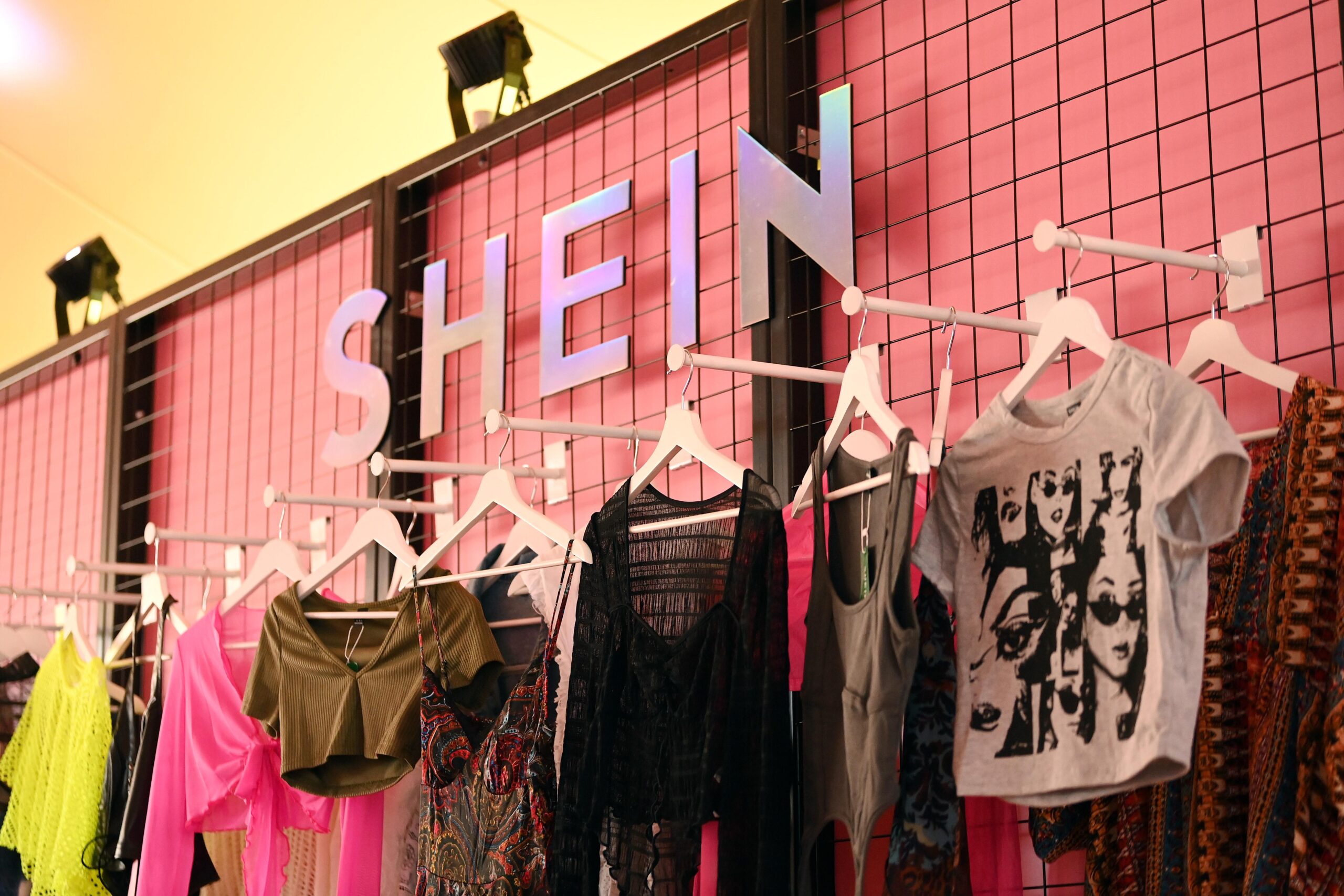
    Online retailer Shein recently reported a notable quarterly loss of $99 million, as indicated in its pre-IPO financial filings. This downturn comes in the wake of the United States lifting an import duty exemption on small packages along with a significant, one-time accounting charge. These events led to the company’s first quarter of 2026 posting a loss, in contrast to the net income of $395 million that was recorded during the same period in the previous year.

    Challenges and Changes

    Shein, a company that originated in China but is now headquartered in Singapore, is currently faced with an array of challenges. These include a new €3 fee imposed by the European Union on low-value e-commerce imports, a measure designed to address what the EU perceives as unfair competition from China. The company’s financials now reveal the strain these new circumstances are putting on Shein, as it contends with rising costs, slower growth, and heightened regulatory scrutiny from its key markets.

    Shein’s first quarter loss in 2026 was partly influenced by an accounting change that resulted in a $328 million fair-value charge on convertible redeemable preferred shares, which are investor shares that can later convert into ordinary shares. This accounting loss occurred as Shein, a company that sells affordable fashion to approximately 160 countries, experienced a sharp decrease in its valuation, largely resulting from the fading online shopping boom produced by the pandemic and the closure of the ‘de minimis’ duty loophole in the US.

    In the wake of the ‘de minimis’ exemption being removed in May 2025, Shein acknowledged a negative impact on its sales in the US, its largest market. The ‘de minimis’ rule had previously allowed packages valued at under $800 to enter the US without duties. Shein is now grappling with tax rates ranging from 10% to 87.5% on Chinese-origin products sold by the company or through its marketplace and shipped to the US. In an effort to counteract these increased duties and taxes, Shein is considering a range of options, including raising its prices in the US market.

    The company reported a 14.3% drop in US revenue to $2.04 billion in the first quarter, down from $2.38 billion during the same period in the previous year. With Europe accounting for about one-third of Shein’s revenues in 2025, the company has also expressed concerns about the potential impact of the new EU duty.

    Regulatory Concerns and Future Plans

    Regulatory scrutiny and trade tensions between the US and China have put Shein in a challenging position. Criticisms have been raised regarding the retailer’s working conditions in supplier factories, the potentially addictive features of its shopping app, and the environmental impact of air shipping large volumes of goods.

    In response, Shein has reiterated its zero-tolerance policy on labor abuses and has pledged to invest in risk assessments and mitigation frameworks to safeguard its users. Shein also revealed that the majority of products manufactured by its supply chain partners are stored in central warehouses in China before being shipped. Proceeds from its IPO will be used to improve technology, raise brand awareness, expand its global presence, and promote corporate responsibility.

    Questions & Answers

    What factors contributed to Shein’s recent quarterly loss?
    Shein’s loss was influenced by the US lifting an import duty exemption on small packages, the introduction of a fee on low-value e-commerce imports by the EU, and a one-time accounting charge related to a change in the valuation of investor shares.

    How has the removal of the ‘de minimis’ rule affected Shein’s operations?
    The removal of the ‘de minimis’ rule has resulted in a notable decrease in Shein’s sales in the US and an increase in the company’s expenses.

    What measures is Shein considering to counteract these increased costs?
    Shein is currently exploring several options, including the possibility of raising prices in the US market to offset a portion of the increased costs.

  • Us Spirit Exports Plunge Amid Rising Trade Tensions, Major Markets Show Sharp Decline

    Us Spirit Exports Plunge Amid Rising Trade Tensions, Major Markets Show Sharp Decline

    The Distilled Spirits Council of the United States (DISCUS) has reported that the nation’s spirit exports saw a 9% decrease in the second quarter. The organization indicated that this marked a sharp downturn from the solid export performance recorded in 2024. The major markets that experienced steep falls include the European Union, Canada, Britain, and Japan, which collectively contribute to 70% of the total export value. DISCUS, a trade association representing leading spirit producers such as Pernod Ricard, maker of Jameson Irish whiskey, and Brown-Forman, producer of Jack Daniel’s, attributed the slump to increasing trade tensions.

    Significant Market Drops

    Canada recorded the highest decline, with US spirit exports plummeting 85% to less than $10 million in the second quarter. The majority of Canadian provinces maintain a ban on American spirits in their stores, a measure implemented in response to US tariffs targeting Canada. However, Canada lifted retaliatory tariffs in September.

    Meanwhile, other significant markets also experienced drops. Exports to the EU, the industry’s largest market, declined 12% to $290.3 million, while shipments to Britain decreased 29% to $26.9 million. Exports to Japan also fell 23% to $21.4 million.

    Industry Concerns

    “There’s a growing concern that our international customers are increasingly opting for domestically-produced spirits or imports from countries other than the US, signalling a shift away from our great American spirits brands,” commented DISCUS President Chris Swonger.

    Swonger’s statement reflects wider apprehensions in the consumer goods industry about rising anti-American sentiment in the wake of the extensive tariff regime and other policies pursued by the US government.

    Reports have also suggested that this export slump coincides with American whiskey producers struggling with slowing domestic sales and historically high inventory levels.

    Call for Tariff Revisions

    Swonger emphasized the interconnectedness of the spirits sector, implying that US tariffs impact the industry as a whole. He appealed to the administration to focus on reestablishing zero-for-zero tariffs with trading partners.

    Questions & Answers

    What was the percentage drop in US spirit exports in the second quarter?
    There was a 9% decrease in US spirit exports.

    Which country recorded the most dramatic fall in US spirit exports?
    Canada recorded the most dramatic fall with an 85% decrease in US spirit exports.

    What are some of the challenges faced by American whiskey producers?
    American whiskey producers are facing challenges such as slowing domestic sales and record-high inventory levels.

  • Government to establish electronic toll collection consortium

    Government to establish electronic toll collection consortium

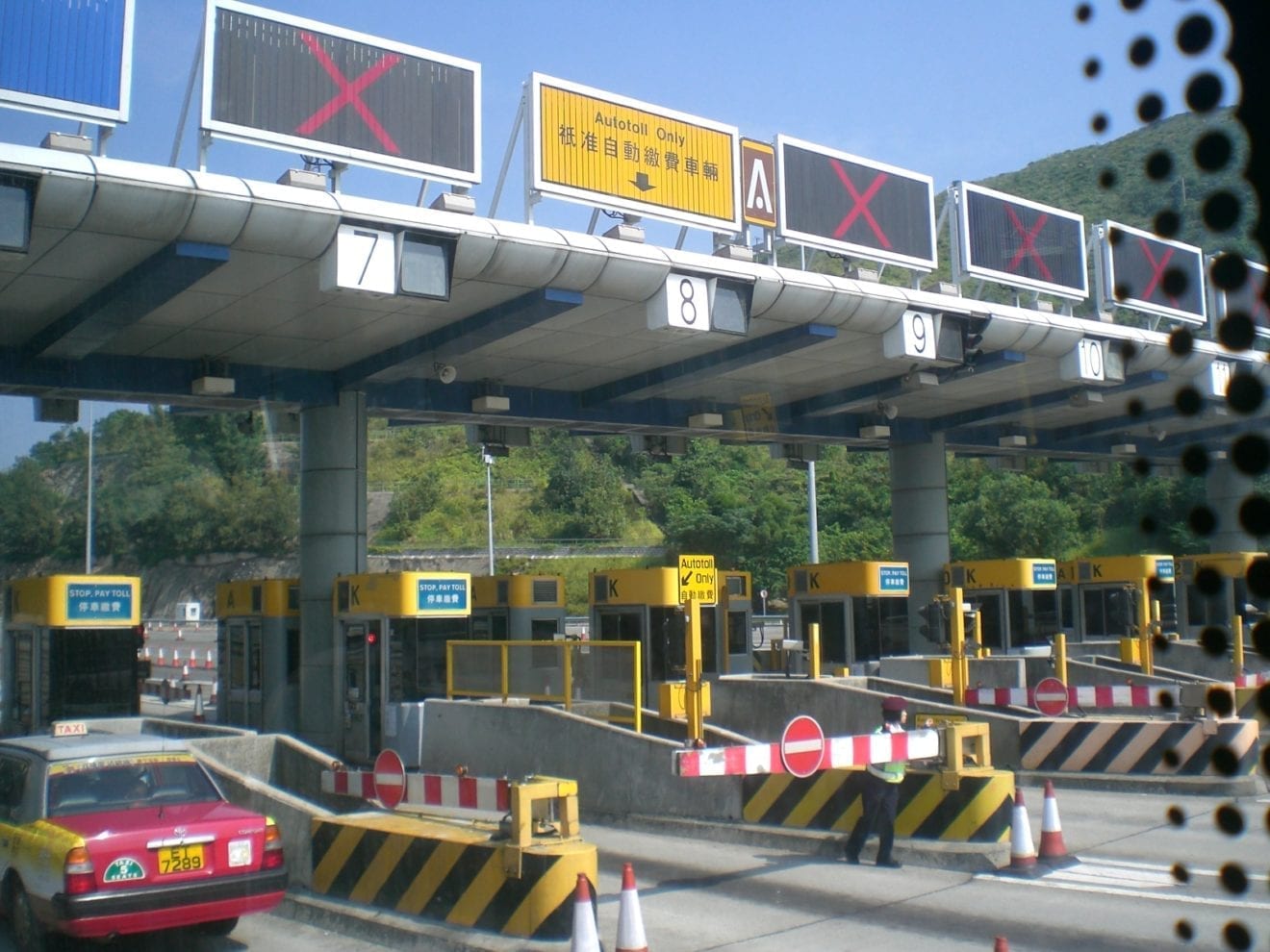
    The Public Works and Public Housing Ministry (PUPR), in cooperation with Bank Indonesia, will establish an electronic toll collection (ETC) consortium to set up a non-cash payment system on toll roads, which is targeted to operate thoroughly in Oct 2017.

    The shareholders of the consortium will consist of various stakeholders from bank companies, toll road enterprises, and switching companies.

    The consortiums role is to manage electronic payment facilities and infrastructure on toll roads, such as system and procurement of “reader,” data synchronization, and proportional profit sharing.

    “It will also play a major role in the integration of the toll road segments as well as in improving the business model and technical aspects of electronics,” BI Governor Agus Martowardojo told the press here on Wednesday.

    The establishment of the consortium is in line with governments target to change every payment in the toll roads using non-cash or electronic mechanism.

    BI has set a target to manage non-cash payment system in 35 toll roads in Oct 2017. Currently, only 25 percent of total payments in 35 toll roads in Indonesia are using non-cash payment.

    “Hence, this consortium is one of the required institutional aspects to be established,” Martowardojo noted.

    In addition to the institutionalization, electronicfication of all toll roads will also change the business model of various participating companies on the highways.

    Among some changes is the business commission that the bank must pay to the operator for the non-cash payment application of 0.3 percent, which will be replaced by a merchant discount rate (MDR) system. MDR will be implemented after the ETC consortium is officially established.

    To add incentives for banks to integrate, BI will also allow banks to charge additional commissions to customers when charging an electronic money balance used to pay for toll services. Such fee will be regulated in the revision of Bank Indonesia regulation concerning electronic money.

    Technically, BI and the PUPR Ministry divide the four stages of non-cash electronication including the electronification stage of the entire toll road in October 2017, the integration of the toll road system, the integration of toll roads and the establishment of the Electronic Toll Collection Consortium (ETC) as well as the implementation of Multi Lane Free Flow (MLFF), as a process of payment of tolls which not require the drivers to take a long stop.

  • Fierce competition takes heavy toll on smartphone market in Bangkok

    Fierce competition takes heavy toll on smartphone market in Bangkok

    Thailand’s increasingly crowded smartphone market has wreaked havoc on handset companies’ profit last year, with Japan’s Sharp Corp becoming the latest victim to be quietly forced out of the market.

    Chinese handset maker ZTE Corporation, meanwhile, disputed rumours that the company has decided to pull out of the Thai smartphone market due to stiff competition.

    However, industry veterans believed more intense competition is around the corner this year.

    Sharp confirmed that the company is now inactive in the Thai smartphone market without providing a reason after resuming its presence here just one month ago through Commtiva Technology, a Taiwan-based distributor of wireless communication products.

    Oran Rungsereechaitrakul, former marketing manager of Commtiva (Thailand), said the company had just been verbally informed by its parent firm Commtiva that the group stopped selling Sharp mobile phones from Dec 30 last year.

    Lorna Liang, country manager for device of ZTE Thailand, said the company remains strongly committed to the Thai market despite facing fierce competition.

    “We are continuing business as usual. We have set long-term strategic plans to expand our presence in Thailand after entering the country less than two years ago,” she said.

    ZTE will still focus on the smartphone segment priced 3,000-7,000 baht apiece, where it has a particularly strong presence in Thailand, through distribution channels with mobile operators and retail shops.

    ZTE will roll out 2-3 smartphone models by March.

    Ms Liang also threatened to take legal action against those who spread or publish rumours regarding the company’s alleged business closure before checking with the company, saying spreading false information will cause consumers to lose trust and confidence in the company.

    According to internal reports by Huawei and Oppo, Samsung is clearly dominating the local smartphone market with a 40% share, followed by Apple with an estimated share of less than 15%, with Chinese brands Oppo and Huawei having a 12% and 8% market share, respectively.

    The growth of Oppo was particularly impressive as it rose quickly to become the third largest smartphone brand in Thailand in terms of sales volume for 2016.

    Consumers in this massive market are rapidly being won over by Chinese and household brands that incorporate much of the functionality of an Apple iPhone or Samsung Galaxy, but at a fraction of the price.

    Handset makers are also facing an undeniable shift in consumption trends in the digital lifestyle age.

    Samsung stayed on top of Thailand’s smartphone market last year, despite being battered by the Galaxy Note7 recall and increased competition from China.

    The Korean company recalled the Note7 in September last year after reports of overheating lithium-ion batteries. Replacement phones also ran into similar problems, leading the company to halt production of the smartphone in October.

    Samsung will continue facing stiff competition from Apple in the high-end smartphone market, while simultaneously facing pressure at the lower-end from Chinese makers.

    Overall, the Thai handset market grew by only 2% to 22 million units in 2016 — the smartphone industry’s slowest growth rate for a year.

    Chinese brands Oppo, Huawei and Vivo posted strong growth rates in sales even as Samsung and Apple saw their volumes drop. Other smaller players and newcomers like Asustek, Motorola, Lenovo, ZTE and France’s Wiko will pose competition to the giants this year, which would need to take measures to survive in the market.

    Taiwan’s HTC has already been forced out of the Thai smartphone market, while Sony and LG announced they will sell selective models here.

    Pairoj Thavornsapanant, assistant managing director of TG Cellular World, a leading mobile distributor, said product design and quality as well as strong sales and distribution networks are becoming critical for smartphone companies to succeed and survive in the country’s mature market.

    “Consumer acceptance of a smartphone brand is another vital factor in business success,” he said, adding that consumer acceptance is expected to take 3-5 years.

    Leo Zhao, sales director of Oppo (Thailand), said the local smartphone market has already reached a mature stage as the smartphone has become a must-have device in the digital era.

    Thailand’s smartphone market is expected to grow at the same pace as last year’s 2-3% to reach 25 million units in 2017, he said.

    Mr Zhao said the handset replacement cycle will be faster with Thais expected to replace their mobile phones every 10 months this year, compared with 12-15 months in 2016, because consumers take advantage more quickly of smartphone advances.

    The middle to high-end markets will continue growing faster than the entry smartphone market because consumers prefer superior user experience, faster connection and high-end specifications.

    High-end smartphones priced over 15,000 baht accounted for 6% of total sales in 2016, up from 3.5% in 2015.

    Entry level smartphones priced below 4,000 baht made up 40% of total sales last year, down from 50% in 2015.

    “Thailand’s smartphone industry will see more consolidation over the next few years and there will be less than 10 survivors in the local market,” said Mr Zhao.

  • Indonesia to operate Becakayu Toll Road by 2017

    Indonesia to operate Becakayu Toll Road by 2017

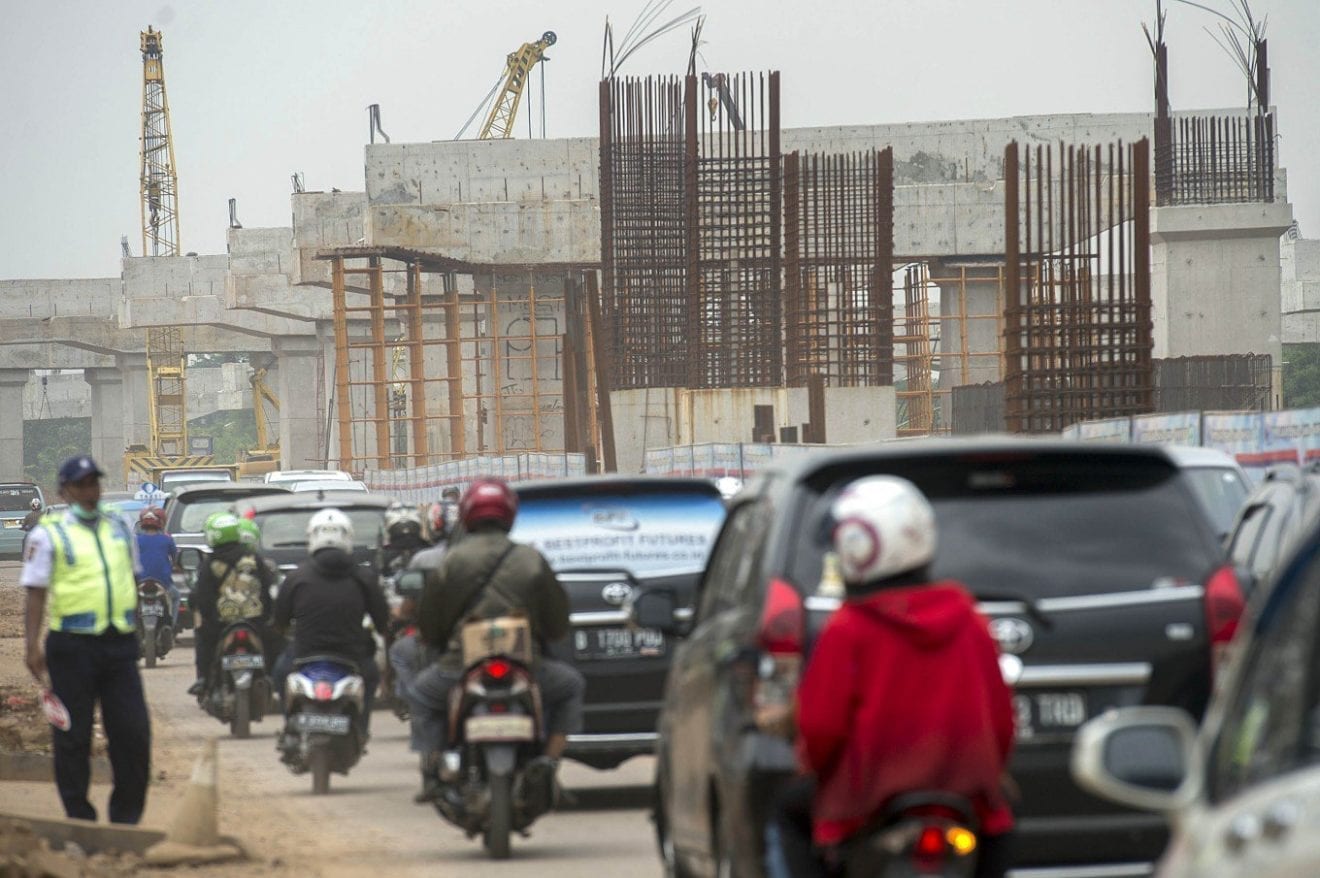
    Indonesia will start to operate 8 kilometers of the 11-kilometers section of the new Bekasi-Cawang-Kampung Melayu (Becakayu) toll road connecting Bekasi City and Jakarta by March 2017.

    “I believe by March, the 8 kilometers toll road can start operations. I hope we can operate both lanes, so there will be 16 kilometers of the new toll road,” Indonesian President Joko Widodo (Jokowi) said here on Monday.

    Jokowi conducted a visit to Becakayu toll road construction to observe the progress.

    According to Jokowi, the toll project had been stopped for 22 years since 1997. The government restarted the project in 2015.

    Indonesia plans to start operations of the 11 kilometers of the toll project by 2017.

    The toll road will hopefully decrease traffic density between Bekasi and Jakarta.

    The Becakayu Toll Road will also connect with the Jakarta Outer Ring Road (JORR) lane that integrates with outer Jakarta areas.

    Jokowi said there were no obstructions from land acquisition of Becakayu Toll Road.

    “We have no problems as we have bailout investment. The assistance could accelerate the construction,” he said.

    Indonesia is boosting its infrastructure sectors such as airports, ports, roads and highways, and railways to develop the economy.

    The president also asked ministers to help attract and support private investments in the infrastructure sectors.

    According to the president, there were several areas in which such investments can support the development of infrastructure. Such an investment can be made by private sector players, state enterprises or via Public-Private Partnership (PPP) route.

    “Infrastructure development shouldnt depend only on the State Budget or Regional Budget. We should open such opportunities for the private sector and for non-government investments,” the president said here on Wednesday.

  • Toll, Specialty Fashion build retail distribution centre

    Toll, Specialty Fashion build retail distribution centre

    Toll Group has unveiled its plans to build a state-of-the-art retail distribution centre in collaboration with apparel retailer, Specialty Fashion Group.  The 32,000 square metre distribution centre will be built by Logos Group Australia at the Prestons Logistics Estate, Sydney.

    Fitted with advanced automation technologies to enable fast and efficient distribution to customers, the facility will be one of the first in Australia specifically designed to cater for the growing retail eCommerce market.

    Toll has worked closely with Specialty Fashion Group to design a distribution centre that will meet the demands of the retailer’s recent growth, and support its continual focus on improving omni-channel delivery including online and ‘click and collect’ ordering.

    The Prestons facility will enable Specialty Fashion Group to get products to stores and customers faster than ever before.

    In a ground breaking ceremony at the site, Toll’s Managing Director, Brian Kruger, and Specialty Fashion Group CEO, Gary Perlstein, turned soil to mark the start of construction.

    Brian Kruger said “We are excited to announce our plans for this innovative distribution centre – an Australian first in automation for eCommerce processing and distribution.

    “Our aim at Toll is to connect people and products, and we look forward to working with Specialty Fashion Group to enable a fast, efficient and cost effective supply chain for its customers.”

    Gary Perlstein said “Currently, Specialty Fashion Group sells a garment a second in Australia. We have worked with Toll to create a supply chain solution that enables our omni-channel strategy across all brands for a streamlined and memorable customer experience.”

    Toll has designed the facility to include several leading automation technologies including a multi-shuttle tote storage system, goods-to-person pick stations, automated and ergonomic eCommerce processing stations, automatic carton optimisation machines and a tier one warehouse management system.

    These technologies will enable the site to manage high volumes efficiently and quickly, despatching products for faster delivery and reducing overall costs per unit.

    The facility will employ around 120 warehouse operators and is expected to despatch more than 90 million units annually. Construction is expected to be completed in October 2017.